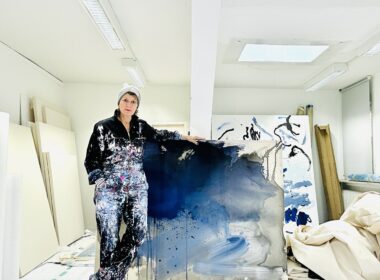

Sonja Duric On Opening a Bookstore in the Age of Digital Reading
👁 14 Views
At Arts to Hearts, we’re always looking for opportunities to spotlight creative people artists, galleries, curators, the ones shaping culture from every corner. But after a recent brainstorm, we found ourselves asking: what else deserves to be celebrated? Because creativity doesn’t live in studios alone.
It lives in the way a space is curated, in the objects chosen for a shelf, in the atmosphere of a room, in the deliberate decision to make someone feel like they belong the moment they walk through a door. And that’s when bookstores came up. Think about it, the collection, the curation, the environment, the story behind every single choice. It is, genuinely, one of the most creative businesses there is.
So, we went looking. And one name stopped us immediately: Stories by the Sea.
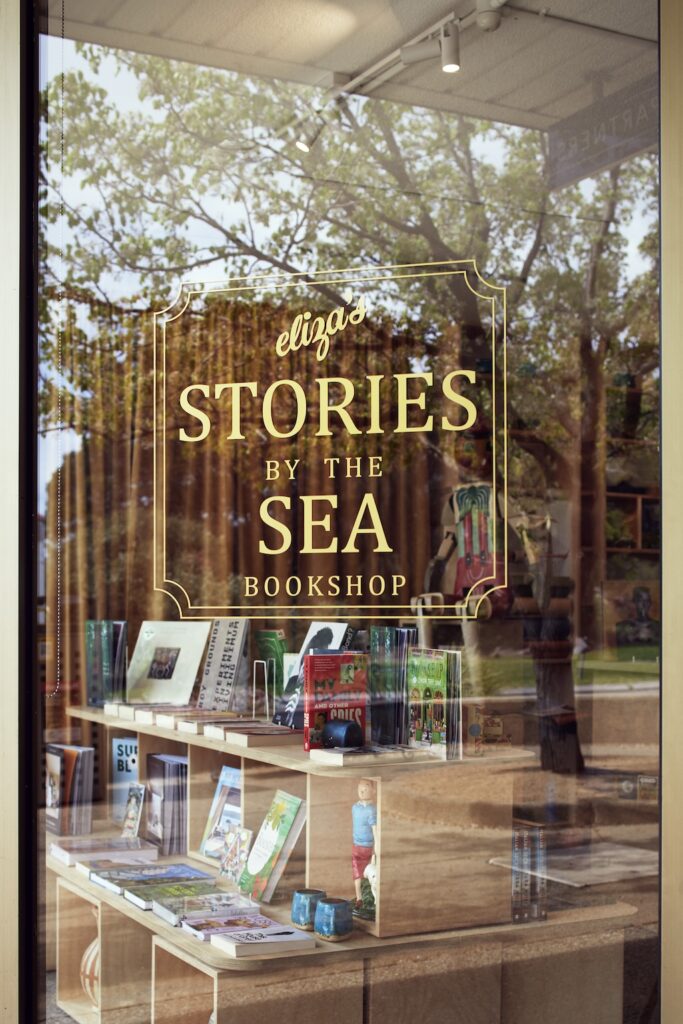
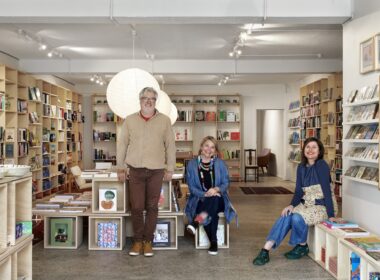
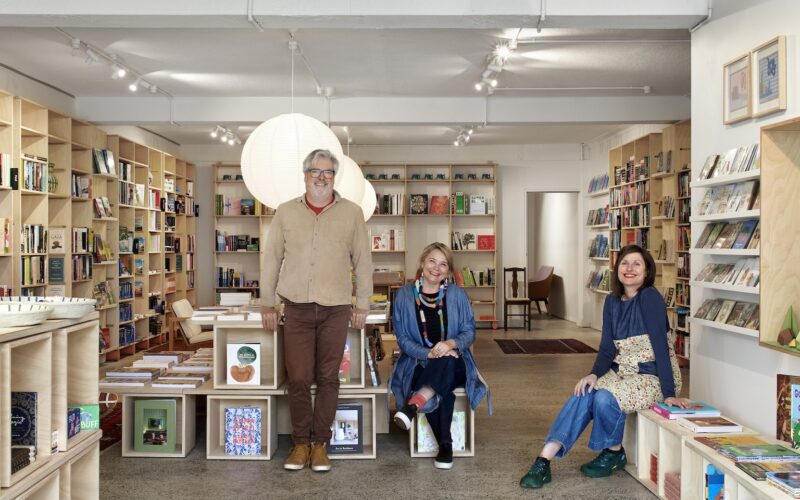
Even before we knew anything about it, the name said everything something poetic, something coastal, something that promised more than just a retail shelf. And it delivered. Stories by the Sea was founded by Sonja and her husband, the couple behind architecture and design practice StudioBE, and it was never just a business idea. It was years in the making a slow gathering of values, dreams, and a shared wish to build something that would genuinely outlast them.
These are two designers who had spent their careers shaping workplaces, schools, aged care facilities, and health spaces for other people. Always asking: does this space make someone feel like they belong? And one day they finally turned that question on themselves. What kind of space did they want to exist in the world? The answer was a sanctuary. Somewhere built for information, community, creativity, acceptance, and kindness all in the same room, all at once.
They built it the way people build things that truly matter: with their whole community around them. Friends and family came and volunteered, stacked shelves, helped with the first orders. StudioBE designed the space itself, drawing on five years of research into sensory comfort to make sure every corner felt genuinely calm, warm, and accessible — not just on paper, but in practice.
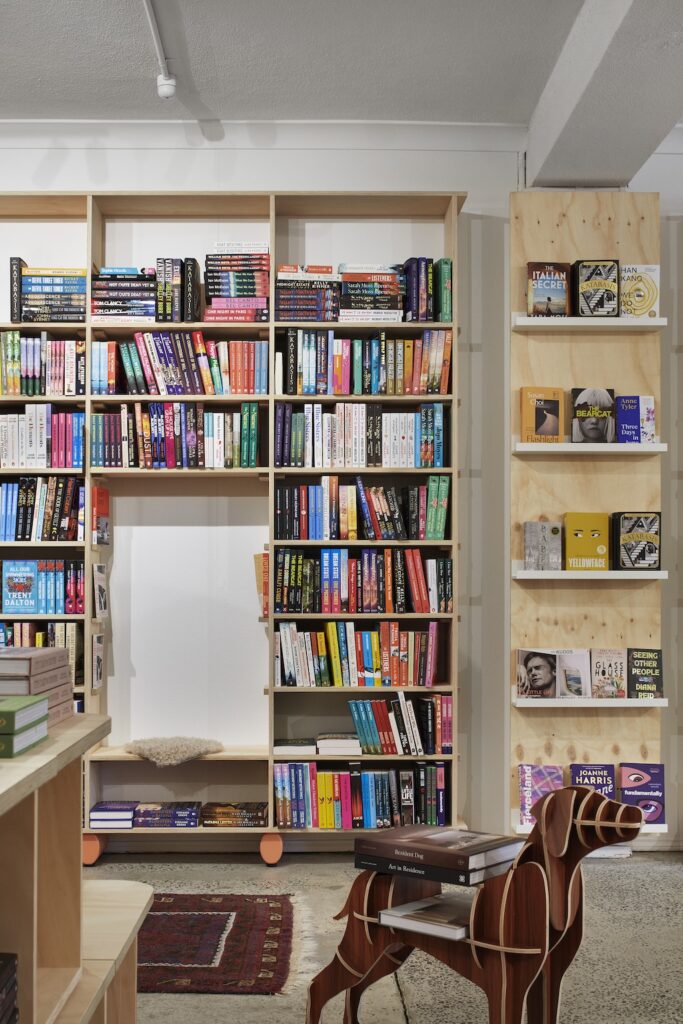
The result is a bookstore that doesn’t just sell books. It carries local art, vinyl records, handmade objects from potters, glass blowers, textile artists, and photographers. It has a dedicated children’s room, a large design section, and shelves where First Nations books always sit first because first people come first. It is a neuro-affirming workplace that proudly employs neurodiverse young adults, a vision that grew directly from lived experience from raising their own autistic daughter, and from watching the world repeatedly fail to make room for her.
Located on Bunurong land on the Mornington Peninsula, the bookstore is as rooted in its place as it is in its people shaped by a deep partnership with Baluk Arts and by a coastal community that has quietly claimed it as their own.
Now let’s hear from Sonja herself on the journey, the vision, and what it really takes to build something like this.
Q1. Every meaningful space carry traces of the person behind it. Could you share the journey both personal and professional that eventually took form as Stories by the Sea?
The path to creating Stories by the Sea was a slow gathering of values, dreams, and a wish to build something that would outlast us. For years, we dreamed about creating a sanctuary for information, community, creativity, acceptance, kindness and knowledge. The shop is founded on: Social Justice: Creating an environment that is intentionally inclusive and welcoming to all. Creativity in Architecture and Design : Stemming from our other job – that of workplace, health, aged care, school etc designers. While the dream was personal, the path was community based = our friends and family helped us immensely by volunteering and stacking bookings, and inputting the first orders etc. Our design practice, StudioBE designed the space.
Q2. There is a clear commitment in your work to inclusion—welcoming diverse communities and creating a sense of belonging. How do you ensure that this remains a lived value rather than just an intention?
Our shelves are our most powerful tool for advocacy. We don’t just stock what is popular; we actively seek out marginalized authors and creators. We include stories from First Nations voices, LGBTQ+ authors, and writers from diverse socio-economic backgrounds. When a child or an adult walks in and sees a protagonist who looks or feels like them or shares their struggle then they belong. Inclusion also means lowering the barrier to accessibility of all kind, from accessing books, to accessing the shop and feeling comfortable while being there. Our design intention was to create a space that is calming, warm, accessible and inclusive. We applied our own research into sensory comfort that we have been doing for 5 years with distinguished professor winnie dunn, to the design of the shop. We have sections dedicated to first nations books, a room for children and a large design section too. We are a neuro-affirming workplace employing neurodiverse people.
Q3. One of the most meaningful aspects of your model is your commitment to supporting neurodiverse young people through employment. How did this vision emerge, and what has it taught you both as founders and as individuals?
Our vision emerged from lived experience and our own autistic daughter, who faces barriers at every turn. Inspired by Winnie Dunn and the work of Nancy Doyle (2020), we embrace a biopsychosocial model which emphasizes that the “individual is not disabled, the environment is disabling.” This applies to both the built and social environments; if there is no acceptance in our communities, or if schools and workplaces fail to adapt to different learning styles and personalities, we perpetuate disability rather than accepting difference. By focusing on adjusting the context to fit the person, we now proudly employ six neurodiverse young adults, with another set to begin training with us and their support organization soon
Q4. Stories by the Sea feels as much like a cultural space as it does a bookstore. How do you balance the emotional and social intentions behind the space with the practical realities of running a sustainable business?
To be honest, the balance is something we are still navigating—and some days, we don’t manage it very well. While my husband often reminds me that we aren’t technically a social enterprise, the reality is that our soul functions like one.
We are currently in a “bridge” phase, moving from a passion project to a sustainable community space and business
Q5. In a time when digital consumption continues to reshape reading habits, what role do you believe physical bookstores still play in fostering meaningful human connection?
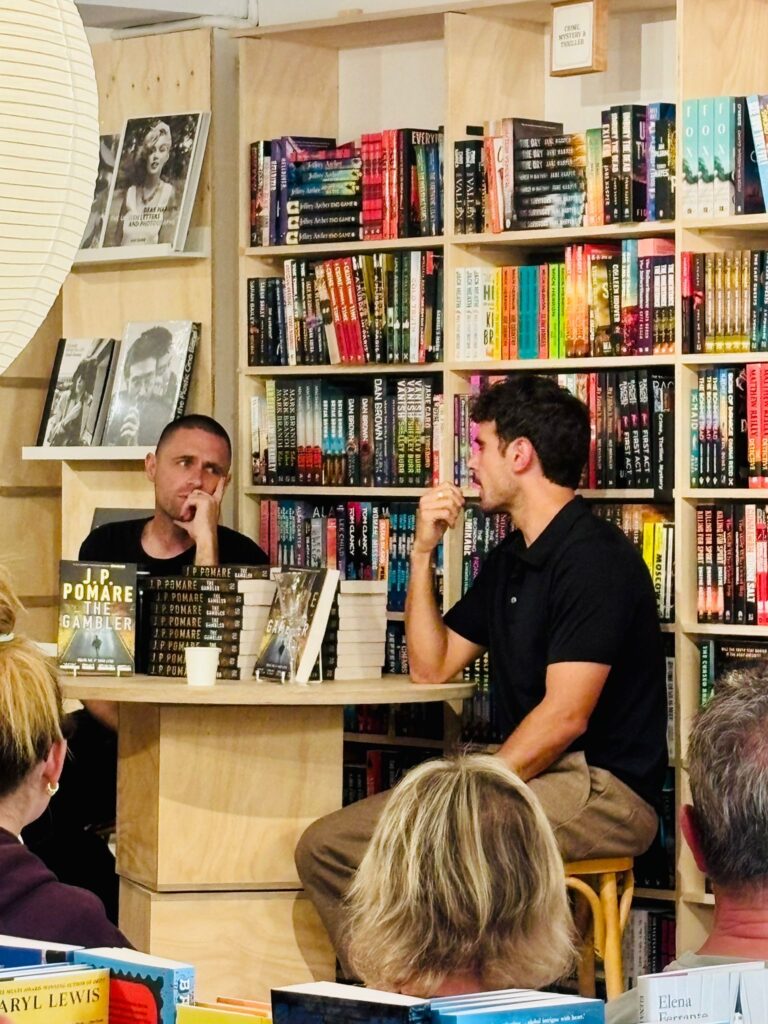
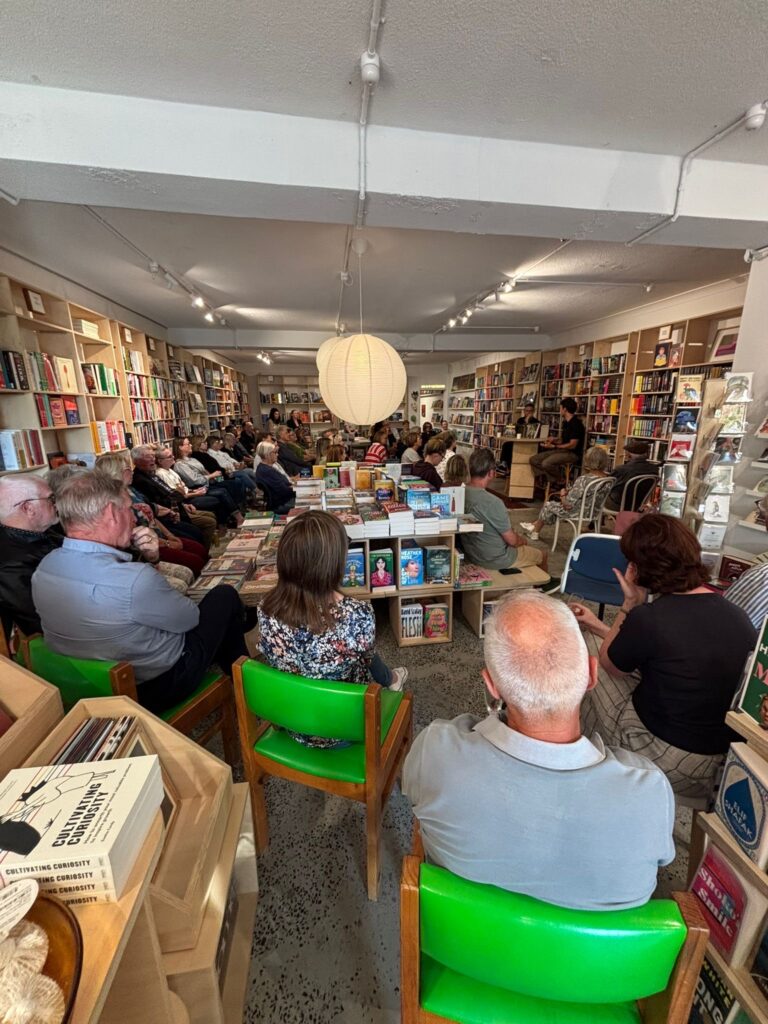
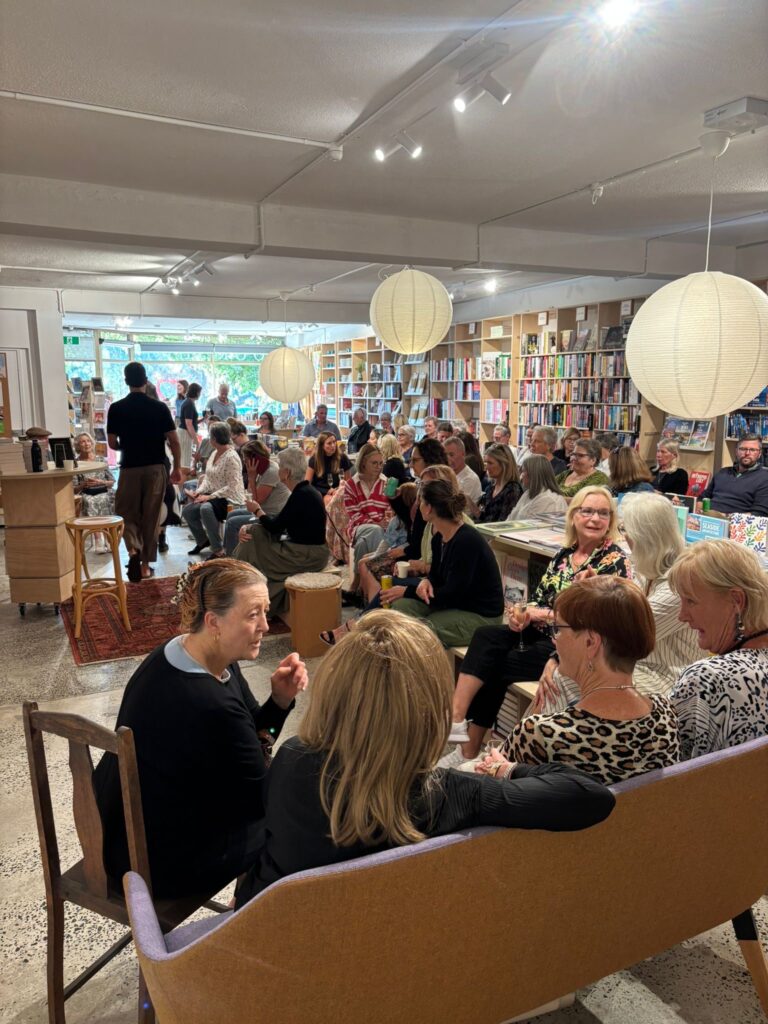
In an increasingly digital world, we are seeing a powerful “analog revival” similar to the resurgence of vinyl records (which we also sell), as parents and grandparents become more eager to reconnect children with the tactile experience of paper books. This global shift was recently highlighted by our team member Mel, who observed that bookstores in Japan are currently thriving as essential cultural hubs. By moving beyond simple retail to host author events, book clubs, and creative workshops, we are transforming Stories by the Sea into a vital “other or third space.” We believe that while digital consumption is efficient, it cannot replace the meaningful, face-to-face community connections and sensory experiences that a physical bookstore provides.
Q6. Every venture carries risk, but shared ventures often amplify that vulnerability. What were some of the risks you took together, and how did you move through them?
Taking on Stories by the Sea was a significant leap of faith that involved financial risk, especially in an era where digital retail dominates. We moved through that vulnerability by the collective sense of positive thinking, hope, and hard work. We are making this work by staying grounded in our “why”; the belief that a space dedicated to our kids, and creativity is a risk worth taking; and by showing up every day to prove that a heart-led model can be resilient and successful. Other people believe in it too – this is why we still hold the passion.
Q7. Being located on Bunurong land and within a coastal community brings a specific sense of place. How does this context inform the identity of Stories by the Sea and the conversations you hope to hold within it?
Stories by the Sea is deeply rooted in its identity as a space on Bunurong land, and our connection to this coastal community begins with an unwavering respect for the fact that this land is, and always will be, unceded. We hold an immense sense of awe for the First Nations people who have cared for this country for 60,000 years or more. Our identity is shaped by a meaningful partnership with Baluk Arts, a First Nations gallery in Mount Eliza, where we work together in a spirit of mutual support to ensure indigenous voices and artistry are central to our shelves and our walls. Both in our children’s room and main room, the first nations books are first – symbolising first people first.
Q8. There is a strong sense of care in the way your team and collaborators are acknowledged. How important has community both personal and professional been in bringing this bookstore to life?
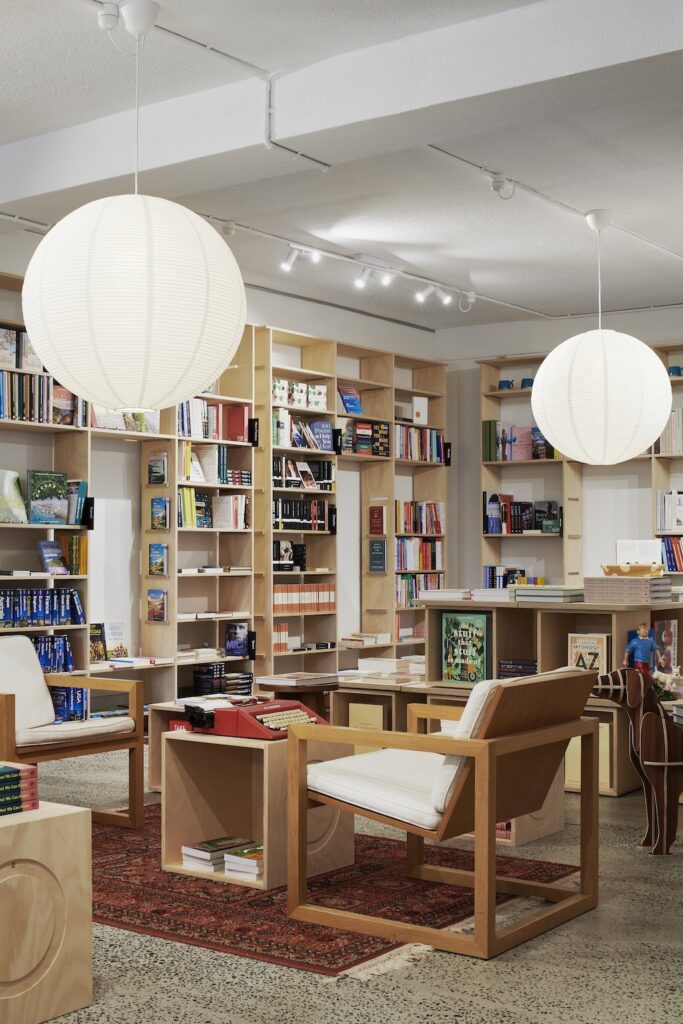
Stories by the Sea is like our bowerbird nest. We collect everything we love and promote local artisans—potters, glass blowers, textile artists, photographers, and the makers of Onstone—alongside our collection of books. By integrating local art, handmade objects, and even vinyl records, we have created a multi-sensory cultural environment rather than a traditional bookstore. It is deeply important to us to provide a space that celebrates these diverse makers and their crafts, ensuring that our community feels the same connection to these physical objects as they do to the stories on our shelves.
Q9. Running an independent bookstore often involves wearing many hats. What aspects of this journey have been the most demanding, and which have been the most quietly rewarding?
Opening boxes and ordering new books is a lot of fun, as is the process of creating our displays. However, the more demanding side involves the weekly recycling runs with mountains of cardboard, which is definitely not as enjoyable. Despite those less glamorous tasks, the quiet reward comes from seeing our creative vision take shape on the shelves.
Q10. How do you build relationships with your readers? Do you see your bookstore as a business, a cultural space, or something more personal?
We are focused on learning the first names of our community members, which has turned our customers into a collection of genuine friends.
Q11. The economics of bookselling can be challenging. How do you make strategic decisions to sustain the bookstore without compromising your vision?
With gut instinct 🙂
Q12. Many bookstore owners speak about the emotional labor behind the work. How has this journey shaped you personally—your patience, your perspective, or even your idea of success?
We are used to working hard, so the job doesn’t feel emotionally laborious when you enjoy it; at least at this stage, anyway.
Q13. The space you’ve created feels intentionally layered, with books, objects, and experiences coexisting. How do you each contribute to shaping that atmosphere, and what conversations happen behind the scenes?
Divergent thinking with all our staff. Luckily we are good at that. The possibility of it all.
Q14. Looking back, is there a decision you made collectively that significantly shaped the direction of Stories by the Sea perhaps in a way you hadn’t anticipated at the time?
It takes an immense amount of work to make any money from a bookstore. At this stage, it truly is a business that needs to be supplemented by working elsewhere—which is why we continue to operate our design practice, StudioBE.
Q15. As you look ahead, what kind of future do you imagine for Stories by the Sea, and what role do you hope it will continue to play in its community?
We want it to become a fixture and an institution (in a nice sense) for the next 50 years at least.
Q16. For someone who dreams of creating a space rooted in books, community, and care, what advice would you offer from your own lived experience?
Don’t overthink it because you will never do it. Keep dreaming and dive in.
As we wrapped our conversation with Sonja, one thing stayed with us. Meaningful spaces don’t get built because the timing is perfect or because it makes obvious sense on paper. Sonja and her husband built this because they cared enough to stop waiting — because the dream was too alive to keep sitting on.
And Stories by the Sea is exactly that. A space that holds you. Where the shelves have been chosen with intention, where every object has been placed with love, where the person behind the counter probably already knows your name.
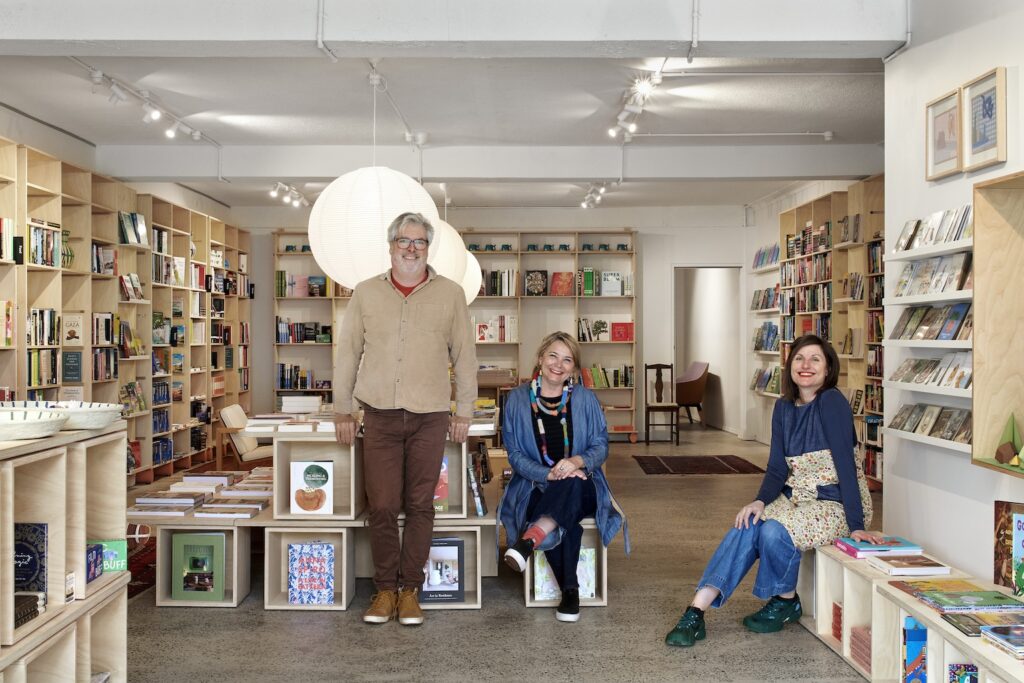
It is the kind of place that reminds you gently, without making a big deal of it that the world can still be warm. That someone thought hard about how to make you feel welcome before you even arrived.
People are showing up. Regulars who have become friends. Kids finding books that look like them for the first time. A whole coastal community quietly gathering around something that one family dared to dream up and build with their own hands.
It is still growing. Still figuring itself out. Still being held together with hard work and heart. But that is what makes it so worth celebrating it is not a finished thing. It is a living one.
If you ever find yourself on the Mornington Peninsula, you already know where to go. And if you can’t make it there just yet, learn more about Stories by the Sea through the link below.