

This Is For You If You’ve Been Avoiding A Creative Leap For Years I Cher Pruys
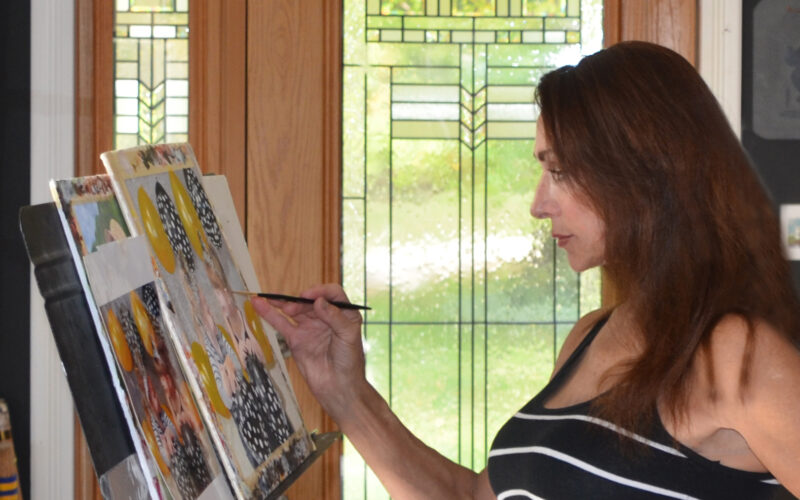
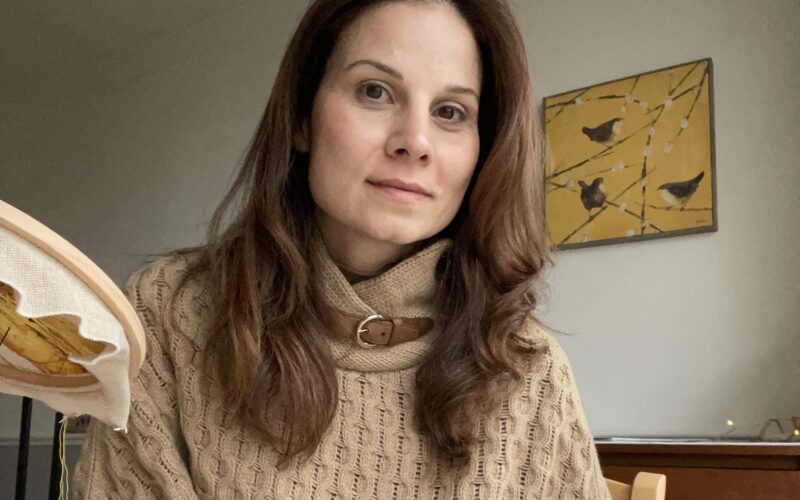
At Arts to Hearts Project, we’ve noticed something about the artists whose work stops us cold: most of them waited. They didn’t rush into their practice at twenty. They didn’t follow the traditional path. They lived first. And then, when something inside them finally demanded it, they picked up the tools and started.
Cher Pruys is one of those artists. And her story is for anyone who’s been telling themselves, “it’s too late” or “I should have started years ago” or “I missed my chance.”
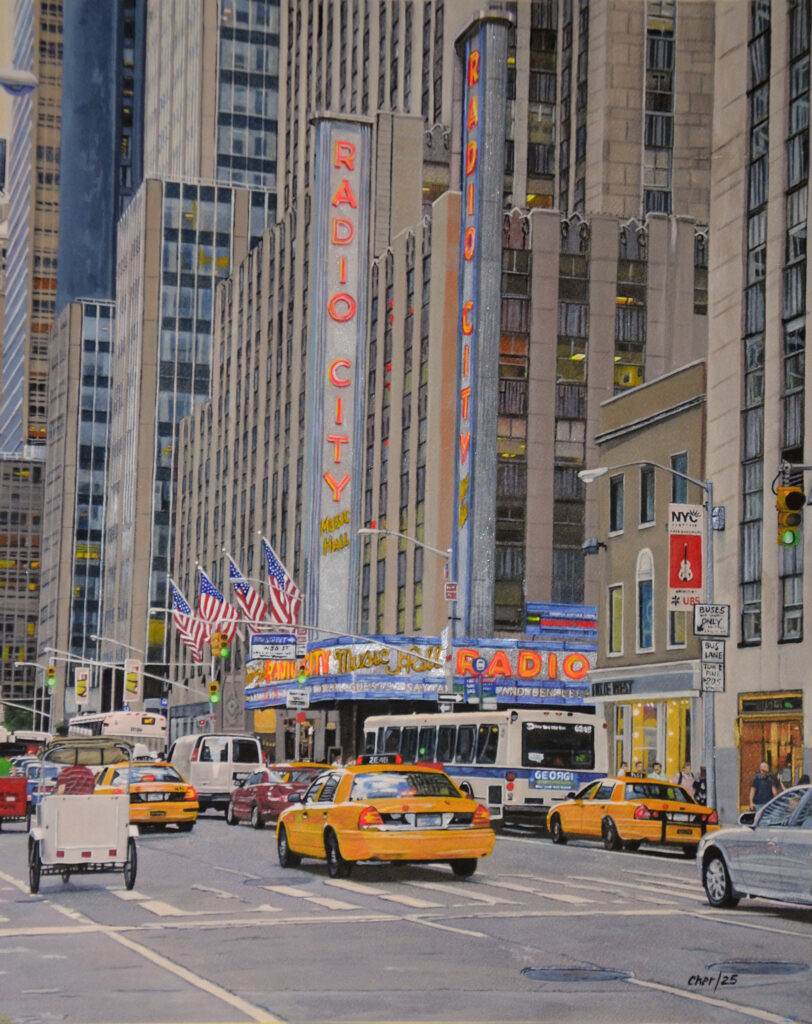
She’s a selected artist for our 101 Artbook: Landscape Edition, and when we saw her hyperrealist work paintings so detailed they trick your eye into believing they’re photographs we assumed she’d trained for decades. That she’d been painting since childhood. That she’d gone through rigorous formal education.
We were wrong. Cher picked up a paintbrush for the first time at 35. Before that? Years of drawing. Graphite and charcoal. No colour. Just lines and shadows. And when she finally decided to try painting, she was terrified. Bought supplies with a backup plan: if it didn’t work, throw everything out and pretend it never happened. The brush felt like an extension of her fingers. There was no turning back.
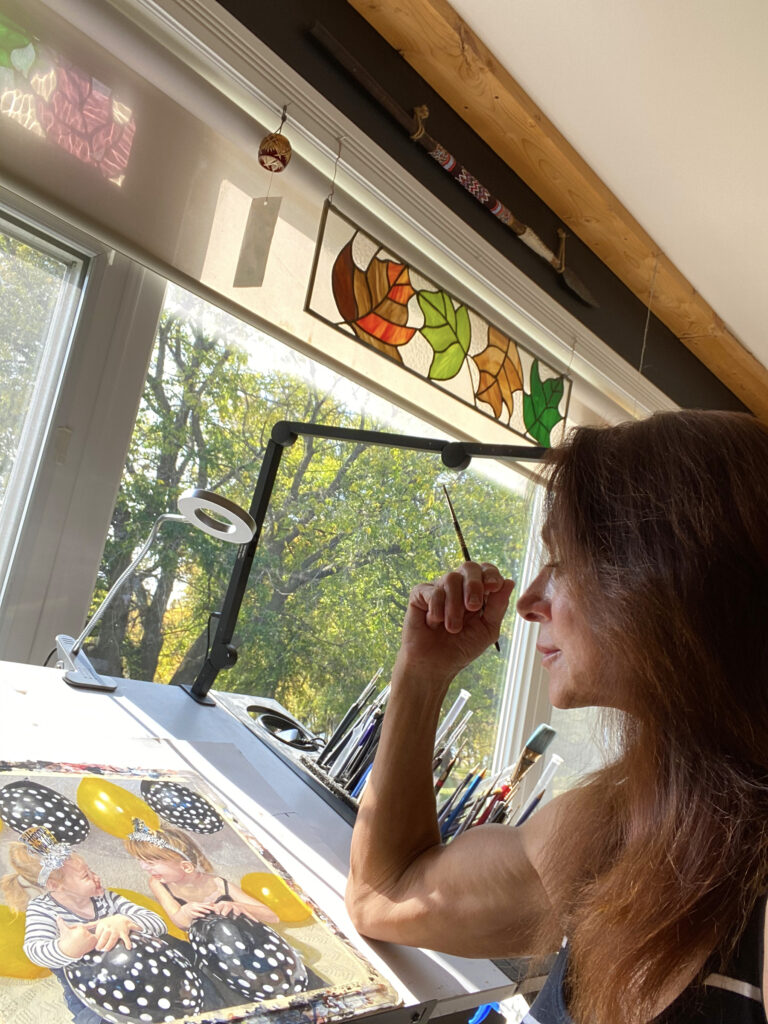
That moment that leap, at 35, changed everything. Not just for her, but for what her work would become. Because Cher didn’t just learn to paint. She built an entire practice from scratch. Taught herself acrylic, watercolour, gouache. Figured out which medium served which subject. Developed a hyperrealist style so meticulous that viewers can’t tell what’s real and what’s illusion.
And it worked. Her pieces have been featured in hundreds of international exhibitions and publications. She’s won awards, built a collector base, created lucrative opportunities. But here’s what matters most to her: creative freedom. The confidence to take risks. To experiment. To do what she wants in her paintings without second-guessing.
Success, for Cher, isn’t recognition. It’s doing what she loves and having it fulfill everything she could ever wish for.
Her work spans subjects most people overlook—mundane objects, quiet rituals, children caught in moments of wonder. She paints reflections in shiny surfaces, distortions that balance hyperrealism with abstraction, memories from childhood that remind us of innocence and adventure.
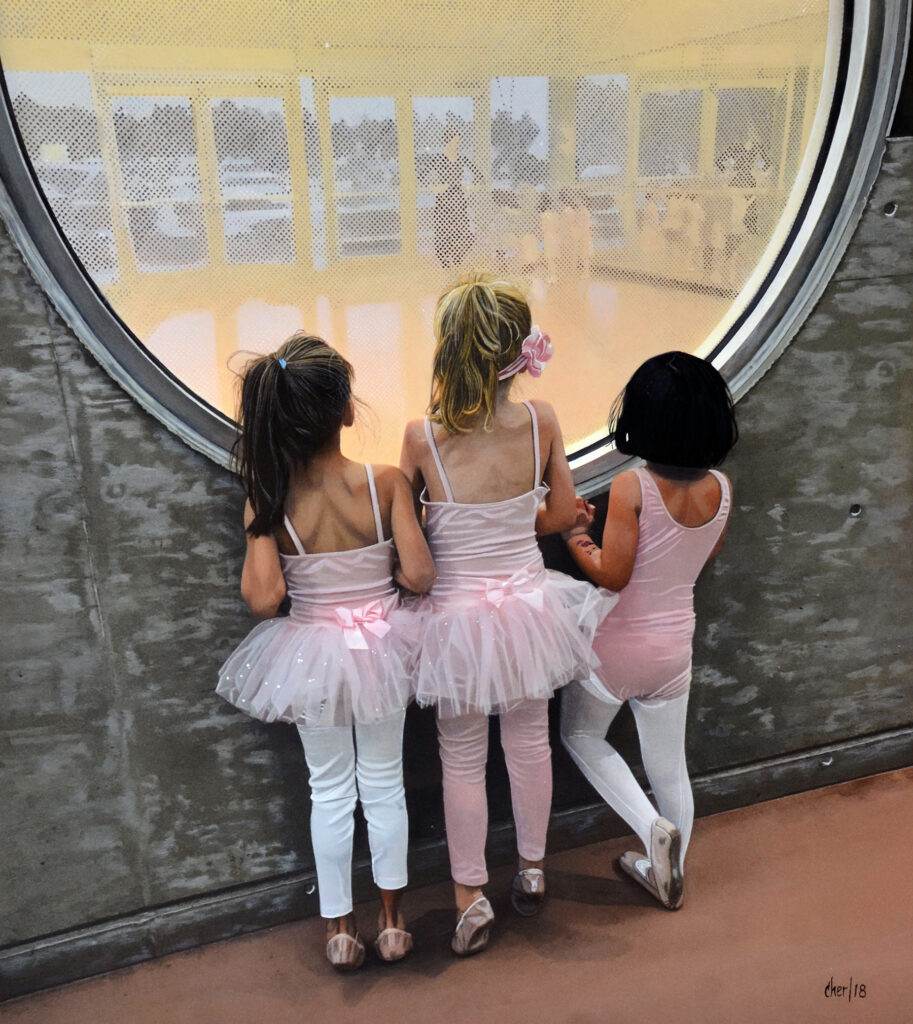
She looks for beauty in what others consider boring, simple, irrelevant. And through her paintings, she captures forgotten moments that affect our psyche, incorporates them into art that feels both deeply personal and universally recognizable.
Cher describes her art as puzzle pieces of who she is memories accumulated over a lifetime that brought her to this moment. Through paintings of children, she goes back and experiences moments that had subtle or profound bearing on who she’s become.
Through still life, she reminds herself to cherish rituals and appreciate free time. She never forgets to look for passed-over moments, to find marvels that abound in our lives no matter how seemingly mundane they appear.
Her hyperrealist work doesn’t just replicate reality. It transforms it. She finds the distortions, the reflections, the forgotten details that make ordinary subjects extraordinary. She captures childhood wonder catching snowflakes on your tongue, the cold wetness melting into you, pure joy.
She paints gatherings of family and friends, memories of good times, a patchwork of who we were, are, and can become. That’s what she wants viewers to take away: feelings, memories, hopes, dreams.
Let’s get to know Cher through our conversation with her.
Q1. Could you tell us about your early years and creative beginnings, and what inspired you to shift from drawing as a child into painting later in life?
As a child I loved drawing. I explored graphite and charcoal extensively. After years of this I felt ready to add little colour to my life and through my art seemed like a great place to start.
Q2. You first picked up a paintbrush at age 35 after years of drawing, how did that transition feel, and what internally shifted for you at that moment?
The transition from drawing to painting was a very scary one. I was very nervous, but I plodded ahead bought some paints and a few brushes and decided if it didn’t work out.
I would throw everything I bought out and continue as I had as if it never happened. I was so taken back finding out that working with the brush was so natural it felt like an extension of my fingers…there was no turning back after that!
Q3. Your work spans acrylic, watercolor and gouache, how do you decide which medium is right for a particular subject, and what qualities do each bring to your pieces?
Each subject dictates what medium I require in order to achieve my desired results. Watercolour can become vital to achieve the natural skin tones in portraits as well as the transparency I am looking for. Acrylics can be so bold and really accent certain areas. Animals fur and different textures is so doable when I use my acrylics. Gouache becomes a wonderful addition especially white gouache when using watercolours as it allows me to achieve opacity allowing me to layer the paint.
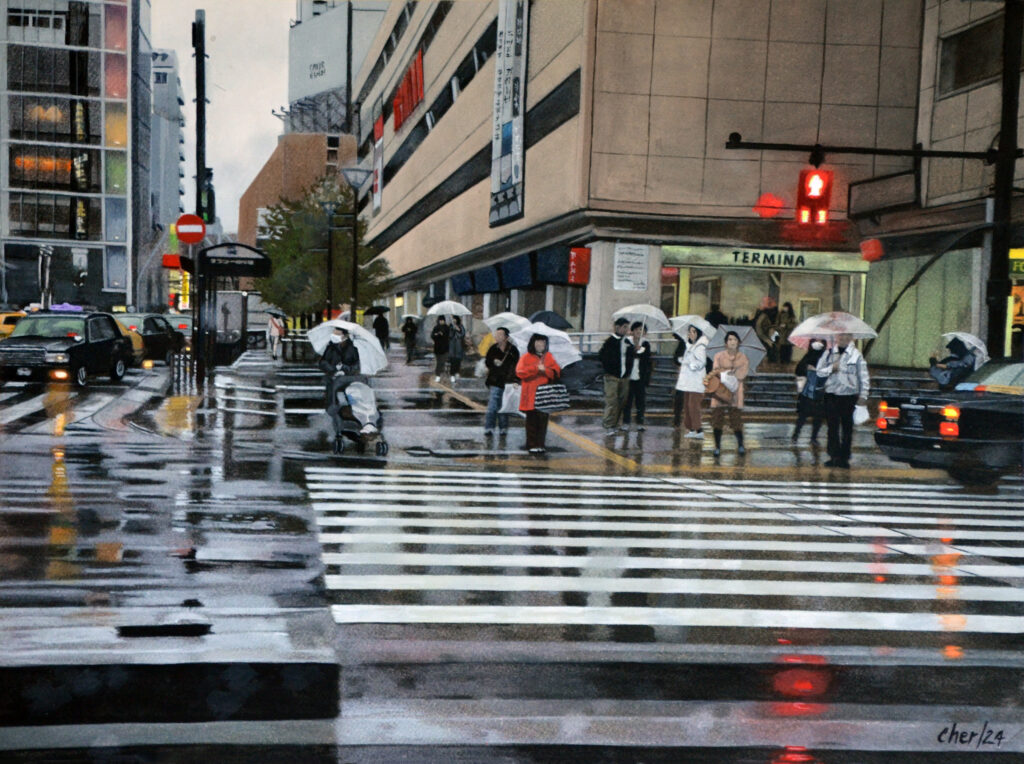
Q4. Your pieces have been featured in hundreds of international exhibitions and publications; how has such wide recognition affected your confidence and your concept of success?
The numerous features I have had in International exhibitions and publications has profoundly impacted my artist self. The visibility to collectors, galleries and the general public has led to sales, increased demand for my work and some lucrative opportunities. The awards have without doubt provided validation and confidence in myself as an artist.Perhaps the biggest result has been the feeling of creative freedom…I feel confident enough to take more risks in my work, experiment more and do what I want to do in my paintings. Success to me is doing what I love and having it fulfill everything I could ever wish for.
Q5. Can you talk about a piece that you feel represents a turning point in your art style or philosophy, what made it pivotal?
I think it was a small piece that I created in 2014, titled “Distortion”. In this piece I was able to let go and express so much in the reflection of the part of the shiny Harley I was depicting. The distorted image of myself accompanied by the range of colours used became a balancing act. The hyperrealism achieved with a bit of abstraction was vital to the success of the piece. This piece was awarded with the first Canadian Mary Pratt Award which was my first National Canadian Award. It reinforced my belief in myself as an artist and gave me the freedom to follow my instincts, it was so crucial to my artistic freedom.
Q6. You describe art as a way to evoke emotion through sight; how do you think viewers’ personal memories or experiences influence what they take away from your work?
Memories from childhood , the innocence, wonder and sense of adventure…catching those delightful white flakes falling from the sky, cold and wet landing on your tongue, melting in to you…such joy! Gatherings of family, friends, remembering good times..a patchwork of who we were, are and can become….these are the feelings and memories, hopes and dreams I wish for my viewers to take away with them after viewing my work.
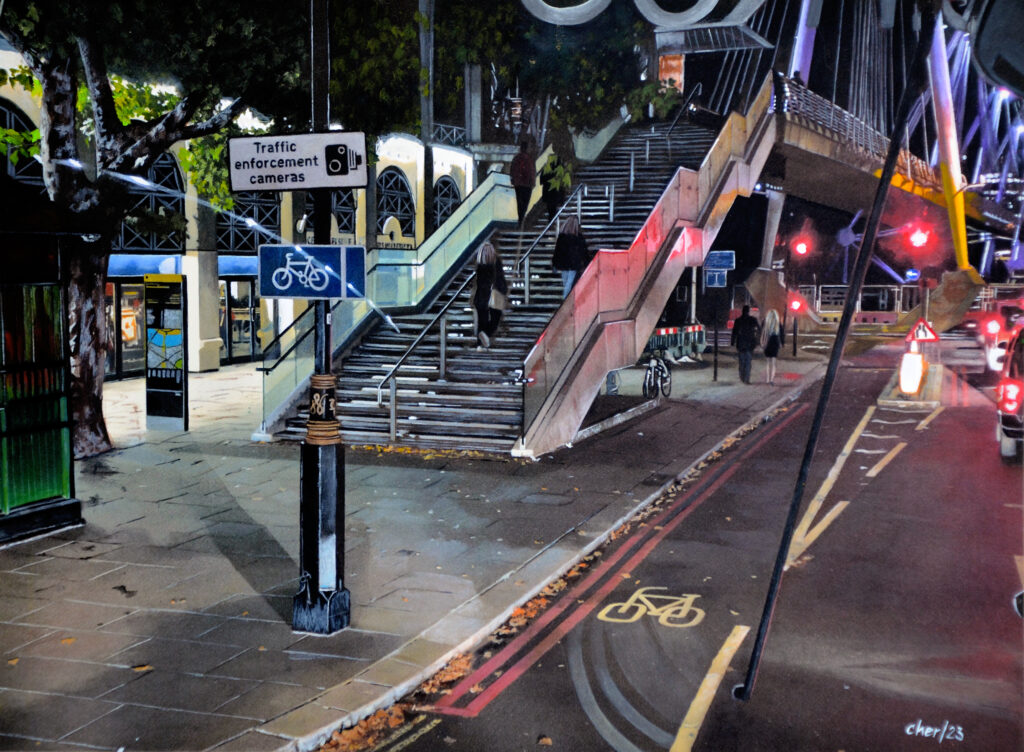
Q7. Many artists repeat motifs or themes; you’ve mentioned a desire to continually explore new subjects. How do you nurture curiosity while maintaining a coherent creative voice?
I see my art as the puzzle pieces of who I am. The memories of my life thus far that have accumulated to bring me to Cher today. I am able through my paintings of children go back and experience moments in time that had subtle or profound bearing on who I have become, and to recapture the magic in those moments, thus still feeling their impact. Some of my other subject matter gives pause to the clock as I take time to view my past years as a spectator. Some of my still life work reminds me to cherish my rituals and appreciate a little free time that I can use to regenerate myself. I look for beauty and interest in the many subjects most consider mundane. The gift to really see the many marvels that abound in our lives no matter how seemingly boring, simple or irrelevant they appear at first is a gift I so truly am thankful for. I never forget to look and find forgotten or passed over moments that affect my psyche, and to positively incorporate them into my art.
Q8. In your view, what is the unique role of a hyperrealist painter in today’s art world, especially in a digital age increasingly dominated by screens and virtual imagery?
I cannot compare traditional and digital art…they are so different. Digital art is a platform of its own which of course requires talent and skill to do well, but traditional art to me is such a spiritual hands-on process that cannot be replicated by use of machines. AI also has a place but the lack of soul in the pieces leaves it simply a rendition that is void of that human connection traditional art contains. Hyperrealism requires such meticulous detail that it becomes not recognizable in the original subject matter, so it is still an illusion satisfied my craving. Thus, the perception for me is creating a depiction that the viewer finds so convincing of the reality that it is real in his eyes…something I feel can only truly be achieved by human touch.

Q9. How do you see your work evolving over the next decade are there new themes, techniques, or subject matters you feel drawn toward?
I am always looking for new themes & techniques. I have started working in Casein Paint and am enjoying its characteristics! I have some new ideas for subject matter, and am definitely drawn to what some would consider mundane, and children amaze me and are always a strong draw.
Q10. What advice would you give to emerging artists particularly those who are self-taught or feel outside traditional art education paths about building a meaningful, sustainable practice?
Find your own style. Admire and learn from established artists whom you admire but aim to be an individual whether by subject, style or both. Be prepared to pay your dues with long hours and hard work. Learn how to accept constructive criticism and apply the lesson to self-growth. Remember that accepting failure can become a stepping stone to success. As an artist, dream big and follow that dream. In a world of masses remember there is only one you…so for the short time we are on this earth, remember to spread your wings and fly as you will soon learn to soar.
As our conversation came to an end, I kept thinking about one thing: Cher almost threw it all away. She bought paints and brushes at 35, terrified they wouldn’t work. Had a backup plan ready if painting didn’t feel natural, she’d toss everything and continue as if it never happened. Pretend she never tried. Go back to drawing and forget colour existed.
Imagine if she’d done that. Imagine if the fear had won. We wouldn’t have hundreds of exhibitions featuring her work. We wouldn’t have collectors seeking her pieces. We wouldn’t have this hyperrealist practice that tricks your eye and captures forgotten moments with meticulous care. We wouldn’t have proof that starting at 35 or 45, or 55 isn’t too late. It’s exactly on time.
Here’s what Cher’s story offers anyone who’s been avoiding a creative leap: the fear is real. The doubt is valid. But neither one gets to decide whether you try. She didn’t know if painting would work. She just picked up the brush anyway. And the second she did, something clicked. It felt like an extension of her fingers. Natural. Right. Like it had been waiting for her all along.
That’s the part most people miss when they say “I should have started years ago.” They assume starting young is the only way to succeed. But Cher proves something more important: starting when you’re ready when you’ve lived enough to know what you want to say that’s when the work becomes real.

She brought decades of life to her practice. Childhood memories. Observations of mundane beauty. An eye trained by years of drawing. Curiosity about subjects others overlook. When she finally picked up color, she wasn’t starting from scratch. She was adding one more tool to everything she’d already accumulated.
And that changed her entire approach. She doesn’t just paint what she sees. She paints puzzle pieces of who she is. Memories that shaped her. Moments that had subtle or profound bearing on who she’s become. Still life that reminds her to cherish rituals. Children caught in wonder that let her go back and recapture magic. Reflections and distortions that balance hyperrealism with abstraction.
Each subject dictates the medium. Watercolor for natural skin tones and transparency. Acrylic for bold textures and animal fur. Gouache for opacity and layering. She figured all this out herself. No formal training. Just experimentation. Trial and error. Trusting her instincts.
And that trust—that willingness to follow what feels right instead of what she’s supposed to do—that’s what gave her creative freedom. The confidence to take risks. To experiment. To paint what she wants without second-guessing. Success, for her, isn’t external validation. It’s doing what she loves and having it fulfill everything she wishes for.
If you’ve been avoiding a creative leap because you think you’re too old, too late, too far behind you’re not. Cher started at 35. With a backup plan to quit if it didn’t work. And now she’s featured in hundreds of exhibitions, winning awards, building a sustainable practice doing exactly what she loves.
Her work proves that starting late isn’t a disadvantage. It’s bringing everything you’ve lived, observed, and learned to the moment you finally begin. It’s adding color to a life already rich with experience. It’s trusting that the brush will feel natural even if you’ve never held one before.
Follow her through the links below to see how she transforms the mundane into the extraordinary.