


This Is for Those Who Paint, Write, Or Create to Process What They Can’t Speak out loud I Juliana Cabrera
At Arts to Hearts Project, we’ve learned that the most powerful art doesn’t explain itself it confronts you. It holds contradictions you thought couldn’t coexist. It refuses to make things easier just because easier would be more comfortable.
That’s exactly what happened when we encountered Juliana Cabrera’s work. Through our International Artist Award, we look for artists who don’t just make beautiful things, they make necessary things. Artists whose work emerges from a place so honest it can’t be ignored. Artists who understand that sometimes the most radical act is refusing to let darkness dictate how you’re seen.
Juliana is one of those artists. We’re honoured to feature her as a selected artist for the International Artist Award, and her work is included in The Great Book of Art Makers, celebrating artists who are redefining what resilience can look like on canvas.
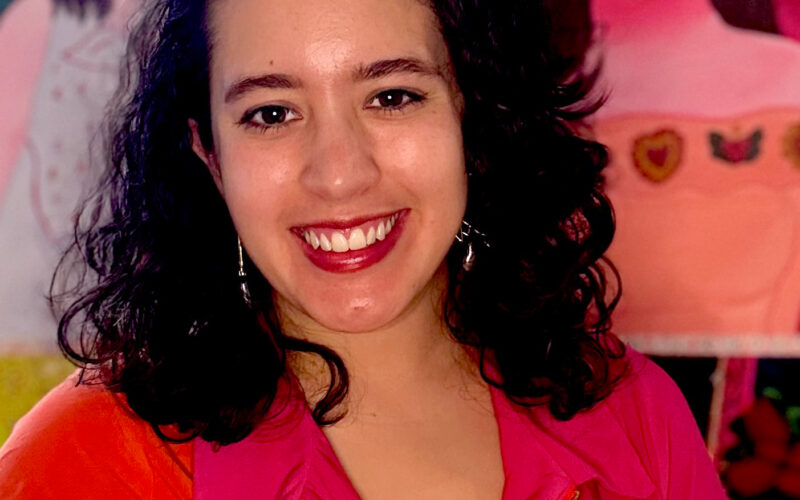
Before you get to read her interview, let me tell you a little about her. Juliana is a Colombian American artist based in Los Angeles, and her work does something most artists avoid it makes rage beautiful without softening it.
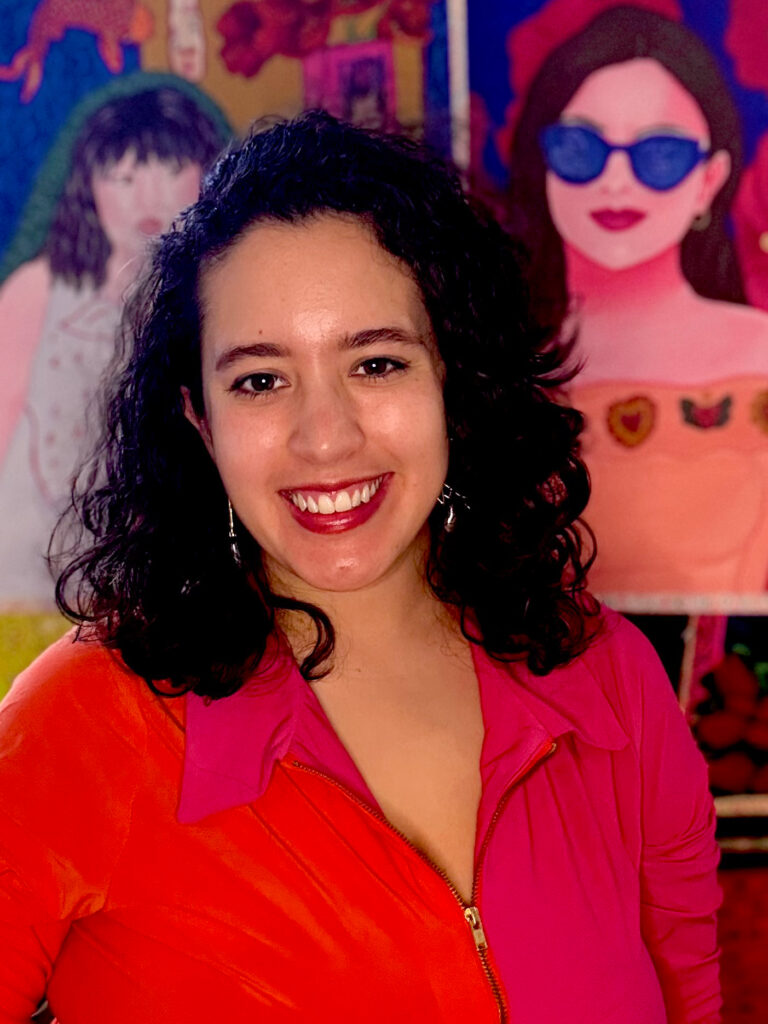
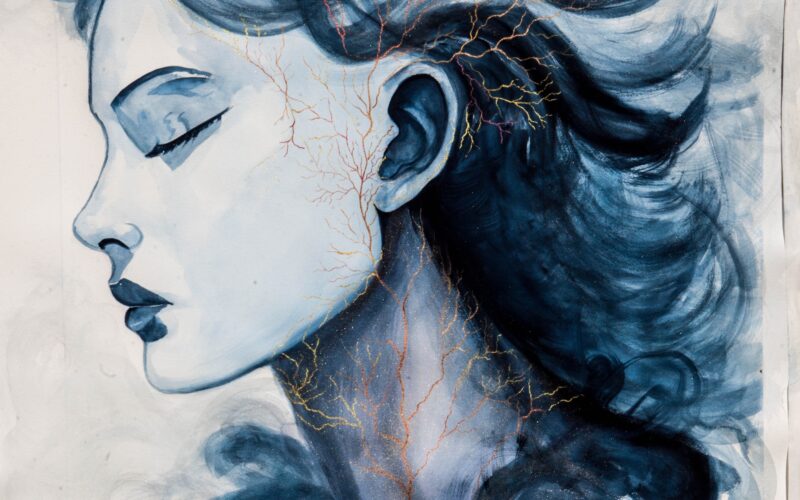
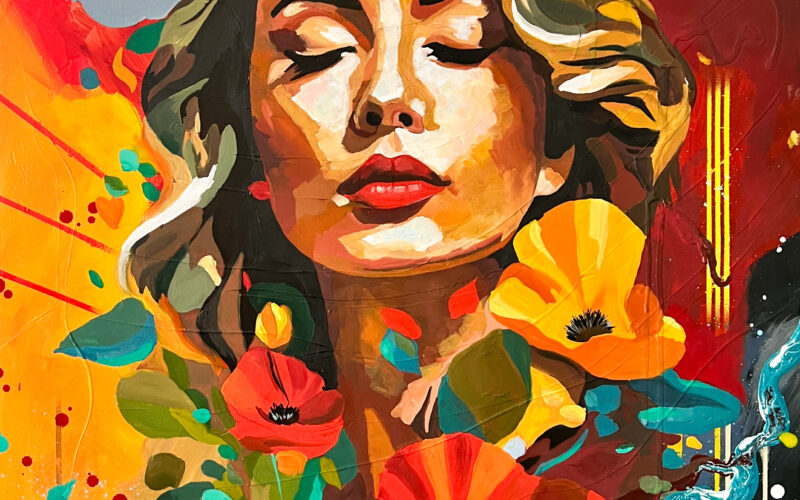
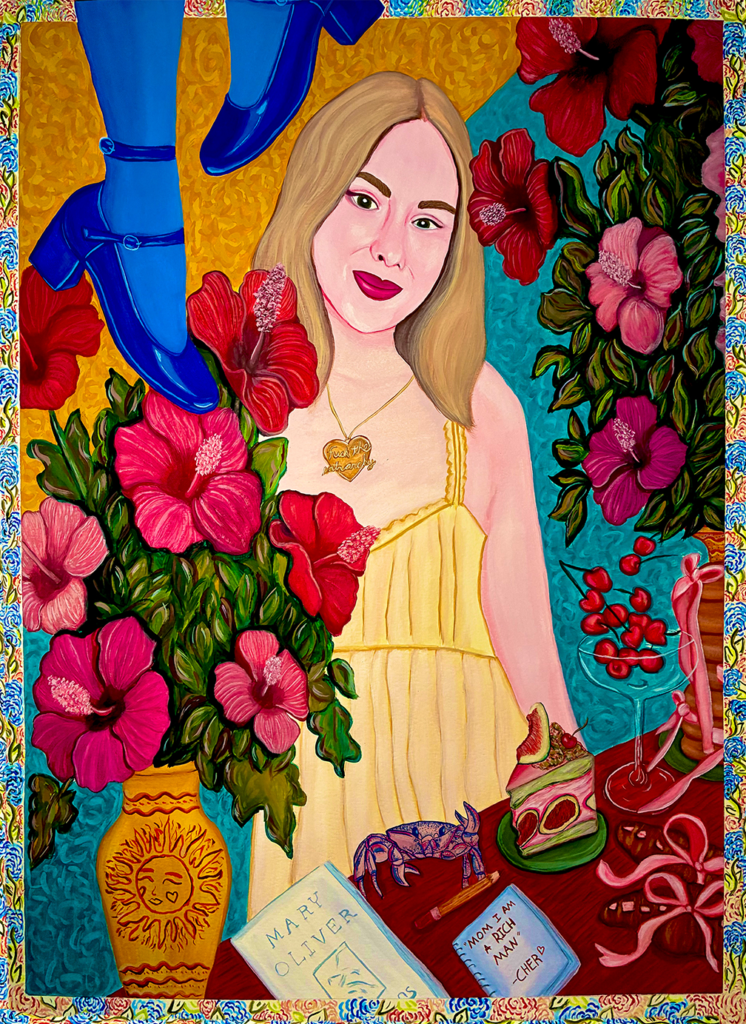
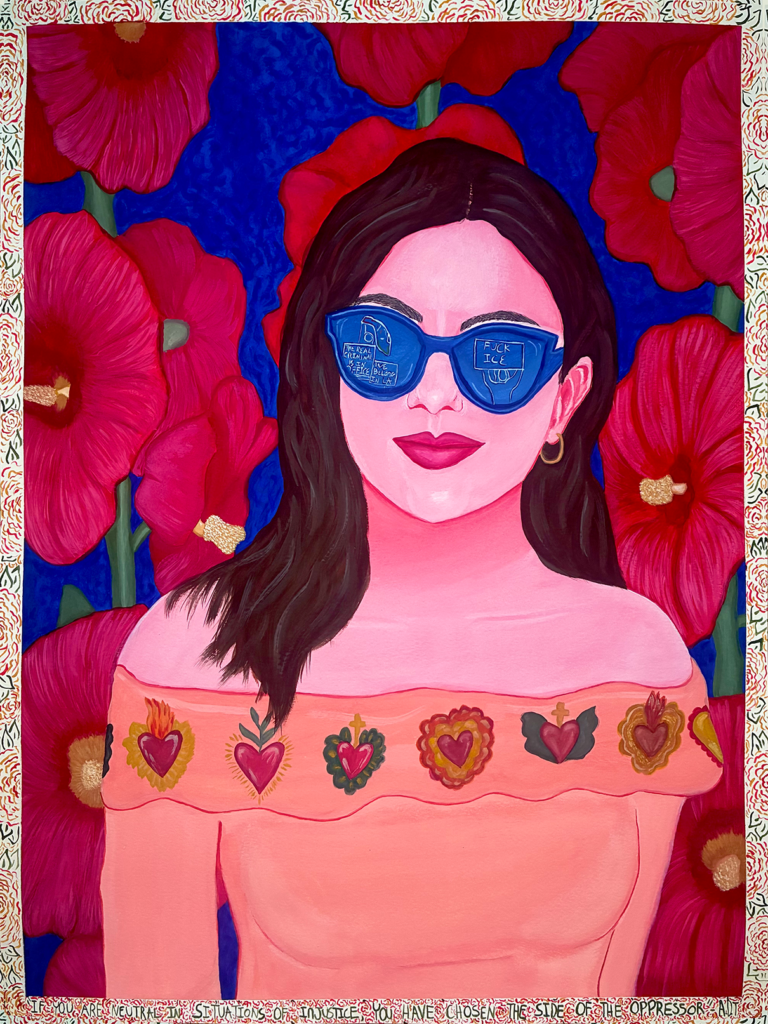
Her paintings are saturated with colour bold, vibrant, unapologetic brightness that pulls you in. But underneath that luminosity sits fury. Exhaustion. The weight of navigating womanhood in a world that demands you stay radiant even while it crushes you. She doesn’t paint to escape that contradiction. She paints to metabolize it.
Her work is grounded in feminist practice and lived experience. Most of her paintings function as visual diary entries ways of processing emotion as it unfolds, documenting her life in color rather than words. When she paints other women, she turns to the activists and revolutionaries in her life, the ones who claim their voices without asking permission. Their strength is easy to illuminate because it’s already present, woven into her everyday world.
Color is her primary language, and she’s never been drawn to restraint. Growing up between Colombian and American cultures gave her a palette rooted in warmth and vibrancy. But living as a woman under patriarchy introduced darkness she never asked for. So instead of letting that darkness control her visual language, she uses brightness to confront it. To transform it. To prove that staying vibrant while carrying weight is its own form of protest.
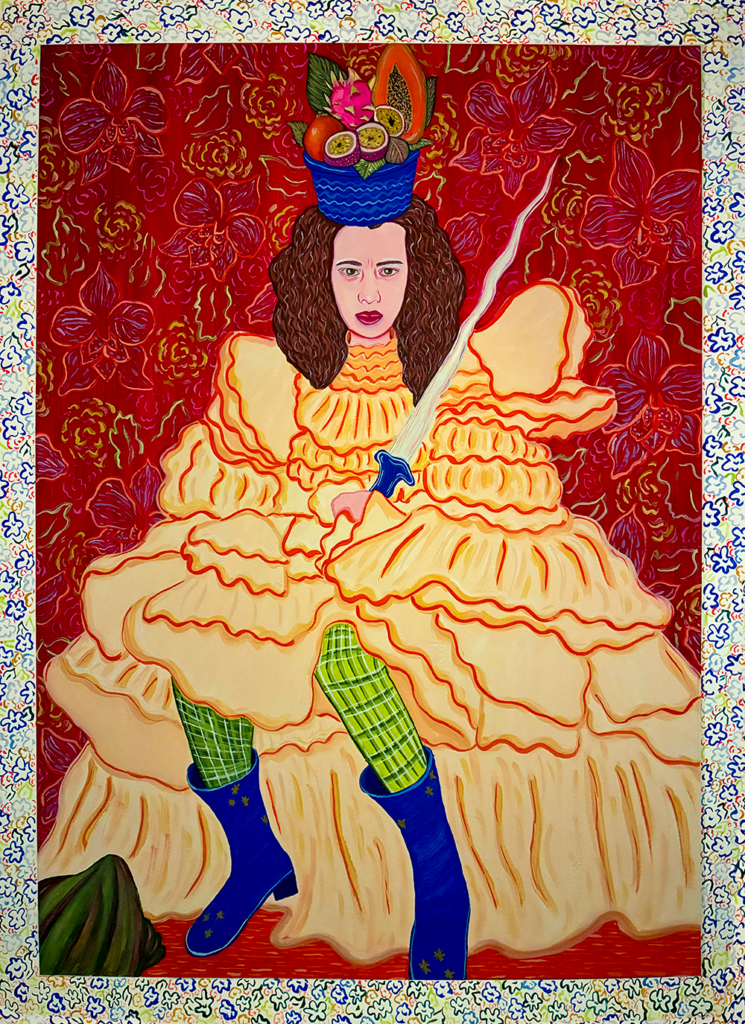
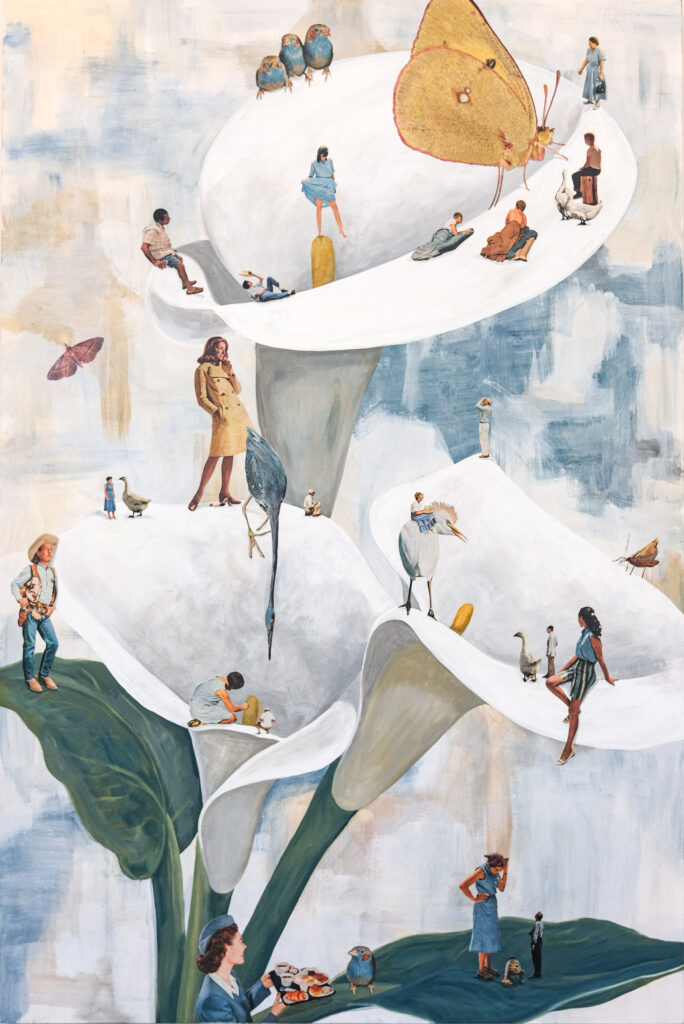
Her process is intuitive sketches, collages, then playing with paint until something clicks. Art becomes the space where she places her chaos, especially when she feels powerless against injustice. Painting is how she processes, protests, and imagines change. It’s ritual. A way to externalize emotions, give them form, hold them outside herself long enough to understand them.
What drew us to Juliana’s work is this: she refuses to choose between beauty and rage. She holds both. She paints women glowing not because everything’s fine, but because brightness in the face of darkness is resistance. Because there’s already enough pain in women’s lives, and they deserve to be seen strong in their joy. Because metabolizing suffering through light doesn’t erase it—it transforms it into something that doesn’t crush you.
Now, let’s hear from Juliana about how she turns rage into colour, what it means to paint women with vibrancy even while acknowledging their weight, and how her work honours both the darkness women carry and their refusal to let it define them.
Q1. Please share your bio and an artist statement to give our readers a deeper insight into your background and creative philosophy.
The work I create is primarily influenced by feminist topics, my own experiences as a woman and often begins by undertaking my rage and trying to turn it into something productive and beautiful. My creative process is intuitive and typically starts with sketches or picture collages, then I start playing with color and paint. Being from a vibrant and warm culture has provided more than just a color palette, it grounds my work in memory and contradiction. I’m naturally drawn to bright, bold hues, even when the subject matter comes from a darker emotional space. Art has become the space where I place my chaos, especially when I feel powerless against the world’s injustices. It’s through painting that I process, protest, and imagine. As I grow into an older and wiser artist, I will continue to paint women’s stories and dedicate myself to feminist topics. I look forward to exploring more mediums and experiencing how my growth will impact my work.
Q2. Growing up Colombian American and now working in Los Angeles, how does moving between these cultural spaces shape the women whose stories begin your paintings?
Los Angeles is a city of dreamers, revolutionaries, and profound cultural diversity. It has shaped both me and countless others, inspiring us to claim our voices and honor our heritages without reservation. I am drawn to those who uphold deep-rooted activist values, and many of the women in my life embody the strength, conviction, and progressive spirit I most admire. The women I paint represent the most authentic and vital expressions of the city’s culture, and through my work, I seek to pay homage to their presence and influence.
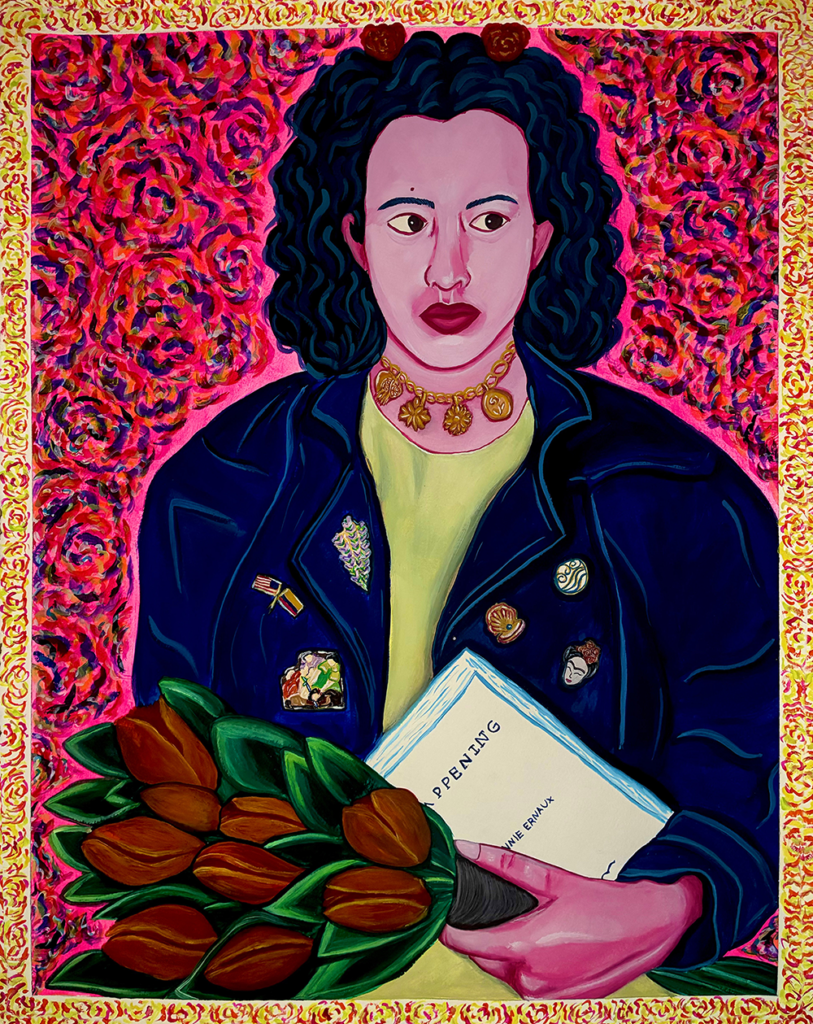
Q3. Women’s narratives often serve as the starting point for your work. What helps you decide which stories feel urgent enough to bring to the canvas?
Most of my self-portraits function as visual diary entries. They are a means of recording how I felt in a given moment and a way to document my life outside of photographs. The urgency to create these works emerges from my need to process emotion as it unfolds. When painting other subjects, I turn to women in my life whom I deeply admire and wish to honor. Their stories surface naturally, and their strengths are effortless to illuminate, as they are integral to my world. My desire to pour love into their lives and to celebrate their presence becomes the driving force that brings them fully into being on the canvas.
Q4. Bright color choices appear alongside heavy emotional themes in your paintings. How do you navigate that contrast while staying true to the subject?
Color is my primary artistic language. I have never been inclined toward restraint or minimalism; instead of resisting my instinct for using color on color, I came to understand I could use it as a vital tool- one that allows me to transform and soften the darkness I process through painting. At my core, I am an up-beat, light-driven person, yet navigating the realities of womanhood within a patriarchal society, alongside the weight of our current political climate, has inevitably introduced moments of darkness into my life. I choose to confront and metabolize that darkness through color and light. When I pay homage to the women in my life, I depict them with strength and vibrancy, believing that there is already enough darkness in their world, and that they deserve to be seen strong in joy.
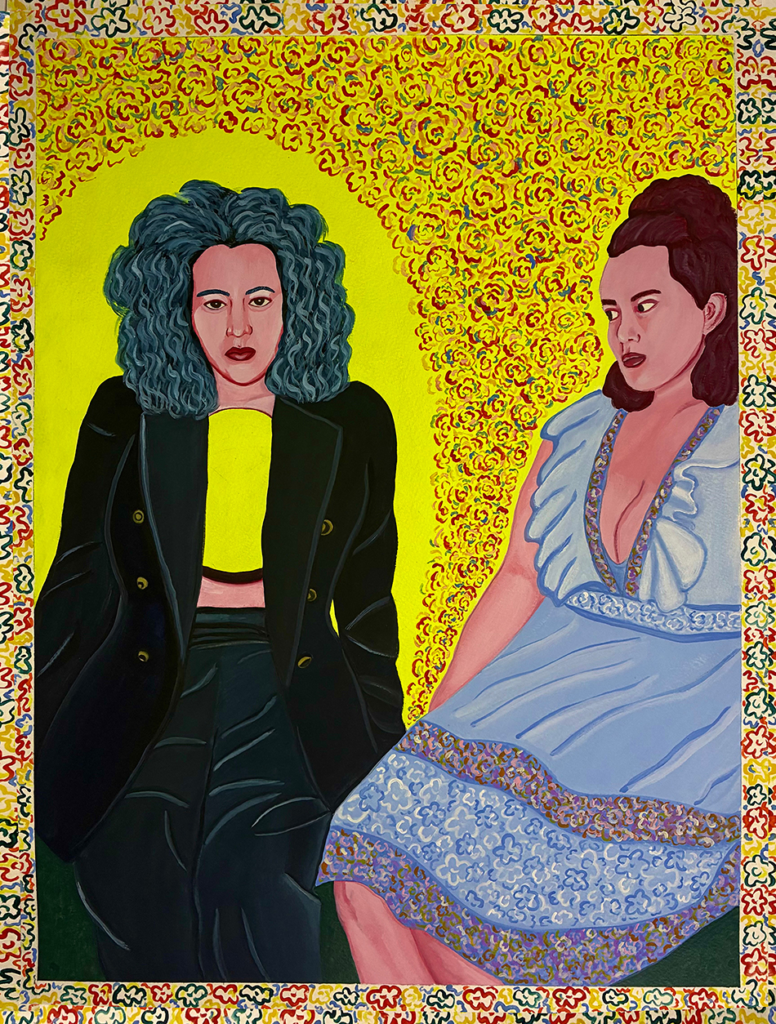
Q5. Your work speaks to expectations placed on women to appear radiant while carrying social weight. When did this tension first become central to your practice?
My experiences and the experiences of women in life, the treatment from men and the weight of patriarchy has brought a lot of anxiety and frustration in my life, therefore became the catalyst for documenting our lives visually. Making art becomes a way to place my emotions onto paper—to hold them, to name them, and to make them tangible. Feminist ideals have always been both grounding and affirming to me and I am acutely aware that the autonomy I possess to explore the themes that draw me in was fought for by the women who came before me. Creating work that reflects the societal demands placed upon women will always remain essential to my practice, because these realities shape my life and the lives of everyone I love.
Q6. Rage plays an important role in how you process injustice through painting. How do you know when anger is ready to be translated into an image?
Determining which moments of enragement belong on the page is not always a conscious choice. Painting my reality and my emotions is an intuitive act; once I have begun to come to terms with my anger, I instinctively turn toward the canvas, much like someone might turn to a journal. It has become a ritual within my daily life that allows me to externalize my emotions, to see them embodied and given form.
Q7. As global and local struggles continue to influence your work, what keeps painting relevant for you as a form of protest and imagining change?
In an unjust patriarchal world, women are never spared from pain. Art becomes both a form of protest and a deeply personal vessel for processing that pain. As long as my heart remains open, painting will continue to serve as a way to document my life and bring colour into my world, while simultaneously imagining the possibility of change.
Wrapping up my conversation with Juliana, something clicked that I didn’t expect: she’s showing us a different way to survive.
Most of us think processing pain means sitting in darkness until it passes. We think rage needs heavy colours, muted tones, visual proof of how much we’re hurting. Juliana proves that’s not the only way. She takes her anger, her frustration, the exhausting reality of being a woman in a world that demands too much and she meets it with brightness. Bold, saturated, unapologetic colour.
What really got me was how she talked about painting as ritual. It’s not planned. It’s instinctive. Once she starts processing anger, she turns to the canvas the way some people turn to journals. That’s what makes her self-portraits so powerful they’re not polished performances. They’re real-time emotional records. Proof that she felt this, survived this, made something from it.
And when she paints the women in her life activists, revolutionaries, the ones fighting for change she doesn’t just document them. She celebrates them. Pours love into their representation. Shows them glowing because there’s already enough darkness in their lives, and they deserve to be seen strong in light.
So what can we take from Juliana? A few things.
One: you don’t have to let darkness dictate how you show up. Brightness can be resistance. Joy can be protest. Choosing vibrant color while processing rage isn’t denial—it’s strategy.
Two: your emotions deserve space. Not just the acceptable ones. The messy, furious, complicated ones too. Make room for them. Give them form. Let them exist on your terms.
Three: if you’re going to depict struggle—yours or someone else’s—do it with care. Show the weight, yes. But also show the glow. Because people carrying impossible loads still deserve to be seen as whole, powerful, radiant.
And four: you’re part of something bigger. Whatever you’re making, whatever you’re fighting for, someone before you made it possible. Someone after you will carry it forward. That’s not pressure. That’s continuity. That’s knowing your voice matters because it joins others.
Juliana’s work won’t tell you everything’s fine. It won’t offer easy answers. But it will show you that you can hold contradictions pain and joy, rage and beauty, struggle and light without one erasing the other. And maybe that’s what we all need right now. Permission to be complicated. To glow even while we’re hurting. To refuse to let the world’s darkness become our only story.
Follow Juliana Cabrera through the links below to watch her art and see what happens when someone decides brightness is non-negotiable.