
She Needed Art to Remember Who She Was Beneath All the Roles She Played I Lakeshia Williams
👁 241 Views
At Arts to Hearts Project, we’ve learned that the most powerful art doesn’t come from people who had everything figured out. It comes from people who paused, looked inward, and decided to be honest about what they found even when it wasn’t comfortable. Even when it required laying down something they’d been carrying for too long.
For the International Artist Award 2025, we selected 100 artists from around the world to be featured in our award book. Artists working across every medium imaginable painters, sculptors, photographers, mixed media creators each one bringing something personal, something true. We saw work that was bold, work that was quiet, work that demanded attention, and work that asked you to lean in closer.
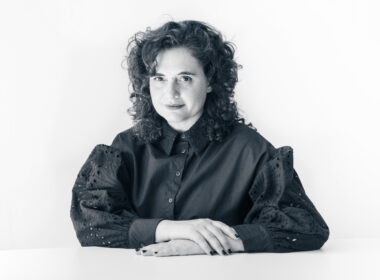
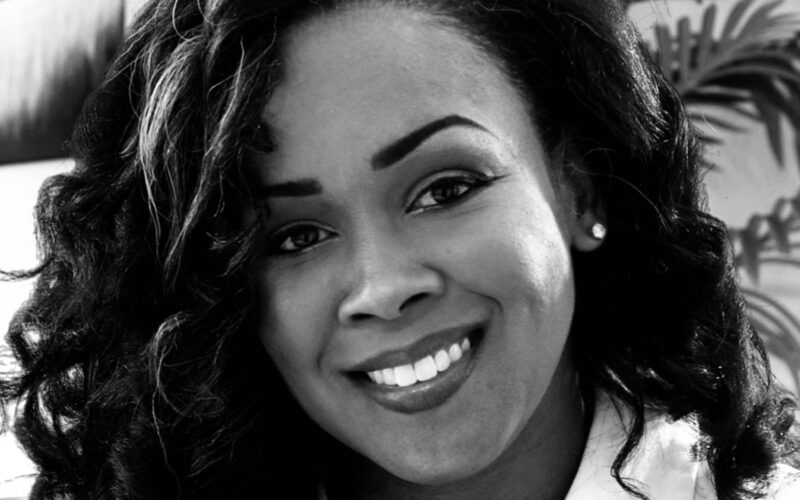
Among these 100 selected artists, Lakeshia Renee Williams stood out in a way we couldn’t ignore.
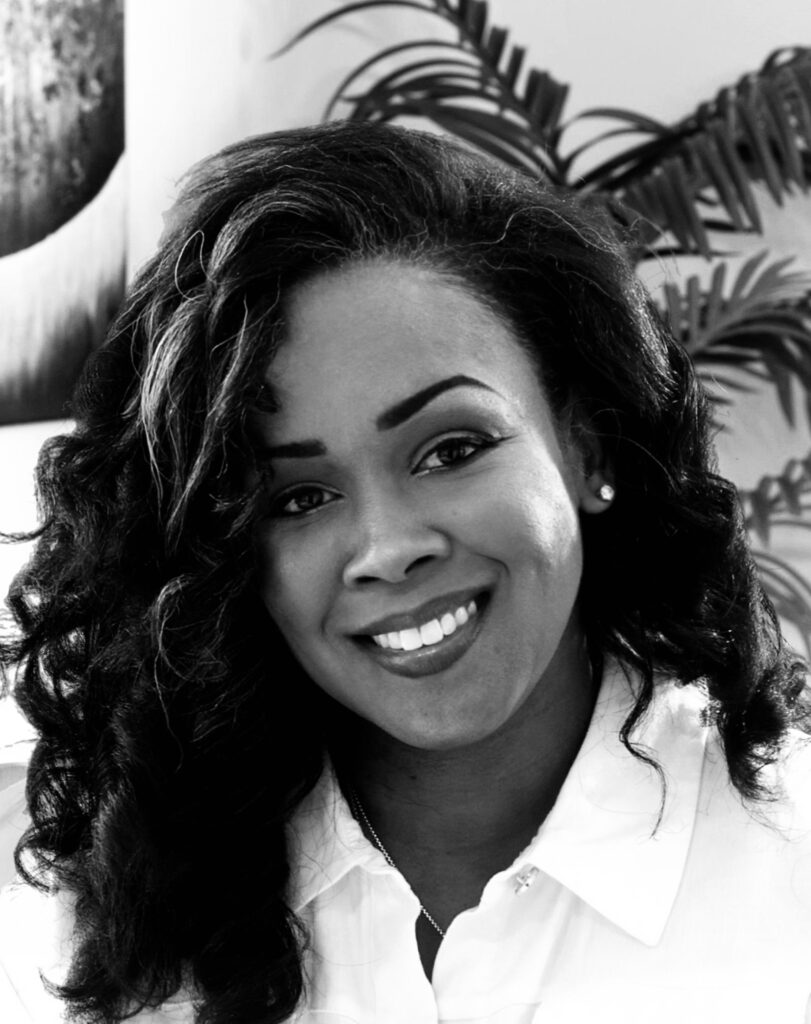
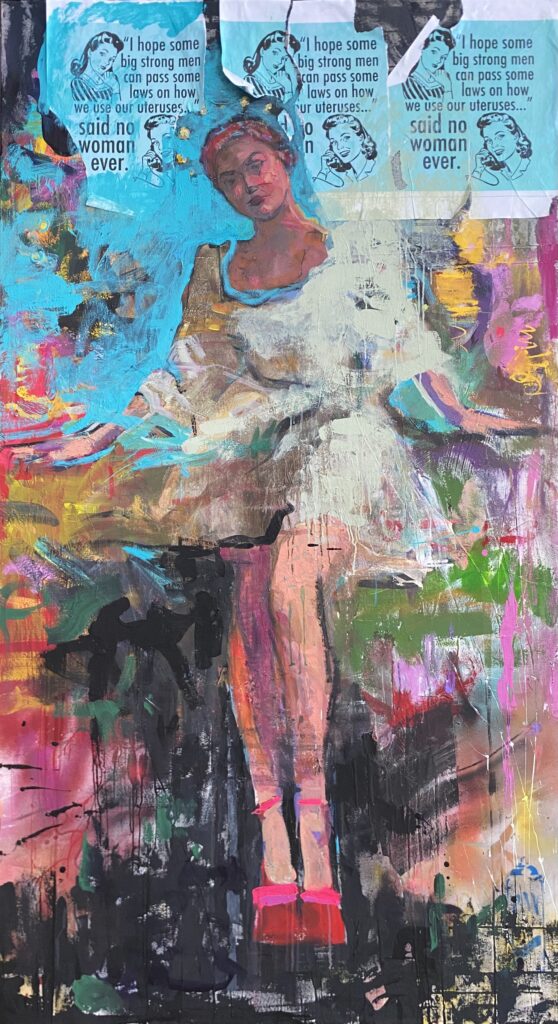
Her work didn’t shout. It didn’t perform. It just existed textured, restrained, deeply felt. There was something about the way she held space on the page, the way her figures softened at the edges, the way her abstractions felt less like decoration and more like emotional states made visible. It felt like she was saying something without needing to explain it. And that restraint, that trust in the viewer to meet her halfway, is rare.
We selected Lakeshia because her work carries something most art tries to force but can’t fake: presence. You can feel the care in every mark. You can sense that she’s not making art to impress anyone she’s making it because she needs to process something she can’t say out loud.
But what makes her story even more compelling is what she does when she’s not in the studio.
Lakeshia is a cardiac surgery physician assistant. She spends her days in operating rooms, holding people’s lives literally in high-stakes, high-pressure environments where precision matters and vulnerability is everywhere. She witnesses people at their most fragile. She sees fear, trust, resilience, and transition happening in real time, often without a single word being spoken.
For years, she stepped away from art. Life unfolded. Medicine became her focus. She showed up for others, held things together, stayed strong. But in 2022, something shifted. She was tired in a way sleep couldn’t fix. She realized how much of herself she’d put on pause. So she picked up a pencil again not to escape, but to process. Not to perform, but to reconnect.
What started quietly, without expectations, became something she couldn’t ignore. She began creating hand-drawn portraits for people, and when they saw themselves through her work for the first time, something shifted. Their confidence awakened. They felt seen. And Lakeshia realized she was doing something that mattered not just for them, but for herself. Art became a place where she could exist without needing to hold everything together. A place where she could be honest with herself and with God.
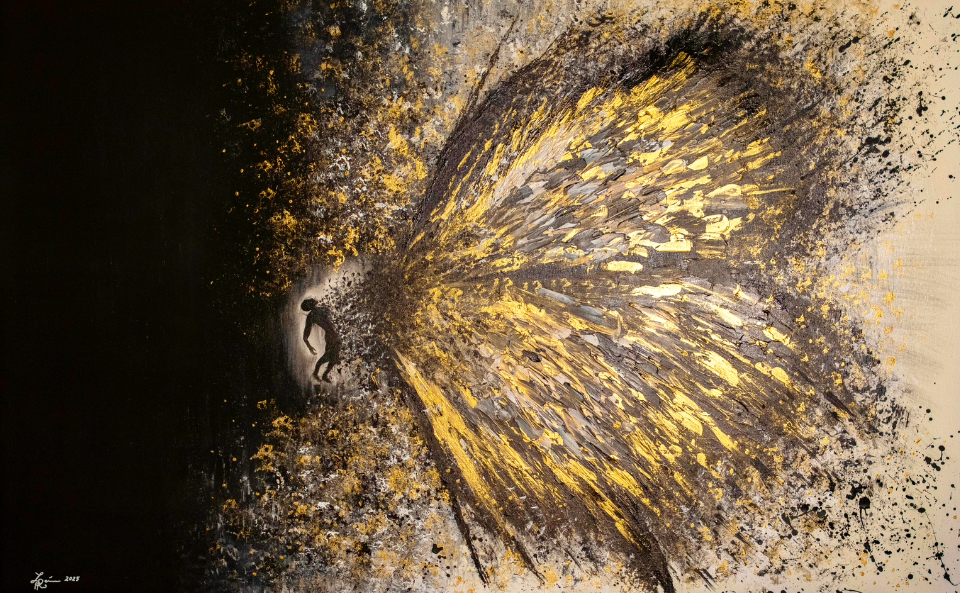
Now, she creates both commissioned portraits and large abstract pieces. The portraits are about honoring a person’s presence careful, attentive, grounded in trust. The abstractions are about emotion, internal states, the things that can’t be captured in a face but need to be felt anyway. She works in charcoal, graphite, mixed media, and photography, following wherever she’s led.
As a travel medical provider, she moves constantly new cities, new hospitals, new communities. Each place is a fresh canvas. She adapts, observes, learns, and carries those experiences back into her work. That constant movement has taught her resilience, openness, and how to be comfortable in discomfort. It’s also shaped the way she sees people and the way she creates with care, with restraint, with deep respect for the weight we all carry.
Her work has been selected for exhibitions in London and featured in international publications in 2025. But recognition isn’t what drives her. What drives her is the belief that art can hold space for what’s often left unspoken. That it can remind people they’re not alone. That being human fragile, sacred, exhausting, beautiful is a gift worth honoring.
Now, let’s hear from Lakeshia herself about what brought her back to art, how medicine shapes her creative lens, and what she hopes her work can do for the people who encounter it.
I started by asking Lakeshia about what happened in 2022 because honestly, I was fascinated by how someone who spends their days in cardiac surgery suddenly picks up a pencil again after years away. What was it that finally pulled her back? She opened up:
In 2022, I was tired in a way that sleep doesn’t fix. I had spent years being strong, showing up, and holding things together for other people. I didn’t realize how much of myself I had put on pause until I finally slowed down enough to feel it. I began easing back into drawing quietly, without expectations. What truly shifted everything was witnessing those I had created hand drawn portraits for see themselves through my art for the first time. Watching their confidence awaken was like seeing a withered flower come back to life after being watered. It was deeply fulfilling, as if I had completed a mission I didn’t even know I was on. Art gave me a place to process what I had been carrying without having to explain it. It felt connected to my purpose and allowed me to reconnect with myself and with God in a way that was sincere and real. In that space, I didn’t need to perform or hold everything together. I could simply exist in the gift. Creating allowed me to help others reclaim their confidence, feel seen, and reconnect with parts of themselves they may have forgotten.
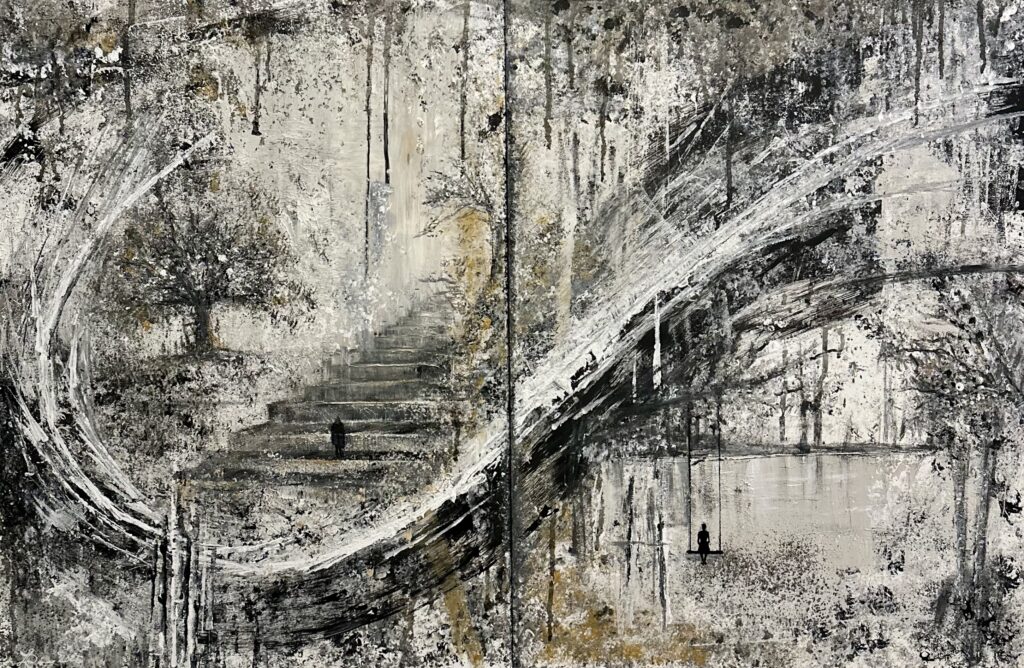
That got me thinking she’s spent years in operating rooms, witnessing some of the most intense, vulnerable moments of people’s lives. So I had to ask: does that show up in her art? Does what she sees in surgery inform what she creates in the studio?
Spending years in surgical spaces has allowed me to witness people at their most vulnerable. This has changed how I see people and how I create. Those environments are intense and often deeply emotional. You witness vulnerability, trust, fear, resilience, and transition all in the same room, often without words being spoken. That experience has taught me restraint. In both medicine and art, not everything needs to be said to be felt. I am mindful of space, pauses, and what I choose to leave untouched. My work reflects that same balance between control and surrender, precision and softness. Being present for people during some of their most fragile moments has given me a deep respect for the unseen weight we all carry. That awareness naturally finds its way into my studio work. I approach each piece with care, intention, and a desire to honor the strength it takes simply to exist.
She makes both commissioned portraits and large abstract pieces, which feel like completely different approaches. So I wanted to know, how does she decide? What tells her whether something should be a portrait or an abstraction?
I follow where I’m led. If the work is about honoring a specific person and their presence, it becomes a portrait. That kind of work asks for focus, care, and attentiveness because someone is trusting me with how they are seen. If the work is about emotion or an internal state, it naturally moves toward abstraction. Those pieces give me more freedom to respond to feeling rather than likeness. I choose the medium based on what feels most honest to the story I’m trying to tell.
Here’s something else I found interesting, Lakeshia works as a travel medical provider, which means she’s constantly moving. New cities, new hospitals, new communities. I was curious how that constant shift shapes her work, especially themes around healing and resilience.
Working as a travel medical provider has taught me adaptability and how to be comfortable in uncomfortable situations. Constant movement requires stepping into unfamiliar environments with openness rather than resistance. That experience has allowed me to evolve, learn from others, gain new perspectives, and expand my understanding of people and care. In the process, I’m also learning more about myself—my strengths, my weaknesses, and the moments that inspire me most. Each new location feels like a fresh canvas or a clean slate. I’m building a mental portfolio of experiences and environments that later surface in my creative work and continue to shape how I see and create.
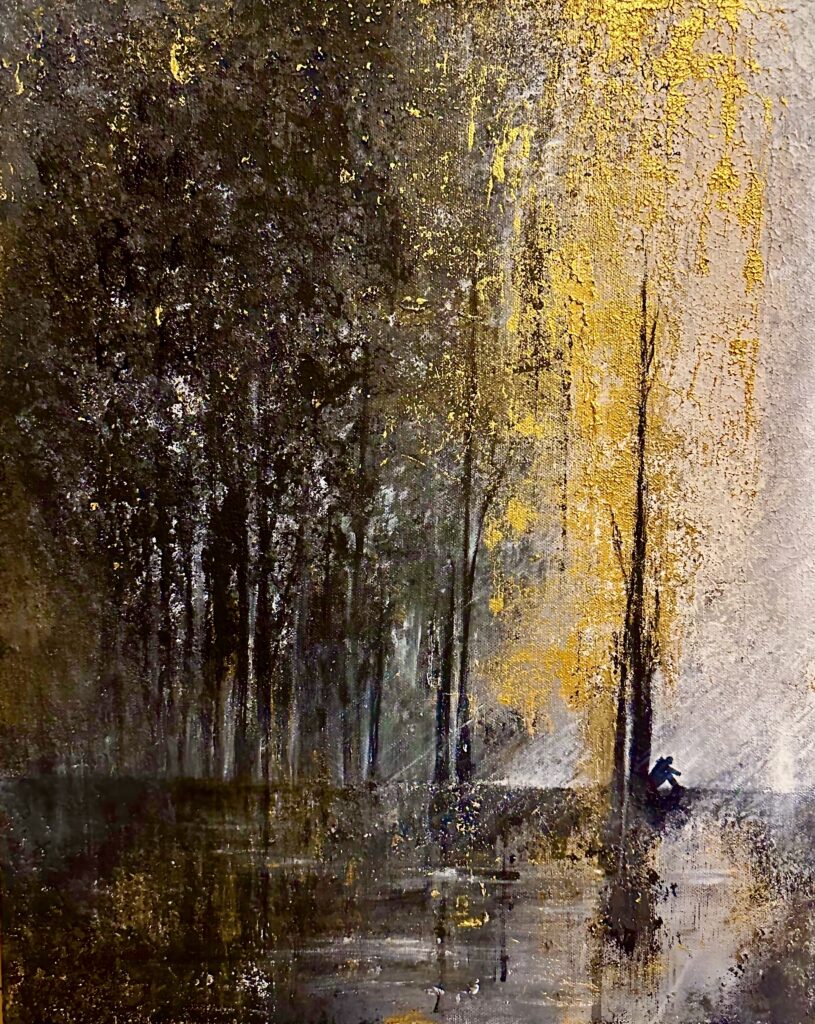
I also noticed photography shows up in her practice alongside charcoal, graphite, and mixed media. So I asked her, what’s the camera doing for her that drawing and painting can’t?
I appreciate art and creativity in all of its forms. Photography feels like an extension of drawing and painting to me. It begins with a mental vision that simply needs a physical form. I was drawn to photography in my early twenties after having my child. I took photos often, sometimes creating portraits of friends and family just for fun. Today, photography is about capturing a special moment and eternalizing it.
Her work has been selected for exhibitions in London and featured in international publications this year. So my last question was simple, who does she want to reach? What conversations is she hoping to have next?
I am most interested in reaching people who connect with art on a human level rather than through labels or trends. I want to engage audiences who value spiritual morality, reflection, and emotional depth. I want conversations around how my artwork resonates with individuals who are navigating growth, transformation, and conviction, and who recognize parts of themselves within the work. Ultimately, I want people to look at my art and say, “This piece changed how I view life.”
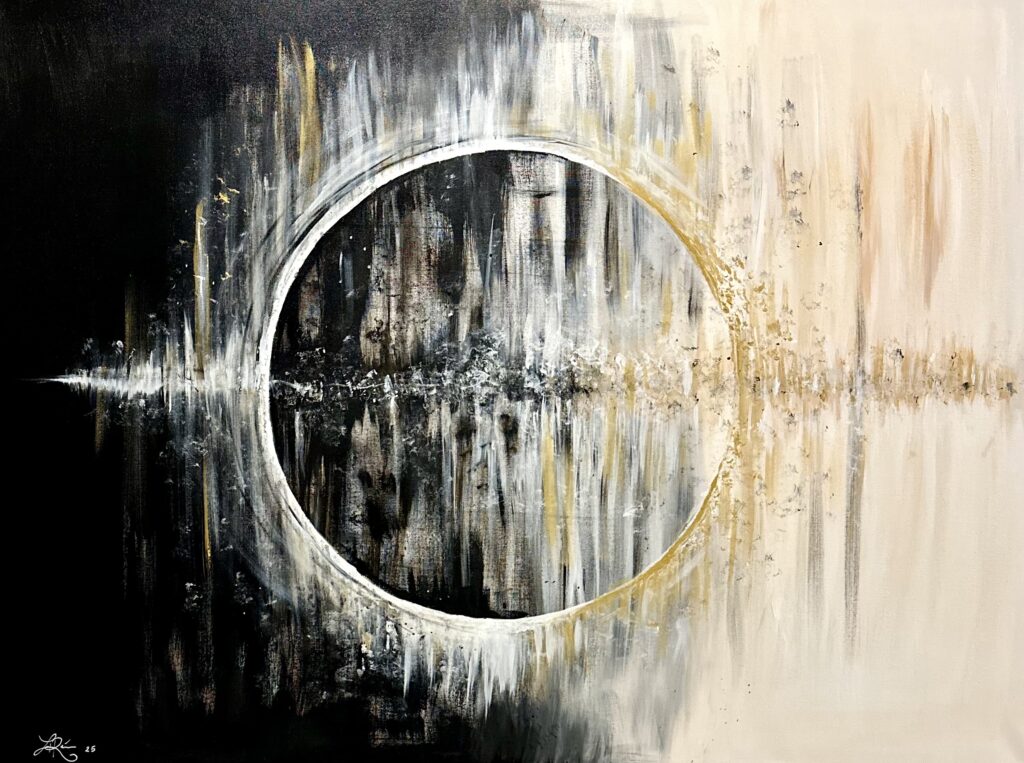
As our conversation came to an end, I found myself wondering about something Lakeshia said that most people wouldn’t think twice about: restraint. She learned it in operating rooms that not everything needs to be said to be felt. And she brought that exact philosophy into her studio.
What makes that so striking is that most artists today are taught the opposite. Fill the space. Explain the work. Make it obvious. But Lakeshia does something rarer she trusts the pause. She trusts what’s left untouched. And that restraint isn’t hesitation. It’s confidence. It’s understanding that vulnerability, emotion, and presence can exist without being spelled out. Surgery and art aren’t separate worlds for her they’re two languages saying the same thing.
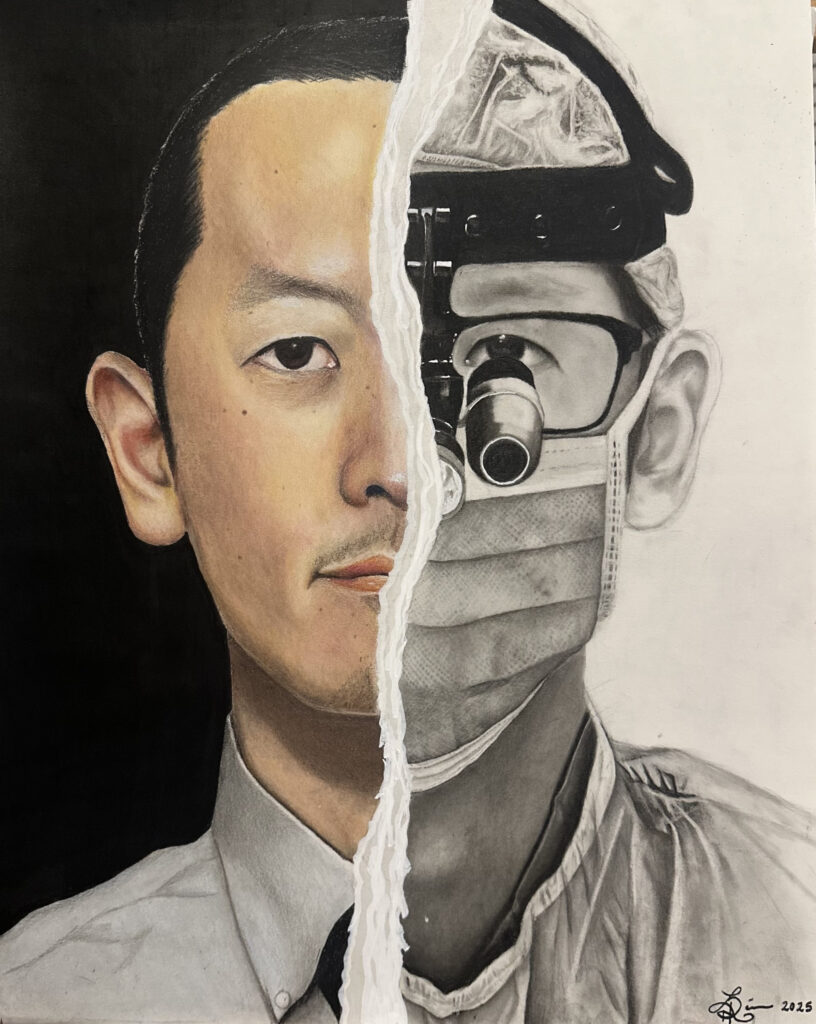
What I keep coming back to is this: she didn’t return to art because she had time or because it seemed fulfilling. She returned because she was tired in a way sleep couldn’t fix. She’d spent years showing up for everyone else, and somewhere along the way, she forgot to show up for herself. That exhaustion the kind that comes from putting yourself on pause is something so many people carry but never name.
And when she finally picked up a pencil again, it wasn’t to escape. It was to process. To reconnect. To exist without needing to hold everything together. That shift, from performing strength to allowing vulnerability, is where her work gets its power. She’s not making art to impress. She’s making it to remember who she is beneath all the roles she plays.
Here’s what Lakeshia understands that a lot of artists miss: the work doesn’t have to shout to matter. It doesn’t have to explain itself to be felt. She follows where she’s led portraits when it’s about honoring a person, abstraction when it’s about emotion. She moves constantly as a travel provider, and instead of fragmenting her, it builds a mental portfolio she carries into her studio.
She’s been selected for international exhibitions, but recognition isn’t why she creates. She wants people to look at her work and say it changed how they view life. That’s not a small ask. But it’s an honest one. And honestly? In a world obsessed with visibility and noise, her quiet, restrained, deeply intentional practice feels like exactly what we need more of.
Follow Lakeshia Renee Williams via the links below to experience her art, process, and ongoing exploration.