
The Pandemic Took Everything from Everyone but Gave Kazin Her Art Back
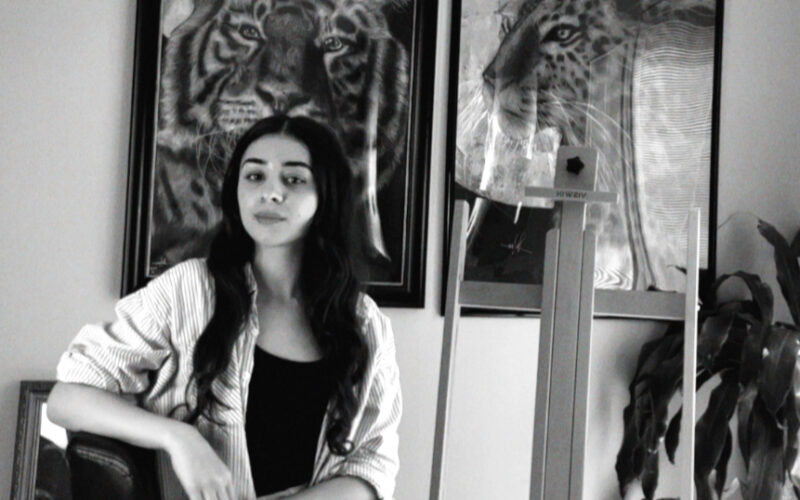
At Arts to Hearts Project, we don’t just look at technique when we review submissions. We look for something harder to name, a pulse. A heartbeat beneath the surface. Work that feels like it had to be made, not because someone wanted to impress anyone, but because they had no other choice.
The International Artist Award 2025 was built around one idea: give artists complete freedom. No restrictions. No themes boxing them in. Just one word. Open. Open medium. Open style. Open story. We wanted to see what artists would create when nothing was holding them back.
And they showed us. Submissions poured in from across the globe paintings, sculptures, photographs, digital work, mixed media pieces that defied category. Each one carried weight. Each one had a story pressing against the edges, trying to break through. Going through them wasn’t just inspiring, it was overwhelming. There were so many voices we wanted to amplify, so many artists whose work deserved to be seen.
But certain pieces wouldn’t let us look away. Kazin Khaleel’s work was one of them.
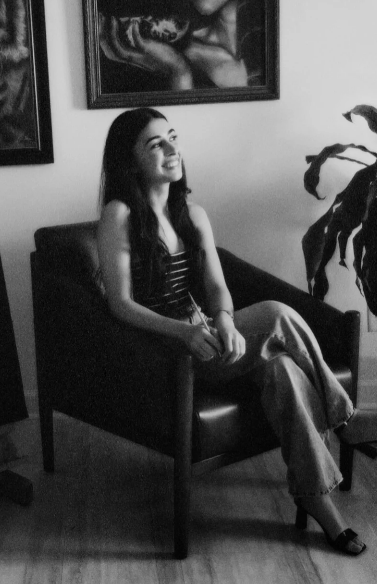
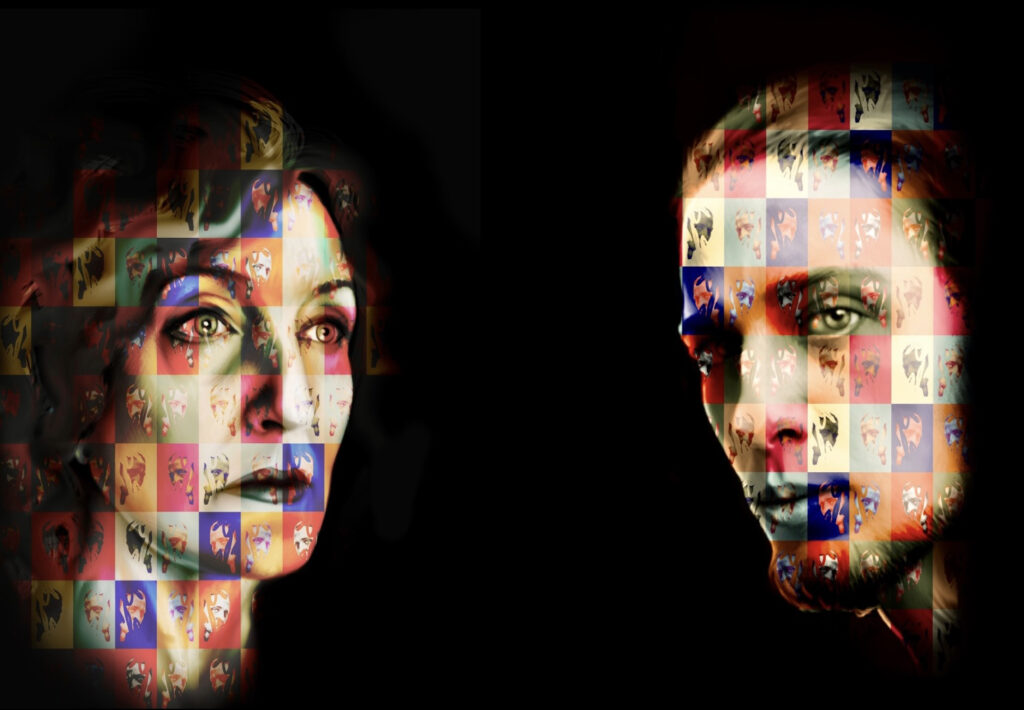
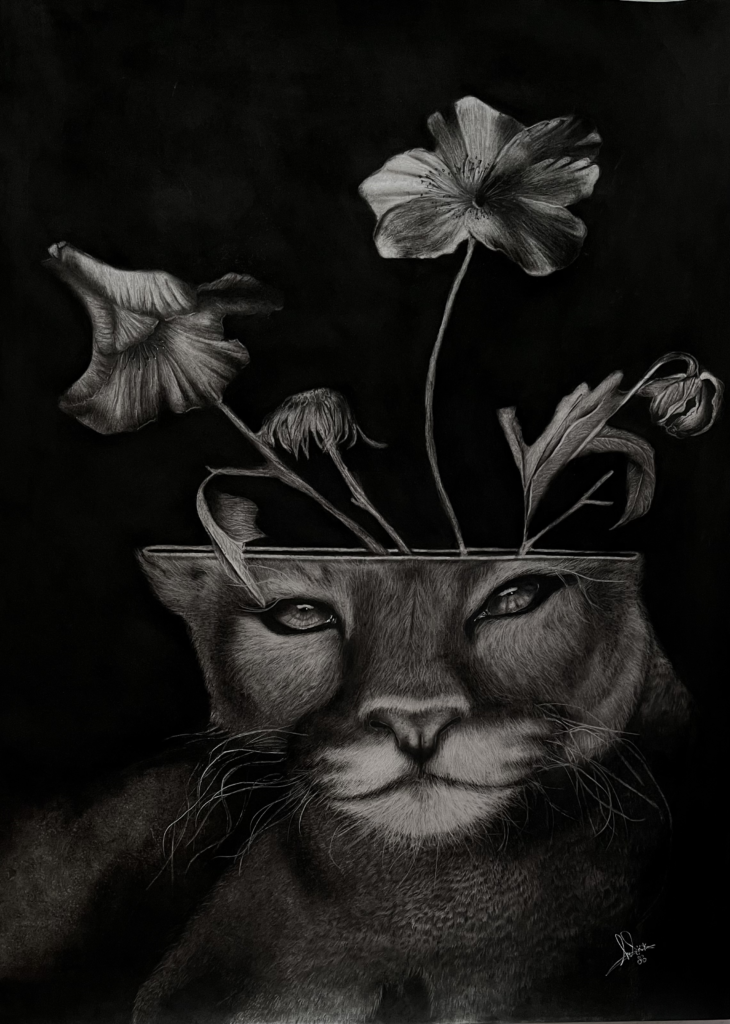
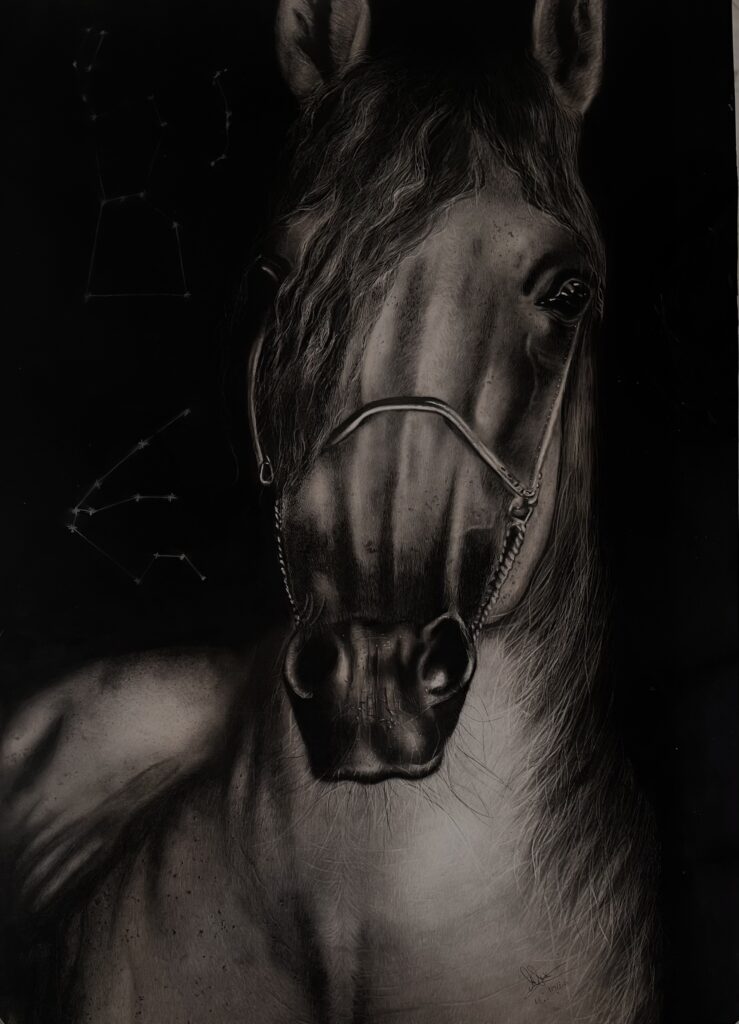
It wasn’t flashy. It didn’t try to grab attention through shock or spectacle. It just sat there, quietly demanding that you come closer. Hyperrealistic portraits so detailed you could see the texture of skin, the weight in someone’s eyes, the small imperfections that make a face feel like a person instead of an image. Some adorned with gold leaf that caught the light, others softened with pastel, each one carrying an emotional charge you couldn’t ignore.
We selected Kazin as one of the featured artists in the award book, not because her work checked boxes, but because it made us feel something. And when we dug deeper into her story, we understood why.
Kazin didn’t stumble into art through privilege or opportunity. She clawed her way to it. At 13, she moved to the United States and life became unbearable. Bullying. Isolation. The suffocating weight of not belonging anywhere. She was drowning, and she didn’t know how to ask for help. So she searched for something anything that could give her a reason to keep going.
That’s when she found a fashion design tutorial on YouTube. She followed it step by step, and for the first time in a long time, she felt something other than pain. She felt capable. She felt like maybe, just maybe, she could create something beautiful in a world that felt so ugly.
Fashion was her first love, but drawing became her lifeline. In high school, she sold her first piece to a classmate, and something clicked. This wasn’t just a distraction anymore. This was hers. A language she could speak when words failed. A mirror that reflected back the beauty she couldn’t see in herself.
She taught herself everything. No formal training. No mentors guiding her. Just YouTube, obsessive practice, and a stubbornness that refused to let criticism or doubt win. At 14, she discovered hyperrealism through artist Jono Dry and decided to try it, her first portrait was Justin Bieber. Most beginners start small, ease into difficulty. Kazin jumped straight into the deep end and forced herself to learn how to swim.
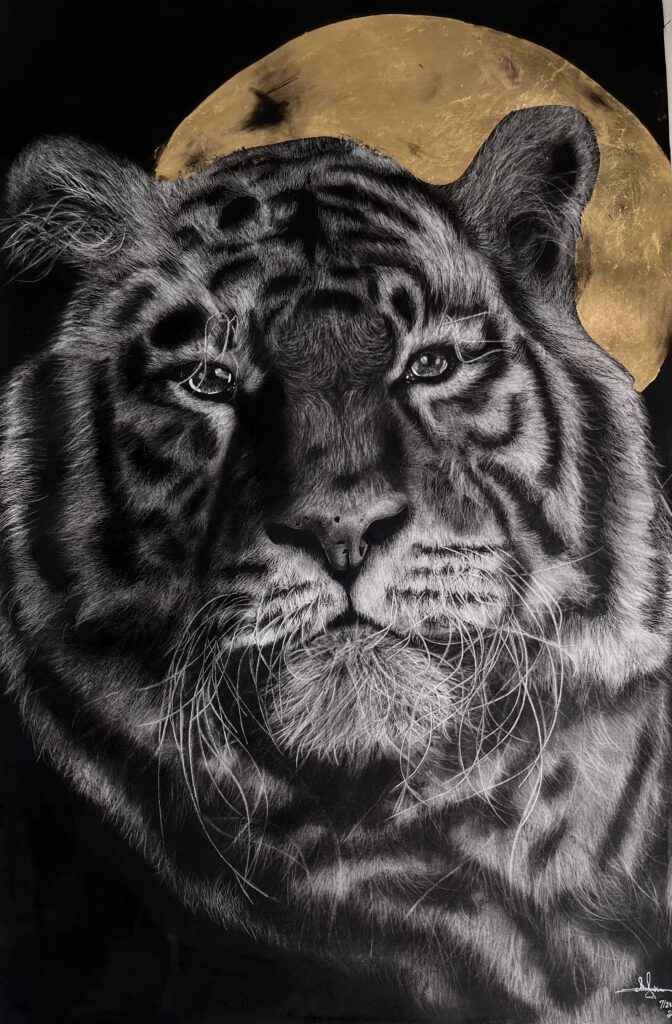
When the pandemic hit and the world went silent, Kazin filled the silence with pencil strokes. Hours and hours every single day, perfecting shading, proportion, texture—the unforgiving details that separate a drawing from something that feels alive. She became obsessed with capturing truth: the pores, the lines, the tiny flaws that make someone real.
Now her work hangs in exhibitions across the United States, Greece, and Spain, with Paris on the horizon. But for Kazin, none of that matters as much as the connection her work creates. She doesn’t make art to showcase skill. She makes it because each piece is an entry in her emotional diary a way to process what she can’t verbalize, a way to reach through the canvas and say to someone else: I’ve been where you are. You’re not alone.
She’s intentional about the energy she brings into her work. Before she starts a piece, she sets a quiet intention that it will uplift whoever encounters it, that it will carry a frequency of comfort and connection. She believes art isn’t just visual; it’s energetic. And if you’ve ever stood in front of one of her portraits and felt something shift inside you, you know she’s right.
Kazin Khaleel earned her place in the International Artist Award 2025 not by playing it safe, but by being relentlessly, vulnerably honest. Her work doesn’t perform. It confesses. And that’s exactly what makes it unforgettable.
Let’s step into her story through this interview.
Q1. Moving to the United States at 13 was a major change. How did drawing first enter your daily life during that period, and what role did it play for you at school?
Drawing first entered my life when I was desperately searching for a way to find beauty in a life full of challenges. At that time, I was going through many struggles, one of the hardest being bullying. I was bullied at a very young age, and because I was extremely introverted, I didn’t feel comfortable talking to anyone about what I was experiencing. Instead, I searched for something that could help me hold on, and that is how I discovered art. Art played a major role in my life at school because it helped me build confidence. Through drawing, I realized that the label “ugly” never belonged to me. I drew myself and loved what I saw. I learned that I was not unworthy because we all matter. Art taught me, at a very young age, that everyone is beautiful in their own way and that each person holds a powerful significance.
Q2. Fashion was your first focus after following a YouTube sketch tutorial, and you later sold drawings to classmates. How did those early experiences shape the way you think about audience and commissions today?
As mentioned earlier, it changed the way I think in many ways, but as far as the audience and commission aspect today. It taught me that there is no fear in creating. At that age, I was in my teenage years and just beginning, creating freely with a child-like heart where I drew with no fear I put myself out there. Even when I was such a beginner, I applied to many art contests and I lost every time. I promoted myself in school, telling others about my work, and that shaped my marketing mind. I learned it’s about the connection others have, it’s the story behind the work that matters, we all want something to look at and have a familiar emotion to it that makes us feel seen and heard. People think Fashion is all about aesthetic good looking designs, but each piece is a story and was well thought through. And that’s what my art is based on, I want it to be eye pleasing but more importantly a story teller.
Q3. Discovering Jono Dry led you to try hyperrealism at a young age. What challenged you most when creating that first portrait of Justin Bieber at 14?
The challenge I face the most is getting it perfect, to this day I’m still so hard on myself because I put such high expectations for my work to be perfect if not close to that, and I continue to try until I reach those expectations, and that’s what I think helped me learn art by myself quickly. Portraits are not easy, especially if you are so young with little to no experience with portraits at all, I jumped into the hardest parts of art perfecting my shading and proportion was always my focus and it still to this day is.
Q4. During the pandemic you spent most days drawing. What habits or routines from that time still influence how you work now?
Time management, to this day I can be extreme when it comes to time, starting that as a habit at a young age has allowed me to learn how to manage my time especially now that I have a part time job and am studying architecture in university, i still make time for my art. When you really care about something, so deeply you are never too busy for it.
Q5. Your exhibitions span the United States, Greece, Spain, and an upcoming show in Paris. How has showing work in different countries changed your expectations of viewers and galleries?
It has changed my mind ‘s expectations a lot. When I first started exhibiting my art with galleries I was just 17 years old, so very young I had no clue about galleries and I made so many mistakes throughout my journey. I started the journey thinking that it was the only way an artist could get exposed, and that it’s the only way to an artist’s success. But that is not true, working with galleries is not for everyone, but it’s also not the only way to an artists success. It adds to the artist’s life but the real work has to come from you as an artist, you have to put yourself out there, especially now that we have social media platforms, which can be extremely beneficial.
Q6. Outside of drawing, cooking, dancing, and time in nature are important to you. How do these activities fit around long drawing sessions and help you reset between projects?
Art requires an emotional and energetic presence, so I don’t force long drawing sessions when creativity feels drained. I work intuitively and allow ideas to flow naturally. When I need to reset, I step away and recharge through walking in nature, cooking, and dancing. Nature helps me reconnect with myself through reflection, meditation, and prayer, which help to clear my mind and helps to restore my energy. These activities raise my frequency, which is central to my art practice. I’m intentional about creating only when I feel aligned, because the energy I hold transfers directly into my work.
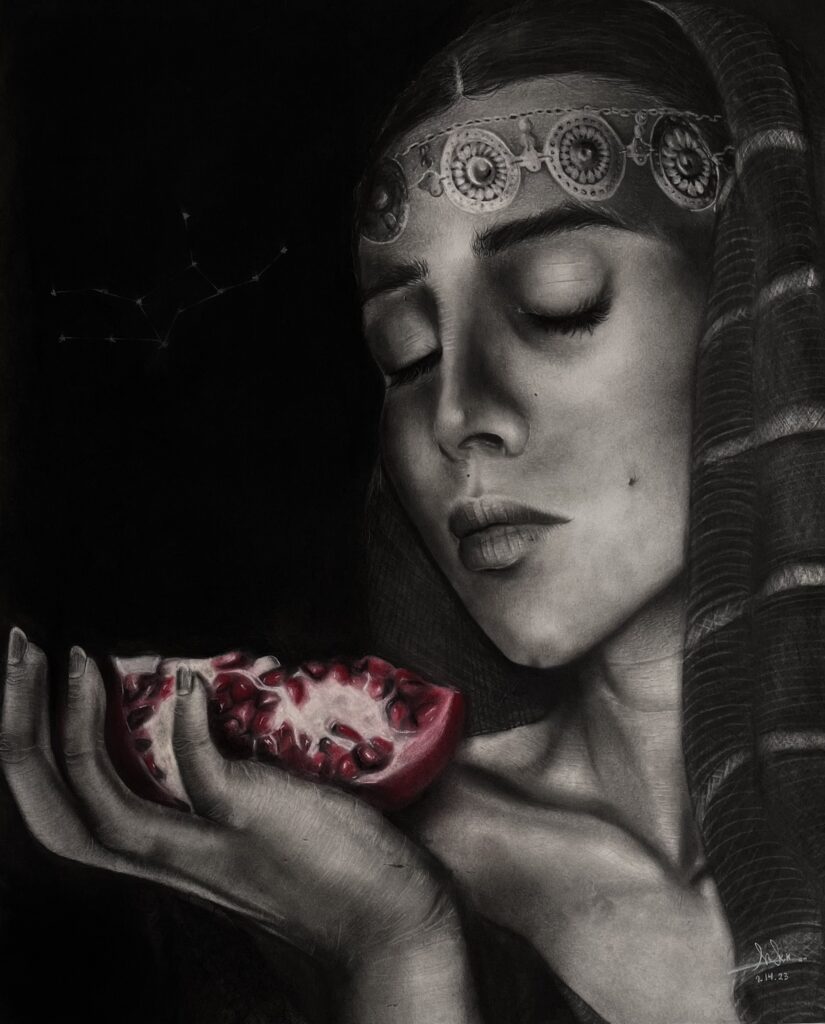
As we wrap up our time with Kazin, one thing becomes impossible to ignore: she never had the luxury of treating art as optional.
For some people, creativity is a hobby. A side project. Something they do when inspiration strikes or when life slows down enough to allow it. But for Kazin, art was never that. It was survival. It was the thing that kept her from disappearing completely when the world tried to erase her.
What strikes us most isn’t just her technical skill though watching someone self-taught render hyperrealistic portraits with that level of precision is undeniably impressive. What stays with us is why she does it. Every piece she creates is a conversation she’s having with herself, with her past, with the pain she’s carried and the strength she’s built. Her art is a diary she’s brave enough to share with the world, knowing that vulnerability is the price of real connection.
Kazin’s journey reminds us that you don’t need formal training to be a real artist. You don’t need permission or validation from institutions. What you need is something to say and the courage to say it even when your hands are shaking, even when people tell you it’s not worth it, even when you’re working entirely alone with nothing but YouTube tutorials and stubborn determination.
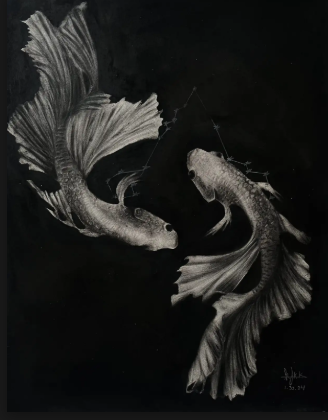
She’s proven that the best art doesn’t come from ease. It comes from necessity. From the moments when creating is the only thing standing between you and complete collapse. And maybe that’s why her work resonates so deeply because people can feel that honesty. They can sense that these aren’t just drawings. They’re proof that she survived. That she’s still here. That beauty can exist even in the hardest chapters of your life.
Kazin doesn’t create to impress anyone. She creates to process, to heal, to remind herself and anyone who sees her work that we’re all worthy, we’re all beautiful, we all matter. And she does it with such care, such intention, embedding each piece with the energy and frequency she hopes will reach whoever needs it most.
Being featured in the International Artist Award 2025 is just one moment in a much longer story. But it’s a moment that matters a confirmation that her voice deserves to be heard, that her work belongs in the world, that the girl who once felt invisible is now impossible to look away from.
Kazin Khaleel is living proof that art can save you. That it can rebuild you. That it can transform pain into something so achingly beautiful that strangers across the world stop and stare and feel a little less alone.
Follow Kazin Khaleel to experience a practice guided by emotional honesty, precision, and a deep respect for the act of making.