
What Do These Artists Know About Flowers That We Don’t?
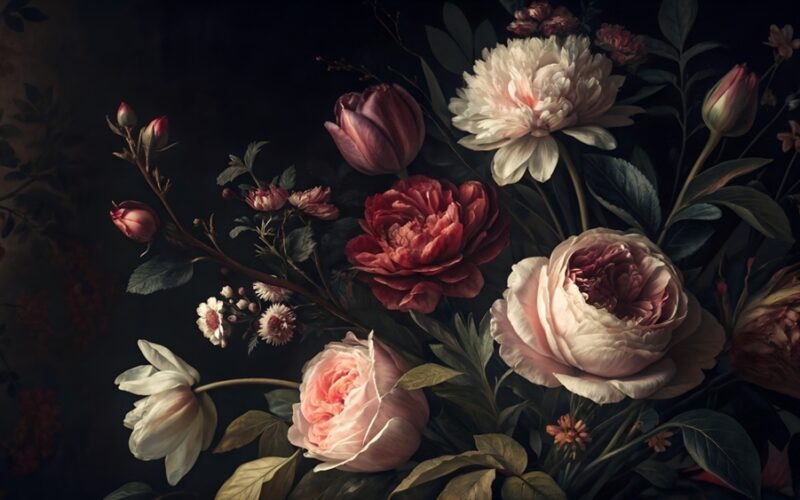
It’s easy to think we understand flowers because we see them all the time. In gardens. On kitchen tables. In markets. In paintings we’ve grown up looking at. Because they’re so familiar, we don’t always stop to think about why artists keep returning to them. But floral artists aren’t repeating the same idea over and over. They’re paying attention. They’re noticing small changes most of us miss. How a petal curls as it opens. How colour shifts as something starts to fade. How a flower never really stays the same for long.
There’s something grounding about that kind of looking. Flowers don’t perform. They don’t rush. They change at their own pace, and artists who work with them often have to slow themselves down to match it. That slowing down becomes part of the work, not just a step in the process.
Working with florals takes time. You can’t rush it. You have to sit with the subject, look again, and adjust. Sometimes that means starting over. Sometimes it means letting a piece rest before returning to it. That patience shows up in the final work, even if you can’t immediately name it.
What’s interesting is how differently artists approach flowers. Some study them closely, almost scientifically, paying attention to structure and detail. Others work more loosely, letting shape, colour, and repetition carry the feeling. But in both cases, flowers become more than decoration. They become a way of working through memory, emotion, and presence.
Flowers also carry weight. They’re tied to moments of care, celebration, grief, and everyday life. They’re given, grown, tended, and sometimes left behind. Artists who work with florals often understand this without needing to explain it directly. That quiet understanding sits beneath the surface of the work.
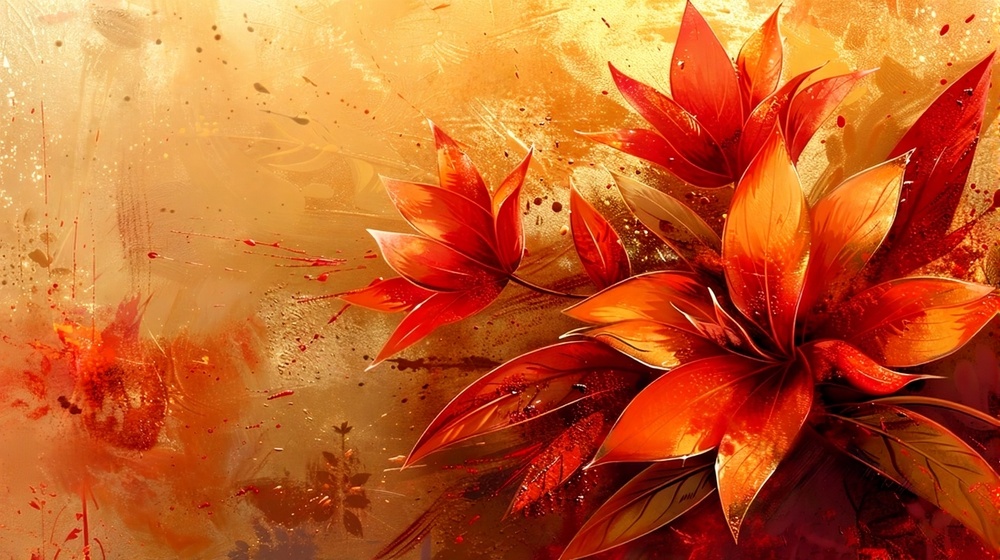
Choosing flowers isn’t an easy or obvious choice. There’s an expectation that floral work should be gentle or pretty. The artists who take this subject seriously often push against that idea. They allow flowers to be imperfect. To bruise. To bend. To take up space in ways that feel honest rather than idealised.
At the Arts to Hearts Project, we’re drawn to artists who approach florals with this kind of care. Artists who stay with the subject, who don’t rush past it, and who allow meaning to build slowly through the act of making.
In this article, we’re sharing floral artists who do exactly that. Artists who keep looking, keep working, and keep finding something new in a subject we think we already know.
Charlotte Bradley @charlottebradleyartist
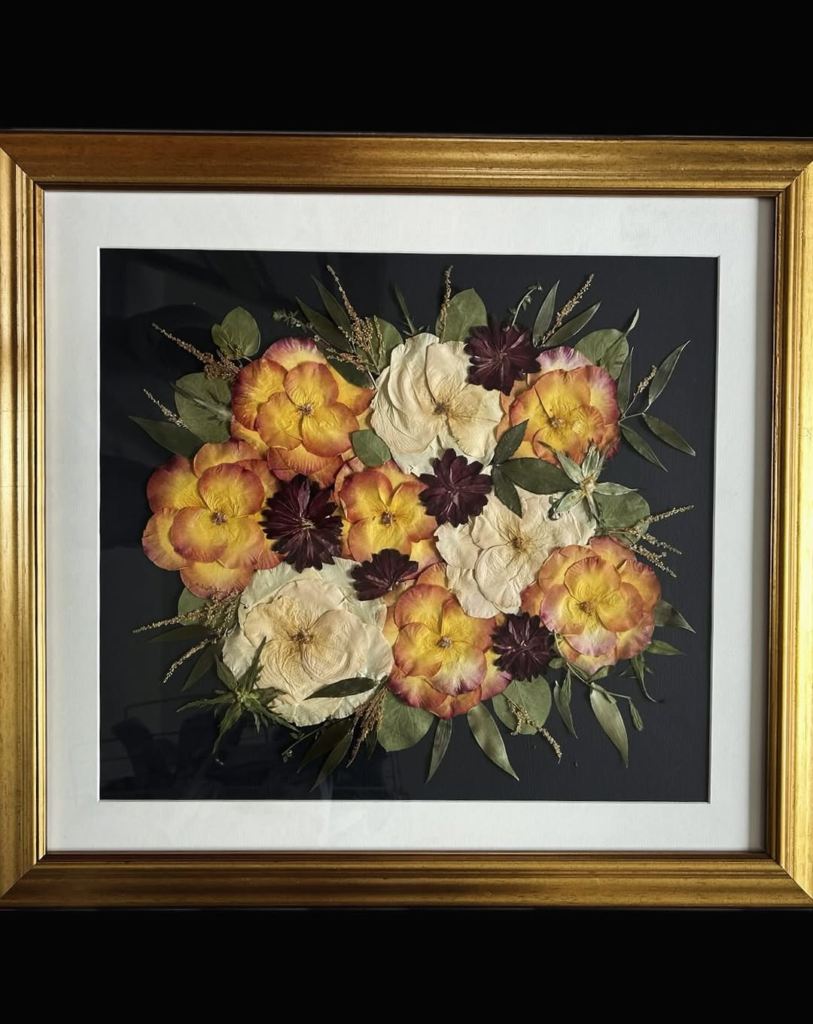
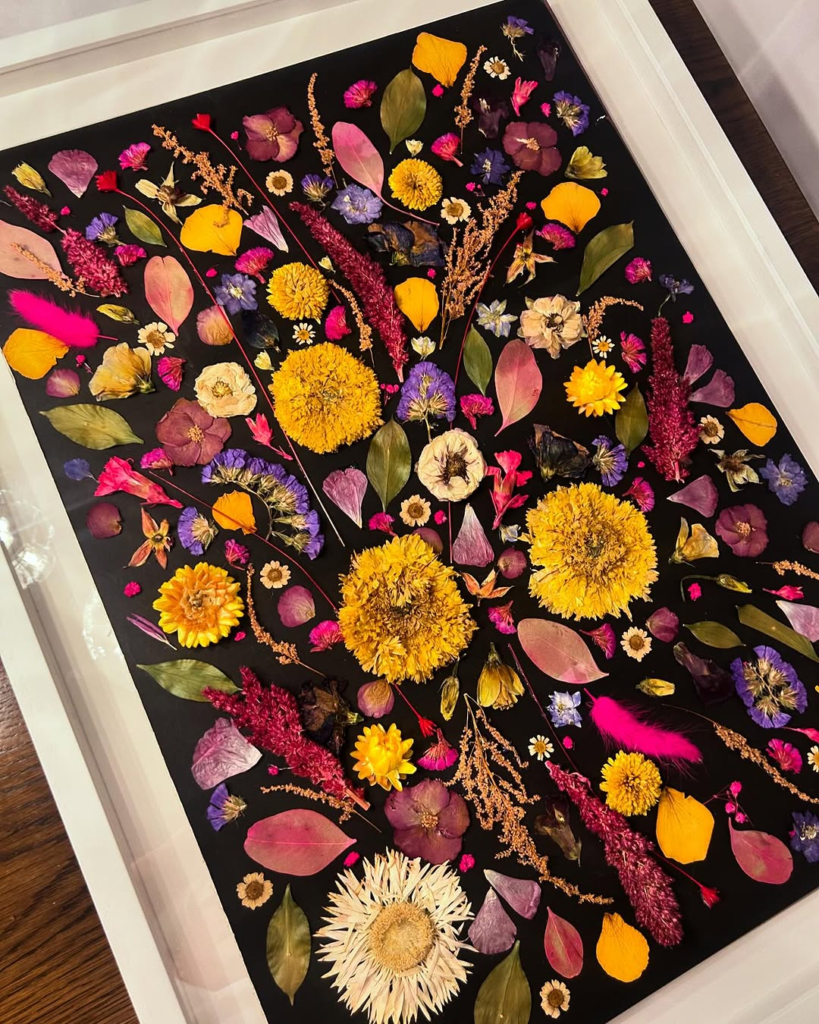
Working from the Burren region of County Clare, Charlotte Bradley draws much of her visual language from the natural world around her. The landscape she lives with isn’t treated as scenery in her work, but as something observed closely and over time. Flowers, plants, and organic forms appear not because they’re decorative, but because they’re present in her daily looking. Her floral work feels quiet and attentive. Nothing is exaggerated or over-arranged. Petals overlap naturally, stems bend slightly off-centre, and forms are allowed to remain imperfect. There’s a sense that the work comes from sustained observation rather than composition, from spending time with a subject instead of shaping it to fit an idea. What stands out is restraint. Colour is used carefully, never pushed for impact. The work doesn’t rely on brightness or excess to hold attention. Instead, it settles into softer tones and measured marks, letting the image build slowly. That control keeps the work from slipping into prettiness, even when the subject could easily lean that way.
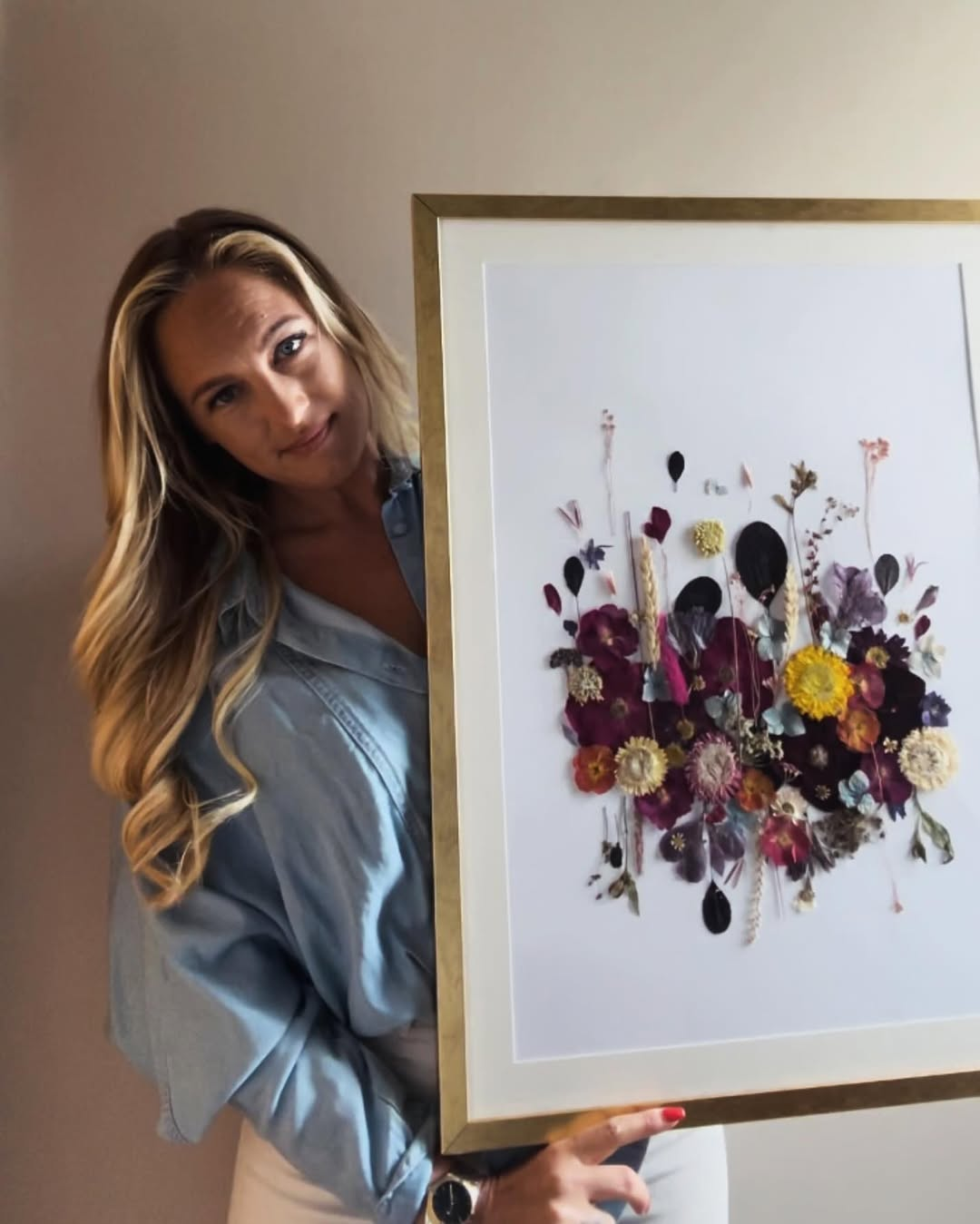
Flowers in Charlotte’s practice don’t act as symbols or metaphors you’re expected to decode. They stay grounded in what they are: living forms that change, age, and shift subtly from day to day. That decision keeps the work honest. It resists sentimentality and stays close to experience. There’s also a particular pace to how her work feels. It doesn’t rush the viewer. You notice things gradually. A curve here. A quiet balance there. The longer you look, the more the image settles rather than reveals. It feels made by someone comfortable with slowing down. Charlotte Bradley’s work doesn’t try to make a statement about floral art. It doesn’t need to. It holds its strength in attention, patience, and a refusal to over-explain. The flowers remain themselves, and the work trusts that this is enough to stay with you.
Mason Pott @masonpott.artist
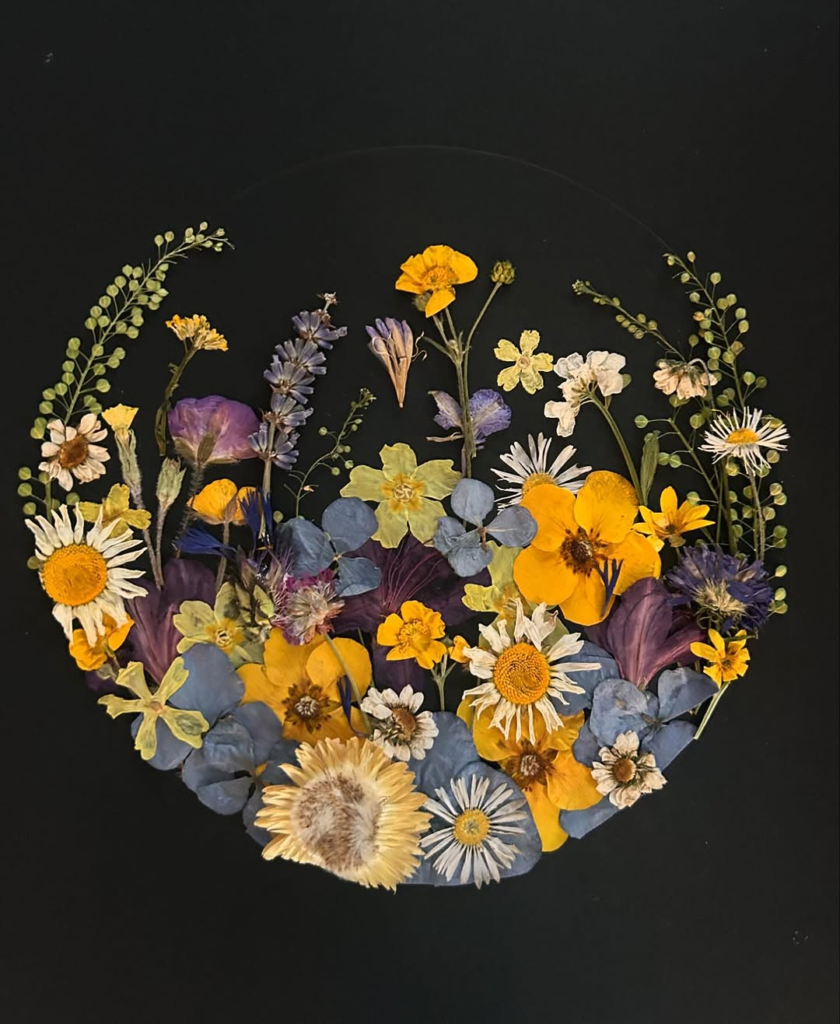
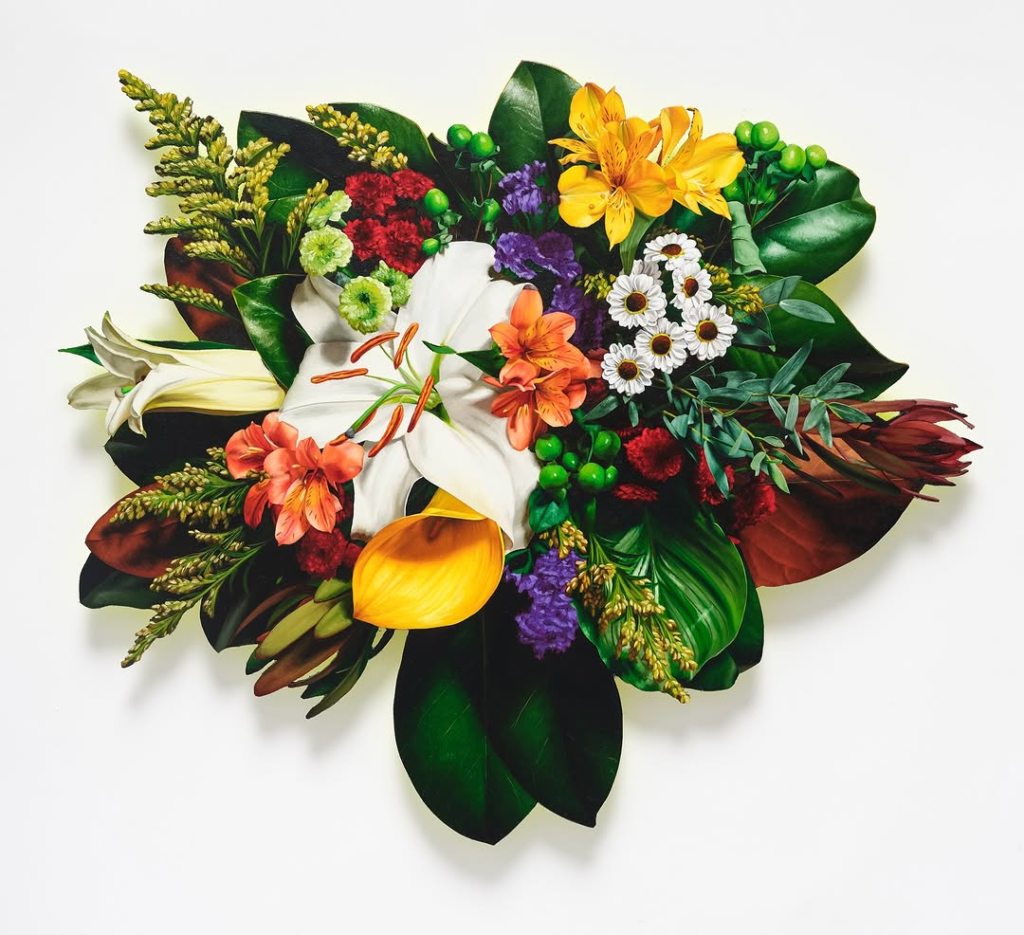
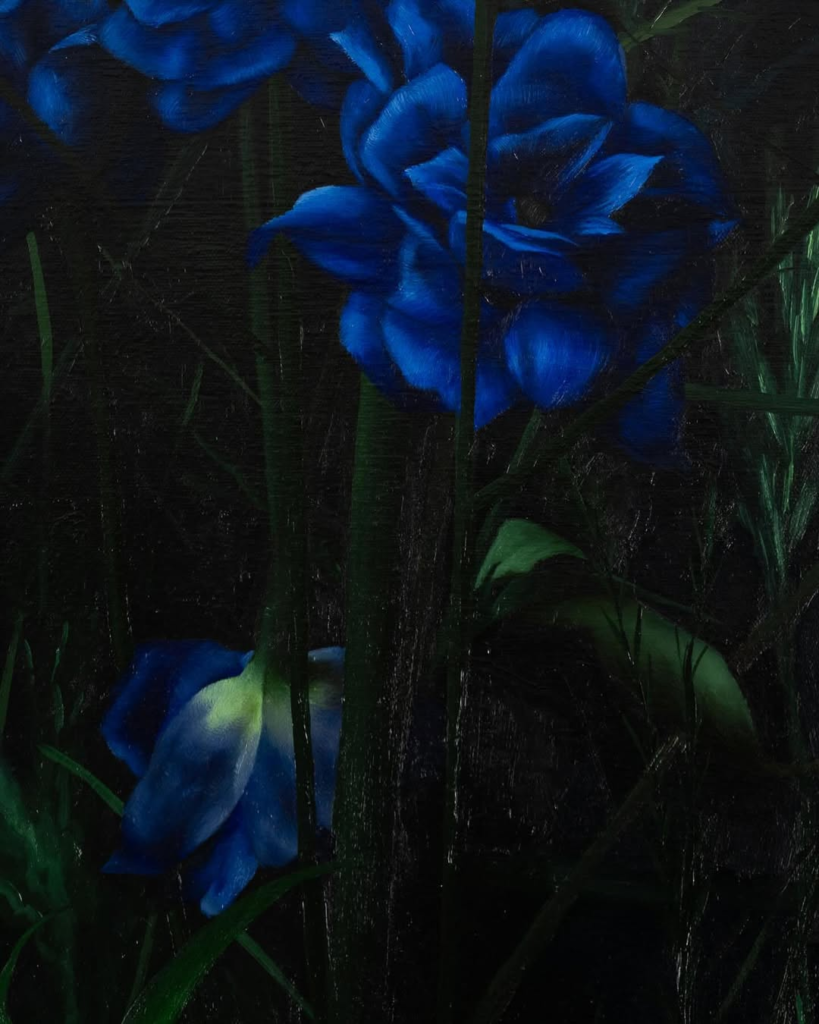
Mason Pott makes paintings that feel lived-in and instinctive. He doesn’t present flowers as prettiness on a platter. Instead, he uses them as part of a larger curiosity about form, colour, and what happens when marks push against one another on the surface of the canvas. What you notice first in Mason’s work is how the shapes are laid down. Petals, leaves, stems don’t sit neatly in place. They overlap, press outward, and in some pieces almost spill off the page. It’s not a tidy still life. It’s more like the view you get when you step close to a scene you’ve returned to many times, the view where nothing is perfect, but everything feels important. Colour is central to how Mason works. He doesn’t limit himself to delicate pastels or muted palettes. There are bright greens, deep reds, unusual combinations that could feel discordant in other hands but here feel intentional. His use of colour doesn’t explain itself. It makes the paintings feel immediate; a record of choices made with eye and hand rather than with formula.
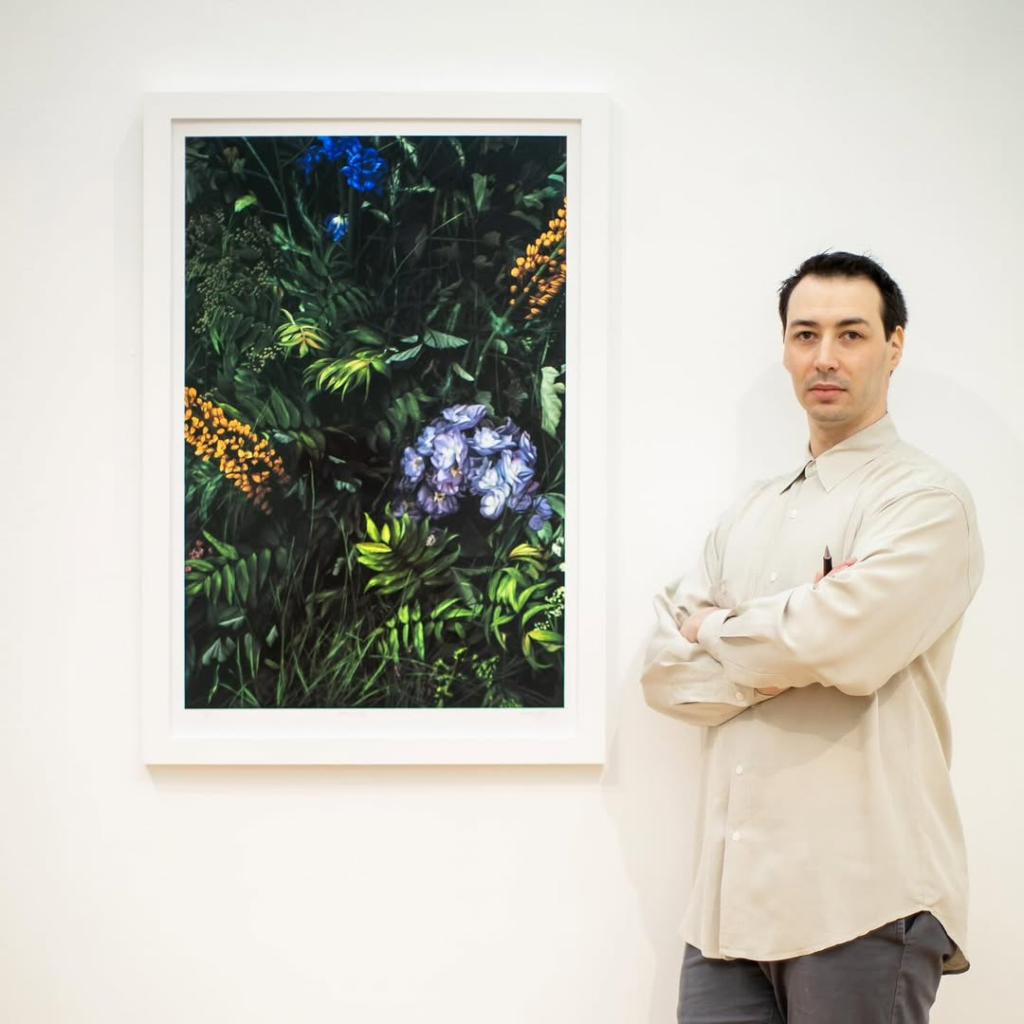
He also mentioned his interest in balance and tension, and you can see that in how he handles space. Some areas of his compositions feel busy and layered, others open and quiet. Those contrasts make the paintings feel more like a visual conversation than a fixed image. It’s as though he’s tracking his own responses to what he’s seeing, allowing questions to remain open rather than tidying everything up. There’s also something familiar in his work without it ever feeling derivative. Mason brings together shapes that feel rooted in the natural world flowers, leaves, stems but he doesn’t let them stay literal. They become forms to work with, to push around, to let colour and structure play off one another. The result is floral work that doesn’t settle for prettiness, but instead leans into complexity and layered seeing. Whether on Instagram or on his site, what comes across is a painter comfortable with exploration. Mistakes are not disguised, edges aren’t always neat, and composition doesn’t always bend toward order. But in that looseness there’s clarity. His art doesn’t try to explain you to yourself. It asks you to really look at paint as colour, form as shape, and flowers as something interesting rather than decorative.
Stacy Gardoll @stacygardollart
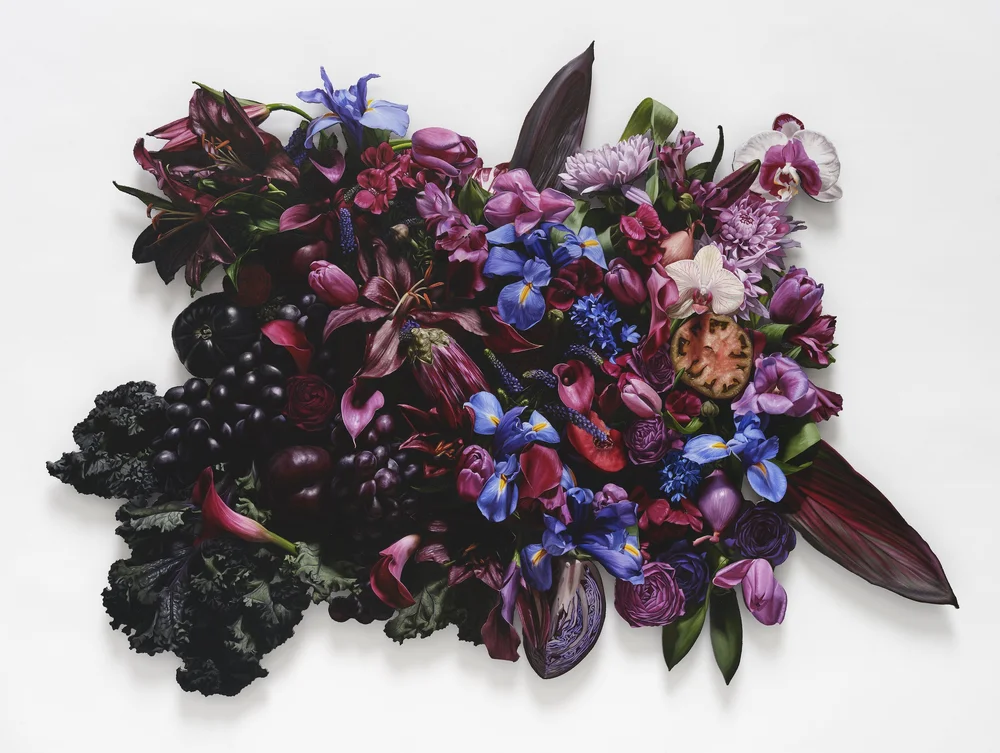
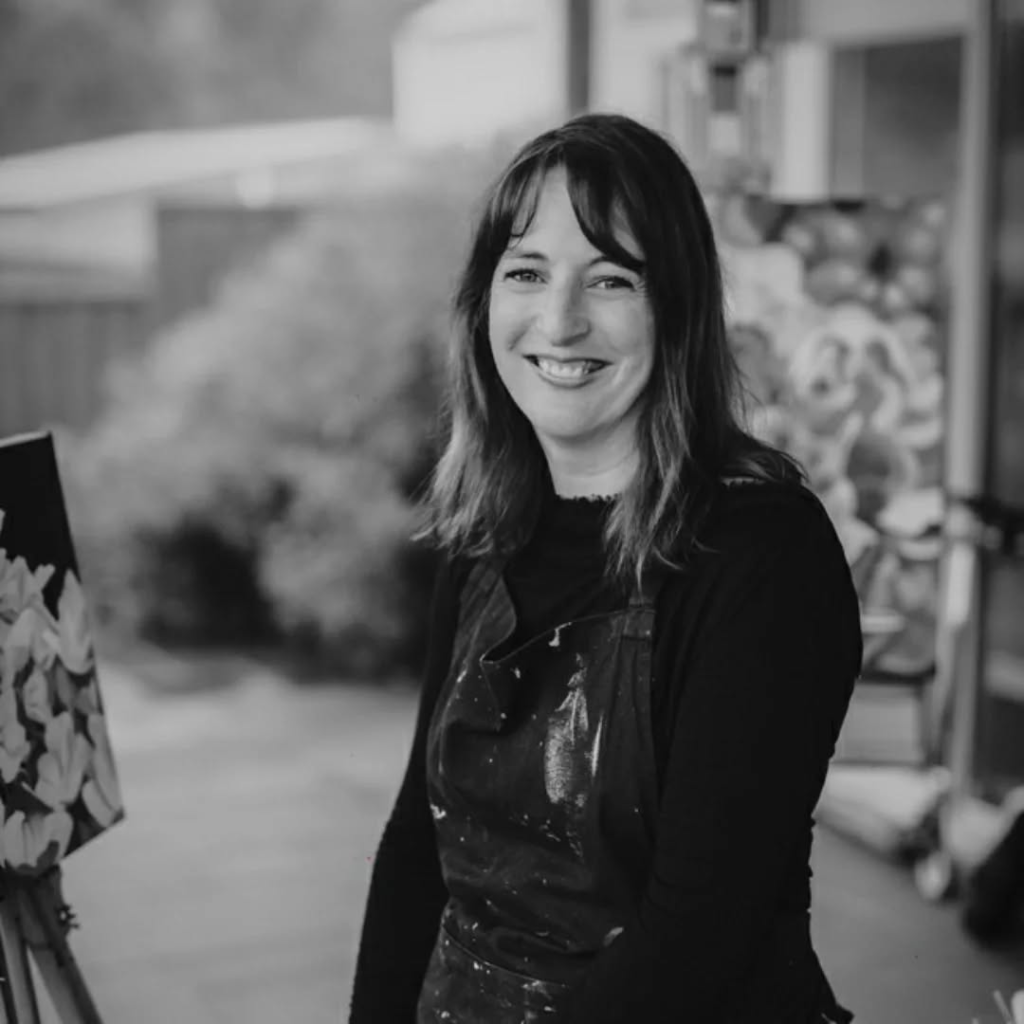
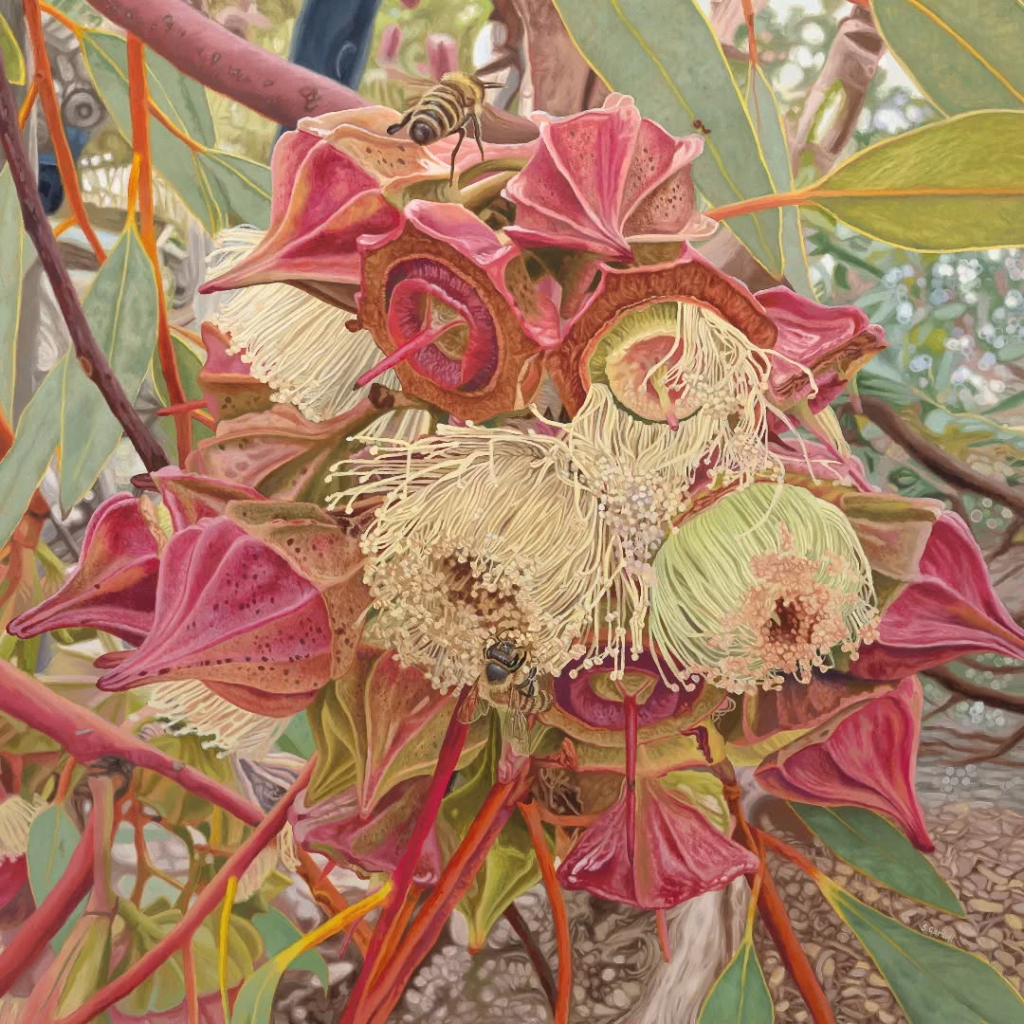
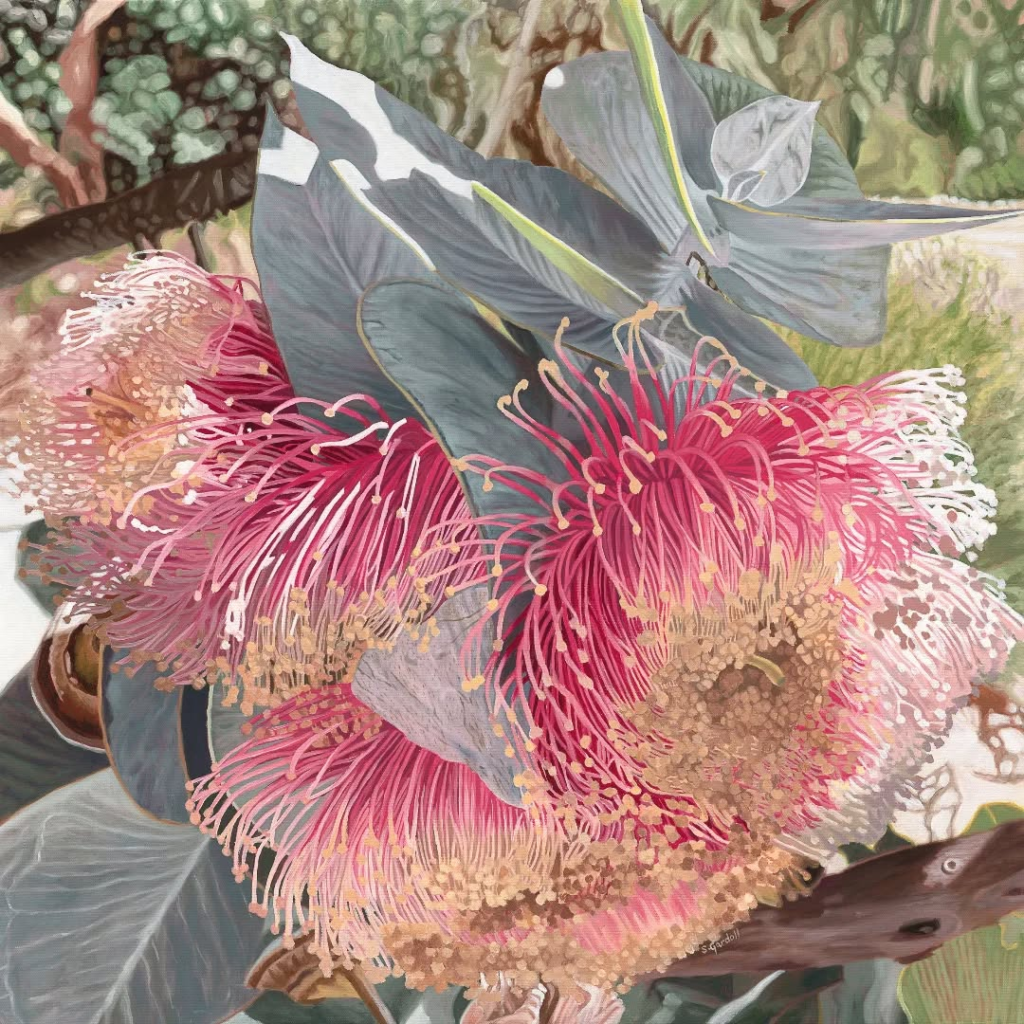
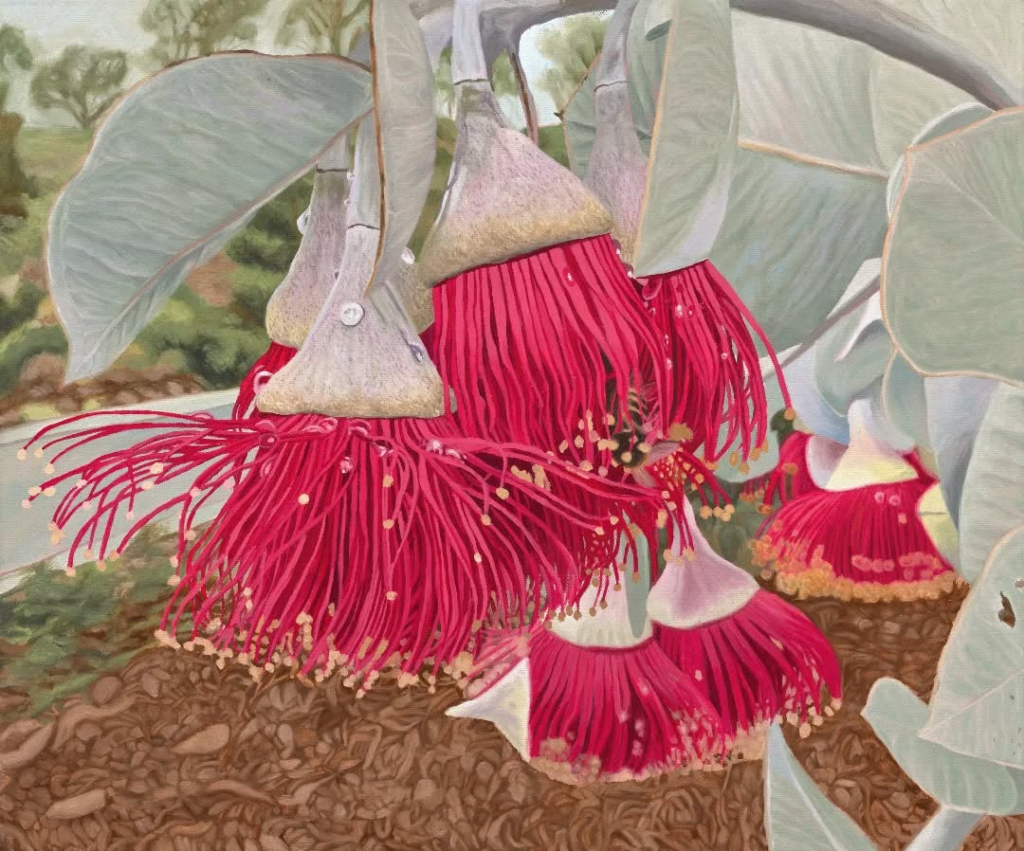
Stacy Gardoll’s paintings feel like quiet invitations to slow down and really look at the natural world. Working from her home in the Perth foothills, she focuses on botanical subjects and broader natural themes, but she doesn’t approach them as mere studies of form. Instead, her work carries a sense of calm that suggests reflection and a kind of stillness you don’t arrive at quickly but discover over time. There’s a thoughtful rhythm to how her pieces unfold. Flowers, leaves, and plant forms aren’t just rendered for accuracy; they’re painted in a way that captures how light settles on them, how colour shifts across surfaces, and how shapes feel in space rather than simply what they look like. This approach gives her work a layered quality, where colour and shape seem to respond to one another rather than simply sit beside each other. Stacy’s background in design for theatre and film where depth has to be suggested on flat surfaces shows up in how she builds her compositions. The way she balances light and shadow, and places forms against open space, suggests a painter not just observing nature but thinking in terms of atmosphere and mood as well as form.
On her Instagram, you can see how this approach plays out across different works from intimate close-ups of single blooms to broader works that encompass more of the plant’s environment. Whether she’s working with rich, saturated colours or softer, more muted tones, there’s a consistency in her way of seeing: noticing how a moment of natural beauty catches her attention and then translating that into paint with care and patience. What comes through most strongly in Stacy’s paintings is a balance between observation and presence. She’s not interested in prettiness for its own sake, nor does she treat her subjects as objects to be admired from afar. Instead, she uses botanical imagery as a way to hold space for reflection, a pause from daily life, a moment of calm you can return to again and again. Through her work, Stacy Gardoll shows that painting nature isn’t just about capturing what’s seen. It’s about creating something you feel. Her florals aren’t images on a page. They are experiences you’re invited to inhabit, to notice colour and light and shape in ways that go beyond simple recognition.
There’s a point, after looking at enough of this work, where you stop comparing and just start noticing. Noticing how differently flowers can be handled. How one artist lets colour take over, while another pulls back. How some blooms feel heavy and grounded, while others seem almost temporary, as if they might disappear once you look away. The subject stays the same, but the way it’s held keeps shifting.
What becomes clear is that these artists aren’t chasing novelty. They’re returning. Again and again. And in that return, they allow the work to deepen rather than expand outward. Nothing feels rushed. Nothing feels like it’s trying to impress. The paintings hold their ground quietly.
Flowers, in this context, aren’t symbols to decode or decorations to soften a space. They’re simply allowed to exist. Bent stems. Uneven petals. Colour that doesn’t behave perfectly. That honesty gives the work its weight. You can feel the decisions behind it, even when they’re subtle.
This is the kind of work we’re drawn to at Arts to Hearts Project. Work that values attention over excess and care over spectacle. Artists who trust their subject enough to stay with it and trust the viewer enough not to explain everything.
You don’t leave these pieces with a single message in mind. What stays instead is a feeling that looking closely matters, that repetition can hold meaning, and that familiarity doesn’t have to flatten experience.
And maybe that lingers. Maybe it follows you into the next ordinary moment, when you notice a flower somewhere unexpected, and give it just a little more time than you normally would.