








5 Art Basel Miami Beach Moments Every Creative Should Know
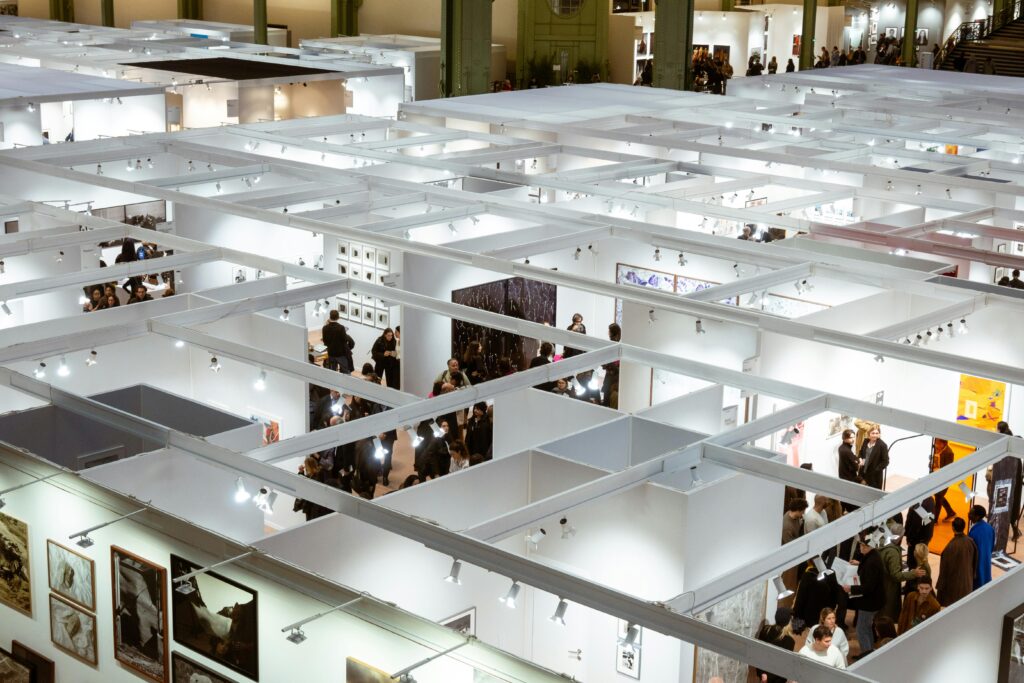
According to Art Basel and UBS, the United States accounted for about 45 percent of global art market sales in 2023, a figure that helps explain why Miami Beach continues to matter so much. This fair concentrates attention in a way few others do. Money, reputation, and institutional focus briefly occupy the same rooms. What happens here often sets a tone rather than a trend. The art world watches closely because patterns surface clearly when pressure is high.
Art Basel Miami Beach now unfolds in a market that feels careful rather than expansive. As reported by The Art Newspaper, sales volume has narrowed even as confidence at the top end remains visible. This changes how the fair is read by those who know it well. Booths are scanned for intent, not spectacle. Conversations linger around consistency and follow-through. Miami has become a place where seriousness shows quietly.
For collectors, curators, and advisors, the fair has taken on the role of a shared checkpoint. According to Artsy, institutional buyers are increasingly attentive to artists with sustained exhibition histories and stable representation. That attention shapes the rhythm of the fair floor. Some moments feel crowded and loud, others deliberate and measured. The latter often signal where long-term commitment is forming. These signals are subtle but widely understood.
The social intensity of Miami can make everything feel urgent. Yet reporting from the Financial Times suggests many established collectors are consolidating rather than expanding. Acquisitions here tend to reflect decisions already in motion, not spontaneous shifts in taste. Museums, foundations, and galleries move with similar restraint. The fair amplifies alignment more than impulse. What looks casual on the surface often reflects months of positioning.
This piece looks closely at five moments from Art Basel Miami Beach that continue to resonate beyond the fair itself. Each moment speaks to how value, attention, and credibility circulate right now. These observations are meant for artists, collectors, curators, and institutions alike. They focus on behavior rather than advice. Taken together, they offer a grounded way to read what the fair is really showing.
1. Zero 10: Basel’s Strategic Leap Into Digital Art
The launch of Zero 10 at Art Basel Miami Beach 2025 was more than a new sector. It was a clear institutional signal that the fair is intentionally expanding how contemporary practice is framed in a global market still recalibrating after years of technological disruption. Zero 10 is a curated platform dedicated to digital art, AI‑influenced works, and technology‑driven practices, bringing these forms into conversation with the fair’s broader ecosystem rather than leaving them at the margins.
Curated by Eli Scheinman, the initiative deliberately references Kazimir Malevich’s 1915 0,10 exhibition, positioning digital art as a kind of historical continuation rather than a fleeting trend. The choice of name embeds a narrative about innovation and rupture, aligning digital practice with movements that previously changed how art was made and understood.

Throughout the fair, Zero 10 attracted sustained crowds not because of spectacle alone but because it offered a contextual frame for works that are often difficult to place within a traditional gallery booth. This year’s edition included works by international digital innovators and hybrid practices that combine physical and coded processes, broadening how materiality and authorship are read at a moment when boundaries are shifting.
For collectors who came expecting traditional canvases and sculptural media, Zero 10 was a deliberate jolt , not to replace older forms, but to expand the field of legitimate collecting. The sector’s presence acknowledges that digital modes of making are no longer ancillary but intrinsic to how younger generations of creators are shaping culture.
Viewed in this light, Zero 10 matters because it reframes questions about value, tangibility, and longevity in art. It insists that collectors and institutions think beyond physical scarcity and consider how algorithmic, performative, and networked practices are rapidly becoming part of serious art‑world narratives.
2. Beeple’s Regular Animals: A Confrontational and Viral Anchor
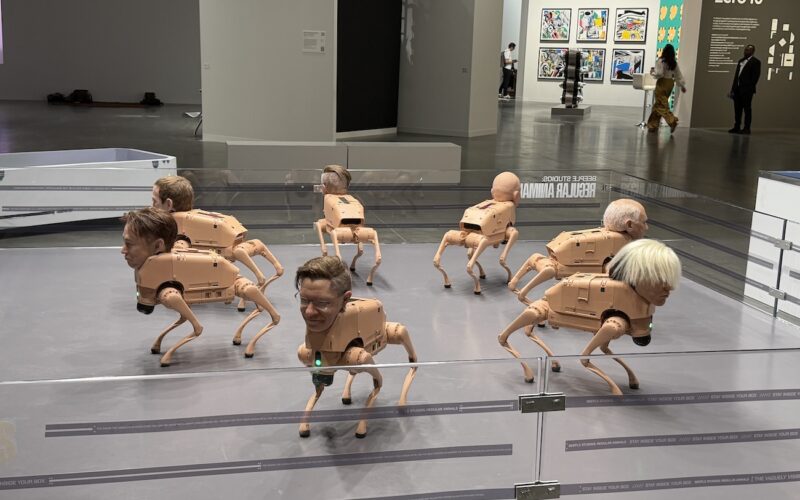
One of the most immediately visible works at the fair , and one that dominated press and social coverage , was Beeple’s “Regular Animals,” presented within Zero 10. These are autonomous robotic canine sculptures with hyper‑realistic human heads, of tech figures like Elon Musk, Jeff Bezos, and Mark Zuckerberg, alongside artists such as Picasso and Warhol, that traverse a contained pen while gathering images of their surroundings.

Critics and collectors alike observed that this work operated on multiple levels. On one hand, its uncanny physical presence combined playful, almost absurd machine behavior with pointed cultural references; on the other, its output, AI‑interpreted prints and NFTs, directly engaged the market logic that many traditional collectors still approach cautiously.
The installation’s performative element, robotic dogs roaming, interacting, and then distributing small prints linked to NFTs, created recurring moments of collective attention throughout the fair. This wasn’t a passive installation. It encouraged repeated engagement and a kind of live observation that drew people back to Zero 10 again and again.
From a collector perspective, the fact that editions of these robotic sculptures reportedly sold out at around $100,000 apiece during VIP preview underscores that digital‑inflected works can command serious attention and capital when contextualized within a broader fair program.
What makes Regular Animals noteworthy is not simply its spectacle. It forces collectors and institutions to confront a wider question: How does agency migrate when makers, machines, and systems become co‑producers of meaning? That tension , between the familiar and the speculative, is precisely where many contemporary dialogues about value are now unfolding.
3. Sales Patterns: Blue‑Chip Confidence and Strategic Buying
Early sales reports from Art Basel Miami Beach 2025 suggested robust activity within the higher echelons of the market, particularly around blue‑chip and historically significant works. Galleries reported strong placements of pieces across both modern and contemporary sectors, contributing to a sense that collector confidence at this tier remains resilient despite broader caution elsewhere in the market.
Among the noteworthy transactions were works by figures whose reputations have been established over decades, painters and sculptors whose presence in major collections signals both historical weight and institutional endorsement. Such movements reflect a strategic approach by collectors who are choosing works with legibility and lineage over novelty alone.
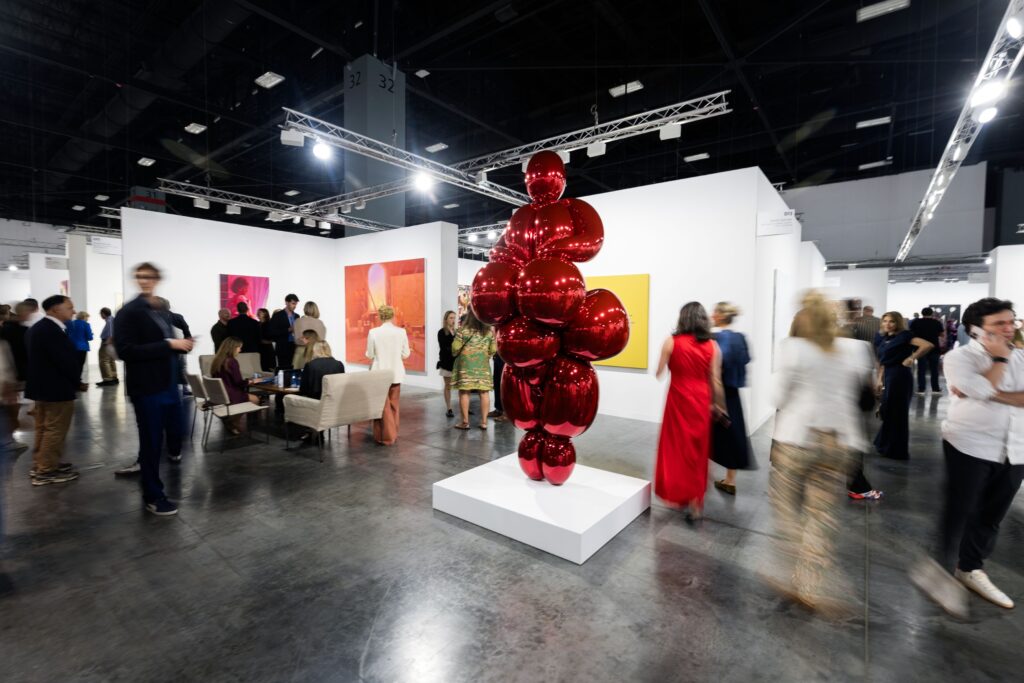
In parallel, several mid‑career and emerging artists saw important placements at Miami, not only through direct gallery sales but through secondary dialogues at adjacent fairs and private viewing rooms. In these spaces, dealers and advisors noted that serious buying decisions were made by collectors with specific intentions, adding to collections over the long term rather than chasing short‑term demand spikes.
These sales patterns align with broader trends reported by market analysts: cautious optimism anchored in historical significance and curatorial context. This stands in contrast to earlier phases of speculative collecting, particularly in areas once dominated by digital or algorithm‑driven interest.
For collectors, higher‑end transactions at Basel 2025 signal that value remains grounded in narrative and legacy, even as new media like digital art begin to claim space within the marketplace. Understanding where confidence is concentrated provides insight into how acquisition strategies are evolving.
4. Meridians and Curatorial Depth: Constructing Larger Narratives
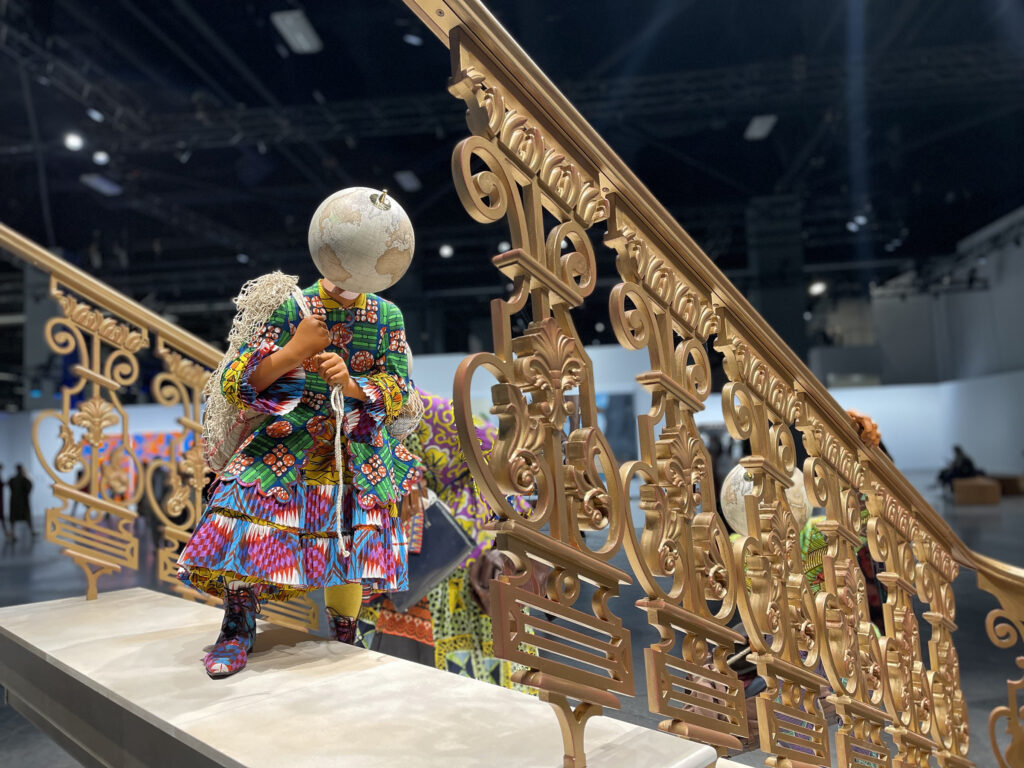
A defining curatorial anchor of the 2025 fair was the Meridians sector, curated this year around the theme The Shape of Time, which foregrounded large‑scale works by multigenerational and international artists. Presented as a focal point for ambitious, conceptually rigorous presentations, Meridians continues to signal that Basel is not only a sales venue, but also a site for serious curatorial engagement and expanded visual discourse.
Curated programs like Meridians contrast with more transactional aspects of gallery booths by offering space for works that require physical expanse and contemplative presence. In times when the market landscape feels cautious, such sectors remind collectors that artistic discourse does not stop at the surface of commercial exchange.
The inclusion of international voices and multigenerational practices in Meridians created a layered experience, where historical form met contemporary inquiry. This layering matters to collectors who are attentive to how artists connect across periods, geographies, and conceptual frameworks, often yielding works that feel durable rather than disposable.
Alongside Meridians, the Conversations program fostered sustained engagement between artists, thinkers, and visitors through live debates and dialogic sessions. These forums were significant precisely because they provided context and narrative frameworks that went beyond transactional understanding of works on the fair floor.
For institutions and collectors alike, such curatorial depth serves as a reminder that Basel’s influence extends into shaping how work is read and understood, not just acquired. In an environment where attention is currency, these platforms help define cultural value as clearly as price.
5. Art Basel Awards Night: Cementing Cultural Impact
A new development that surfaced at the 2025 edition was the Art Basel Awards, presented in partnership with major cultural collaborators. Culminating in a formal Awards Night during show week, this initiative elevated aspects of recognition that extend beyond gallery sales, acknowledging influential contributors to contemporary art practice, institutional leadership, and interdisciplinary achievements.
This formal acknowledgement of artistic and cultural influence is noteworthy because it signals Basel’s intention to act not only as a marketplace but also as a platform for legitimating contributions that shape how art is produced and interpreted globally. Unlike sales figures, awards reflect community values and long‑term engagement.

For collectors, such recognition provides additional lenses through which to assess an artist’s potential staying power. When an artist or institution receives an award in this context, it may influence future acquisitions, institutional programming, or long‑term collection strategies , especially for those seeking work with historical significance rather than short‑lived buzz.
The Awards Night itself became a convening moment for figures across art and culture, reinforcing Basel’s role as a space where market, discourse, and communal acknowledgment intersect. This hybrid function enhances the fair’s visibility as a cultural node, not merely a commercial one.
Viewed together, these recognitions help frame the fair as part of a larger ecosystem that includes discourse, practice, institutional alliances, and generational influence , factors that materially affect how collectors think about the works they acquire