
How a Mother’s Poem Turned Into a picture book series for children
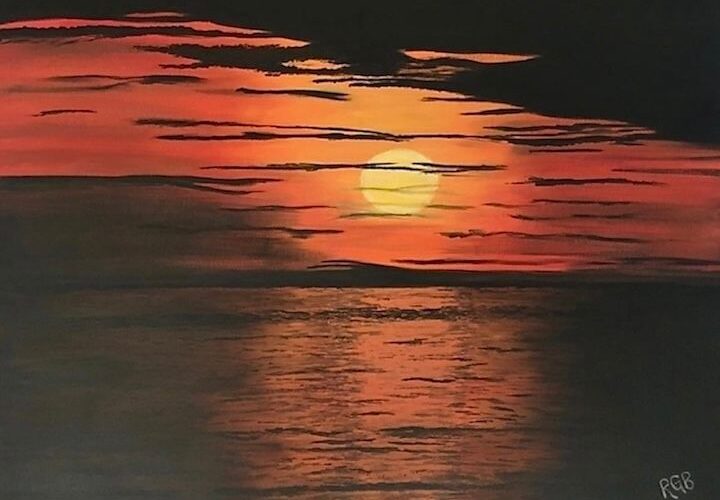
This interview offers a warm and thoughtful look into the life and work of Robyn Gram Barclay, an artist, educator, author and illustrator whose creative practice has grown naturally from years spent teaching and learning alongside children. Throughout the conversation, Robyn shares how her background in the classroom shaped her confidence to tell stories, paint, and eventually bring her own picture book series into the world.
She talks about how My Good Friend, Ted! began as a simple poem for her young son, inspired by his fascination with whales, and how that small idea slowly developed into a series of books that explore friendship, difference, kindness and care for the ocean. Robyn explains how writing in rhyme helps children stay engaged. At the same time, her approach to illustration is guided by a desire to keep images approachable and inviting. Hence, children feel encouraged to draw, imagine and respond in their own way.
Robyn also discusses the impact of her work with organisations such as Ella’s Way and SAVE the WHALES™, and how these relationships reinforce her belief that stories can support learning beyond the page. Her reflections on school visits, classroom conversations and reader responses show how closely she listens to children and educators, and how those moments continue to guide her decisions as a writer and illustrator. By the end of the interview, we come away with a clear sense of how Robyn’s teaching experience, family life and long-standing love of painting come together to shape stories that are gentle, engaging and grounded in real experiences with young readers.
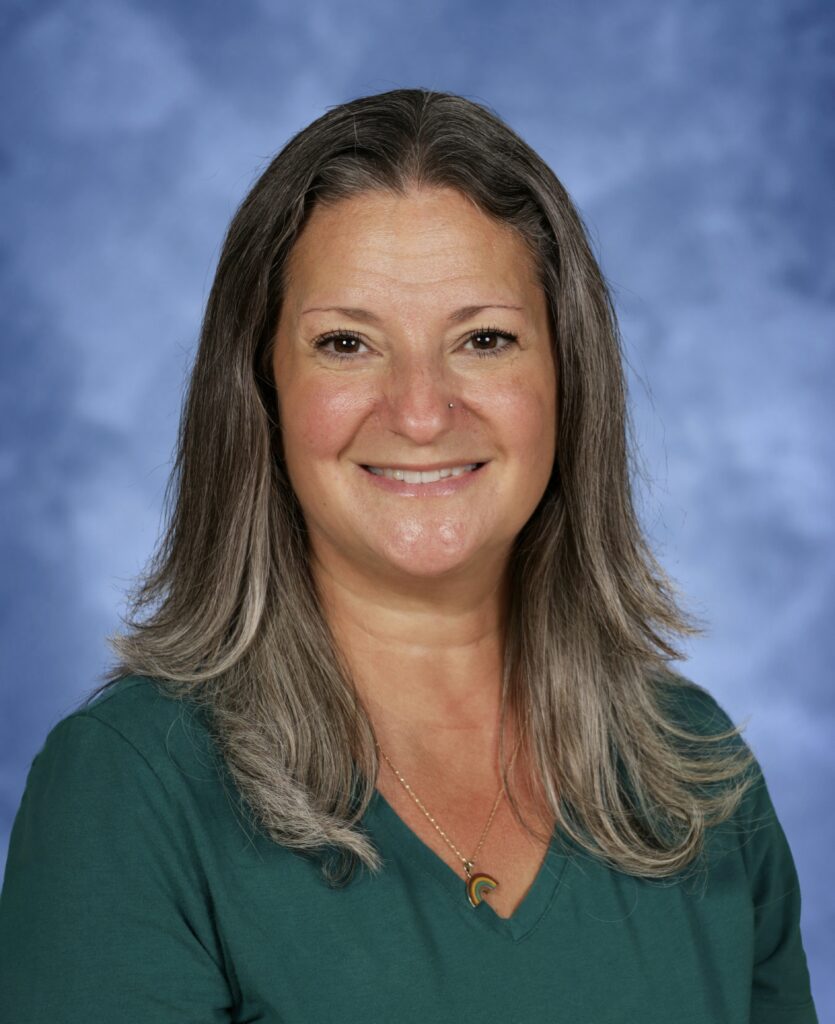
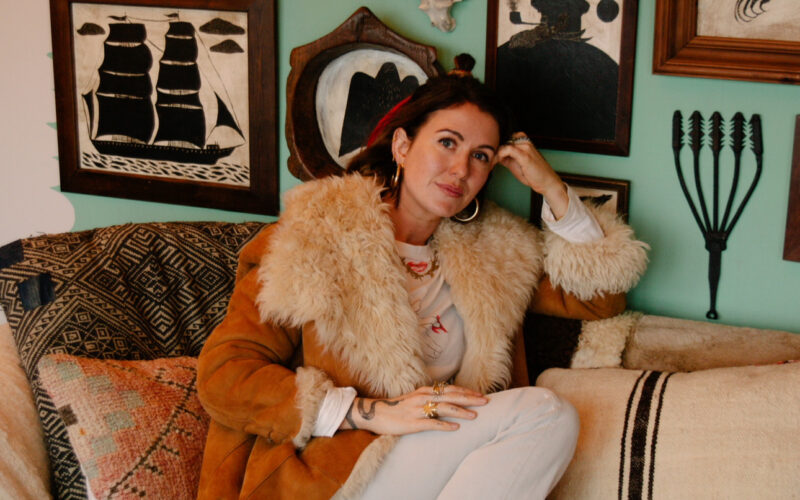
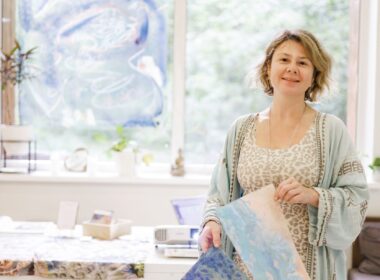
Robyn Gram-Barclay has been teaching art to adults and children for 20 years, and is an award-winning artist, picture book author and illustrator. Her artwork primarily focuses on her affinity for marine life, sunsets, and nature. Robyn was deeply honoured to be commissioned to create and install an 8×8’ outdoor mural for a Reading Garden at a branch of the Caledon Public Library (Caledon, Ontario, Canada), on behalf of the Healthy Communities Initiative Grant from the Government of Canada in June 2025.
1. Ted’s stories blend marine life education with themes of kindness and acceptance for young readers. How did the idea of a red blue whale first come to you, and what made you feel it was the right anchor for a series?
My inspiration for the “My Good Friend, Ted!” picture book series about Ted, the beautiful Blue Whale who is Red, was my son when he was six years old. Since he was a toddler, he has been enamoured with marine life – particularly whales – especially the Blue Whale. Right before the pandemic began, I started to write a sweet little poem for my son about Ted, the Red Whale. A year later, after workshopping it with my youngest art students (to gauge a suitable audience), I went full speed ahead that summer with the editing and ultimately the illustration process to publish my first picture book. For two consecutive years, two more books were published and then a fourth two years after that.
I am unsure why we named the whale Ted, but red being my favourite colour seemed to fit with the rhyming format, first and foremost, and subsequently on a personal level. Given Ted was already unique from his Blue Whale counterparts, solely being a different colour, the main themes of the books surrounding kindness, friendship, diversity, inclusion, teamwork, and acceptance, came naturally. Similarly, the fact that our global waters are facing increasing danger and threats, profoundly affecting the undersea world, which is an essential ecosystem to our planet’s existence, was also a significant theme to address.
All of these topics are necessary and meaningful for children to learn about and, most importantly, take to heart, especially at a young, impressionable age. With the world currently facing many challenges in the areas of kindness and acceptance, I feel that if children can internalise these themes and apply them to the world around them, and put themselves in the shoes of the characters struggling the most, AND aim, or wish, to make a difference, my messages have been a success.
I wanted to create something children could relate to, as well as learn from and about.
Robyn Gram-Barclay
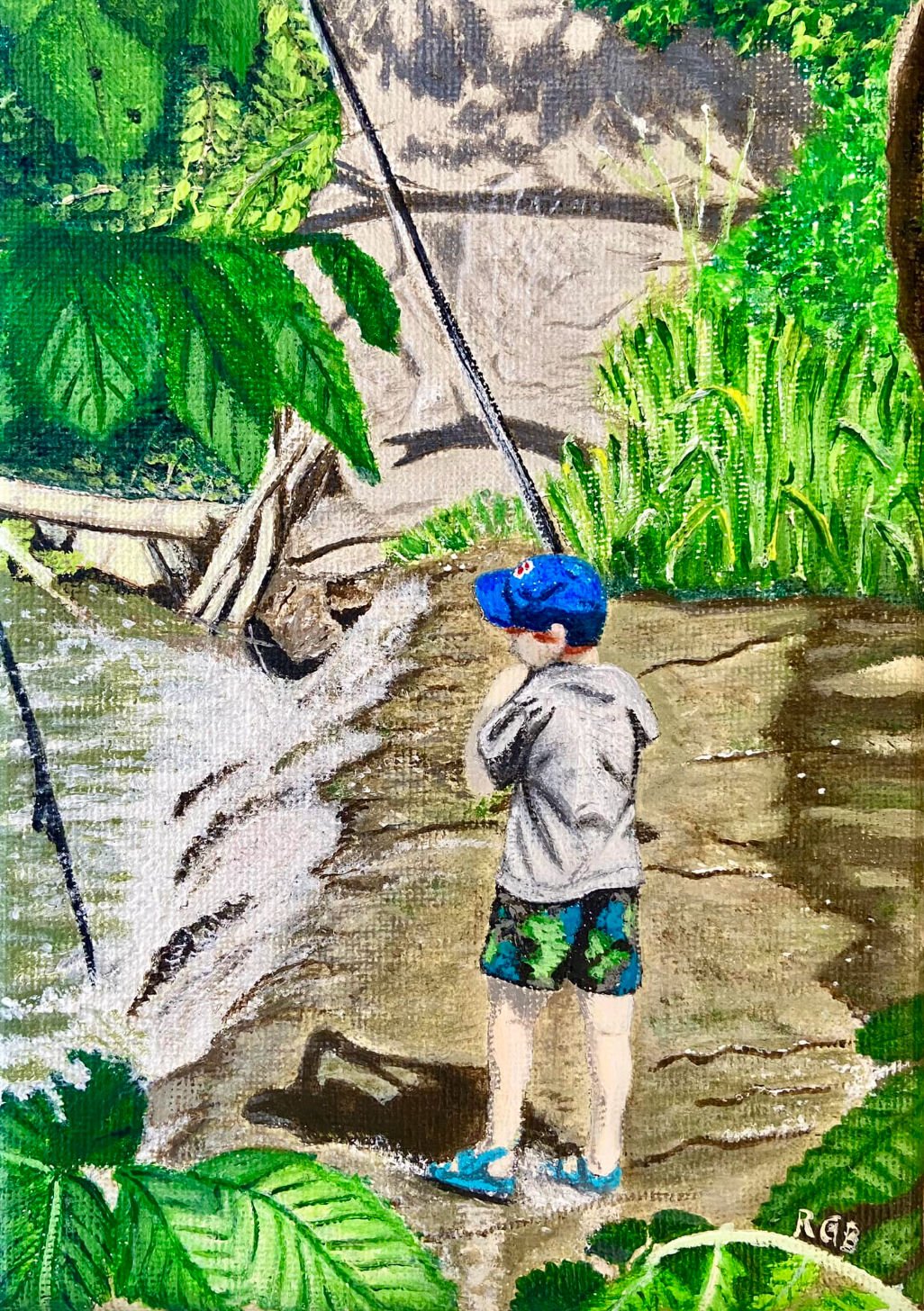
2. Your work with Ella’s Way and Save the Whales shows a strong commitment to early learning and ocean conservation. How do these partnerships influence the direction of your books and the way you approach storytelling for children?
Establishing a partnership with both Ella’s Way and SAVE the WHALES™ has been an incredibly special honour. Being a member of the Ella’s Way Author’s Collaborative, and a non-profit charity, is truly heartwarming and meaningful. Each author and illustrator in this group has created picture books with similar themes that help guide children through sensitive conversations about kindness, diversity, accepting differences, and disabilities.
By participating alongside such positive and inspiring writers and artists, I strive to share these qualities with younger children, encouraging them to keep an open and compassionate mind, realise their own strengths, and to be the best and most authentic version of themselves as they develop long-lasting friendships. Our books are offered to parents, caregivers, teachers, medical professionals, and librarians. Being a Sponsor for and receiving endorsement from SAVE the WHALES™ is a dream come true, especially for a picture book series about a whale!
Donating a portion of my proceeds to the world-renowned SAVE the WHALES™ organisation helps to further their educational programming and preserve and protect the magnificent marine life. By teaching gratitude and generosity to young children, through my stories, I initiate an awareness that there is a great world beyond the walls of their homes and schools, to spark curiosity, inquiry, research, and perhaps the motivation to give back and help change and improve potentially dire outcomes.
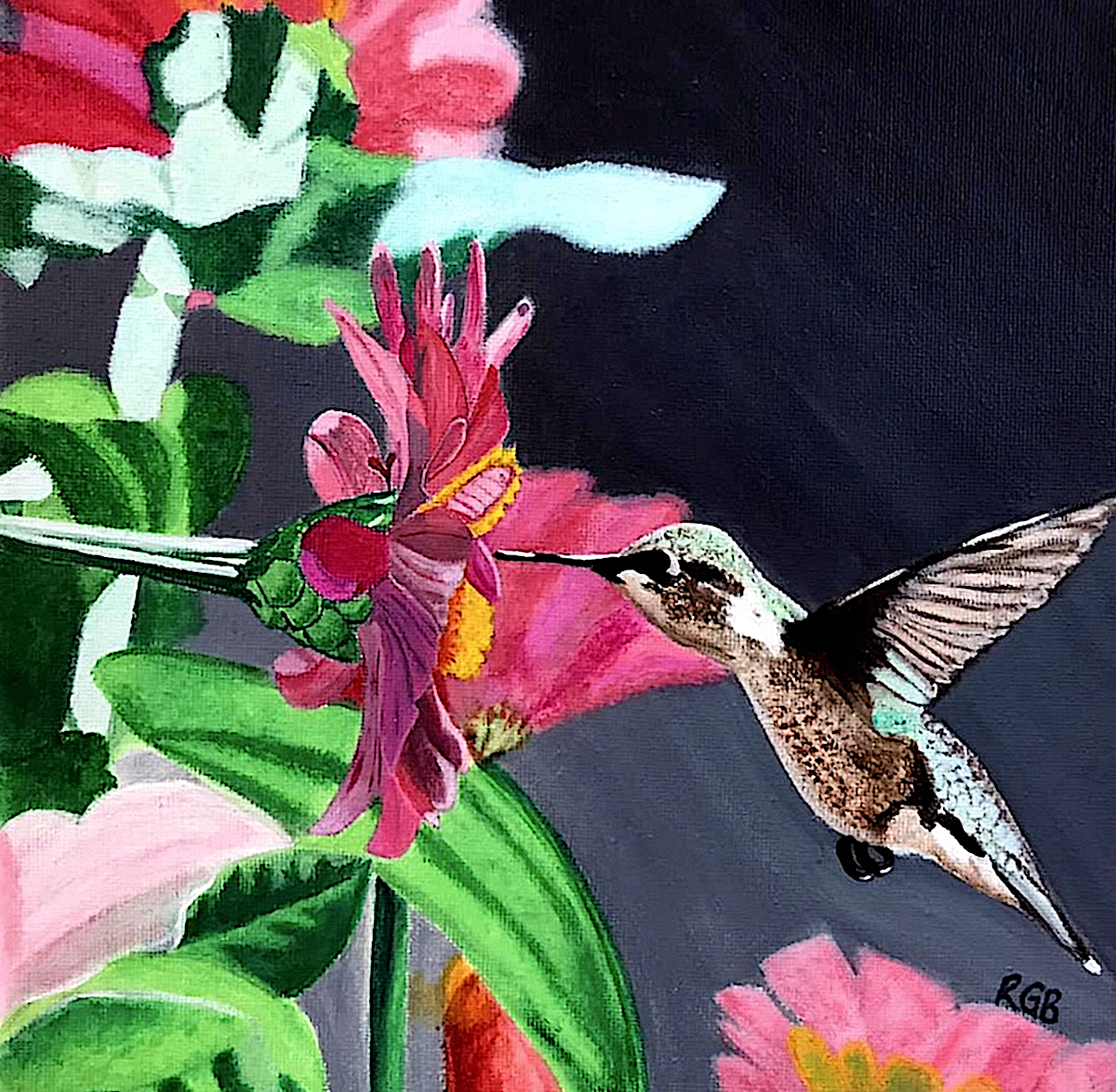
3. As someone who has spent nearly two decades teaching, how does your classroom experience shape the way you write and illustrate for young audiences?
Having taught children of all ages (4-17) and beyond into adulthood, I have been able to navigate a myriad of learning differences, needs, intellects, skills, abilities, talents, viewpoints, and opinions. I love observing and listening to the banter between children and how they express their humour, outlooks, analyses, loves, dislikes, and most of all, fears. With my books, I wanted to create something they could relate to, learn from, and learn about. The ‘My Good Friend, Ted!’ picture books spark interesting and insightful conversation.
I greatly appreciate the questions and discussions that invoke enlightening revelations about what I have written and the important messages embedded in the stories (IE., friendship, teamwork, respect, kindness, patience, acceptance, understanding, racism, prejudice, environmental health and safety). When one of my Grade Four students came up with the idea for my fourth book (the ‘backstory’ of WHY Ted is red), it was terrific for us to discuss her thought process and how much the book series has been internalised, understood, and adored by a child. When I workshopped the manuscript for the first book (the poem for my son) with my students, I also guided an art project about sea creatures using watercolour. For a book about marine life and the ocean, I felt that watercolour was the most suitable medium.
I desired the return to master some techniques, finally! From the first round of illustrations in the premier ‘Ted’ book to the subsequent three books in the series, my techniques grew, strengthened, and expanded, looking more vibrant, aesthetically pleasing, and I believe, child-friendly. Using traditional means to paint my illustrations, I have also been told my illustrations are very childish or childlike. I created the characters so the students would not feel intimidated by challenging or complicated artistry. I wish for them to look at my characters and draw freely. There are many books out there with stunning digital illustrations that are highly detailed and intricate.
I wanted my illustrations to be simple yet attractive enough to resonate with the children, who could then fall in love with the intended sweetness. I referenced a large number of realistic photos along the way, having taken many at the aquarium during our numerous visits. As I painted, I didn’t intend to capture total realism, but neither did I aim for an entirely animated look. The characters try to ignite a child’s imagination, while still maintaining the natural look of the real-life creatures. I even referenced my son’s Blobfish stuffed toy to illustrate its ‘look’. The children love him the best!
For a few years, I had incorporated storytelling and art into my curriculum instruction with my students. I was approached by a parent during his children’s extra-curricular art classes, regarding my ability to illustrate a character for a story he was writing. I gave it some thought, shared some ideas and sketches, and in 2007, my professional illustration journey truly began. My first book as an illustrator was published in 2010 and my second book as illustrator (with another author), was published in 2012. It took several years following, and a lot of daydreaming, to really mesh my own love for art, writing, and illustrating into my personal picture book entity.
It was merely watching my son and his passion for sea creatures and how his eyes lit up every time we went to the aquarium, that the next logical step would be to bring a new story to life; this time of my own doing. Given my ability to draw and paint, nine years after my last illustrative endeavour, the ‘My Good Friend, Ted!’ series was born. Approximately every year, another book was added. I am so thankful that my artistic stars aligned so I could finally fulfil a primary bucket list goal: meshing my love for art and the written word. This particular creative journey has been unbelievably rewarding (surprisingly, having won several literary awards as well)!
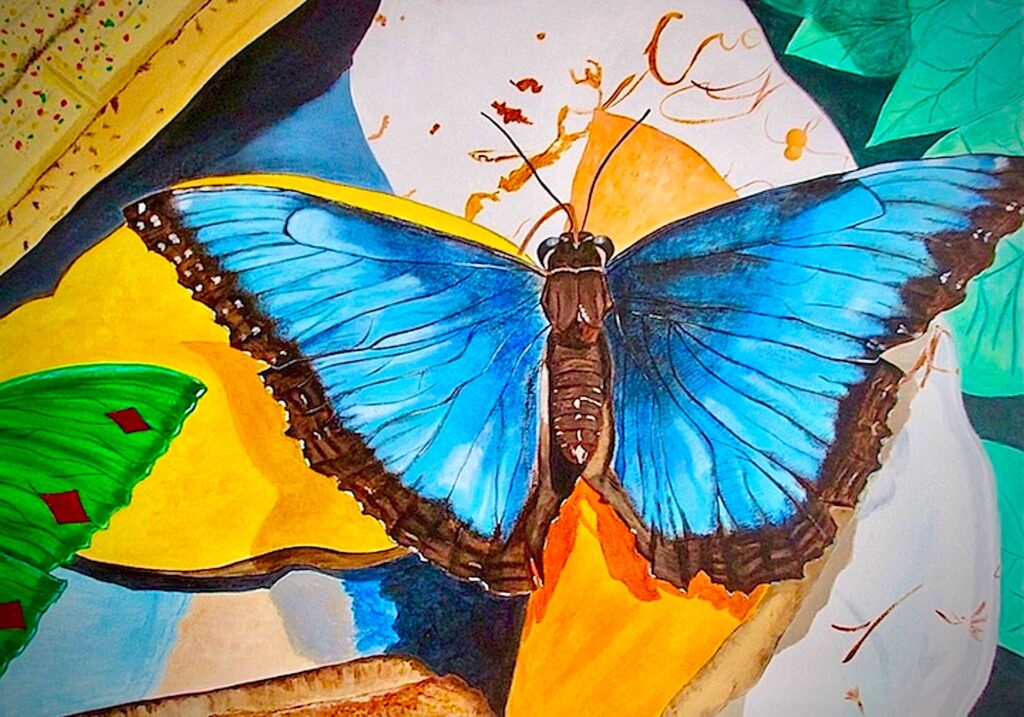
If children can internalize these themes and apply them to the world around them, then my messages have been a success.
Robyn Gram-Barclay
5. Your books open the door to conversations about friendship, differences and helping others. When you’re creating a new story, how do you find the right mix between light, rhyming fun and meaningful themes?
I begin my writing often in a ‘stream of consciousness’. I usually create the title first, to give me a direction, and then progress from that starting point. My main ideas often flow pretty quickly, but the rhyming sometimes causes a challenge (excellent editors have helped immensely with this). I have been recommended to try writing in prose instead, as rhyming books are always hit-or-miss with proper rhymes versus more fluid or freestyle rhyming, where the words sound similar but are not directly rhyming.
I migrate to rhyme, however, as children like to hear the rhythm, and I watch how captivated they are when a book of this format is read aloud. I do reference a thesaurus a lot as I have to ensure that a child will understand the language, but that it will still make sense and provide the same impact the story needs to convey—some creative or artistic licensing factors in as well. My particular themes about friendship, differences, and helping others in the ‘My Good Friend, Ted!’ series fit well with the rhyming method, and I feel that I tell the stories appropriately, light-heartedly, respectfully, and effectively.
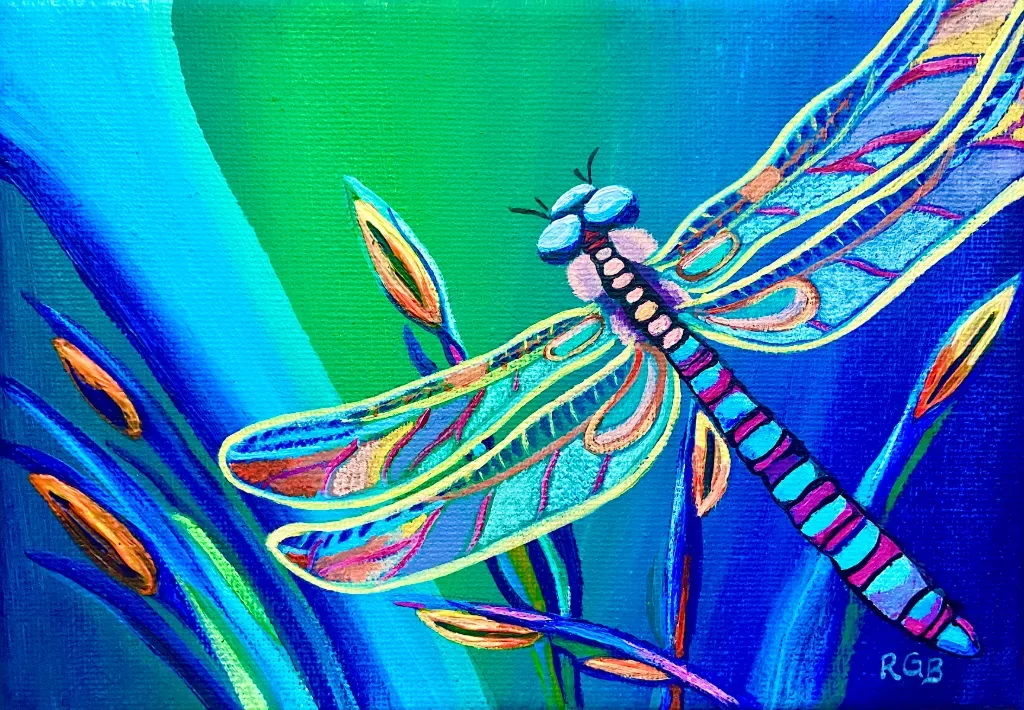
6. You’ve met readers through school visits, bookshops, events and even virtual sessions across countries. Is there a moment with a child or educator that has stayed with you and encouraged you as you plan what comes next?
I am incredibly fortunate to have a beautiful support system surrounding me, in family, friends, colleagues, and students. Each book talk, interview, school visit, market, and book signing has been humbling and exhilarating; experiences I never imagined would happen in my lifetime. For the past four years, each person in the groups above has watched this journey unfold and come to fruition. My son was my biggest inspiration with the idea behind the main character, to propel this bucket list goal; my husband is my biggest cheerleader, always promoting my books wherever we go and championing my success, as well as breaking down the business side of selling my books and artwork; my entire family has encouraged me wholeheartedly never to give up and to keep creating until I feel it’s time for a break; colleagues, friends, and students have purchased my books and art, and always share their excitement when any acknowledgement is awarded, or a new art piece has emerged.
Through it all, though, I really want to teach and share with children that you’re never too old to create something remarkable or positively life-changing. Nearing 50 years old, my bucket list goals have been fulfilled beyond my wildest imaginings! My next step stems from my mentor and a fellow art teacher at my school, who is also a formidable friend. She stated, “There needs to be an animated show about Ted the Red Whale, his friends, and his adventures!” Now, an opportunity like this would be spectacular and an absolute dream come true (mainly because I have a background in voiceovers)! Therefore, if anyone knows of an animation studio or production company that would love to get this off the ground, Ted the Red Blue Whale and I are 100% ready to embark on yet another fun and fabulous creative journey!
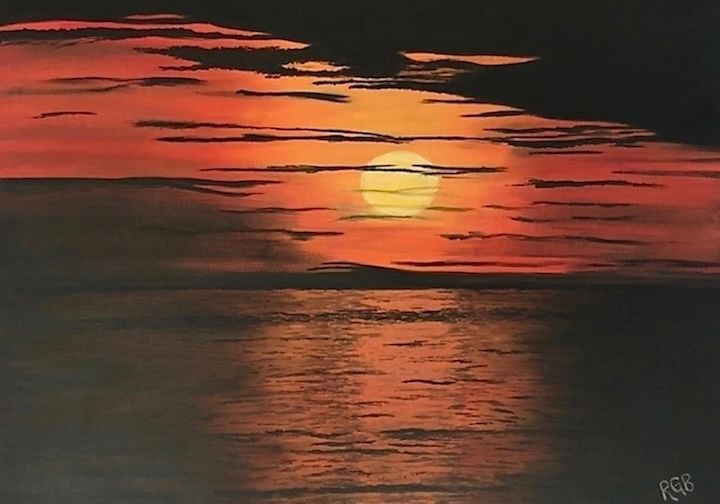
Robyn Gram Barclay’s artwork and books are grounded in her long connection to teaching, painting and storytelling for children. Her work centres on marine life as a familiar and gentle entry point for conversations about kindness, difference, friendship and care for the natural world. Through the My Good Friend, Ted! series, she uses rhyme, accessible language and simple painted imagery to create stories that children can understand, talk about and return to.
From her journey, we learn how years in the classroom can shape a strong understanding of young audiences, and how listening closely to children can guide both writing and illustration. Robyn’s path shows that creative work can grow slowly and naturally alongside family life, teaching and learning, and that meaningful stories often begin with everyday moments, curiosity and careful attention to how children see the world.
To learn more about Robyn, click the following links to visit her profile.
Arts to Hearts Project is a global media, publishing, and education company for
Artists & Creatives. where an international audience will see your work of art patrons, collectors, gallerists, and fellow artists. Access exclusive publishing opportunities and over 1,000 resources to grow your career and connect with like-minded creatives worldwide. Click here to learn about our open calls.