
Why this artist turned to painting after a life in medicine

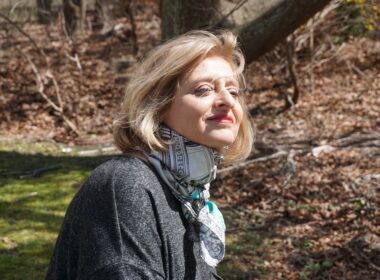
This interview introduces Latvian watercolour painter Natalja Kalasnikova, whose journey from medicine to painting has unfolded gradually, shaped by experience, loss and an unexpected pull toward creativity. Born and living in Riga, she devoted decades to obstetrics and gynaecology before turning to watercolour in 2022, approaching it with the same steady discipline she once brought to her clinical work.
In this conversation, Natalja discusses how her medical background has altered her perspective on the world, how bereavement has sharpened her senses, and how painting has provided a space to regain balance. She describes what draws her to watercolour with all its unpredictability, the quiet situations that make her pause and want to paint, and the challenge of learning new skills later in life. She also shares her impressions of studying with painters from different countries, as well as the anxiety and excitement of showing her work at Fabriano in Aquarello for the first time.
Through her answers, we gain insight into how she learns, adapts, and continues to grow, carrying over insights from her previous career into her creative practice. It becomes clear how observation, patience, and resilience shape her way of working and how painting has become a steady part of her daily routine.
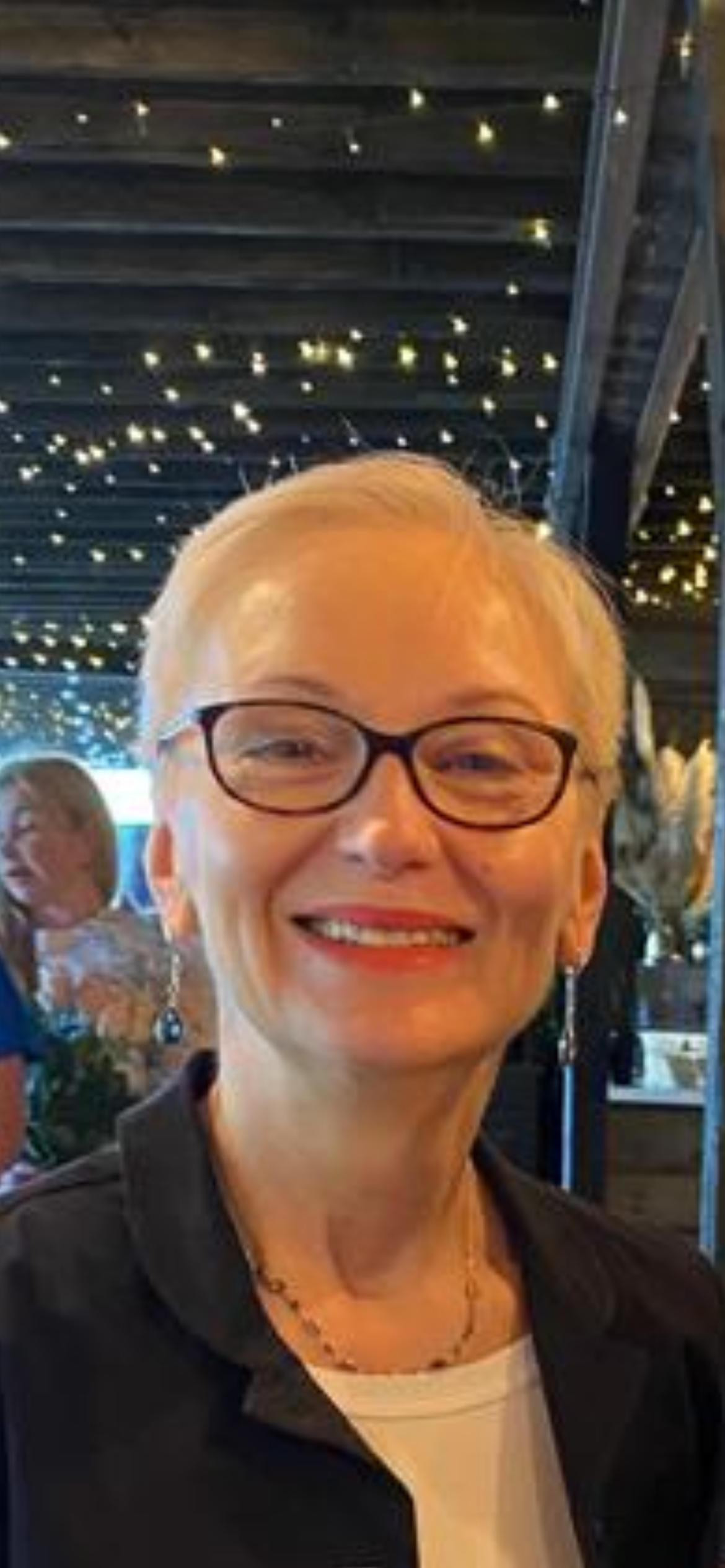
Natalja Kalasnikova, b. 1956 in Riga and lives in Riga, is a contemporary Latvian artist. She specialises in watercolour landscapes, cityscapes and still life. She earned a medical degree in 1979 and worked as an obstetrician-gynaecologist for several decades. She continues to practice medicine in an outpatient setting. The untimely and sudden loss of a very close relative hurt her deeply, and for many years she lived in a state of bereavement. However, it may have caused her spiritual transformation and sharpened her senses, enabling her to absorb visual impressions and to develop her artistic imagination. She started painting with watercolour in 2022, and it became her real passion.
She compares painting with water and colour to surgery, as she finds some standard features between the two, e.g., good planning, precision, speed of reaction, readiness for some unpredictability, and avoidance of unnecessary interventions. As a result, painting helped her to accept her loss and emotional healing. A self-taught beginner artist, she began learning to paint through trial and error. She studies the works of contemporary artists through internet platforms, exhibitions, books, and live lessons. In 2022, she discovered Artefacto School and enrolled as a student. She joined the Latvian watercolour society in 2024 and continues her artistic development under the guidance of internationally renowned watercolour artist Aleksandrs Neberekutins. Her paintings are held in private collections.
1. You started your career in medicine before turning to painting. How has that experience influenced the way you see and capture the world around you?
As a medical professional, I was involved in both outpatient clinic and hospital work in the Obstetrics and Gynaecology department. Human reproduction is quite a tricky subject. For some, it is all fun, success and joy; for others, a brutal struggle that sometimes ends in disappointment and frustration, and even bereavement and loss. Being trained as a professional, one often accepts it just as an inevitable outcome of ruthless medical statistics until the thunderbolt strikes the roof of your house. And after each case with a bad outcome reminds you of your own.
One has to find one’s all way.
Natalja Kalasnikova
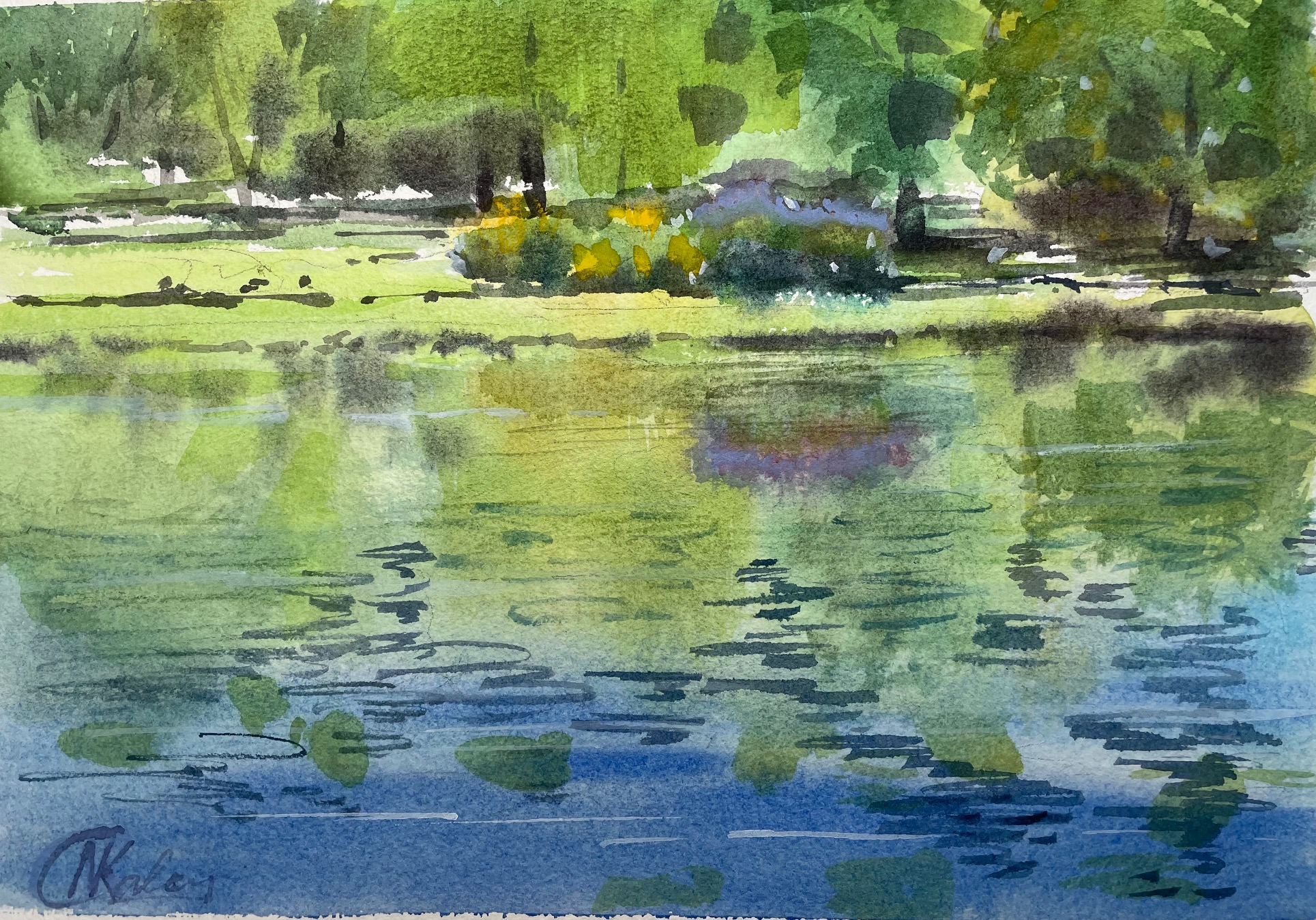
2. Watercolour often has a mind of its own. What keeps you drawn to this medium, and how do you find harmony with its unpredictable nature?
Watercolour is a fantastic medium with its unpredictability. It behaves exactly as natural selection would: 30% success rate out of 100 attempts. One tries hard to mix it on the paper, and it won’t subdue, and suddenly you find precisely the effect you desired where your brush rested. When you see the beauty of different colour mixtures, it is fascinating, and it doesn’t matter whether it is on your painting or your sketch page.
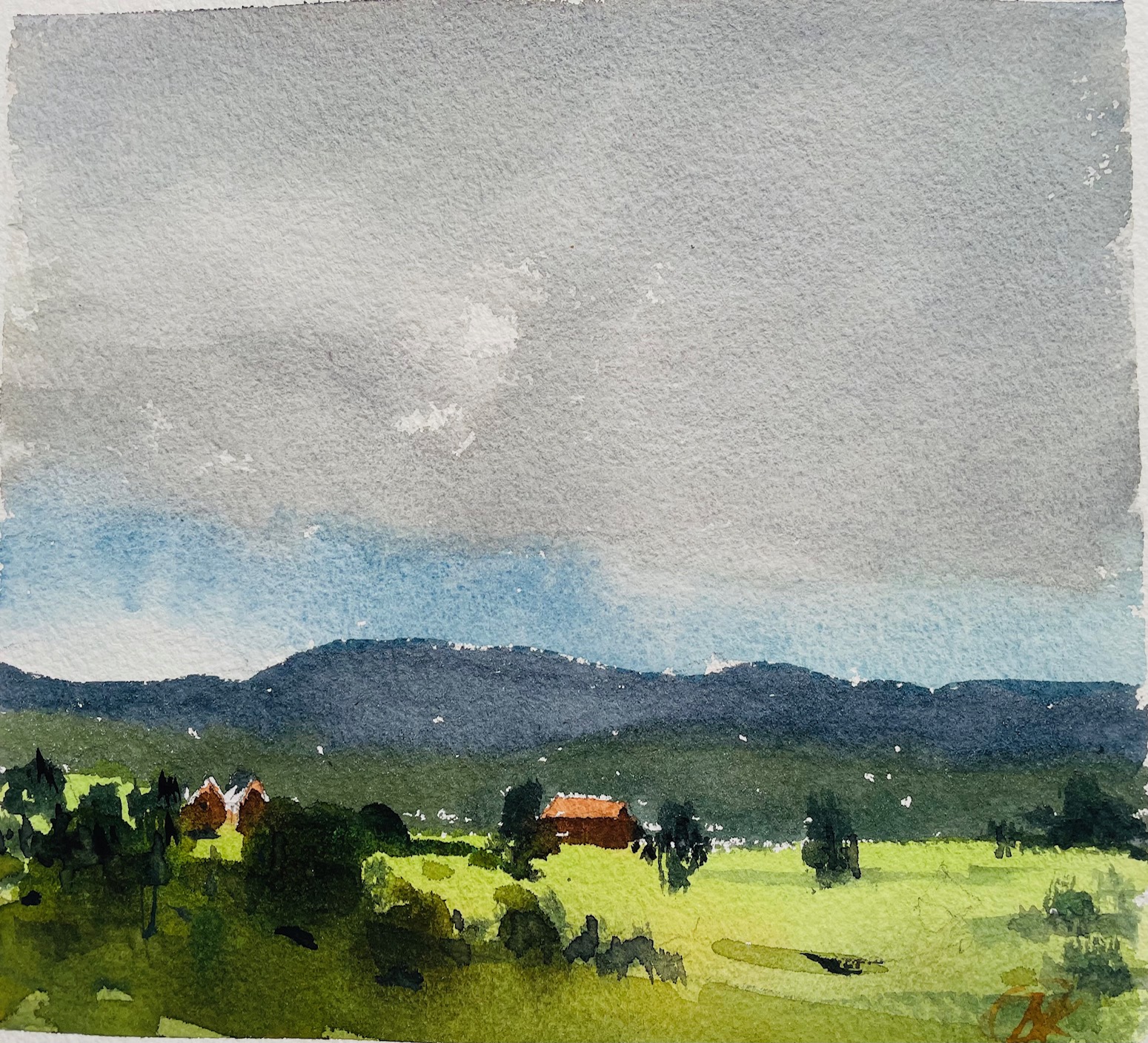
3. You’ve learned from many artists across different countries. What have been some of the most meaningful lessons or insights you’ve taken from those experiences?
One has to find one’s own way.
4. Your work often centres on light, seasons, and everyday beauty. What kinds of scenes or moments make you stop and feel the urge to paint?
The play of light and shadow.
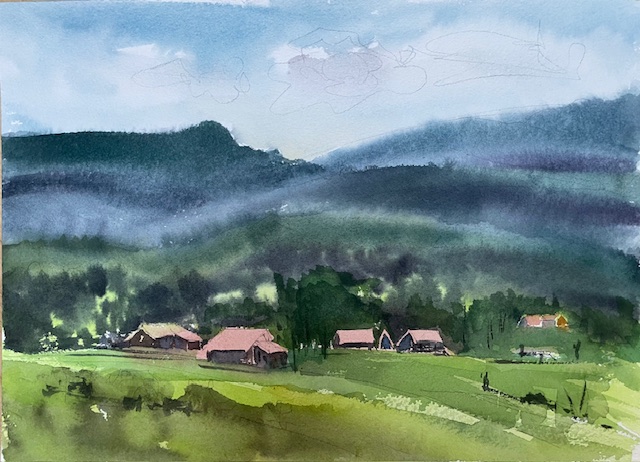
Watercolor is a fantastic medium with its unpredictability. It behaves exactly as natural selection.
Natalja Kalasnikova
5. Returning to art studies after many years must have been quite a journey. What has surprised you most about learning and creating at this stage in your life?
After I’ve been painting I realize that i was not present here and there. It is like entering an alternate dimension.
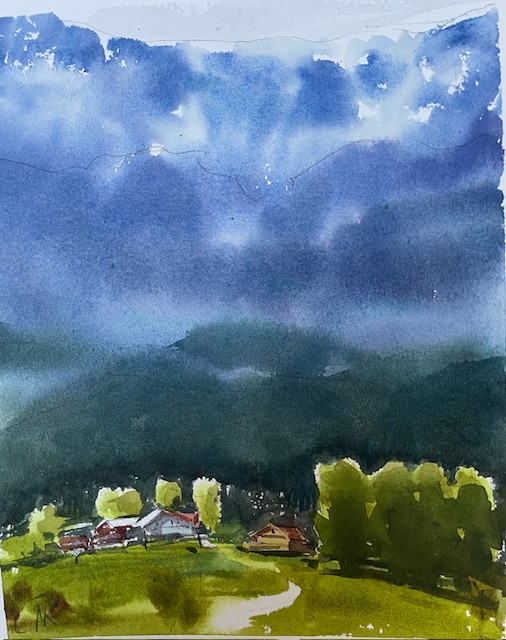
6. Being part of Fabriano in Aquarello is an exciting step for any watercolour artist. How did it feel to take part in that event and share your work with an international community?
I was very stressed about this exhibition, which was my first time participating.
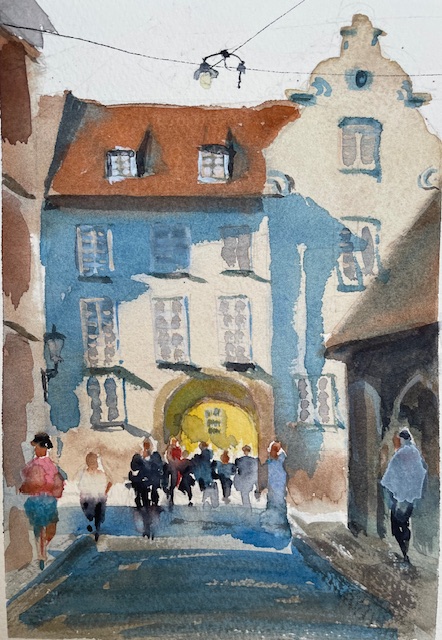
Natalja Kalasnikova’s work grows from patient observation, quiet moments and the shifting rhythm of seasons. Her paintings are shaped by an attention to light and how it moves across ordinary scenes. Through her journey, we learn how years in medicine taught her steadiness and accuracy, how loss later in life opened new sensitivities, and how watercolour offered a space where discipline and intuition can meet. ,
Her path shows how learning can continue at any stage and how creativity can gradually rebuild one’s inner world. Her story serves as a reminder that growth often begins in unexpected places and that paying close attention to the world can lead to new ways of seeing.
To learn more about Natalja, click the following links to visit her profile.
Arts to Hearts Project is a global media, publishing, and education company for
Artists & Creatives. where an international audience will see your work of art patrons, collectors, gallerists, and fellow artists. Access exclusive publishing opportunities and over 1,000 resources to grow your career and connect with like-minded creatives worldwide. Click here to learn about our open calls.