

Meet The Sculptor Who Sees in Dimensions, Not Colours I Mario Chiodo

What does it mean to see the world without colour, yet sculpt it in dimensions most of us could never imagine? For Mario Chiodo, art has always been a language of empathy, truth, and connection one that transcends colour, time, and form.
Growing up in the vibrant streets of Oakland, surrounded by diversity and inspired by his Italian roots, Mario’s earliest memories were filled with stories of Michelangelo and afternoons spent sculpting mud in his backyard. What no one knew then was that he saw the world differently his tritanopia erased most colour from view yet revealed something far more profound: an extraordinary sensitivity to shape, space, and emotion.
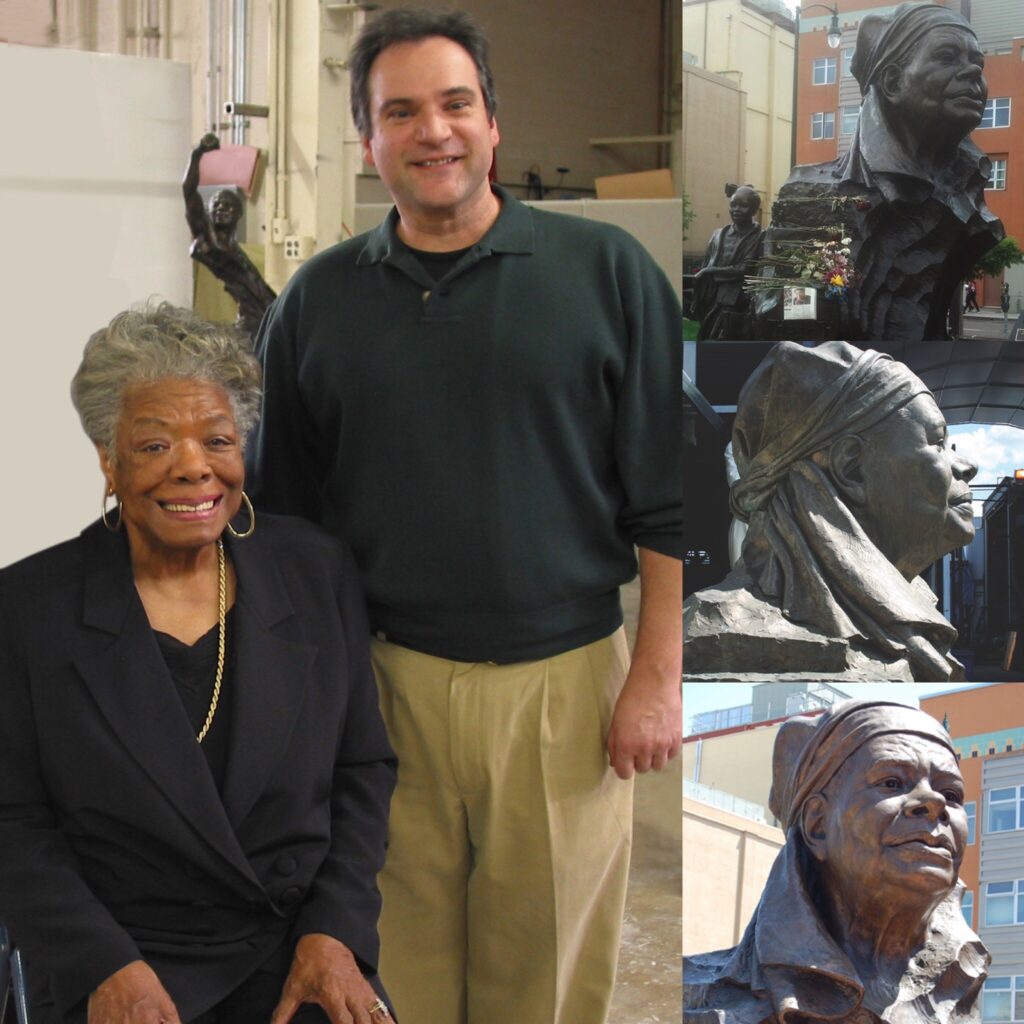
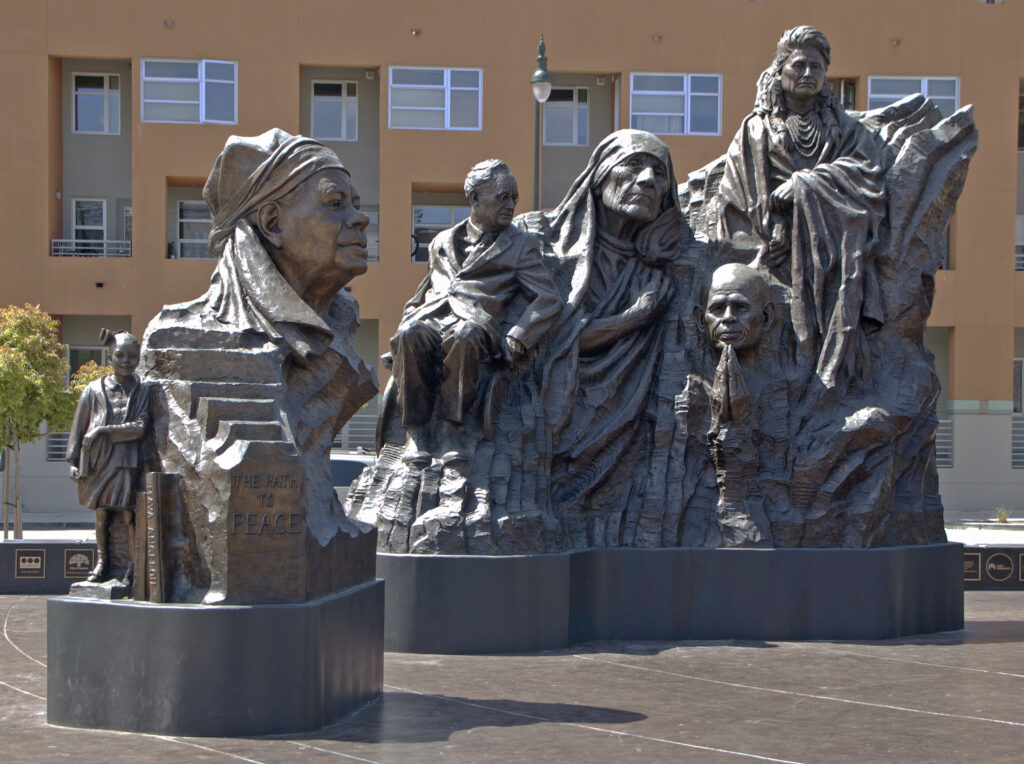
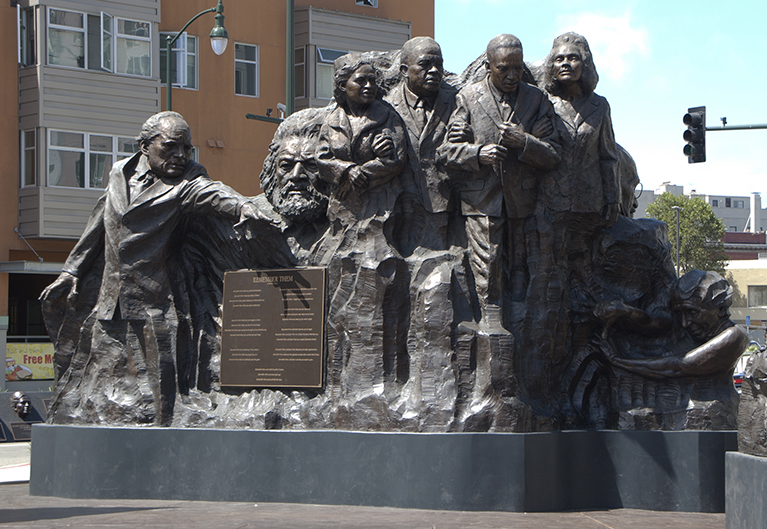
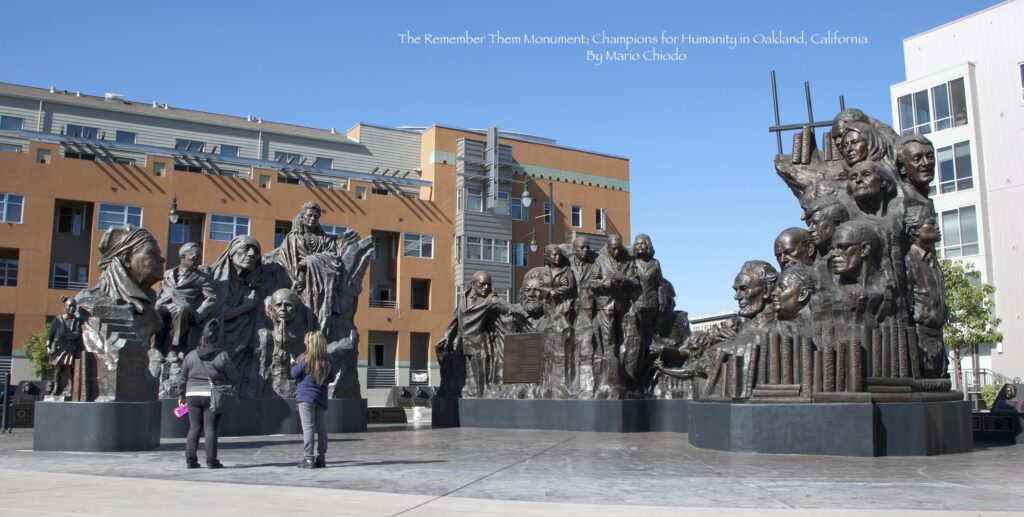
In this week’s Best of Art World feature, we journey through Mario’s remarkable path from a curious child moulding clay to a visionary sculptor whose monuments speak to the shared spirit of humanity. Over 35 years, his work has transformed public spaces into places of reflection and unity, from “Remember Them: Champions for Humanity,” a tribute to diversity and equality, to “Path of Thorns and Roses,” a hauntingly powerful memorial to the enslaved. Each creation carries both weight and light the weight of history, and the light of hope.
Today, Mario leads a studio alive with collaboration and mentorship, passing on his belief that true art begins not with technology, but with touch with heart and hands. His legacy continues to remind us that when art carries compassion, it not only endures, it heals.
Let’s get to know Mario Chiodo a visionary sculptor whose art teaches us to see beyond colour, and whose legacy reminds us that empathy, not perfection, is the truest measure of beauty through this interview.
1. Can you share a bit about growing up in Oakland, how starting art at a young age and your Italian heritage inspired you, and how those early experiences shaped the stories you tell through your work?
I grew up in Oakland and came from a very diverse neighborhood which would later have a profound impact on my art , especially my Remember Them monument about diversity and equality. My parents were from Italy and yea that also had a huge impact on my love for sculpting because they introduced me to the works and life of Michaelangelo very early on. As a small child of about 5 years old I would spend hours in the backyard creating sculptures from mud. What no one knew at the time was that I have a condition in my eyes that cancels about 90% of colour that I can’t see.
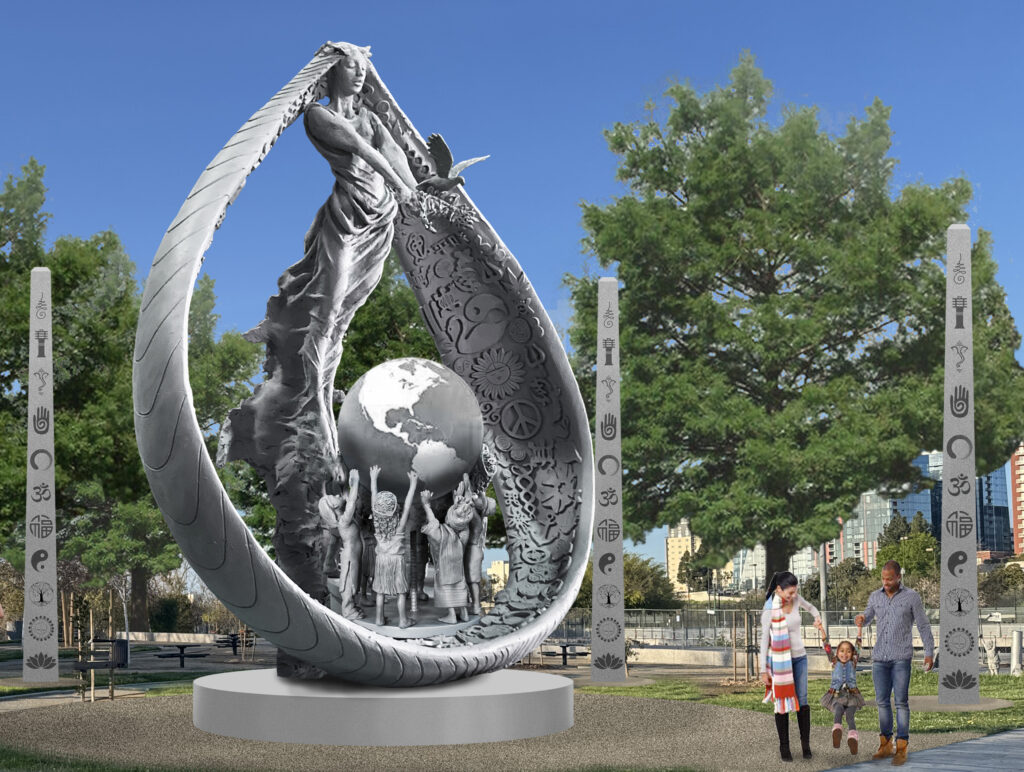
Scheduled to be unveiled in December of 2026
However, my 3D and geometry perception is highly sensitive resulting in its so natural for me to sculpt. Probably the biggest influence on my art life was that I was part of an experimental school for visual learning called the Renaissance School and did this for my 7th, 8th and 9th grade. I really immersed myself into that school that gave me the foundation for different forms of art. It was also during this time that I had fond attraction to creatures and dragons that would later impact my art business in a very positive way creatively and financially.
2. How has your studio environment, tools, or collaborators evolved over time? Are there assistants or interns you work with, or do you collaborate with other artists or craftsmen in casting, etc.?
I have an amazing team of artists who have worked with me over many years, and most started as very young artists straight out of school. I also have an intern program which I feel is so important to passing on what has been learned over the years.
3. You have a unique way of seeing the world through tritanopia, which has helped you develop a strong sense of depth, contrast, and form. How has this special perspective inspired your choices in materials, textures, and sculptural forms?
I feel Tritanopia has actually helped my depth perception and the ability to see the geometry in both the human figure and composition for a sculpture
For me I always look for the triangles in the human form along with “S” patterns. These 2 shapes are like controlling forms that help the human eye direct its attention to what you want the viewer to see. For me everything looked normal until I was able to see through special glasses that allowed me to see some colour and then I was shocked what the real world looked like in colour. However, the glasses were not practical to wear on a daily basis as they worked only outside in sunlight and could not be done with prescription lenses.
4. In your Spirits of Inspiration series, each piece represents ideas like Joy, Fortitude, and Truth. How do you turn these big feelings and ideas into real, touchable sculptures? What steps do you take when choosing and shaping a theme?
Whenever I’m inspired about a particular subject I immediately begin doing quick 3 minute sketches to capture the idea and inspiration. Once I have the concept I then begin rough clay maquette models to further get the idea . I like to call this part of the process concept conception. However creating the full size sculpture is the actual giving birth to the project and bringing it to reality. I will also say the concept stage is easily the funniest part!
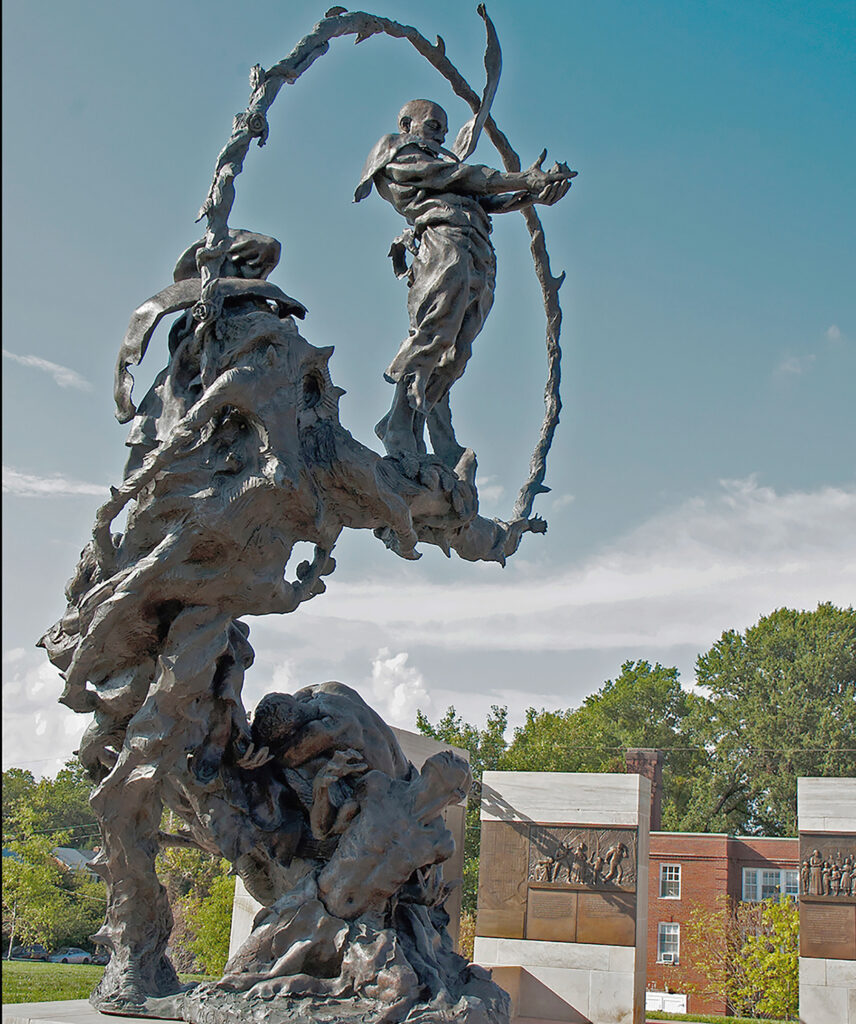
5. Reflecting on your public monuments or memorial works, what responsibility do you feel as an artist toward the communities, history, and narratives involved?
The most important part of public historical monuments for me is capturing the truth and history of the person or times that person lived in. I feel very strong that we must learn from the past or we will repeat the same mistakes and further we can learn from the positive actions of those who helped humanity. I strongly believe we should not sugar coat and edit history but tell the truth.
6. In your 35+ years as a sculptor which is such an incredible journey what have been some of the most meaningful moments or projects that helped you grow and shaped who you are as an artist?
There are many special moments in my life as an artist that were game changers but a couple stand out. One of the biggest moments was when I went to the Renaissance school at 11 years old and the teacher on my first day told me I could sculpt with clay for 2 weeks and not worry about anything else! It was like a massive light ray going on my and I was in such a state of euphoria. Of note I still have the first piece I did of a bearded man . Probably the second biggest moment was when 9/11 hit the Twin Towers in 2001. It made me think about many things especially what could I do to help bring people together through my art, and that is what inspired me to create the Remember Them monument Champions for Humanity. I had no idea at that time that it would take 10 years to complete and no idea of the people I would meet like Maya Angelou and others who would support me in creating this monument.
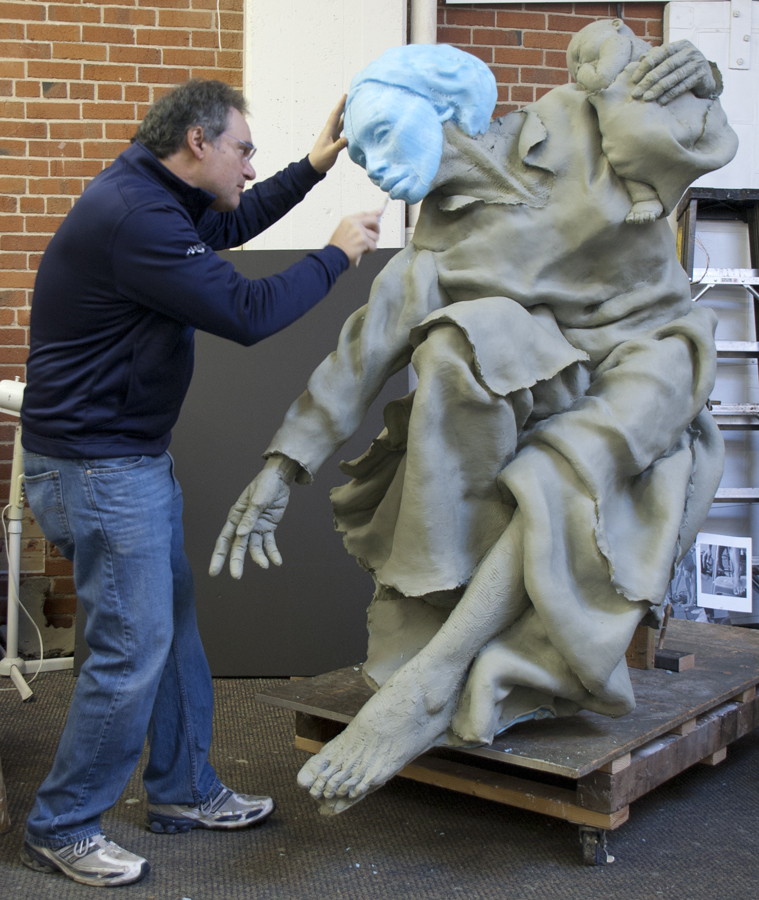
7. What materials, techniques, or tools are you most drawn to in your sculptural work, and are there any that you’ve experimented with recently that surprised you?
I still do things with old fashioned wood flat tools and loop tools. I also use my fingers most of the time. However depending on the project we sometimes 3D print my models but the original art is always done by hand.
8. How do you personally define “success” as an artist, and has that definition changed over time?
Succes to me is being able to create what you want as an artist. Everything else comes after that; money, PR, lectures, teaching art, etc..
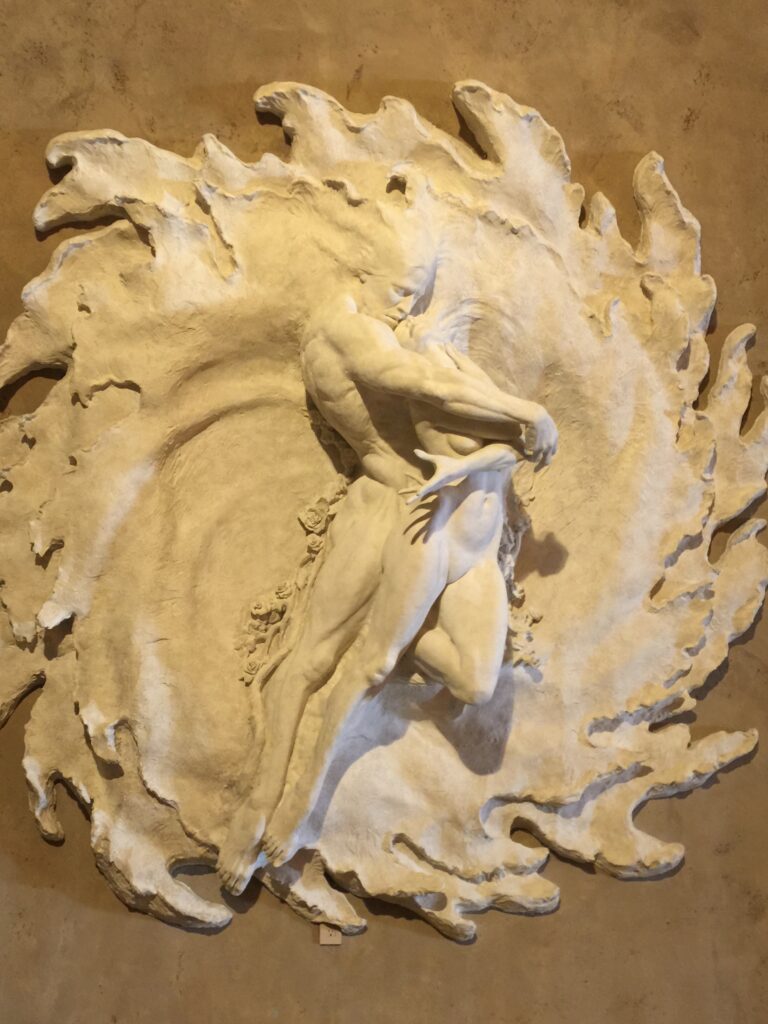
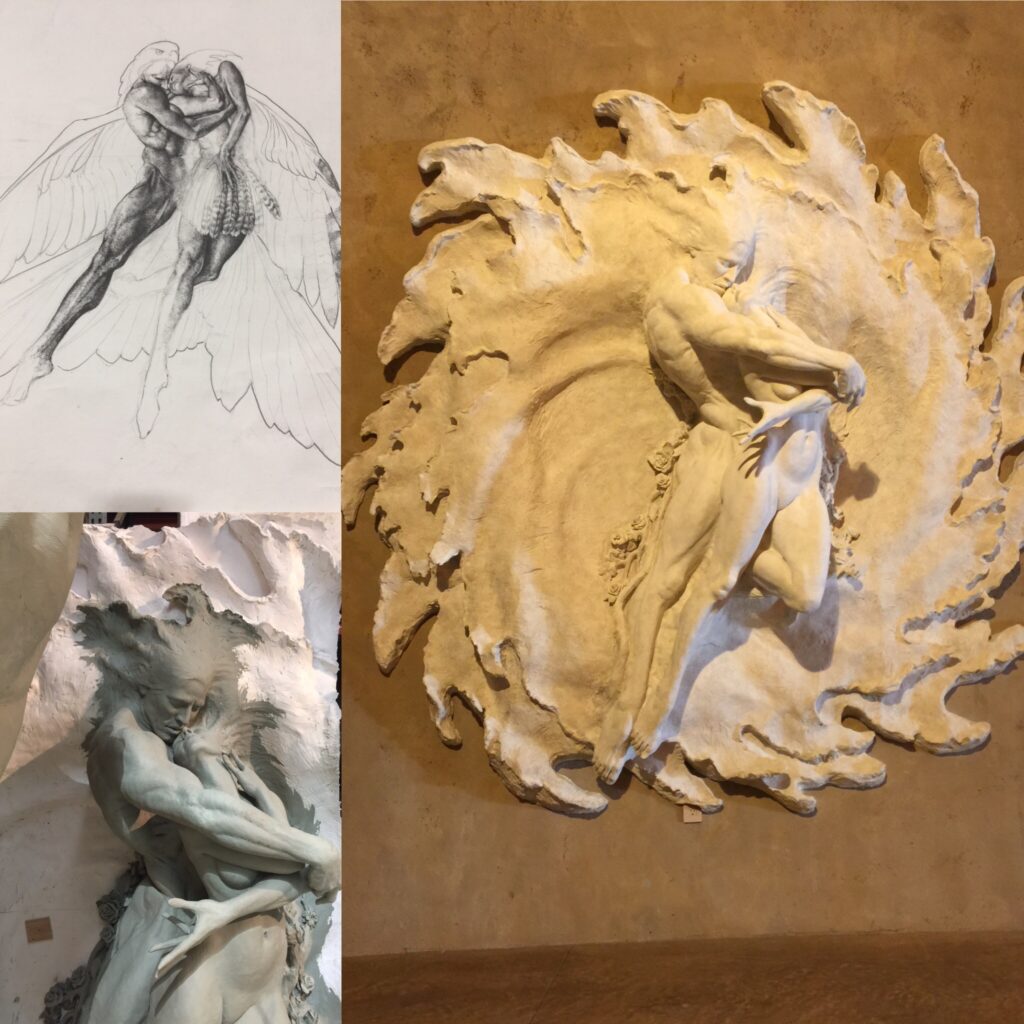
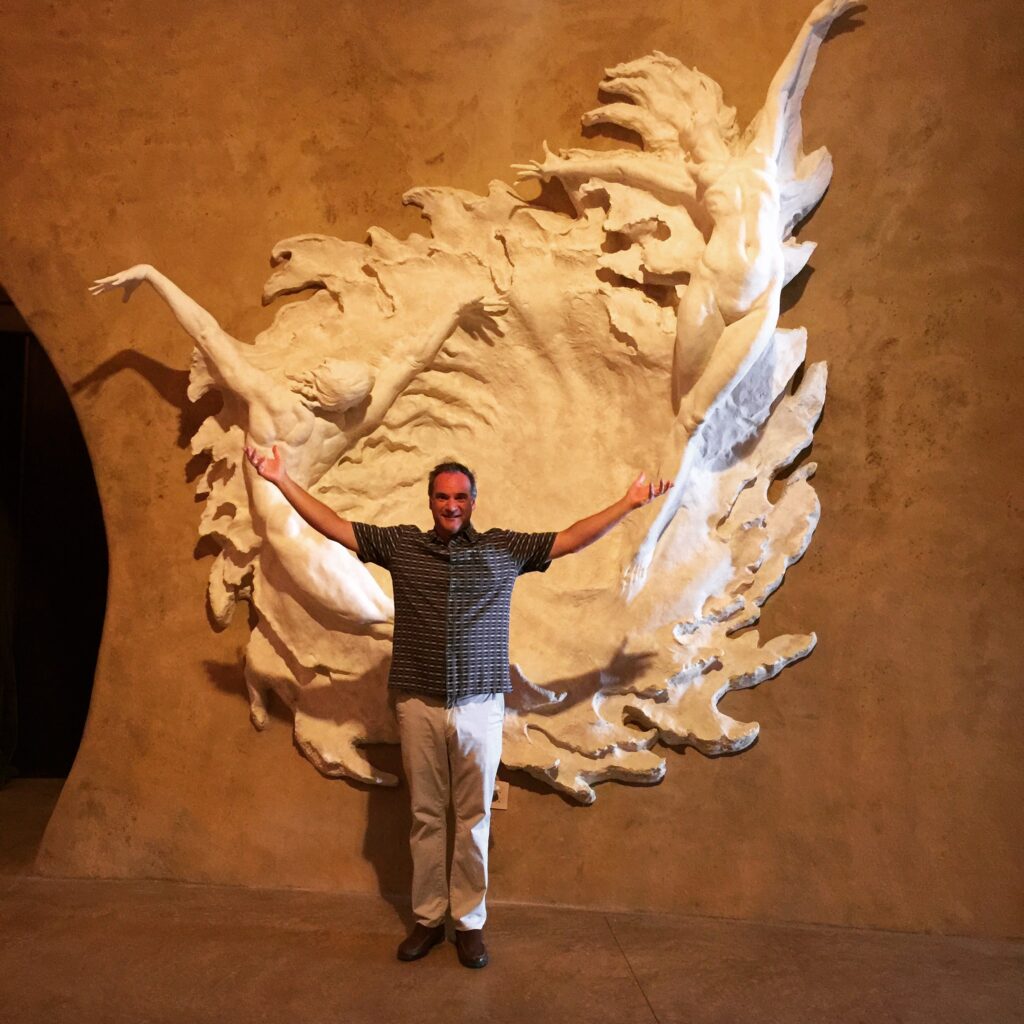
9. Your work frequently combines human or figurative forms with natural elements (animals, botanical motifs). What draws you to fuse those elements, and how do you decide what natural symbols to use (which animal, plant, etc.) for a particular piece or theme?
What draws me the most to combining human forms with plants, rock work, animals is the inspiration that we come from on life source; our planet. And that we are all related to each other and we must respect and honor all life and the planet.
10. For emerging artists who admire your journey and wish to develop a meaningful, authentic practice, what advice would you offer something you wish someone had shared with you early on?
The most important things I pass onto young artists is to understand true art comes from your heart and hands first, and not a computer or cell phone. Art is a reflection of how we feel and expressing art is critical to learn as many techniques as possible and categories of creating art; drawing, anatomy, perspective, geometry, materials… it goes on forever! I especially feel that art is a never-ending learning journey and you keep on traveling on this journey to create more ideas and inspiration.
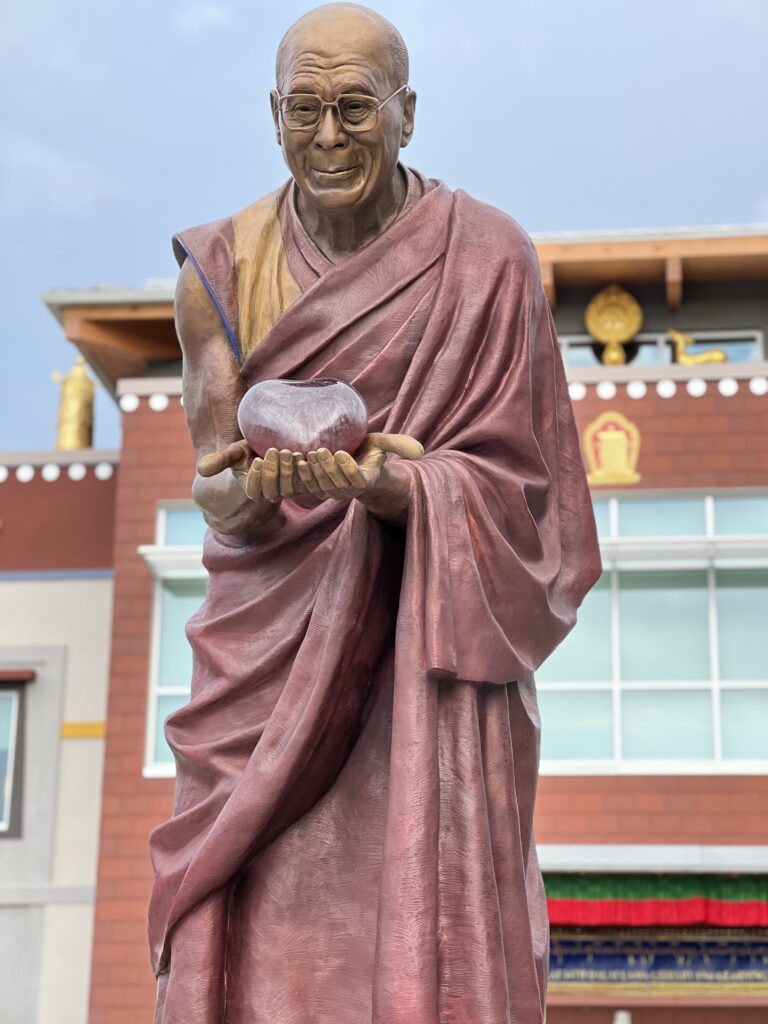
As our conversation with Mario reached its final moments, we felt the weight of something beautiful and powerful: art, in his hands, is an act of unity. Every figure he shapes, every form he reveals, carries a reminder that we are all part of the same story on this earth.
Mario shows us that sculpture is not just bronze or clay. It is belief made tangible. It is history made human. It is connection you can reach out and touch.
Through a vision shaped not by color, but by depth, truth, and courage, Mario invites us to look closer at each other. He asks us to see the dignity in every life, the lessons in every struggle, the inspiration in every hero.
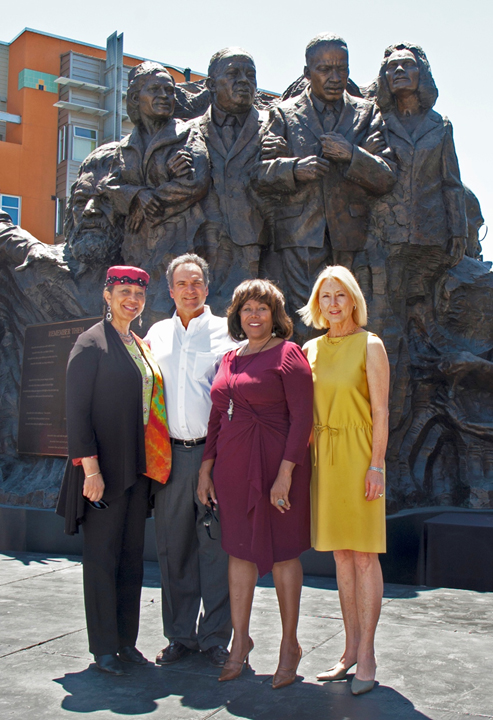
His monuments stand tall so no one is forgotten. His creatures leap from imagination into reality so wonder never grows quiet. His hands carry the past forward, shaping hope for the future.
Mario reminds us that art, at its best, does more than decorate space. It transforms hearts. It brings people together. It helps us remember who we are and who we can still become.
Keep following Mario’s journey and witness the stories he continues to carve into the world sculptures that challenge, inspire, and bring us closer with every curve, every detail, every legacy written in stone.