


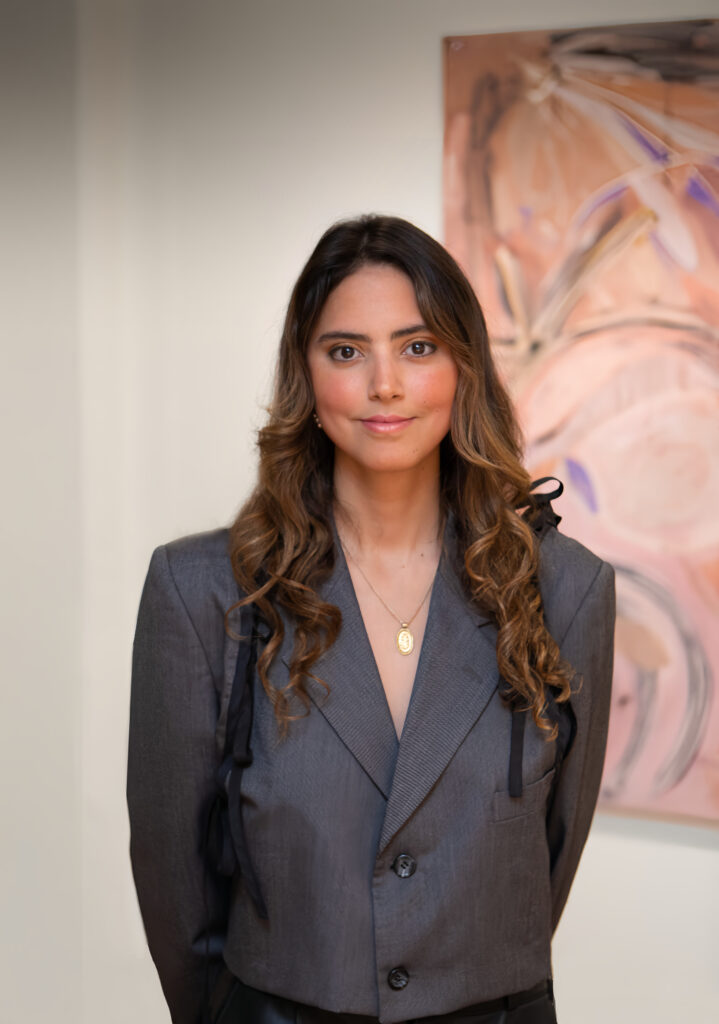
Why This Curator Thinks Young Woman Artists Can Lead the Art World I Ambar Quijano

In a world where art can sometimes feel distant or transactional, Ambar Quijano reminds us that creating is, at its heart, about connection. This week, for our Best of Art World series, we’re honoured to share her story a journey shaped by family, culture, and a lifelong curiosity. Born in Mexico City to a Cuban mother and a Mexican father, she grew up surrounded by stories that blurred the lines between imagination, ritual, and everyday life. Her grandmother’s small gallery in the south of the city became her first classroom a place where paintings told stories, ordinary objects became magical, and curiosity was treated as knowledge.
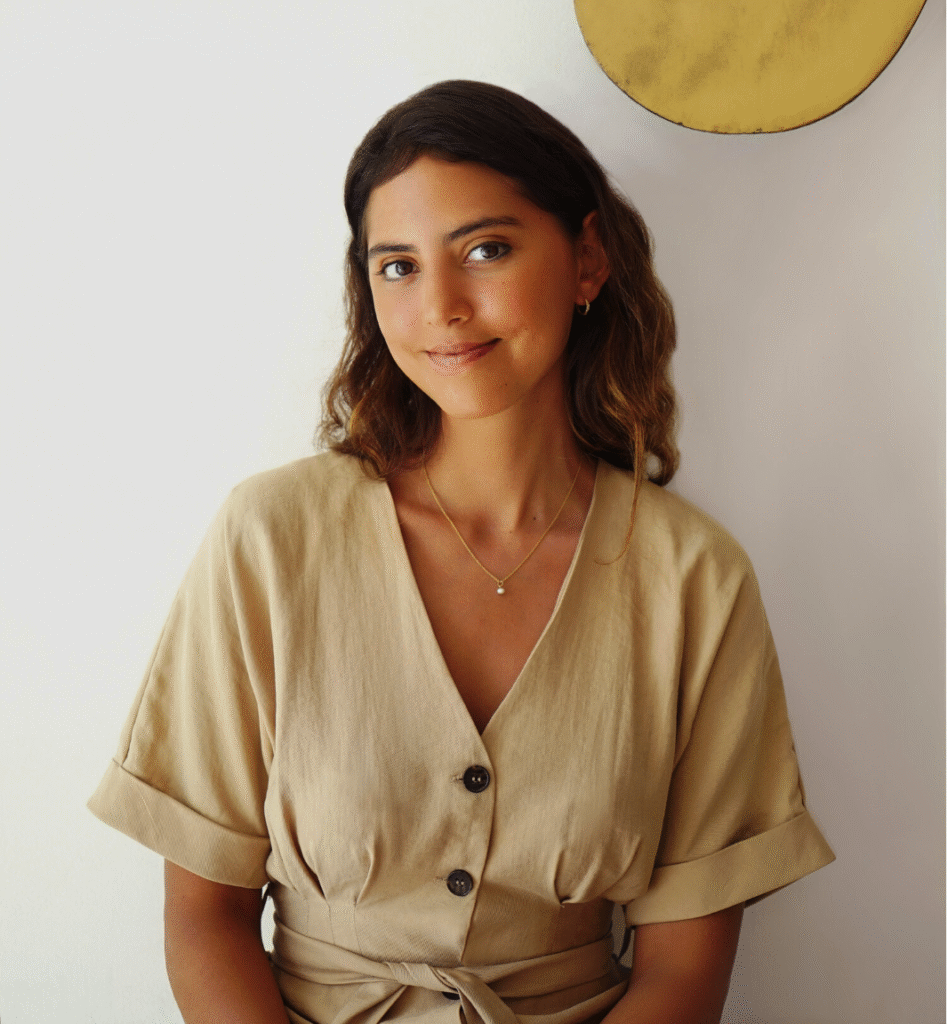
Those early experiences taught Ambar that art is not just something to admire or advocate for, but something to live with to think through, to question, and to feel deeply. The women who raised her showed that sensitivity and intellect can coexist, that tenderness and rigor are not opposed, and that sometimes the quiet presence of a work speaks louder than words ever could.
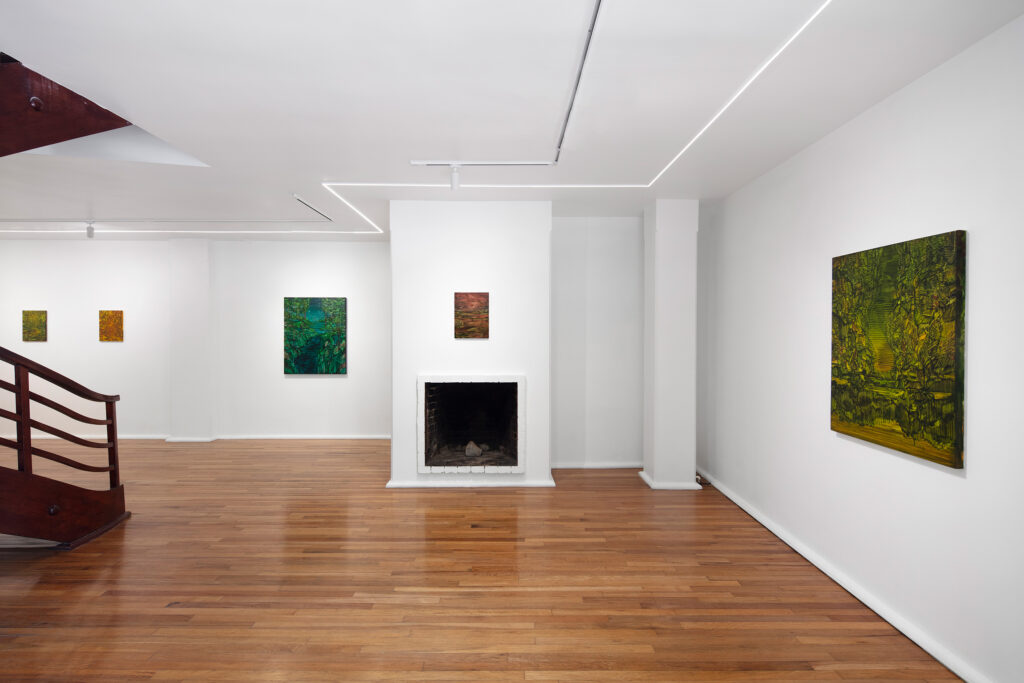
From auction rooms to international galleries, from London to Escandón, she has learned to honour the autonomy of artists while creating spaces where audiences can engage fully with their work. In her gallery, the building itself becomes part of the dialogue: its architecture, the surrounding neighbourhood, and even traces of its domestic past invite visitors to experience art as part of life, not apart from it. Today, as a curator and advisor, Ambar builds bridges between artists, collectors, and communities between feeling and form, intuition and research. Her gallery, housed in a 1960s building in Escandón, is both a sanctuary and a stage. Wide windows open to the rhythm of the street, while preserved details a staircase, a fireplace, echoes of history create warmth and intimacy. Within these walls, art breathes, alive and in conversation with its surroundings.
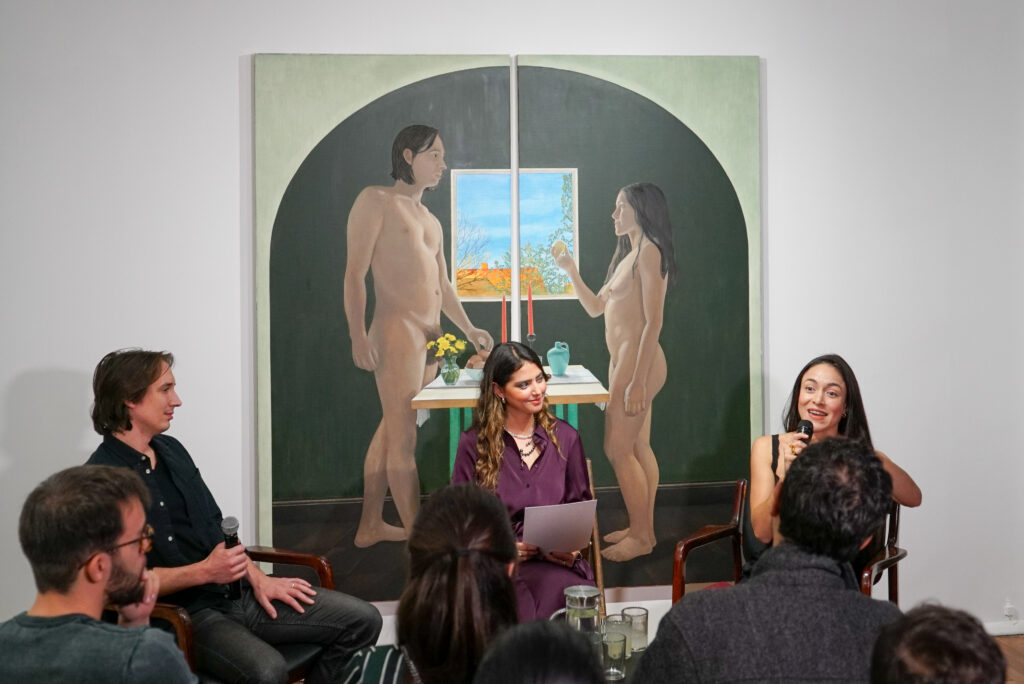
For Ambar, curating is not about presenting objects it is about nurturing them. It is a process of listening, breaking down hierarchies, and making room for experimentation without pressure or expectation. Her goal is not perfection, but revelation: to let risk become insight, and to invite viewers into an exchange where art is living, vulnerable, and profoundly human.
Let’s step into this conversation with her and discover, in detail, the ideas, experiences, and vision that shape her work.
1. Can you tell us about your background? What first drew you to art, and how did studying Fine Art & Theory, and later Art Law & Business, change the way you see art both as creative work and as part of a bigger system?
I was born to a Cuban mother and a Mexican father, and my first encounter with art came through my paternal grandmother. My mother arrived in Mexico at seventeen, and I was born soon after that. Together we spent countless hours with my grandmother, who became a vital maternal figure for us both and who happened to be deeply devoted to art and culture. She had a small gallery in the south of Mexico City. This marked the vision I have surrounding art profoundly. I remember listening to all the kinds of fantasy stories she’d make up as she went about working with the pieces she exhibited, stories that transformed paintings into portals. With her, I also made collages from photocopied art history books, drew endlessly, or built small sculptures out of tin foil.
My childhood was deeply shaped by the education I received from my mother and grandmother. Through explicit conversations and subtle gestures, they introduced me to themes of femininity, equity, and ritual sometimes through narrative, other times through the silence of a painting. That atmosphere marked me permanently. It revealed to me a realm of infinite possibilities, where there is no right or wrong way of making or thinking, where sensibility, speculation, and fiction can all coexist. Those early years nourished me with the idea that art is not only something we advocate for, but also something we can think through —a way of living a creative life.
Later, studying Fine Art & Theory, and then completing my MSc in Art, Law & Business, gave me a clear understanding of something essential: art and the art market are not the same. Recognizing this difference has allowed me to retain a healthy relationship with both —to honour each for what it is. My studies pushed me to deconstruct assumptions and sharpen my criticality. In those early years, it was about dismantling what I thought I knew in order to create space for new ways of questioning: how meaning is constructed, how artistic practices evolve in contemporary contexts, and how history itself is reframed in the present. What I carry with me from that training is the ability to navigate both realms, while always remembering that art exists beyond the market, and that its value is not defined by a number.
2. You’ve worked with Christie’s, Phileas in Vienna, the Peggy Guggenheim Collection in Venice, and galleries in London. Which of these experiences most shaped the way you work as a curator and advisor today?
Each of these experiences gave me a different lens on the art world. At Christie’s, I learned firsthand how the secondary market works and the practicalities of collecting. Small galleries taught me the value of close relationships with artists, collectors, and audiences, showing me that trust and dialogue are as important as the works themselves.
The Peggy Guggenheim Collection offered a lesson in legacy and stewardship: I saw how cultural memory is built, and how moments of crisis often create the conditions for meaningful collections.
Phileas, and being able to learn from Jasper Sharp, shaped my understanding of patronage and alternative models of support. Jasper’s approach to care for a collection and the people engaging with it taught me how to balance critical rigor with empathy, and how to turn financial backing into transformative experiences for artists and audiences alike.
Together, these experiences guide how I work as an art advisor and curator today: honoring both the autonomy of art and the systems that sustain it, while creating opportunities for art to transcend the market and resonate meaningfully with people.
3. Your gallery is in a 1960s building in Escandón, a neighbourhood with lots of history and character. How does the space itself influence the way people experience the shows you create?
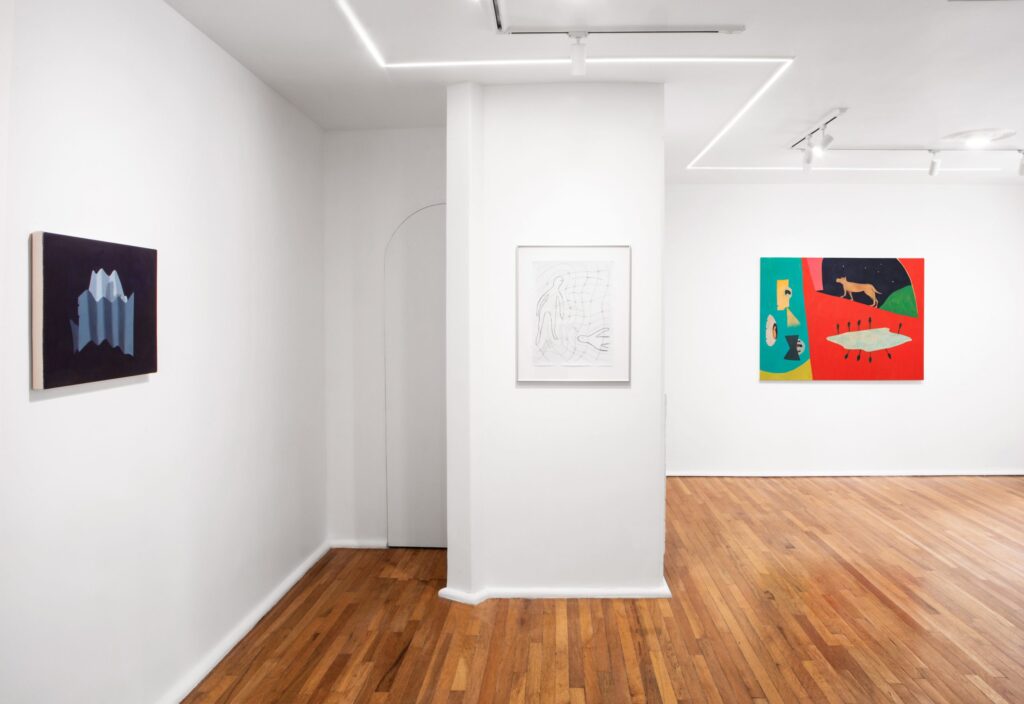
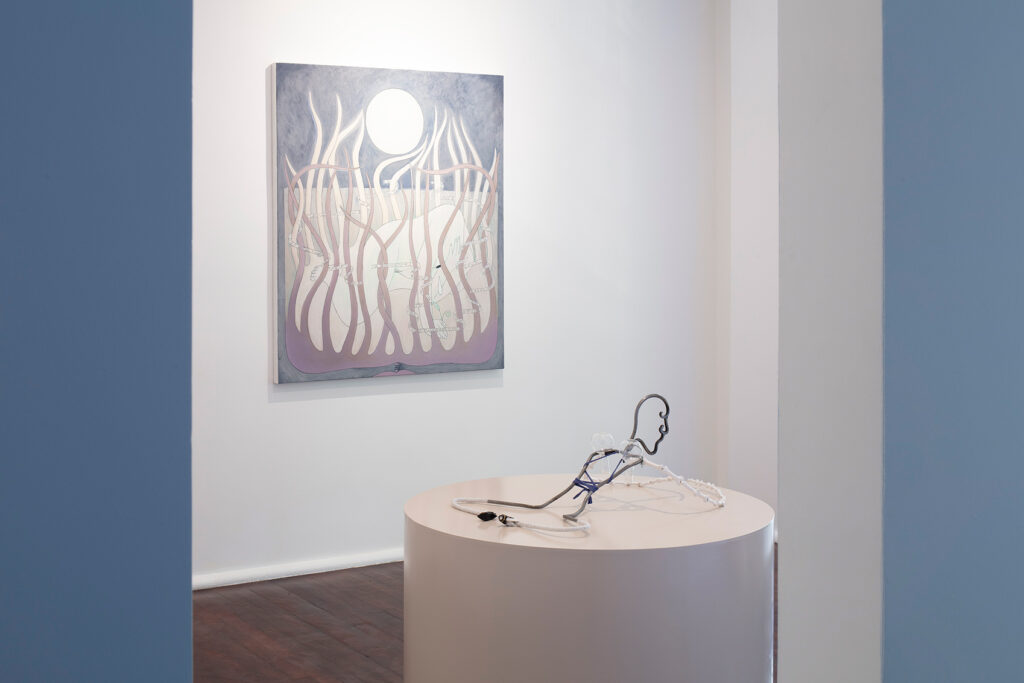
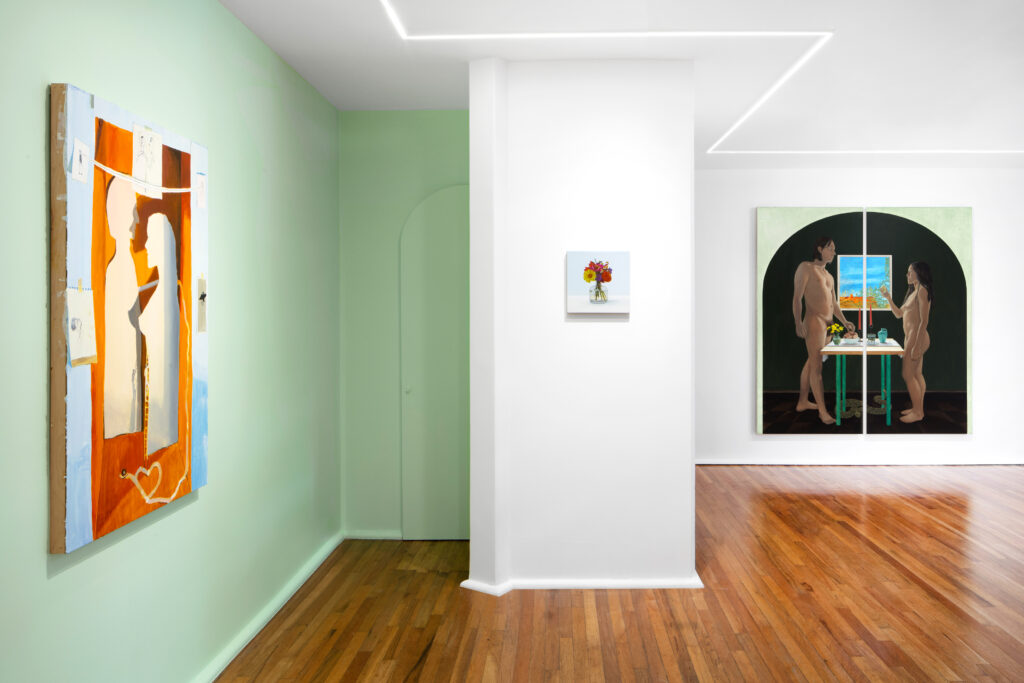
Our gallery space in Escandón is intentionally chosen as part of the broader AMBAR QUIJANO cultural project. We see art as a catalyst for new perspectives as a tool for resistance, healing, and reparation— and the building itself becomes an active participant in that dialogue. The gallery’s full-scale windows open onto the neighbourhoods, letting visitors take in the architecture, the vegetation, and the rhythm of street life. This transparency encourages visitors to experience the works in conversation with their surroundings, rather than in isolation.
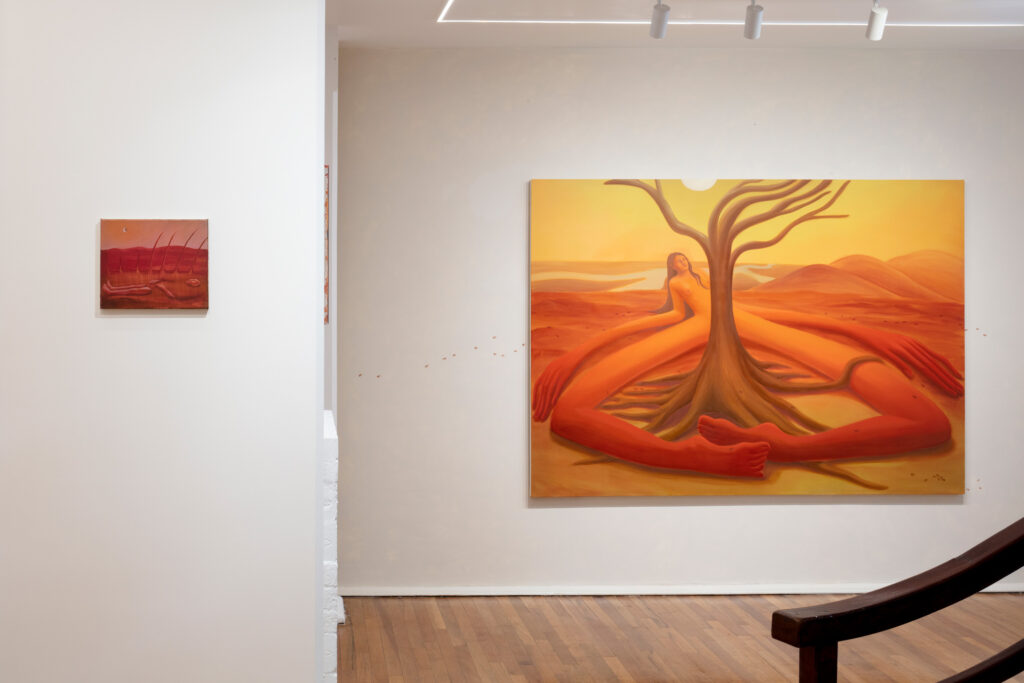
During the renovation, we made a conscious decision to preserve key domestic elements —like the original staircase and fireplace characteristic of the building’s 1960s architecture. Initially, this felt like an aesthetic choice, but over time it has revealed itself to be central to how people experience the space. These elements create warmth and intimacy, encouraging visitors to slow down, reflect, and form a personal connection with the artworks. In this sense, the space itself shapes not only the display but the emotional and cognitive engagement of the audience.
4. Many galleries choose the “white cube” style, but you let the building’s history and character be part of the experience. What do you think is lost in a neutral space, and what is gained when art interacts with its surroundings?
The dialogue becomes enriched when art interacts with its surroundings. I’m a true believer that art is not separate from life, and life is not separate from art many artists throughout history have explored this interplay. In a white cube, the neutrality can create focus, but it often isolates the work from context and diminishes the potential for conversation with the viewer and the world.
By embracing the history and character of our gallery, we invite a synergy between artistic production and its environment. Art exists in conversation with the social, urban, and natural context, reflecting, questioning, and responding to the world rather than escaping it. The preserved domestic elements, the view onto the street, and the neighbourhood’s vibrant energy all contribute to a sense of hospitality and accessibility. Visitors are invited to see the artworks as part of life —to imagine how they might inhabit a space or live with the ideas and objects they encounter. In short, art in dialogue with its surroundings becomes a richer, more meaningful experience, both intellectually and emotionally.
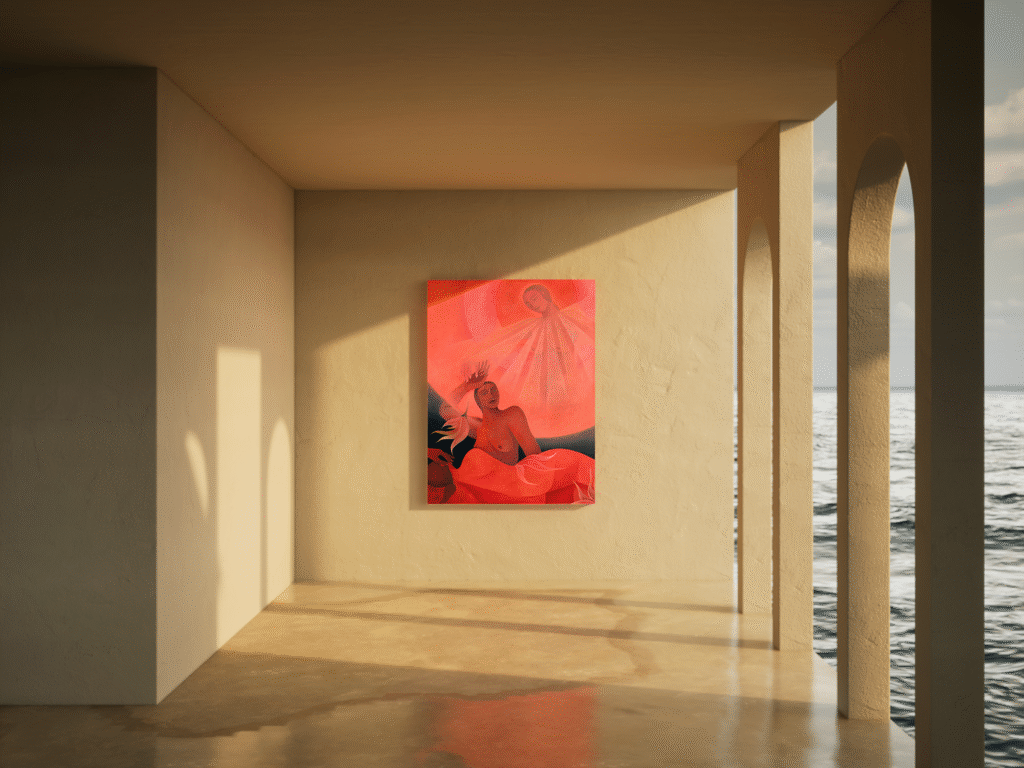
5. You’ve said the gallery’s mission is to truly support every artist you work with. Can you share a time when you had to adapt or take a risk to make sure an artist’s vision came alive?
Yes, my attention is always on how my team and I can best serve the artists we work with —not only professionally and personally, but as active partners who help bring their visions to life. This includes offering exhibition opportunities, fostering collaborations with other galleries, supporting press and content development for visibility and historiography, and building strategic bridges to residencies, prizes, and key figures in the art world. I’ve seen how a poor relationship with a gallerist can derail an artist’s career, and it’s heartbreaking to witness the creative fire that can be lost when an artist’s practice is mishandled or controlled.
One of the ways we honour artists’ vision is by resisting common gallery practices that impose unnecessary restrictions for instance, asking artists to produce a fixed number of works for an exhibition. Instead, we provide them with the space and context to envision the presentation on their own terms. Similarly, we never pressure artists to produce more of something just to satisfy market demand; respecting their creative process is central to our ethos.
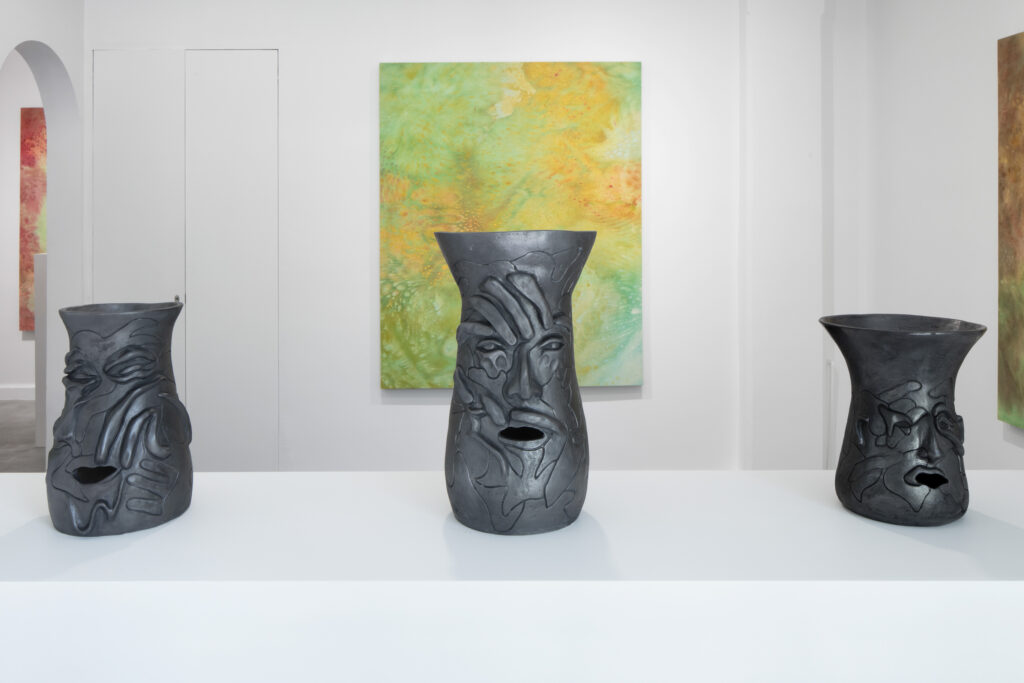
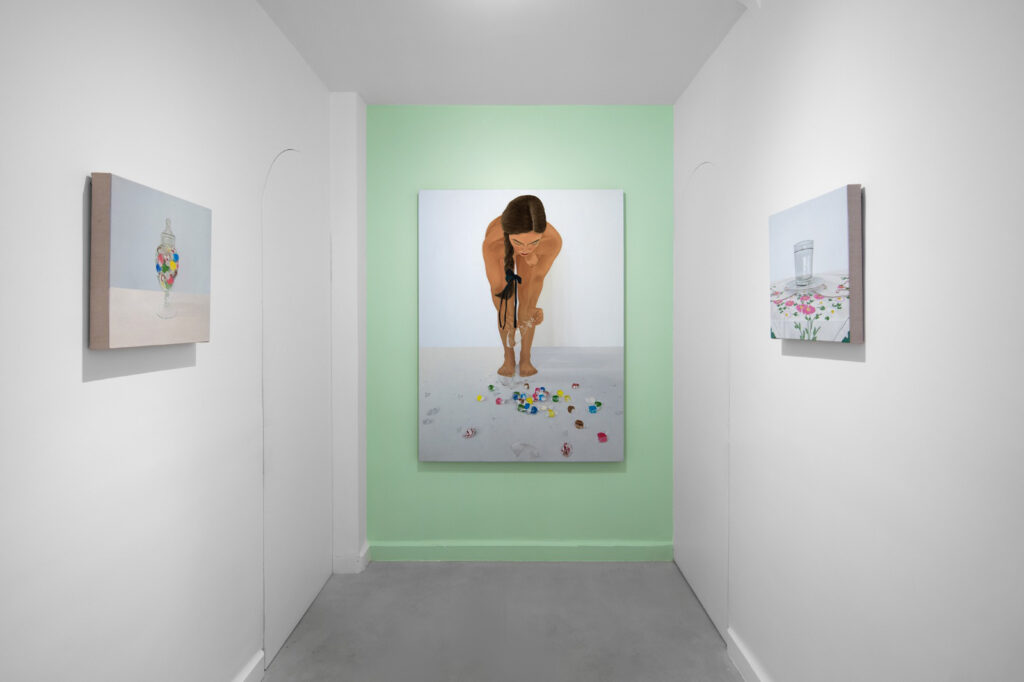
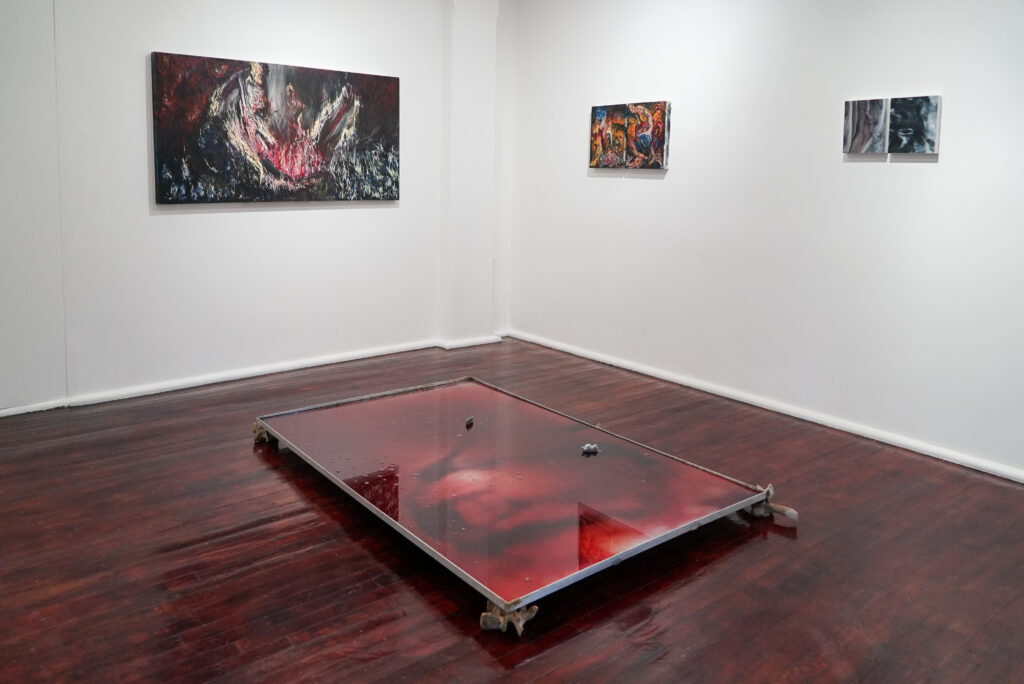
A few concrete examples illustrate this approach. One artist asked me to cancel a recorded interview because she didn’t feel ready to speak on camera; honouring her timing and desire to maintain mystery was far more valuable than producing promotional material. Last summer, we also closed the gallery for several months to allow Paula Turmina to live and work in Mexico City, fully immersing herself in its context. That residency directly inspired her solo exhibition Terrenos Maleables, a body of work shaped by the city’s layered geological history built on a lakebed, marked by constant tectonic shifts and earthquakes— which she then connected to Eduard Glissant’s The Tremor of the World, a philosophical idea she encountered at Museo Tamayo during her stay.
Supporting artists sometimes also means adapting exhibitions or placements to safeguard their long-term goals even if it means removing works I personally wanted to show or making adjustments after a show has opened. The ultimate commitment is clear: to carry their voice and message as honestly and faithfully as possible.
We also support production when it enables experimentation. For example, we helped Antonie Granier realize his first kinetic steel sculptures —a completely new medium for him— without knowing exactly what the final works would be. Our focus was on creating the conditions for the artist to explore and bring this vision to life.
In all cases, my role is to ensure the artist feels supported, respected, and empowered, and that their vision is realized in ways that honour both their practice and their long-term trajectory.
6. As an advisor, you use both data and intuition to guide collectors. How do you balance these two approaches, especially when someone is just starting their collection?
When advising collectors, I believe it’s healthiest to approach acquisitions from a place that emphasizes connection rather than pure analysis. Getting too analytical too early can sometimes paralyze a collector, preventing them from forming the most important relationship: a personal one with the work they’ll live with and carry through their life’s journey. Collections are, at their core, about engagement, reflection, and resonance.
That said, every acquisition I guide is grounded in thorough research and due diligence. My approach is also informed by years of first-hand experience working with artists, galleries, auction houses, and institutions, as well as deep study in art history. For me, one of the first questions I ask when I enter an artist’s studio is: “Have they looked back?” Have they understood what has come before them? Many artists work within a recognizable tradition, and some of the most compelling are those who understand the tradition but also know its boundaries and push them further, this is something I learned from my mentor Jasper Sharp during my time with Phileas actually. I consider the artist’s trajectory, exhibition history, market context, and how their practice engages with the past. This perspective enriches both the collector’s understanding and the long-term significance of the acquisition.
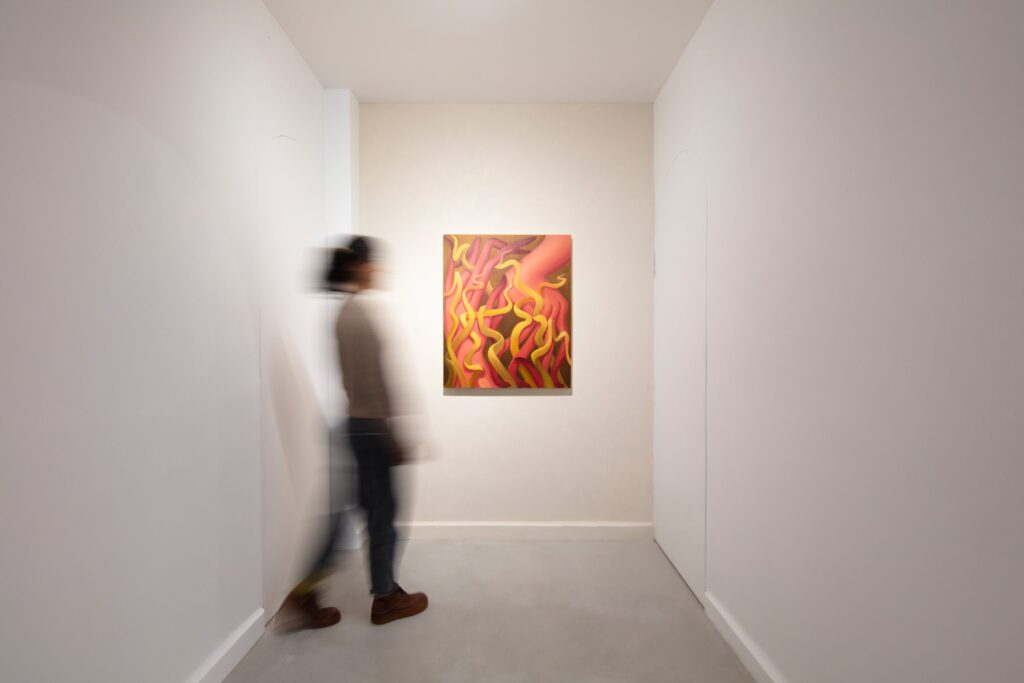
For emerging artists, we focus on substance over trend. Originality, technical rigor, and conceptual depth are key. We prioritize supporting artists building long-term careers rather than chasing short-term market phenomena. My role as an advisor is to balance these layers of knowledge, research, and observation while ensuring the collector develops a personal, meaningful relationship with the work.
Art isn’t just an investment; it carries emotion, history, and legacy. Great collectors —from Isabella Stewart Gardner to J. Paul Getty— built collections that reflect both personal vision and lasting cultural impact. My aim is to help collectors navigate acquisitions with the same depth: informed by research and historical perspective, rooted in experience, and ultimately shaped by their own engagement with the work.
7. Your gallery works both in person and online. How do you change your curatorial process for an online exhibition, and how do you keep the experience as personal and meaningful as seeing art in real life?
The curatorial process, at its core, remains consistent whether we are working in person or online: it is guided by the question of how to best frame an artist’s body of work. I ask myself: what narrative do we want to create throughout the space, and what dialogues or connections between works do we want to highlight? These considerations shape both physical and digital exhibitions.
That said, I am always aware of the fundamental difference between experiencing art in person and encountering it online. There is no substitute for the physical, sensorial experience of standing in a space with a work of art —engaging with it through your body, your perception of scale, texture, and presence. Online exhibitions, while they can never fully replicate that intensity, were born out of necessity during the pandemic and have remained part of our program because of the ways in which they allow us to offer curated experiences beyond our physical location.
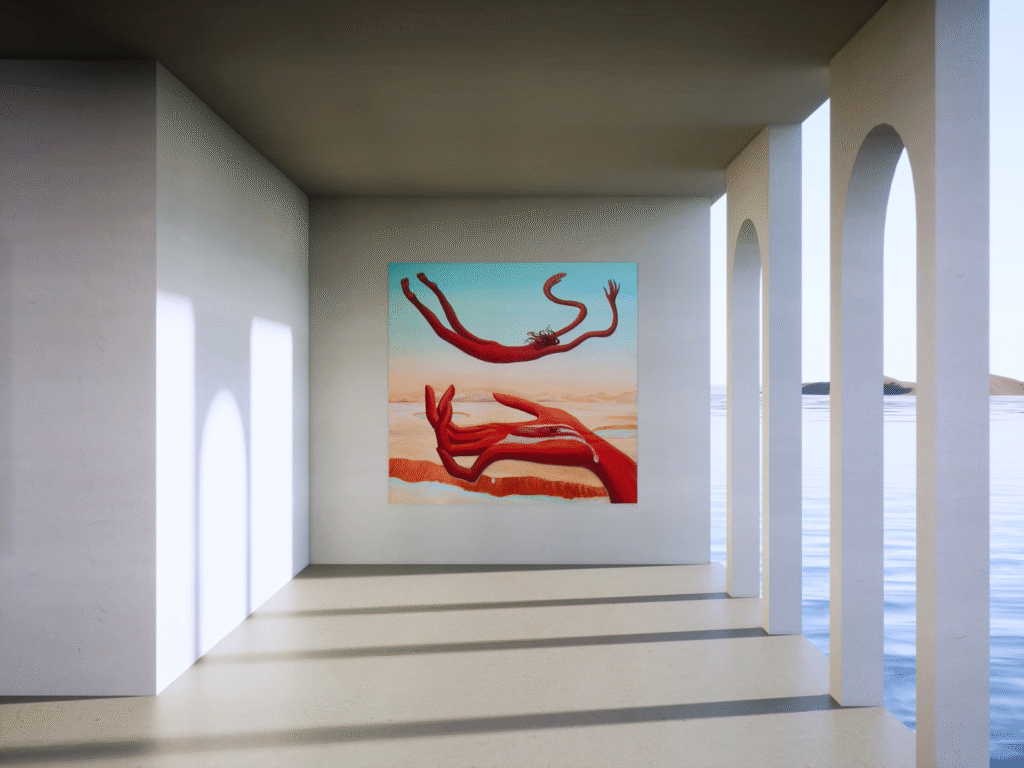
Rather than trying to replicate the in-person experience, I aim to make online exhibitions stimulating in their own right. Each edition allows for iterations and interventions that enhance curatorial objectives and spark conversation with the works. The space and artworks are presented as a short film that journeys through the exhibition spaces, developed in collaboration with architects Riccardo Fornoni and Cristopher García. Together, we designed spaces that combine modern, ancient, and contemporary sensibilities, creating settings that are not “white cubes” lost in some cloud but contexts rich with cultural references —imaginary perhaps, but always grounded in dialogue.
I’m particularly drawn to presenting works in unexpected, counter-intuitive ways that do not follow the logic of a “real context.” In this sense, online exhibitions become experimental spaces, infused with the artists’ questions and explorations.
8. Running a gallery often looks glamorous from the outside, but it comes with struggles too. What are some behind-the-scenes challenges from your journey that you think are important to share?
In reality, the glamorous moments are rare compared to the daily, not-so-glamorous work behind the scenes. And I actually treasure that balance —it keeps me grounded and connected to what truly matters, which for me has never been about glamour or trends, but about building something meaningful with artists.
Lately, some of the biggest challenges have been around establishing clear boundaries. That’s always been difficult for me because I’m very connected to my emotions and have struggled with boundaries throughout my life. But running a gallery requires navigating inevitable tensions —whether with artists, collaborators, clients, or even my own team— and I’ve learned that approaching those conversations with honesty and vulnerability is essential. It’s not glamorous at all, but it has been one of the most valuable areas of growth. And it goes both ways: I’ve also had to learn to really listen when someone on my team sets a boundary or expresses a need. It’s uncomfortable, but it’s the only way to build trust and longevity in our work together.
Another challenge is one I’ve faced since the beginning: being a young woman in an industry where older male collaborators sometimes underestimate me or feel the need to over-explain. It’s frustrating, but also motivating —it sharpens my resolve to stand firm in my vision and make space for others who might face the same.
And then there’s the practical, very human side of the work: the weeks leading up to an exhibition, you’ll find me in sweatpants with messy hair, no makeup, hauling artworks up and down the stairs myself while searching for the curatorial arrangement that feels right. My home is also an extension of the gallery —I live in the space with my two cats, who freely roam and often greet visitors. My team comes in every morning, and a couple of hours before they get here I grab a coffee still in pajamas and walk downstairs to the gallery floor. Those are the moments that feel the most profound to me: realizing that what once was just a dream —to live in constant dialogue with art and artists— is now my reality.
So yes, glamour surfaces occasionally as a byproduct of the work, but it’s never the value or the goal. The heart of this journey is in the messy, unglamorous, and deeply rewarding process of holding space for art and the people who create it.
9. The art world can sometimes feel intimidating. What do you do to make artists, collectors, and visitors feel welcome in your space?
I agree completely —the art world can feel intimidating. Years ago, one of the artists I work with, Isabella Russo Siqueira, confided in me when she had just moved into her new studio in Mexico City. She was nervous about hosting visits, worried about judgment or rejection —fears we all share. In that moment, I found myself sharing a piece of wisdom that has stayed with me:
“You find your people.” There will always be those who say no or who are quick to judge, but there are also extraordinary people who resonate with what we do on a deeper level professionally, emotionally, even spiritually
When we find those people, we’re no longer alone; we’re in the same boat, rooting for each other. And that kind of support still allows space for criticality, but it’s a criticality meant to build, not disqualify.
That philosophy has shaped how I welcome others into the gallery. I try to connect at a genuinely human level by becoming interested in people’s stories, their dreams, their values. For me, it’s never about following a prescribed agenda or wanting something from people. It’s about wanting people themselves: their ideas, their journeys, their perspectives. When visitors, artists, or collectors walk into the space, my hope is that they feel seen, listened to, and invited into a conversation that’s about more than art as an object —it’s about building community, curiosity, and connection.
10. What advice would you give to new artists who want to build strong international careers, and to new collectors who want to collect with curiosity and purpose?
To artists, I’d say this: you are an artist with or without an international career. That label doesn’t define you; your practice does. When you nurture it with commitment, obsession (in the best sense), even love, it radiates outward and creates the conditions for everything else to unfold. Some artists burn bright and fast, but it is often those who build slowly, layer by layer, who create a foundation that endures the test of time. Go to your studio as often as you can, even if you only plan to “sit and read” or “play music.” The simple act of showing up invites magic. The same applies outside the studio: showing up at openings, events, or moments that feel uncomfortable can carry you into new constellations of people and opportunities. Celebrate those small steps they are the fuel that sustains a lifelong practice.
To collectors, I’d encourage you to forget the myth of the “perfect moment” to acquire art. That moment doesn’t exist. Collecting with curiosity and purpose means moving beyond speculation and the illusion of control. Yes, a painting can quadruple in value —I’ve seen it happen with works I’ve helped acquire— but to chase art only as an asset is to miss its soul. In a world ruled by mass production, immediacy, and transaction, collecting art becomes a revolutionary act. It is more than aesthetics or patrimony; it is a political and cultural gesture: supporting unique, critical, deeply human production that escapes corporate dictates. History reminds us that moments of contraction and chaos often open the most fertile ground for building visionary collections. Peggy Guggenheim, for instance, gathered a fundamental part of her collection during World War II, when artists were migrating and markets were in crisis. Today, we are not so far from that reality.
Collecting, after all, is not a tranquil pursuit… it is charged, exhilarating, and sometimes destabilizing. It demands equal parts intuition, strategy, doubt, and desire. But that is precisely its value: art is not a number on a screen; it is a vessel of memory, a pulse of civilization. To acquire art is to enter a lineage of people who choose culture over comfort, vision over certainty, the unknown over the already validated. The most meaningful collections are not made of perfect choices but of risks, passions, and moments of surrender to something that feels alive.
Price point, originality, concept, and technical prowess all matter. What matters most, though, is depth and endurance: artists who are building something that can carry them through time, not just through a trend cycle. For both artists and collectors, the invitation is the same: resist the temptation of what is immediate and trendy, choose instead what feels urgent, challenging, or quietly luminous. That is where tomorrow’s stories are being written.
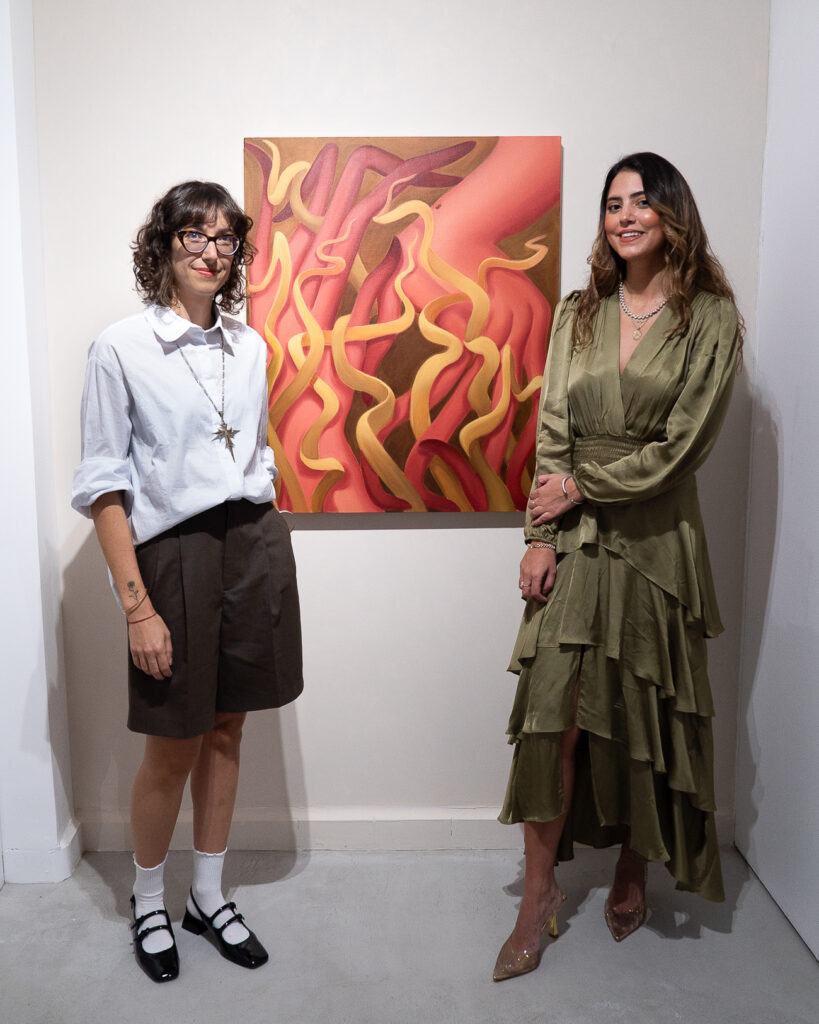
As our conversation drew to an end, Ambar reflected on the delicate balance that defines her world:
“Art is not separate from life, and life is not separate from art.”
The sentence, simple yet immense, encapsulates her philosophy a reminder that the boundaries we draw between creation and existence are illusions, and that the act of making, collecting, or simply witnessing art is part of the same ongoing gesture of being human.
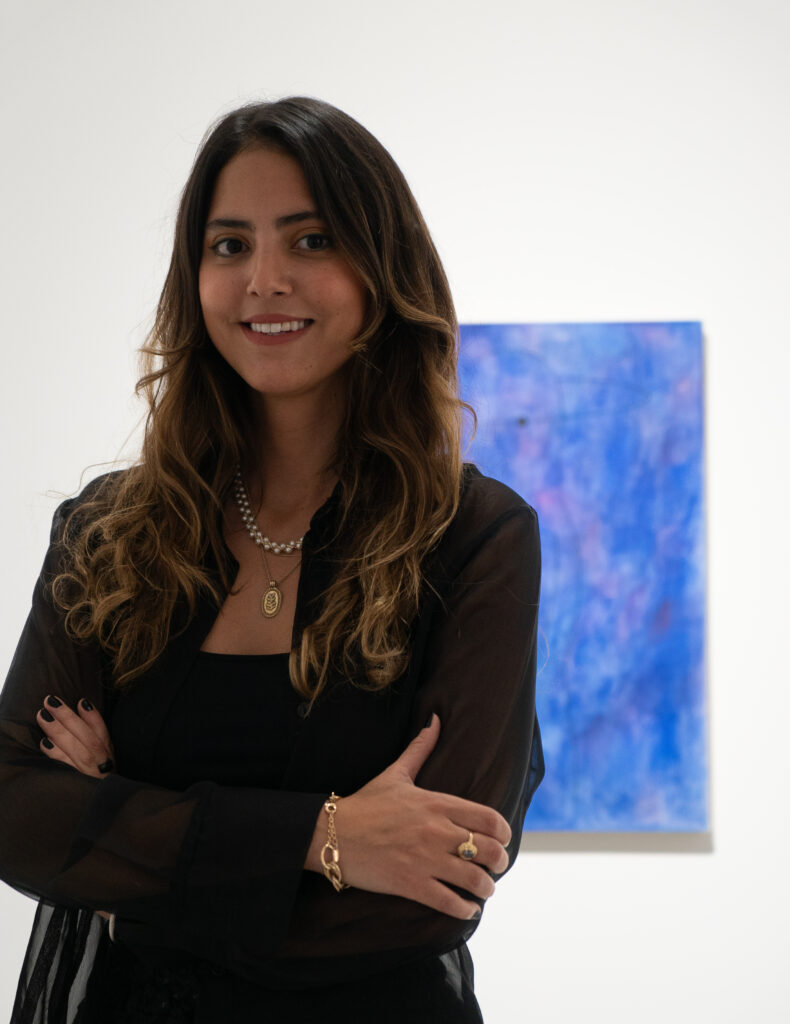
In her practice, glamour dissolves into authenticity, and control yields to curiosity. The gallery becomes not a stage for spectacle, but a place of encounter—where vulnerability, dialogue, and trust shape the experience as much as the works themselves. For Ambar Quijano, both artists and collectors are seekers each moved by a desire to understand and to belong. The collector’s act of acquisition, she reminds us, is not about possession but about participation: entering a lineage of those who choose imagination over complacency, complexity over comfort. The artist’s act of creation is, likewise, an offering a risk made visible, a story made tangible.
In the end, what Ambar offers is more than a curatorial vision it is an ethos. One that urges us to look, to listen, and to feel without Armor. To collect with purpose, to create with conviction, and to live with the awareness that beauty, like truth, is always an act of courage.
Follow Ambar Quijano to witness how care, rigor, and fearless curatorial vision continue to shape spaces where creativity, humanity, and culture converge.