


The Quiet Power of Colour and Abstraction
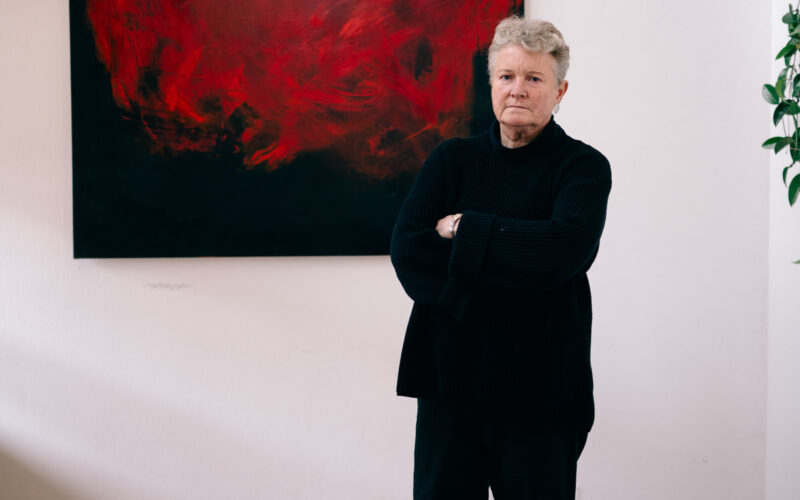
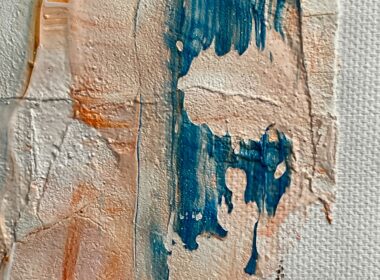
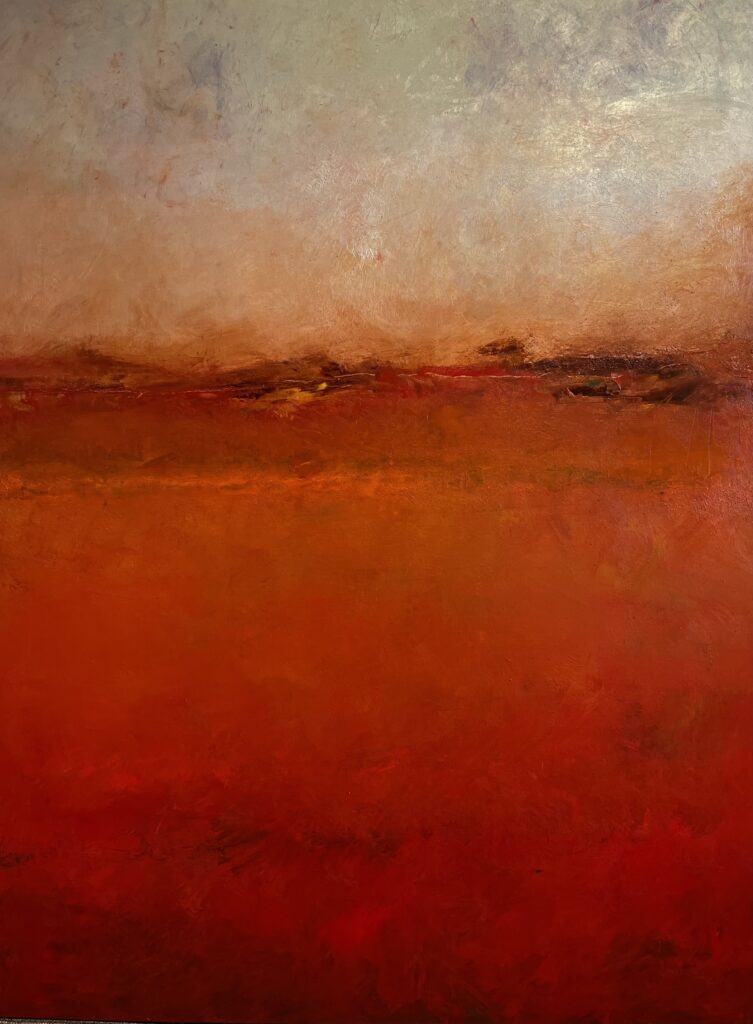
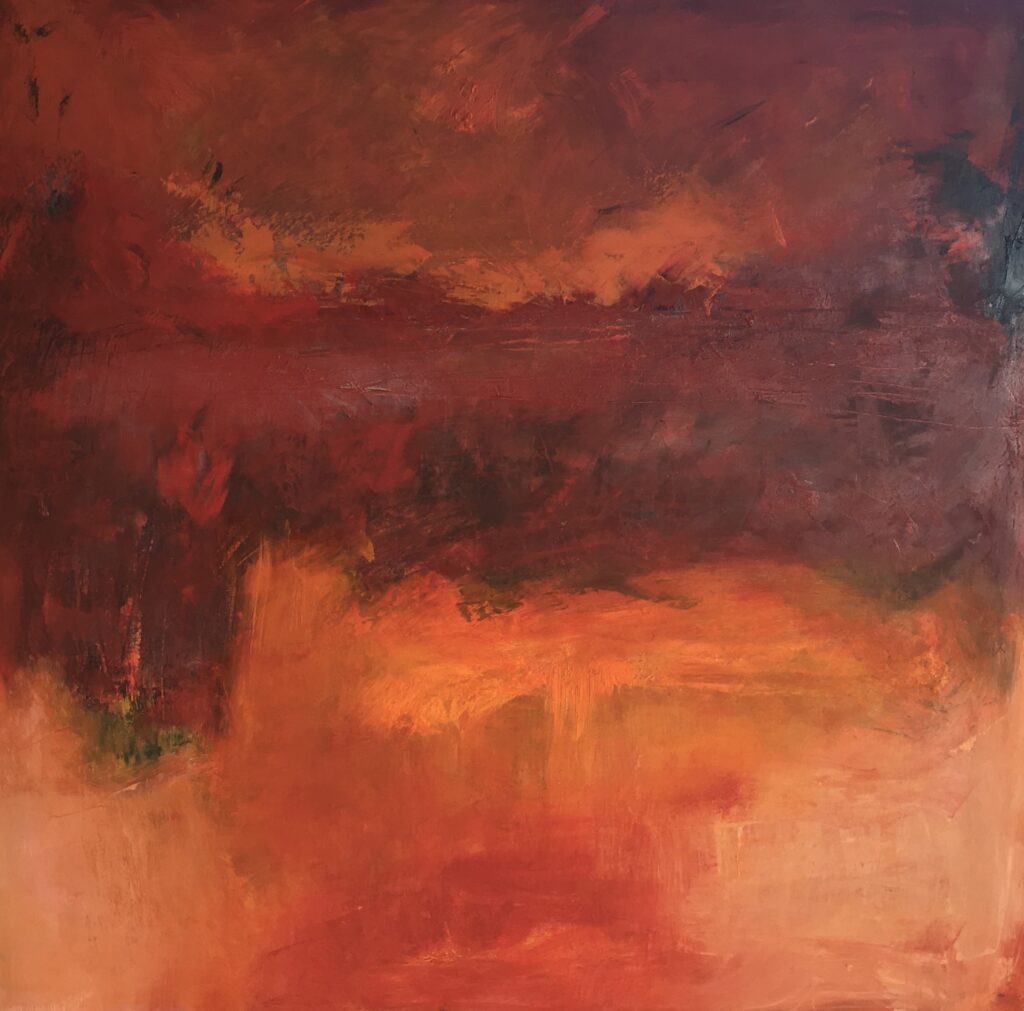
Fancher’s paintings radiate quiet intensity, drawing viewers into fields of pure color where emotion and meaning unfold slowly, almost meditatively. Influenced early on by the profound resonance of Mark Rothko, he began his journey in the 1990s and soon developed his own distinctive voice. Working primarily with rich, unmixed primary tones, his canvases are layered directly on the surface, allowing colors to interact, clash, and harmonize in unexpected ways.
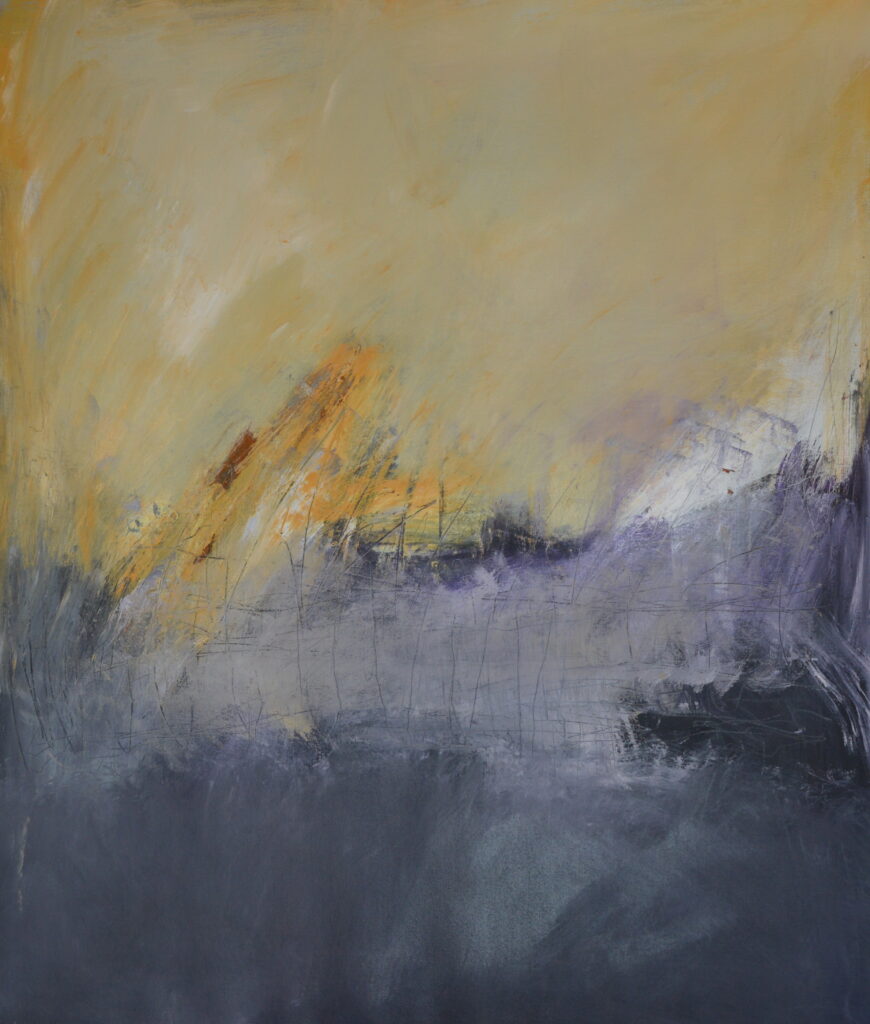
Texture, scratched lines, and visible layers give his abstractions both depth and vulnerability. For Fancher, painting is less about a predetermined theme and more about discovery—the moment when a work reveals its own presence, carrying titles like Whale Song, Ordinary Morning, or As Buddha Cries. In this interview, he describes his process, that is deliberate yet open, guided by rhythm, intuition, and long periods of contemplation.
Hi Fancher, your work seems so quietly powerful. Was there a moment where you knew this was the visual language you wanted to explore deeply?
When I first started painting large canvasses in oil, I was deeply moved by Mark Rothkos work. In the beginning (1992) I followed his paintings, but It did not take too long until I started developing my own style.
Can you tell us how your colour palette looks like and the reason behind the tones that you use?
My colour palette is mostly the primary colours (red, blue, yellow) plus black and white. I prefer the rich, pure colours. The secondary colours (orange, green, purple) sometimes appear when the colours are mixed.
Can you take us through your process of creating a piece – from ideation to completion?
I start out with a colour sketch in my mind. After applying the main primary colours I start to add additional colours directly on the canvas. I do not use a palette. All of the colour fields are mixed directly on the canvas. Sometimes I scratch into the paint with the penknife. This adds an interesting effect, where the colours underneath show through. The painting is finished when there is nothing more I would like to change. This process can take hours or days.
What are the themes that you mainly explore in your works and how did these originate?
The abstract works do not have a particular theme, but either during the work or when they are finished I always see something or feel something about the painting. That is when the painting gets a title. Each painting has a title. Some titles are: ordinary morning, as Buddha cries, slumber, whale song or out of the dark.
Do you work on multiple pieces simultaneously or do you like to focus on one particular art at a time and why do you choose to do so?
I often work on a couple of paintings at the same time. This is due to the oil paint. I like to let the different layers get somewhat dry before I put the next layer on top. Most all the paintings have multiple layers of paint.
If your studio had a soundtrack, what would be playing to match your energy and emotion?
Patty Smith
Do you have any artistic non-rituals which are essential in your creative process? What would they be?
Step back and let the painting emerge. I spend the same amount of time looking at the painting, as I do painting it.
For Fancher, painting is both a discipline and a dialogue—between himself, his materials, and the unseen dimensions that slowly surface through color. His practice is anchored not in narrative but in presence, where each canvas is an invitation to step back, reflect, and let meaning emerge organically. Just as he spends as much time looking as he does painting, his work asks us to pause and truly see. In a world filled with noise, his abstractions remind us of the quiet power of pure color and the spaces it opens within us.
To learn more about Fancher, click the following links to visit her profile.