


How Artists Can Start Selling Art Through NFTs

What Even Is an NFT, Really?
Let’s start with the basics. An NFT, or Non-Fungible Token, is a digital certificate of ownership that lives on the blockchain. That might sound intimidating, but all it really means is this: it’s a way to prove that a digital file, like a piece of art, is owned by someone. Think of it like a receipt that can’t be faked or duplicated. This is important for artists working online, where images get copied and shared without credit all the time.
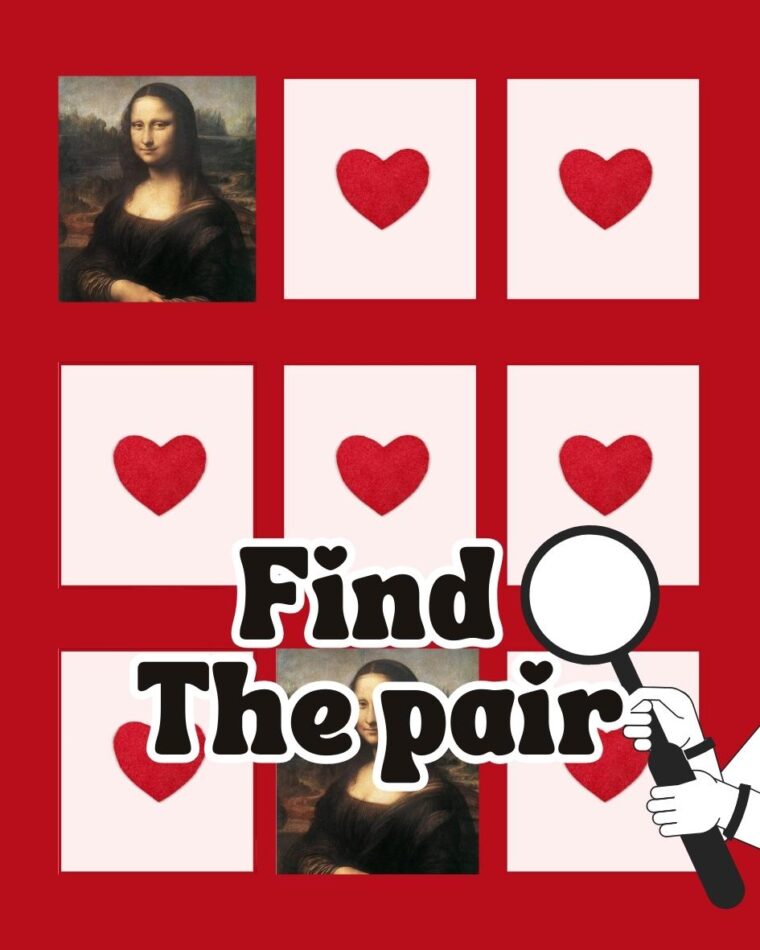
To bring it into real-world terms: imagine if you could own the original Mona Lisa. Sure, there are posters and prints all over the world, but the original hangs in the Louvre. People come from all over just to see that one painting. An NFT is a bit like owning the digital Mona Lisa. Yes, others can see it, even download it, but you are the person with proof of ownership. It’s a shift in how we think about digital value.
For artists, this opens up a whole new world. Suddenly, your digital illustrations, GIFs, or animations can be sold as original works, not just endlessly reposted content. NFTs give your digital creations the same kind of “rarity” status that physical paintings have always enjoyed. And that’s powerful.
One of the biggest wins? Smart contracts. These are little codes built into NFTs that let you earn a percentage every time your art is resold. Think about that. If someone sells your work five years later for 10x the original price, you still get a cut. It’s passive income in action, and a kind of fairness that hasn’t existed in the traditional art market.
Yes, the NFT space has been chaotic. There’s been hype, scams, and confusing tech talk. But at its core, the concept is about giving digital creators the same rights and revenue streams that physical artists have always had. That’s a shift worth paying attention to.
So if you’re feeling overwhelmed, don’t stress. You don’t have to understand blockchain tech or become a coder. You just need to understand the creative side.
Welcome to the Digital Studio: NFTs and the Modern Artist
Being an artist has never been the easiest path to financial stability. Most of us know the hustle of underpricing, doing commission work for exposure, or watching our art get shared without credit. NFTs offer a new route, one where your digital creations can have value, ownership, and visibility.
NFTs shift the artist from being at the mercy of galleries or social algorithms to someone with full control. When you mint your work as an NFT, you’re saying, “This is mine. And it matters.” That alone can feel empowering, especially in a world where digital art has long been undervalued.
Also, collectors in the NFT space want to support creators. It’s not just about pretty pictures; it’s about owning a moment, a concept, a piece of culture. Many buyers aren’t just art lovers, they’re investors, supporters, and community builders. That gives artists a bigger playing field than just traditional collectors.
Some platforms like Foundation, Zora, and SuperRare are invite-only, but others like OpenSea and Rarible let anyone mint work. The learning curve exists, yes, but it’s no steeper than building an online shop or launching a portfolio site. And there are tons of tutorials and artist communities out there to walk you through.
There’s also creative freedom here. Want to sell a looping video?A visual poem? NFTs welcome experimentation. You’re not stuck in one format or medium. You can stretch, play, mix disciplines, and find an audience that gets it.
And perhaps most importantly, you don’t need to be “famous” to succeed. In the NFT space, artists of all levels are selling work, because what matters most is uniqueness, authenticity, and the story behind what you make.

But Isn’t It Just a Fad? Let’s Talk Longevity
This is the question every artist secretly asks: “Will NFTs last, or is this just another flash-in-the-pan trend?” It’s a fair concern. We’ve all seen platforms rise and fall. Remember Vine? MySpace? The digital world moves fast. But here’s the thing, while the hype may cool, the core technology behind NFTs is likely here to stay.
NFTs aren’t just about funky profile pictures or cartoon apes. They’re about digital ownership. And as more of life moves online, the need to prove ownership of digital items, art, music, writing, becomes more important, not less. That’s not a trend; that’s a shift.
Plus, big companies and institutions are investing in blockchain tech. Museums have started exploring NFT exhibits. Brands are launching NFT-based experiences. Even universities are testing NFTs for digital diplomas. That kind of interest usually signals staying power, even if the market’s still bumpy.
For artists, the best move isn’t to “go all in” or ignore NFTs completely. It’s to watch, learn, and maybe dip a toe in. Try minting a small piece. Join a Twitter Space. Browse some marketplaces. You don’t have to be early, you just have to be curious and consistent.
The early chaos around NFTs was like any gold rush, some people got lucky, others got burned. But now, the space is settling into something more sustainable. The loudest voices are quieter, and what’s left is the builders, the makers, and the genuine supporters.
So is it a fad? The hype, maybe. But the idea of digital ownership, royalties, and artistic independence? That’s not going anywhere.
What You Need to Get Started (It’s Simpler Than You Think)
First, you’ll need a crypto wallet, like MetaMask or Rainbow. Think of it like your digital bank for art transactions. It’s free to set up, and you’ll use it to pay small fees when minting and to receive payments when someone buys your work. Yes, it’s new tech, but honestly, it’s less scary than figuring out Photoshop the first time.
Next, you’ll need a platform to mint your NFT. Start with beginner-friendly ones like OpenSea or Rarible. These let you upload your file (JPG, PNG, MP4), add a description, price it, and list it for sale. Some even let you mint for free, called “lazy minting,” where the buyer pays the gas fee (a small fee that runs the blockchain).
Then comes the fun part: telling the story behind your piece. Buyers connect with why you made something. Was it about grief? Joy? A moment of transition? NFTs aren’t just files; they’re emotional artifacts. Don’t be afraid to be poetic or personal.
You’ll also want to think about pricing and royalties. Most platforms let you set a resale royalty (5–10% is common). That means if your work is resold later, you still earn from it. This is huge for artists, especially if your work gains traction over time.
Promotion matters, too. Twitter (or X), Discord, and Instagram are where most NFT collectors hang out. You don’t need to go viral, just show up. Share your process. Join conversations. Think of it as networking with fellow artists and collectors, not just promoting.
Lastly, be patient. It might take a while to sell your first piece. That’s okay. Every artist starts somewhere. The key is consistency, honesty, and creating work that feels like you.
The Real Risks (Because Let’s Not Pretend It’s All Rainbows)
NFTs aren’t perfect. The space can be loud, confusing, and yes, sometimes shady. There have been scams, stolen artwork, and marketplaces that make it hard for new voices to break through. That’s the reality, and it’s worth being aware of.
Start by protecting yourself. Never share your wallet’s seed phrase. Avoid DMs offering “collabs” that ask you to click strange links. If it sounds too good to be true, it probably is. Like any online space, NFT communities have grifters and gatekeepers. Stay smart.
Also, while minting is more affordable now, gas fees (those blockchain processing fees) can add up. Do your research before minting dozens of pieces. Try a few at a time. Or use platforms that let you mint for free until your piece is purchased.
Then there’s the environmental concern. Blockchains used to consume a lot of energy. But that’s changing. Ethereum (the most common platform for NFTs) transitioned to a more eco-friendly model called “proof of stake,” which cuts energy use dramatically. Still, it’s a conversation worth being part of.
Another risk? Emotional burnout. The pressure to constantly create, promote, and stay visible online can be draining. Pace yourself. Set boundaries. Don’t let the hustle steal your joy in making art. You’re allowed to unplug and come back when you’re ready.
Finally, remember: success in NFTs isn’t overnight. Some people go viral and sell fast. Others don’t. But selling isn’t the only goal. Sometimes it’s about learning, connecting, and showing your art to a new audience. That’s valuable in itself.
NFT Hacks Every Artist Should Know (Without the Tech Headache)
If the idea of setting up an NFT makes your head spin, you’re not alone. A lot of artists hear terms like “blockchain” or “minting” and immediately want to run in the other direction. But here’s the secret: once you get past the jargon, it’s not as complicated as it sounds. There are tools, shortcuts, and platforms designed specifically to help artists like you ease into the world of NFTs, without needing a tech degree or hours of YouTube tutorials.
Start simple. Platforms like Opensea, Rarible, or Foundation make it incredibly beginner-friendly to mint your first NFT. Think of these as the Etsy of digital art. You upload your art, set your price (or auction it), write a description, and boom, you’re in business. Some platforms even offer “lazy minting,” which means you don’t pay any gas fees upfront. The blockchain stuff happens only when someone buys. No upfront cost. That’s a win.
Use templates when writing your NFT descriptions. You don’t have to reinvent the wheel every time. Create a reusable format that includes the story behind your piece, the materials (digital or traditional), and any perks like unlockable content. This keeps things consistent, saves time, and helps collectors connect with your work beyond just the visual.
If you’re camera-shy or just not sure how to promote your NFT, try screen recordings or simple behind-the-scenes videos. A 15-second clip showing your brushstrokes, sketch layers, or process in Procreate can go a long way. People love seeing the artist behind the art. These don’t have to be professional videos, authentic always beats perfect. Keep it simple and real.
Save a little time by batching your uploads. If you’re planning to release a collection, prep your files, titles, and captions all at once. That way, you can upload in one sitting and avoid the emotional rollercoaster of uploading one NFT at a time (and overthinking everything). You’ll be more productive and less likely to second-guess yourself.
Finally, have a dedicated wallet just for your art-related transactions. This isn’t just about security, it also helps keep things organized. Whether it’s sales, royalties, or just browsing NFT drops, having a “studio wallet” gives you clarity and control. It’s like separating your art income from your grocery money, less stress, more intention.
What If Nobody Buys Your NFT? Let’s Talk About That
Here’s the not-so-glamorous side of NFTs that people don’t always talk about: sometimes your art sits there. Quietly. With no bids. No likes. No collectors flocking to snatch it up. And if that happens to you (and it will for most artists at some point), I want you to know, it doesn’t mean your art isn’t good. It doesn’t mean you’re failing. It’s just part of the digital art game.
The truth is, NFTs are not a magic button. Even if your work is brilliant, it might take time for the right people to find it. Unlike traditional art spaces where a gallery might advocate for you, in NFT-land, you’re the artist, curator, and promoter all rolled into one. That takes time, practice, and a bit of trial and error. It’s okay to stumble and test things out as you go.
You’re allowed to be disappointed, of course. When we mint something, it feels personal. Vulnerable, even. You’re not just putting up a product; you’re offering a piece of yourself. So if it doesn’t sell right away, take a beat. Feel what you feel. But don’t let that moment shrink your courage or make you question your talent.
Instead, think of each unsold NFT as a seed planted. Visibility builds slowly. Someone might bookmark your piece and come back in a month. Another collector might fall in love with your consistency, not just one artwork. The long game is very real in the NFT space. You’re building a presence, a reputation, and trust. That doesn’t always happen overnight.
Use the quiet moments to refine your story. Your artist statement, your captions, your visuals. Maybe share more about your process on Instagram or Twitter. Maybe start a newsletter or show up in NFT community spaces like Discord groups. The more people know you, the more likely they are to trust, and invest in, you.
And if you ever want to take a break from minting? That’s okay too. You don’t have to chase the NFT trend like it’s your only shot. It’s one tool in your toolbox, not your entire career path. Your art will keep evolving. Your audience will grow. And when the timing clicks, the right eyes will find your work.
You’re Not “Selling Out”, You’re Just Selling Smart
Let’s get something straight: making money from your art does not mean you’re selling out. You’re not diluting your vision. You’re not abandoning your integrity. You’re making your work sustainable, and that’s the smartest, most radical thing any artist can do, especially in a world that constantly undervalues creative labor.
It’s strange how we’re taught to romanticize the starving artist trope. As if struggle proves your authenticity. But wouldn’t it be more empowering to prove that creativity can pay the bills? That you can stay true to your style and also build a life around it? Selling your art, through NFTs or anything else, isn’t a betrayal of your values. It’s honoring the time, skill, and soul you put into it.
NFTs give artists a rare chance to earn royalties long after the original sale. That’s not something you get with a gallery or traditional sale, where once it’s sold, it’s gone. In NFT markets, if someone resells your work, you can keep earning. That’s not selling out, that’s building equity in your creativity. That’s thinking long-term.
And let’s not forget, visibility leads to opportunity. When someone buys your NFT, they’re not just getting a digital file. They’re entering your world. Collectors might become patrons. Brands might notice your style. More followers might find you. The money is one piece of the puzzle. The reach? That’s just as powerful.
You also don’t have to make NFTs your whole identity. This isn’t a “go all in or go home” kind of thing. You can still do commissions, exhibit in physical spaces, license your work, and publish books. NFTs can sit alongside your other offerings. They’re just one revenue stream, not a replacement for everything else you do.
So if anyone tries to guilt-trip you for exploring NFTs, remember: you’re allowed to evolve. You’re allowed to grow. And you’re allowed to turn your passion into profit without explaining yourself. That’s not selling out. That’s building a future.
Should You Dive In?
So, should you start creating NFTs? Only you can answer that. But here’s what I’ll say: if you’re curious, if you have digital work you love, and if you want to try something new, there’s no harm in exploring. It’s not about becoming a crypto expert. It’s about being open to new creative and financial tools.
NFTs aren’t replacing galleries or Etsy shops or traditional commissions. They’re just another lane. And sometimes, having more lanes gives you more freedom. You can mint one piece, or build an entire NFT collection. You can test the waters, then step back. You can learn on your own terms.
If you’re feeling cautious, that’s okay. Read up. Watch some artist panels. Join a Discord group like The Hidden Walls or Black NFT Art. Talk to other creators who’ve tried it. Their experiences, both good and bad, will teach you more than any article ever could.
Just know this: you’re not late. You’re not behind. The NFT space is still young and constantly changing. The best time to enter isn’t when it’s “hot”, it’s when you feel ready. So if that’s now, welcome aboard. If not, that’s fine too.
Your art is valid whether you mint it or not. But if NFTs help more people see it, love it, and support it, well, that’s worth exploring.