
Inside Kayla Mahaffey’s Art Where The Joy and Grit Live Side by Side

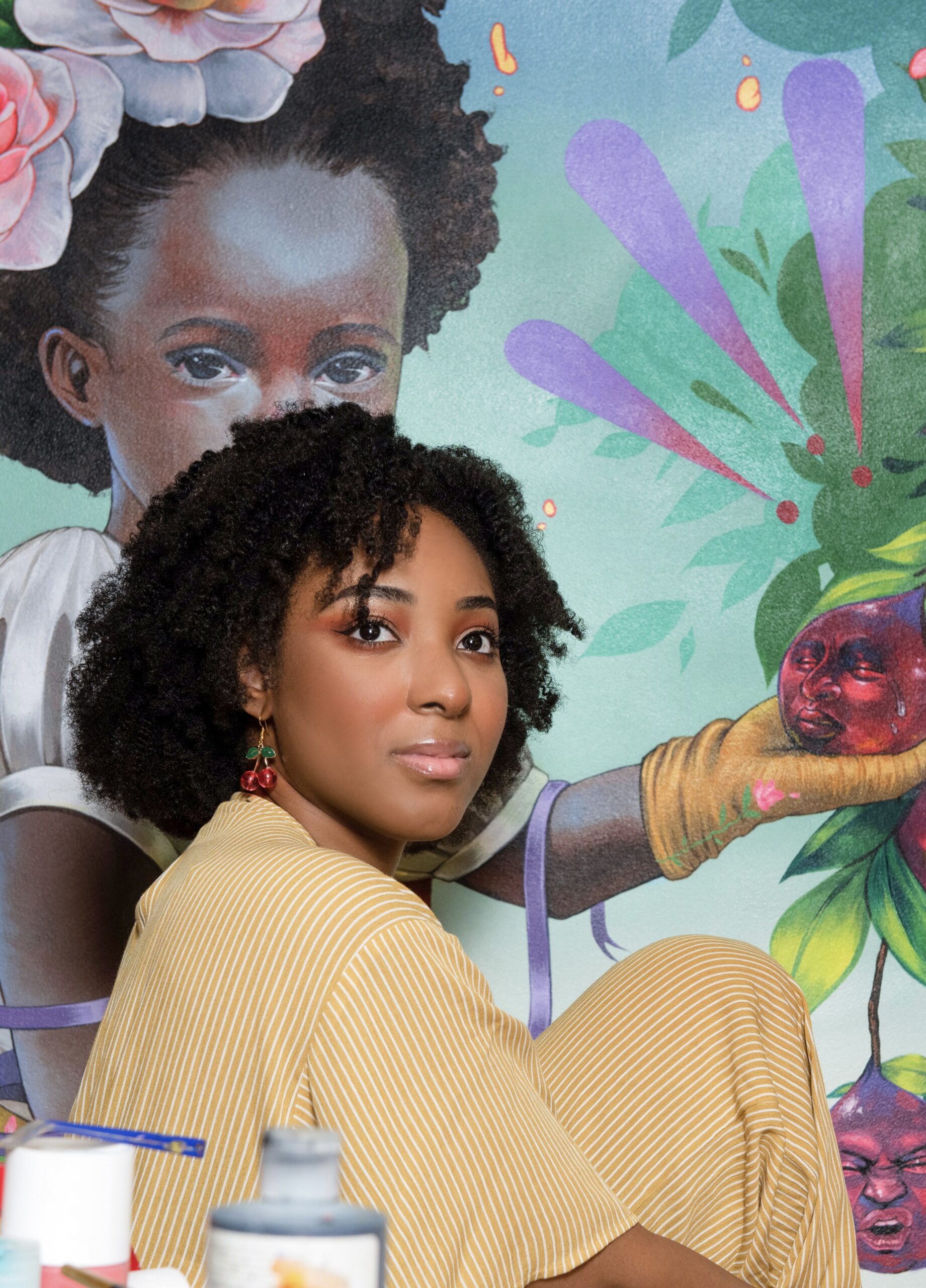
In this Arts to Hearts Project interview, we sit down with Chicago-born painter Kayla Mahaffey to discuss how her childhood, cartoons, and community influence the way she tells stories through her art. Kayla shares how growing up on the South Side gave her a strong sense of connection and how that foundation continues to guide the work she creates today.
We learn how she blends realism with fantasy, how she gently weaves big themes like identity and social issues into her colourful scenes, and why it’s essential to protect your voice, whether you’re working on a mural, a gallery piece, or a brand collaboration. This conversation offers a closer look at how Kayla transforms memories and everyday life into layered, thoughtful paintings that resonate with both children and adults alike.
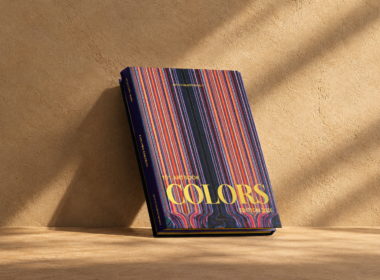
Kayla Mahaffey is a featured artist in our book, “100 Emerging Artists 2025” You can explore her journey and the stories of other artists by purchasing the book here:
https://shop.artstoheartsproject.com/products/the-creative-process-book

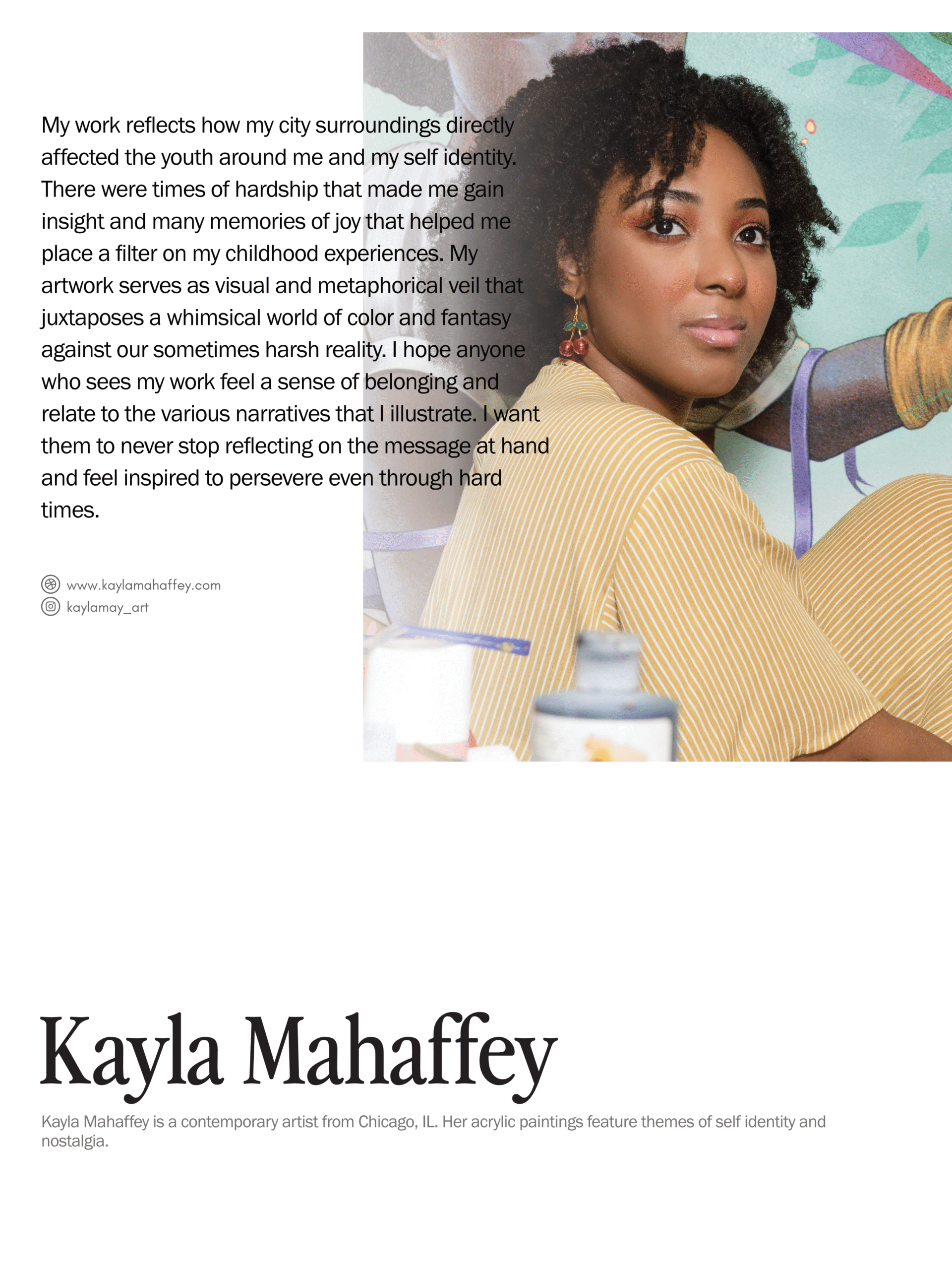
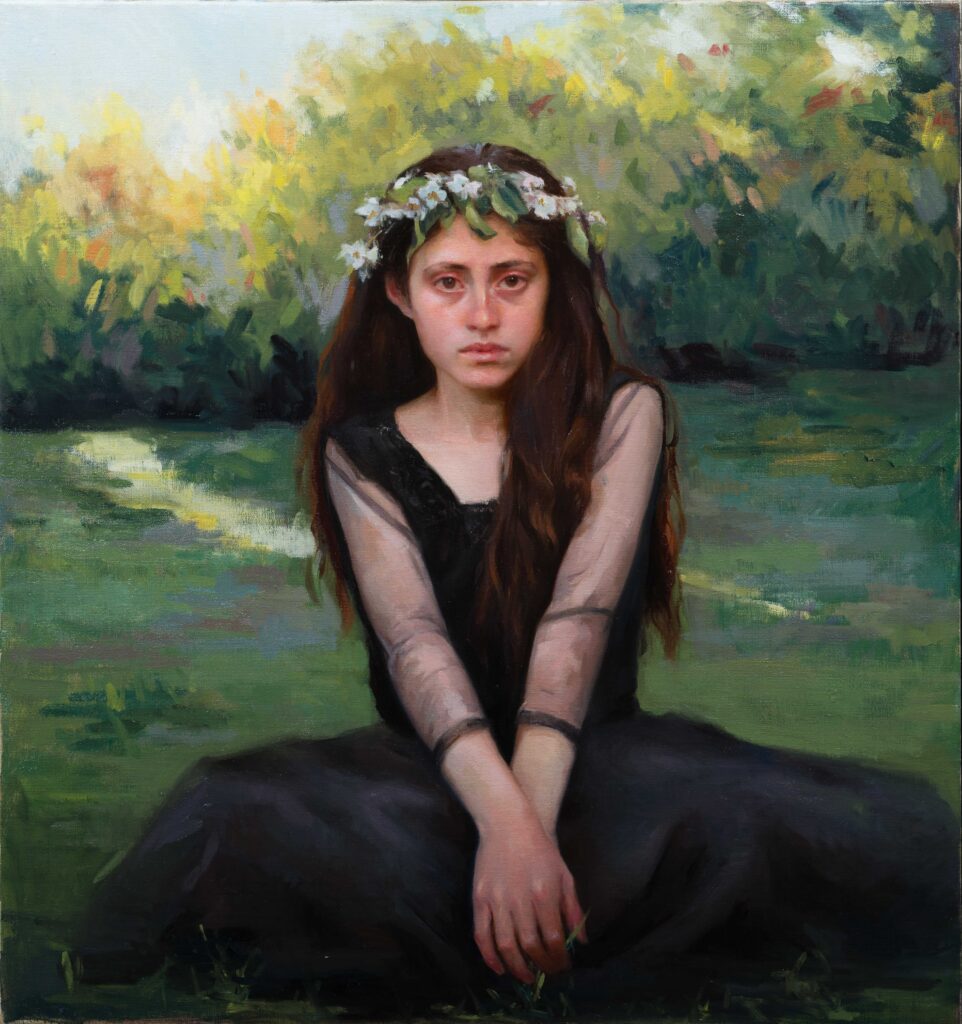
Born in 1994 on Chicago’s South Side, Kayla Mahaffey grew up learning to appreciate the charm and soul of her city. The world around her demonstrated how beauty can coexist with the grittiness of our society, and how the line between fantasy and reality blurs from time to time. While attending the American Academy of Art, she honed her skills and learned fundamental techniques, ultimately discovering her style. Her method was created by occasionally drawing inspiration from cartoons and literature, juxtaposing them against rendered figures and detailed elements.
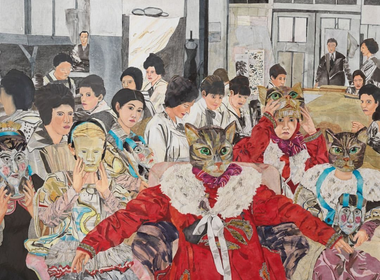
Her colourful acrylic artwork paints a picture of a perfect wonderland that puts a veil on the real world, which can sometimes be harsh. She wants to keep exploring new ideas of self-identity and how we are all shaped by our childhood, environment, and various adversities. She’s interested in experimenting with new techniques and introducing new mediums and concepts that will only broaden her horizons and strengthen her unique narrative of self-discovery, nostalgia, and communal topics that sometimes go unheard.
1. Growing up on Chicago’s Southside, how has the city shaped the way you see and create?
Growing up on the South Side of Chicago allowed me to be a child and participate in some joyous experiences. Chicago can get a bad rap at times, but even with its faults, and being raised in the 90s and 2000s, things were different. A more defiant energy was present, along with a strong sense of community, which is becoming increasingly rare in today’s climate. I had a delightful childhood surrounded by family and friends, and I took many lessons and positive memories with me, but I was oblivious to the lurking darkness. Since everyone knew each other in the neighbourhood, I always felt like I belonged, and I felt protected.
All the children went to the nearby school, and the parents of each household looked out for my safety and that of my peers. To me, everything was normal, but as I grew and began to develop awareness, I gained a sense of empathy, pride, and resilience for my city and the people who live here. My city taught me to be sensible, and I humbly draw on the nostalgia of my past to create paintings that display a child’s many stories and tribulations, and visualise the innocent sight of a child. The naive, whimsical, and colourful spirit that cloaks our reality and can sometimes shield us from harm.
I use my colorful palette and cutesy imagery to place a veil over these issues because, for the most part, we are sometimes oblivious to how bad some things are or even complacent.
Kayla Mahaffey
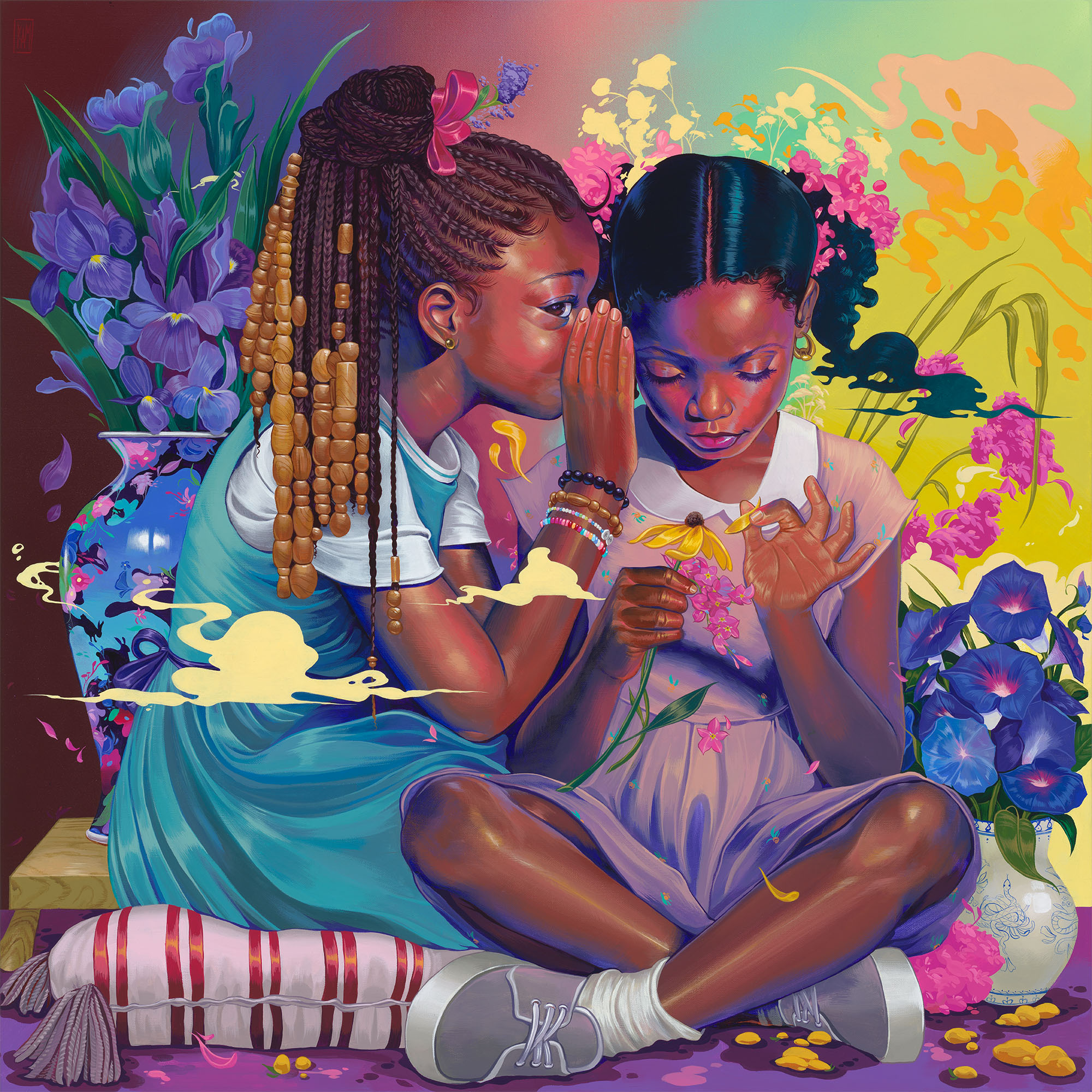
2. Your work blends whimsy with realism—how do you decide which parts of a story to exaggerate and which to keep grounded?
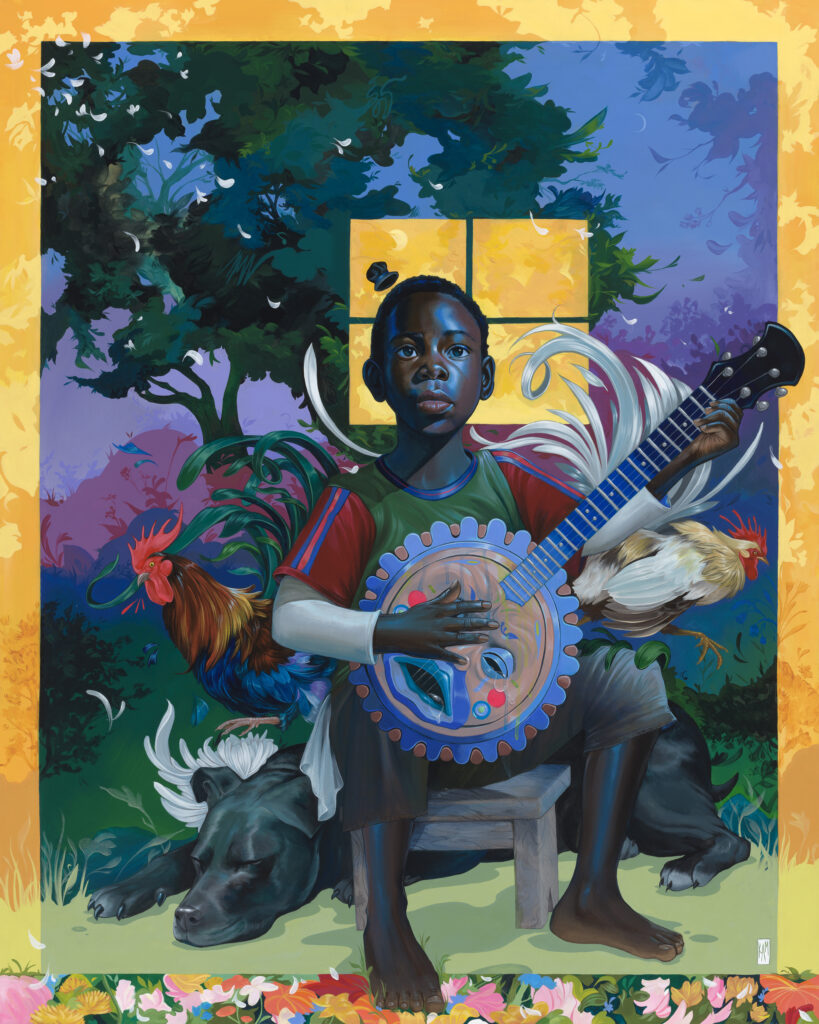
I like to make certain elements the main focal point in each piece, so I make the figures of the children realistic, as they are the main characters in the composition. If I want another component to stand out, I also render those. The backgrounds are usually the more whimsical and more colourful part of each piece, and I want the character to be as if they’ve been thrown into a wonderland. They’re based on reality and represent humanity, trials and tribulations, and existence, while the fantasy elements represent wonder, innocence, and creativity. To ensure the rendered figure feels like it’s coexisting in that world, I mesh the foreground colours with the background hues. Those colours bounce off the more realistic elements to give the piece a more uniform appearance.
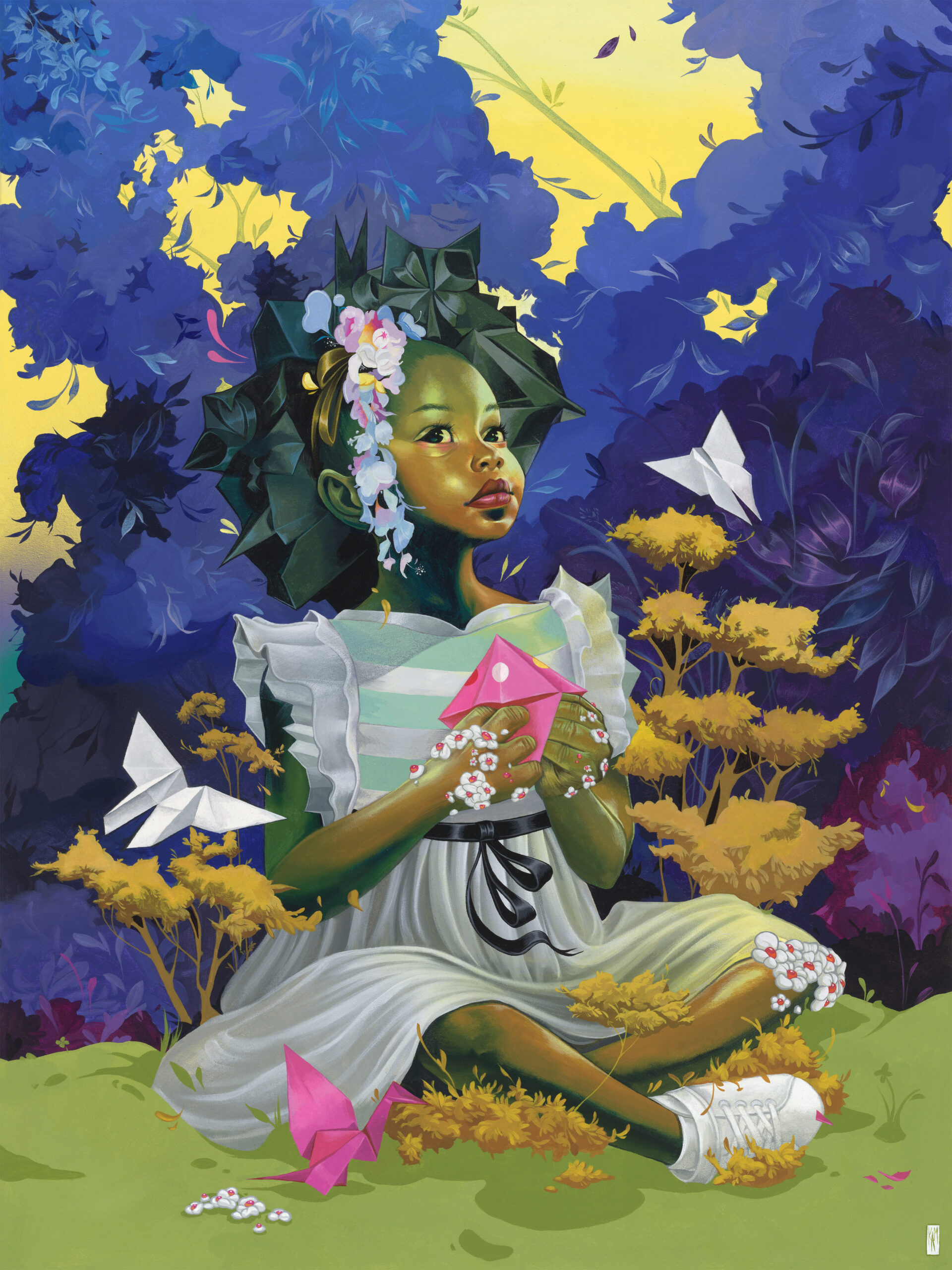
3. Media and pop culture often show up in your paintings—what draws you to those influences?
I utilise many of those elements as a memory bank, paying homage to my interests or as a source of comfort when a particular feeling or memory resurfaces. When I was young, I read extensively and consumed a vast amount of fantasy and science fiction media. Media was used as a form of escapism, and I also always catch up on the new cartoon episode releases on Friday. Those were some of my favourite times, and I like to treasure those moments occasionally by placing them into my artwork.
Essentially, I cover them up—not completely, but just enough so that you see a pretty picture, but if you keep looking, you start to see clues of a deeper meaning. I use my colourful palette and cutesy imagery to place a veil over these issues because, for the most part, we are sometimes oblivious to how bad some things are or even complacent. I use children as a metaphor for naivety and an unbiased outlook on life, which can sometimes cause you to glamorise your reality or use wonder or escapism to protect your peace or your inner child.
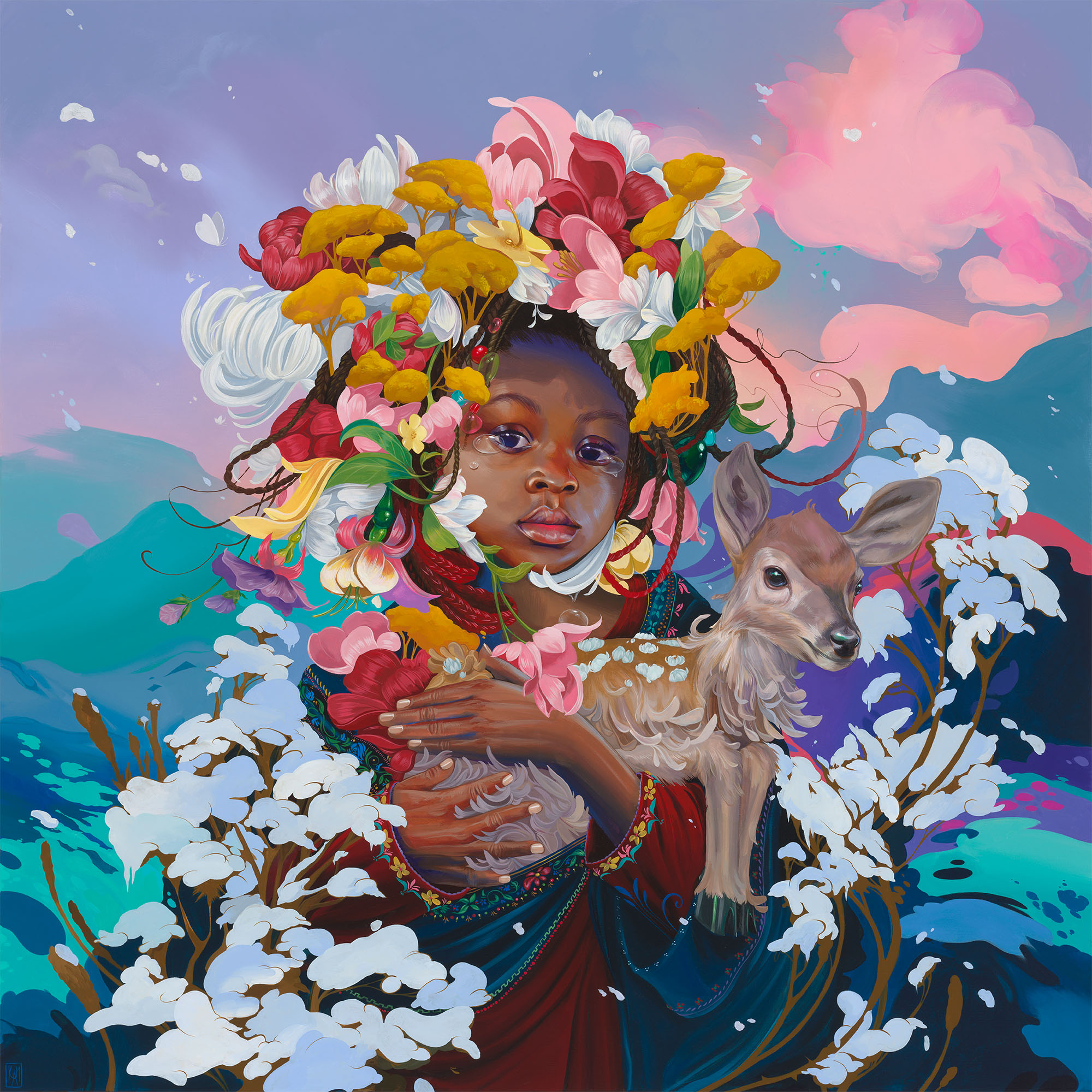
When I create an image, I want the community to feel a sense of pride and inspiration, which is entirely different from my exhibition art, which is a more intimate process.
Kayla Mahaffey
5. You’ve worked with brands like EA Games and Starbucks—how do you keep your voice clear in commercial collaborations?
When working with different brands, I try to ensure my imagery doesn’t disappear entirely, but some projects are more complex to navigate than others. Usually, when a brand introduces a project to me, they are a fan of my work and want my visual expertise. However, if revisions are required or if the illustration has to go through various stages and executives, sometimes my image doesn’t feel like my work anymore. The best way I approach it is by advocating for myself and my craft, explaining my choices thoroughly, and occasionally compromising on certain elements.
The only other options are to withdraw gracefully from the collaboration or to proceed with the project to receive compensation. As artists, sometimes it all just depends on our situation or what we can handle or put up with. I’ve tried all these options and had my fair share of experiences, but I want artists to ensure they choose what best serves them and always protect their art, never letting anyone disrespect it.
6. From murals to museum shows, your work spans many formats—how does the setting change what you want to say with a piece?
Most of my pieces in exhibitions take on a more personal perspective, exploring complex themes. I usually have more time to create these pieces, allowing me to focus on what I want to portray and make choices that evolve, including the colour scheme or even the message. When painting murals, since they are usually public art, there are many stages the art has to go through, and everyone must approve of it, so you have to take everyone’s thoughts and feelings into consideration.
Murals typically have to be completed within a specific timeframe, which can sometimes make the process feel rushed. Additionally, when you’re commissioned for a mural, a concept typically needs to be fulfilled, and the themes usually revolve around social issues or community engagement. When I create an image, I want the community to feel a sense of pride and inspiration, which is entirely different from the more intimate process of my exhibition art.

Kayla Mahaffey’s artwork tells stories about growing up, finding wonder in everyday life, and holding onto the parts of childhood that shape who we become. Through her blend of fantasy and realism, she invites us to look more closely, not just at her paintings, but at the world around us.
Her work shows us how colour and play can soften harsh truths, and how memories can become a means of connecting with others. From the streets of Chicago to gallery walls and brand projects, Kayla’s journey is a reminder that our stories—no matter how small—deserve to be seen and shared.
To learn more about Kayla, click the following links to visit her profile.
Arts to Hearts Project is a global media, publishing, and education company for
Artists & Creatives: An international audience will see your work of art, patrons, collectors, gallerists, and fellow artists: access exclusive publishing opportunities and over 1,000 resources to grow your career and connect with like-minded creatives worldwide. Click here to learn about our open calls.