

The Quiet Stories Hidden in the Places We Live | Annique IJmker


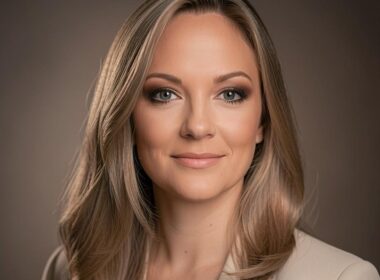
For this edition of the Arts to Hearts Project, we sat down with Annique IJmker, an artist who combines psychology, history, and everyday life to create thought-provoking visual work. In this interview, Annique shares how her creative process often starts with a question and grows through conversations with others.
She discusses how her paintings are influenced by the spaces people inhabit and the stories those spaces convey. We learn how she balances serious themes with humour, why collaboration adds warmth to her work, and what it really means to create a portrait of a place. Her approach invites us to pause, ask questions, and look at familiar spaces with new eyes.
Annique IJmker is a featured artist in our book, “100 Emerging Artists 2025” You can explore her journey and the stories of other artists by purchasing the book here:
https://shop.artstoheartsproject.com/products/the-creative-process-book


As an artist, I am interested in exploring social issues and everyday life by capturing different perspectives and creating a collective image of the space. The most important thing for me is to create it together with you. Through interviews and associations, I aim to capture the atmosphere or desired mood beautifully. I do this by making paintings and other visual works. With a fascination for psychology, history, and culture, I bring our vision of the space to life. In my work, I want to approach these topics with a blend of seriousness and a touch of humour. My goal is to inspire self-awareness through my work. I invite viewers to think critically about their relationship with their environment. With my work, I create a portrait of the space.
1. You often involve others in your process—what do those conversations or interviews bring to your work that solo creation doesn’t?
In Dutch, we have a word: gezelligheid. That doesn’t have a direct translation. It describes a feeling of warmth, comfort, and ease, often experienced in the presence of good company. That atmosphere is precisely what I aim for when involving others in my creative process. When people feel at ease, they open up. You get to truly understand their experiences, insights, and perspective on the world. Those conversations often reveal unexpected perspectives or deeply personal stories that I could never arrive at on my own. It’s in those moments of connection that the richest inspiration often emerges.
That atmosphere is exactly what I aim for when involving others in my creative process.
Annique IJmker

2. You describe your work as a ‘portrait of the space’—what does that mean to you, and how do you know when it’s complete?
When I call my work a ‘portrait of the space,’ I’m capturing more than just how a place looks. I’m trying to reflect its atmosphere, its emotional essence, or even its potential. Especially in personal spaces like homes, I ask not just what the space says about someone, but also: what would you like to happen here? What could this place become? A painting feels complete when it holds that spirit, whether real or imagined, on the canvas.
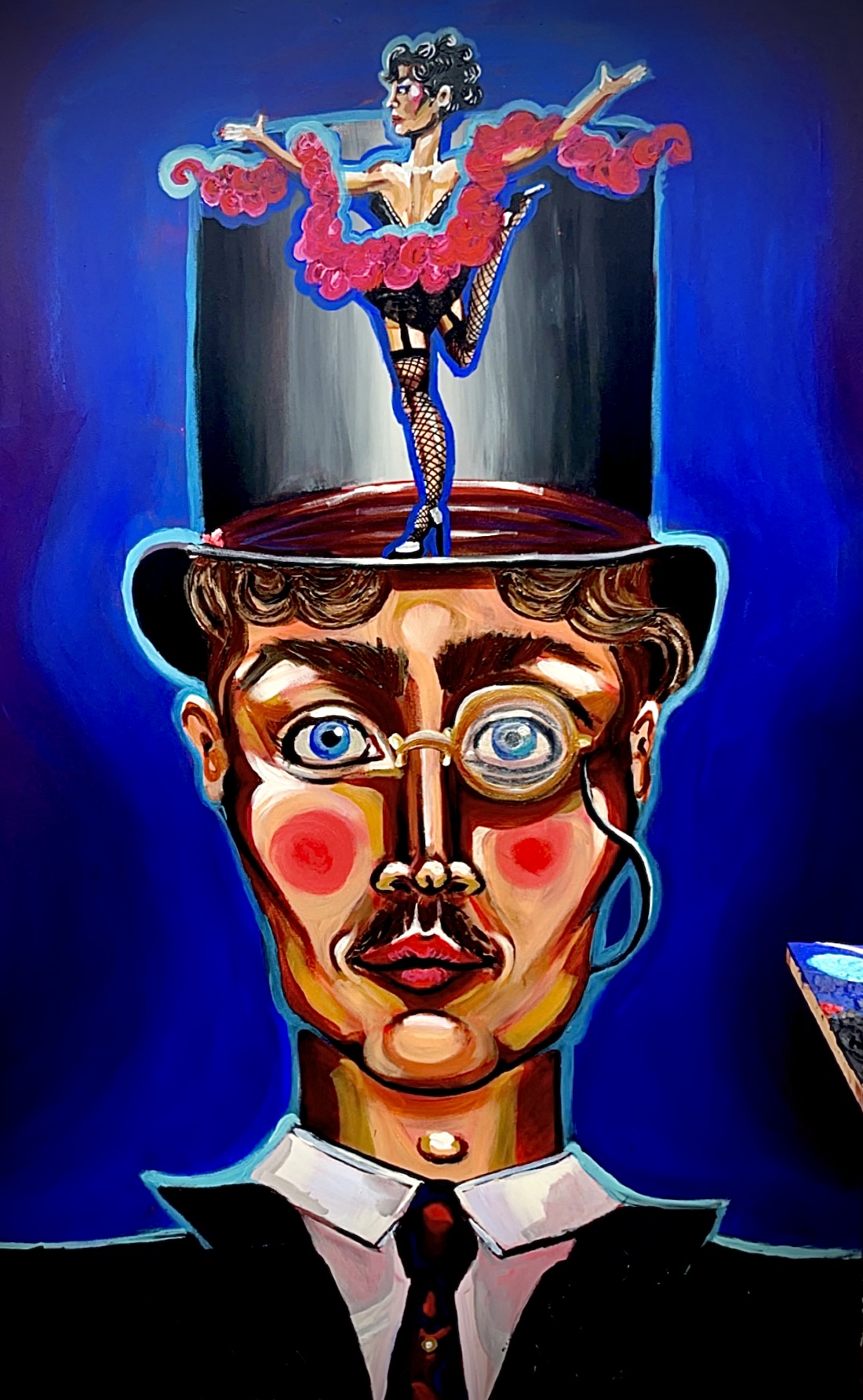
3. Psychology, history, and culture all feed into your practice—how do you balance those layers when starting a new piece?
I usually start with a question, sometimes it comes from my curiosity, other times from a client. It almost always ties into psychology, history, or culture. From there, I explore different perspectives, asking what the subject might mean to someone on a personal, emotional level. When I approach a new theme, I try to get a feel for it; I put on my researcher’s hat and dig into its layers before translating those insights into a visual form. That balance between intellectual exploration and emotional resonance is where the work begins to take shape.
4. There’s a mix of seriousness and humour in your work—how do you decide when to lean into either?
For me, it depends on whether it feels appropriate. I believe it’s important to find light within heavy subjects. Humour can open up space to process and better understand complex themes. It’s not about making light of something serious, but offering a different perspective that can reveal more profound truths. I let the subject guide the tone, and sometimes it’s humour that allows people to connect more honestly with the work.

I want people to look at the painting, then at the world around them, and ask: What am I seeing? What am I assuming? How do others experience this differently?
Annique IJmker
5. What have you learned about people’s relationships to their environments through the collaborative nature of your projects?
I’ve learned how deeply people are shaped by their environments—often without even realising it. We’re creatures of habit, guided by daily rituals that quietly structure our lives. These patterns reveal a great deal about who we are, what we value, and how we find comfort or meaning in the spaces we inhabit. Working closely with others has shown me how personal and powerful those small, repeated actions can be.

6. What kind of questions do you hope viewers ask themselves when they see your work?
I hope my work encourages viewers to question their perspective. In a world where we’re constantly searching for certainty, I think it’s valuable to pause and reflect instead. I want people to look at the painting, then at the world around them, and ask: What am I seeing? What am I assuming? How do others experience this differently? That kind of curiosity can create space for a deeper understanding and connection.
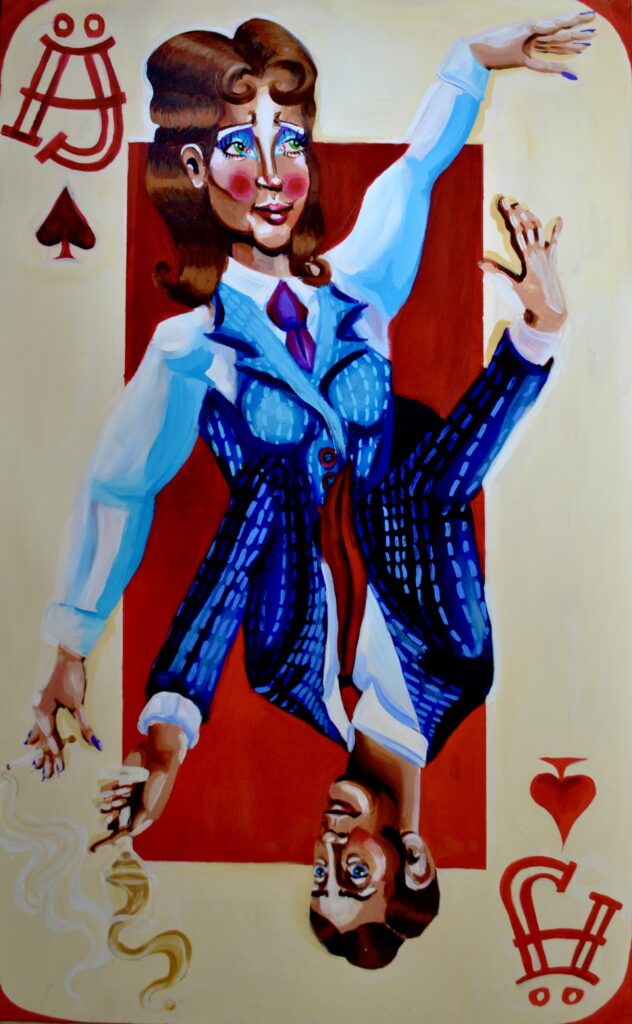
Annique IJmker’s work demonstrates that art can emerge from shared moments, thoughtful questions, and the subtle details of everyday life. Her paintings transcend the appearance of a space—they speak to what it feels like, what it means to the people who inhabit it, and what it could become.
Through her process of collaboration and curiosity, we’ve learned that the spaces we move through every day hold more stories than we often notice. Her journey reminds us to slow down, listen closely, and stay open to seeing things from a different angle.
To learn more about Annique, click the following links to visit her profile.
Arts to Hearts Project is a global media, publishing, and education company for
Artists & Creatives: An international audience will see your work of art, patrons, collectors, gallerists, and fellow artists: access exclusive publishing opportunities and over 1,000 resources to grow your career and connect with like-minded creatives worldwide. Click here to learn about our open calls.