
Briheda Haylock on Creativity, Courage, and Purpose

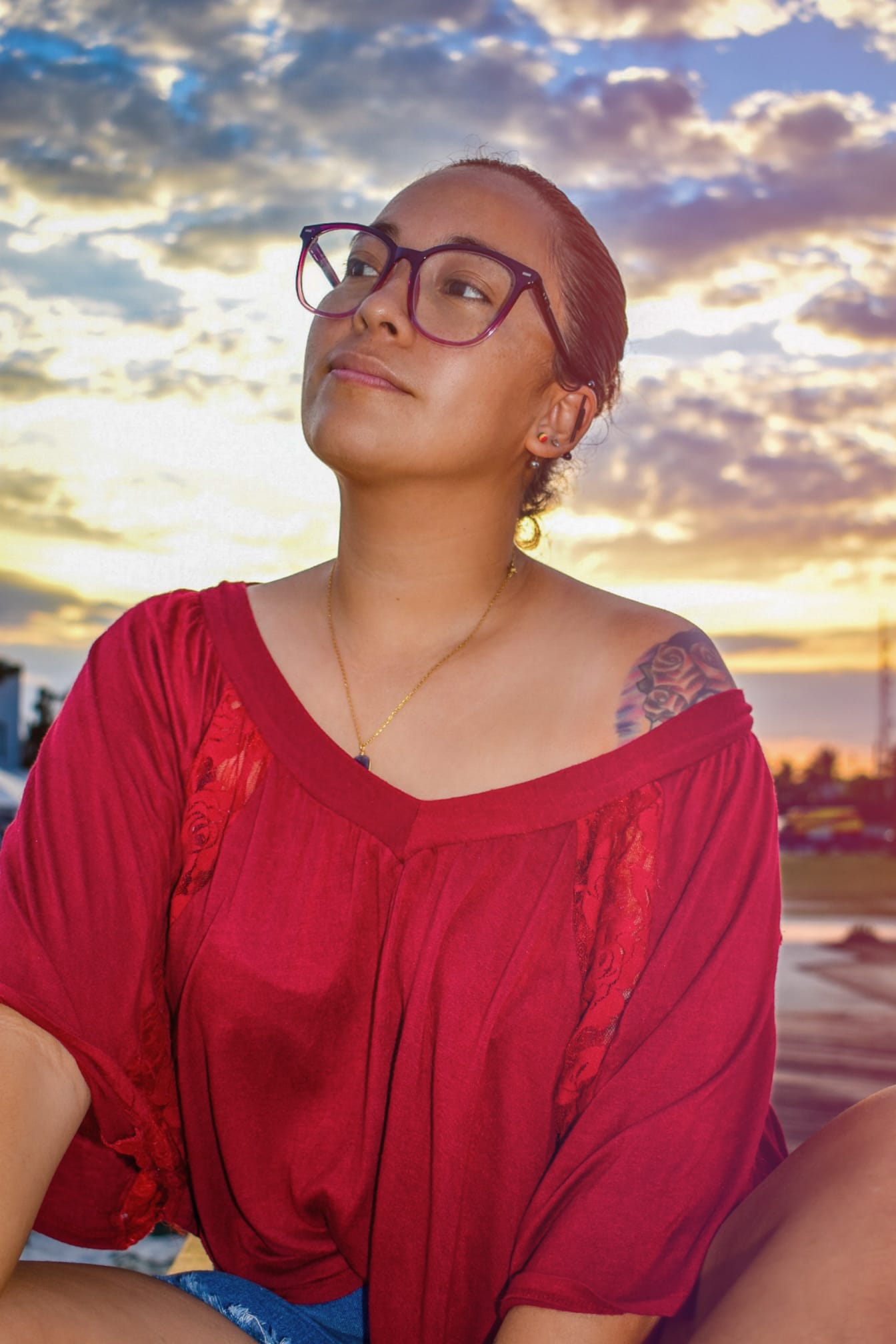
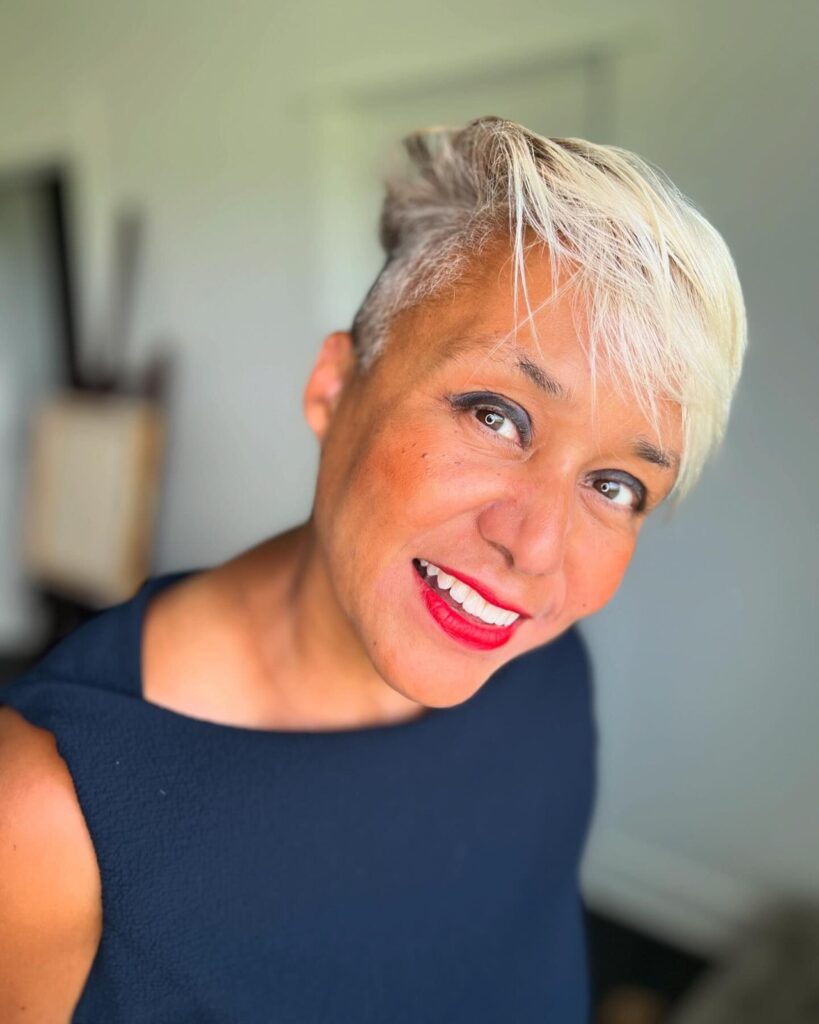
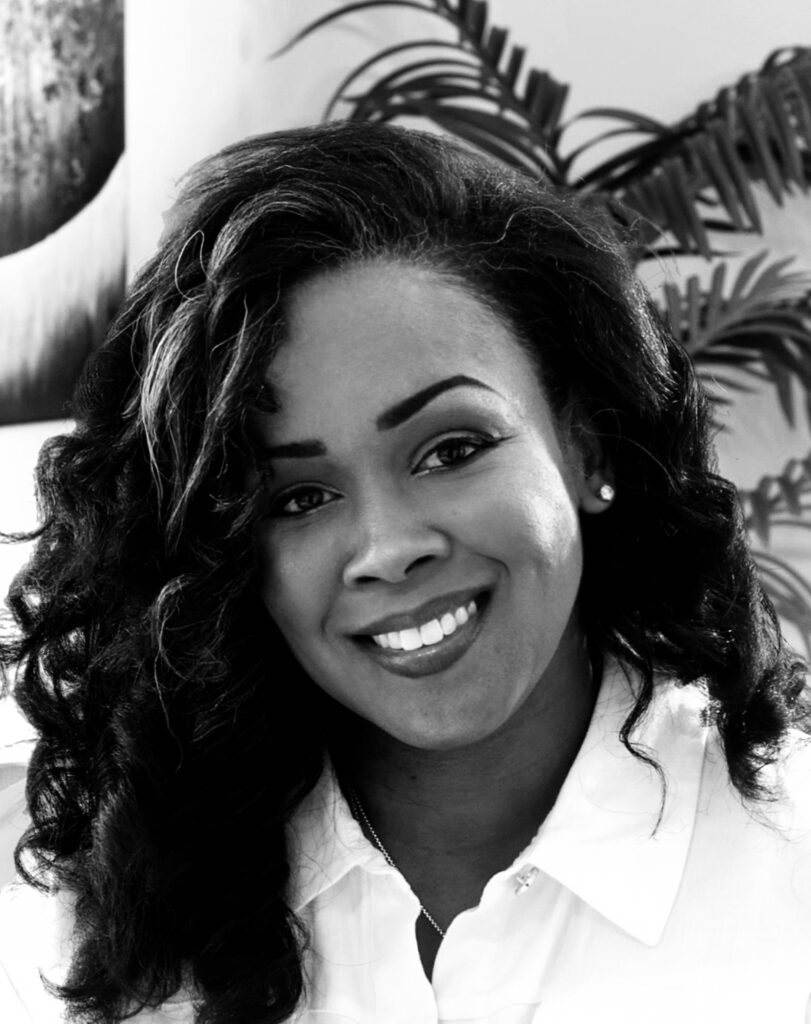
In this interview for the Arts to Hearts Project, we sit down with Belizean artist and poet Briheda Haylock, whose work is rooted in activism, healing, and bold self-expression. Known for pushing boundaries through both visual art and spoken word, Haylock opens up about their journey, from their striking 2012 debut Society Killed the Teenager to becoming a powerful voice for marginalised communities, especially women and the LGBTQIA+ community.
Through this conversation, Haylock shares how art helped them understand their identity, confront trauma, and create a healing space for others. We learn about their influences, the evolution of their creative process, and what it means to stay grounded in their Belizean roots while making waves internationally. This interview is a heartfelt look into how one artist uses creativity to express and transform.
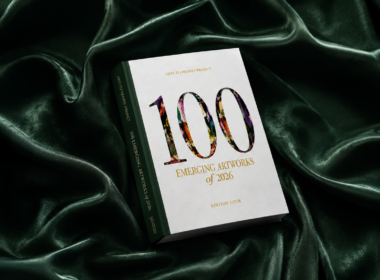
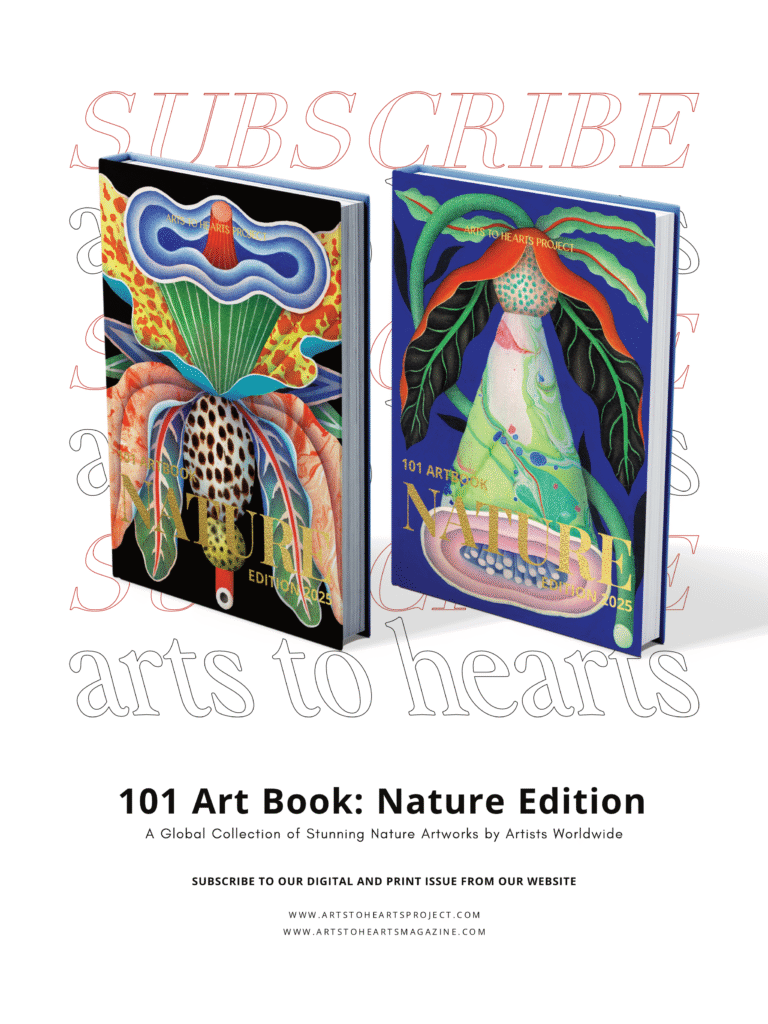
Briheda Haylock is a featured artist in our book, “101 ArtBook – Nature Edition” You can explore her journey and the stories of other artists by purchasing the book here:
https://shop.artstoheartsproject.com/products/the-creative-process-book
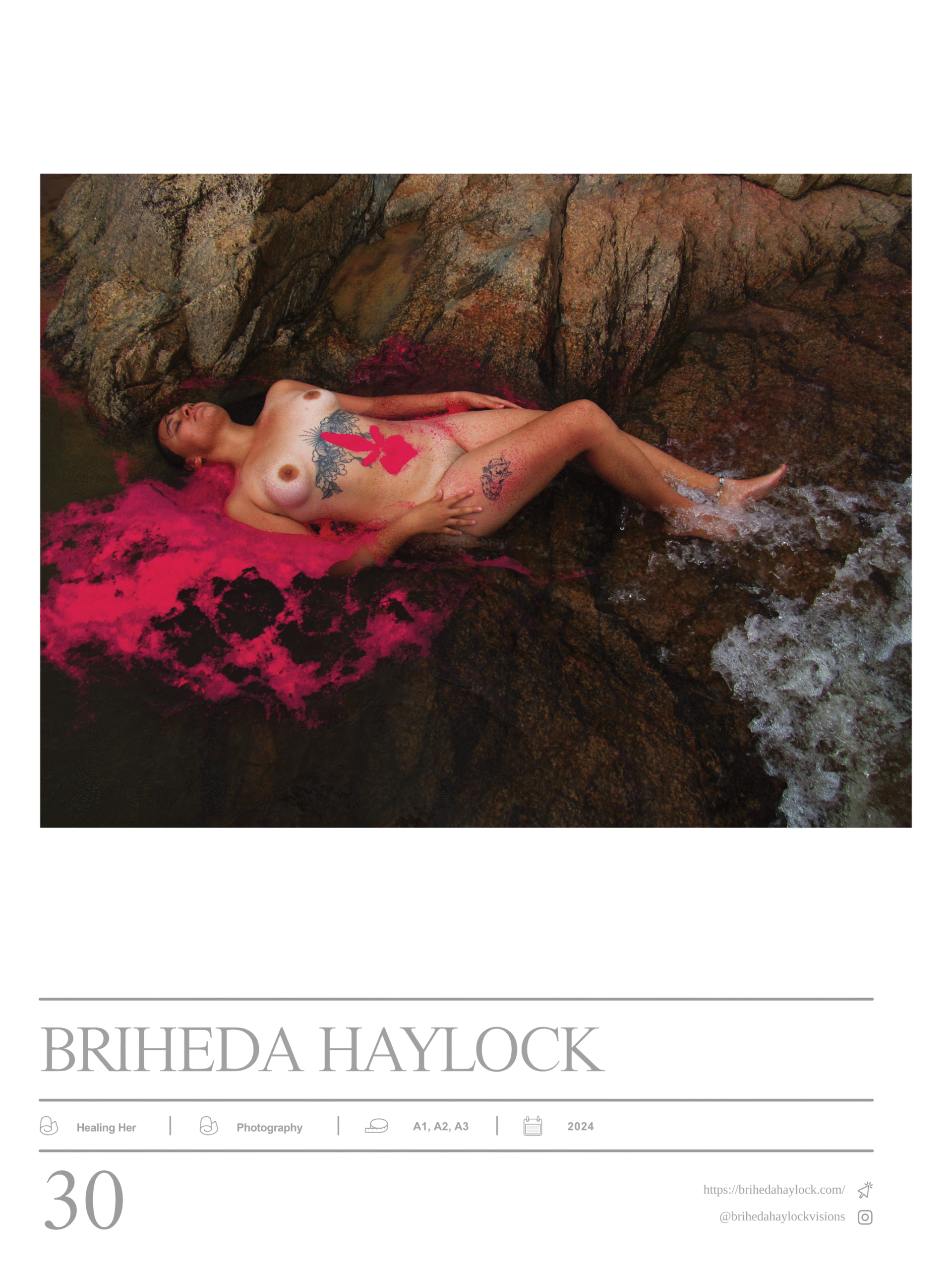
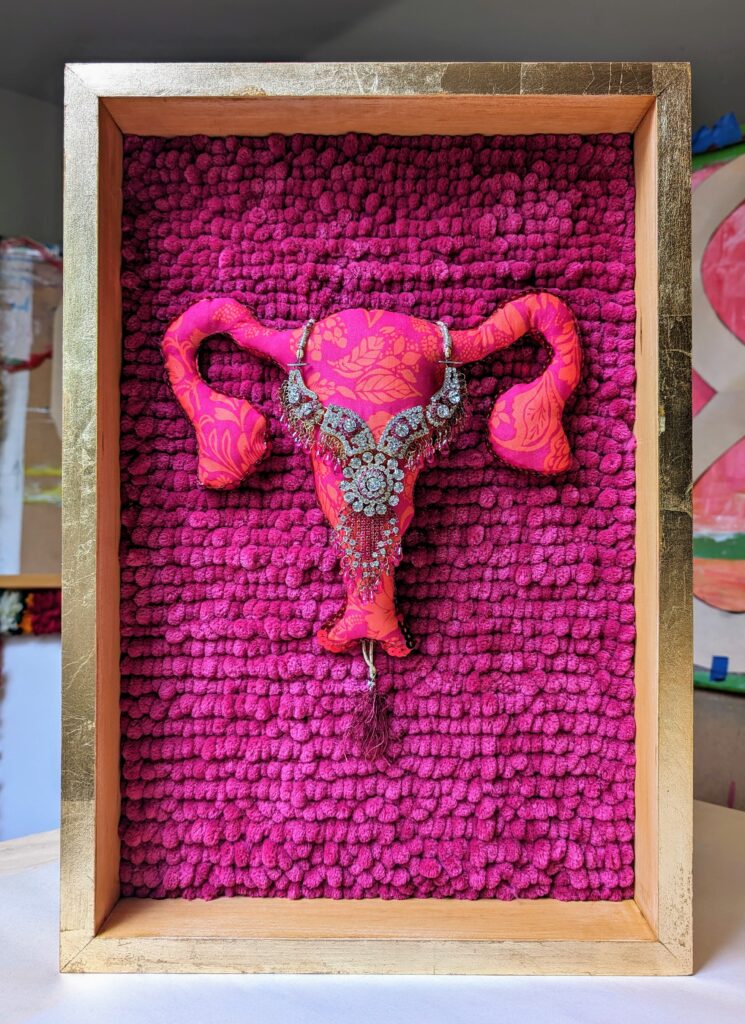
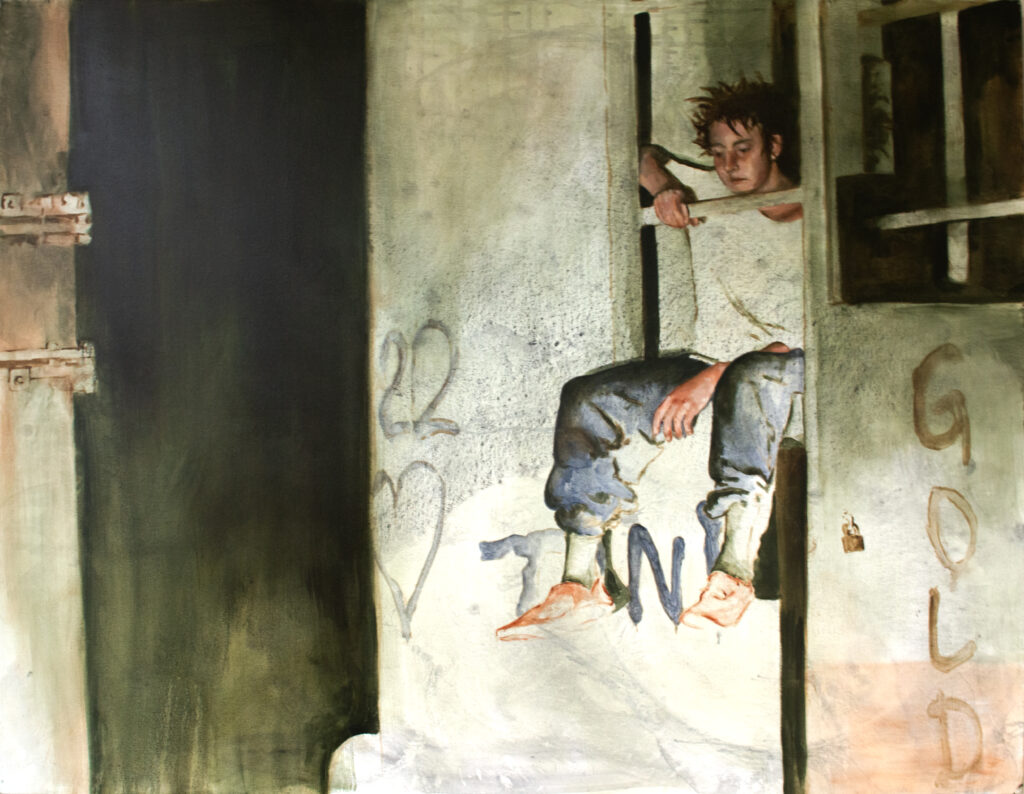
Briheda Haylock is a Belizean artist who made their trailblazing entrance into the visual arts community in 2012 with the art exhibition *Society Killed the Teenager*, challenging societal social oppression and individualism. Haylock developed their voice in the community as bold, provocative, and controversial, with a healing psychological twist that examines individualism, gender-based violence, and advocates for the LGBTQIA+ community. Since Haylock’s debut, they have been sought out by their community to create and curate social educational art shows for NGO’s such as the Special Envoy for Children and Women and the United Belize Advocacy Movement (UNIBAM).
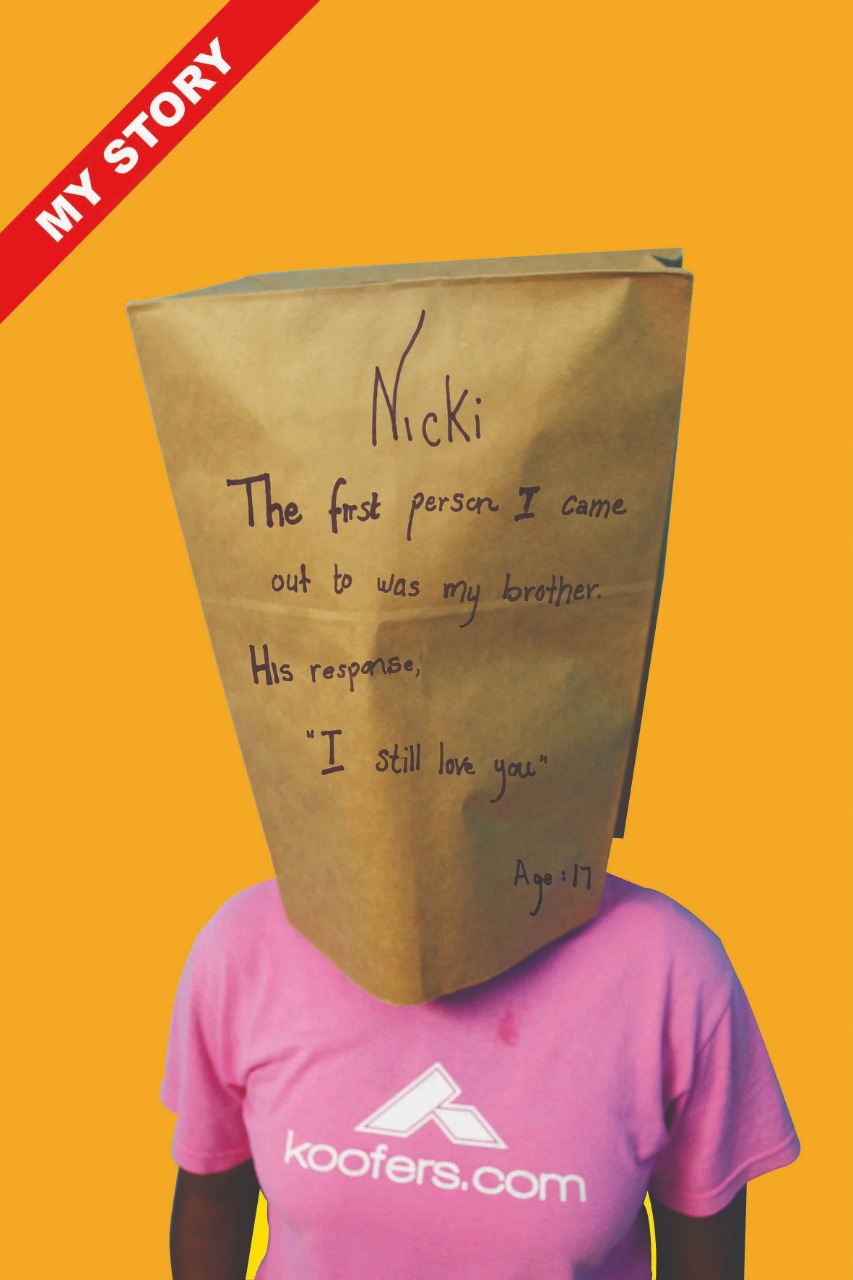
Milestone (2014) highlighted the prolific women in Belize. My Story contributed to the humanisation of the LGBTQIA+ community with the show My Story (2015). *Latched: A Community That Supports Breastfeeding (2022) was a collaborative effort with Belize’s advanced lactation consultant, Penelope Casassola, to educate the community about the importance of support and the fathers’ roles in breastfeeding. This project was supported by the National Institute of Creative Arts and History (NICH), the Institute of Creative Arts (ICA), UNICEF, PAHO, and the Ministry of Education, Science, and Technology (MoEST).
1. Your debut show 2012 made waves—what pushed you to challenge social norms through art so early on?
What influenced my confidence to be bold early in my career, challenging social norms? My art appreciation class. I was introduced to art as activism. Specifically, Pablo Picasso’s piece Guernica. How he advocated for Guernica, the reflection of the suffering people were enduring in the Spanish Civil War, and the impact it made. I was excited. I felt like I was on the right path in life. Learning about Frida Kahlo, being fearless about her struggles, embracing her vulnerability, and letting people peek inside her world when the walls were crumbling down. How she stood proud of her queerness, and as a young person trying to understand my own queer identity, I got to see myself through her confidence to live in my truth and not shy away from queer representation. Seeing Jean-Michel Basquiat’s work also helped build confidence in my voice. He used his work to talk about the black experience. It inspired me to talk about the youth experience, the woman experience, the trauma experience, and the healing experience in my work.
We know the phrase ‘hurt people hurt,’ but we practice: ‘healed people heal people.
Briheda Haylock
2. How has your art evolved while still holding space for healing, activism, and community education?
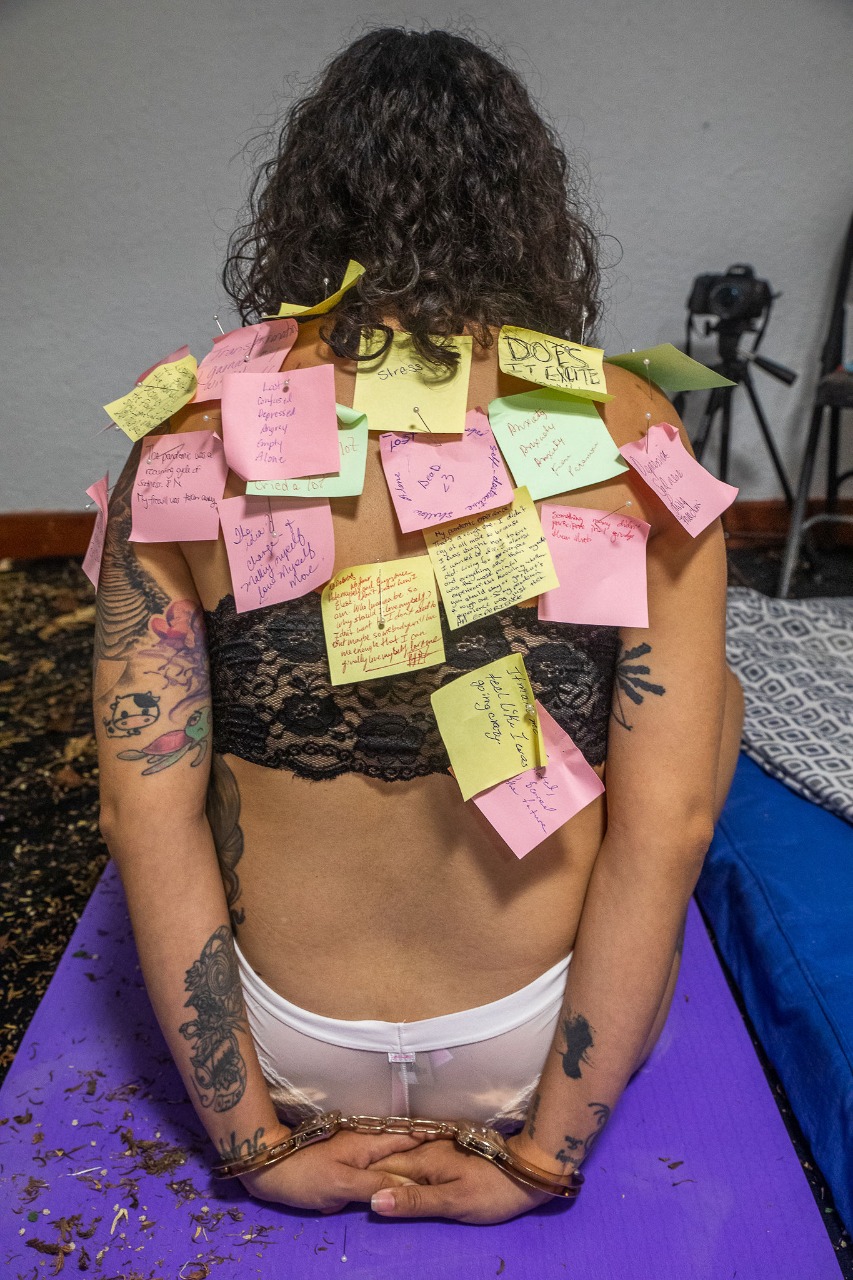
My work is in sync with my evolution as a person. In the first five years, you could say I used art to help me understand and explore my identity and emotions, understand my traumas, and show me what needs to be healed and how to heal myself. I enjoy psychology, so I like to understand the psychological side of human nature. I randomly look into my country’s and other countries’ statistics to create a universal language so that anyone can appreciate the work. I understand that I am not alone regarding my unfortunate experiences, and by the time I’m done with my research and creation, I will have healed something in myself, and I get to share that with my audience.
My work sometimes stands as a mirror, asking society, “What the fuck is wrong with you?” or it reflects an image of similar emotions that provide comfort for those who feel silenced due to oppression and discrimination based on their experiences or where they are in their healing journey. It has grown by including my audience in their interactions with me and creating concepts that help them on their healing journey. We know the phrase “hurt people hurt,” but we practice: “healed people heal people.”
3. Can you share what it meant to you to co-found the Belize Women Art Collective, and how it’s shaped your journey?
The hope for this movement was to create support among each other and generate more opportunities for women and ourselves to be seen in society. It was a more toned-down concept of the Guerrilla Girls. Unfortunately, we have not taken off in the way I hoped, but we support each other however we can. In the early stages, we launched a group show entitled Radical in 2016. There were some personality clashes. What I have learned from trying to create artist groups is that we are all walking with our battles.
Without respect, acceptance, or grace for people’s boundaries, trying to be in a group is not always for you. Working with strangers is a 50/50 chance of synchronicity or collision. The remaining members are lone wolves, energy, and we reunite once in a blue moon, celebrate each other when the time is right, provide support when needed, and enjoy each other’s company. This experience has taught me how to go with the flow. Artists are the nomads of society; you will create strong bonds with some, while others are just passengers passing by. Some are not designed for collaboration, some show who you are not, and some push you to evolve.
Sometimes, you only need temporary experiences with no strings attached and no pressure to help you grow. I walk with the principle that we are developing—trying to uplift women—and I do my best to put women on a pedestal and fight for the visibility of women’s voices. I try to be there for them as best as I can. I share my knowledge without hesitation when someone asks about anything related to their pursuits. I tend to work primarily with women on my projects because that is how we build each other up and normalise our space in this industry.
4. You move fluidly between visual art and poetry—how do these two forms speak to one another in your work?
I create my visual work like you would write a poem. I use my poetry to get inspiration to make some of my visual art or performances. I look at the work I have already done and think about how to elevate it because I see how it creates comfort, discomfort, and thought. My favourite energy exchange when sharing my work is through my performances because I can feel my audience’s reaction and their brains turning. It triggers them to reflect during and after they leave the experience. No matter the form, there are layers to it, and I enjoy creating them. My photography series Midnight Nightmare inspired me to write a poem about sexual assault, then a few years later, I turned it into a performance piece, which brought a lot of comfort to women who experienced sexual assault and healed parts of me, too. Sexual assault is a massive issue in my country that has been normalised as a part of “womanhood.”
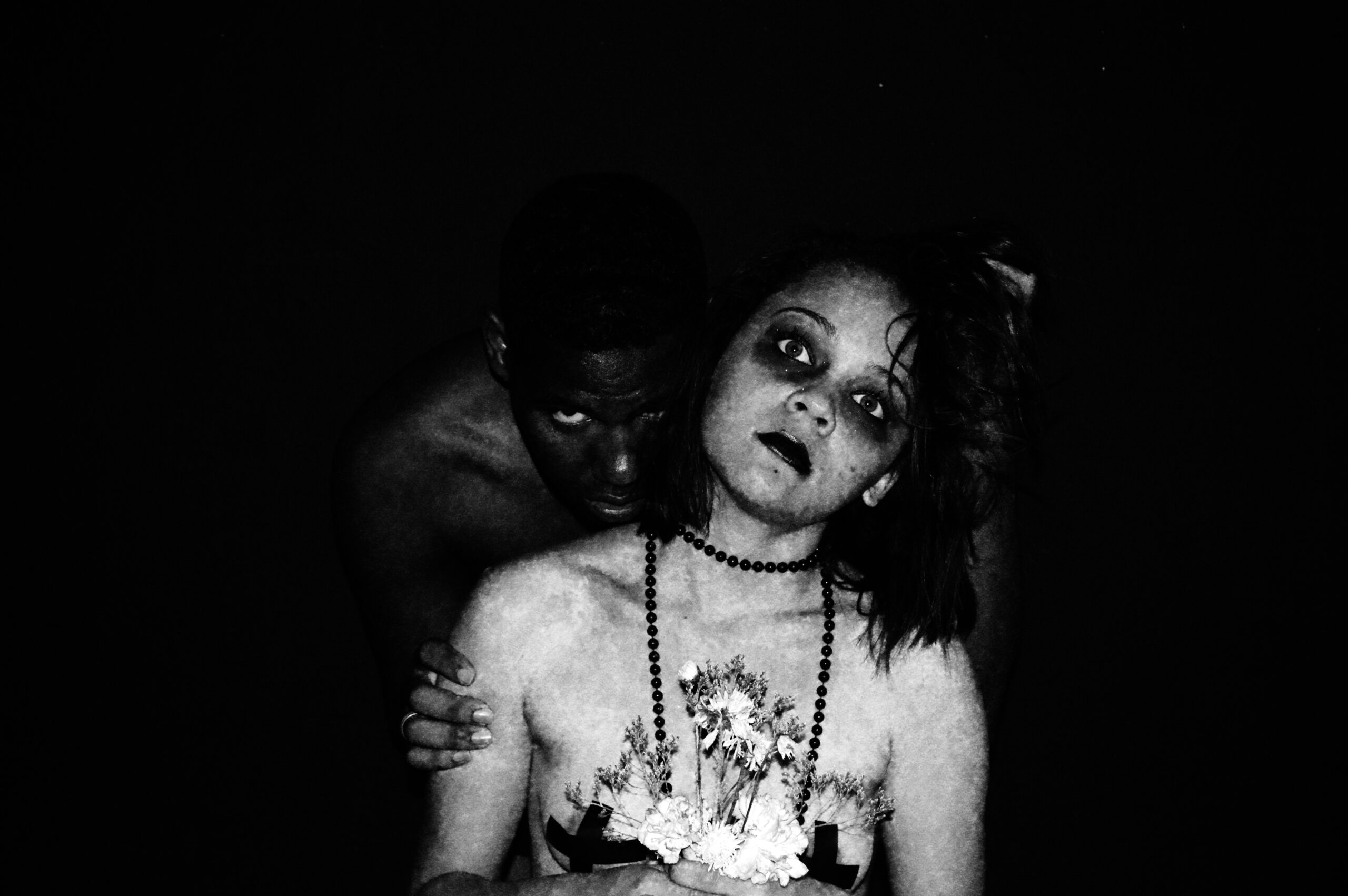
My work sometimes stands as a mirror, asking society, ‘What the fuck is wrong with you?’ or it reflects an image of similar emotions that provide comfort for those who feel silenced.
Briheda Haylock
5. What has been the most powerful reaction or conversation sparked by your work on gender and LGBTQIA+ rights?
The most powerful reaction to my work reflecting the LGBTQIA+ rights is when someone feels seen. I feel like I did my job as the artist, using my skills and creativity to help bring their story to life. Secondly, when I have someone whose perspective comes from a place of ignorance, I finally understand that the LGBTQIA+ community is a community of people who deserve their right to live and have their privacy respected. Someone’s sexual orientation is not an invitation for you to invade their personal space with unnecessary opinions. My work is created from interacting with my community, understanding my society, and my identity journey to help put many voices out there in the most respectful manner, and to uphold their integrity is the best gift I can give my community.
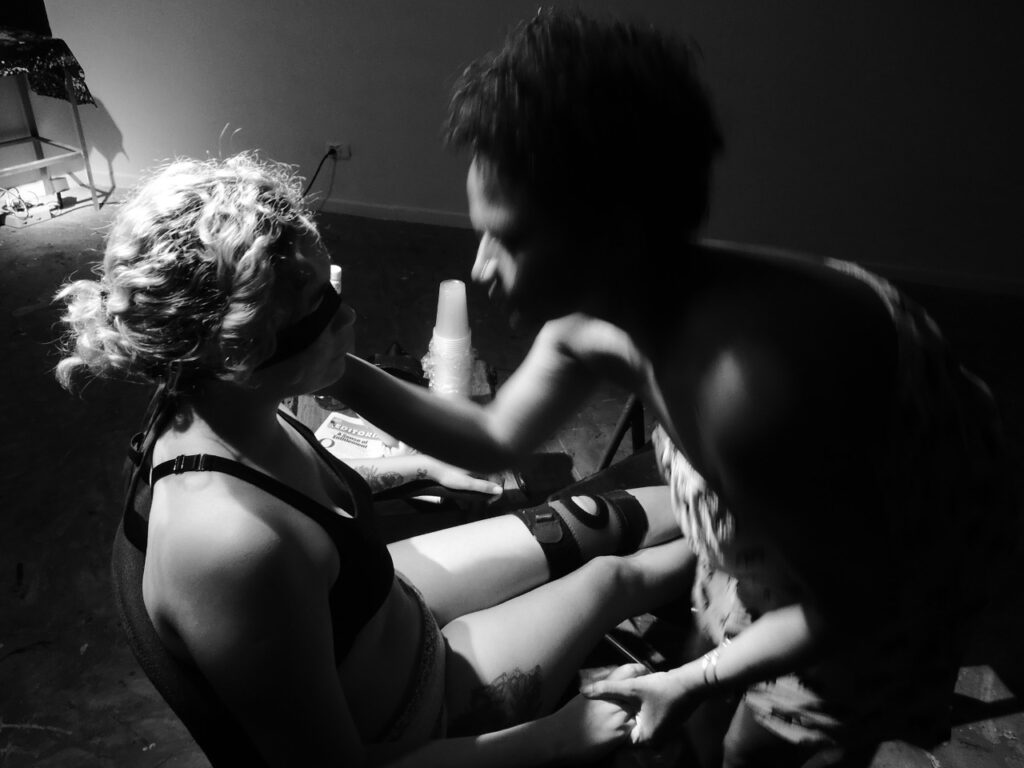
6. As your international presence grows, how do you stay rooted in your Belizean identity and community?
I could never disassociate from my Belizean roots because my work is specifically created to hold a mirror up to my society, to have them question themselves. I make it a point to disturb them as much as they create disruption. I create to heal those who are suffering from violence, oppression, and discrimination because of patriarchal views. I aim to advocate for those voices that are constantly silenced. My work gets noticed because of my Belizean roots. No part of me feels the need to change who I am as a creator because of the international recognition.
I see that in the Latin America Feminist art movements in different regions, they are drawn to my work because it can add to their research and the feminist art community. Sometimes, when someone from the art world visits Belize, I am often sought out because they find my work essential and encourage me to continue looking at women’s issues and the LGBTQIA+ community in Belize. Once a year, I get contacted by a student abroad who is writing their dissertation, asking me questions about my work. It also leaves me in shock when it happens. I am not afraid to come out of my comfort zone when I am called to. I don’t see myself ever losing my roots. I will allow myself the grace to explore outside my roots when inspiration calls to do something different.
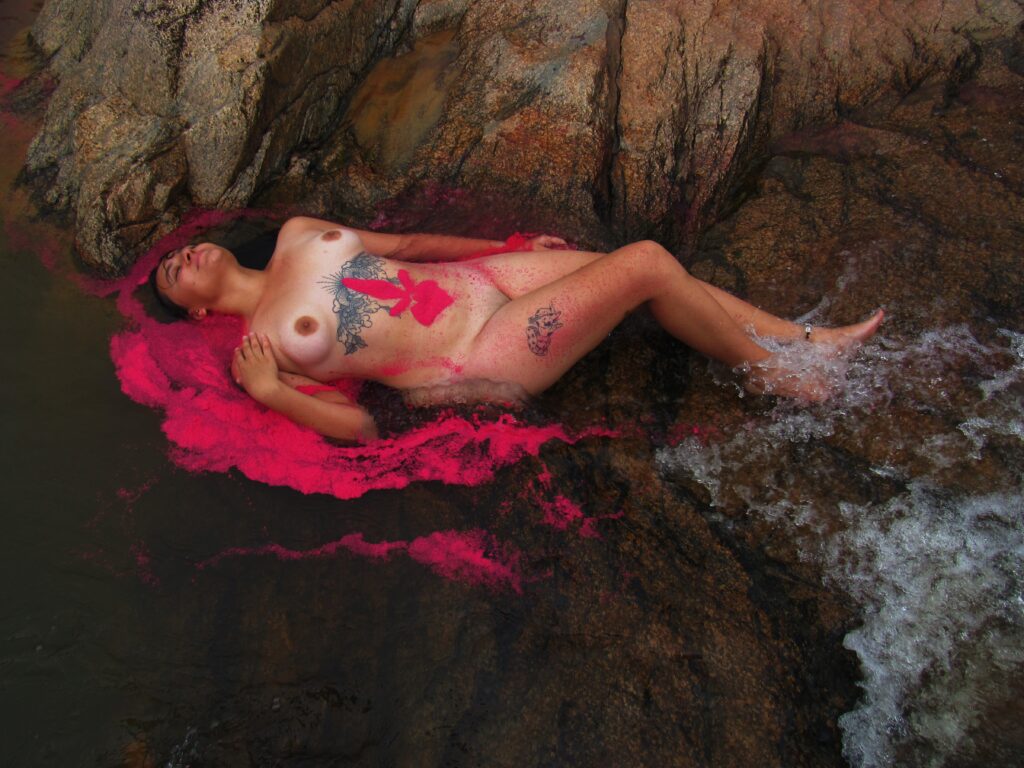
Briheda Haylock’s artwork is a fearless blend of healing, activism, and truth-telling. It reflects the realities of those often silenced, especially women, LGBTQIA+ individuals, and people navigating trauma, and gives them space to be seen, heard, and respected. Her work challenges societal norms, encourages self-reflection, and sparks dialogue around difficult but necessary topics.
This conversation taught us how art can be a personal and collective healing tool. Briheda’s journey shows us that creativity can be a powerful way to speak out, educate, and uplift communities. Her courage to explore identity, embrace vulnerability, and create space for others inspires us to use our voices with intention and heart.
To learn more about Briheda, click the following links to visit her profile.
Arts to Hearts Project is a global media, publishing, and education company for
Artists & Creatives: An international audience will see your work of art, patrons, collectors, gallerists, and fellow artists: access exclusive publishing opportunities and over 1,000 resources to grow your career and connect with like-minded creatives worldwide. Click here to learn about our open calls.