





5 Famous Art Collectors And The Masterpieces They Chose To Keep
What makes someone fall in love with a painting enough to bring it home? Is it the colours, the story behind it, or simply the feeling it leaves long after we’ve looked away?
For some people, collecting art begins with a single work that refuses to leave their mind. For others, it grows out of years of looking, learning, travelling, and discovering artists whose work speaks to them. Over time, individual purchases become something larger: a collection that reflects a person’s interests, relationships, and way of seeing the world.
Some of the most remarkable art collections began with this kind of personal connection. Their collectors followed different paths. Some championed artists who were still finding their footing, while others approached collecting as a form of education or imagined new ways of bringing artworks together.
Their stories offer more than a glimpse into the world of famous paintings. They also remind us that building a meaningful collection begins with curiosity, not necessarily a large budget. Here are five famous art collectors whose journeys offer inspiration and practical lessons for anyone starting their own collection.
1. Peggy Guggenheim: The Courage To Collect What You Believe In
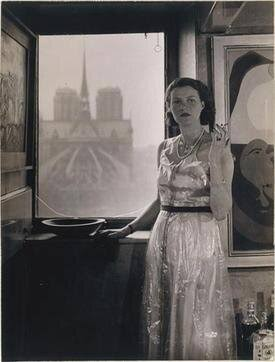
Peggy Guggenheim’s story is inseparable from the artists she believed in. Born into a wealthy New York family in 1898, she became immersed in the avant-garde circles of Europe and developed a passion for modern art that would shape her life.
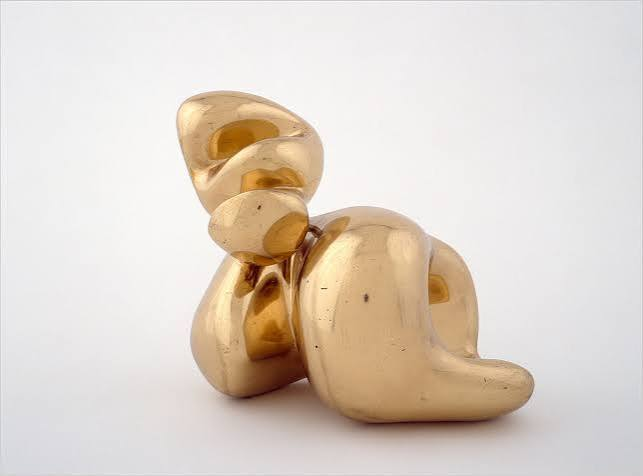
Her collecting journey began with a sculpture by Jean Arp, Head and Shell, which she encountered during a visit to a foundry. That experience helped spark a lifelong interest in acquiring and supporting contemporary artists.
In 1938, Guggenheim opened Guggenheim Jeune, a gallery in London. She later established Art of This Century in New York in 1942, creating a space for experimental art and introducing audiences to emerging talent.
One of her most significant contributions was her support of Jackson Pollock. She gave him his first solo exhibition in 1943 and provided financial support that allowed him to concentrate on painting. Her collection also included important works by European modernists such as Pablo Picasso, Max Ernst, and Piet Mondrian.
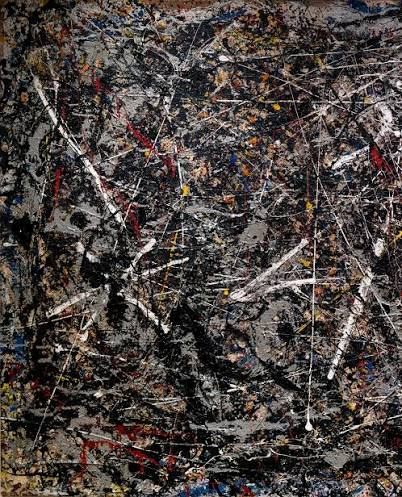
Pollock’s Alchemy (1947), now part of the Peggy Guggenheim Collection in Venice, captures the energetic, experimental approach that made his work so distinctive. Guggenheim understood that collecting could mean believing in artists before they received widespread recognition. Her collection was not simply a record of established names; it reflected her willingness to take chances on new directions in art.
What new collectors can learn: Don’t feel that you have to follow established trends. Explore artists whose work genuinely interests you, learn about their practices, and develop your own perspective. Supporting an emerging artist can be as meaningful as acquiring a work by someone already celebrated.
2. Isabella Stewart Gardner: Building A Collection With A Personal Vision
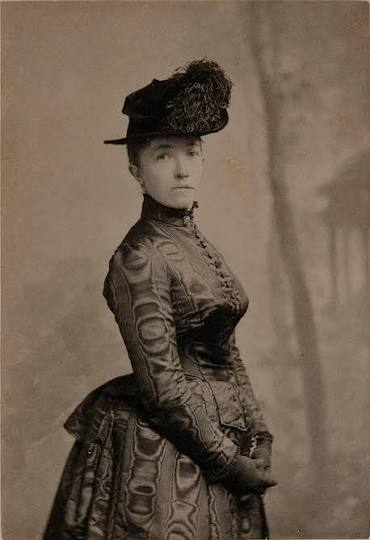
Isabella Stewart Gardner approached collecting as something deeply connected to her life, travels, and interests. Born in New York in 1840, Gardner travelled extensively with her husband, John Lowell Gardner Jr. Their journeys helped expand her knowledge of art and different cultural traditions. Over time, she assembled a collection spanning paintings, sculpture, manuscripts, textiles, and decorative objects.
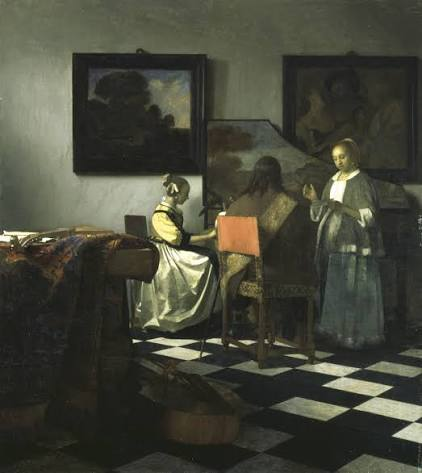
One of her important acquisitions was Johannes Vermeer’s The Concert, purchased at a Paris auction in 1892. The painting depicts figures making music in an elegant interior. Tragically, it was stolen from the Isabella Stewart Gardner Museum in Boston in 1990 and remains missing.
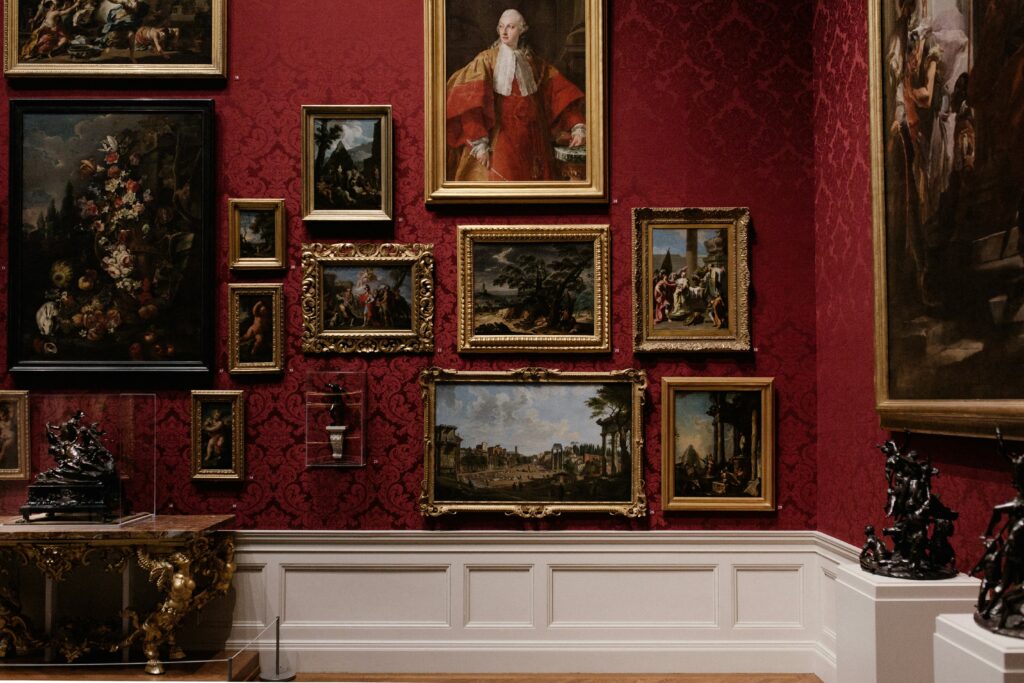
Gardner’s ambition extended beyond collecting individual works. She established her museum in 1903, creating a space inspired by Venetian architecture and arranging its contents according to her own vision.
Rather than following a strictly chronological display, she brought together artworks and objects from different periods within richly detailed interiors. Architecture, atmosphere, and the relationships between objects became part of the visitor’s experience. Her approach reminds us that collecting is not only about what we acquire, but also about how we live with and present the things we love.
What new collectors can learn: Think about what connects the artworks you choose. Your collection might grow around a particular subject, a love of colour, or an interest in a specific medium. You don’t need a grand museum to develop a personal vision. Even a few carefully chosen works can tell a story.
3. Dr. Albert C. Barnes: Learning To Look Beyond The Obvious
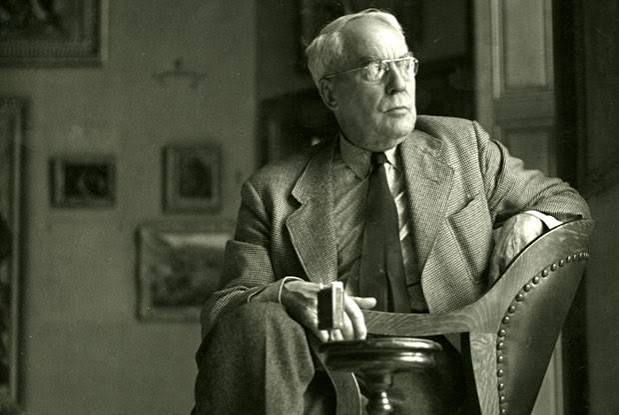
Dr. Albert C. Barnes took an unusual route into the art world. After making his fortune in the pharmaceutical business, he began collecting modern European art in 1912. That year, he sent his friend, painter William Glackens, to Paris to purchase works by modern artists. Glackens returned with 33 works, including paintings by Vincent van Gogh and Pablo Picasso. These acquisitions helped establish the foundation of Barnes’s collection.
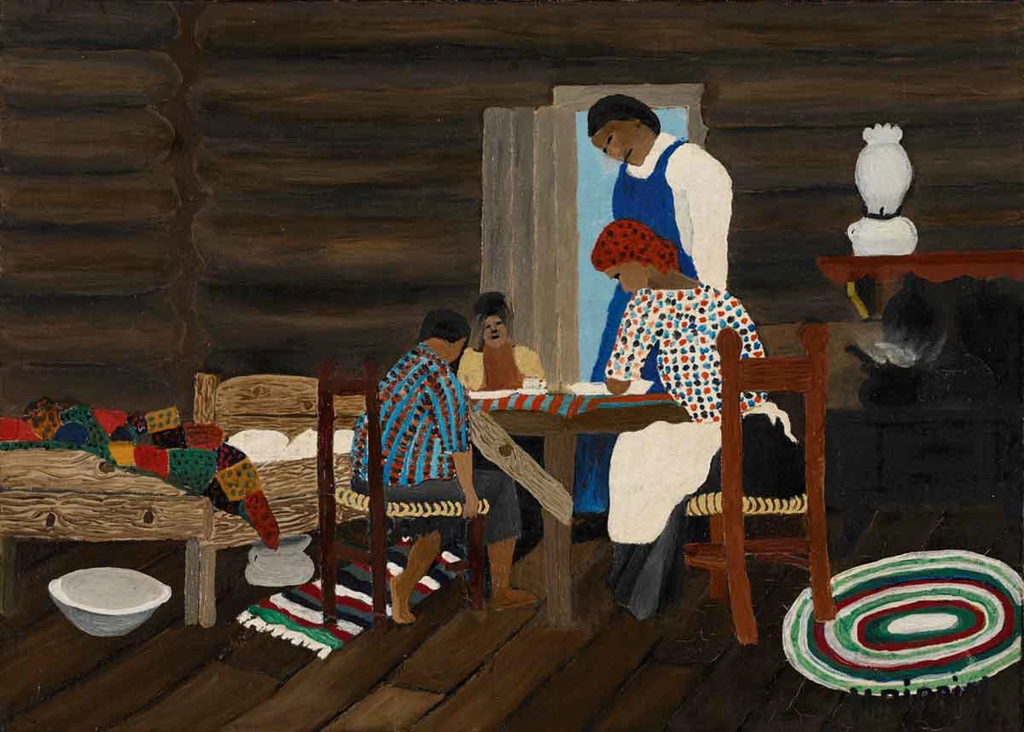
Over the following decades, Barnes acquired important works by artists including Paul Cézanne, Henri Matisse, and Pierre-Auguste Renoir. But what made his collection particularly distinctive was how he displayed it. At the Barnes Foundation in Philadelphia, paintings appear alongside African art, metalwork, furniture, and other objects. Barnes arranged these works into groupings based on visual relationships, including colour, line, and form.
His intention was educational. Established in 1922, the Barnes Foundation encouraged people to look closely at art and develop their own understanding rather than relying entirely on established opinions. This approach makes Barnes an especially interesting figure for new collectors. You don’t need an extensive art history education to begin looking carefully. You can start by noticing what draws your attention and asking yourself why.
What new collectors can learn: Spend time with an artwork before deciding what you think about it. Notice its composition, colours, materials, and details. Visit exhibitions, compare different works, and read about artists. The more carefully you look, the more confident you’ll become in developing your own taste.
4. Duncan Phillips: Bringing Different Creative Worlds Together
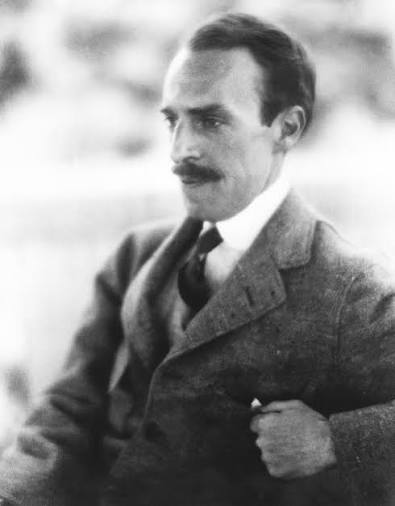
Duncan Phillips believed that art from different periods could speak to one another. His approach to collecting helped establish The Phillips Memorial Gallery in Washington, D.C., in 1921, now known as The Phillips Collection.
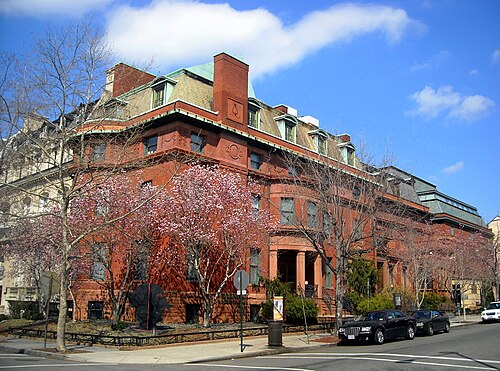
Phillips developed a deep interest in painting through museum visits, travel, and friendships with artists. His collection brought together modern and older works, including paintings by Georgia O’Keeffe, Milton Avery, and Pierre Bonnard.
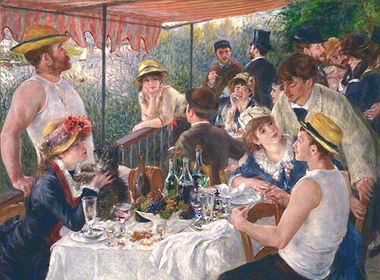
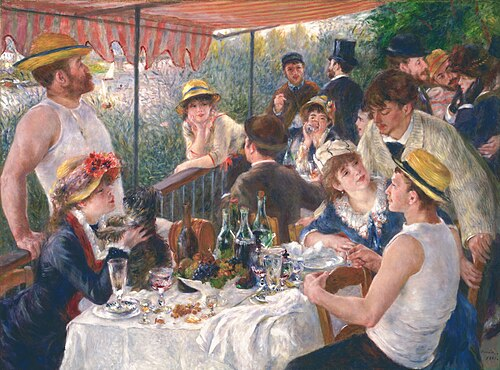
One of its most celebrated works is Renoir’s Luncheon of the Boating Party, a lively scene of friends gathered on a restaurant balcony overlooking the Seine. Phillips purchased the painting in 1923, and it remains a highlight of the collection.
His interests extended beyond individual masterpieces. He wanted visitors to experience connections between works, even when they came from different periods or artistic traditions. Phillips also supported artists whose work was not universally accepted at the time. His collecting reflected a belief that art should be approached with openness and that personal engagement mattered as much as reputation.
For new collectors, this is an encouraging idea. You don’t have to limit yourself to one movement, medium, or category. Your collection can evolve as your interests develop.
What new collectors can learn: Give yourself permission to explore. You might begin with photography and later discover a love of painting or ceramics. Follow your interests, learn about the artists you admire, and allow unexpected connections to shape your collection.
5. Gertrude Stein: Supporting Artists Before They Became Famous
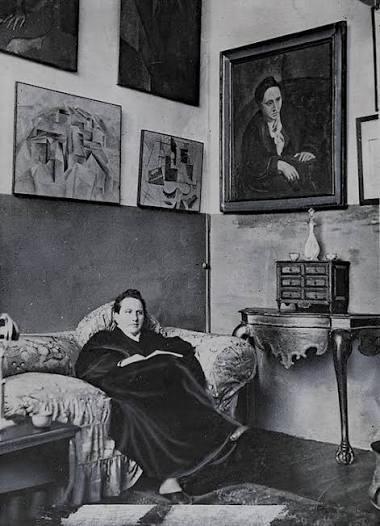
Gertrude Stein’s story reveals how collecting can grow out of friendship, conversation, and a willingness to engage with unfamiliar ideas. An American writer who settled in Paris in 1903, Stein began collecting avant-garde art alongside her brother Leo Stein. Together, they acquired works by artists including Pablo Picasso and Henri Matisse, whose approaches were challenging conventional expectations of painting.
Their Paris home at 27 rue de Fleurus became a gathering place for artists, writers, and other creative figures. The Steins’ Saturday evening salons helped bring people into contact with new artistic ideas, making their collection part of a wider cultural conversation.
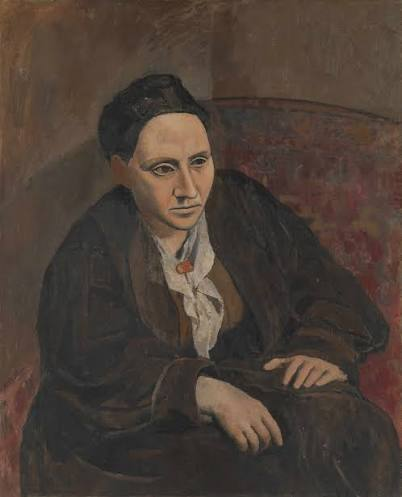
Picasso’s Portrait of Gertrude Stein, painted between 1905 and 1906, is among the best-known works associated with their relationship. Its simplified, sculptural treatment of Stein’s face reflects Picasso’s developing approach to representation. The painting is now part of The Metropolitan Museum of Art in New York.
Gertrude and Leo eventually developed different artistic preferences and divided their collection around 1913–1914. Gertrude retained the Picassos from their shared holdings and continued collecting for a period afterward.
Her story demonstrates that collecting doesn’t always happen in isolation. Relationships with artists and other creative people can shape our understanding of their work and introduce us to practices we might otherwise overlook.
What new collectors can learn: Take an interest in living artists and the ideas behind their work. Visit exhibitions, follow their progress, and learn about their creative processes. If you decide to purchase something, choose it because you value the work, not because you expect it to become famous or increase in price.
What These Collectors Can Teach Us About Starting Small
These five collectors built remarkable collections, but their stories offer lessons that don’t depend on wealth.
Start with curiosity. Visit exhibitions, explore different mediums, and notice which works stay with you long after you’ve seen them.
Learn before you buy. Ask about the artist, the materials, the work’s history, and any available provenance or authenticity documentation. Understanding what you’re purchasing is an important part of collecting responsibly.
Build relationships. Conversations with artists, galleries, and other collectors can help you discover new work and deepen your understanding of the art world.
Collect within your means. A meaningful collection doesn’t have to begin with an expensive painting. Prints, photographs, drawings, ceramics, and smaller original works can all be wonderful starting points. Set a comfortable budget, and remember that art is not a guaranteed financial investment.
Allow your taste to evolve. Your interests may change over time. You don’t need to have a complete vision from the beginning. Let your collection grow as you learn and discover new artists.
The Art Of Building A Collection
Perhaps the most interesting thing about these collectors is that their collections became reflections of the people they were. Peggy Guggenheim championed artists who challenged convention. Isabella Stewart Gardner created an environment shaped by her personal vision. Albert C. Barnes encouraged close observation, while Duncan Phillips brought different artistic traditions into conversation. Gertrude Stein supported artists whose work was still finding its audience.
Their stories remind us that collecting is not simply about owning beautiful objects. It can be a way of learning, supporting artists, preserving cultural histories, and developing a more personal relationship with art. You don’t need to know exactly what your collection will become. Begin with one artist, one artwork, or one discovery that makes you want to look a little longer. The rest can unfold from there.