

5 Reasons Why Looking at Art Is Good For You
👁 48 Views
Art does not carry the effect of magic. It changes you through repetition and attention. When you spend real time with art, you practice noticing, and that is where everything begins. Most of us move through our days reacting quickly, skimming past details, rarely pausing long enough to register what we are actually feeling. Art interrupts that habit.
Think about what happens when you stay with a piece of art for more than a few seconds. Your body slows down first. Your eyes linger. Your breathing settles. You are no longer rushing to the next thing. Even if you do not consciously decide to focus, the act of looking or listening pulls you into a quieter pace. That break matters more than it seems.
Art also gives you a place to feel without consequences. You can feel sadness without having to fix it. You can feel anger without acting on it. You can feel joy without worrying how long it will last or what it means.
Over time, your heart learns something important here: emotions are not emergencies. They can be experienced without being controlled or explained.
This practice carries into daily life. Without trying, you become better at staying present when things feel unclear. You react less quickly. You tolerate emotional discomfort with a little more steadiness.
The five sections ahead break down five specific, grounded ways art works on the heart. In ordinary life. These are changes many people recognize once they are named, but rarely connect back to art itself. Once that connection is clear, it changes how you understand both art and your own inner life.
1. Have You Noticed How Art Teaches You to Sit With a Feeling?
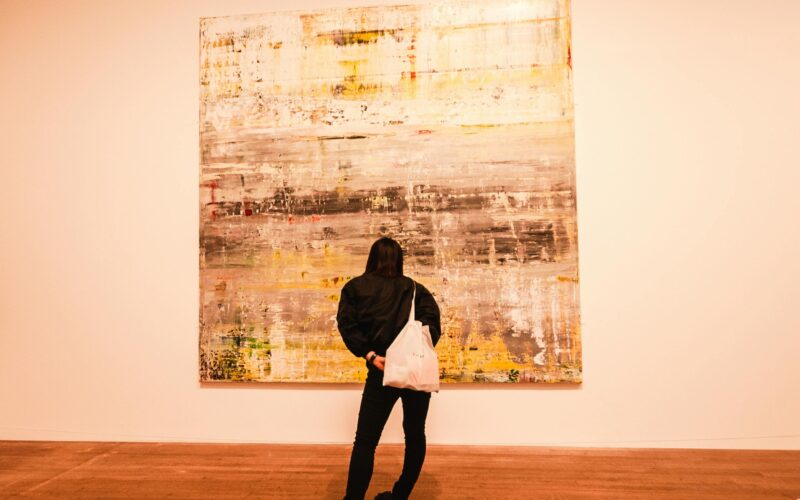
Most of the time, feelings rush you. Something happens, and the instinct kicks in to react, explain, defend, or move past it. Art interrupts that pattern in a small but powerful way. When you look at a painting, there is no requirement to respond correctly. You are allowed to feel without doing anything with the feeling.
This matters because the heart rarely gets that kind of permission elsewhere. In daily life, emotions are treated like problems to solve or signals to act on. Art gives you a space where sadness can exist without becoming a task, and joy can appear without needing to be shared or preserved.
Over time, this repeated exposure changes how you relate to emotion. You start to notice that feelings rise and fall on their own when you do not interfere immediately. The heart learns that intensity does not equal danger. That lesson settles in slowly, through experience rather than instruction.
You may recognize this in ordinary moments. A difficult conversation feels less overwhelming. Waiting through uncertainty becomes more manageable. You stay present instead of rushing to fill the gap. These shifts rarely feel dramatic, yet they change how steady you feel in your own life.
Art does not teach emotional control. It teaches emotional tolerance. That difference explains why people return to art during periods of stress or change, even when they cannot articulate the reason. The heart remembers the practice, even when the mind does not name it.
2. Why Spending Time With Art Changes How You Listen to Yourself
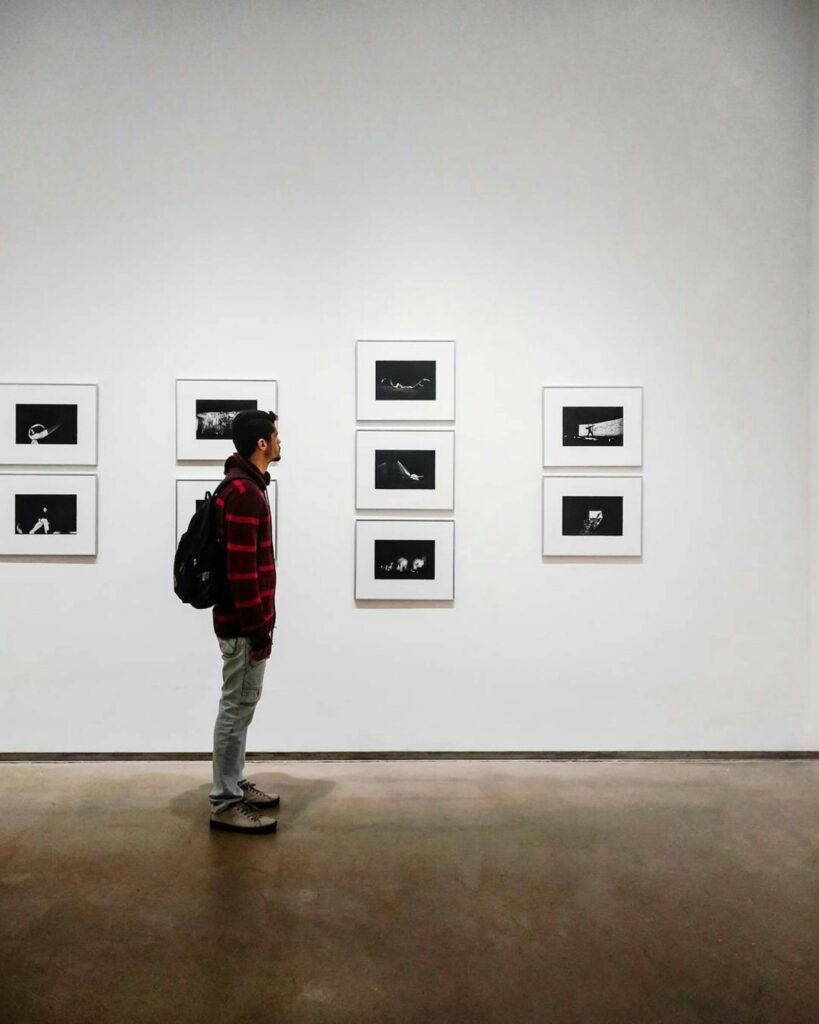
When you engage with art, your attention naturally turns inward. You start noticing small internal responses, a flutter in your chest, a sigh, a fleeting sense of relief, a tiny spark of recognition. You rarely analyze these reactions; you just register them. That act of noticing is already a connection with yourself, even if it feels subtle at first.
This practice strengthens something most people forget exists: listening to your own inner signals. Daily life overwhelms attention with notifications, expectations, and obligations. You’re rarely invited to check in with how your body or heart feels. Art draws attention back to those signals, and in doing so, changes how clearly you understand your own needs.
Over time, this ability grows. You start noticing when energy dips, when excitement bubbles, when tension appears, and when a project or task actually feels aligned with what you want. Discomfort stops being a blur; it becomes something specific that you can respond to thoughtfully. That clarity shows up everywhere, relationships, work, and creative pursuits, because you’ve been rehearsing how to notice what’s happening inside without reacting immediately.
This shift isn’t dramatic. You don’t suddenly become a master of self-awareness overnight. Instead, you feel a little more grounded each day. You trust your own instincts more. You notice patterns of fatigue, frustration, or inspiration that used to pass unnoticed. Your heart and mind start collaborating quietly, like long-time colleagues who finally learn to communicate.
Even small moments make a difference. Sitting with art for ten minutes may seem insignificant, yet your internal voice remembers that pause.
That tiny habit, repeated again and again, builds stability that carries through daily life. The heart feels heard, even when no one else is listening.
3. How Art Softens the Way You Judge Yourself
Most people carry a constant internal evaluator. Productivity, success, failure, worth, progress, it never rests. That voice judges loudly and relentlessly. Art disrupts this pattern, not by teaching self-compassion directly, but by offering experiences where judgment does not apply. No scorecard exists when you encounter a painting, sculpture, or musical composition. Nothing asks for approval, explanation, or improvement.
This absence of evaluation gives the heart a rare sense of freedom. You can experience reactions without labeling them good or bad. You can notice frustration without feeling lazy, excitement without guilt, and curiosity without pressure. That freedom feels small at first, but the repetition is powerful. Over time, the heart internalizes a different rhythm: one where observation and feeling are enough.
You start noticing the effect in daily life. Mistakes stop defining you. Uncertainty feels less threatening. The need to overperform eases naturally because you’ve practiced existing outside judgment in another space. You may find yourself pausing before self-criticism, questioning whether a harsh thought is necessary, and giving yourself room to try, fail, and learn without overreacting.
That shift also shapes how you interact with others. You notice yourself listening with less impatience, assuming less, and giving more space. You begin to recognize that effort does not equal worth, and outcomes do not define identity. The heart, having practiced in the safe space of art, carries that capacity into the messier, louder world.
Art does not silence judgment completely, but it loosens its grip. It introduces another mode of being where proving or fixing is optional. Once experienced enough, that mode becomes available exactly when you need it, during challenges, uncertainties, or moments when the inner critic is at its loudest. The heart learns that presence and engagement alone have value.
4. How Art Teaches You to Notice Without Needing to Fix
Most of life pushes you to solve problems, respond fast, or make sense of everything immediately. Art doesn’t do that. When you spend time with a painting, a sculpture, or even just a pattern on a page, nothing asks you to act. You can just look, listen, or feel, and that alone is strange, and freeing, if you actually notice it.
The heart carries tension from always having to fix things. Most days are full of reacting, controlling, and predicting. Art interrupts that rhythm. You get used to observing without having to step in. You notice shapes, colors, movements, emotions, and there’s no “next step” required. That small pause starts to shift how the heart experiences ordinary life.
Over time, this practice changes the way you notice other things. A fleeting expression, a quiet gesture, a line of conversation that normally passes by, you catch it. Instead of rushing in to respond or judge, you just allow yourself to see. Your heart becomes more patient, more accepting, and more present without even trying.
You start spotting this in real moments, at work, in relationships, even with yourself. You listen without planning your reply, watch without needing to intervene, and let things exist on their own. That ability to simply notice becomes a muscle built through repeated exposure to art.
Art doesn’t make you passive. It teaches you how to engage without forcing outcomes. You learn how to stay present while still participating. That balance, being there without needing to fix, becomes one of the most human and freeing lessons the heart can carry.

5. How Art Lets You Care Without Needing Control
Caring often comes with a hidden weight. You want to fix things, make sure outcomes turn out right, or control how people and situations respond. Art doesn’t work that way. When you engage with it, you give it your full attention, but you cannot control what happens next. A painting doesn’t change because you stare. You learn how to care without grasping.
This matters because most hearts carry tension from wanting to manage everything. Art shows another path. You can invest energy, focus, and attention without forcing results. You start noticing that the act of engagement itself has value. Being present matters more than steering events toward a specific outcome.
Over time, this changes how you relate to people, work, and projects. You listen more deeply because you are not trying to manipulate the response. You nurture ideas without obsessing over results. You give your time without feeling drained by the need for a particular return. That balance, caring without control, feels rare, but it can be learned.
This shows up in small ways in daily life. You stay with a conversation even when it goes nowhere. You support someone without solving their problem. You let a project evolve naturally instead of micromanaging. The heart starts trusting that influence and attention can exist without dominance, and that trust builds steadiness over time.
Art does not teach detachment. It teaches healthy engagement. The heart learns that depth does not require control, and that presence alone can be transformative. Once this skill takes root, everything you care for, people, ideas, or your own inner life, feels a little lighter, a little more alive, and a lot more human.