
These 4 Sculptors Are Crafting Quiet Worlds Filled With Depth & Feeling
👁 153 Views
Sculpture has always been a conversation between the tangible and the unseen. It begins long before the material takes shape, before the clay softens under touch, before the chisel meets stone, before metal bends to intention. At its heart, sculpture is a practice of listening. Sculptors watch how light touches a curve, how weight settles into space, how the human hand can coax emotion out of something once still and silent. They move through the world with a kind of heightened awareness, noticing the gestures, textures, and quiet truths that others might step past, then translating them into forms that ask us to pause.
What makes sculpture so powerful is its physicality and how it anchors emotion in three dimensions. A single form can shift a room, alter a mood, or stir memory in the body before the mind catches up. Through clay, bronze, wood, textile, found objects, or experimental materials, sculptors invite us into spaces where imagination becomes something you can walk around, touch, or feel radiating through presence alone. Some find meaning in smooth, flowing contours; others in raw textures; others in bold, architectural structures; yet all remind us that creativity is not only about what is made, but how it transforms the world around it.
At the Arts to Hearts Project, we’ve always believed that sculptors hold a rare kind of alchemy. They shape spirit into substance, turning ideas, stories, and emotions into forms that occupy space and change it. Their work carries weight, literally and metaphorically: grounding memory, expanding imagination, or offering solace in the quiet language of shapes and shadows. And in this series, we’re honoured to introduce you to sculptors whose practices feel both deeply personal and universally resonant, artists who mold the everyday into something extraordinary, who build worlds that invite touch, contemplation, and wonder.
Their work reminds us that creativity is not only an act of making, but an act of listening, listening to material, to memory, to the quiet spaces where meaning begins.
James Cook @james.cook_artist
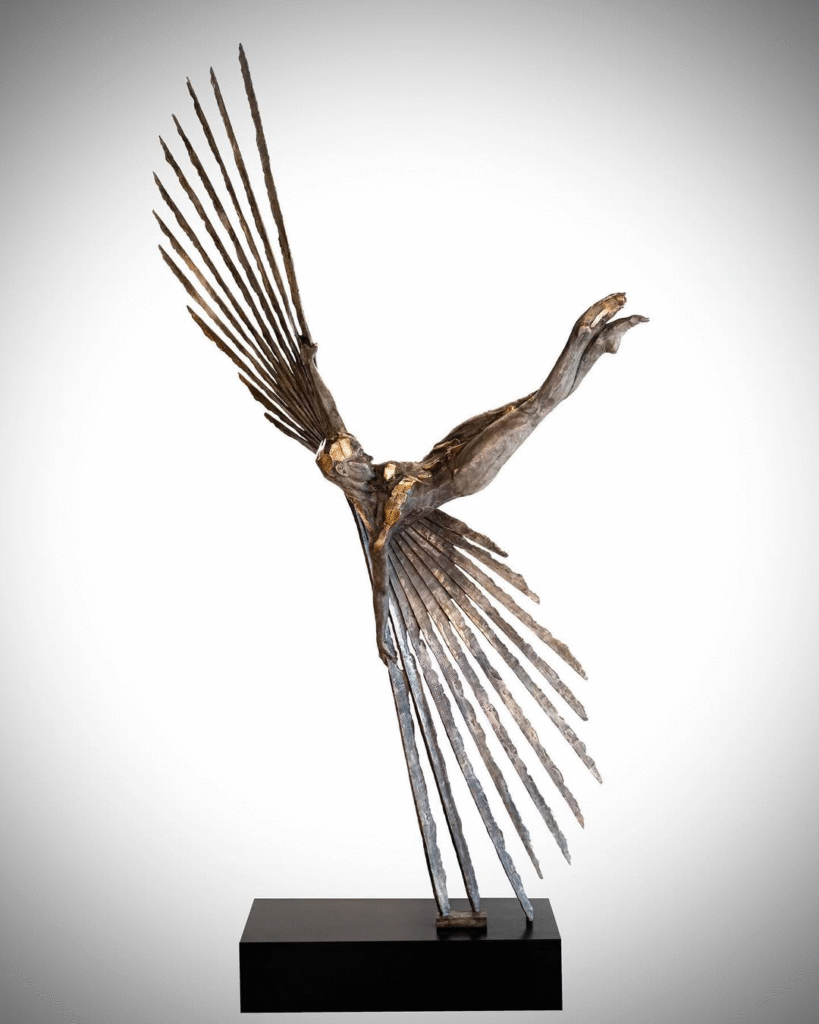
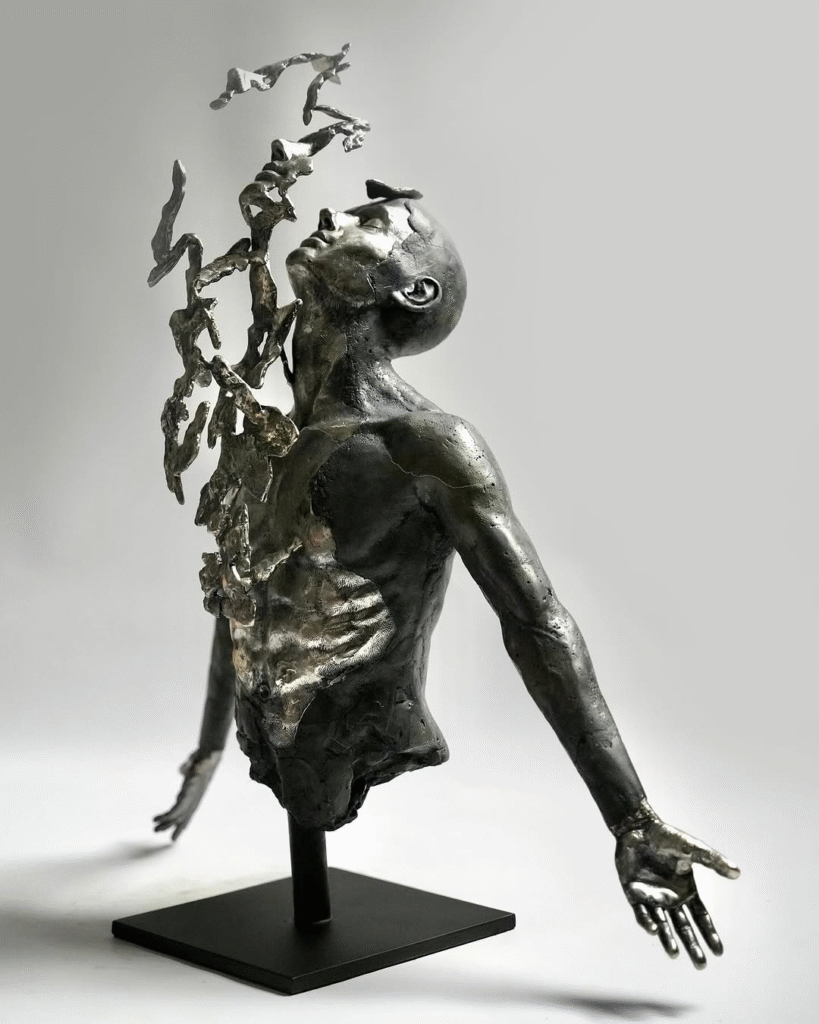
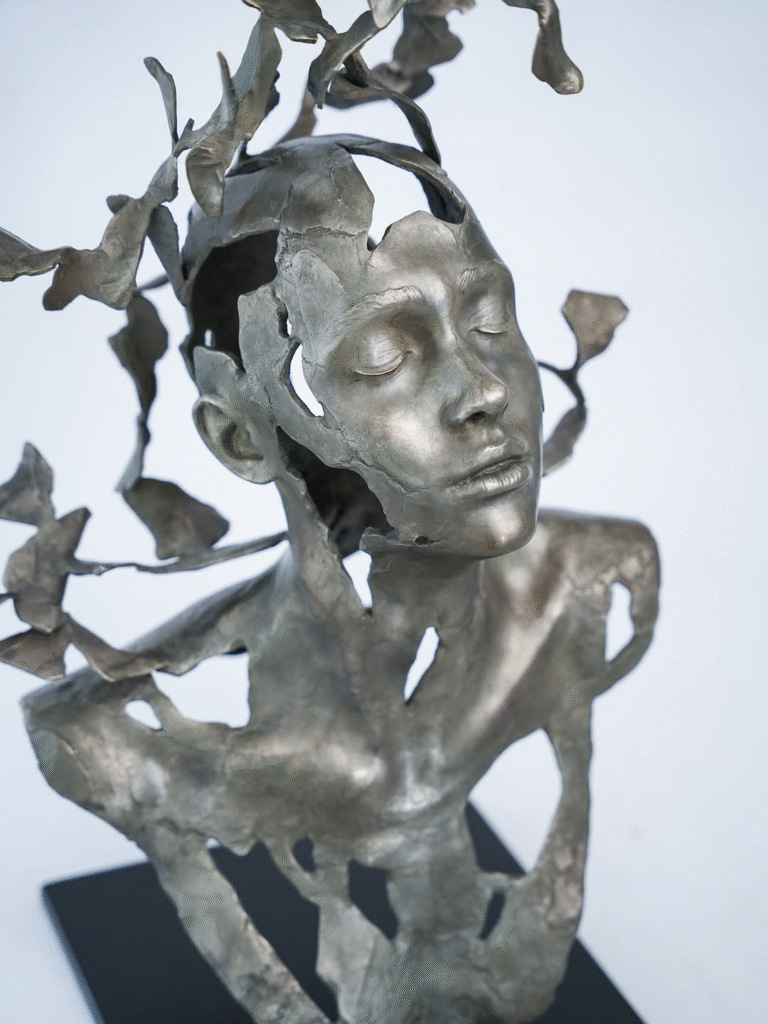
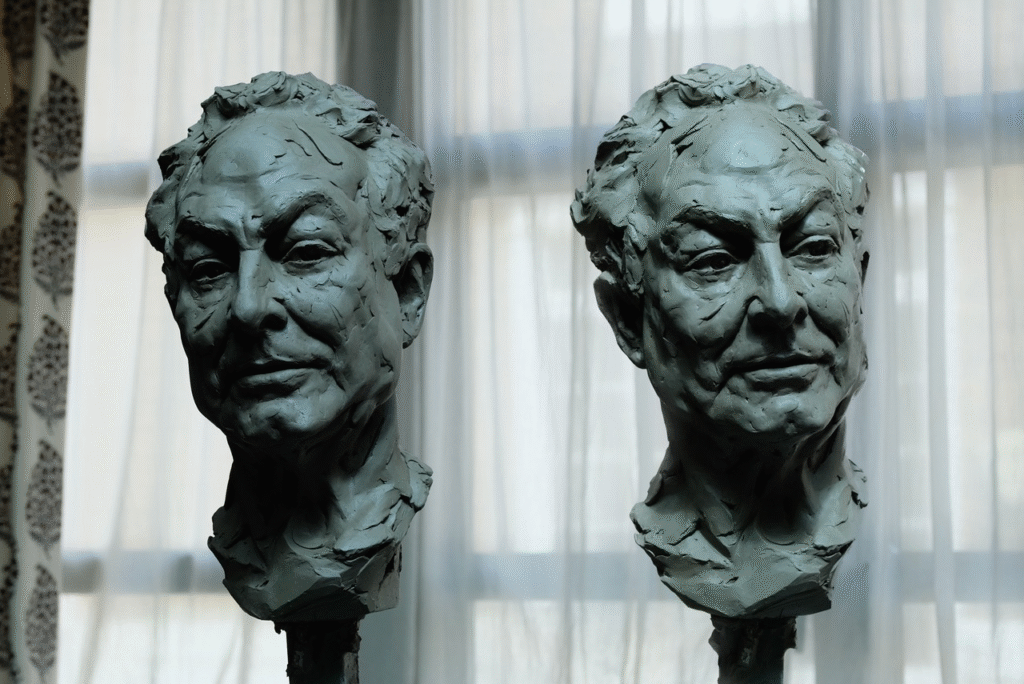
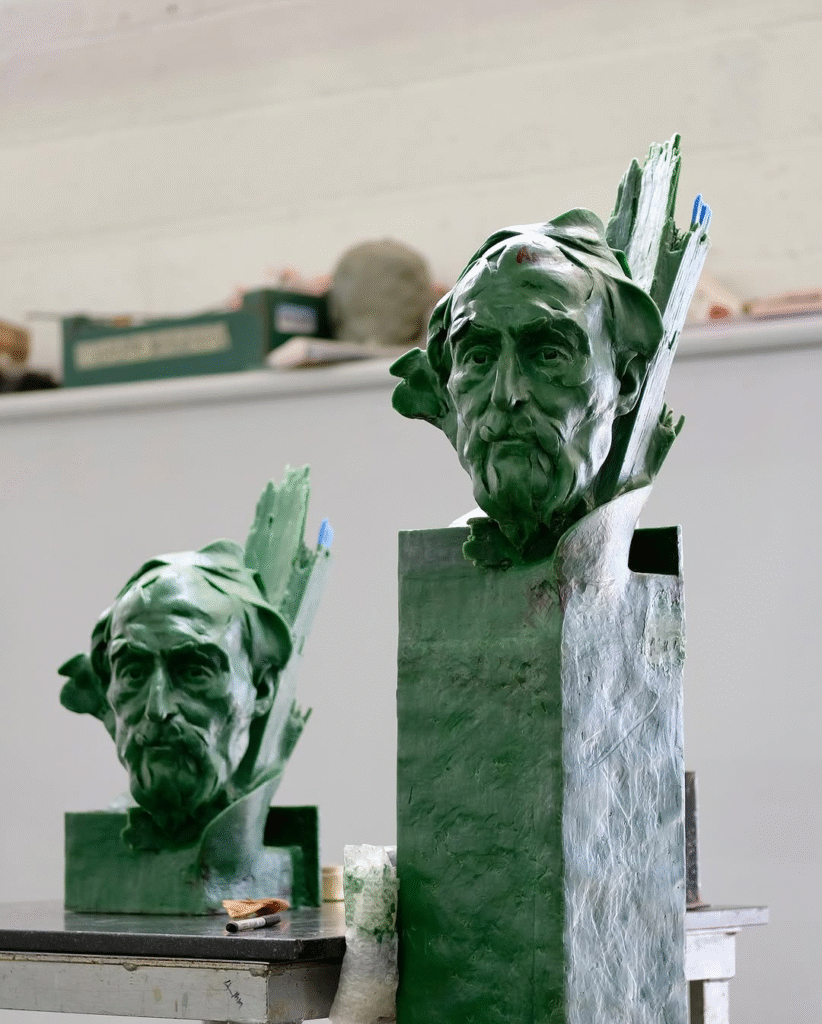
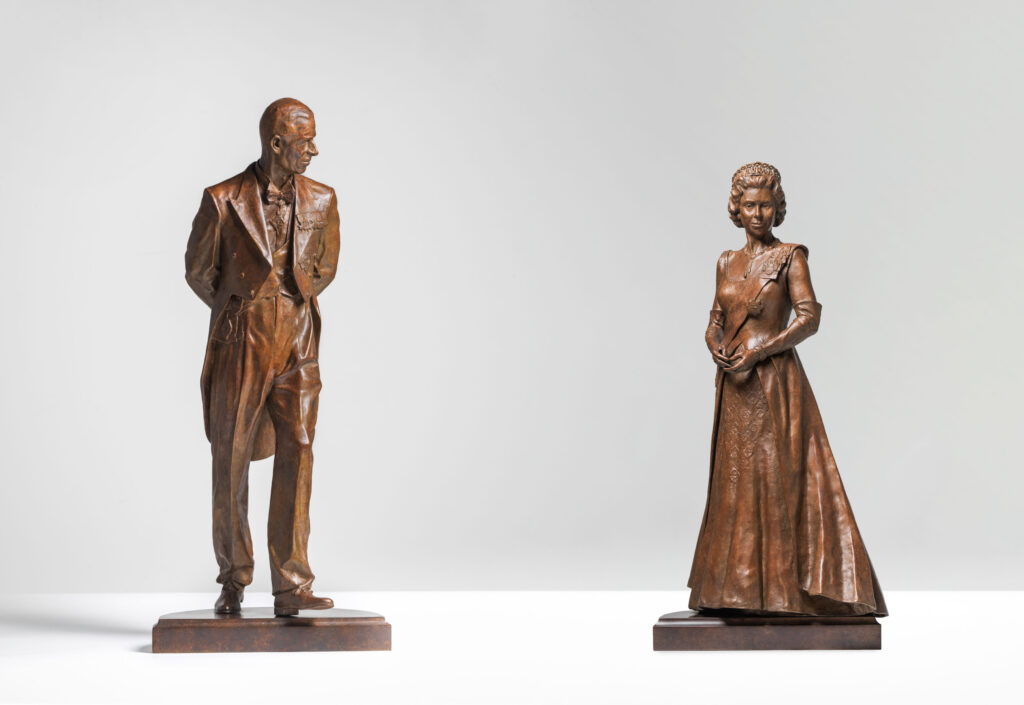
James Cook’s sculptures emerge from a place of deep observation and emotional resonance, where the human figure becomes a vessel for memory, presence, and absence. Based in Cape Town, South Africa, he began drawing and exploring form as a child, sketching African animals with his father, and it was this early engagement with shape and observation that laid the foundation for his sculptural practice. Though his academic path led him through finance, accounting, and a master’s in risk management, Cook returned repeatedly to the pull of sculpture, drawn to its ability to hold complexity, fragility, and the layered textures of human experience. James works primarily in bronze, employing the demanding lost-wax casting process to bring his figures into being. Every sculpture begins in clay, shaped carefully by hand, where he observes not only the anatomy but the weight, gesture, and the subtle emotional cues that make a figure feel alive. Over time, he has moved away from purely literal representation toward a fragmentation of form; faces, torsos, and limbs are often partially absent, broken apart, or emerging from voids. These choices are not decorative; they are expressive. They hold tension, evoke longing, and suggest both the impermanence and resilience of human connection. James approaches sculpture as an act of consideration. His figures emerge slowly, shaped through patient observation and repeated refinement.
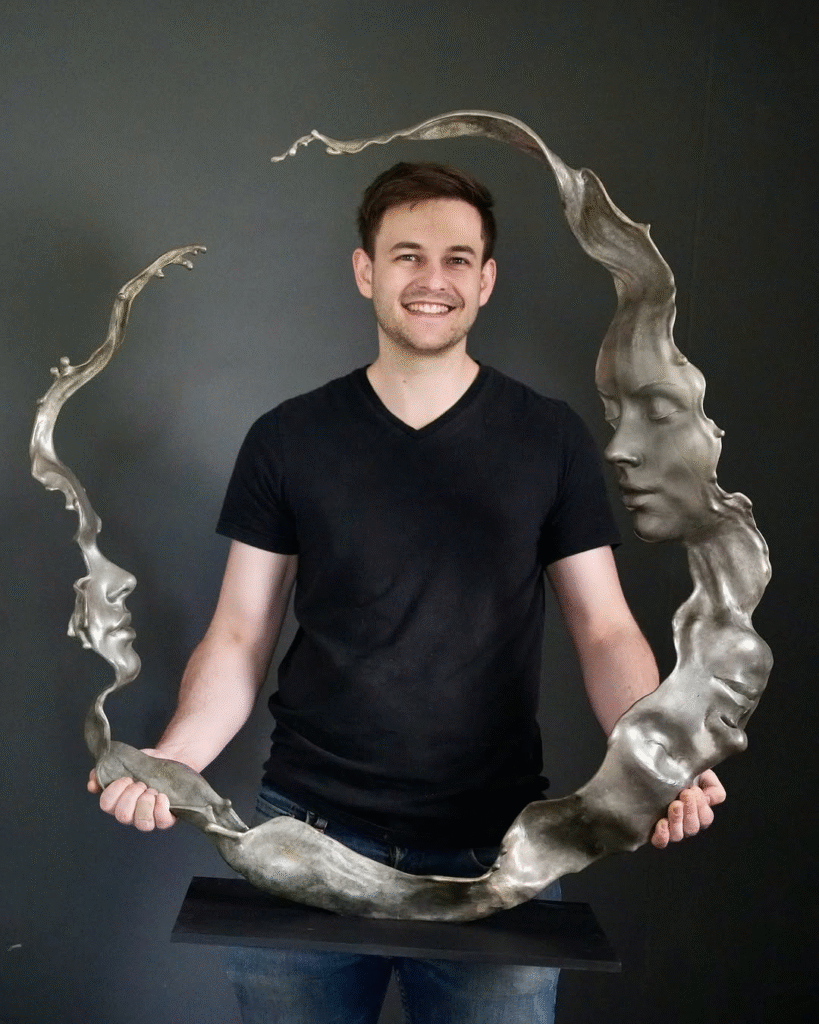
Cook’s sculptures are marked by a rigorous attention to material and process. The transition from clay to bronze is handled with care, allowing subtle textures and gestures from the modelling stage to remain in the final cast. The gestures he chooses are never dramatic; they are grounded in the familiarity of being human, the way a body leans toward another, the way a hand rests on a knee, the quiet balance between vulnerability and strength. These details create sculptures that feel immediate and real, even when cast in metal. He draws from Greek myth and timeless narratives as a way to explore universal emotion: longing, courage, connection, the space between individuals. In his bronzes, myth becomes something lived rather than told. A figure may hold a pose that reminds us of a known story, yet the emotional core feels contemporary, personal, and open to interpretation. The myth becomes a mirror. What makes James’s sculptures deeply compelling is their restraint. They do not overwhelm the viewer; they offer a quiet encounter. His process reflects this same intention. James Cook’s sculptures remind us that bronze can hold more than mass; it can hold emotion. His figures stand gently, carrying stories that feel familiar even if we cannot name them. They offer a space for reflection, a moment of recognition, a sense of connection without explanation.
Poppy Field @poppy.field
Poppy Field’s sculptures feel like quiet conversations in form gentle, anchored, and deeply human. Born and based in London, she works within a city rich in history, yet her sculptures carry something timeless, something that feels as if it belongs to the interior landscape, we all share. Her art moves with the softness of reflection: a gesture captured mid-thought, a face turning toward the light, a presence that feels familiar even without a name. Poppy approaches the human figure not as a subject to be recreated, but as a story to be understood. Her classical training shaped by her studies at the Florence Academy of Art is evident in her sensitivity to proportion and anatomy. But what truly distinguishes her work is the emotion she coaxes from clay. She builds slowly, layering texture in a way that feels almost like painting in three dimensions. The surfaces she creates are never static; they hold the warmth of a hand, the movement of breath, the quiet tremble of introspection.
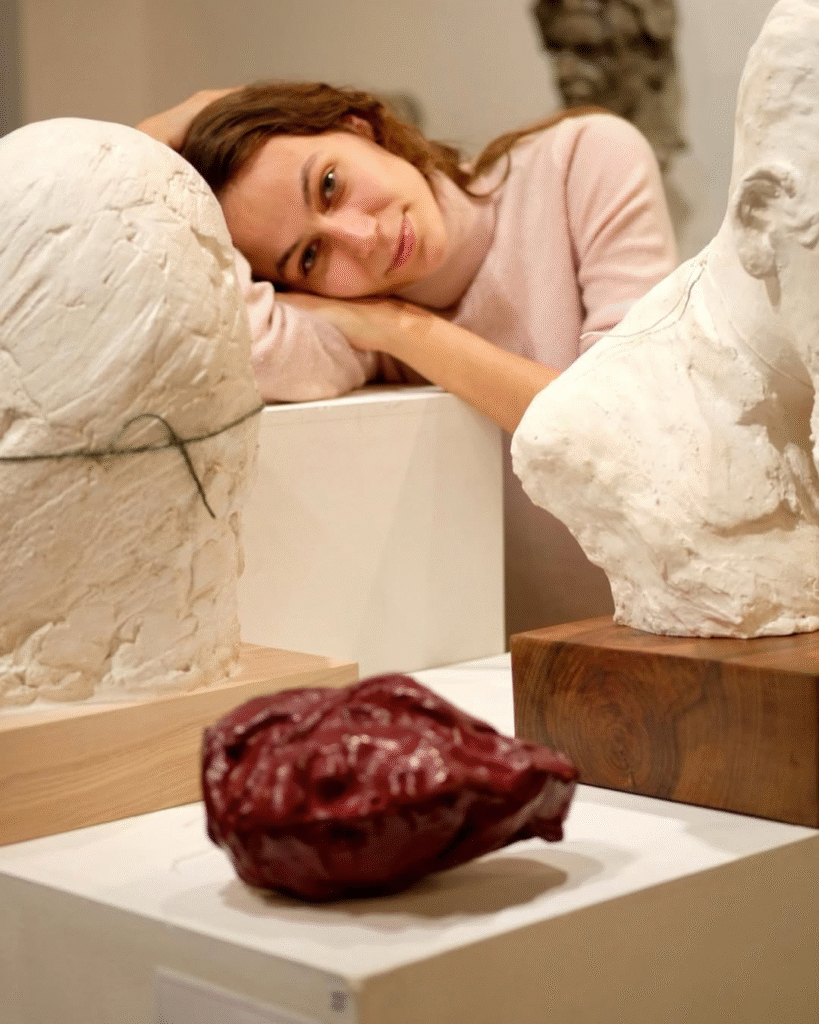
In her London studio, she sculpts as if she is listening. Each piece emerges gradually, as though the figure is revealing itself rather than being made. This attentive, patient way of working infuses her sculptures with a kind of presence that feels alive. Even when cast in bronze or displayed at monumental scale, Poppy’s figures remain intimate, grounded, thoughtful, undeniably human. What makes Poppy’s art so moving is her ability to capture the moments that exist between words: the quiet resilience in a posture, the vulnerability in a turned shoulder, the suspension of a thought felt but not spoken. Her sculptures mirror the human experience not through grand gestures, but through subtleties: the ones we rarely articulate but always feel. She often shares glimpses of her process, the humble beginnings of a figure, the way clay gathers under her fingertips, the slow emergence of expression. These behind-the-scenes moments reveal not only her craft, but her care. They remind us that sculpture is an act of devotion, a practice of noticing. Her work balances precision with expression. Each form carries subtlety the tilt of a head, the weight of a stance, the quiet rhythm of a gesture. She builds not just figures but spaces that feel inhabited, where memory, presence, and form intersect. In every piece, there’s a steadiness, an intention, and a care that invites you to look closely and feel the life within the sculpture.
Manikandan Kanchana @manikandankanchanasculptures
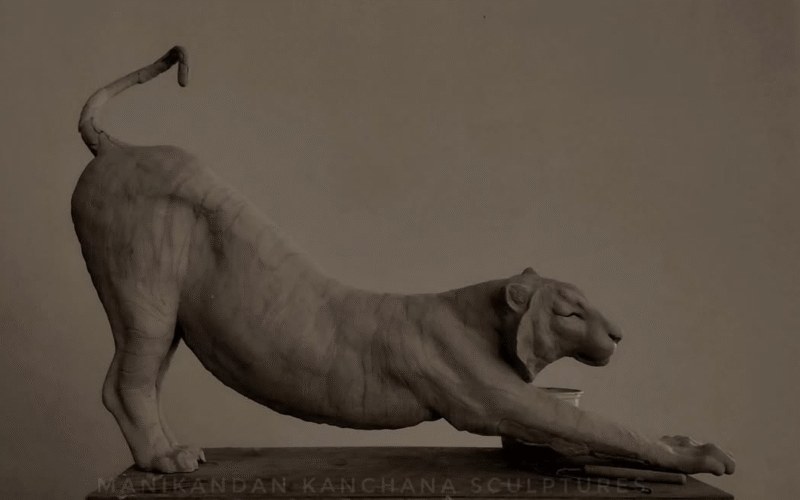
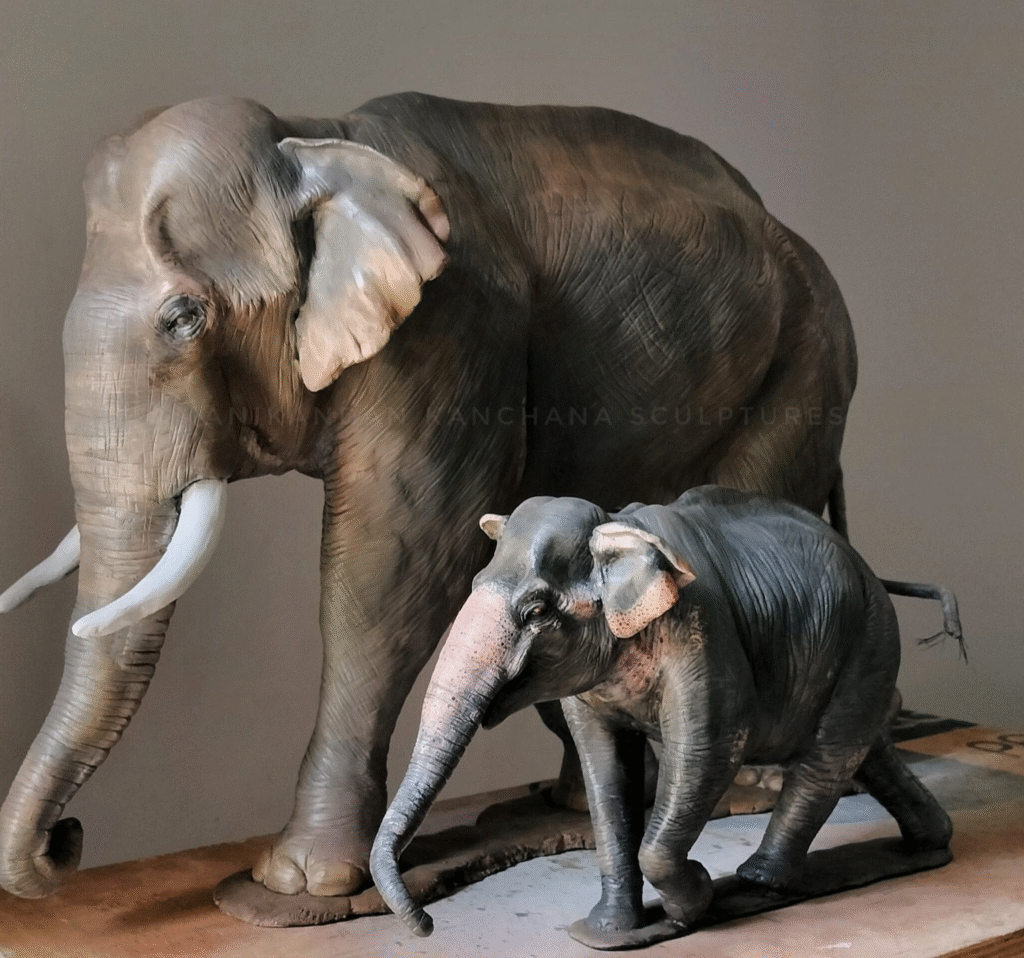
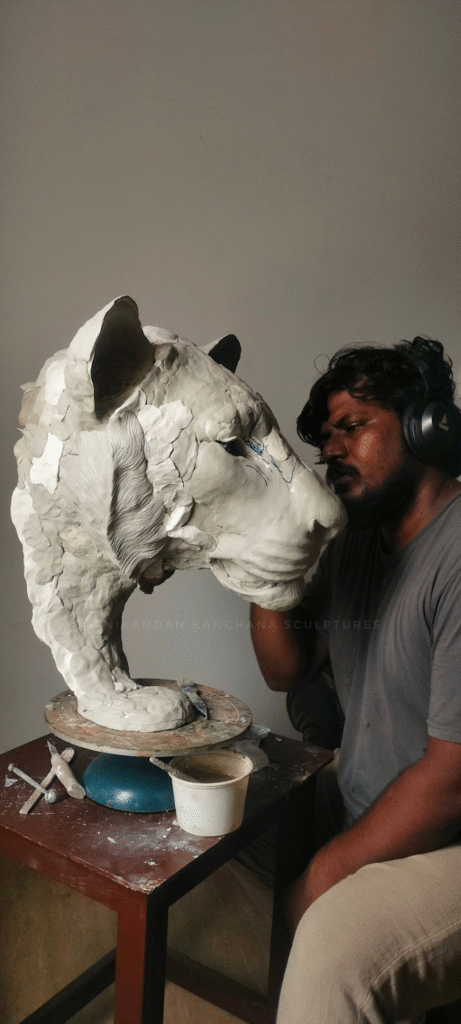
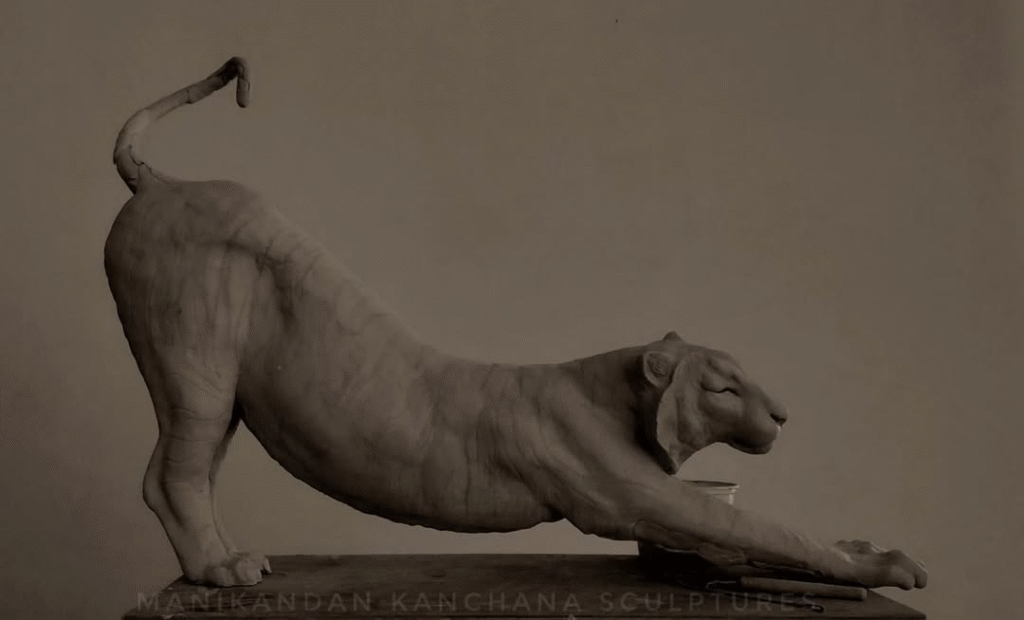
Manikandan Kanchana’s sculptural world feels like standing in the quiet presence of a creature who has paused just long enough for you to meet its gaze. Based in Chennai, he brings animals to life with a tenderness that goes beyond technique; there is reverence in his hands, patience in his process, and a deep love for the natural world in every curve of clay. His work often centres around wildlife, especially elephants, whose majesty and gentleness seem to echo through many of his pieces. But these sculptures are not just anatomical studies; they are emotional portraits. A tilt of the head, the weight of a step, the softness around the eyes, Manikandan gives each creature a soulfulness that invites connection. You don’t just see the animal; you feel it’s quiet strength, its calm, its story. In videos and process clips he shares, you witness clay slowly gathering form under his touch. What begins as raw material becomes something almost alive. You can sense the rhythm of sculpting as he adds and removes, refines and listens not just to the sculpture, but to the essence of the being he is creating.
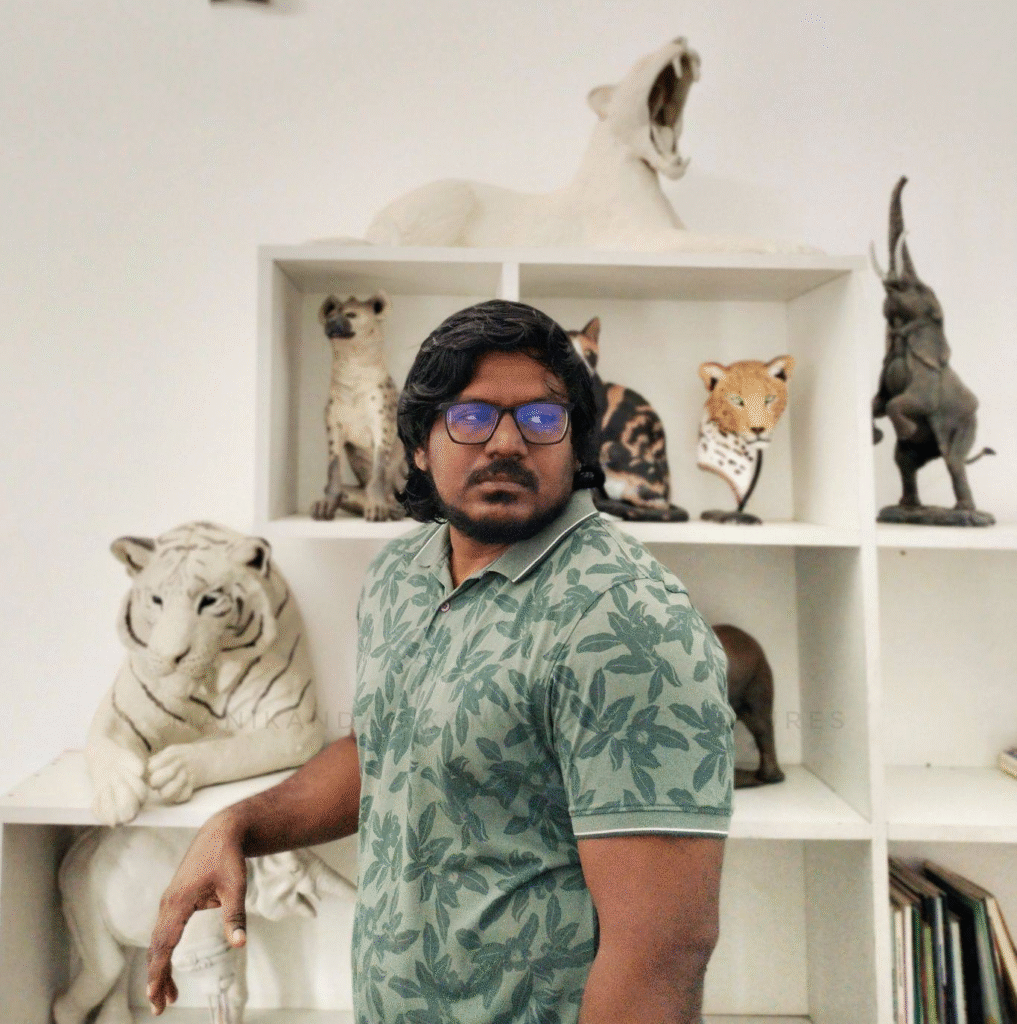
His process feels meditative, rooted in deep observation and respect. What makes his art especially moving is how he bridges the wild and the intimate. Wildlife is often depicted as distant, untouchable, larger-than-life. In Manikandan’s hands, it becomes close, familiar, and emotionally real. His sculptures remind us of our connection to the animals we share the world with their gentleness, their resilience, their quiet wisdom. Each piece feels like a moment of encounter, the kind that lingers long after you’ve walked away. Manikandan’s sculptures are not loud expressions; they are serene, grounded, and full of heart. His studio is a working space in the truest sense, tools scattered, works in progress resting beside finished pieces, light falling across textured surfaces. It’s a place where time moves differently, where repetition and patience guide the work. Even without a long-written biography, his art tells the story clearly: he is someone who builds connection through form, someone who listens to the material and the subject until both find their way into sculpture. Manikandan’s pieces don’t try to impress; they invite a quiet moment of looking. They feel steady, grounded, and made with genuine care the kind of work that stays with you long after you’ve stepped away from it.
Sofia Chitikov @sofiasartlab
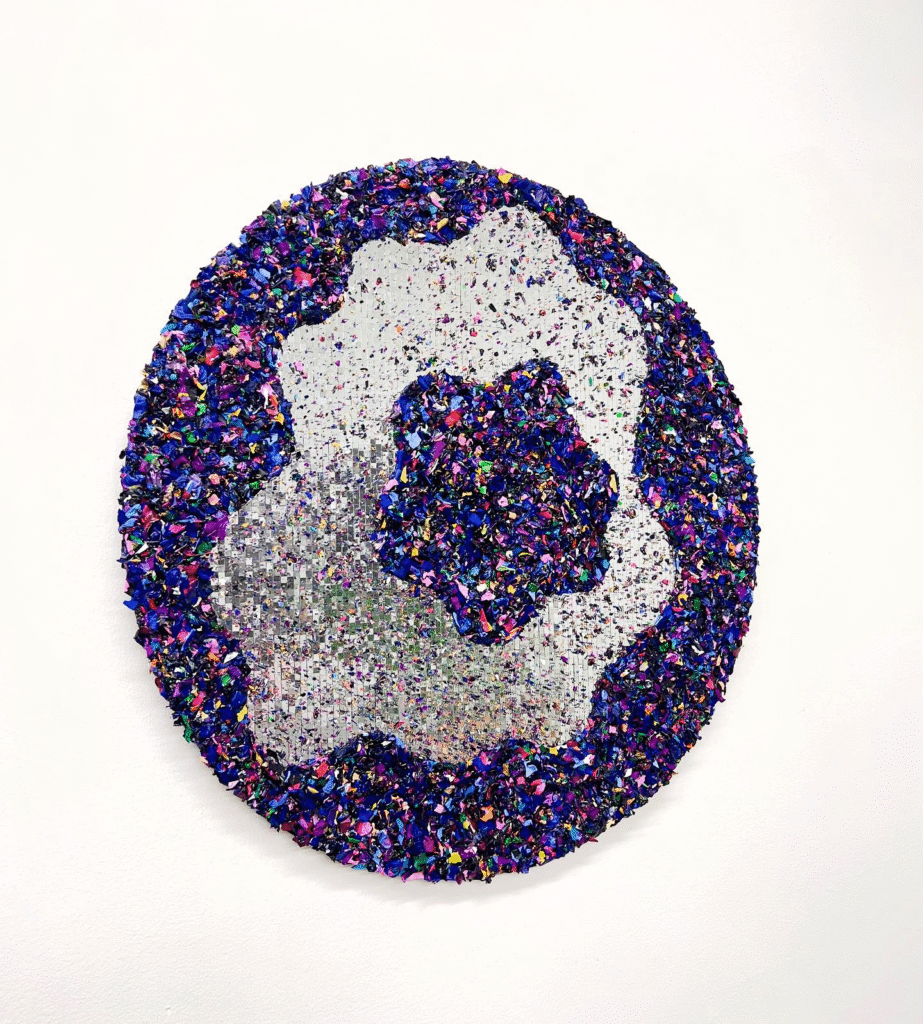
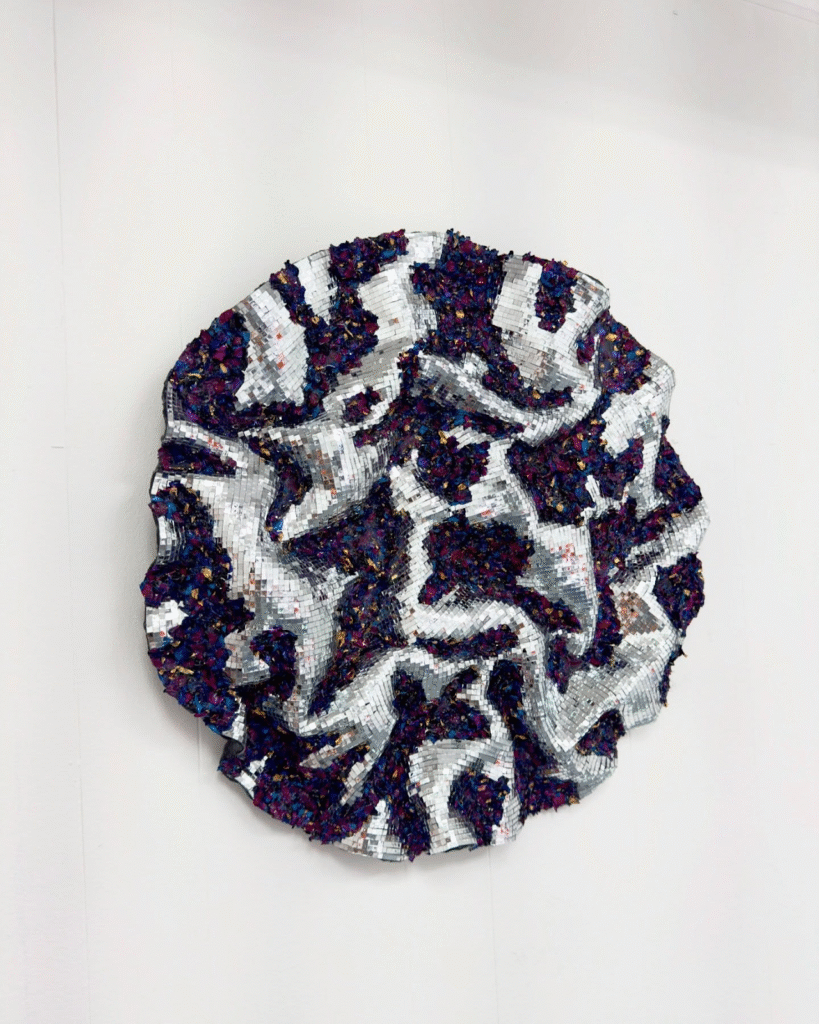
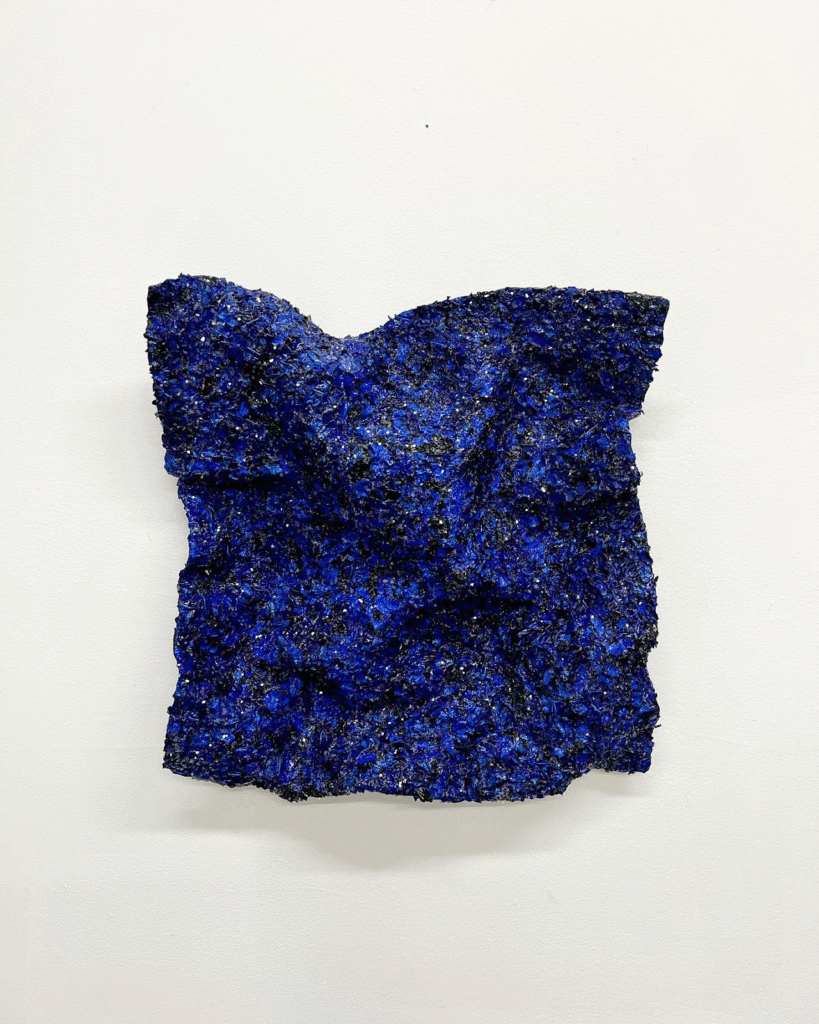
Sofia Chitikov’s sculptural world feels like stepping into a universe made of stardust, texture, and quiet wonder. A Russian-American mixed-media sculptor based in Miami, Sofia builds pieces that shimmer with curiosity and works that blur the line between the earthly and the celestial. Her surfaces ripple like waves, glow like fragments of memory, and hold the kind of depth that makes you instinctively lean closer. Her approach to material is intuitive but meticulous. Sofia works with glass beads, resin, plaster, acrylic fragments, and layered textures that she hand-places piece by piece, transforming traditional processes into something entirely her own. What she creates doesn’t just sit on a wall; it radiates. Her sculptures catch the light in unexpected ways, shifting and evolving as you move around them. They echo ideas of energy, motion, and the unseen patterns that shape our world.
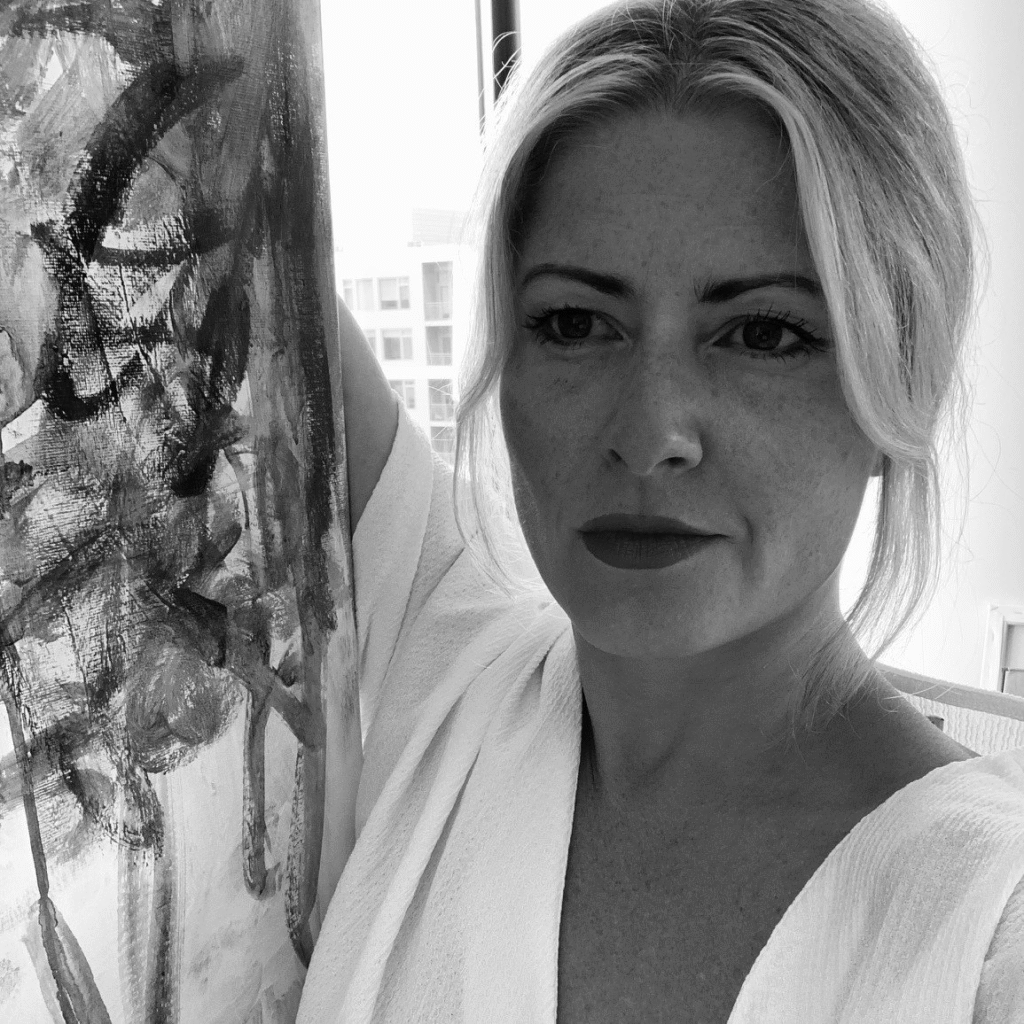
Much of her practice begins with curiosity about space, light, particles, and the invisible connections between things. You can feel that sense of exploration in each piece. Some works feel like cosmic maps, others like magnified cells, others like portals into a quiet, meditative dimension. Though abstract, they carry emotion: stillness, wonder, longing, a spark of something just out of reach. Before becoming a full-time artist, Sofia spent many years in product development and innovation, and you can sense that history in her process: the precision, the problem-solving, the desire to push materials to places they haven’t been before. But where design can sometimes feel rigid, her sculptures feel alive. Organic. Full of breath. There’s honesty in this transparency, a reminder that behind every luminous surface is patience, labour, and devotion. Her art doesn’t demand attention by volume; it calls you in by surface. It is spatial but deeply personal. Her background in innovation clearly shapes her voice: she refuses to let materials behave in expected ways, and in doing so, she opens up unexpected forms of presence in her work and in the viewer’s experience.
Sculpture carries a quiet power, one that doesn’t demand attention, but earns it through form, weight, and care. The work of these sculptors reminds us that art is not just something to look at; it is something to experience. Each artist works with patience and understanding, turning clay, bronze, stone, and texture into a language of gesture, pause, and subtle meaning. What connects their practices is more than skill; it is the way they see. They notice what often goes unseen: the softness in a posture, the story in a tilt of the head, the balance between fragility and strength. Their sculptures create space for reflection, connection, and presence. They show how the body can carry memory, how stillness can hold feeling, and how form can express what words sometimes cannot.
At Arts to Hearts Project, we celebrate artists who approach their work with sincerity, reverence, and thoughtfulness. These sculptors do exactly that. Their pieces exist where observation meets emotion, where tradition meets experimentation, and where the physical meets the emotional. Each sculpture has a pulse, a quiet life that continues long after you’ve stepped away.
Through their work, we are reminded of what it means to be human: to feel, to move with intention, and to find meaning in the small moments. They show that art is not separate from life; it is drawn from life and returned to it with care