

2025’s Must-Apply Artist Grants & Residencies

👁 172 Views
Why Residencies and Fellowships Still Matter More Than Ever
Residencies and fellowships are more than just shiny lines on your CV. They help artists breathe deeper, explore with more intention, and often connect with communities far beyond their home base. And let’s face it, when you’re constantly juggling bills, commissions, and client work, time itself becomes a luxury.
The beauty of these programs lies not just in the resources they offer, but in the energy they put into your practice. Being taken seriously by a selection panel can be a boost in itself, but the real treasure is in the conversations, the solitude, the cultural exchanges, and the unexpected turns your work takes in new environments. Whether you’re applying for a local one-month retreat or a funded international fellowship, it’s about more than travel, it’s about transformation.
For emerging artists, fellowships offer access to mentorship, studio critiques, and long-term exposure. For mid-career and established artists, they can open doors to new collectors, curators, and institutional relationships. Each opportunity is like planting a seed that might sprout in ways you can’t fully predict.
You don’t need to apply to dozens. What you need is to find the few that align deeply with your work and goals. Read their past alumni profiles. Study what kind of work they typically support. Match your values with theirs, and you’ll be surprised how much stronger your applications become.
So, whether your goal is to make new work, shift direction, or simply to reconnect with your practice, residencies and fellowships in 2025 are more relevant than ever.
The Ones That Offer Real Time and Space
There are residencies that check all the boxes on paper but leave you feeling stranded or over-programmed. Then there are those rare gems that actually create a cocoon around your creativity. In 202, keep an eye out for residencies that don’t just provide a studio, but also give you quiet.
The MacDowell Residency continues to set the standard when it comes to balancing solitude and community. You’re housed in your own cabin in the woods, meals are left at your door, and you decide when you want to socialize. That kind of trust in the artist’s rhythm is rare and invaluable. It’s not about being seen working, it’s about being given permission to lose track of time completely.
Meanwhile, Rijksakademie in Amsterdam offers a two-year program that isn’t just about space, it’s about sustained development. If you’re looking to push the boundaries of your work and engage with global curators and thinkers, this one’s a long-term investment with long-term payoffs.
Also worth watching is the Banff Centre for Arts and Creativity in Canada. While it’s known for its gorgeous location, it also offers flexible programming. Some residencies are silent and solitary, others are collaborative and mentored. You choose what you need. That level of customization isn’t common, and for many artists, it can be a game-changer.
When considering a residency, don’t just focus on prestige. Ask whether the structure supports your process. Would the environment help you reset your practice or pull you in another direction? The best residencies create room for both.
And if international travel isn’t in your 202 budget, don’t overlook local or regional retreats. Places like Art Omi, Prairie Ronde, or Ox-Bow offer deeply nourishing programs close to home that often fly under the radar.
Fellowships That Pay You to Grow
Some fellowships aren’t just helpful, they’re transformative. And what sets them apart is often the funding. A solid fellowship gives you money and momentum. It validates your path while allowing you to invest in yourself. In 202, look out for fellowships that give you both funding and flexibility.
The Joan Mitchell Fellowship, for instance, gives a high cash prize to working painters and sculptors. There are no strings attached. You’re not required to produce work or show results. That kind of open trust can be rare, and it’s a reminder that support doesn’t always have to be earned through deliverables.
Another to watch is the Harpo Foundation Grants, which support under-recognized visual artists. Their process is deeply research-based, meaning if your work speaks for itself and aligns with their mission, you’ll have a shot. And while the amounts vary, the long-term impact on your credibility and confidence can be enormous.
Then there’s the Creative Capital Award, which is both a grant and a mentorship. It’s designed for risk-takers. If you’re working on a challenging, socially-driven, or experimental project, this one offers money and a support network that walks with you from start to finish.
Don’t sleep on regional or city-based fellowships either. Programs like the NYFA Artist Fellowship, the Artadia Awards, and The Leeway Foundation often cater to artists in specific locations, with less competition and equally powerful support.
If you’re at the point where you’re evolving your voice or shifting your medium, fellowships like these give you room to take that leap without financial panic setting in.
Prizes That Go Beyond the Trophy
Some prizes come with a check. Others come with attention. The best ones? They bring both. And more than that, they bring future momentum. Winning or even being shortlisted for a respected prize can change how the world sees you.
The Prix Marcel Duchamp, for instance, is not just a major European prize, it’s a career reset. The exposure, critical dialogue, and access to collectors can be a watershed moment. Similarly, the Frieze Artist Award gives emerging artists a chance to produce ambitious new work at one of the most watched art fairs in the world.
Closer to home, prizes like the Foundwork Artist Prize and AXA Art Prize focus on emerging and student artists. If you’re still early in your career or looking for validation in a new body of work, these are real platforms to watch. Their juries include curators from top museums, and their alumni have gone on to secure solo shows and representation.
One underrated aspect of prizes is the press coverage. Even if you don’t win, being a finalist can introduce your work to audiences far beyond your Instagram. Collectors, journalists, curators, they all watch prize lists to discover fresh voices.
So don’t dismiss these as “out of your league.” Most prizes don’t care how many shows you’ve had.
Time to Apply How to Plan Your Year Around Residencies and Prizes
When you’re trying to juggle studio time, work obligations, and personal commitments, it can feel overwhelming to squeeze in residency or fellowship applications. But the truth is, these opportunities are not last-minute affairs. They require planning, research, and sometimes even preparation months in advance. That’s why building an annual timeline for submissions is one of the smartest moves you can make as a working artist.
Start by identifying a handful of key programs you’re interested in. Write down the deadlines, and then work backward from each one. This allows you to pace yourself, especially if letters of recommendation, project proposals, or detailed budgets are required. By treating these applications as creative projects themselves, you give them the energy they deserve without rushing the process.
Many artists find it helpful to batch application tasks together. For example, set aside a week each quarter to review open opportunities, polish artist statements, and request references. That way, when a perfect residency opens up unexpectedly, you’re not starting from zero. You’ll already have a toolkit ready to go.
Also consider seasonal patterns in your work life. If your practice slows down in the summer, use that time for applications. If winter is quiet, make it your research season. Just like you make time for painting or sculpting, make time for planning your artistic calendar. It adds structure without stifling creativity.
Being intentional with your schedule also helps fight application burnout. Instead of scrambling at the last minute or constantly chasing deadlines, you’ll begin to feel grounded in your rhythm. Your submissions will become stronger, more thoughtful, and more aligned with where you want your career to go.
With a well-mapped-out year, you’re not just responding to opportunities as they arise. You’re creating a strategy.
Fellowships That Fuel Long-Term Projects
If you’ve ever felt like your project ideas are “too big” or too long-term for a small grant, you’re not alone. That’s exactly where fellowships come in. These are usually longer in duration, more generous in funding, and designed for sustained creative work. They support artists who are building something with deep roots and lasting impact.
One example is the Joan Mitchell Fellowship, which provides unrestricted funding and professional development support over multiple years. It’s not about one exhibition or a single painting. It’s about the trajectory of your career and the value of giving artists space and resources to think expansively.
The Rome Prize is another iconic fellowship that gives artists a chance to live and work in Rome, Italy, for an extended period, fully immersed in a global community. It’s ideal for artists who want time and intellectual freedom, not just exposure. You’re encouraged to experiment, collaborate, and stretch your practice into new territory.
Fellowships are especially ideal for mid-career artists who may no longer qualify for “emerging” grants but haven’t yet had a major breakthrough. They act as both a vote of confidence and a platform to take risks. Sometimes, what you really need is not just money but time, community, and belief.
Before applying, make sure your proposal aligns with the mission of the fellowship. Many want to see work that reflects cultural impact, social relevance, or historical dialogue. Don’t just pitch your latest series. Show how your long-term vision can spark conversations or touch a broader audience.
And remember, fellowships often value process as much as product. Be honest about your questions, uncertainties, and how this opportunity would shape your evolution. That kind of transparency can be powerful in a selection process filled with polished but impersonal applications.
International Residencies That Open Up the World
For artists who crave new perspectives, international residencies offer more than a change of scenery. They offer culture shifts, new methodologies, and unexpected inspiration. These programs are especially valuable if your work is tied to place, history, or dialogue with other traditions.
The Cité Internationale des Arts in Paris remains one of the most prestigious and flexible artist residencies, open to creatives from around the globe. With studios in the heart of the city and a dynamic exchange among residents, it’s the kind of space that expands your thinking. You’re not just absorbing French culture. You’re participating in a global artistic conversation.
Then there’s Rijksakademie in Amsterdam, which is highly selective and deeply research-focused. Artists stay for up to two years and have access to mentors, technicians, and curators. It’s designed not for producing endless work but for rethinking your entire practice. Many artists come out transformed.
For something more off-the-beaten-path, look at Ucross in Wyoming, USA or Sanskriti Foundation in India. These aren’t just “getaways” from your routine. They immerse you in local landscapes, materials, and ways of thinking that may be far from your own. It’s not always comfortable, but it can be deeply creative.
International residencies also help you build a global network. You’ll meet other artists, curators, and writers who may become collaborators or conduits for future exhibitions. Don’t underestimate the value of informal dinners, late-night critiques, and shared walks as spaces where ideas bloom.
Applying to these programs can be competitive, so tailor your statement to show not just what you hope to make, but why you want to make it there. Show that you’ve done your research and that the residency’s environment matches your intention.
Spotlight on Community-Based Residencies
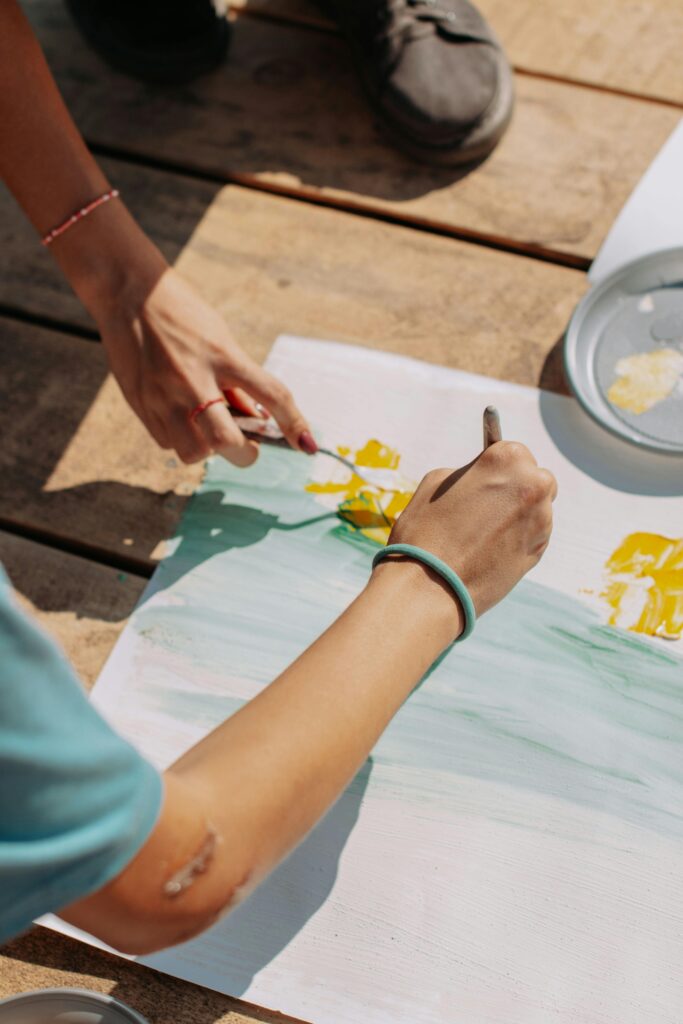
Not every artist wants to isolate themselves in a cabin in the woods. Some thrive in conversation with others. That’s where community-based residencies come in. These programs are embedded in towns, cities, and neighborhoods and often encourage artists to engage with local populations.
SPACES in Cleveland or Laundromat Project in New York are excellent examples of community-focused models. They pair artists with civic or social goals, and encourage projects that invite dialogue, education, or collaboration with non-art audiences. Think murals, workshops, or storytelling installations that grow out of real relationships.
These residencies are powerful for artists interested in social justice, public art, or education. They’re often funded by public or nonprofit entities, which means they might include stipends, housing, and support staff. But more than that, they give your work a living context. You’re not creating a gallery wall. You’re creating for people who will see, touch, or experience your art daily.
Engaging with communities also pushes your creativity in unexpected ways. You have to listen more, adapt faster, and rethink your assumptions. That’s not always easy, but it can stretch your practice in directions you never imagined. You might even find lifelong collaborators or a new sense of purpose in your work.
When applying, demonstrate that you’re not just interested in showing up and making something “for” a community, but with them. That difference matters. Community-based residencies want artists who are listeners, not saviors. Who are curious, not condescending.
If you’re an introvert or new to facilitation, don’t worry. Many programs offer training or pairing with community liaisons.
Prizes That Launch Careers
Sometimes, it only takes one well-timed award to shift your entire career trajectory. Art prizes often come with cash, but just as importantly, they come with credibility. That juried approval can lead to shows, press, and collectors who previously didn’t know your name.
The Future Generation Art Prize, for instance, is open to artists under 3 and provides not only $100,000 in prize money but also an exhibition in Kyiv and Venice. That’s career-making, especially for artists from underrepresented countries or mediums.
In the US, the Guggenheim Fellowship is one of the most respected recognitions an artist can receive. While incredibly competitive, it signals a high level of artistic seriousness and often leads to institutional partnerships. It’s not just about the money. It’s about the doorways it opens.
Don’t overlook niche or discipline-specific prizes either. Whether it’s printmaking, ceramics, or socially engaged art, there’s likely an award dedicated to it. The trick is finding those aligned with your focus, not just chasing the big names.
To stand out in a prize application, focus on clarity. Don’t just tell the jury what you made. Tell them why it mattered, how it pushed boundaries, and what conversations it entered. Use your artist statement like a narrative, not a résumé summary.
And if you don’t win, don’t throw the application away. Many artists get shortlisted multiple times before winning. Each round sharpens your thinking, and you can often reuse and revise materials for other applications.
Red Flags and What to Avoid
Not every opportunity is as great as it sounds. With the rise in visibility around residencies and grants, unfortunately, some predatory models have cropped up. Some charge high application fees without offering meaningful support. Others promise exposure but deliver unpaid labor. Learn to spot the red flags early.
Beware of any residency that asks for large sums of money upfront with no clear breakdown of what you’re receiving. Fees for room and board are one thing. Hidden charges or unclear expectations are another. If it feels vague, ask questions.
Also be cautious of programs that expect you to produce a finished exhibition under pressure or with no real support. A good residency gives you time and space, not a forced deadline or mandatory public result. You’re there to grow, not perform.
Check the alumni list and see if past participants speak positively about the experience. If you can’t find reviews or testimonials, proceed carefully. Reach out to artists privately if needed. The creative community often looks out for its own.
Avoid prizes or calls that ask you to relinquish rights to your work or images without proper licensing. Exposure is not a fair trade for ownership. Read the terms before clicking submit.
Building an Application Archive That Saves You Time
If you apply to residencies, grants, and prizes regularly, you’ll start to notice patterns. Most applications ask for similar materials: a CV, an artist statement, a portfolio, and a proposal. Instead of rewriting from scratch every time, build a personal archive.
Have multiple versions of your bio and statement ready short, medium, and long. Keep a master list of artworks with descriptions, sizes, years, and high-resolution images. Store your letters of recommendation, references, and previous proposals in a central folder.
Tools like Notion, Airtable, or even Google Docs can help you stay organized. Label your files with clear names and version numbers. That way, you can quickly tailor each application without scrambling to remember what you said last time.
Treat your archive like a living document. Update your artist statement every few months. Add new work as it’s completed. Jot down ideas for proposals, even if they’re just fragments. When a perfect opportunity pops up, you’ll be prepared.
This level of organization not only reduces stress, it increases your success rate. You’ll submit on time, with polished materials, and more confidence. That professionalism doesn’t go unnoticed by jurors or panelists.
Residency and prize applications often follow grant structures. This guide helps you evaluate opportunities, plan proposals, and stay on top of submission requirements, all essential when deadlines overlap.
Invest in Yourself, One Application at a Time
You don’t need to win every prize or land every residency to build a thriving career. What matters is the momentum. Each thoughtful application is an investment in your clarity, your courage, and your future.
Opportunities in 2025 are wide open. The world is hungry for new voices, bold visions, and artists who dare to dream bigger. Whether you’re applying for a cabin in the woods, a fellowship in Rome, or a grant to fund your first solo show, you’re declaring to yourself and others that your work is worth it.
Be strategic. Be persistent. Be proud. Even rejections carry value when you know that you’re stepping forward. The artist’s journey is not just about what you make, but what you reach for.
So apply often, aim high, and don’t wait to be chosen.