


12 Proven Ways to Earn From Your Art Right Now

👁 369 Views
Gone are the days when artists had to rely solely on galleries to find buyers. Thanks to platforms like Etsy, Big Cartel, and even Instagram, you can set up a shop, post your work, and connect directly with collectors who resonate with your style. Selling your original artwork online not only gives you full control over pricing and branding but also offers the flexibility to experiment with what works. Artists who consistently share their process and behind-the-scenes moments often build a loyal audience willing to buy straight from the source.
If you’re serious about selling originals, treat your shop like a storefront. Make sure your photos are crisp and your product descriptions are clear. Don’t underestimate the power of storytelling either. Share what inspired each piece, how it was made, and what it means to you. Buyers love knowing the story behind the work.
You can also sweeten the deal with limited-time offers or behind-the-scenes content for subscribers. Many artists are seeing success with email lists that give early access to new drops. This builds excitement and encourages purchases from your most engaged followers.
Finally, make space for feedback. Listen to what buyers say, which pieces get the most attention, and what seems to spark engagement. It’s an evolving process, and your online shop will grow stronger the more you learn.
2. Offer Commissions That Feel Personal (and Profitable)
Commissioned art is one of the oldest income streams in the book, but it doesn’t have to feel rigid or overwhelming. You can create a commission offering that reflects your style, timeline, and emotional bandwidth. The secret lies in setting boundaries and clear communication from the get-go.
When offering commissions, detail your process on a dedicated page or highlight on your social media. Include timelines, base pricing, and a portfolio of past commissions. You want potential clients to feel confident in what they’re getting and excited to work with you.
Custom pet portraits, family illustrations, wedding gifts, or even abstract pieces based on someone’s favorite color palette are popular and meaningful commission types. If you’ve got a strong visual identity, lean into it. That’s what people are paying for, your version of their vision.
Don’t forget to get everything in writing. A simple contract outlining payment schedule, revision limits, and delivery format goes a long way in avoiding misunderstandings. Many artists request a 50% deposit upfront, which is a great way to secure commitment and cover initial expenses.
Remember, commissions can be emotionally draining if you don’t pace them. Schedule wisely. Leave room for your own creative work in between. That way, the pressure doesn’t mount and the joy doesn’t vanish.
To make your commission services stand out, consider bundling them with other perks, like a video recording of the artwork being made or a handwritten thank-you note. These small gestures add value and encourage referrals.
3. Turn Your Skills into Digital Products
If you’re an artist with a knack for organizing, teaching, or designing, digital products might be your golden ticket. From printable coloring pages and tutorial PDFs to course workbooks and digital planners, there are dozens of ways to monetize your creativity without shipping a single item.
Digital products are particularly appealing because they only need to be created once and can be sold repeatedly. That means you can put in the work upfront and watch it bring in revenue for months or even years.
Think about what you already do that could be turned into a helpful or beautiful digital resource. Do you have a sketchbook layout people admire? Turn it into a printable journaling guide. Are you a wizard with portfolio curation? Create a template kit. Your everyday habits might be someone else’s missing link.
The Creative Kickstart Bundle from Arts to Hearts Project is a great place to start if you want guidance in structuring, designing, and launching digital products tailored to artists. It’s packed with tools to help you stay consistent and confident.
Platforms like Gumroad, Etsy, or your own website can host your downloads, and free marketing tools like Pinterest or Instagram can drive organic traffic to them.
One of the best parts of digital products? They make your creativity infinitely scalable. You stop trading time for money and start earning while you sleep.
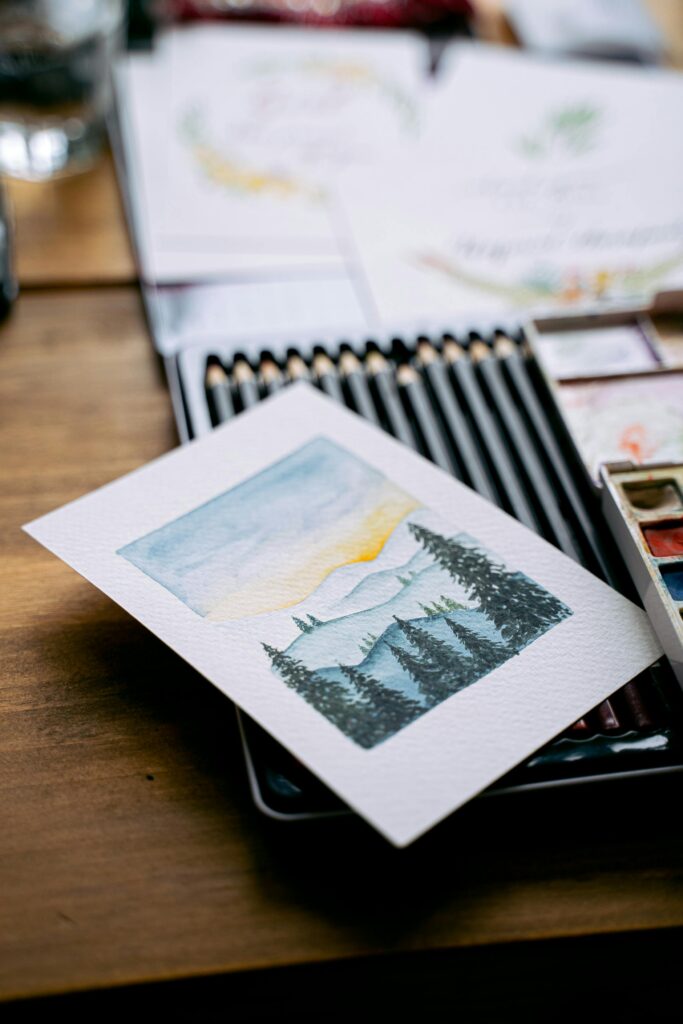
4. Teach What You Know (And Build a Creative Community)
Teaching can be incredibly rewarding, both financially and emotionally. If you’ve spent years refining your craft, chances are someone out there is eager to learn from you. And thanks to tools like Zoom, Teachable, and Skillshare, you can teach from your studio with ease.
You don’t have to be an academic to teach. You just need a clear process and the willingness to guide others. Start with a topic you’re confident about, maybe how to mix colors, build a mood board, or prep a canvas, and build a mini workshop around it.
Short, digestible courses do really well. People love learning in small chunks that they can apply right away. You can also run live Q&A sessions or offer critique add-ons to increase engagement and perceived value.
If the idea of tech overwhelms you, start small. Host a free Instagram Live, then use the questions you receive to shape your first paid class. Each offering builds momentum.
Don’t forget to collect feedback from students to improve and evolve. A satisfied student often becomes a repeat buyer, and a promoter.
5. License Your Art for Passive Income
Art licensing allows your work to appear on products like phone cases, journals, wallpaper, and apparel, while you collect royalties. It’s a win-win: you get your art in the hands of more people, and you earn from it without shipping a single package.
Start by selecting pieces that are bold, unique, and repeat-friendly. Patterns and motifs tend to do well, especially when adapted for surface design. Then research platforms like Spoonflower, Society6, and Redbubble, or reach out to small brands looking for unique collaborations.
When licensing, always read the fine print. Make sure your rights are protected and the terms align with your goals. Some artists license exclusively, while others prefer non-exclusive deals that allow them to license the same artwork to multiple clients.
Build a dedicated portfolio of licensable work, separate from your originals or commissions. This shows potential partners that you’re ready and professional.
Over time, licensing can snowball into long-term income, especially if your work becomes part of a brand’s permanent collection.
Make sure your art is easy to find online. A clear, well-structured website goes a long way. If you don’t have one yet, check out the Create a Stunning Artist Website guide from Arts to Hearts. It’s a solid roadmap to building a portfolio that works for you.
6. Build a Monthly Subscription or Art Club
Not every collector wants to commit to a $500 painting. But many would gladly pay $10–$30/month to be part of your creative journey. Subscription models are rising in popularity for a reason. They offer consistent income and deepen relationships with your audience.
You can offer early access to artwork, behind-the-scenes videos, monthly digital downloads, studio playlists, or even surprise snail-mail prints. The key is consistency and personal touch. Let your subscribers feel like they’re part of your inner circle.
Patreon is a great platform to start with, but you can also build your own membership site over time if you want more control. Platforms like Buy Me a Coffee or Ko-fi are alternatives that require less setup.
Before you launch, poll your audience. Ask what they’d love to receive monthly. That way, you’re building something that excites both you and your supporters.
Subscription models also give you a testing ground for new ideas. Thinking of launching a zine? Share a draft with your club. Want to test new styles? Your members will cheer you on.
Just remember: if you promise monthly perks, stay consistent. Even small updates go a long way in keeping trust.
7. Turn Your Process Into a Product: Teach What You Know
You don’t need to be a professor to teach art. You just need to know something someone else wants to learn. Whether it’s your way of layering textures, making sketchbooks, or prepping panels, there’s an audience out there curious to learn how you do it. And teaching online means you can record it once and sell it forever.
Platforms like Teachable, Gumroad, or even a private Vimeo link make it super easy to deliver workshops or courses. And you don’t need a huge production setup. Many artists film their courses with a tripod and natural lighting from their studio window. What matters is clarity, sincerity, and quality of information, not cinematic flair.
If you don’t want to dive into full courses just yet, you can start with mini tutorials or one-off workshops. These are faster to make and easier to price affordably. Think: “How to Build a Layered Collage in 3 Steps” or “My Favorite Gesso Transfer Technique.”
Teaching is also an amazing way to build trust and community. Students often become collectors. They already admire your process, so purchasing original work or prints becomes the next natural step. It’s a gentle, relationship-driven path to growing your audience.
Another bonus? Teaching keeps you accountable. When you know people are learning from you, you often push yourself to deepen your own understanding of your methods. It’s a beautiful feedback loop that energizes your studio practice.
And once you’ve got the content, you can repurpose it. Chop up your lessons into reels, write blog posts from the scripts, or offer a behind-the-scenes email series. Every bit of effort goes further when you’re thinking like a creative entrepreneur.
8. Sell Digital Downloads That Solve a Real Problem
Not all your art needs to be physical. Digital downloads, like printable art, planners, workbooks, zines, or even screen backgrounds, are fast becoming a popular and sustainable income stream.
What works well here is tapping into your existing creative work. For example, that daily sketchbook practice? It could become a monthly zine PDF. Your portfolio organizing method? That’s a printable checklist someone else desperately needs. Your daily creative affirmations? They could be formatted into a beautifully designed, sellable file.
Digital products are incredibly flexible. You can sell them on your own website, through Etsy, or platforms like Ko-fi or Payhip. They also act as lead magnets. Someone might find you through a $5 planner and end up following your work or joining your mailing list, eventually buying a $500 original.
Keep in mind, digital downloads need to solve a real problem or inspire a specific audience. Just posting “printable abstract art” isn’t enough. Get clear on the use-case. Is it for home décor? Creative journaling? Workspace ambiance?
Packaging matters too. Make sure your product images are clear, styled, and inviting. Use mockups to show how the downloads look when printed or used. And create a copy that speaks directly to the dreamer on the other side of the screen.
The best part? You can bundle multiple downloads and sell them as kits, offering more value while increasing your profit margins. This is exactly how artists turn their studio thinking into multiple streams.
9. Turn Events and Pop-Ups into Repeatable Sales Engines
Events might seem old-school, but they’re still powerful, especially when they feed back into your digital presence. A successful in-person pop-up isn’t just about that day’s revenue. It’s about capturing emails, content, and relationships that can translate into long-term sales.
Whether it’s a small local fair, a niche maker’s market, or a curated studio open day, events put you face-to-face with people who are already in the mood to discover and spend. That direct contact can build loyal buyers faster than weeks of social posts.
Prepare by making sure your setup is strong, clear pricing, business cards or QR codes that lead to your site, and a newsletter sign-up incentive like a free mini print or 10% off. Your goal is to leave that event with names, not just receipts.
And don’t forget to document the day. Take photos of your booth, videos of your art in the wild, and interviews with other creatives. This gives you months of social media material. Plus, it shows future customers that you’re active, professional, and engaged.
One underrated tip? Follow up. Within 24–48 hours, email your new signups with a thank-you message, an exclusive offer, or behind-the-scenes pics from the event. Strike while the connection is warm.
Eventually, events also teach you what people respond to. Which pieces got the most compliments? Which price point moved the fastest? What questions did people ask? These insights can directly inform your online offerings, and they’re worth gold.

10. Apply for Paid Residencies and Art Opportunities
Not all income has to come from sales. Artist residencies, fellowships, and grants often include stipends, material support, and in some cases, free housing or studio space. They can give you time and money, which is every artist’s dream combo.
Start by finding opportunities that align with your values and your lifestyle. Some residencies are short (a weekend), while others stretch across months. If you need flexibility, look for virtual or part-time programs. Arts to Hearts Project, for instance, curates accessible and inclusive open calls and features, some of which come with financial or promotional rewards.
The trick is to treat applications like part of your job. Keep a master spreadsheet, reuse strong materials (like bios and statements), and schedule time each month to apply to a few calls. Think of it as planting seeds. Not every one grows, but eventually, they start to bear fruit.
And once you get accepted, the benefits are bigger than just the check. Residencies give you credibility, community, and content. You can write blog posts about the experience, mention it in your bio, and make new collector contacts through the hosting org.
Remember: you’re not “asking for a favor” by applying. You’re offering your ideas, your perspective, and your work. That’s valuable. Learn to own that mindset.
Paid opportunities also help fund other parts of your art life, maybe even that new course you want to film or a larger body of work you’re planning. They’re stepping stones toward more freedom and visibility.
Ready to make 2025 your breakthrough year? The 100 Emerging Artists of 2025 open call by Arts to Hearts Project is your golden opportunity to be seen, celebrated, and seriously supported. Not only will selected artists be published in a global art book and promoted across Arts to Hearts’ buzzing platforms, but there’s also a $1000 cash prize up for grabs! This is your chance to get your work in front of collectors, curators, and a worldwide audience. Don’t wait for permission, submit your art and claim your spotlight!
Enter the open call now before the deadline.
11. Launch a Subscription or Membership Model
If you’re looking for monthly recurring income (and who isn’t?), memberships and subscriptions are where it’s at. These models give your most loyal fans a way to support you regularly, and in return, they get exclusive access, content, or behind-the-scenes perks.
Patreon is the most obvious example, but there are also options like Ko-fi, Buy Me a Coffee, or even creating a private email-based membership. The beauty here is simplicity. You don’t need to offer physical goods. Even a monthly video, early access to your new work, or a studio diary can be enough value for subscribers.
The key is consistency and community. Your members want to feel close to your process. Let them in on your experiments, unfinished pieces, or thoughts from the studio floor. It doesn’t have to be polished, just real.
Set clear tiers with rewards, and make it easy to sign up. Offer early bird pricing for the first 10–20 members to get momentum going. And use your mailing list to gently talk about the benefits over time. It doesn’t need to be a hard sell.
Memberships also build resilience. When print sales dip or commissions slow down, you still have your core supporters showing up. That kind of stability is rare in the art world, and worth building toward.
And let’s be honest, it feels really good to know people care about your work enough to support it monthly. That encouragement often does more for your motivation than the money itself.
12. Sell Your Skills as a Creative Freelancer
Sometimes the best way to make money as an artist is to sell your skills, not your artwork. Graphic design, illustration, mural painting, branding, creative direction, writing, these are services many businesses and individuals need.
Freelance work can offer more predictable income than art sales alone. You get paid per project, often up-front, and you can scale your availability depending on your studio practice. Just make sure you’re pricing fairly and setting terms clearly.
Don’t worry about diluting your identity. Many artists find that freelancing supports their creative growth. It teaches you to meet deadlines, collaborate with clients, and refine your communication. Those skills circle back into your studio practice.
The best part? You can offer your services on your terms. Offer it as a niche service.
Use platforms like LinkedIn, Instagram, and even Behance to showcase your client projects. And always ask for testimonials. Word-of-mouth is gold in the freelance world.
It may not be the final income stream you lean on forever, but it can be a strong part of your mix, and a bridge to even more creative freedom.