
This Photographer Uses Slow Shutter Effects to Reimagine Everyday Scenes │ Rebecca de Arruda Doracio
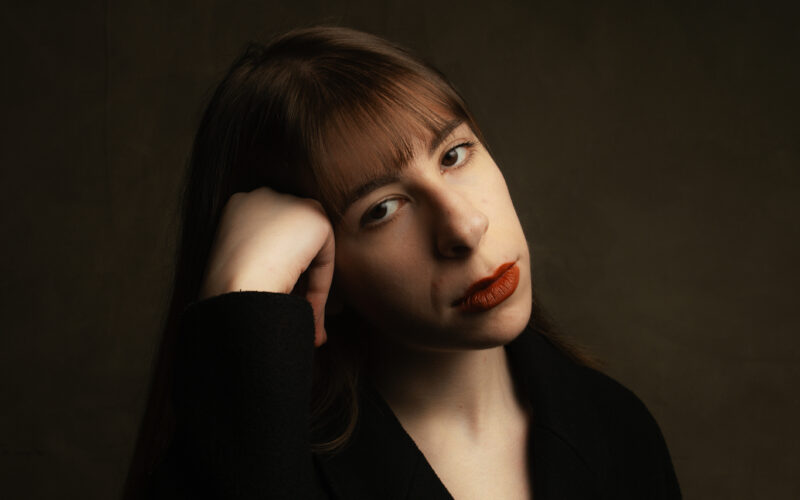
At Arts to Hearts Project, our 100 Emerging Artworks book brought together one hundred standout pieces by emerging artists from around the world, one work each. But Rebecca de Arruda Doracio’s photograph made us pause, because most photographers chase the light, and she has spent her whole career following the shadow. She is one of the artists selected for this edition.
Rebecca is a Brazilian photographer, and she came to the camera from the other side of it. As a teenager, struggling with her self-image and with anxiety, she began making self-portraits, using photography to face what hurt instead of looking away from it.
That beginning still shapes everything. It taught her what vulnerability feels like from the inside, and it is why, even now, she is less interested in a perfect surface than in what trembles just beneath one.
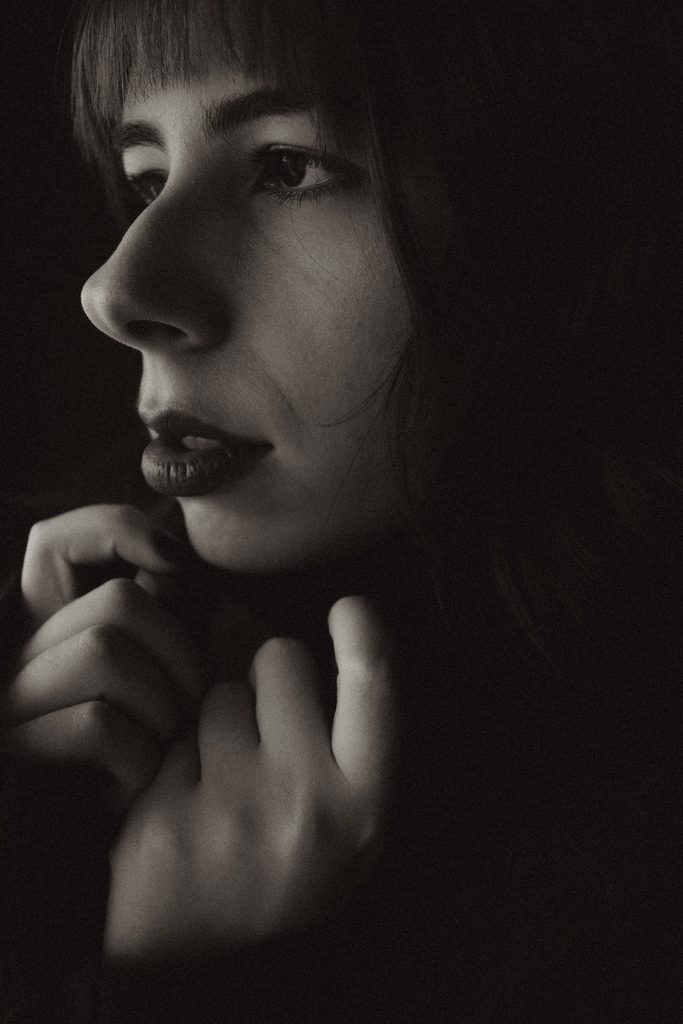
She calls her work a poetic visual narrative, and she means it literally. A photograph, to her, is not a record of what happened but a translation of what was felt, built from silence, gesture, absence, and suggestion rather than clear statements.
She gives you fragments, not the whole scene, and trusts you to finish the image with your own memory. Her aim is not to be understood so much as to be felt.
What keeps her from settling into any single lane is that her work was never really about the subject in the first place. She moves between fashion, portraiture, weddings, brands, and her own conceptual series, and each has taught her something, construction and intention from fashion, presence from portraiture, clarity from commercial work, freedom from conceptual work, but the thread running through all of it is identity, not category. As she puts it, her visual language comes before the niche.
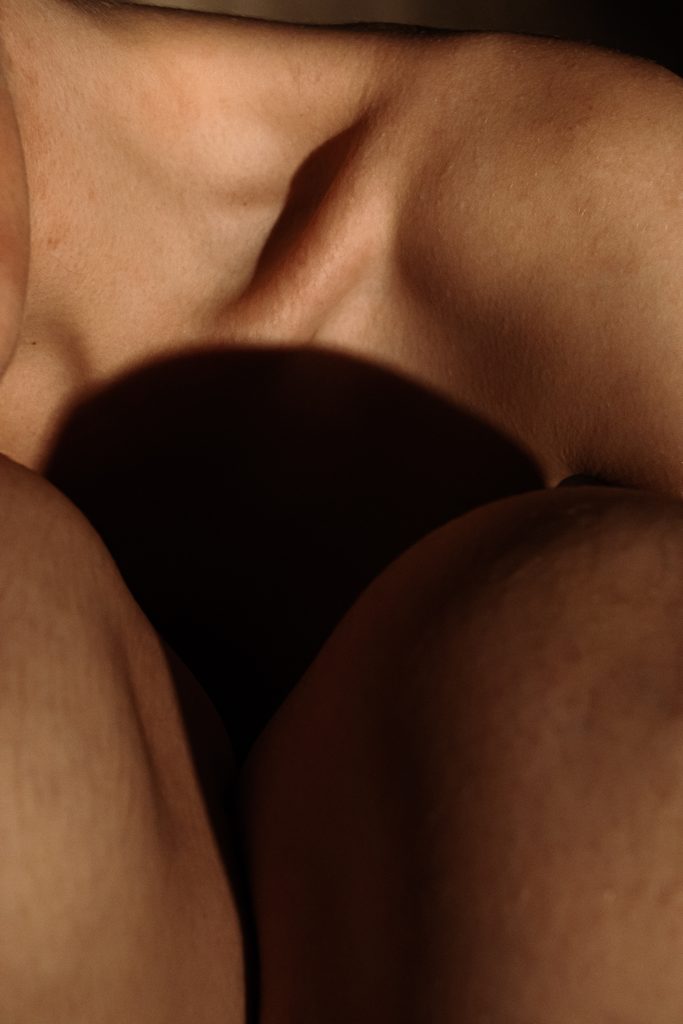
Underneath the images sits a belief she took from her training in Brazil, that a photograph is never neutral, that every one carries the gaze of the person who made it. So she works with intention, and with an almost quiet insistence on making people feel truly seen. An introvert who notices what others miss, she tends to become a companion to the story rather than just the one holding the camera, and her own history quietly enters the way she looks at everyone else’s.
Her work has been published in international magazines, shown in exhibitions, and recognised in competitions abroad, and that unmistakably personal way of seeing tends to find people long before they ever stand in front of her lens.
Let’s get to know Rebecca through our conversation with her about turning vulnerability into a language, why she follows the shadow instead of the light, how she carries her own story into everyone else’s, and what she wishes she had understood about photography sooner.
Q1. Can you tell us about your journey into photography and what first drew you to storytelling through the camera?
My journey into photography began with self-portraiture during adolescence, at a time when I was struggling with self-image and anxiety. Photography became a way of facing what was difficult rather than avoiding it. Over time, that vulnerability grew into a sense of belonging. I began noticing silence, gestures, absence, light, memory, fragility, and the beauty found in seemingly empty spaces.
During the pandemic, I immersed myself even more deeply in photography through self-portraits, personal work, study, and constant practice. Eventually, it stopped feeling like something I simply did and became a way of living, thinking, and seeing. Photography itself became the language.
For me, it was never really about the camera as an object. It became a way of questioning permanence, forgetting, and the instability of memory. Eventually, the personal language I had built through my own experiences became something I could offer to others, and that is what turned photography into my career.
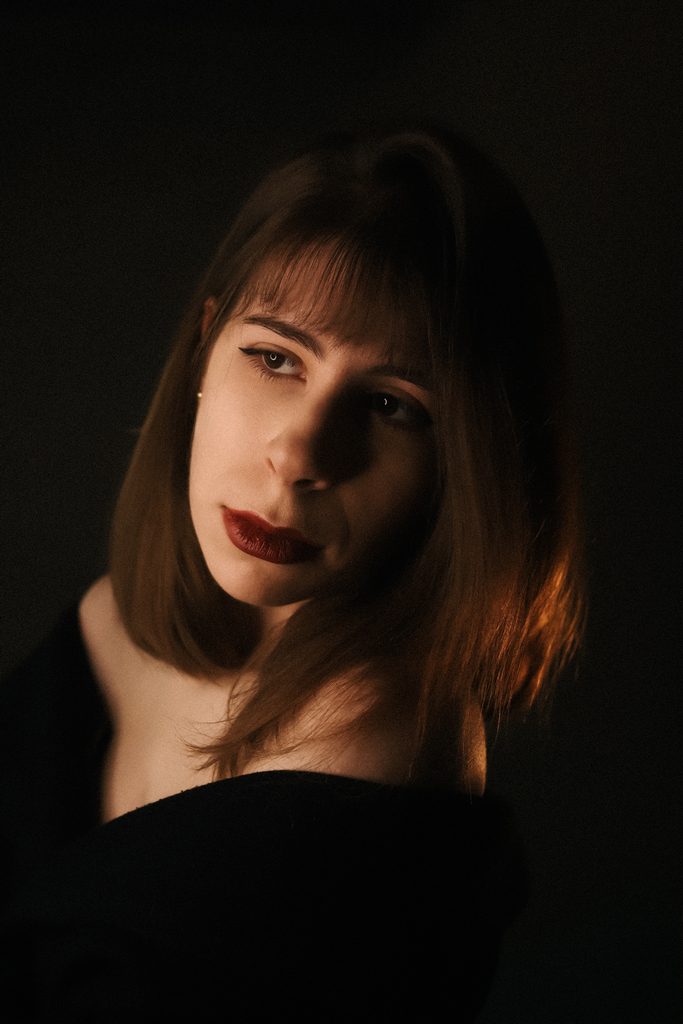
Q2. You describe your work as a poetic visual narrative. What does storytelling mean to you?
To me, storytelling in photography is not about explaining everything. It is about creating enough space for something to be felt.
I am interested in what exists beneath the obvious: gestures, silences, tension, tenderness, absence, memory, and small details that can say more than a complete scene. A narrative does not need to be literal to be understood. I see photography not as a perfect reflection of reality, but as a translation of perception. I want my photographs to be experienced, not simply understood.
Q3. Your work spans fashion, portraiture, commercial, and conceptual photography. How has your visual language evolved across them?
My visual language developed by moving through different areas without separating them completely. Fashion taught me about construction, styling, gesture, and intention. Portraiture brought me closer to vulnerability and presence, while commercial work taught me to translate identity with clarity. Conceptual work gave me more freedom to explore memory, the body, absence, and perception.
I believe I can move through these fields because my photography has always been centred more on identity than categories.
My visual language comes before the niche. What connects everything is the same gaze, sensitivity, and intention.
Q4. When you begin a shoot, what do you want the viewer to discover?
Every project asks me to understand something before I begin creating it. The story or emotion depends on the purpose of the photographs. My objective is to fulfil the objective of the image, building the narrative through research, context, light, direction, gestures, composition, and every element that helps the image communicate without words.
During photography school, particularly through anthropology and ethnography of the image, I understood that photography is never completely neutral. Every image comes from a human gaze shaped by culture, memory, experience, and belief. I approach photography from a place of consciousness, always serving the purpose of the image rather than imposing one fixed emotion.
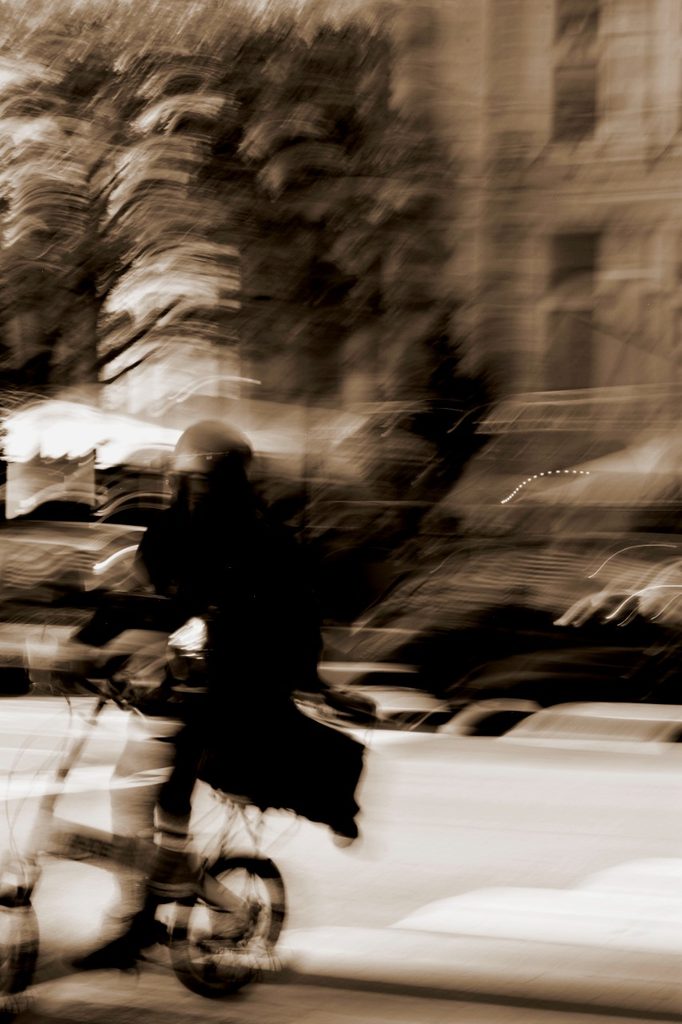
Q5. In fashion photography, how do you create a shared visual language with your team?
For me, it begins with a shared understanding of purpose. Before thinking about aesthetics, I make sure everyone understands what the image is trying to communicate and what atmosphere we are creating.
I often organise this through a Visual Proposal that brings together references, atmosphere, colour palette, styling, lighting, direction, composition, and other visual elements. It helps everyone understand the vision clearly.
Collaboration does not mean erasing individual voices, but creating enough clarity for everyone to contribute while remaining connected to the same purpose.
Q6. How much of your own experience enters someone else’s story?
I believe my personal and emotional experiences are part of why people choose me to tell their stories. They shaped the way I see vulnerability, memory, beauty, distance, tenderness, and the quieter spaces that often appear in my work.
Even when I photograph someone else’s story, my emotional experience is present in the way I choose to look at it. Not to make their story about me, but because the person I became through my own experiences is also the person they chose to translate theirs.
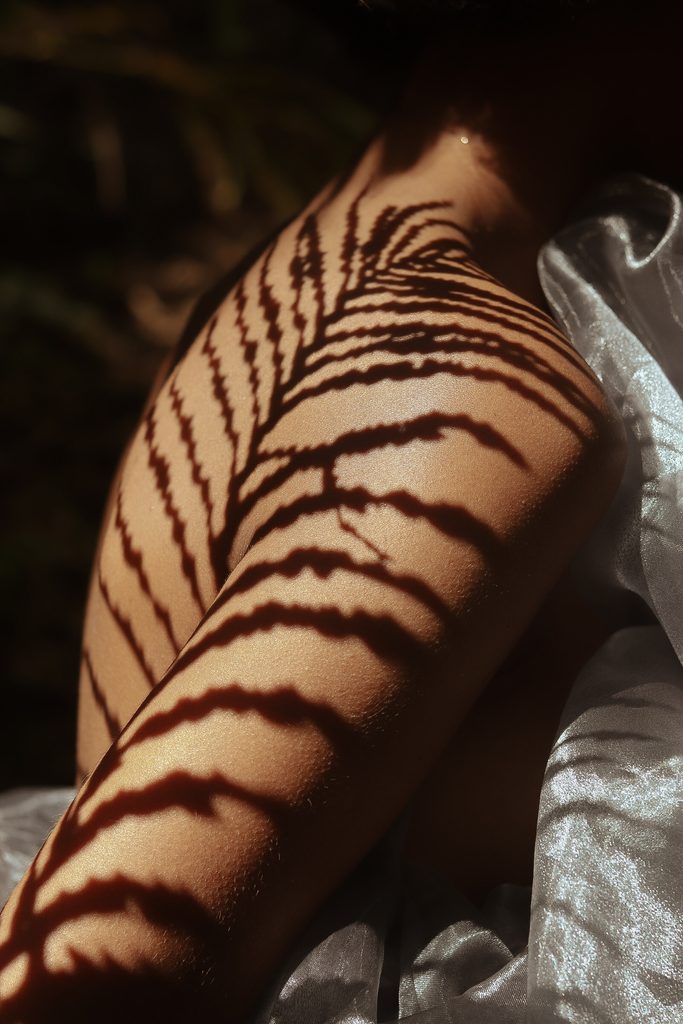
Q7. Has photography changed how you see everyday life?
Photography changed the way I saw the world long before it became my profession. It found me during a period when it was difficult to see much beauty around me.
Over time, what began as confrontation became belonging, and photography taught me to embrace shadows, silence, melancholy, fragility, and less obvious forms of beauty.
Today, I notice light, gestures, textures, shadows, pauses, and compositions everywhere. Writing and poetry have always existed alongside photography, but sometimes an image can hold something words cannot reach. Photography became a way of existing first, and only later became my profession.
Q8. What has been your biggest challenge in building a career in photography?
My biggest challenge has been the constant need for validation within photography and the visual arts. I have a clear sense of my identity and the language I have built, but the market can still ask you to prove that you belong according to someone else’s standards.
I often speak about this with other women photographers because many of these stigmas remain within the industry. I am sensitive in the way I create, but also rational, practical, grounded, and commercially minded. The challenge is not discovering whether I belong, because I already know that I do, but navigating a market that repeatedly asks me to prove it.
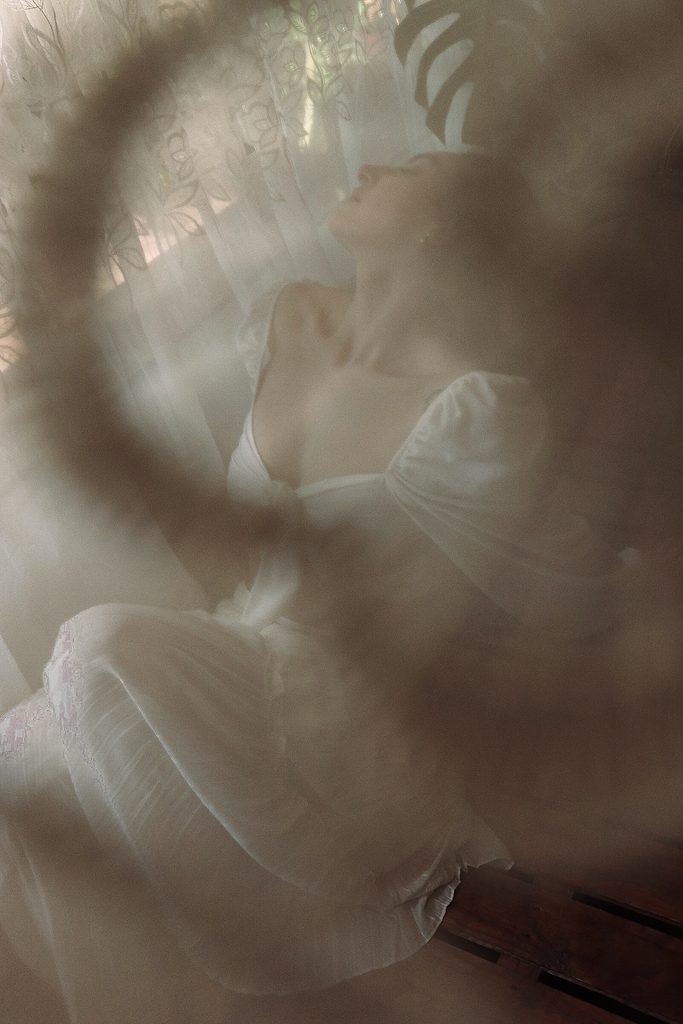
Q9. Has your idea of success changed since you first started taking photography seriously?
Yes. At first, success was connected to professional recognition, visibility, and commercial growth. Those things still matter, but they no longer define success for me. The more deeply I became involved in photography, the more I began thinking about contribution: what I can add to the photographic community, how I can bring photography into other spaces, and how it can impact people beyond my own career.
Success feels much more connected to what I can give back to a language that has already given so much to my life.
Q10. What is one thing you understand about photography now that you wish you had known when you were beginning?
I wish I had understood photography in the way I see it now. For a long time, I approached growth with pressure. I wanted to know more, improve faster, make better work, and constantly prove that I was evolving. That often came with emotional exhaustion and anxiety.
Today, I understand that everything I learned had its own moment. I no longer feel the need to punish a past version of myself for not knowing what she had not yet had the time to learn.
I still want to grow, study, improve, and be deeply professional, but without treating development as a race. Life is not linear, and neither is photography.
Photography speaks so much about time, memory, transformation, and finitude. Perhaps what I wish I had understood earlier is that we should allow ourselves the same time we ask an image to carry. Some things cannot be rushed into meaning.
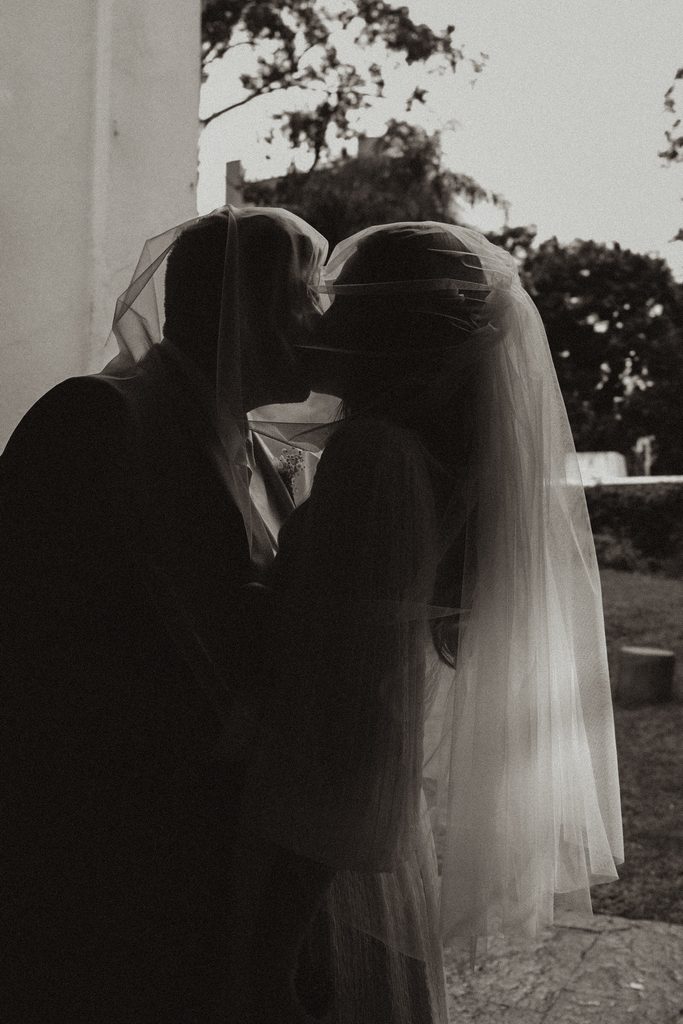
As our conversation with Rebecca came to an end, we found ourselves thinking about how often artists are made to prove they belong, and how quietly powerful it is when someone simply knows that they do.
The art world can be strangely rigid about who counts as a real artist, how a career is supposed to look, even how old you should be before your work is taken seriously. Rebecca knows that pressure well, and she says many women photographers feel it especially sharply.
What stayed with us is her refusal to be moved by it. She is deeply sensitive in the way she creates, but grounded and clear-eyed too, certain that the real question was never whether she belongs, only how to keep going in a world that keeps asking her to prove it. There is a quiet strength in holding onto your own sense of who you are while everything around you demands you justify it.
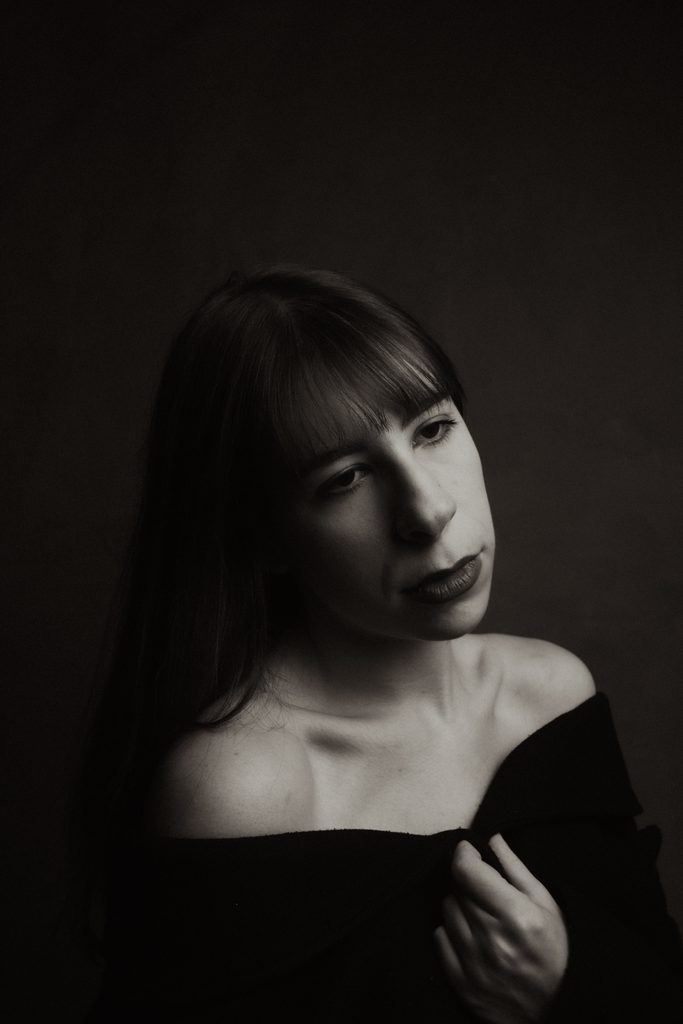
There is a gentleness in the way she thinks about growth, as well. For a long time she treated her development like a race, always pushing to know more and improve faster, and it left her exhausted. Now she understands that everything she learned arrived in its own time, and that a life in art, like an image, cannot be rushed into meaning.
Her sense of success has shifted too, away from recognition and toward contribution, toward what she can give back to a language that has given her so much. In a field that prizes speed and visibility, that feels like a wiser, steadier way to build a creative life.
For art lovers and collectors, Rebecca’s work offers something tender and rare. Photographs that live in shadow and silence, that suggest rather than explain, and that ask you to slow down and feel your way in. There is real emotion beneath every surface, and space, always, for your own. To live with one of her images is to keep a quiet, human moment close, the kind that makes you feel less like you are being shown something, and more like you are being remembered.
Follow Rebecca de Arruda Doracio through the links below and see her work for yourself.
Last call for Issue 15 of Arts to Hearts Magazine. Submissions close on 5 October, and time is running out to share your work under the theme “Where I Am.” Wherever you are in life, joy or uncertainty, home or far from it, a new beginning or an ordinary day, there’s a piece of your work that holds it. Revisit what you’ve made, choose the one that speaks, and send it before the window shuts. Every featured artist submitted before the deadline. Now it’s your turn.