



The Dream of Making a Living From Art Isn’t Always Beautiful
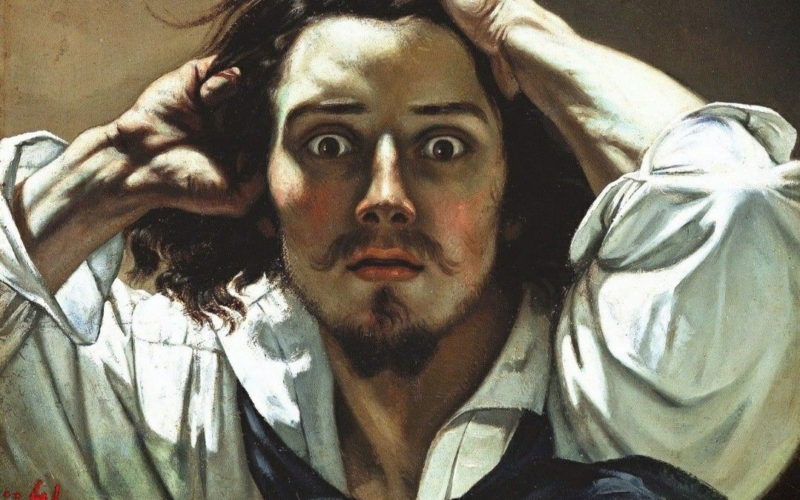
You can graduate with a fine arts degree, a decade of technique, and no idea what a licensing clause actually does.
Difficulty in making a living from art is not a personal failure. It is a curriculum decision that is roughly four hundred years old.
Ask most art students what they were taught and you will hear a familiar list. Color theory. Composition. Material behavior. Critique. How to look. How to fail productively. How to defend a body of work in a room full of people who want to take it apart. All of it is useful. Yes.
Now ask them what a consignment agreement says about who owns the work if the gallery goes under. Ask them what rights they just signed away in that commission contract. Ask them whether they know the difference between selling a painting and licensing its image.
You hear that silence? That is what I am writing about today.
The Quiet Part Artists Say Only When They Break
In early 2019, the London artist Tai Shani wrote publicly about her finances. She had spent the previous year exhibiting internationally and at major publicly funded contemporary art spaces in Glasgow, Leeds, and Nottingham. By any visible measure, she was succeeding.
She said she found it hard making a living from art this way. She said that trying to stay afloat, financially and practically, had made her physically sick on more than one occasion.
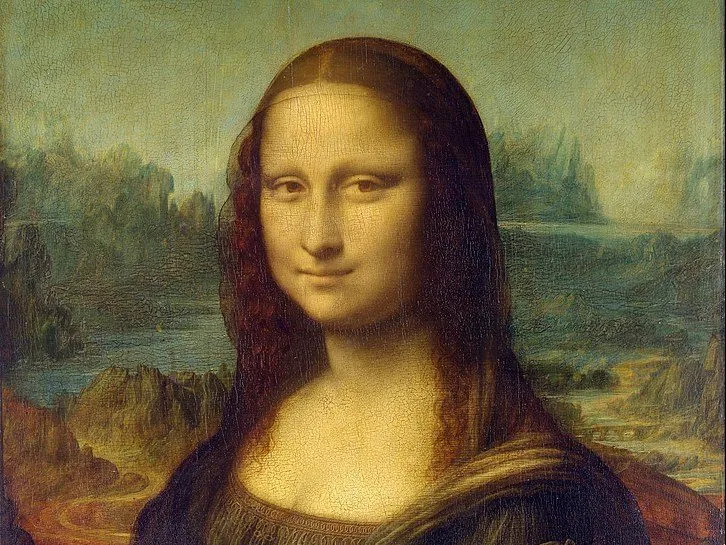
It was not shocking. It was so ordinary that almost every artist recognized it like the Mona Lisa.
Here’s the boring part. Numbers.
Arts Council England’s own research in 2018 found artists earning an average of £16,150 a year, of which only £6,020 came from their practice. A decade on, the 2024 CREATe and DACS survey of UK visual artists found the median self-employed income had fallen to £12,500, roughly half of the full-time minimum wage.
These numbers are not hidden. In fact, quite the opposite. They are published and cited. But somehow absorbed into the background noise of what making a living from art is assumed to feel like.
Nobody Used to Pretend Making A Living From Art Was Vulgar
For centuries, artists trained inside the business of making a living from art. Guild apprenticeships came with signed terms. Commissions came with deadlines, material clauses, and penalties. You learned to grind pigment, and you learned what pigment cost, who paid for it, and what happened if you delivered late.
The split came later. The Royal Academy’s statute forbade its members from opening a picture shop or dealing in art at all, a direct rejection of the older custom under which a painter was his own dealer. Painting was being promoted from trade to “liberal” art. The price of that promotion was agreeing that selling was beneath you.
Now, the knowledge moved into the hands of dealers and critics, who now understood things artists were being trained not to know.
The Patron Left. The Rules Stayed.
Here is what I find absurd.
The idea that an artist should think only about art when someone else was handling everything else. A patron, a court, a church, a dealer who took you on at twenty-five and stayed for thirty years. Somebody was doing the negotiating, the pricing, the chasing of payments. Many artists could afford to find the world of trade distasteful because they were not in it.
Read More: How To Price Your Art Effectively
Even now, artists are fumbling in the world trying making a living from art. They are running small businesses with no training and no representation, with a belief that looking to quantify your art’s value in terms of dollars will make you a less serious artist.
The Stigma Is Doing More Damage Than the Market
So, what happens when an artist tries to solve the problem and tries to make a living from art?
Teaching? The art world terms it as the last resort of a failing artist. The workshop, the social media post, the private students on Saturday mornings? Still read in too many rooms as evidence you did not make it. The phrase “those who can’t do, teach” was designed for exactly this, and it has never left the studio.
Read More: Honest Guide To Pricing Your Art
They post their work online and get told they are a content creator now, not an artist. They price transparently, and it reads as commercial. They ask about a fee, and it reads as ungrateful. They mention a contract, and the room cools down a few degrees Celsius.
The whole system runs on the fear of looking unserious, and that fear does more to keep artists poor than any auction house ever has.
What Actually Changes Anything
Trying to make a living from art in this market is genuinely hard. Between 2015 and mid-2025, the top 100 artists accounted for 76.4% of all auction value, as found in a study by Masterworks. No amount of contract literacy bends that.
But most artists are not living or dying by auction results. They are living on commissions, licensing, teaching, editions, and residencies. That is where the losses happen, and those are preventable.
They are also barely taught about business.
Fewer than 10% of leading US colleges and conservatories offer an arts entrepreneurship certificate, and barely 11% require a single arts business course. Yet artists who hold both arts and business training close roughly half of the earnings gap that fine arts graduates otherwise carry.
The most useful thing the art world could do is stop treating business knowledge as taboo. Reading a contract is not a compromise. Knowing what you are owed on a resale is not vulgar. Teaching is not a consolation prize. Building an audience is not a lesser form of being seen.
Artists have spent four centuries being told that making a living from art or the “money” conversation is beneath them. The people saying it have always been the ones holding the money.
Postscript: If this essay made you want to look at your own numbers, do that before the feeling passes. Our free Artwork Price Calculator walks you through materials, studio costs, overheads, packaging, shipping, and profit, then hands you a price you can actually defend out loud.