





Five Museums to Visit in Amsterdam
Amsterdam has a way of making you curious. You might find yourself wondering about the history behind a row of beautiful canal houses, the artist who once worked in a quiet studio, or the stories hidden inside a painting you have passed a dozen times in a book. And if there is one thing this city does particularly well, it is giving that curiosity somewhere to go.
Its museums are part of what makes Amsterdam such a rewarding place to explore. Some take you centuries back, into the lives of artists and the worlds they inhabited. Others bring you face-to-face with the art being made today, challenging what you think a painting, a sculpture or even a museum should look like.
For anyone who loves art, there is plenty to discover here. But rather than trying to see everything in a single visit, why not choose a few places that offer genuinely different experiences? From the remarkable collections of Dutch masters to a former warehouse filled with monumental street art, these five museums invite you to look at art, and perhaps the city itself, a little differently.
1. Rijksmuseum: Where Dutch Art Tells Its Stories
There is something quite lovely about standing in front of a painting you have seen reproduced countless times and discovering that the real thing feels entirely different. The details are sharper, the colours have a depth you never quite noticed, and suddenly you find yourself spending much longer in front of it than you intended.
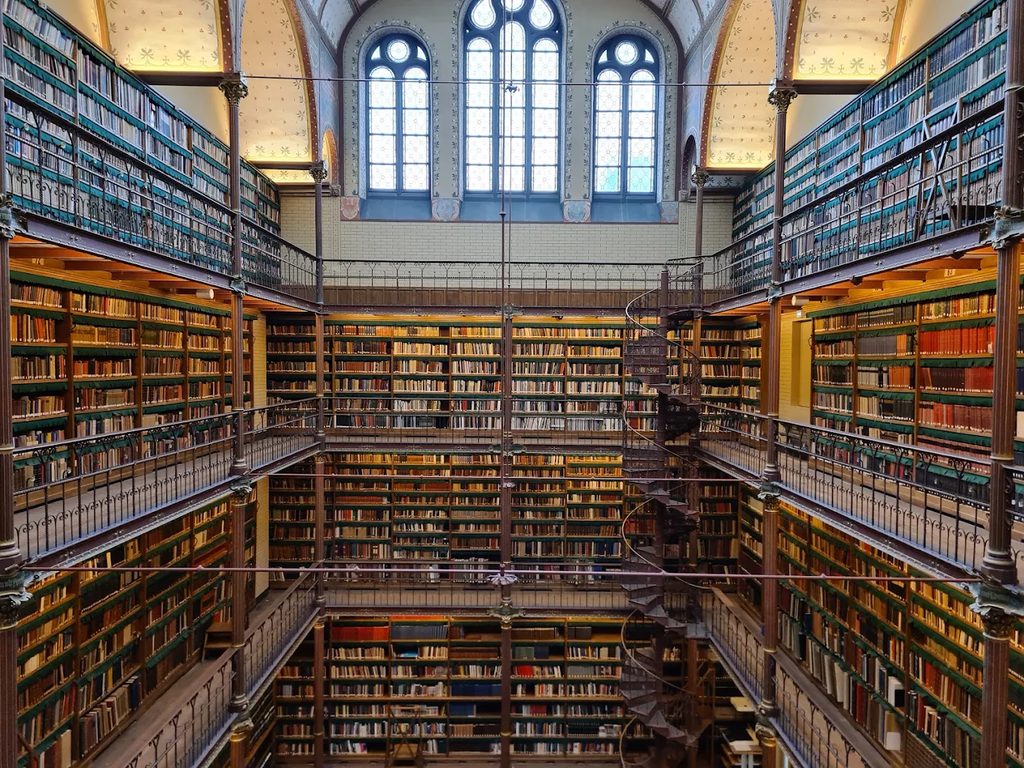
That is one of the pleasures of visiting the Rijksmuseum, the Netherlands’ national museum and one of Amsterdam’s essential stops for anyone interested in art and history.
The museum brings together eight centuries of Dutch art and history, with an extraordinary collection that includes paintings, sculpture, decorative arts, historical objects and much more. Its Gallery of Honour is a natural place to begin, leading visitors towards celebrated works by artists such as Rembrandt van Rijn, Johannes Vermeer and Frans Hals. Rembrandt’s The Night Watch is among the collection’s best-known masterpieces, and seeing it in person offers an opportunity to appreciate the movement, light and remarkable attention to detail that make the painting so compelling.
But the Rijksmuseum is not simply a place to admire famous paintings. Look beyond the names you recognise and you will find objects that reveal how people lived, what they valued and how their world changed. Furniture, textiles, ceramics and other everyday objects help bring history into focus in ways that a painting alone sometimes cannot.
This is what makes the museum so rewarding. Art does not exist in isolation; it carries traces of the people, places and circumstances that produced it. A visit here offers a chance to explore those connections, whether you are an art history enthusiast or someone who simply enjoys looking closely at beautiful things.
A little suggestion: You do not need to see everything in one visit. Choose a few works that catch your attention, give yourself time with them, and allow the rest of the collection to unfold at its own pace. The Rijksmuseum is a place worth returning to.
2. Van Gogh Museum: Getting Closer to the Artist Behind the Paintings
Most of us recognise a Van Gogh painting before we even realise we are looking at one. The swirling skies, expressive brushstrokes and vivid colours have become so familiar that it is easy to forget there was a person behind them, working through ideas, trying new approaches and searching for a way to express what he saw.
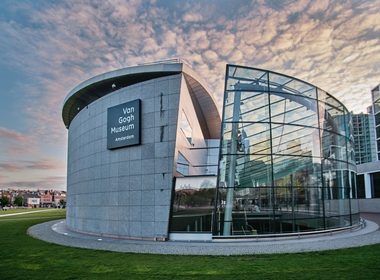
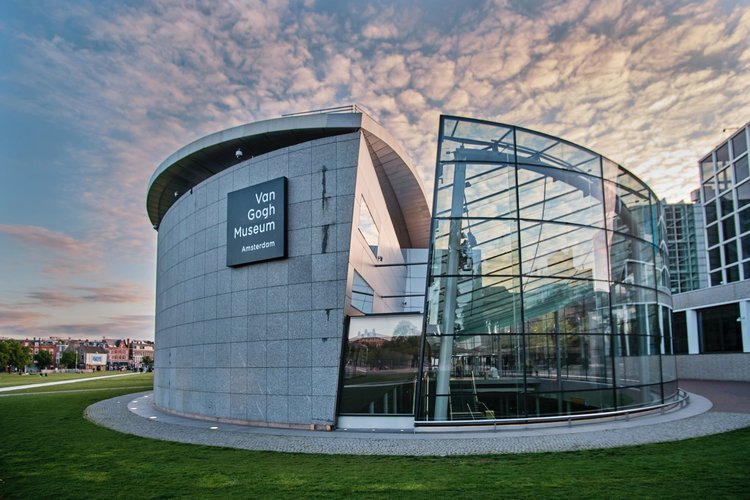
The Van Gogh Museum offers a chance to look beyond that familiar image and spend time with the artist’s work on a more personal level.
Home to the world’s largest collection of works by Vincent van Gogh, the museum brings together paintings, drawings and letters that help trace his development as an artist. You can encounter familiar works such as Sunflowers while also discovering pieces that reveal how his style changed, what he was experimenting with and the influences that shaped his practice. The collection also includes works by artists connected to his artistic world, adding context to the conversations and movements that surrounded him.
One of the most interesting parts of this experience is the opportunity to encounter Van Gogh’s letters. His correspondence, particularly with his brother Theo, reveals how closely his artistic ambitions were tied to his everyday life. He wrote about his work, exchanged ideas and sometimes included sketches to explain what he was trying to achieve. These letters make the creative process feel much less distant. You begin to see not only the finished paintings but also the thinking, uncertainty and persistence that came before them.
For artists, there is something especially moving about this. We often meet the work of celebrated artists at the point where it has already become part of art history. Here, we can also glimpse the person who was still figuring things out.
You may leave remembering a particular painting, a letter or even a small detail in a drawing. Whatever stays with you, the museum offers a reminder that behind every recognisable style is a creative life that took time to develop.
3. Stedelijk Museum: When Art Refuses to Stay Within the Lines
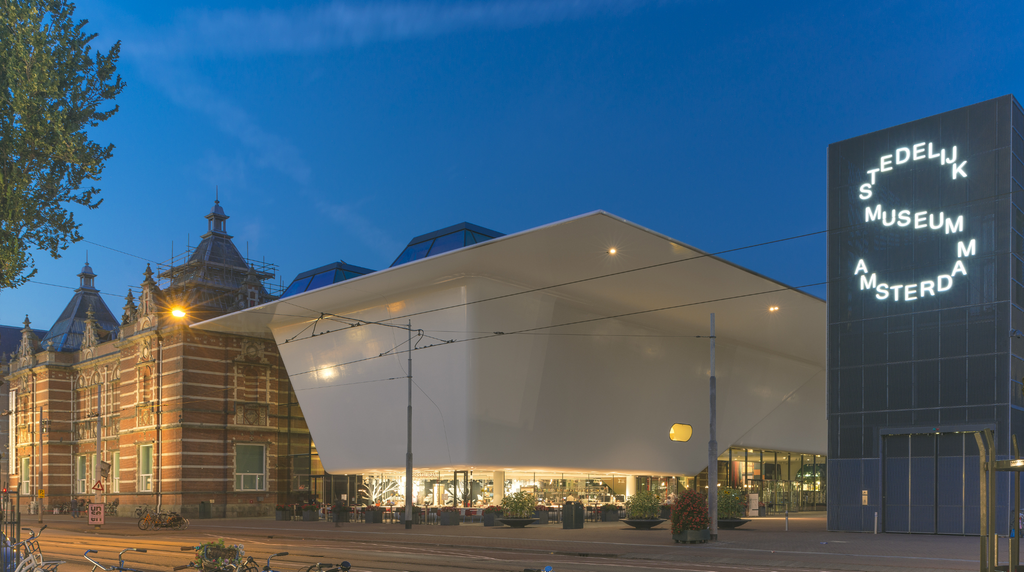
Not every museum visit needs to begin with a masterpiece you already know. Sometimes the most interesting experience is walking into a room, encountering something unexpected and asking yourself a question you had not thought to ask before.
The Stedelijk Museum is a wonderful place for that kind of discovery.
Dedicated to modern and contemporary art and design, the Stedelijk brings together different forms of visual expression, including painting, sculpture, photography, installations and graphic design. Its collection spans artistic movements and generations, offering a view of how artists have responded to changing ideas about society, identity, technology and the world around them.
What makes a museum like this particularly exciting is the way it broadens our understanding of what art can be. A work might invite you to look closely at its materials. Another might make you reconsider something you take for granted. Some pieces are immediately appealing, while others take a little longer to settle into your thoughts. You do not have to understand everything at first glance, and you certainly do not have to like every work.
That freedom is part of the experience.
The Stedelijk is also an important destination for anyone interested in design. The objects and visual ideas we encounter in everyday life, from printed matter to furniture and other designed forms, can be explored here as creative expressions in their own right.
For artists and art lovers, the museum opens up questions about experimentation, influence and the changing boundaries between disciplines. It encourages you to think about how art responds to the present rather than existing only as a record of the past.
Go in with an open mind. Instead of searching only for works you recognise, pay attention to the ones that make you pause, even if you are not entirely sure why. That moment of curiosity can be just as valuable as seeing a celebrated artwork in person.
4. Rembrandt House Museum: Inside the Artist’s World
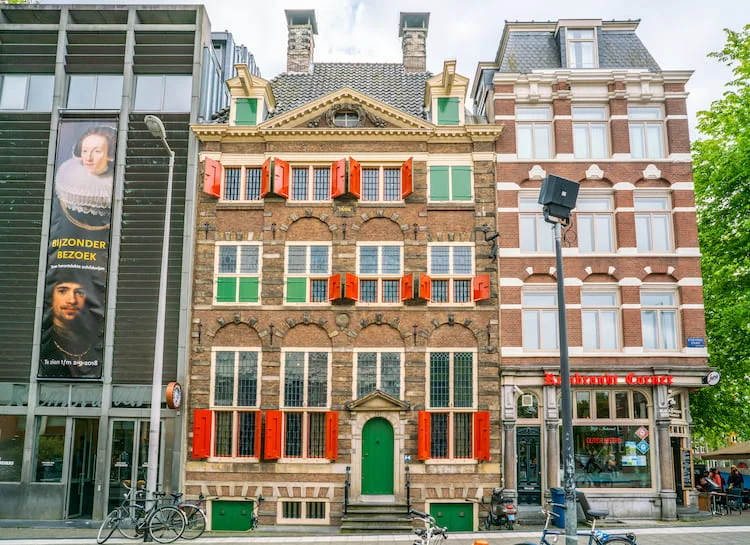
Paintings tell us a great deal about an artist, but they cannot tell us everything. What did the studio look like? How were the materials prepared? Where did the artist work, collect objects, experiment and spend the ordinary hours that rarely make it into art history?
The Rembrandt House Museum offers a glimpse into these questions by taking visitors inside the Amsterdam house where Rembrandt van Rijn lived and worked during much of the seventeenth century.
Rather than encountering his work only in a gallery, you move through the rooms of a historic home, including the spaces associated with his daily life, artistic practice and collection. The interiors have been reconstructed using a historical inventory, helping visitors imagine the environment in which Rembrandt lived and created.
The experience becomes even more interesting when you consider the practical side of making art. Rembrandt was not simply producing finished paintings and etchings; he was also working with materials, developing techniques and making decisions about how an image would come together. The museum’s painting and etching demonstrations bring some of that process into view, showing visitors how pigments and printmaking methods were used.
For anyone who makes art, these details can feel surprisingly relatable. We tend to remember artists for the works that survive them, but their creative lives were made up of countless smaller acts of making, testing, adjusting and trying again.
There is also something intimate about visiting a place where an artist once lived. The distance between the historical figure and the person who worked in these rooms begins to shrink. Rembrandt becomes more than a name attached to paintings; he becomes someone whose practice occupied a real space in the city.
If you enjoy understanding how art is made as much as looking at the finished result, this museum deserves a place on your list.
Read More: The Story Behind American Gothic
5. STRAAT Museum: Street Art on a Monumental Scale
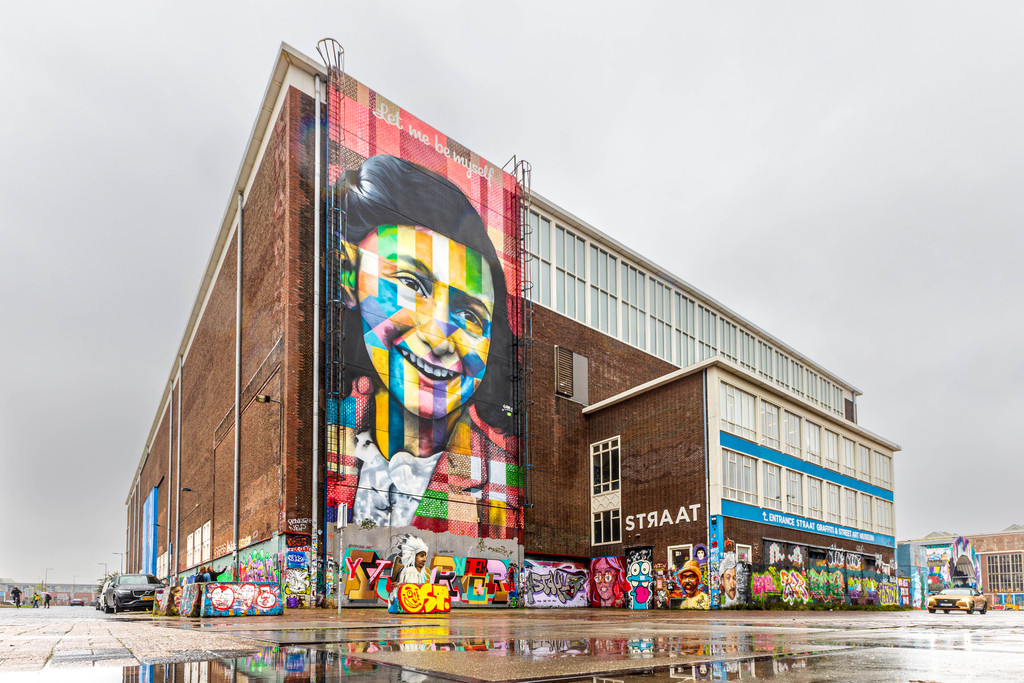
After spending time with Dutch masters and historic studios, it is worth heading somewhere that completely changes the atmosphere. In Amsterdam-Noord, across the water from the city’s more familiar streets, the STRAAT Museum brings street art and graffiti into a vast former warehouse at the NDSM wharf.
And these are not works you can casually glance at while walking past. Many are monumental, filling walls with colour, movement, characters and messages that demand your attention.
STRAAT presents work by artists from around the world, including established names and emerging voices. Its collection includes more than 180 artworks by over 170 artists, spanning large-scale murals, paintings, sculptures, objects and installations. Many of the works were created specifically for the museum, in the same place where visitors now encounter them.
That detail makes the experience particularly interesting. Street art has a close relationship with its surroundings: buildings, neighbourhoods, public spaces and the people who move through them. Bringing this work into a museum does not erase that history. Instead, it gives visitors the chance to look closely at the artistic choices, stories and ideas behind a movement that is often encountered in passing.
The works can be playful, political, personal or deliberately provocative. Some draw you in through their scale and colour; others encourage you to think about who gets to occupy public space, whose stories are visible and how images can communicate beyond words.
For artists, STRAAT is also a reminder that creative practice does not have to follow a single path. A warehouse wall can become a canvas, an unexpected setting can become an exhibition space, and a work created outside traditional art institutions can find an audience far beyond its original surroundings.
It is a fitting final stop for this list because it leaves room for the conversation to continue. After looking at centuries of art inside traditional museum walls, you are invited to consider what art looks like when it moves beyond them.
More Museums to Add to Your Amsterdam List
Of course, these five are only a starting point. Amsterdam has plenty more museums worth making time for, depending on what you would like to discover. The Anne Frank House offers a deeply moving account of Anne Frank’s life and the experience of Jews during the Nazi occupation. At the Eye Filmmuseum, film lovers can explore the history of cinema, while the Museum of the Canals reveals how the waterways that define Amsterdam helped shape its development. Our Lord in the Attic Museum tells another remarkable story, with a hidden church tucked inside a historic canal house. And if maritime history interests you, the National Maritime Museum explores the Netherlands’ long relationship with the sea. Each offers a different way to understand the city, so do not feel that you have to stop at five.
A City Worth Looking At More Than Once
Perhaps the best thing about exploring Amsterdam through its museums is that no single visit can tell you everything about the city or its art. One afternoon might leave you thinking about the extraordinary skill behind a seventeenth-century painting; another might introduce you to an artist whose work you had never encountered before. And sometimes, the most memorable moment will be something smaller: a detail in a drawing, a room that makes you pause, or an artwork that stays with you long after you have left.
If you are planning a visit, give yourself permission to explore at your own pace. Choose the museums that speak to your interests, leave a little room for an unexpected discovery, and remember that you do not have to see everything to come away with something meaningful.
Amsterdam has a way of rewarding those who look a little closer. Its museums are a wonderful place to begin.
Explore the current open calls and submit your work: apply.artstoheartsproject.com