

Why Your Art Isn’t Selling (and How to Fix It)

Ever wonder why some artists seem to sell effortlessly while others are stuck staring at stacks of unsold work? Here’s the truth: it’s not luck, and it’s definitely not some mysterious “art magic.” It’s strategy, planning, and showing up in ways that make people actually want to buy. And the good news? You can absolutely do this too, without losing your mind or your artistic soul.
Your art is amazing, no debate there, but if people can’t see why it matters to them, or how it could brighten their space, they won’t pull out their wallets. Selling isn’t about shouting louder than everyone else; it’s about showing up thoughtfully, making it clear, and gently nudging the right people at the right time. Small tweaks in presentation or messaging can make a surprisingly huge difference.
Think of it like hosting a dinner party. You wouldn’t just throw food on a plate and hope everyone enjoys it. You’d set the table, light the candles, and create an experience. Selling your art works the same way, people need to feel the vibe, the value, and the connection before they even consider buying.
We’re going to get into practical, hands-on strategies that actually work. From finding the right audience to making your work irresistible, crafting offers people can’t ignore, and presenting your art in ways that feel effortless and natural, every tip is something you can implement now. This isn’t theory, it’s actionable stuff that has been tested and proven.
And let’s be real: selling art doesn’t have to feel icky or pushy. Once you understand the steps, it can actually be kind of fun to watch your pieces find their perfect homes. There’s a thrill in seeing someone light up when they find the piece they’ve been dreaming about, and yes, you get to make that happen.
By the time you finish this article, you’ll have a clear, step-by-step approach to showcase your work, connect with buyers, and feel confident in your process. No vague “tips,” no fluffy platitudes, just a solid, friendly, and actionable game plan that actually gets results.

Don’t Wait, Start Showing Off Your Art Like a Pro
Waiting until everyone else is panicking won’t magically make your art sell. Starting early gives you the upper hand and takes a ton of stress off your shoulders. Think of it as setting up a runway for your buyers; when the time comes, they walk straight to your work.
Step one: update your inventory. Make sure all pieces are ready to go with clear photos, accurate sizes, and proper descriptions. Nothing kills momentum like a potential buyer discovering a piece they love is “sold out” or unavailable.
Next, refresh your online store. A tidy, navigable site is like a sparkling gallery that invites people to linger. If your store is cluttered or confusing, buyers bounce, and those are missed sales you can’t get back.
Curate your collection strategically. Highlight pieces that tell a story, showcase your style, and appeal to different tastes. Include a mix of originals, prints, and smaller pieces that are easy to gift. Variety keeps your guide interesting.
Plan your rollout. Map out posts, emails, or social campaigns in advance so you’re not scrambling at the last minute. Organized effort equals smoother sales and a more confident you.
Finally, imagine your process as building anticipation. Early visibility creates momentum and gets buyers invested before the “rush” even exists. You’re not chasing sales; you’re inviting them naturally.
Make Your Email List Your Art Superpower
Your email list is pure gold, and most artists don’t even tap into its potential. These are people already interested in you, they’re your VIPs. Reach them directly, and you can guide them toward buying without shouting into the void.
Start by offering an incentive to join. Exclusive previews, behind-the-scenes content, or early access to new pieces make people feel special and included. They’ll jump at the chance to be part of your inner circle.
Once people are on your list, keep them engaged. Share personal stories, highlight favorite pieces, or show works in progress. The goal is to make them feel like insiders, not like they’re being sold to.
Personalize wherever possible. Use names, reference past purchases, or suggest pieces that match their tastes. Small touches make a huge difference in loyalty and conversions.
Track your emails. Open rates, clicks, and responses tell you what resonates and what falls flat. Fine-tuning your approach keeps your emails engaging and boosts sales potential.
Finally, remember: emails aren’t just a tool, they’re a conversation. Treat your subscribers like friends, and they’ll keep coming back, excited to see your next masterpiece.
Social Media Isn’t Just for Likes, It’s Your Gallery on Fire
Social media is basically a free, 24/7 gallery that never closes. But if you’re posting random photos without strategy, you’re missing the point. Thoughtful posting is the difference between likes and actual sales.
High-quality images are crucial. Show your work from multiple angles, in real-life settings, and with close-ups. Let people imagine the piece in their own space; that visualization drives purchases.
Stories, reels, live sessions, polls, these are your secret weapons. Behind-the-scenes glimpses of your process or a peek at new pieces humanize you, making buyers feel connected to you, not just your work.
Hashtags matter. Use relevant, trending tags to reach people actively searching for art. This expands your visibility beyond followers who already know you, and introduces your work to fresh eyes.
Consistency beats perfection. Posting regularly, even small updates, keeps your art in front of people and top-of-mind when they’re ready to buy. Sporadic posting loses momentum.
Don’t forget your personality. Humor, quirks, or little stories about each piece make your feed memorable. People buy from artists they like, not just from those who have nice pictures.
Limited-Time Deals That Make People Actually Hit ‘Buy’
Everyone loves urgency, it’s a psychological nudge that helps buyers commit. But don’t overdo it; your work should always feel valuable, not discounted to the point of cheapness.
Bundle deals are brilliant. Pair prints or smaller pieces together, or offer a complimentary mini print. It feels like a thoughtful bonus, and buyers love the perception of extra value.
Discounts can work when strategic. A small, limited-time promotion or “buy one, get one” style offer can push someone from thinking to acting, without undercutting your pricing.

Highlight exclusivity. If a piece is limited, let buyers know. People love owning something rare, and scarcity encourages action. “Only a few left” works wonders.
Communicate clearly. Display your deals across your site, social media, and emails. Consistency ensures nobody misses your offer, and everyone knows exactly what they’re getting.
Remember, urgency can be subtle. Gentle prompts like “available this week only” feel motivating, not pressuring, and that keeps the buying experience enjoyable.
Make Your Online Store So Easy Even Your Cat Could Navigate It
Your store is the bridge from “I like it” to “I bought it,” so make it frictionless. If it’s confusing or clunky, buyers leave. That’s money and momentum gone.
Descriptions are everything. Include dimensions, materials, framing options, and any details that help someone envision the piece in their own space. Clarity builds confidence.
Images should be top-notch. Multiple angles, lifestyle shots, and close-ups make your work tangible even through a screen. People buy what they can see clearly and imagine owning.
Navigation has to be intuitive. Categories, search filters, and organized collections let buyers find exactly what they want without frustration. Simplicity equals sales.
Secure payments and shipping options matter. Make checkout easy, transparent, and trustworthy. A smooth process keeps people from abandoning their carts at the last second.
Finally, test everything like a buyer would. Navigate your store on mobile, click every button, and make sure the experience is seamless. Happy users are happy buyers.
Gift-Ready Art Makes Buyers Feel Like Genius Givers
Most buyers want their gifts to feel special and effortless. You make that happen by offering pieces that are already “ready to gift,” taking the thinking out of the equation.
Gift wrapping or special packaging is a small touch that feels huge. A personalized note makes the gift feel intentional, not just another purchase.
Think in categories. Curate mini gift guides like “For the Friend Who Loves Nature” or “Perfect for a Desk.” It makes decision-making easy for overwhelmed buyers.
Offer small, affordable pieces alongside your originals. Prints, postcards, or tiny canvases make art accessible to everyone while keeping your higher-value pieces premium.
Show how the art fits into real life. Highlight examples of spaces where it could hang or inspire someone daily. Visualization drives excitement and helps buyers commit.
Promote these gift-ready pieces everywhere, email, social media, and your store. Visibility plus convenience equals more sales, and everyone wins.
Team Up and Shine, Because Collaboration Makes Everything Better
Partnerships are magic in disguise. When you collaborate with another artist or a local business, you instantly expand your audience. You’re no longer relying solely on your followers or local network. Instead, you’re tapping into someone else’s crowd, and that can mean serious exposure and new buyers who hadn’t heard of you before.
Think about joint promotions. Maybe you feature each other’s pieces in a special online event or bundle your work together in a curated collection. It gives buyers more to explore, makes your offering feel fresh, and adds a fun, unexpected twist to shopping.
Shared events are another goldmine. Pop-up galleries, art markets, or even casual studio visits where two or more artists show together create a buzz. People love community, and when they see artists supporting each other, it gives credibility to your work.
Even small collaborations matter. A simple social media shoutout, sharing each other’s posts, or tagging each other in stories introduces your work to a wider audience. Sometimes these tiny efforts lead to unexpected and lasting connections.
Collaborating also teaches you a lot. You’ll learn different marketing tactics, see new presentation styles, and get inspired creatively. It’s like a mini masterclass every time you team up.
Finally, remember: collaboration doesn’t mean losing your identity. It’s about amplifying your voice, learning, and creating opportunities that you simply couldn’t achieve alone. The right partnerships can elevate your art and your sales in ways you never imagined.
Look Back and Learn, Tracking Your Wins and “Oops” Moments
If you don’t review your results, you’re basically flying blind. Looking back at what worked and what didn’t is crucial. Your sales numbers, customer behavior, and marketing performance all tell a story, it’s up to you to read it carefully.
Start by analyzing which pieces sold best. Was it their style, color, size, or price point? Did they get extra attention on social media? This insight helps you focus on what resonates with buyers next time.
Don’t ignore engagement metrics. Which posts, emails, or promotions got the most clicks or comments? Numbers might seem dry, but they’re telling you exactly what your audience wants.
Customer feedback is a treasure trove. Positive notes show what people love, while constructive criticism can help refine your approach. Both are equally valuable in shaping your strategy.

Look at what didn’t work too. Maybe a promotion flopped, or a post went unnoticed. Learning from these “oops” moments is just as important as celebrating successes, it keeps your approach sharp and adaptable.
Finally, adapt your plan for the future. Every piece of data is a stepping stone. Make small changes based on insights and keep experimenting. Over time, these adjustments compound into bigger results and smoother sales cycles.
Make Your Art Irresistible, Presentation is Everything
Even the most stunning artwork can be overlooked if it’s not presented well. High-quality images, compelling descriptions, and a cohesive visual style all make a huge difference. Buyers respond to aesthetics before logic, so you need to make them fall in love first.
Photography is key. Show multiple angles, context shots, and close-ups. Make it easy for someone to imagine the piece hanging in their living room, office, or as a gift. The more they can see it, the more they want it.
Descriptions aren’t just info, they’re storytelling. Explain the inspiration, materials, size, and any quirky details. Buyers connect with stories, not just objects, and it builds an emotional pull toward owning your work.
Organize your collections thoughtfully. Group pieces by theme, style, or color. Browsing should feel intuitive and enjoyable, not frustrating or overwhelming.
Consider visual guides or mood boards. Show your art styled in homes, offices, or curated collections. When buyers see it in a real-life setting, it becomes tangible, and they can envision owning it themselves.
Finally, remember: presentation is strategy, not vanity. The easier and more captivating you make your art look, the more confident buyers feel, and the higher your chances of turning interest into actual sales.
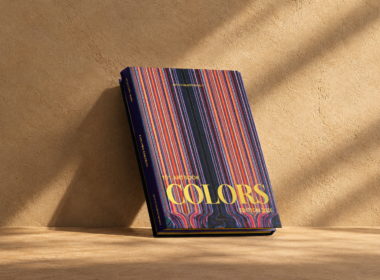
Want a super easy way to make your art look totally irresistible to buyers? That’s where the Artist Series Catalog Template comes in. Think of it as your personal, ready-to-go portfolio that organizes your pieces beautifully, showcases them like a pro, and helps buyers instantly see the value in your work. Whether you’re prepping for an online shop, a holiday sale, or just want a sleek presentation for your followers, this template does the heavy lifting so you can focus on creating. It’s like giving your art a little red-carpet moment, professional, polished, and impossible to ignore.
Make It Ridiculously Easy to Buy, Remove Every Roadblock
Even excited buyers can abandon a purchase if the process is frustrating. Your job is to remove every single barrier, so saying “yes” feels effortless. The smoother it is, the happier your customers will be.
Start with payment options. Offer multiple methods, credit cards, PayPal, and other popular platforms, so buyers aren’t forced to jump through hoops. Flexibility equals conversions.
Shipping is another biggie. Be clear about costs, delivery times, and tracking. Nobody likes surprises at checkout, and transparency builds trust.
Mobile optimization is crucial. Many buyers browse and buy from phones or tablets. If your store isn’t mobile-friendly, you’re losing a lot of potential sales without even realizing it.
Communicate clearly throughout the buying process. Confirmation emails, updates, and tracking info reassure buyers and make the experience feel professional and reliable.
Lastly, test your store like a first-time buyer. Click everything, try different devices, and ask yourself: “Would I enjoy this experience?” Every fix you make now saves you headaches later and increases sales.

Keep the Love Going, Turn Buyers Into Lifelong Fans
A sale isn’t the end, it’s the beginning of a relationship. Repeat buyers are often the easiest to convert and tend to spend more over time. Building loyalty is just as important as making that first sale.
Follow up with personal touches. Thank-you notes, art care tips, or sneak peeks of upcoming work make buyers feel special and keep your art top-of-mind.
Offer loyalty opportunities. Exclusive events, early access, or special discounts show your appreciation and encourage people to return for more.
Social proof is powerful. Encourage reviews, testimonials, and shares. Happy buyers talking about your work brings new customers organically without extra ad spend.
Stay engaged across your platforms. Regular emails, social updates, or fun behind-the-scenes content keep your audience connected to your creative life and invested in your success.
Finally, celebrate and repeat what works. Each sale teaches you something about your audience. Nurture these relationships, refine your approach, and watch your art business grow steadily over time.