
What Makes Something “Art” When AI Art Can Make Anything?
Art used to cost something.
The most common thing that art cost you was time. Sometimes a marriage. Sometimes a whole decade of people telling you that you wouldn’t amount to anything. Now? Honestly, I cannot think of anything. Nothing a machine makes has ever cost it anything.
AI art never had sleepless nights for constant self-doubt. It did not starve itself for days and still refused to let go of the paintbrush.
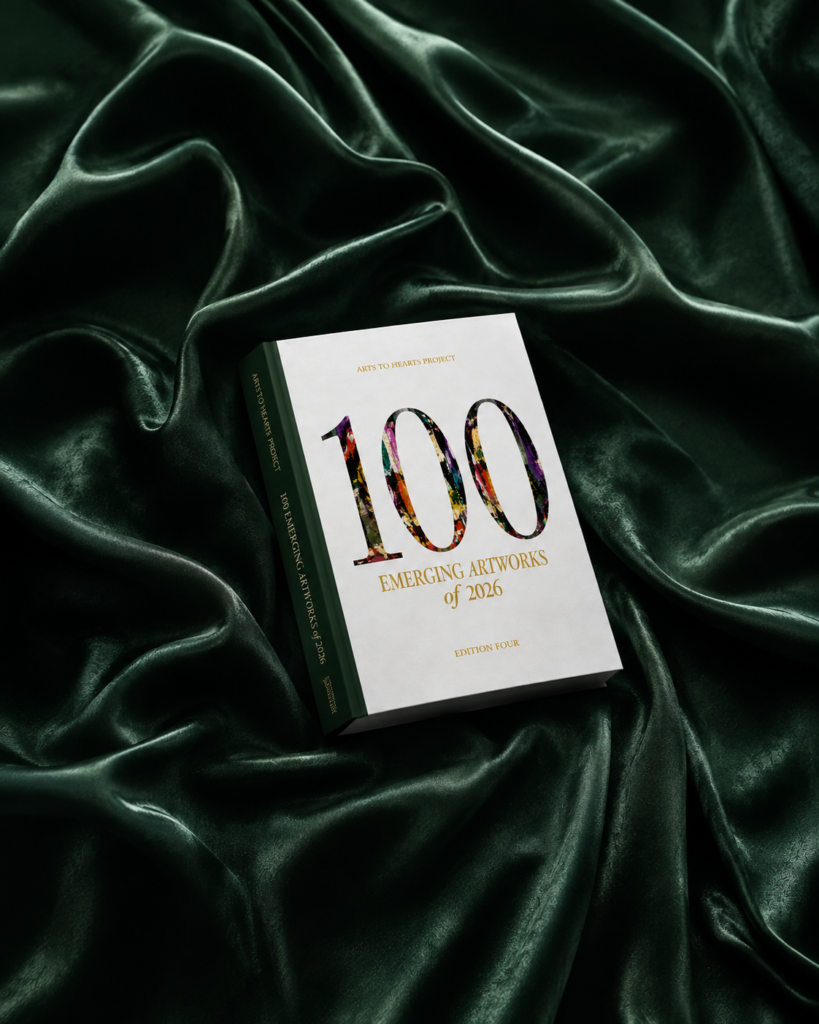
Artists in the Arts To Hearts Project have also talked about the unseen hours nobody sees behind a finished piece, and none of them are visible in the final image.
Almost anyone can make a painting now. But can they make it mean something?
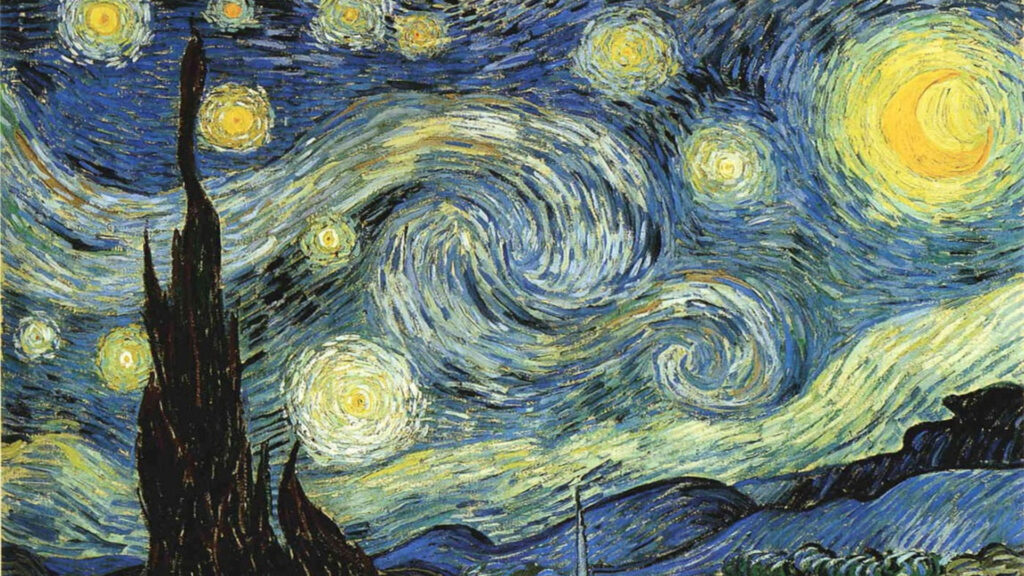
All of us have some instinct towards art. A Mona Lisa or a Starry Night does not need a Paris Salon to merit discussion. Nowadays, however, anyone can make anything. A few words here, a few clicks there, and suddenly you can bring into existence sunlight pouring through the cathedral windows like a punk-rock Michaelangelo. It is effortless.
I remember someone on Substack terming AI art as taxidermy, and I agreed. Taxidermy preserves everything perfectly about an animal. Except, perhaps, the one thing that makes it an animal. The fur might be real, and the pose might be correct, but the animal is dead.
Art preserves the lived experience, the intention, and the constant trial and error, while AI art only works with the surface. It might make your images a Ghibli anime-like picture, but it cannot replicate Hayao Miyazaki’s lifelong engagement with war. The art we see hanging on the walls of museums has lived through wars, famines, dictatorships, personal anxieties, fears, and more. These arts are magical because they involve choices that are painstakingly human. They are made by people who notice the world, and the art was their response.
AI Art Did Not Kill Creativity in Art. It Made Us Forget Why It Matters
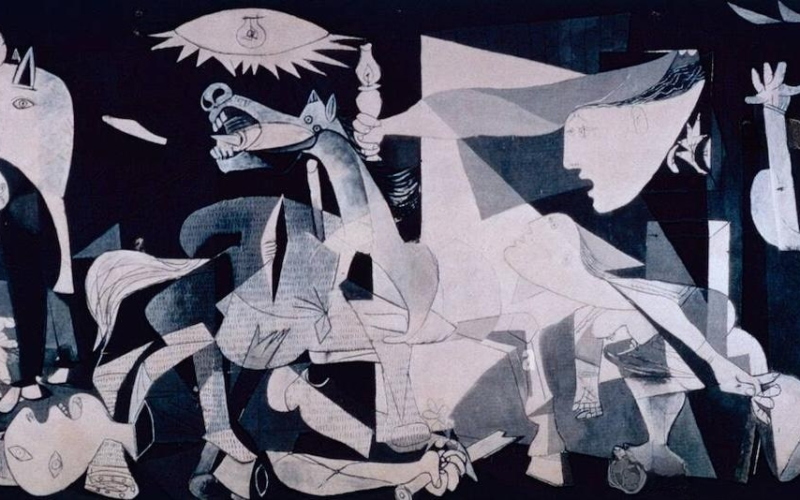
Take, for example, Picasso’s Guernica.
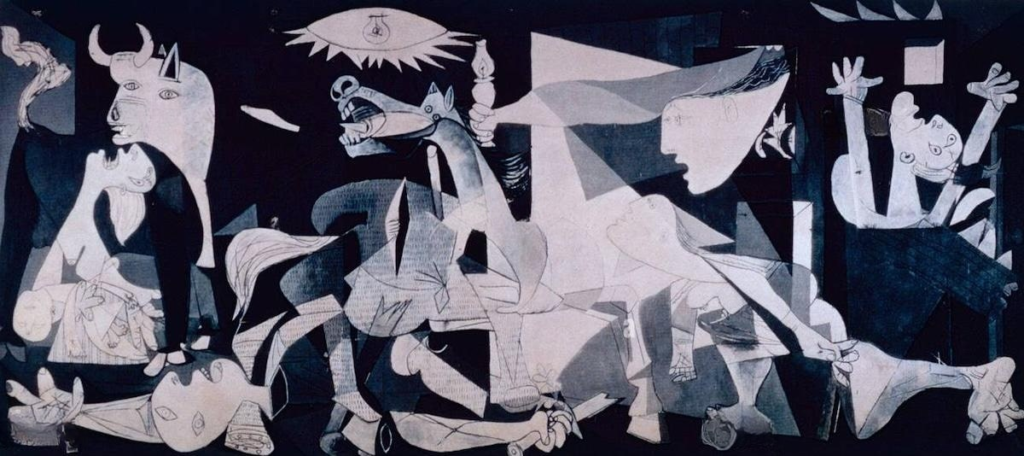
On a Monday afternoon in April 1937, German and Italian planes bombed the Basque town of Guernica. They chose their market day when the street was the fullest. Most of the dead were unsuspecting women and children.
Picasso painted that. He painted in black, white, and grey. No color.
He wasn’t painting something beautiful. There was no beauty in what he was reporting. A horse can be seen screaming. A mother holding her dead child with her head thrown back might be the next thing you see.
You don’t need Cubism to understand Guernica. You need to have looked fear in the eye once in your life, and you’d almost be able to hear the figures scream through the canvas.
The story goes that later, in Nazi-occupied Paris, a German officer saw the painting in Picasso’s apartment. When he asked, “Did you do that?” Picasso responded, “No, you did.”
I can generate cubic AI art in minutes that would outperform Guernica on social media. What I cannot do, however, is generate a man who stayed in a Nazi-occupied city and refused to remove the evidence of their destruction on humankind from his wall.
Read More: Guernica is not the only work that got its power from what it refused to soften. The history of art is full of work that was banned, attacked, and mocked before it was canonized.
Do you remember The Scream?
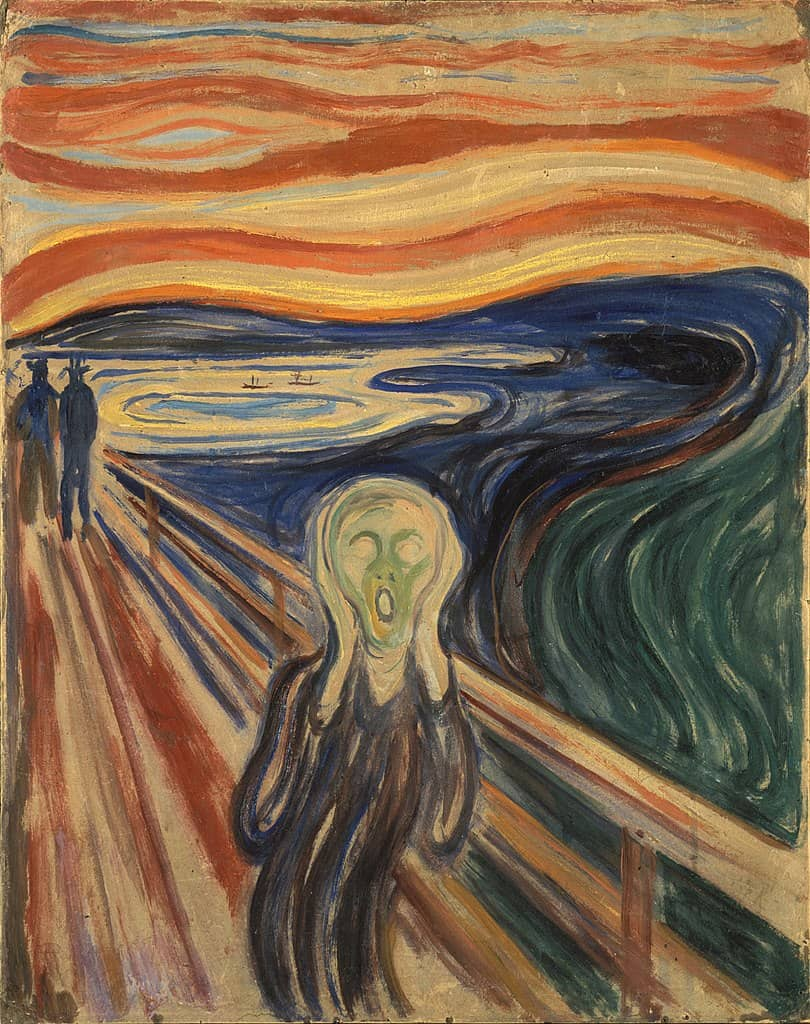
Edvard Munch was inspired by a walk he took with two friends on January 22, 1892. In his diary, he wrote, “I stood there trembling with anxiety…and I sensed an infinite scream passing through nature.” Somehow, this feeling has transcended generations to people who suffer from anxiety, PTSD, and even more.
This is the thing AI art cannot do. It can copy a widely popular classical artwork. Create something of equal measure, maybe in terms of skills. But it cannot copy the choice a human made to stand inside history and paint away what they witnessed. If Guernica is a testimony to the world, The Scream is the testimony to the self.
Guernica and The Scream survive the ages not because they were beautiful to look at. AI can create that in seconds. Even less with the right words and tools. They survived because they told the honest story of someone in history, either in a warzone or just trapped inside their own head. They noticed something and could not stay silent about it. There is a shared vulnerability in being affected by the same work across generations that no machines can replicate.
Read More: That inheritance is still happening, and Edward Hopper’s solitude still finds people a century later.
So, What Is Art In The Age Of AI?
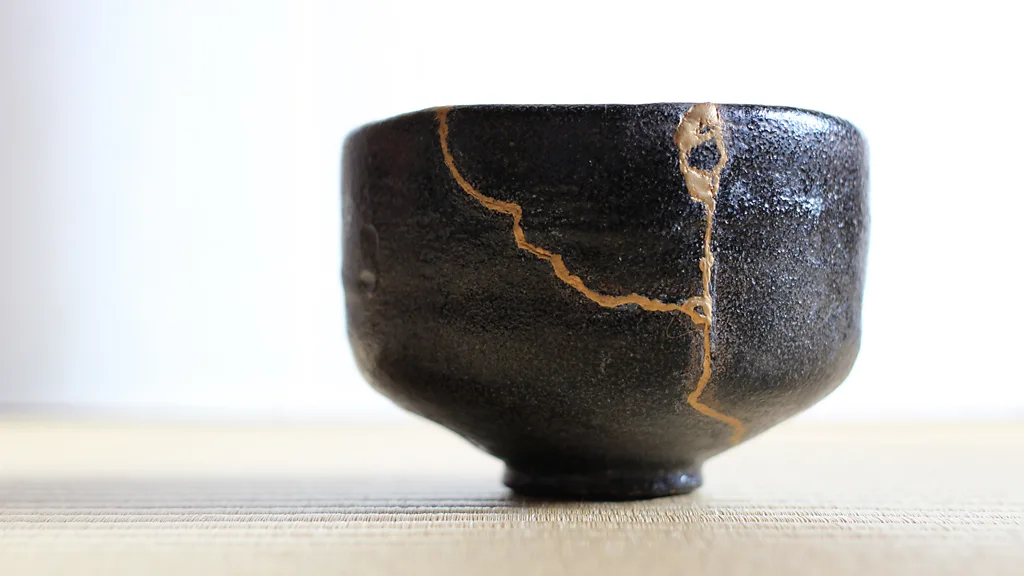
Art relies on emotions and truth, not perfection, whether it is kintsugi or the Navajo weavings.
Kintsugi is a traditional Japanese art that repairs broken pottery using tree sap mixed with powdered gold. Whereas the Navajo culture believed that God is perfect and humans can only aspire to perfection, not achieve it. So, they make sure to leave imperfections in anything they create.
I think when cameras arrived, painters all over the world had the same existential crisis about perfection. If a camera could perfectly catch someone’s likeness, why would anyone go to see a portrait or commission a portrait in the first place?
But painting did not die. It moved beyond the limitation of copying reality towards impressionism, post-impressionism, cubism, and everything after. I have a high hope that AI, as a threat, would not end art. It would force every artist to remember what ONLY art can do.
Everyone can say AI art can paint a Rothko. A child can paint a Rothko. But they did not go through hundreds of abandoned canvases. They did not go through the failed relationships. They did not go through the haunting feeling of alienation in a changing art world to arrive at it. They did not remove the frames of their artworks so viewers would stand inches away and feel swallowed whole in the emotional weight of the colors.
I think, in 2026, the only measure of art that is worth keeping is choosing to notice things. The measure is not the skill, not the speed, or the applause on social media. It is whether a human being noticed the world closely enough to make something out of it.
Somebody Has to Decide What Survives
Now, it brings me to people who don’t make the art but decide what we will see. It can be a gallery owner, some magazine editor, or the grant committee every artist looks for each year. We might think art curation is for a few art school students with taste. Right now, it is closer to preservation, and all hands are on deck.
Our social media feeds are now optimized for output, not thoughtfulness. It rewards volume, and AI art will always outvolume a person. A 22-year-old who has taken 4 months to finish a canvas will lose out to a generator every single time.
Unless.
Unless both the viewers and curators understand it is not enough to pick what is good anymore. A simple code can generate that. The job is to let those new voices exist. Hang the strange, unfinished piece over perfection achieved in a few sentences and one click. Ask yourself before hanging any art in your gallery whether anybody lived through this.
I want art. I want history documented by people who have something to say about being alive in these uncertain times. I do not want to see a machine produce something in 10 minutes with no story behind it. I don’t want something to paint our time that hasn’t held a wet brush or kept going at it despite having every reason to stop because the vision in their head wouldn’t leave them alone.
Because art was never proof that humans could make something. It was proof that something happened to us.
Postscript:
If you make things, this is the moment to be seen making them.
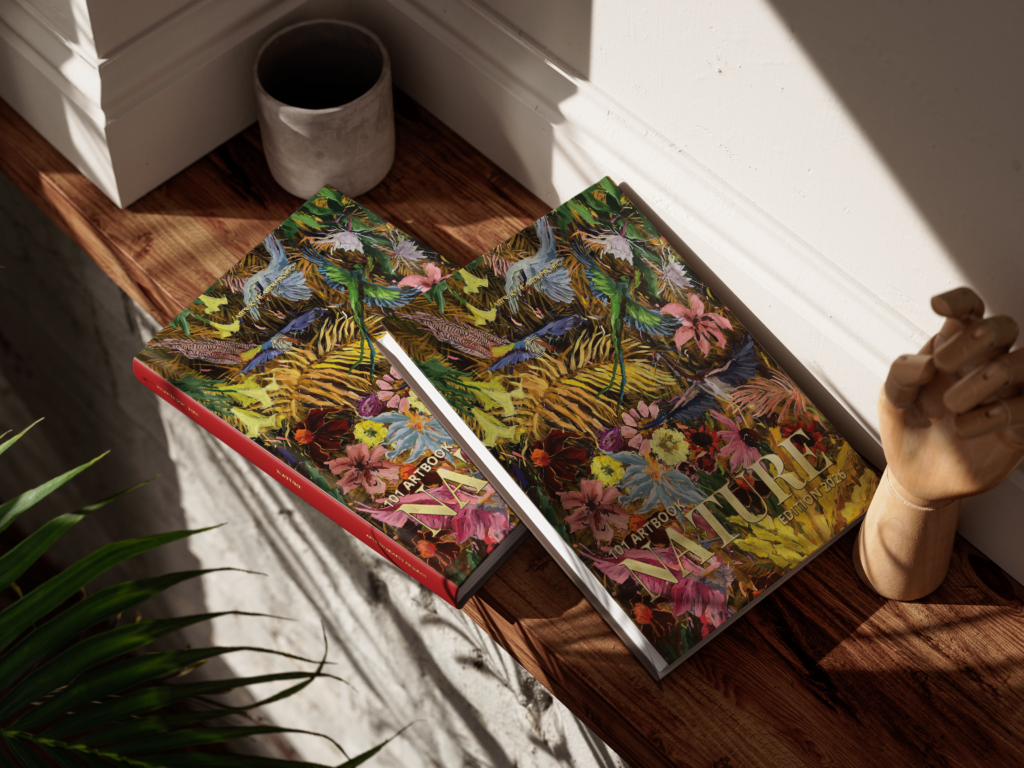
We publish artists every month, and every one of those pages is a small argument that a person was here and noticed something. Our open calls are accepting work with Art & Woman Edition 4 (closing 30 August).