
8 Art Books to Read This Summer That Capture the Chaos of Creative Life
There’s a reason art novels and emotionally charged art writing feel especially irresistible right now. In a cultural moment dominated by performance, online identities, curated aesthetics, personal branding, algorithmic taste, readers seem increasingly drawn toward stories that expose what exists underneath all that polish: insecurity, obsession, longing, ambition, grief, and the complicated emotional machinery of creative life.
The best contemporary art books are no longer simply “about art.” They are about the people orbiting it. The mentors who shape artists and quietly destabilize them. The friendships that blur into rivalry. The beautiful apartments masking emotional emptiness. The institutions that reward vulnerability while simultaneously commodifying it. The strange loneliness of becoming a creative person in a world where everyone is already performing creativity all the time.It’s also what makes these some of the most compelling art books to read this summer.
That tension runs through each of these eight books in radically different ways. Some unfold inside hyper-intellectual contemporary art scenes; others move through memory, addiction, performance art, criticism, or psychological collapse. Together, they create a portrait of art culture that feels unusually honest, less interested in glamorous mythology than in the emotional cost of making meaning for a living.
What makes these books linger is not simply their intelligence, though all of them are remarkably sharp. It’s their willingness to sit inside contradiction. They understand that artists can be deeply self-aware and still destructive. That beauty and loneliness often coexist. That art can function simultaneously as a survival mechanism, identity, escape route, and emotional wound.
So whether you’re reading by the beach, in a crowded studio, on a late-night train ride home from a gallery opening, or simply searching for books that feel emotionally alive, these titles offer something more immersive than escapism.
They offer recognition.
Transcription by Ben Lerner
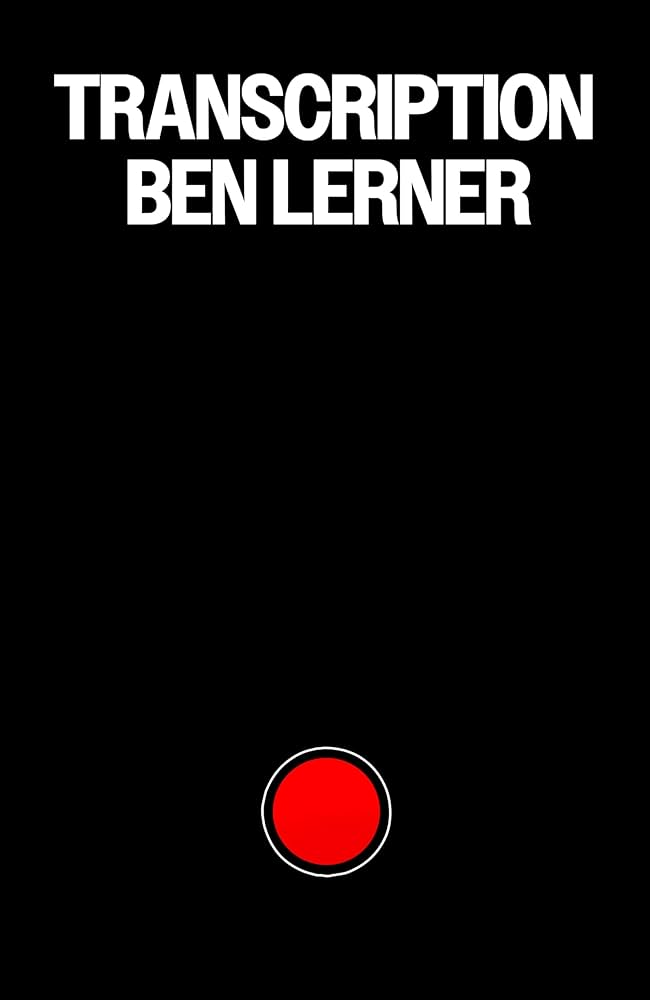
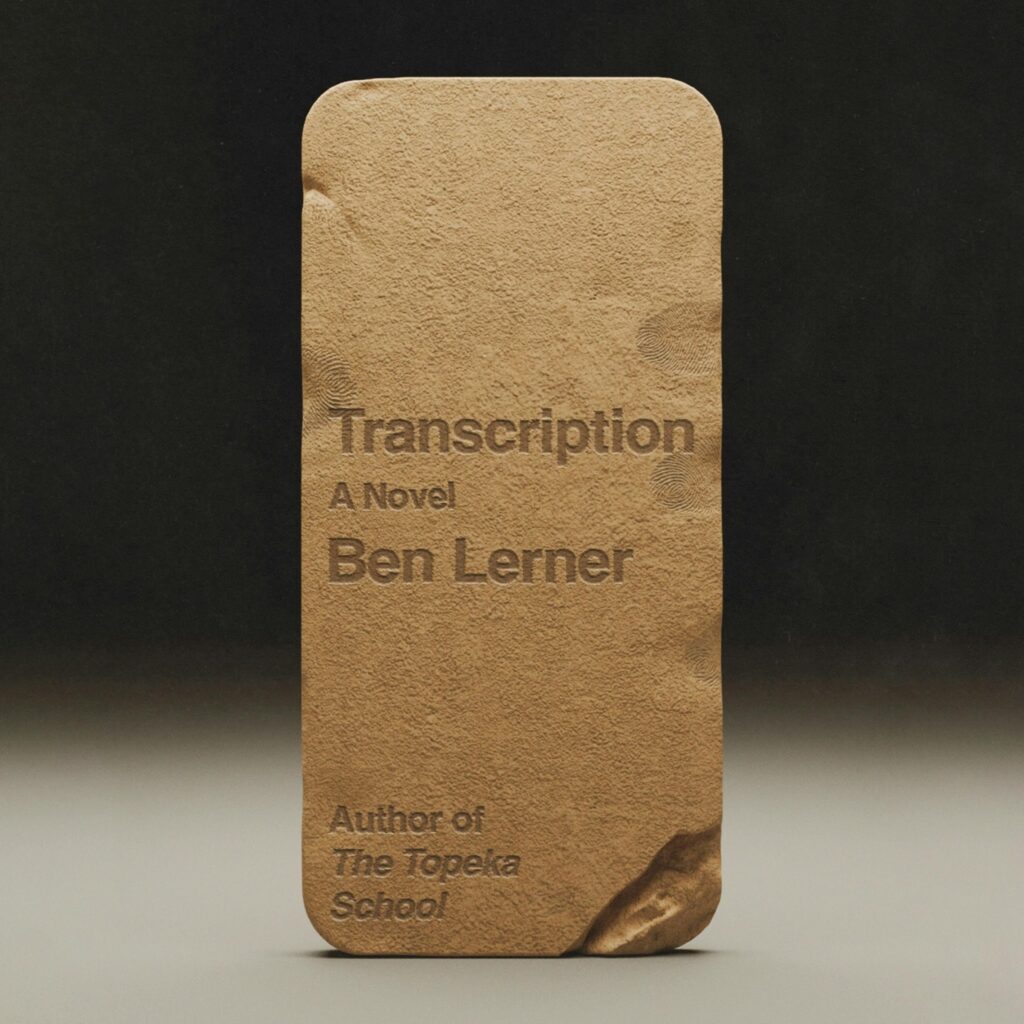
Some novels feel plotted. Others feel confessed. Transcription belongs to a rarer category entirely: the kind of book that reads like someone quietly unraveling in public while trying very hard to appear composed. And that’s precisely what makes Transcription so hypnotic.
The novel begins with a premise almost absurdly small: a writer accidentally destroys his phone before interviewing his mentor at the mentor’s immaculate, art-filled home. But in Lerner’s hands, this tiny disaster mutates into something psychologically enormous. Suddenly, a missing recording device becomes a meditation on embarrassment, performance, intellectual insecurity, adulthood, and the strange theater of the contemporary art world.
What makes Transcription so compelling is how painfully recognizable its anxieties feel. Lerner captures the particular exhaustion of modern creative life, the pressure to appear articulate, emotionally intelligent, professionally stable, and culturally fluent at all times, even while internally spiraling. Conversations stretch into philosophical mazes. Social interactions become miniature crises. Every gesture feels observed, interpreted, and archived.
And yet beneath all the self-consciousness is something unexpectedly tender. As the narrator navigates relationships with mentors, parents, artists, and friends, the novel slowly reveals itself to be less about intellectual performance and more about dependency, about how adulthood itself may simply be another collective improvisation no one fully believes in.
The art world here is not glamorous so much as emotionally claustrophobic: elegant dinners, prestigious institutions, and beautifully designed interiors masking deeply human uncertainty. Lerner understands that creative people often confuse competence with identity, and Transcription quietly dismantles that illusion page by page.
This is not a beach read in the traditional sense. It’s sharper, stranger, and more intimate than that. The kind of novel that makes you pause halfway through a paragraph because it articulated a fear you didn’t realize other people had too.
Discipline by Larissa Pham
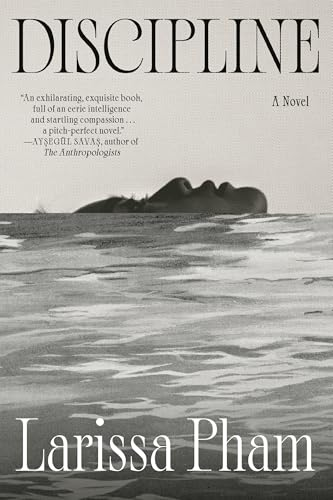
There is a particular kind of intimacy that exists inside the art world, one built on admiration, validation, vulnerability, and the dangerous desire to be seen as talented by the “right” person. Discipline understands that dynamic with terrifying precision.
At the center of the novel is a young woman artist whose relationship with her older male mentor slowly evolves into something emotionally consuming, professionally destabilizing, and impossible to define neatly. What makes the book so compelling is that Pham refuses the simplicity of easy moral binaries. Nobody here exists as a clean symbol. Instead, Discipline lives in the gray areas, in longing, dependence, ambition, resentment, attraction, shame, and the uncomfortable overlap between artistic mentorship and emotional power.
The novel unfolds in the shadow of post #MeToo cultural reckoning, but rather than turning into a straightforward cautionary tale, it becomes something stranger and more psychologically intimate. The protagonist begins questioning whether her artistic success was ever truly hers, or whether it was filtered through the male gaze of someone more powerful than her. That uncertainty slowly corrodes her relationship to painting itself.
What lingers after reading Discipline is not scandal, but grief. Grief for the versions of ourselves we create to survive creative spaces. Grief for the way artists sometimes sacrifice emotional clarity in exchange for proximity to brilliance. Pham captures the emotional texture of artistic ambition so accurately that even ordinary conversations begin to feel loaded with invisible negotiations.
There’s also something deeply contemporary about the novel’s understanding of self-awareness. These characters possess the language to analyze power structures, gender politics, and artistic hierarchies in real time, yet still remain trapped inside them. That contradiction gives the book its pulse.
Elegant, emotionally raw, and psychologically sharp, Discipline reads less like a traditional art novel and more like the aftermath of a critique session that quietly changed someone’s life forever.
Lonely Crowds by Stephanie Wambugu

Some friendships feel less like relationships and more like ecosystems, entire emotional worlds built on admiration, rivalry, dependency, memory, and the quiet fear of being left behind. Lonely Crowds understands this with startling emotional precision.
The novel follows Maria and Ruth, two childhood friends who grow up side by side before entering the contemporary art world together, eventually finding themselves within the increasingly visible landscape of Black figurative painting in New York. But rather than romanticizing artistic success, Stephanie Wambugu turns her attention toward the emotional negotiations hidden beneath creative ambition: Who gets seen? Who gets remembered? Who becomes the “difficult genius,” and who quietly disappears into observation?
What makes Lonely Crowds so absorbing is its emotional restraint. Ruth, the novel’s introspective narrator, watches Maria move through the world with volatility and charisma, while she herself remains careful, analytical, and emotionally contained. Their friendship becomes both stabilizing and destructive, at times sisterly, at times competitive, and occasionally charged with something neither fully names aloud.
Wambugu also captures something rarely explored this thoughtfully in fiction: the strange burden placed upon artists once the market decides their identities are culturally valuable. The rise of Black figurative painting exists here not merely as backdrop, but as pressure, shaping expectations around visibility, authenticity, and artistic responsibility. The art world, in this novel, is not simply a space of opportunity. It is a machine that absorbs personalities, aesthetics, trauma, and intimacy alike.
Yet despite all its tension, Lonely Crowds remains deeply tender. Wambugu writes about friendship with the emotional seriousness usually reserved for romance, understanding how profoundly another person can shape the architecture of your inner life. Every conversation feels weighted with years of shared history and unspoken comparison.
This is the kind of novel that stays quiet on the surface while slowly devastating you underneath. Less interested in dramatic spectacle than emotional accumulation, Lonely Crowds captures the loneliness of becoming an artist alongside someone who knows you too well.
Kill Dick by Luke Goebel
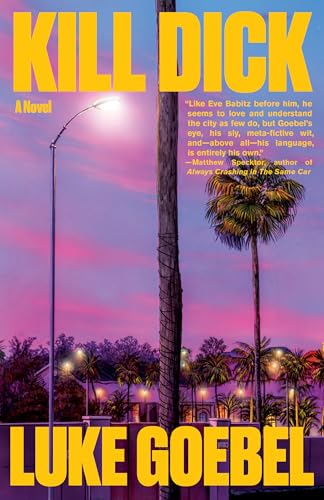
If most art novels are interested in intellectual anxiety, Kill Dick is interested in total psychological combustion. It doesn’t politely critique the art world so much as throw a lit match directly into it.
The novel follows an NYU art-school dropout spiraling through addiction, rage, family dysfunction, and performance art while attempting to rebel against her father, the lawyer protecting Dick Sickler, a barely fictionalized Sackler-style billionaire whose wealth is tied to the opioid crisis. What unfolds is chaotic, vulgar, self-destructive, and weirdly exhilarating: part art-world satire, part grief spiral, part downtown fever dream.
Luke Goebel writes with the manic velocity of someone trying to outrun collapse in real time. The sentences feel caffeinated. Scenes blur between emotional breakdown and performance piece. One moment the novel is hilariously observant about the absurd theater of wealthy art patrons and institutional hypocrisy; the next, it turns genuinely ugly, exposing the emotional wreckage underneath privilege and spectacle.
What makes Kill Dick fascinating is how accurately it captures a particular contemporary art-world mood, one fueled by exhaustion, irony, inherited wealth, internet nihilism, and moral performance. The characters are constantly trying to transform suffering into aesthetics, politics into branding, addiction into rebellion. Everyone is performing awareness while privately unraveling.
And yet beneath all the chaos lies a serious question: what does meaningful artistic resistance even look like in a culture where outrage itself has become commodified? The protagonist’s increasingly extreme public artwork becomes both protest and self-destruction, forcing the novel into uncomfortable territory where activism, spectacle, and emotional instability begin to overlap.
There are shades here of Nan Goldin’s activist energy, the alienated women of Ottessa Moshfegh, and the dirty glamour of early Vice-era downtown culture. But Kill Dick ultimately feels less interested in coolness than in collapse, social, institutional, emotional, chemical.
Messy, excessive, and impossible to ignore, this is the kind of novel that feels like it might either become a cult classic or start an argument at a gallery dinner party. Probably both.
Perfection by Vincenzo Latronico
There is something faintly unsettling about lives that appear too aesthetically complete online, the carefully arranged apartments, the politically aware dinner conversations, the freelance creative careers that somehow look identical across Berlin, Brooklyn, Copenhagen, and Lisbon. Perfection turns that eerie sameness into one of the most quietly devastating novels about contemporary creative life in recent years.
At first glance, the novel seems deceptively simple. Anna and Tom, a stylish young couple living in Berlin, drift through the rituals of modern cosmopolitan existence: design furniture, remote work, art openings, curated friendships, expensive coffee, morally conscious consumption. Their life appears enviable, until the novel slowly reveals how fragile and emotionally hollow that perfection actually is.
What makes Perfection so compelling is its understanding of aesthetic identity as performance. Latronico captures the strange flattening effect of internet culture, where individuality increasingly begins to resemble algorithmic repetition. Apartments start looking like Pinterest boards. Cities lose their specificity. Creativity becomes branding. Even rebellion feels pre-designed.
For artists and creatives especially, the novel lands with uncomfortable force because it recognizes a modern fear few people admit aloud: the possibility that an entire lifestyle built around taste, intelligence, and cultural sophistication might still feel emotionally vacant underneath.
The prose itself mirrors this atmosphere beautifully, cool, restrained, almost clinically observant. Rather than dramatic plot twists, the novel accumulates tiny moments of disconnection and quiet dissatisfaction until the emotional emptiness becomes impossible to ignore. Reading it feels oddly similar to scrolling endlessly through beautifully curated interiors at 2 a.m. and suddenly realizing they all look the same.
And yet Perfection never becomes cynical. Beneath its critique of digital-age aesthetic living lies something more melancholic: a yearning for authenticity in a world increasingly organized around surfaces. Latronico understands that many contemporary creatives are not merely performing taste, but searching through it for meaning, intimacy, and identity itself.
This is not a novel about the art world in the traditional sense. It’s about the emotional architecture surrounding it, the cities, aspirations, aesthetics, and invisible loneliness that shape creative life today.
How It Feels to Be Alive by Megan O’Grady
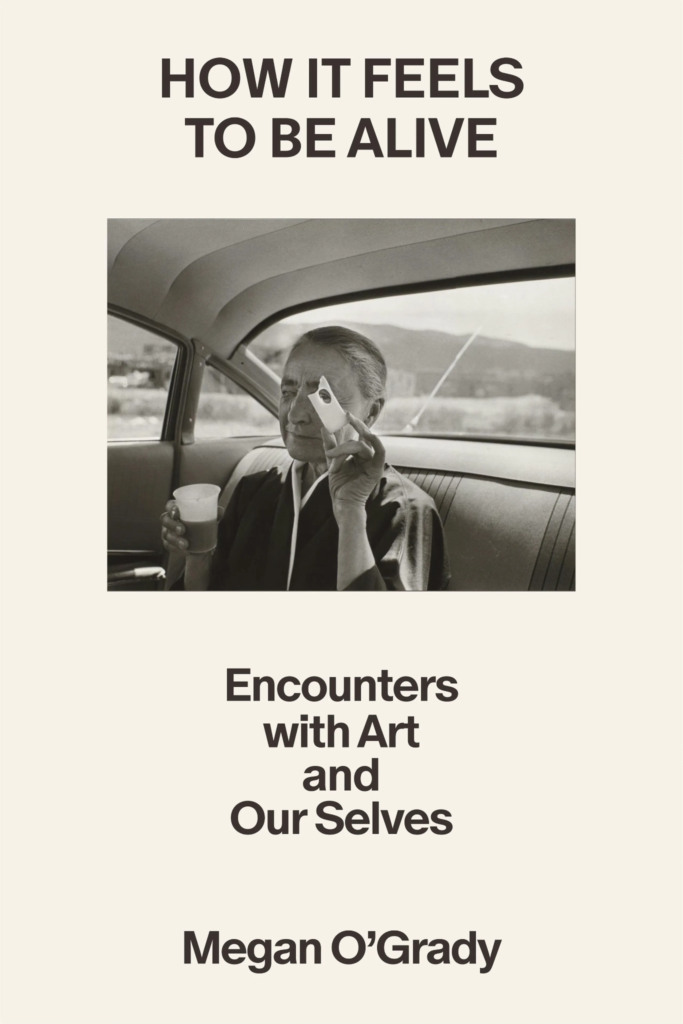
Most art criticism teaches you how to look at art. How It Feels to Be Alive asks something far more vulnerable: what if art is not simply something we observe, but something we emotionally lean on in order to survive?
That question runs quietly through Megan O’Grady’s deeply personal collection of essays, which moves between reflections on artists like Agnes Martin, Barbara Kruger, and Pat Steir while simultaneously unfolding as a kind of emotional self-portrait. The result is criticism that feels unusually alive, less interested in authoritative interpretation than in the complicated intimacy between art and the people who need it.
What makes the book so refreshing is its sincerity. In a cultural moment where intellectual distance often passes for sophistication, O’Grady writes with startling openness about vulnerability, longing, confusion, beauty, and emotional transformation. She treats art not as a luxury object or status symbol, but as a force capable of reshaping the internal architecture of a person’s life.
There’s also something quietly radical about the way she approaches criticism itself. Rather than pretending the viewer can remain detached, O’Grady insists that looking at art is always personal. Paintings become mirrors for grief, uncertainty, desire, memory, and self-invention. Her essays understand that sometimes people enter museums not searching for information, but for emotional recognition.
The book’s emotional intelligence is what makes it linger. O’Grady writes about artists with admiration but never blind reverence, allowing their work to remain human, contradictory, and deeply connected to lived experience. Even her most art-historical observations feel grounded in feeling rather than performance.
In many ways, How It Feels to Be Alive is the emotional counterpoint to the colder, hyper-curated art-world novels dominating contemporary publishing. It reminds readers why art matters beyond trends, markets, institutions, or discourse. Not because it makes us look intelligent, but because it occasionally helps us understand ourselves more honestly.
Rarely has art writing felt this intimate without losing its intellectual rigor.
Sisters, Saints and Sibyls by Nan Goldin
Some books document pain. Others preserve it like a photograph, fragile, luminous, impossible to fully look away from. Sisters, Saints and Sibyls belong firmly to the second category.
Originally created as a deeply personal multimedia installation, the book centers on Nan Goldin’s relationship with her older sister Barbara, whose death by suicide at eighteen permanently altered the emotional trajectory of Goldin’s life and work. Through family snapshots, handwritten fragments, hospital records, and intimate photographs, Goldin constructs something that feels less like memoir and more like an emotional archive, raw, fragmented, and devastatingly human.
What makes Sisters, Saints and Sibyls so powerful is its refusal to sanitize grief. Goldin does not shape tragedy into neat narrative closure. Instead, memory appears in flashes: childhood tenderness, rebellion, psychiatric violence, addiction, love, rupture. The result mirrors the unstable rhythm of remembering itself. Images interrupt language. Personal history collides with cultural expectations surrounding femininity, mental illness, and obedience.
There is also a profound tenderness running beneath the book’s sorrow. Goldin has always photographed people with extraordinary emotional proximity, and here that instinct becomes almost unbearable in its intimacy. Her images feel inhabited rather than observed. Every photograph seems aware of what will later be lost.
For art audiences, the book resonates not only because of Goldin’s iconic place within contemporary photography, but because it reveals the emotional core beneath her entire artistic philosophy: the belief that documenting life honestly, even at its most painful, can itself become an act of resistance. Against shame. Against erasure. Against forgetting.
Reading Sisters, Saints and Sibyls feels almost intrusive at times, as though you’ve been handed someone’s most private memories and trusted not to look away. But that emotional exposure is precisely what gives the work its extraordinary force.
This is not a comfortable book, nor is it meant to be. It is haunting, vulnerable, and profoundly alive, the kind of work that reminds you art can still wound and heal simultaneously.
Bedlam by Jennifer Higgie
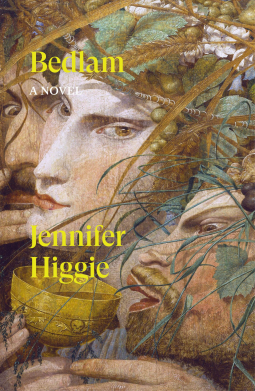
Art history has a habit of flattening difficult artists into mythology. Madness becomes an anecdote. Suffering becomes aesthetic texture. Genius becomes shorthand. Bedlam quietly resists that entire tradition.
Inspired by the life of Victorian painter Richard Dadd, remembered as much for murdering his father as for his intricate paintings, Jennifer Higgie’s novel approaches artistic “madness” not as spectacle, but as interior experience. Rather than sensationalizing Dadd’s institutionalization, Higgie imagines the emotional and psychological world surrounding it with startling compassion and restraint.
The result is a novel that feels strangely dreamlike, hovering between poetry, hallucination, memory, and historical meditation. Higgie’s prose moves delicately, almost hypnotically, allowing the reader to inhabit a consciousness slowly drifting between clarity and fragmentation. Scenes unfold with the eerie stillness of paintings themselves: rooms heavy with silence, landscapes vibrating with symbolism, thoughts looping inward like unfinished sketches.
What makes Bedlam particularly compelling for art audiences is the way it interrogates the romantic myth of the tortured artist. Higgie understands how frequently creative suffering has been aestheticized throughout history, especially when attached to male genius. But instead of reinforcing that mythology, she humanizes it. The novel asks what happens when a person becomes trapped inside the narrative others build around their instability.
There’s also a fascinating tension throughout the book between artistic imagination and institutional control. As Dadd’s mental state deteriorates, the boundaries between observation and invention begin dissolving. Art becomes both refuge and prison, a place where perception sharpens even as reality fractures.
Visually, emotionally, and psychologically rich, Bedlam feels less like conventional historical fiction and more like stepping inside a haunted painting. Higgie resurrects not simply a forgotten artist, but the emotional atmosphere surrounding him: fear, beauty, obsession, isolation, tenderness.
It’s a novel that lingers in the mind long after finishing it, like candlelight trapped inside an old museum room after closing time.
What makes these books feel so essential right now is that none of them treat art as decoration. In each of these worlds, art becomes something far more unstable and intimate: a survival mechanism, a performance, a seduction, a source of identity, a form of rebellion, even a site of emotional collapse.
Together, these novels, essays, and memoirs sketch a surprisingly honest portrait of contemporary creative life. The glamorous mythology surrounding artists, the openings, institutions, intellectual conversations, beautiful apartments, carefully curated personas, slowly gives way to something more human underneath: loneliness, ambition, insecurity, grief, dependency, longing, and the constant pressure to turn experience into meaning.
That emotional honesty is perhaps why the “art book” is having such a strong cultural moment again. Readers are no longer satisfied with distant portraits of genius. They want interiority. Messiness. Contradiction. They want stories that understand creative life not as a fantasy, but as something psychologically demanding and deeply personal.
And that’s precisely what these books offer.
Some are quiet and introspective. Others are chaotic, angry, or emotionally devastating. But all of them understand a truth many artists recognize instinctively: making art changes the way people move through the world. It reshapes relationships, distorts ambition, heightens sensitivity, and blurs the line between observation and self-exposure.
Perhaps that’s why these books linger long after the final page. They are not simply about art. They feel like art-world conversations overheard at midnight, critique sessions that became confessions, friendships complicated by envy, museum visits that unexpectedly altered someone’s emotional life.
In other words, they understand the beautiful chaos of being a creative person today.
And maybe that’s exactly the kind of reading summer needs.
Which of these books feels the most intriguing to you?
If you’re drawn to the emotional intersection of art, culture, and memory, you might also enjoy reading about the most famous songs ever made.