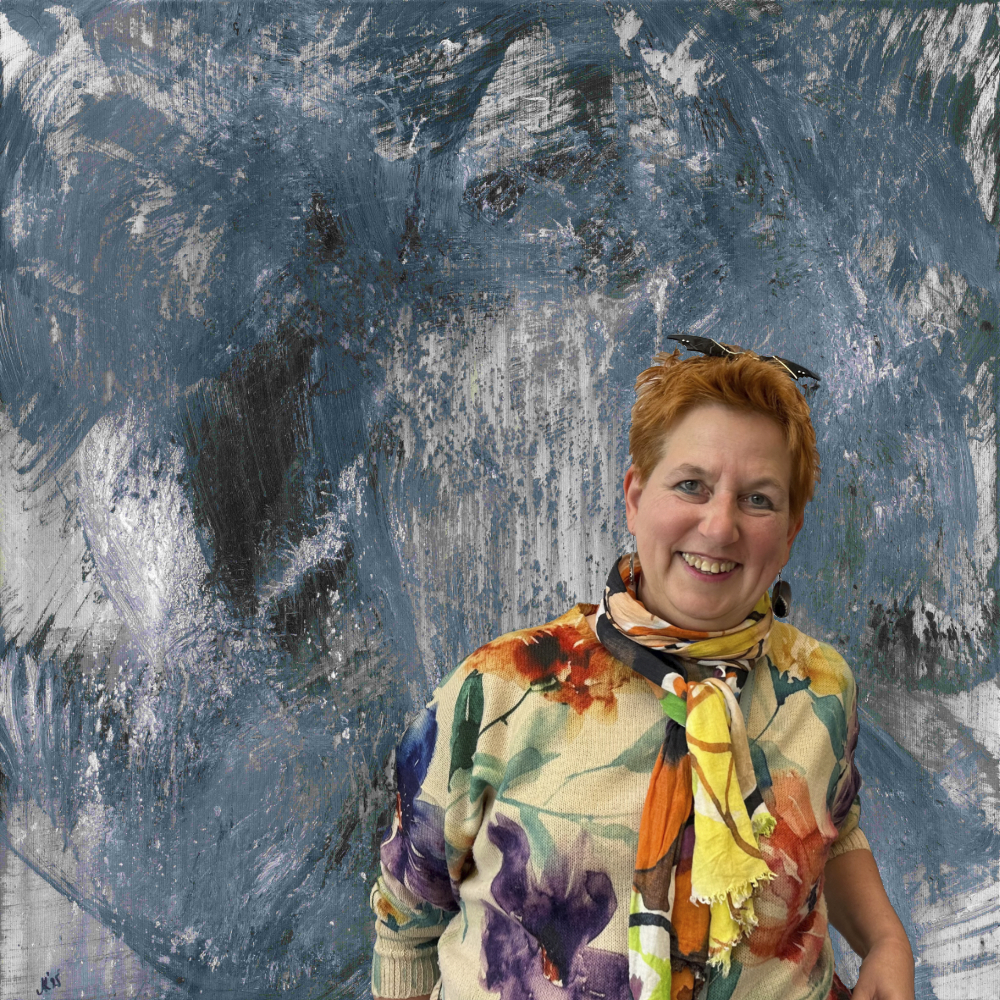


Irmgard Geul’s Art Honors Her Mother Through Paint and Stitch
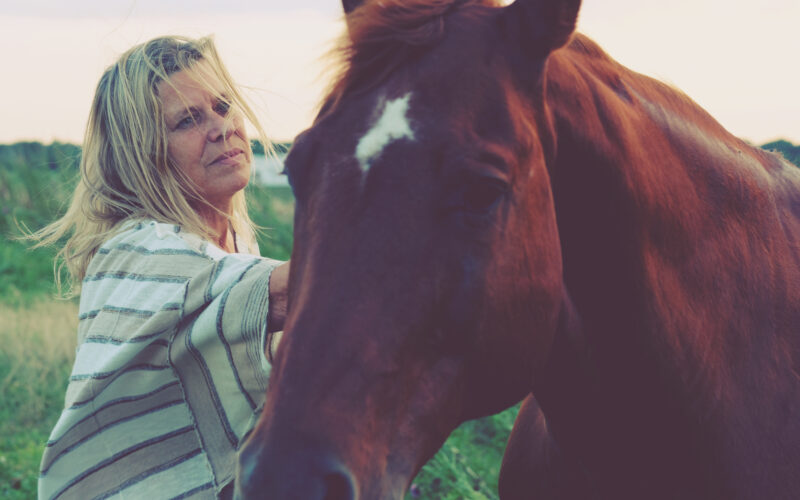
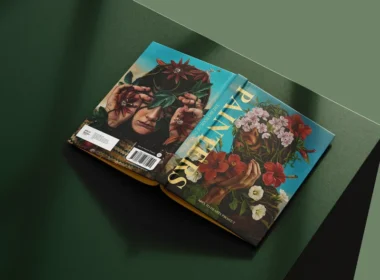
At Arts to Hearts Project, The Great Book of Art Makers is a celebration of the makers themselves, not just the finished work, but the people behind it, their stories, their histories, and the lives that shaped what they create.
Each edition brings together 100 artists from around the world in one beautifully made collectible book. For this second edition, one of the 100 artists we’re proud to feature is Irmgard Geul, and her work carries a lifetime of memory, movement, and heart.
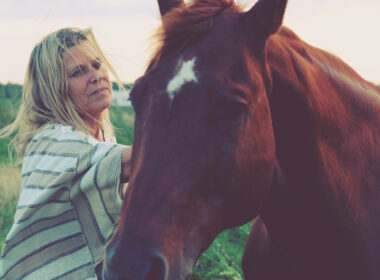
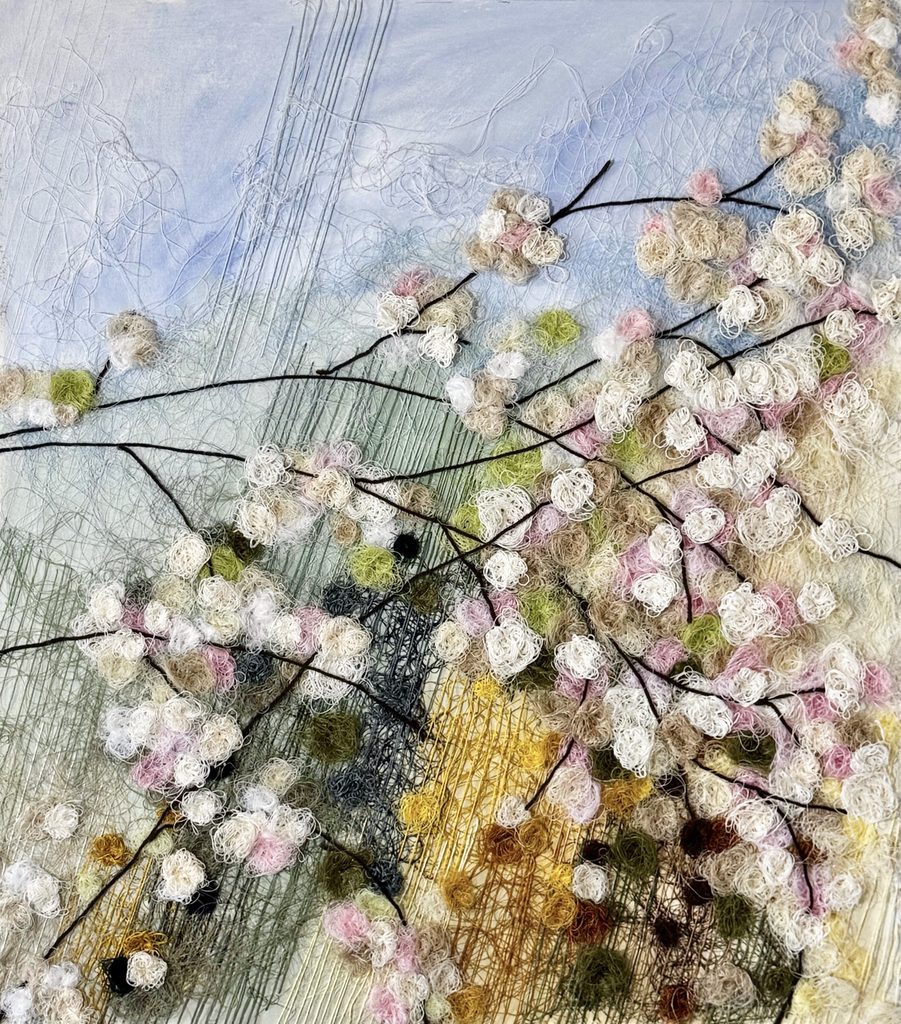
Irmgard is a Dutch American artist with a style all her own. She combines acrylic painting with embroidery and loose, flowing thread, so her landscapes end up part painting, part textile. It’s a technique she arrived at by following her own instincts, and it lets her do something paint on its own simply can’t.
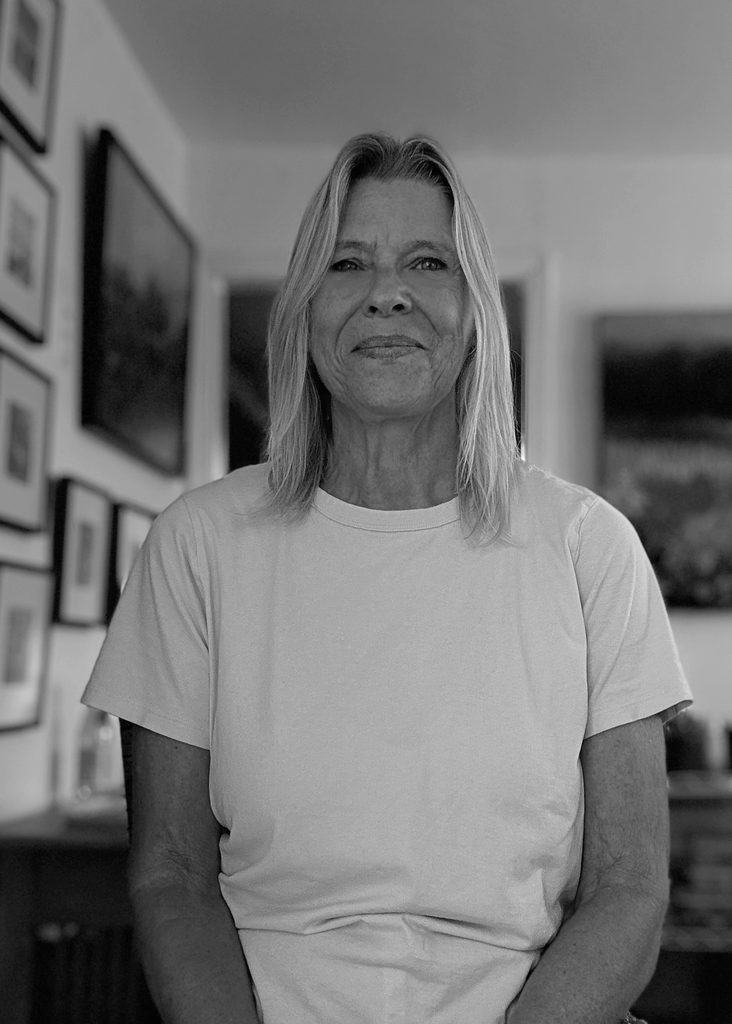
That’s because the thread brings movement. In her hands, loose strands drift across a landscape, following the sway of grasses or the bend of a road, until the whole scene feels like it’s quietly stirring, almost reaching off the canvas. She doesn’t keep every thread perfectly in place, and that’s the point, nature doesn’t move in straight lines either. For Irmgard, thread is a way to capture the things you can’t see but can absolutely feel, like the wind moving through a field.
Her paintings are a bit like a visual diary. They’re rarely grand or famous views. More often they’re the small, quiet things that catch her eye, an old tree, a country road, a wildflower, a weathered building that’s slowly become part of the scenery. She isn’t trying to copy a place so much as hold on to the feeling it gave her.
Having grown up in the Netherlands and lived many years in Oklahoma, she carries two very different landscapes inside her, and both feel like home. A lot of her work lives in that tender space in between, belonging to two places at once.
And her road here was anything but straight. Before coming back to art for good, Irmgard built several completely different careers, in fashion design, in visual communication, even running her own international horse shipping business, which is what first brought her from the Netherlands to the States.
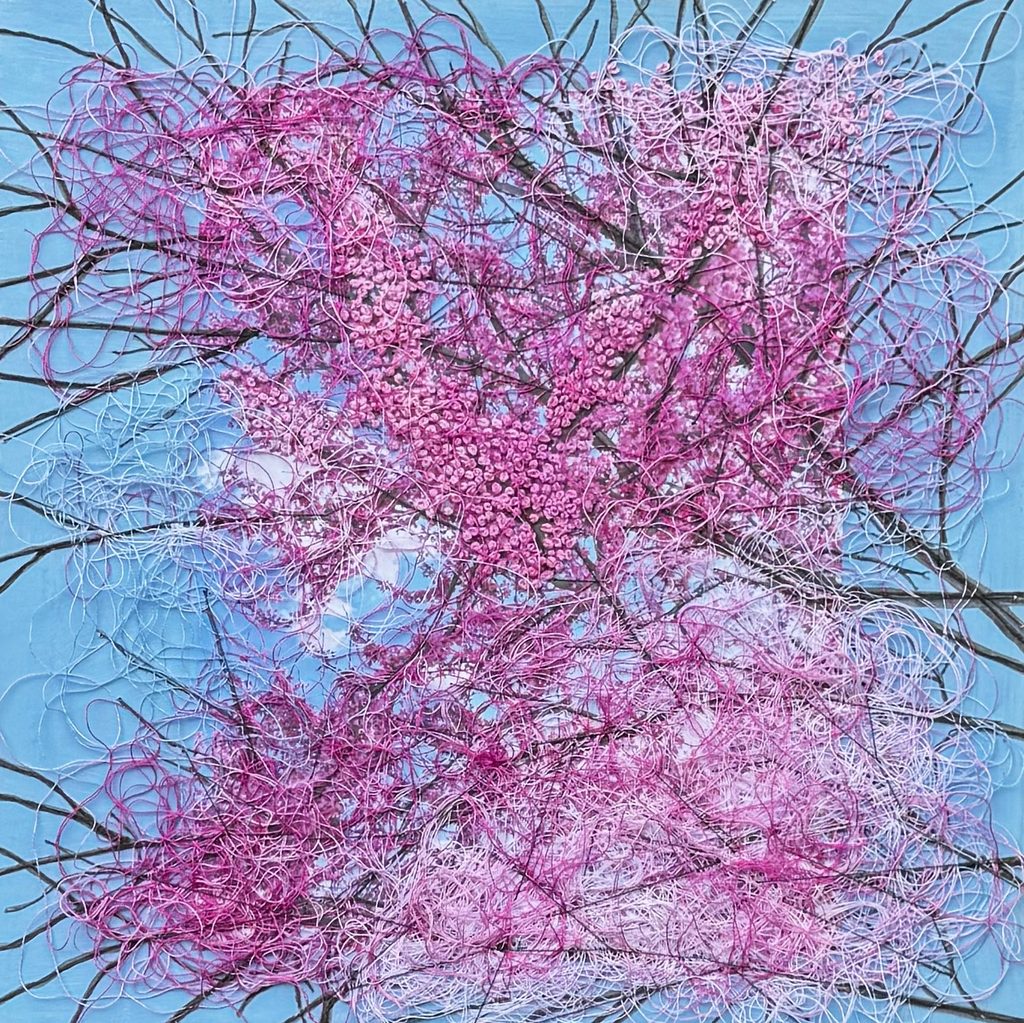
She’s always been restlessly curious, never one to let life get too predictable, and never afraid to start over and learn something new. Every chapter taught her something, but most of all, it taught her to trust her own gut, which is exactly what guides her in the studio now.
Underneath it all is a quiet admiration for the strength of women. Irmgard lost her father at sixteen and watched her mother raise the family on her own, holding everything together with a resilience she’s never forgotten.
To her, creativity is about far more than making something pretty. It’s also about resourcefulness, courage, and finding a way to keep growing through whatever life throws at you, things she learned, without even realising it, simply by watching her mother.
Now let’s hear from Irmgard about her one-of-a-kind way of working, how she captures something as intangible as the wind, what it means to belong to two homes, and the courage it takes to start over, again and again.
Q1. Imgard, you were born and raised in the Netherlands. What early experiences first shaped your relationship with art?
I grew up in Blaricum, a small village south of Amsterdam, in a large family where creativity was always encouraged. My father was an electronic inventor, and my mother was a couture seamstress who made beautiful clothing for women. I was fascinated by her world of fabrics, colors, patterns, and threads. Without realizing it at the time, she planted the first seeds of my artistic journey.
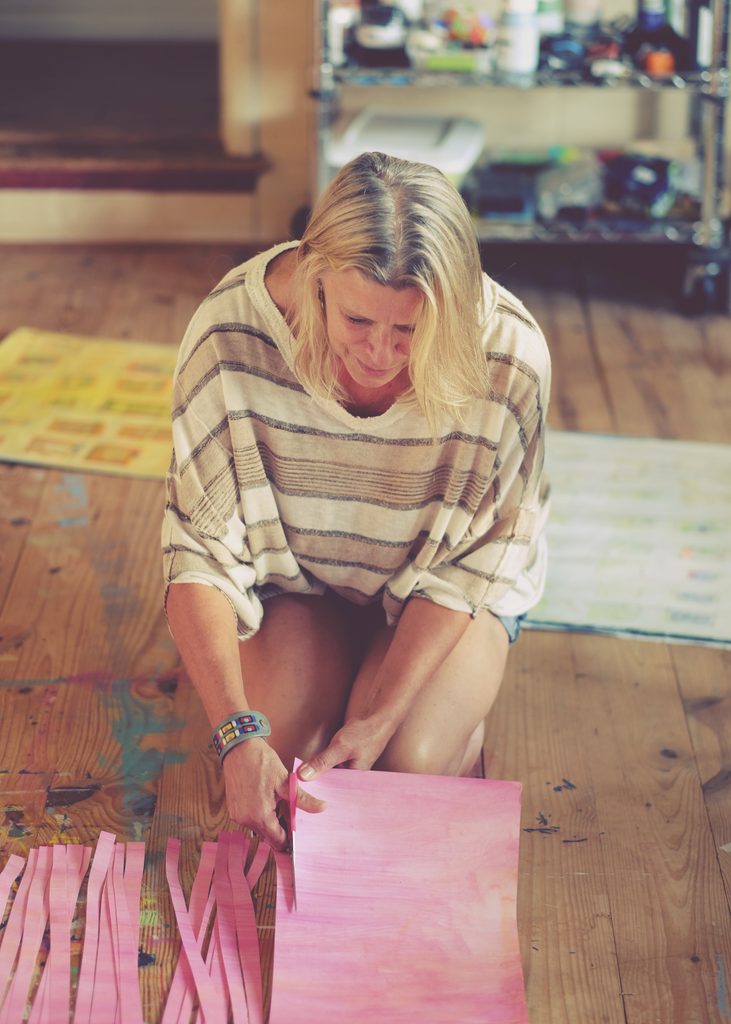
Q2. You spent years working in fashion design and visual communication before returning fully to art. What inspired you to find your way back?
I always tell people that art is my first love and horses my second, and they have always been competing with each other!
When I personally imported an American Quarter Horse from the USA, I realized how difficult it was to transport horses between different countries. My partner at the time said, “Let’s start an international horse shipping business,” and before I knew it, I was completely involved. In 2003, I moved from the Netherlands to Oklahoma, USA to run my own equine shipping business in person. Art took a back seat for many years, and I was only able to play with photography and make art in the late evening hours. A turning point came in 2013, when my sister sent me a box filled with my mother’s sewing supplies, including her needles, scissors, fabrics, and threads.
My mother had passed away, and holding these familiar objects brought back so many memories. It reconnected me with something I hadn’t realized I was missing. My mother had always supported me 100% when I wanted to study art, and she was sad when I took a different path and went into the horse business.
I began experimenting with photography, paint, textiles, and embroidery, and gradually found my own way of combining them. What started as a personal rediscovery became a new artistic direction.
Eventually, I sold my equine shipping business and made my comeback as an artist in the USA.
Q3. Your paintings often feel like visual diaries of the places you have lived and travelled through. What makes a landscape worth preserving?
For me, it is often the little things that make a landscape worth remembering. It doesn’t have to be a spectacular view or a famous place. It can be an old tree, a country road, a wildflower growing along the roadside, or an old building that has slowly become part of its surroundings. Something catches my eye, and I feel the urge to capture it. I think my landscapes are a kind of visual diary.
They hold pieces of the places I have lived, the things I have experienced, and the emotions connected to them. Having grown up in the Netherlands and lived in Oklahoma for many years, I carry two landscapes within me. They are very different, but both feel like home.
When I bring paint, and thread together, I am not simply trying to reproduce a place. I want to preserve the feeling it gave me. The thread adds another layer, almost like a memory that stays with you, sometimes clear and sometimes a little tangled. For me, that is what makes a landscape worth preserving: the personal connection that turns an ordinary moment into something meaningful.
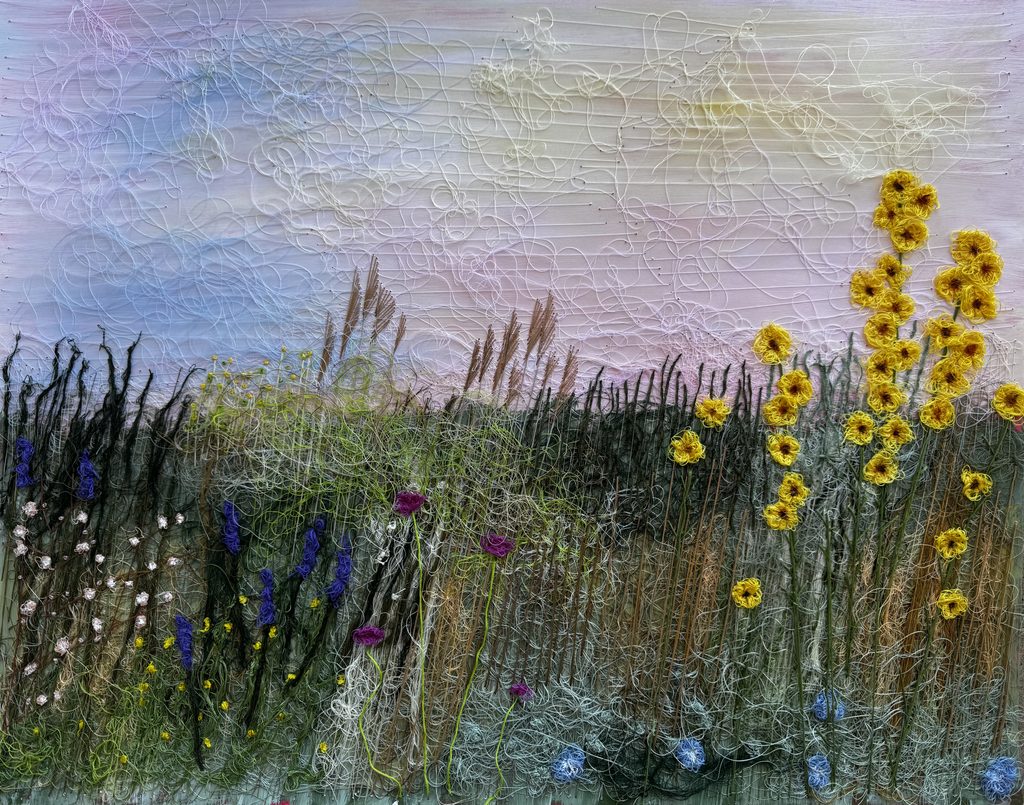
Q4. After working primarily with abstraction for many years, what encouraged you to challenge yourself and explore a more realistic style?
I think as an artist, you should never stop exploring and challenging yourself.
For many years, I worked primarily with abstraction, and I enjoyed the freedom of working with colors, shapes, and textures. But at some point, I felt the desire and overall feeling more confident, to start painting more realistic.
Q5. You developed a distinctive technique that combines acrylic painting with embroidery and loose thread. How did you discover that these two mediums could work together?
The pressure of an upcoming solo exhibition, combined with the box of my mother’s sewing materials, sparked a challenge. One day, an idea popped into my head: What if I created 81 sunrise and sunset views from my studio and used my mother’s materials? It started with adding embroidery to some of my abstract sunrises.
To my surprise, it really worked! After receiving encouraging feedback from some of my artist friends, I realized I was onto something unique. It opened a new door for me, and there was no turning back. The series of 81 sunrises and sunsets captured the hearts and attention of many art collectors. What began as a challenge for an exhibition became a turning point in my artistic journey and helped me discover a new way of bringing paint and thread together.
Q6. In The Long Way Home, the road becomes more than a landscape. What does the idea of home mean to you today?
For me, home is not just one place anymore. I was born and raised in the Netherlands, and those first 40 years of my life will always be part of who I am. When I moved to Oklahoma in 2003, I started a new chapter in a completely different landscape and culture. Over time, Oklahoma became home too. I fell in love with its roughness and the quiet undisturbed beauty.
But I still carry the Netherlands with me, because that’s where I was born and raised and that’s where my family still lives. I think The Long Way Home reflects that feeling of belonging to two places. Sometimes, home is where you come from, and sometimes it is the place where you build your life. For me, it is both. They are my personal reflections on the contrasts as well as the commonalities of the two cultures that I live within.
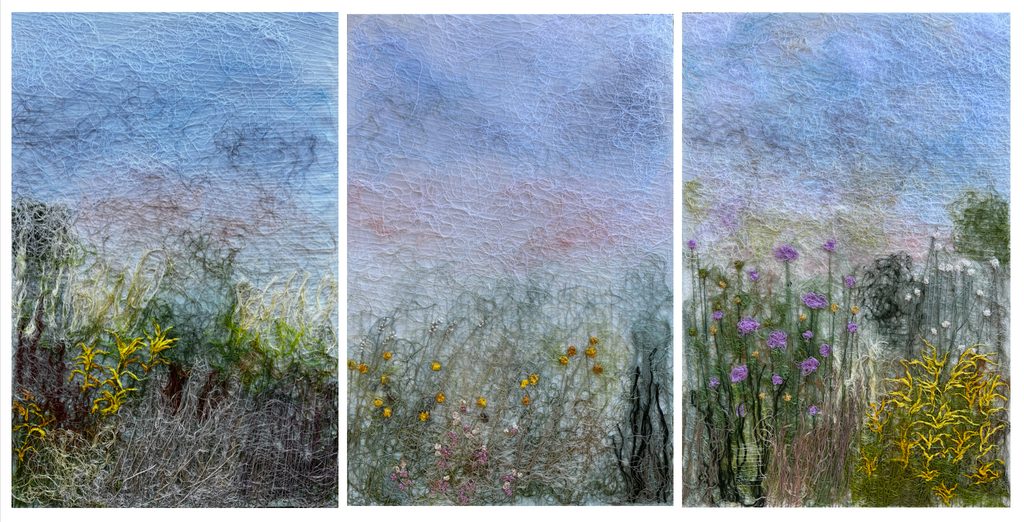
Q7. In Follow The Wind, you capture the movement of grasses across the Oklahoma landscape. How do you use paint and thread to express something as intangible as wind?
With paint, I create the landscape and its colors, but the thread allows me to take the movement a step further. The loose threads can flow across the surface, following the direction of the grasses and creating a sense of movement that almost reaches beyond the canvas.
They are not always perfectly controlled, and I like that. Nature doesn’t follow straight lines or always do what you expect. For me, the thread becomes a way to suggest something you cannot see but can certainly feel. I want the viewer to almost sense the wind moving through the grasses, even though the artwork itself is still.
Q8. What do you think we inherit creatively from the women who raise or influence us, often without realising it until later in life?
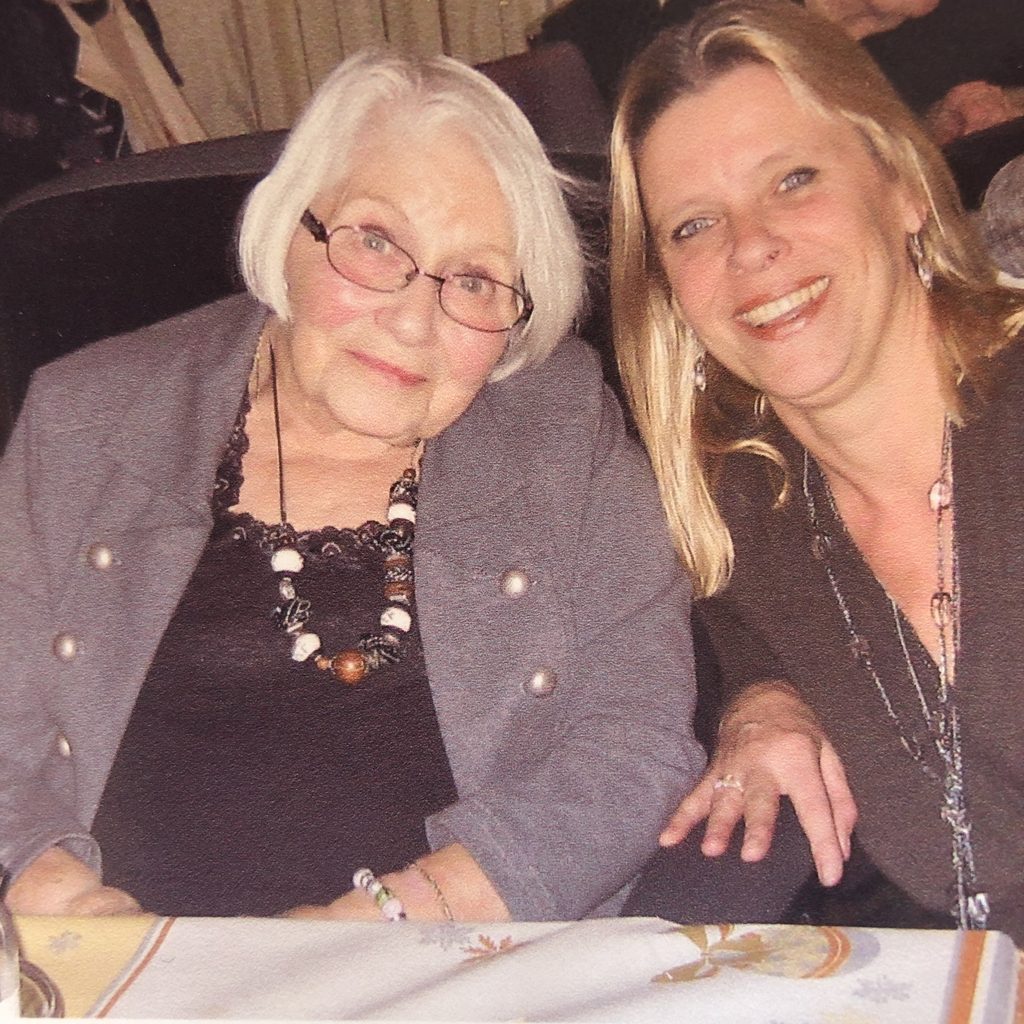
I think women have influenced me in ways I probably didn’t fully understand when I was younger. When my father passed away, I was 16, and my mother raised us on her own. I saw her strength and how she kept going, even when life wasn’t easy. She taught me, without necessarily saying it, what it means to be strong, resourceful, and creative.
To me, women represent the power of the world. They are often the ones who manage to keep everything together, care for others, find solutions, and still make room to smile and grow themselves. I admire that strength, but also the softer side of women: their ability to nurture, create, and find beauty in everyday life. Looking back, I think these qualities have shaped not only who I am, but also how I approach my art. Perhaps creativity is not just about making something beautiful. It is also about resilience, finding your own way, and continuing to grow through whatever life brings you.
Q9. You have built several very different careers throughout your life. What has been the biggest challenge in allowing yourself to start over creatively?
I have always felt the need to renew myself. Especially when I was younger, I didn’t want life to become boring or predictable. I have always been up for a challenge and curious about what else I could do. I am constantly looking for ways to expand, asking myself: What is my next step? What can I do better? What can I do differently? I think that curiosity has led me through several different careers and eventually brought me back to art.
Of course, starting over means stepping into the unknown and being willing to learn all over again. But I have never wanted to stay in one place simply because it feels comfortable. For me, growing means being open to new possibilities, even when I don’t know exactly where they will lead. I think the greatest challenge is also the greatest reward: having the courage to let go of what you know and give yourself permission to discover what comes next.
Q10. Looking back at your work in fashion, visual communication, the horse business, and fine art, what has each chapter taught you about resilience and trusting yourself?
By example, fashion design has taught me to work with colors, patterns, materials, and details. Working with horses and running my own equine shipping business taught me independence, problem solving, and how to deal with unexpected challenges. My yard business has taught me to stay physically strong, in shape and to live healthy. But perhaps the most important thing all these experiences have taught me is the ability to trust my intuition.
Every time I stepped into something new, I had to believe in myself, even when I didn’t know exactly what I was doing or where it would lead me. I think that intuition has become especially important in my art. It allows me to experiment, take risks, and trust the process. My journey has certainly not been a straight line, but I now see how every chapter has helped me become the person and artist I am today.
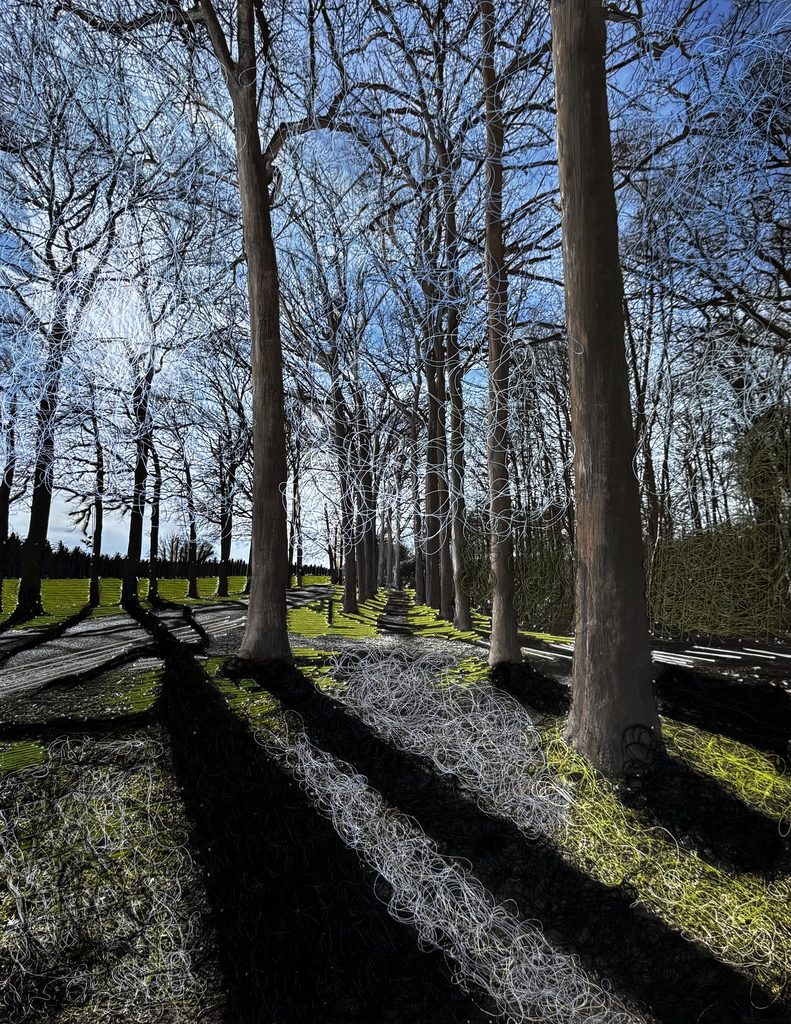
Q11. What does success mean to you now? Is it recognition, connecting with viewers, having creative freedom, or simply being able to make the work you love?
For me, success starts with simply loving what you create and not worrying too much about what other people think.
I believe you have to stay true to yourself and follow your own instincts rather than trying to please everyone. Of course, it is incredibly rewarding when people connect with my work, when someone decides to buy one of my pieces, or when I am invited to exhibit my art.
It makes me feel that what I create is reaching people and that my work has found a place in the world. For me, that completes the circle. I get to do what I love, and other people find something meaningful in it too. What more could I ask for?
Q12. If you could return to the young girl sitting beside her mother’s sewing machine, what would you tell her about where those threads would eventually lead?
I would tell that young girl to stop worrying so much, because everything is going to be okay. After my father passed away so suddenly when I was 16, I started worrying about what the future would bring. I wish I could go back and tell myself that life will unfold in its own way, and that I don’t have to have everything figured out. I would also tell her that the threads she sees her mother working with will one day become part of her own artistic journey.
My mother is still with me in spirit. I feel her guiding me when I choose colors, and I like to believe she is cheering me on at every opening night. Who would have thought that the materials my mother once used to create beautiful clothing would one day become part of my art? In a way, we are still creating together, even after all these years. And I would tell that young girl one more thing: trust yourself, enjoy the journey, and don’t worry so much about what lies ahead. Life has a way of bringing you exactly where you need to be.
As our conversation with Irmgard came to an end, we found ourselves thinking about the people who shape us, and how we carry them with us long after they are gone.
For most of us, that carrying is invisible, a turn of phrase we picked up, a value we live by, a love we were handed without realising it. Irmgard makes it visible, even tangible. She stitches her late mother’s own threads into her paintings, so that the woman who first believed in her as an artist is literally woven into everything she creates.
There is something deeply moving in that, and deeply human. It is a reminder that the people we love never fully leave us; they live on in the things they taught us, the gifts they gave us, and the quiet ways they keep guiding our hands. In choosing to create, Irmgard found a way to keep creating with her mother, long after goodbye.
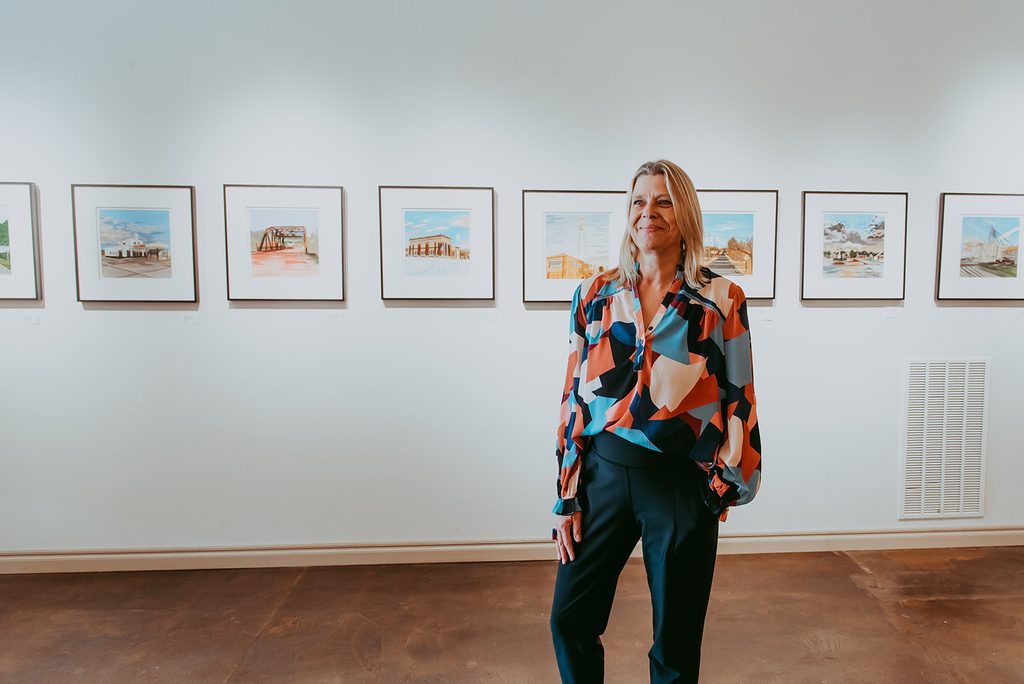
There is real encouragement in her story, too. Irmgard has reinvented herself again and again, through fashion, through horses, through an entire ocean and a brand-new life in another country, before finally returning to the art she had loved all along.
Her journey is a reminder that a creative life rarely runs in a straight line, that it is never too late to come back to what matters, and that every so-called detour can quietly prepare you for where you were meant to end up. The courage to start over, she shows us, is not a setback. It is its own kind of gift.
For art lovers and collectors, Irmgard’s work brings warmth, texture, and real emotion into a space. Tender, layered landscapes where paint and thread come together to hold memory, movement, and a sense of home. They reward a closer look, revealing the delicate stitches and loose threads that make each one unmistakably hers. To live with one of her pieces is to keep a little visual diary on your wall, a quiet reminder of the places that shape us and the people we carry with us wherever we go.
Follow Irmgard Geul through the links below and see her work for yourself.
Don’t let this one pass you by. Submissions for Artist of the Year 2026 are still open, but not for long. One title, one artist, a $500 prize, a trophy, a four-page feature, and a place among 100 artists in a hardcover collectible book. Any medium, any stage, from anywhere. If you’ve been meaning to submit, this is your reminder. Do it now.