
Mary Lonergan Uses Art to Challenge the Patriarchy and Celebrate Women
At Arts to Hearts Project, The Great Book of Art Makers is a celebration of exactly that, the makers. Not only the finished paintings, but the people behind them, their stories, their voices, and the lives that shaped the work. Each edition brings together 100 artists from around the world in a beautifully produced collectible book, a place where their practices, and the person inside each one, can be seen and remembered together.
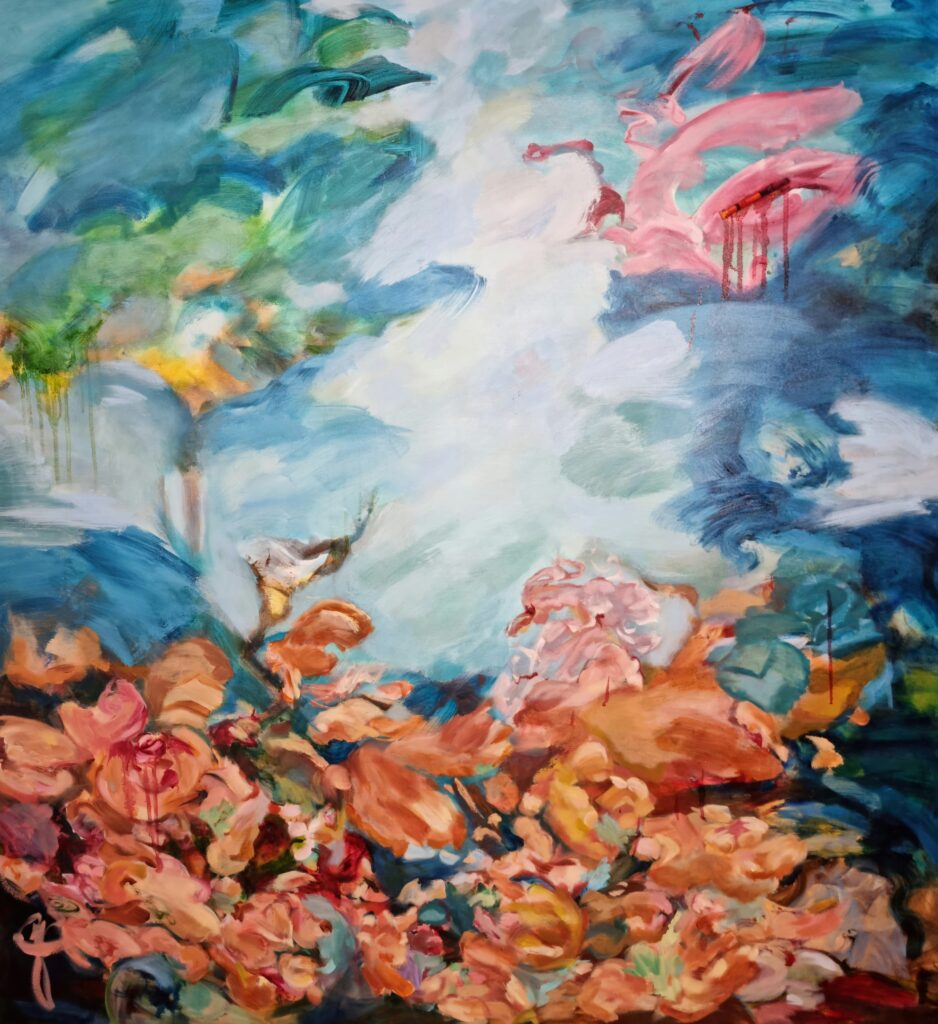
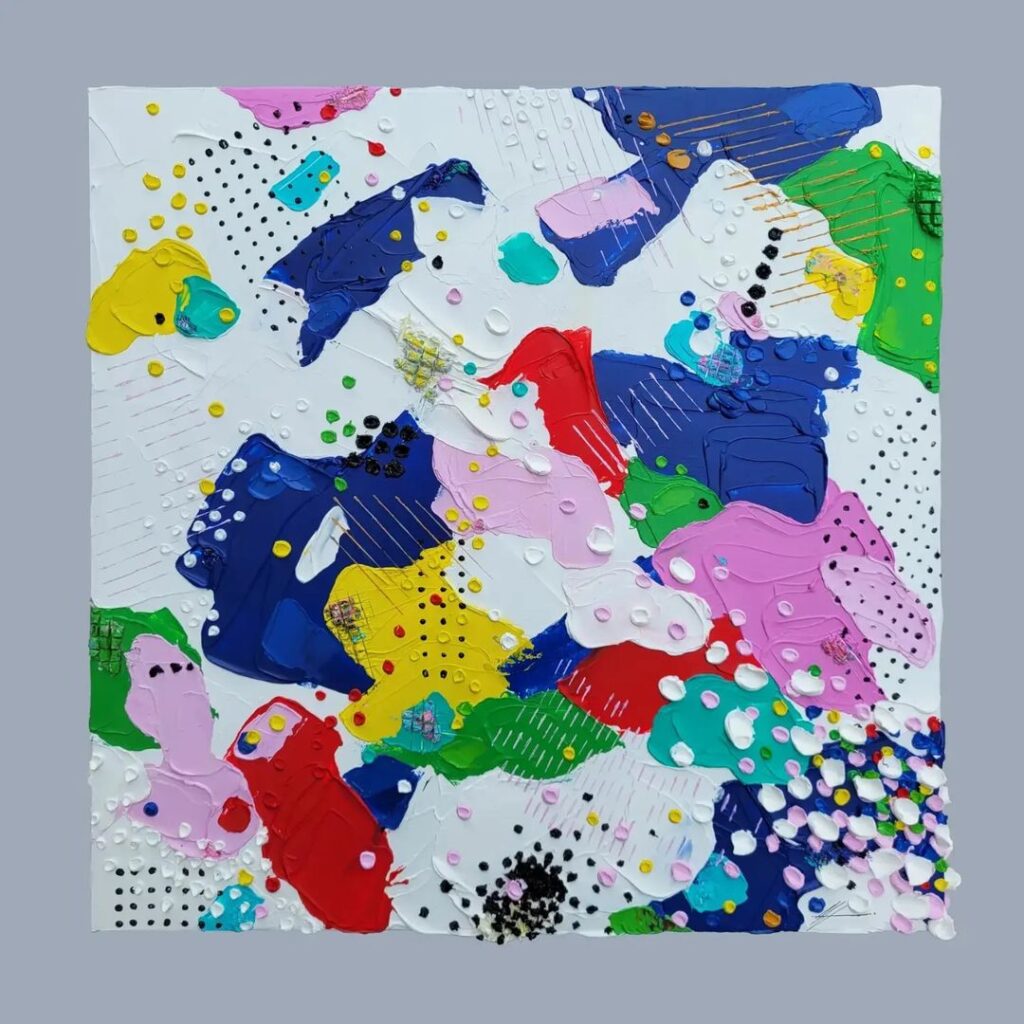
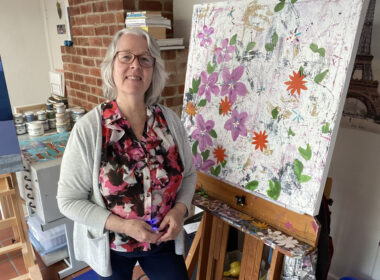
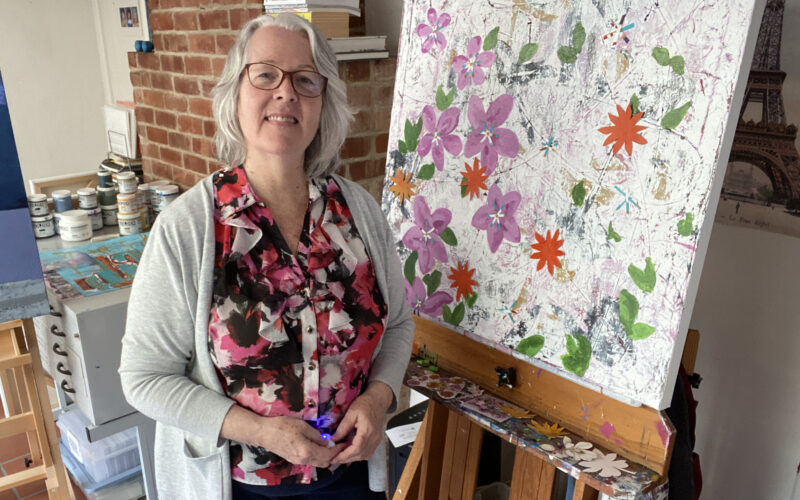
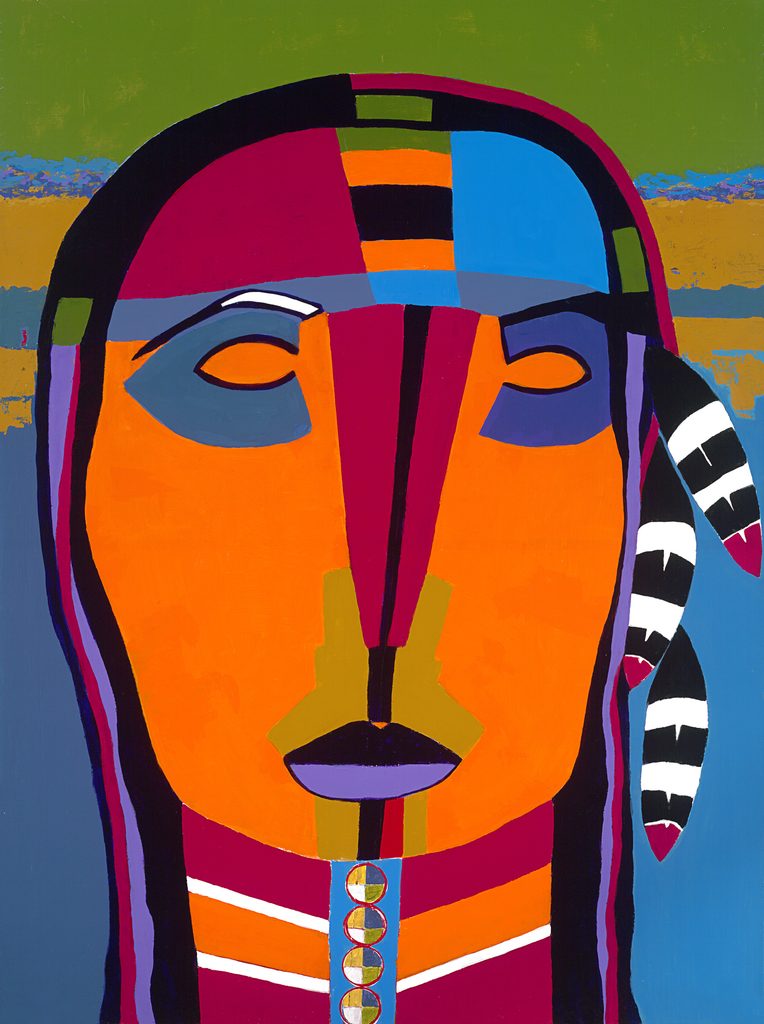
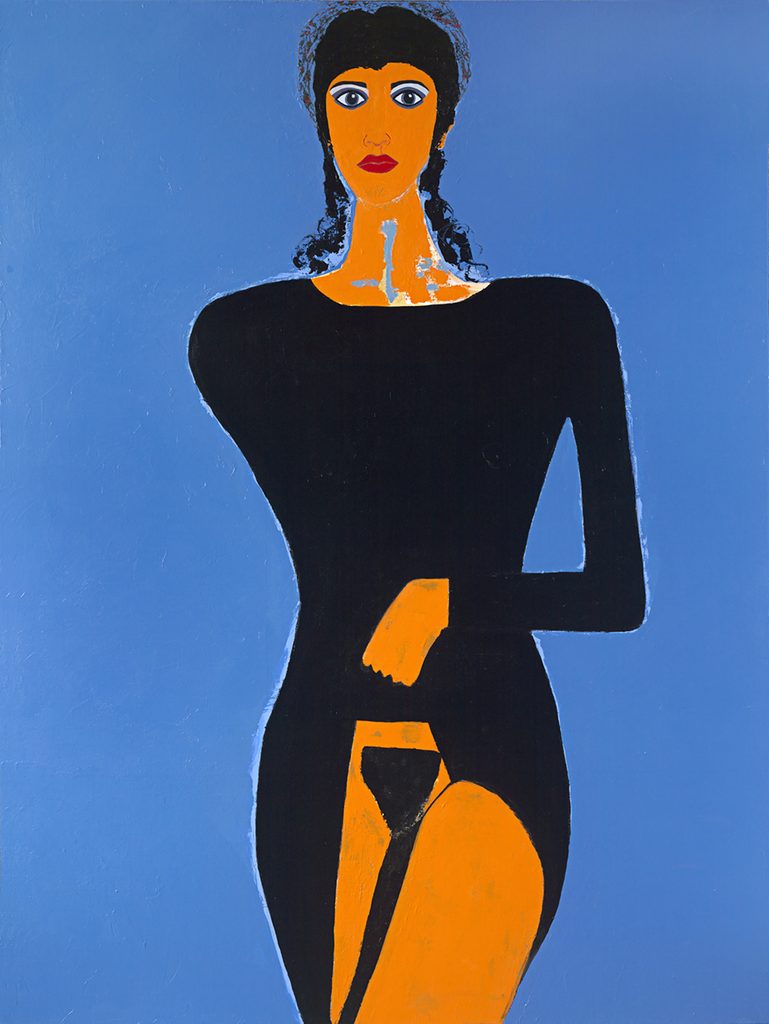
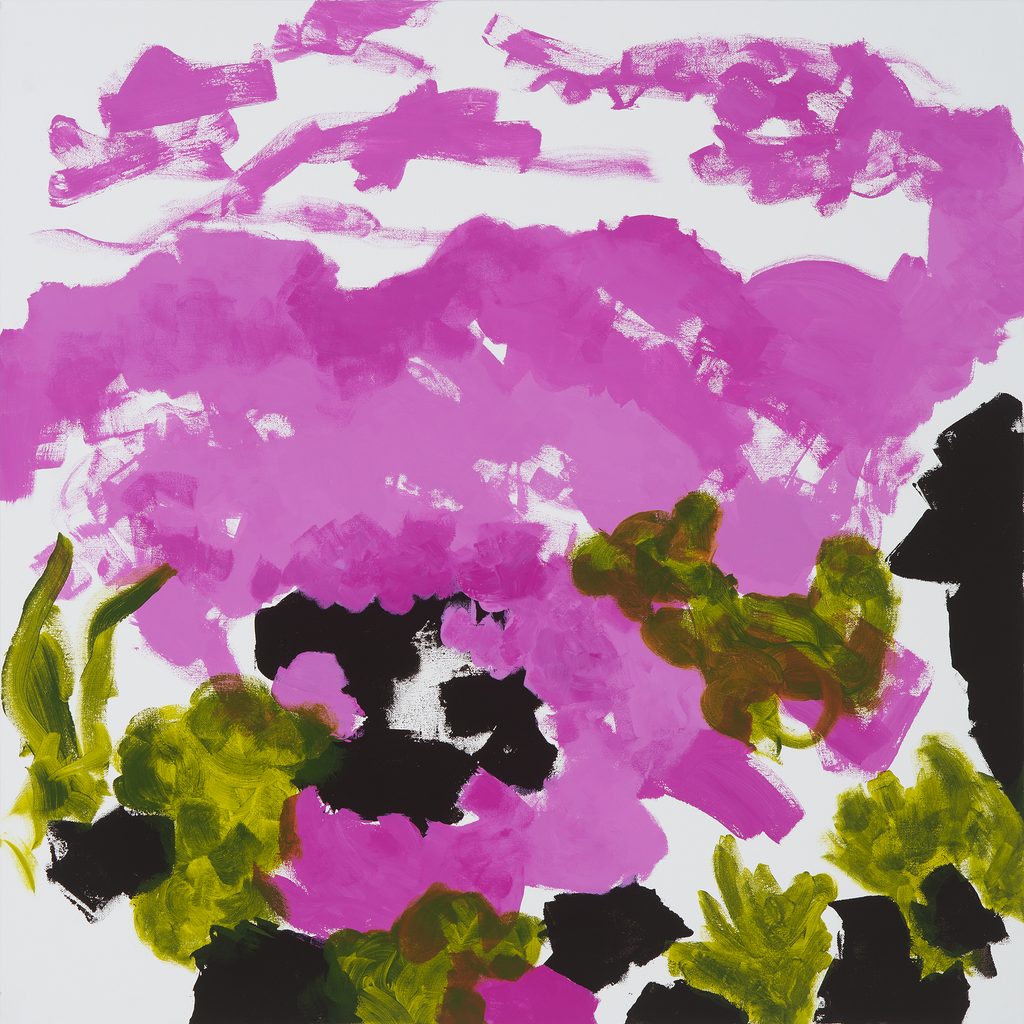
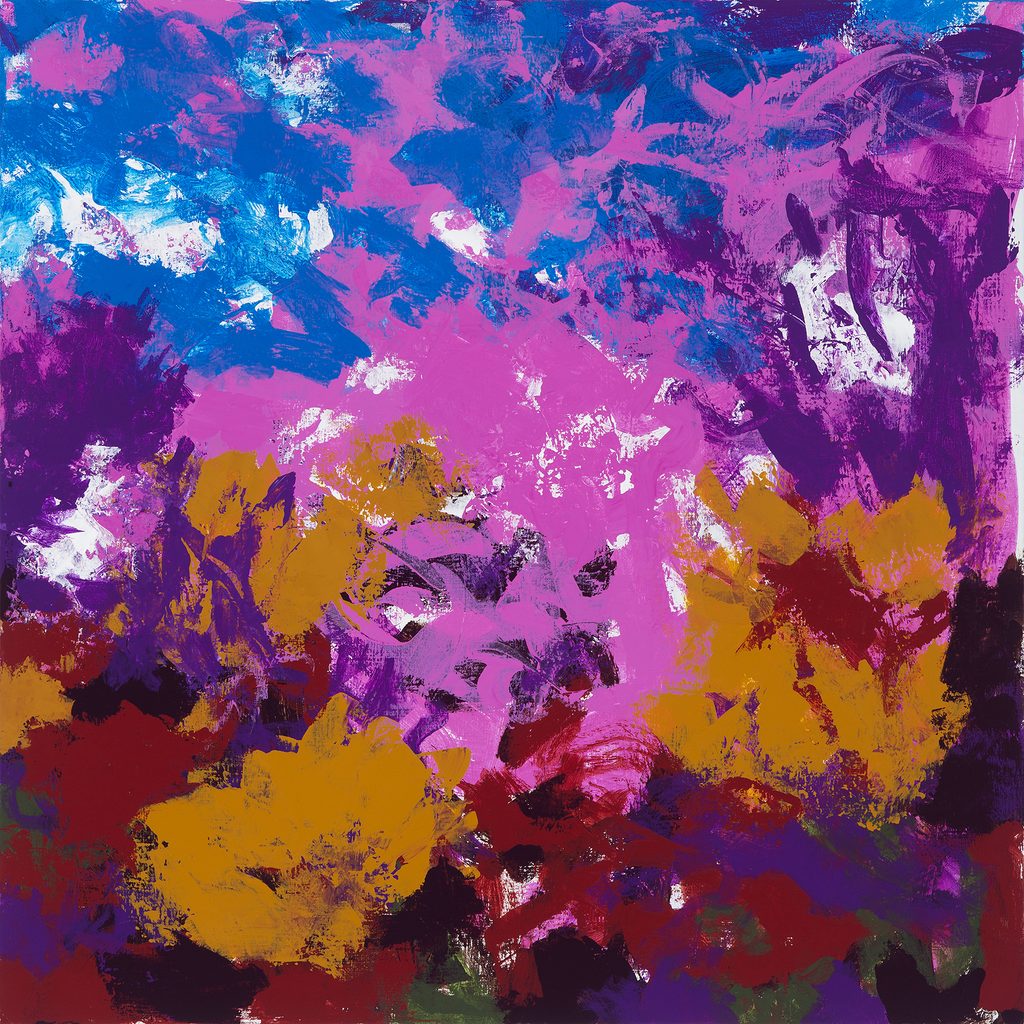
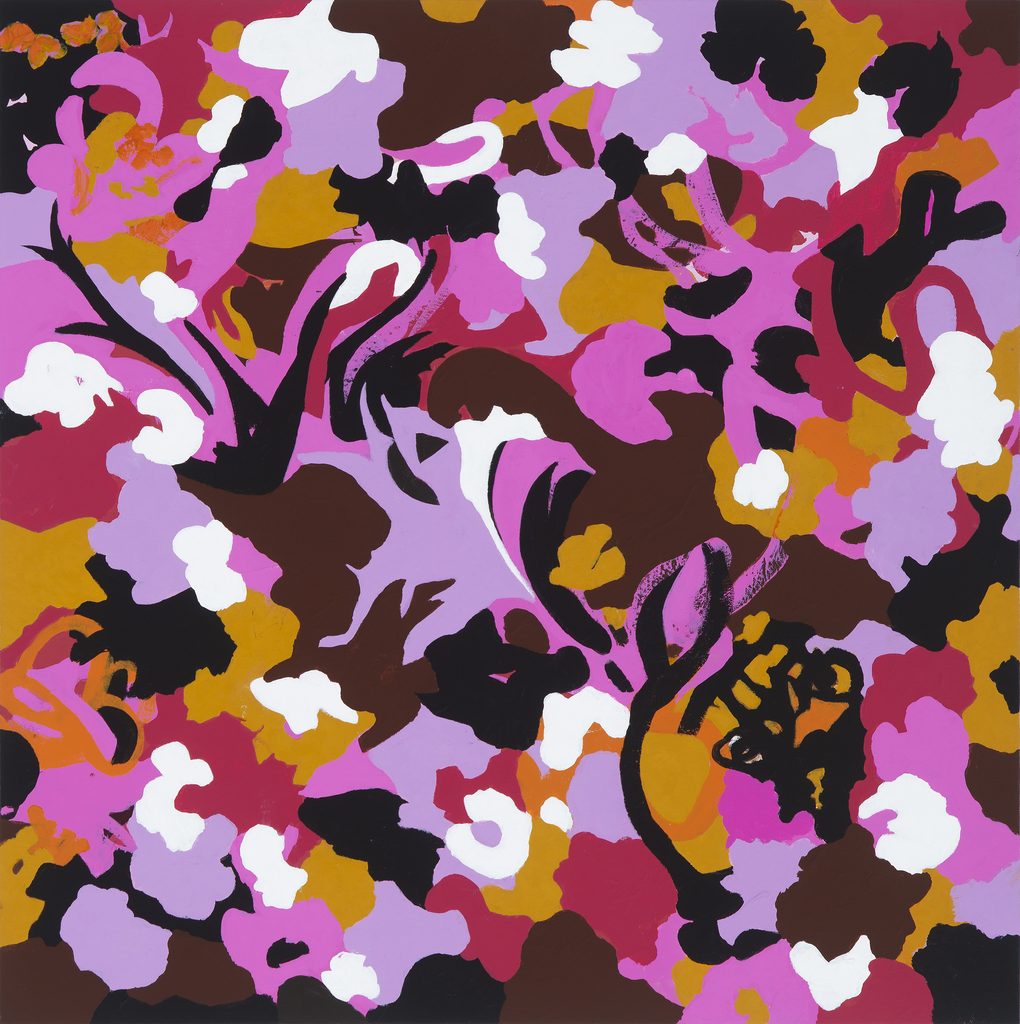
For this second edition, one of the 100 artists we are proud to feature is Mary Lonergan, a painter who believes, with her whole heart, in the power of art to connect us. Mary is an American artist based in Oakland, California, who works in bold, vibrant colour, mostly in acrylic and ink.
Her paintings move freely between pure abstraction and recognisable images, landscapes, flowers, and figures, and whatever form they take, they are all reaching for the same thing.
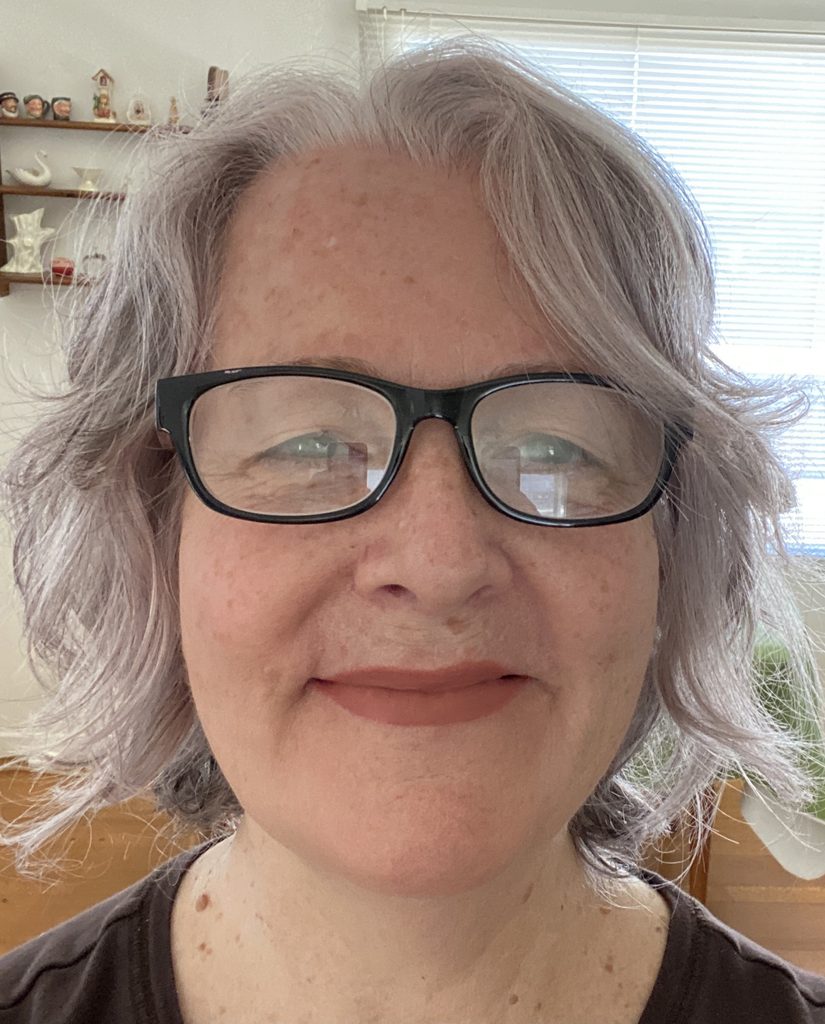
Mary describes her goal as an essential exchange between the viewer and the art, a direct hit to the heart, a moment where you recognise something of yourself in the work. Above all, she wants her paintings to remind you that you are not alone.
Colour is at the centre of everything she does, and for Mary it is far more than decoration. She believes colour can genuinely shift our mood, our behaviour, even our body, and she has felt that power since childhood. She still remembers discovering a book of vibrant, electric artwork as a little girl and feeling an overwhelming rush of pure happiness.
She chases that same feeling now, pouring it into bright, joyful, energising work. She paints in acrylic and ink partly because they let her work fast, keeping up with her own impatience and the momentum of an idea.
Her process is a kind of conversation with the painting itself. She often begins in abstraction, with no fixed plan, and then, every so often, something begins to appear, a landscape, a face, a figure quietly emerging from the colour and asking to be brought forward.
Mary did not come to this through art school. She discovered painting almost by accident, at a late-night art gathering in an abandoned San Francisco warehouse, while she was still in a corporate job she found draining. Art became her escape, and then her lifeline.
That belief runs through everything she stands for. Mary is passionate about art as a force for good, for connection, for well-being, and for change. Her work often sparks conversations about feminism and powerful women, and she holds firmly to the idea that artists are the ones who keep us afloat, who give us culture, community, and hope. She believes deeply in showing up, for her Oakland art community and for creatives everywhere, because connection, she has found, is where the magic happens.
Now let’s hear from Mary about the exchange she hopes to create with every painting, the real power of colour, how images rise up out of abstraction, and why she believes art can save a life, including her own.
Q1. Mary, how did your creative journey begin, and what first inspired you to paint?
I came across an ad in a local paper about a gathering in San Francisco of people coming together to paint/create art – all materials provided – I had always been an art lover, especially as a young child, so I found this intriguing. The meetings would take place at night in abandoned warehouses, and this artist guy would bring in paper, paints, brushes and you could just grab a wall space, put your paper up and have at it. It was the absolute best experience and took me completely out of the misery of working in a corporate office downtown. I still have the first painting I did from the initial event and that really was the beginning of my artist journey.
Q2. You’ve described colour as something that can influence mood and well-being. When did you first recognise its power?
I think I was always aware of the power of color even though at a young age I probably could not articulate how I knew that, but I remember clearly my older brother (who was probably 12 at the time) received a Peter Max art book for his birthday from a family friend and I confiscated it and kept it hidden in my room. I thought the artwork was extraordinary and I had never seen anything like it. It was just packed with powerful color on every page and I felt SO HAPPY looking at it! This was in the late sixties and there really wasn’t any culture or art scene in my small New England town so seeing this book really blew my mind.
Q3. Your paintings sometimes evolve from abstraction into recognisable figures or landscapes. How do you respond to these unexpected discoveries?
OMG the images! HA! Sometimes I see them and think oh god again?? It’s funny because it hasn’t happened so much recently but I’ve had a few earlier works that had started out as landscapes or abstracts and then, oh look, somebody’s just appeared. And of course you can’t ignore it because it’s like you’re being directed to bring it forward. So I just try to stay open to the surprises that can come while I’m working. The process is definitely one of co-creating!
Q4. You primarily work with acrylics and ink. How do these materials shape your creative process?
I tend to be impatient when I’m working so the acrylics and inks allow me work more quickly than oils or other mediums. I’ve thought often about trying to work with oil paints, but I can’t seem to make that commitment as the necessary drying time would drive me crazy.
A learning curve is not something I enjoy even though I am constantly learning every time I’m in the studio!
Q5. You believe art can strengthen communities and support well-being. What role would you like art to play in our everyday lives?
Well this is the question, isn’t it. What could our world look like if we actually supported the arts, the artists and creativity as a way to live rather than striving for power, money and control.
I believe that art allows us to connect deeply within ourselves and it anchors us in our personal power.
Creativity has a strong, undeniable momentum that can drive change, it brings people together. Creating community on a global level is what we need to eradicate the powerful who place profit over people. We’re in a very precarious time on this planet and I believe art can move us in a direction that can bring us to peace, justice and equality for everyone.
Q6. You created an employee art programme at CNET while working in the corporate world. How did this experience connect you with other artists?
The employee art program we created at CNET is truly one of my proudest achievements. I was still creating art on the weekends outside of my full-time job and the idea that we could initiate such a positive, joyful program was a turning point in my personal development. I was desperate to figure out a way to be more involved in art, to know more artists and people in that world and then we got the OK to go ahead with it and we ran.
Did I know that there were SO MANY artists right there among us in our office in San Francisco? I didn’t have a clue and it was delightful to connect with fellow artists who were also people working in the same building with me, many of whom I had never met. It sustained me and carried me through my last decade of corporate employment. I honestly would not have lasted without it.
Q7. Works such as This Young Warrior and Great Peacemaker (Iroquois) explore strength and hope. What inspires you to explore these themes?
Artwork that personally moves me has always been work that shows a kind of deeply personal connection to something greater, a perception or knowing that what may look like reality to some isn’t the whole story.
There’s a communication there, happening as you stand in front of the work. I feel like our greatest artists have always had a discernment that they convey through their work. Does this make sense?? I think about the first time I saw a Vincent self portrait in person and becoming overwhelmed. He was right there somehow conveying a message to me, a message of hope. Some may think that sounds bonkers, but there is an exchange that happens with the artwork and the viewer. This is what I aim for in my work. I want the viewer to know that there is more to this life than what might be appearing in your daily existence and that we are all worthy of beauty, joy and connection.
Q8. Your paintings often convey optimism and possibility. What do you hope viewers feel when they encounter your work?
Yes, I want my work to do what other artists work has done for me…given me a sense that I am not alone. I want my work to have a direct shot to the heart of the viewer and for them to feel that essential exchange of energy.
Q9. As you transitioned from corporate work to becoming a full-time artist, how did your relationship with the business side of art change?
This is a great question. I used to get very bothered about the business side of being an artist. I just didn’t want to do it, period. It felt so oppressive at times but I’ve come to understand that those feelings were just masking my own insecurities about not “knowing how”. The business side, including the technical side (websites, social media, photography, etc., etc.) is so not my comfort zone. I’m also self-taught so I had quite a bit of self doubt around my work, but creating art gave me so much relief compared to my corporate life that I had to keep doing it for my mental health.
I just never showed the work to anyone in the early days. I created it in the evenings after work or on the weekends and didn’t put my work out to any public view for probably the first 8 years. I was very unsure about all of it, but I knew I had to find a way to pursue this full-time so little by little I created a website, started to show my work and now I’m just celebrating my 5th anniversary as a full-time artist.
Q10. Your work engages with art, feminism, and powerful women. How do these themes influence your artistic practice?
Well, I believe whole heartedly in art. Without it, we have no culture, no community, no hope.
Imagine no books, no music, no paintings. Imagine never getting to see a live play or read Shakespeare or dance with someone you love. Who do we rely on most to keep us afloat in a world that is chaos? ARTISTS. I think about 2020 when Covid hit.
When we were all stuck inside, at home, not knowing what the hell would come out of this global pandemic… what did we rely on?? Film, television, books, music. Artists are here every day making life better for everyone and so often we treat our artists like they’re of no value. This is why these themes are always part of my art practice. I refuse to let the patriarchy win.
Q11. You’ve exhibited internationally while staying connected to Oakland’s art community. How does community support your creative journey?
Community is hugely important. We’re social beings and being alone or isolated is not good for anyone. Being around other creatives is uplifting. Even if you don’t connect with someone in person, social media has allowed us to form global communities. It allows us to share ideas and work and to support one another even though we’ve never met.
We can organize, we can communicate about important issues and having others in your corner helps you maintain your mental health. Occasionally I have the “oh I’d rather stay home” thing happen when I have an invite to a show or anything else and what happens when you make the effort and show up?? MAGIC. FRIENDS. HAPPINESS. INSPIRATION. So…keep showing up for your community!
Q12. Looking back on your journey, what has painting taught you about yourself and the life you want to lead?
Yes definitely. That art would save my life.
That standing in front of a canvas and remaining open to the infinite possibilities no longer creates anxiety or fear, but reminds me of how very fortunate I am and how thrilling it is to be an artist!
As we wrapped up our conversation with Mary, we found ourselves thinking about how much we quietly lean on art, and how rarely the art world stops to value the people who actually make it.
There is a strange contradiction at the heart of the art world. We celebrate masterpieces and crowd into museums, yet so many working artists are still expected to create for little pay, little security, and even less recognition, as though the work simply appears on its own.
Mary pushes back against all of that, and we think she is right to. In a time when so much of culture is being automated, commodified, and churned out for profit, her belief in art as something human, something that connects and heals rather than simply sells, feels genuinely radical. The most meaningful art has never come from chasing money or status. It comes from the artists brave enough to make work that reaches straight for the heart.
There is something hopeful in her path, too. The art world often insists on a certain route, the right schooling, the right start, the right timeline, but Mary never followed it. She came to painting late, taught herself, and built a career entirely on her own terms, and only five years into working full time, she is proof that there is no single “correct” way to become an artist.
In a field that can feel exclusive and intimidating, her story is a welcome reminder that the door is far wider than it often appears, and that talent and determination can open it from anywhere.
For art lovers and collectors, Mary’s work brings warmth, colour, and genuine joy into a space. Bright, vibrant, uplifting paintings that brighten a room the moment you walk in, and that quietly invite you to pause and feel something real. People often find their own memories, their own lightness, reflected back in them. To live with one of her pieces is to keep a little hit of colour and connection on your wall, and a daily reminder that there is more to this life than the everyday, and that all of us are worthy of beauty and joy.
Follow Mary Lonergan through the links below and see her work for yourself.
Last chance. We extended the deadline for our 101 Art Book: Texture Edition, and now even that is almost up, closing 22 October 2026.
We’re looking for artists who know that texture is never just a surface, the rough, the soft, the layered, the marks of the hand, everything that makes a piece ask to be touched. Any medium, anywhere, any stage. What matters is a surface worth reaching for.
Don’t let this be the one you meant to enter. Submit before it closes for good on 22 October.