


Artists On Solitude
10 Artists On Solitude And The Quiet Space Behind Their Work
Artists and solitude have always seemed to find each other. There is something about the creative process that asks us to step away from the noise for a while. A studio with the door closed. A desk late at night. A walk without anyone else beside you. An afternoon spent reading, sketching, thinking, making, or simply allowing your mind to wander.
For many artists, that quiet can become an important part of the work. Solitude gives you room to hear your own thoughts. It can make space for ideas that might disappear when everything around you is competing for your attention. It can also give an artist the freedom to experiment without worrying about whether anyone else understands what they are doing yet.
But solitude is not always peaceful. There is a difference between choosing to be alone and feeling lonely. One can be restorative while the other can become heavy. Artists can spend too much time inside their own heads, lose touch with the people around them, or begin to feel that isolation is something they cannot escape.
Some artists actively seek solitude. Others resist it. Some move between both worlds, finding inspiration in quiet and energy in being around people.
Perhaps that is what makes the relationship between art and solitude so interesting. It is not really about whether artists should be alone. It is about what happens when they are.
We looked at what some of the most interesting artists, writers, musicians, and filmmakers have said about solitude, creativity, and the strange space that exists between being alone and being lonely.
1. Louise Bourgeois: Solitude Can Make The Work More Personal
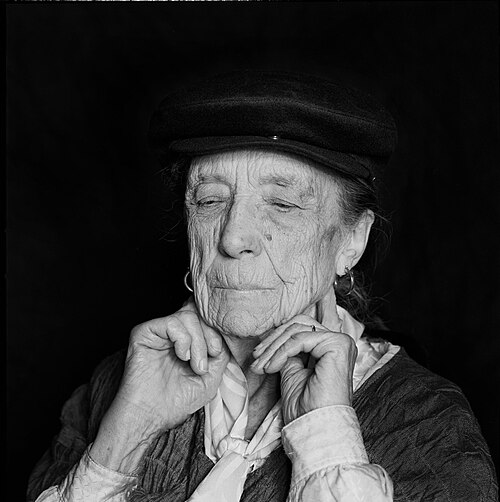
Louise Bourgeois understood the creative value of stepping away from the world.
Long before she became known for her deeply personal sculptures and installations, Bourgeois was already thinking about the relationship between solitude and making. In a 1937 letter to fellow artist Colette Richarme, she encouraged her friend to embrace time away, suggesting that solitude could make her work more personal.
“Solitude, even prolonged solitude, can only be of very great benefit.”
There is something reassuring about Bourgeois’s perspective because she does not describe solitude as an escape from creativity. Instead, she sees it as something that can deepen it.
When there is no one else around to influence the direction of an idea, an artist has to listen more closely to themselves. The work may take longer. It may become more difficult. But it can also become more honest.
Bourgeois returned to this idea throughout her life. She valued her relationships with other artists and friends, but she also understood that stepping away from the noise could give her the freedom to explore emotions that eventually became central to her work.
For her, solitude was not about disappearing from the world forever. It was about having enough distance from it to hear what was happening inside.
2. Agnes Martin: Solitude Can Feel Like Freedom
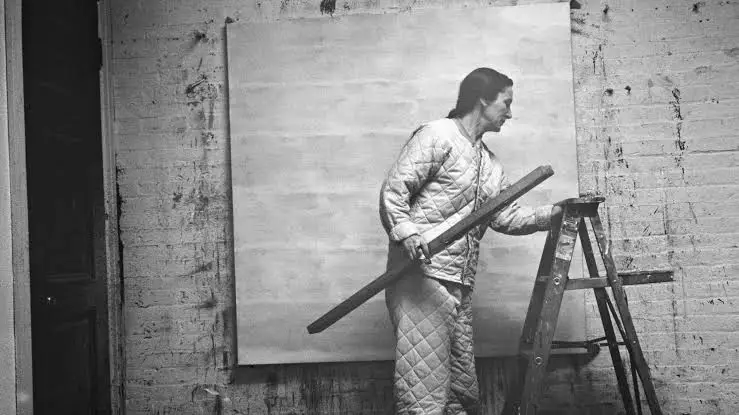
Agnes Martin is one of those artists whose work almost seems to ask for silence. Her delicate grids, pale colors, and carefully repeated lines have a quietness that can be felt before it is understood. Martin herself spent years exploring what solitude meant to her, eventually leaving New York for the isolation of New Mexico.
In a 1989 interview with the Smithsonian’s Archives of American Art, she described her decision to leave New York as an experiment in solitude and simple living.
Years earlier, she had put the feeling even more simply:
“Solitude and freedom are the same.”
Martin’s relationship with solitude was not entirely straightforward. She later acknowledged that withdrawing from society had not given her all the answers she expected. In fact, she eventually felt that staying connected to life was important too.
That contradiction feels very human. Sometimes we need to get away from everyone. Sometimes we need to return. The important thing is knowing what the quiet is doing for you.
3. Georgia O’Keeffe: Solitude Can Bring You Closer To What You See
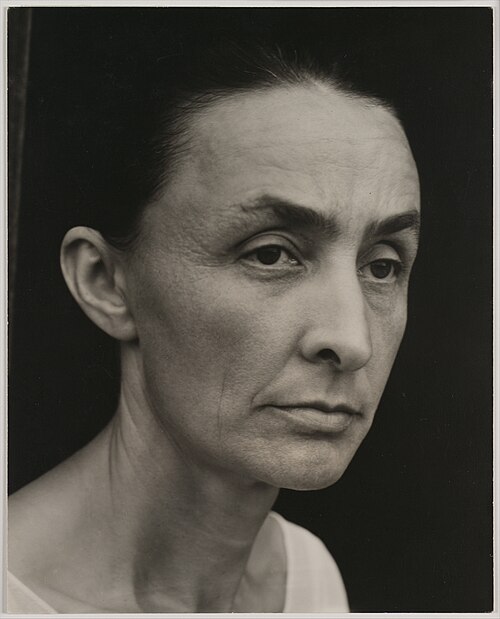
Georgia O’Keeffe built much of her life around the landscapes of New Mexico, and the vastness of the desert gave her something she could not find in the crowded cities she had known before.
At Ghost Ranch, she lived for long periods in a remote environment, surrounded by open land, mountains, changing light, and very little of the everyday noise that comes with city life. The solitude gave her a sense of freedom and became deeply connected to the way she saw the landscape.
She once described the quietness of the place in a way that captures how differently solitude can feel to different people:
“Sometimes you could hear your own head moving.”
For O’Keeffe, that kind of quiet was comforting. And perhaps that is one of the gifts of solitude. When there is less around you, small things become louder. The shape of a mountain. The movement of light. The sound of the wind. A thought you had almost forgotten. You begin to notice what was already there.
4. Patti Smith: Being Alone Does Not Always Mean Being Lonely
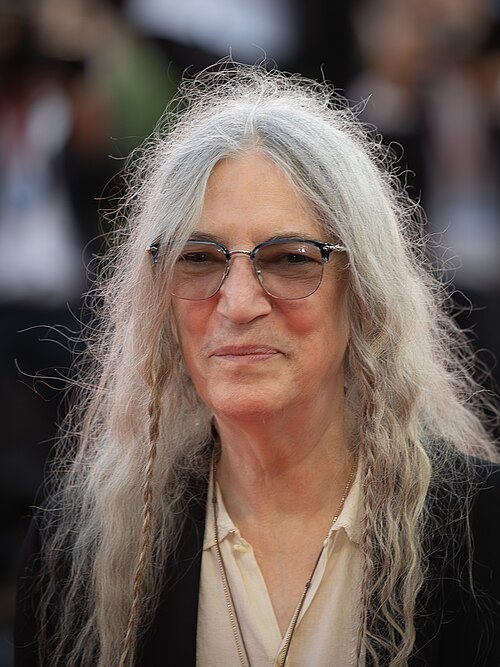
Patti Smith has never fit neatly into one creative category. She is a musician, poet, writer, visual artist, and performer, and her work has always moved between private reflection and public expression.
So it is perhaps fitting that her relationship with solitude is equally complicated. Smith has spoken about enjoying her own company while also making a distinction between solitude and loneliness. She does not necessarily seek complete isolation. Instead, she often finds a comfortable kind of aloneness in places where life is still happening around her, such as cafés and trains.
When it comes to poetry, however, she describes the creative process very differently:
“Poetry is a solitary process.”
You can be alone without feeling disconnected from the world. You can sit in a busy café and still have a private creative space inside your own mind. For Smith, solitude does not necessarily mean shutting everyone out. Sometimes it simply means finding a little corner of the world where you can hear yourself think.
5. Andrei Tarkovsky: Learn To Be Comfortable With Yourself
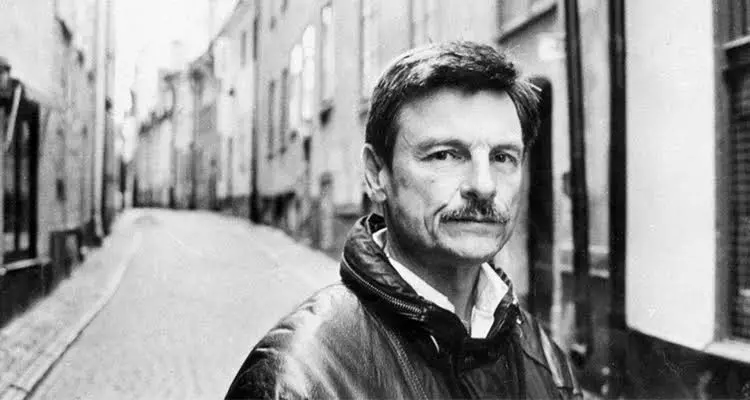
Filmmaker Andrei Tarkovsky was deeply interested in the inner life of people, and his films often move at a pace that gives viewers room to sit with silence, memory, uncertainty, and thought.
When asked what he would tell young people, Tarkovsky offered advice that feels especially relevant in a world where being constantly connected can sometimes make being alone feel uncomfortable:
“Learn to love solitude.”
He went on to make an important distinction. Being alone, he suggested, does not have to mean being lonely. It can simply mean becoming comfortable with yourself instead of constantly looking for noise or company to fill the space.
That can be surprisingly difficult. We are so used to having something playing, someone messaging, or a screen waiting for our attention that genuine quiet can feel strange at first.
But artists need that quiet sometimes. Not because other people are a distraction, but because your own thoughts need somewhere to arrive.
6. Federico Fellini: Solitude Can Be Frightening Too
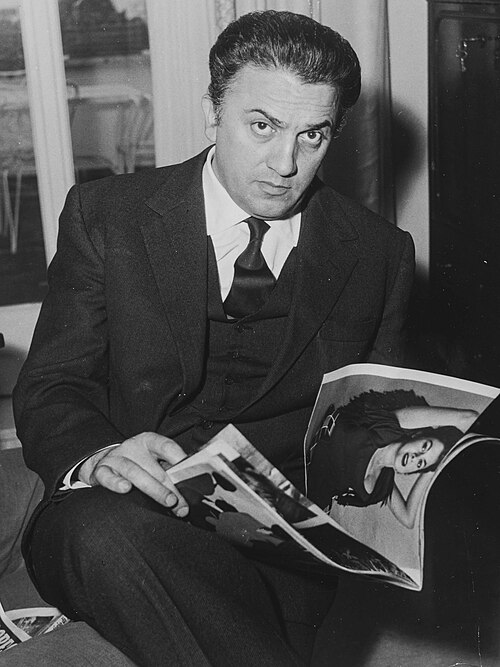
Not every artist sees solitude as a beautiful retreat. Federico Fellini, the legendary Italian filmmaker, openly admitted that he was afraid of it.
In an interview about dreams, filmmaking, and his creative life, Fellini described solitude as something that existed in the space between action and observation. He was fascinated by it, but also uncomfortable with what it could bring.
“I’m afraid of solitude, of the gap between action and observation in which solitude dwells.”
And yet, Fellini still created in isolation. He wrote and painted alone. He described his working process as ascetic and private, even while filmmaking itself allowed him to turn those private thoughts into something shared with millions of people.
There is something important in that contradiction. Solitude does not have to feel good all the time to be useful. Sometimes the quiet brings clarity. Sometimes it brings fear. Sometimes it does both.
7. Leonard Cohen: Sometimes You Need Solitude To Return To The Work
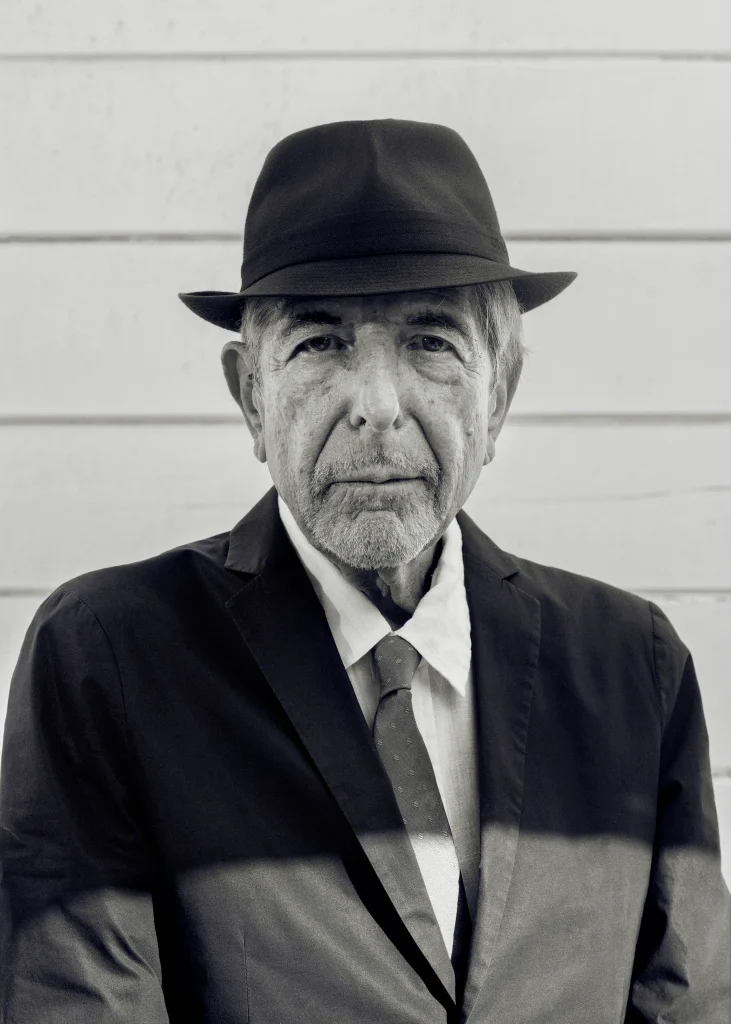
Leonard Cohen understood the strange relationship between making art and stepping away from the world.
As a poet, songwriter, musician, and novelist, Cohen spent much of his life moving between public performance and deeply private creative periods. He often returned to solitude after touring and performing, describing it as a way to refuel.
In a 1971 interview, he explained:
“The only way you can work is in a kind of solitude.”
Cohen was not romanticizing isolation for its own sake. He understood that constant public exposure could eventually affect the work itself. For him, solitude created a necessary distance from performance.
It gave him somewhere to return to. That idea feels particularly relevant for artists today. Between social media, exhibitions, networking, emails, studio updates, open calls, and everything else that comes with being a working artist, it can be surprisingly difficult to simply make the work.
Sometimes you need to step away from being seen so you can return to creating.
8. James Baldwin: Solitude Can Help An Artist Find Their Own Voice
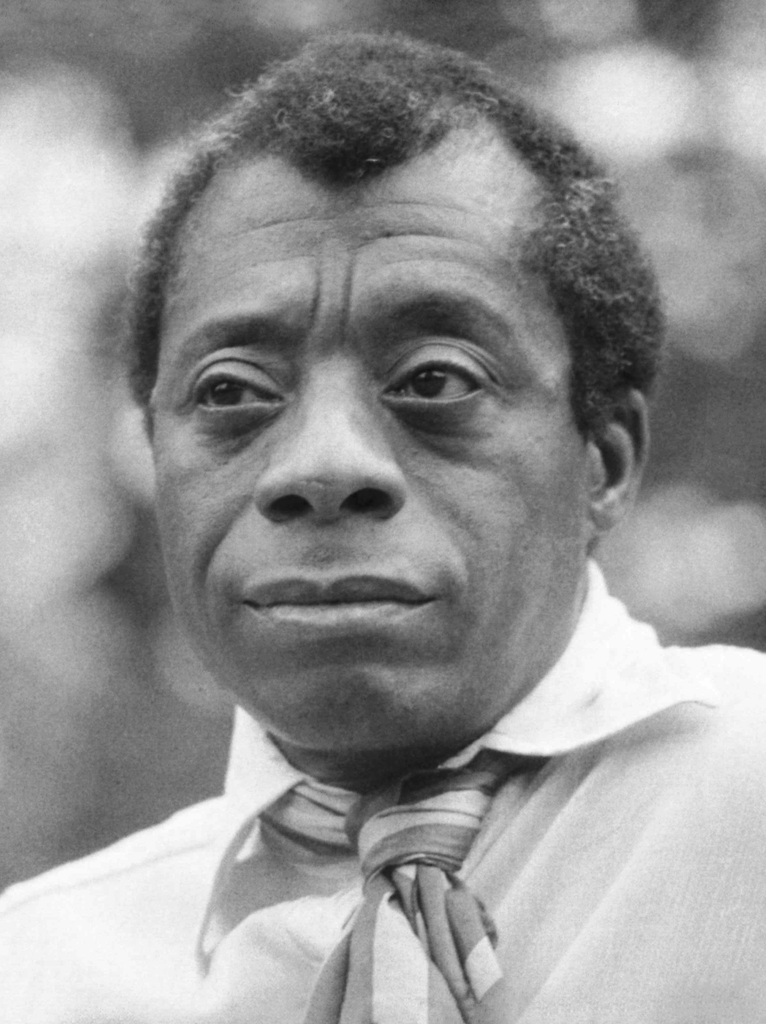
James Baldwin understood that being an artist often requires a kind of inner distance from the world.
In his conversations about writing and the artist’s role, Baldwin spoke about solitude in relation to Emily Dickinson, whose private life and intensely personal writing fascinated him. He also described the particular solitude that can come with being an artist and seeing the world differently from the people around you.
Baldwin once observed:
“If you really want to know something about solitude, become famous.”
It is a striking thought because fame can create a strange kind of distance.
The more people know your work, the less private your public identity can become. Everyone may feel that they know you while your actual inner life remains your own.
For an artist, that private inner world matters. You need somewhere that belongs only to you. A place where ideas can develop before they are explained, judged, shared, or turned into something public. Baldwin reminds us that solitude is not always about physical isolation. Sometimes it is the emotional space an artist protects in order to remain themselves.
9. Pablo Picasso: Serious Work Needs Quiet
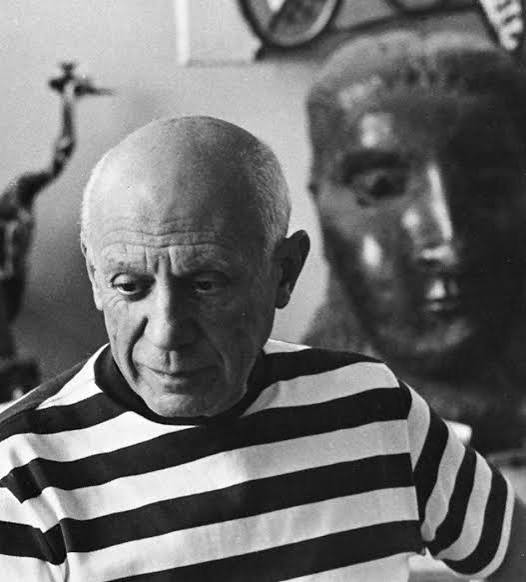
Pablo Picasso was famously social, surrounded by artists, writers, lovers, friends, critics, and collaborators throughout his long career.
And yet, he also understood the importance of disappearing into the work. A number of accounts of Picasso’s thoughts on creativity return to the same idea: serious creative work requires solitude and concentration.
One of the most often cited versions puts it simply:
“Without great solitude no serious work is possible.”
There is a reason this idea has remained so familiar. Making art requires a different kind of attention from almost everything else we do. You have to stay with an idea long enough for it to change. You have to tolerate boredom, mistakes, repetition, and moments when nothing seems to be happening.
That can be difficult when your attention is constantly being pulled somewhere else. Sometimes the studio door needs to close. Not forever. Just long enough for the work to have a chance.
10. Rainer Maria Rilke: Solitude Is Part Of Becoming An Artist
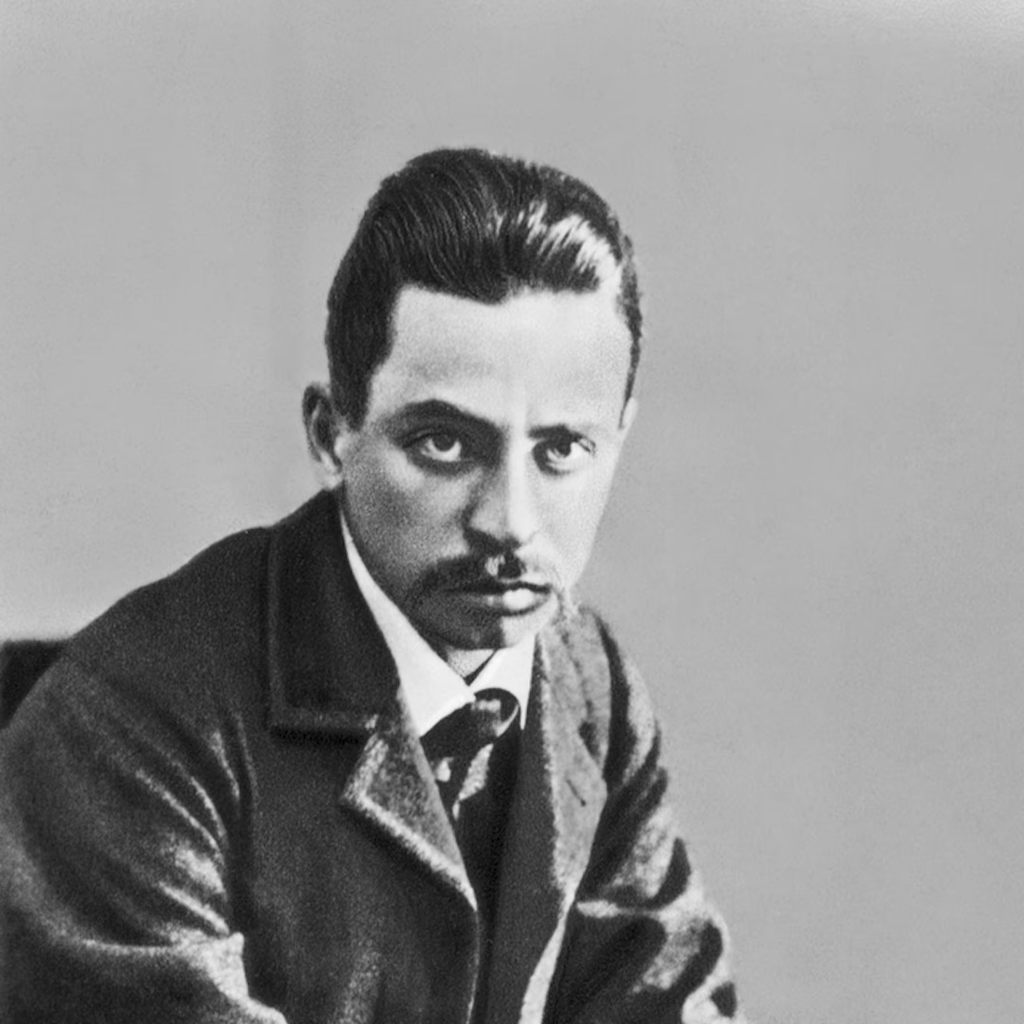
Few writers have written about solitude as tenderly as Rainer Maria Rilke. In Letters to a Young Poet, Rilke repeatedly encouraged the young Franz Xaver Kappus to develop an inner life and become comfortable with being alone. For Rilke, solitude was not simply an absence of other people. It was a way of going inward and allowing thoughts, feelings, and ideas to develop without rushing them.
He wrote:
“Works of art are of an infinite solitude.”
It is a beautiful way of thinking about art. An artwork may eventually hang in a gallery full of people. A poem may be read by thousands. A film may be watched by millions. But the beginning of that work often happens somewhere very private.
Inside the artist. Before anyone sees it, understands it, praises it, criticizes it, or buys it, there is simply the artist and the thing they are trying to make.
Perhaps that is why solitude can be such an important part of becoming an artist. It gives you time to let something become yours before it belongs to anyone else.
Finding The Right Kind Of Solitude
Put these artists together and they do not exactly agree on what solitude should look like. Louise Bourgeois found that stepping away could make the work more personal. Agnes Martin connected solitude with freedom, while also discovering that complete withdrawal was not necessarily the answer. Georgia O’Keeffe found comfort in the quiet of the desert. Patti Smith learned that being alone does not have to mean being lonely.
Tarkovsky encouraged people to become comfortable with themselves, while Fellini admitted that solitude could frighten him. Cohen saw it as a way to return to the work. Baldwin understood the private distance an artist sometimes needs, Picasso valued the concentration it creates, and Rilke saw solitude as part of the inner life of an artist.
Maybe that is the real lesson. Solitude does not have to mean becoming a hermit. It does not mean rejecting people, disappearing from the world, or believing that the best art can only come from suffering.
Sometimes solitude is simply a few quiet hours. Sometimes it is a walk. Sometimes it is closing the studio door. Sometimes it is sitting in a café with a notebook while the rest of the world carries on around you.
And sometimes, despite all the romantic ideas we have about artists being alone, what we actually need is to reach out to someone. The important thing is learning the difference.
There are moments when being alone gives your creativity room to breathe. There are other moments when isolation starts taking more than it gives. Knowing which one you are experiencing can be just as important as knowing when to pick up the brush, camera, pen, clay, or whatever else helps you create.
Art may begin in solitude, but it does not have to stay there. Eventually, the door opens.The work leaves the studio. And something that began quietly, in a space that belonged only to you, gets to meet the rest of the world.
Editor’s Note:
If you enjoyed reading our feature on what artists have to say about solitude, and how it affects their creative process, you might as well like our articles on what Artists have to say on Money or Failure.