
Calling All Artists: Last 10 Days For 101 Art Book: Texture Edition With Rachel Burke
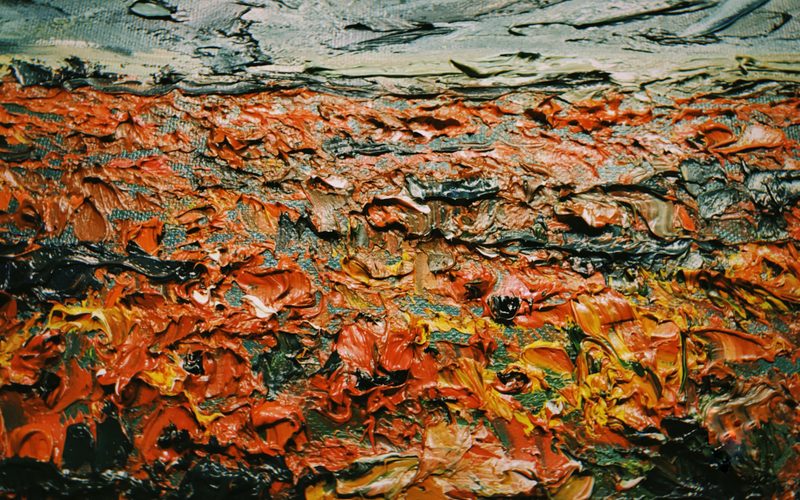
At Arts to Hearts Project, the 101 Art Book series has become a big part of who we are. What began as a publishing project has grown into a collection of books that brings artists from different places, backgrounds, and creative practices together around one shared idea.
Every edition gives us a new way to look at contemporary art. From color and nature to portraits, patterns, animals, and landscapes, each book brings together 101 different ways of seeing the same theme.
This time, we are looking a little closer.
101 Art Book: Texture Edition is the 15th edition of the series, and for this one, we wanted to explore something artists work with every day, even when they may not always think of it as a subject in itself: texture.
From rough surfaces and delicate marks to layers of paint, handmade materials, repeated patterns, worn edges, folds, stitches, and everything in between, texture can completely change the way we experience an artwork.
And now, with just 10 days left to submit, we are getting ready to discover how artists from around the world make texture their own.
The Many Ways Artists See Texture
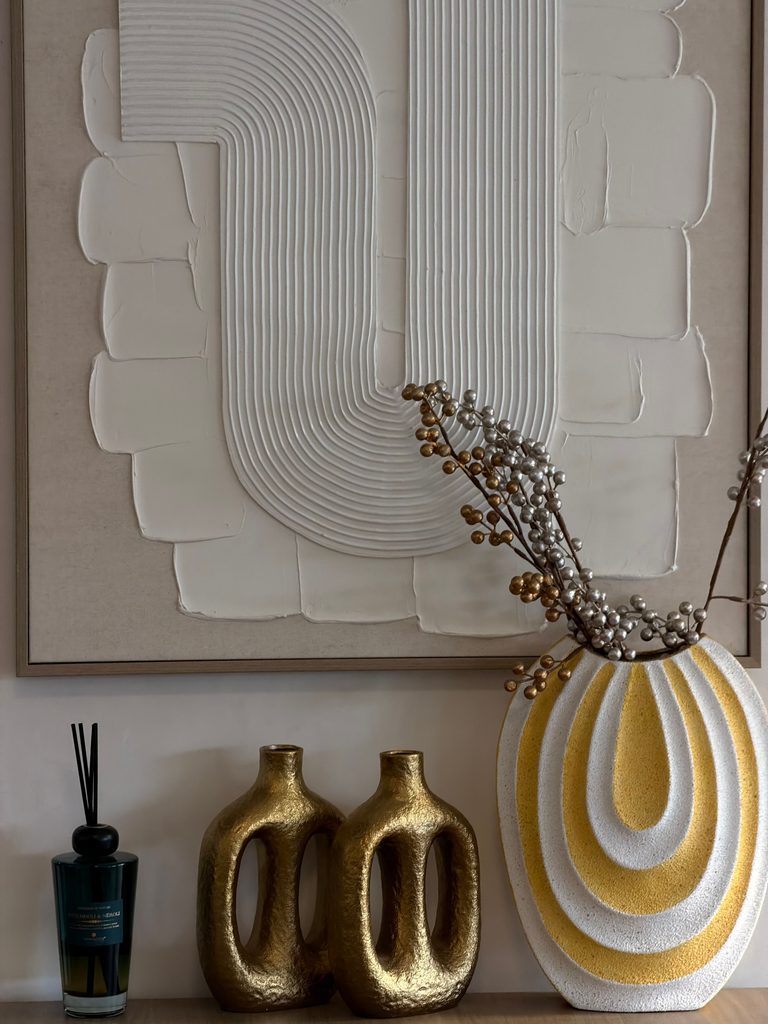
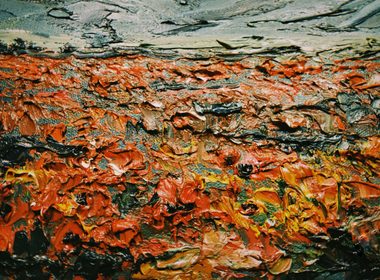
Texture has always had an important place in art. Sometimes it is something we can actually feel. We see the raised surface of thick paint, the roughness of clay, the softness of fabric, the grain of wood, or the intricate construction of a handmade object and almost instinctively imagine what it would feel like beneath our fingertips.
Other times, texture exists entirely through looking. A painting can appear soft without actually being soft. A photograph can make us notice the cracked surface of an old wall. A drawing can create the illusion of roughness through a collection of tiny marks. A digital artwork can build surfaces that have no physical material behind them at all, yet still make us think about touch.
That is what makes texture such an interesting part of art. It does not have to mean one particular material or technique.
Artists have been using surface and material to create meaning for centuries. The physical qualities of an artwork can tell us something about the time it was made, the materials available to the artist, the process behind it, or even the emotions the artist wants us to experience.
Think about the difference between a smooth, carefully polished surface and one filled with visible marks and layers. They can create completely different feelings before we have even begun to think about what the artwork represents.
In contemporary art, artists have taken this idea even further. Texture can become the subject itself, but it can also become a way of talking about memory, nature, identity, place, time, touch, transformation, or the everyday objects that surround us.
A surface can carry a story. A material can hold a memory. And sometimes, the marks left behind by the making process can tell us just as much about an artwork as the finished image.
That is the space we want to explore with 101 Art Book: Texture Edition.
There is no single way to interpret the theme. Texture can be physical, visual, imagined, subtle, dramatic, handmade, photographed, layered, constructed, or created through digital processes. It can appear in painting, sculpture, textiles, ceramics, photography, collage, drawing, installation, mixed media, and so much more.
For us, the exciting part is seeing what happens when 101 artists take this same starting point and make it completely their own.
Meet Our Guest Curator: Rachel Burke
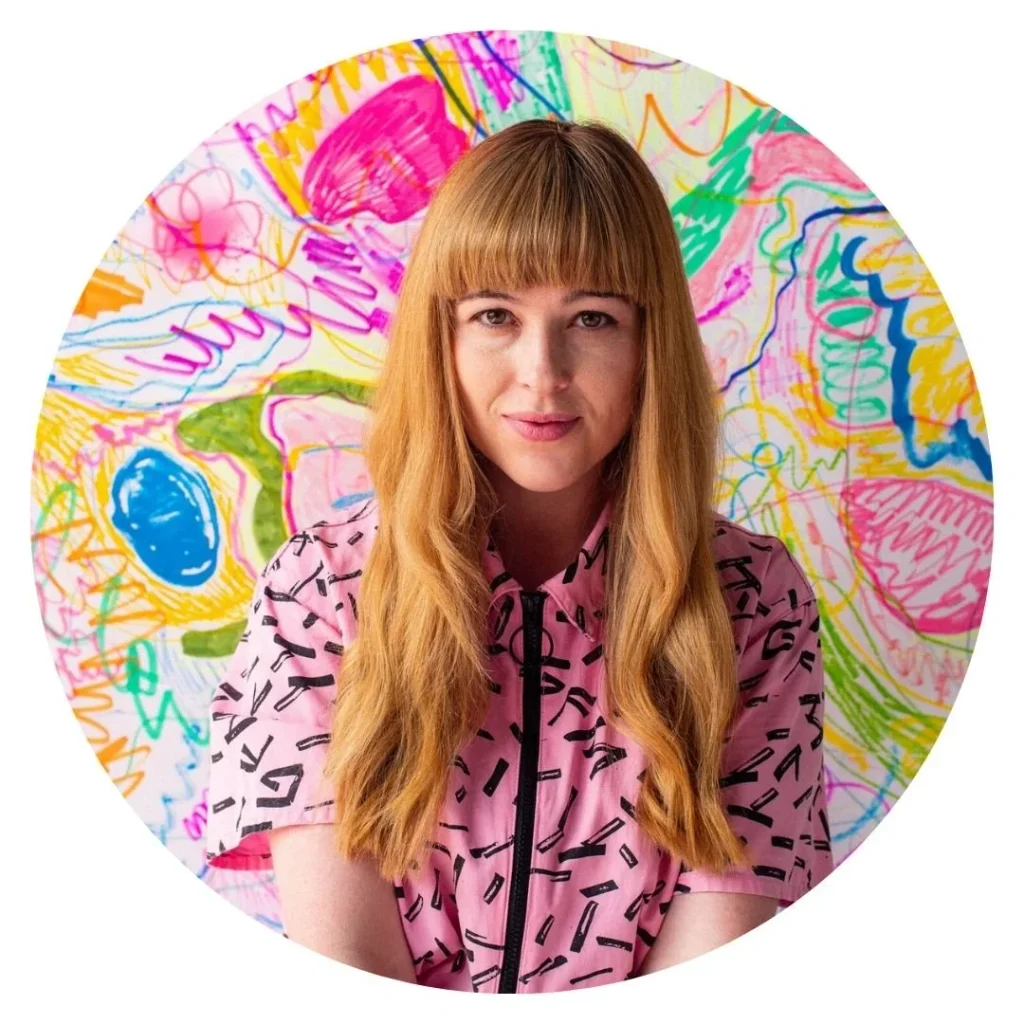
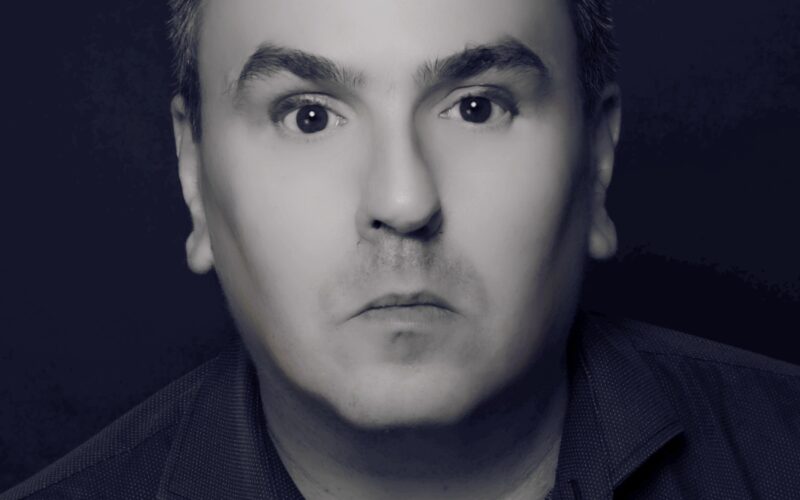
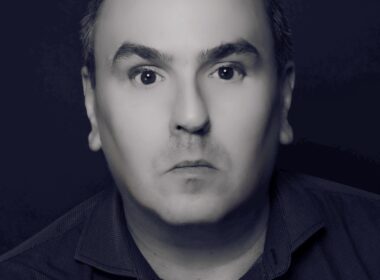
Every 101 Art Book edition brings together a wide range of artistic perspectives, and for Texture Edition, we are especially excited to have Rachel Burke joining us as our guest curator.
Based in Meanjin/Brisbane, Rachel Burke is a multidisciplinary artist whose practice moves across wearable art, sculpture, installation, performance, and craft. Her work is often full of color, ornamentation, handmade details, and materials that invite us to look closely.
But what makes Rachel’s work particularly interesting for this edition is the way she uses objects and materials to explore ideas around memory, nostalgia, sentiment, and the emotional lives of things.
Her practice reminds us that materials are rarely just materials. A handmade object can carry a memory. A particular surface can remind us of a place. A familiar color or texture can bring back something we have not thought about in years. The things we make and keep can become connected to people, experiences, and moments in ways that are not always easy to explain.
That relationship between material and emotion feels especially fitting for a book centred around texture. Rachel has exhibited nationally and internationally and has also collaborated with major brands including Disney, Airbnb, and Barbie. In 2026, she became the inaugural Artist in Residence at Brisbane Powerhouse, adding another exciting chapter to an already diverse creative practice.
For 101 Art Book: Texture Edition, Rachel will be reviewing submissions alongside the Arts to Hearts editorial team and helping shape the final selection of 101 artists who will become part of this edition. We cannot wait to see the conversations that come out of that process.
What Does Texture Look Like In Your Work?
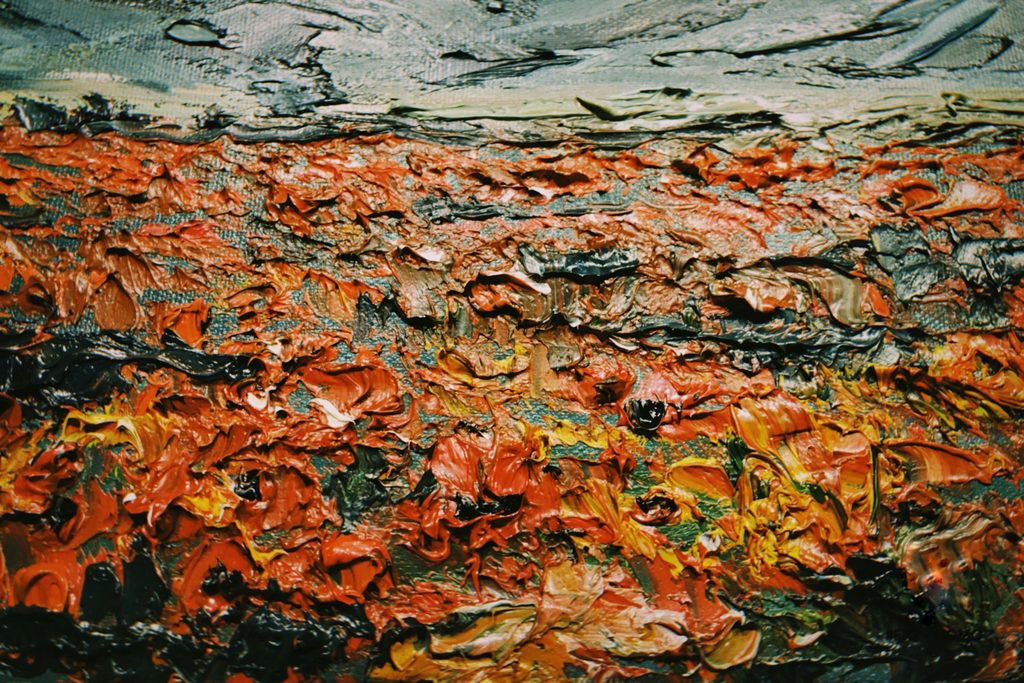
One of the things we love about a theme like this is that it does not ask artists to change what they already do. You do not need to create a completely new body of work just because the theme is texture. Instead, think about the work you already make.
What happens when someone looks closely at your surfaces? Are there layers that reveal themselves slowly? Do your materials become part of the meaning? Are your marks visible? Do you work with fabric, paper, clay, thread, found objects, paint, wood, photographs, or digital surfaces?
Maybe your work explores the softness of memory. Maybe it is built from rough, imperfect materials. Maybe your textures come from nature. Maybe they are created through repetition, erosion, layering, stitching, scratching, building, or taking something apart. Or maybe texture is something you create visually, even though the artwork itself remains completely flat.
For this edition, there is no prescribed subject, medium, style, color palette, or aesthetic. Traditional, contemporary, experimental, interdisciplinary, figurative, abstract, conceptual, and narrative approaches are all welcome, as long as texture, surface, material, or the process of making plays an important role in the work.
Sometimes the best way to approach a theme is simply to look again at what you have already made.
What’s In It For Artists?
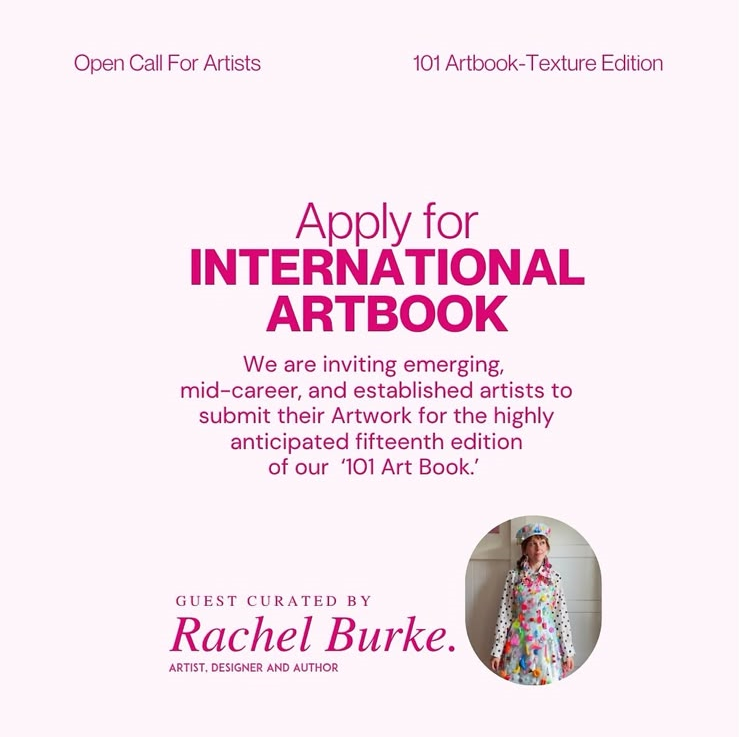
Being selected for the 101 Art Book: Texture Edition means becoming part of a growing international collection of contemporary artists.
Each of the 101 selected artists will receive a dedicated two-page spread in the premium hardcover publication, featuring their artwork and artist profile. Artists will also receive an Official Certificate of Recognition, which can be used across professional portfolios, CVs, websites, press kits, exhibition applications, residency applications, and grant applications.
The book will also be supported by a wider marketing and PR campaign through the Arts to Hearts Project community, which reaches more than 200,000 artists, collectors, art lovers, and creative professionals, along with an email audience of more than 100,000 subscribers. Selected artists can be featured through social media, email campaigns, book previews, launch content, artist features, and PR.
And then there is the book itself. The finished publication will be available through the Arts to Hearts Project Shop, Amazon, and Barnes & Noble, with distribution also expanding into independent and local bookstores. The book will also be introduced to the wider Arts to Hearts professional network of collectors, galleries, curators, art professionals, and institutions.
There will also be additional recognition for three artists from the final selection. The winner will receive a $500 cash award, a four-page feature, glass trophy, certificate of recognition, Arts to Hearts promotional feature, and an Artsy artist listing. The first and second runners-up will also receive four-page features, glass trophies, certificates, promotional features, and Artsy artist listings.
For an artist, a publication like this can become another piece of your professional story. It is something you can share, add to your CV, include in your portfolio, and carry with you as your practice continues to grow.
Who Can Submit?
The open call is open to artists aged 18 and above from anywhere in the world. Emerging artists, mid-career artists, established artists, professional artists, independent artists, and self-taught artists are all welcome. You do not need formal art education, gallery representation, or a previous exhibition history to apply.
The call welcomes work across painting, drawing, photography, sculpture, ceramics, textiles, fiber, printmaking, collage, assemblage, found objects, paper, digital art, installation, mixed media, and other interdisciplinary practices.
Your work should be original and place surface, material, or the process of making at the heart of the piece. Previously exhibited, published, or sold work can also be submitted as long as you hold the necessary rights. AI-generated artwork is not eligible for this open call.
There Are Only 10 Days Left
This is your little reminder that the clock is officially ticking. 101 Art Book: Texture Edition closes on October 15, 2026. That means there are only 10 days left to put your work forward for consideration.
If you have been meaning to apply but kept telling yourself you would do it later, this is the moment to stop saving the submission for another day.
Look through your work. Find the piece that makes you want to look closer. Think about the surfaces, materials, layers, marks, patterns, and details that make your work yours.
And before you submit, give your artwork photograph a little attention too. When texture is important to a piece, the photograph needs to capture it. Side lighting can help reveal raised surfaces, layers, marks, and details much better than flat frontal lighting.
Ten days can pass quickly, especially when you are an artist balancing your studio practice with everything else life asks of you.
So if Texture Edition feels like the right place for your work, do not wait for the perfect moment.
There are 101 pages waiting to be filled with different ways of seeing, making, touching, layering, building, and remembering. Maybe one of those pages could be yours. Submit your work to 101 Art Book: Texture Edition by October 15, 2026. The clock is ticking, and we cannot wait to see what texture looks like through your eyes.