
How Thierry Sarra Creates Conceptual Collages From Newspapers, Magazines & Found Images

At Arts to Hearts Project, our 100 Emerging Artworks book is our yearly celebration of the single, standout piece. Each year, through a global call for art, we gather a hundred remarkable works by emerging artists from all over the world, giving each one a place of its own in a collection that captures the most exciting art being made right now.
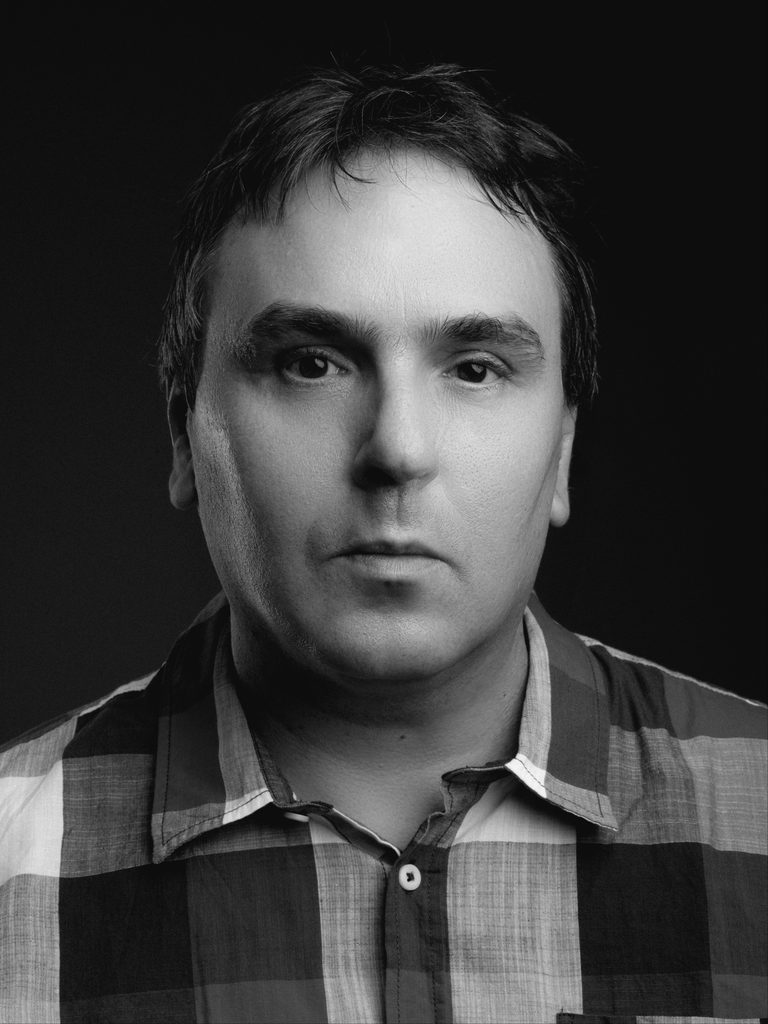
Among the artists selected for this year’s edition is Thierry Sarra, a French collage artist who takes the discarded scraps of everyday life, old newspapers, magazine cuttings, forgotten pieces of paper, and reassembles them into strange, dreamlike new worlds.
Thierry is a self-taught collage artist based near Paris, and he found his way to art almost by chance. He started collage as a hobby, simply because it was playful and easy to pick up, never expecting it to become the work he now gives most of his time to.
His materials already have a past before they reach his hands. He works mostly with recycled newspapers, magazine pages, and offcuts of paper, along with paint, glue, and cardboard. He takes these ordinary, everyday images, the kind most of us glance at and toss aside, tears them apart, and rebuilds the pieces into something entirely new.
Some pieces start from an existing image; others he builds from nothing. Either way, what he ends up with is a world that simply did not exist before.
What pulls him in most is the space where reality and imagination start to blur, where the meaning isn’t handed to you and your own mind has to meet it halfway. His work feeds on popular culture and what he calls the collective unconscious, the images and symbols we all carry without even noticing.
He treats those symbols almost like a shared language, something anyone can read. Rooted in dreams and symbolism, his collages leave plenty of room for mystery, strangeness, and quiet reflection.
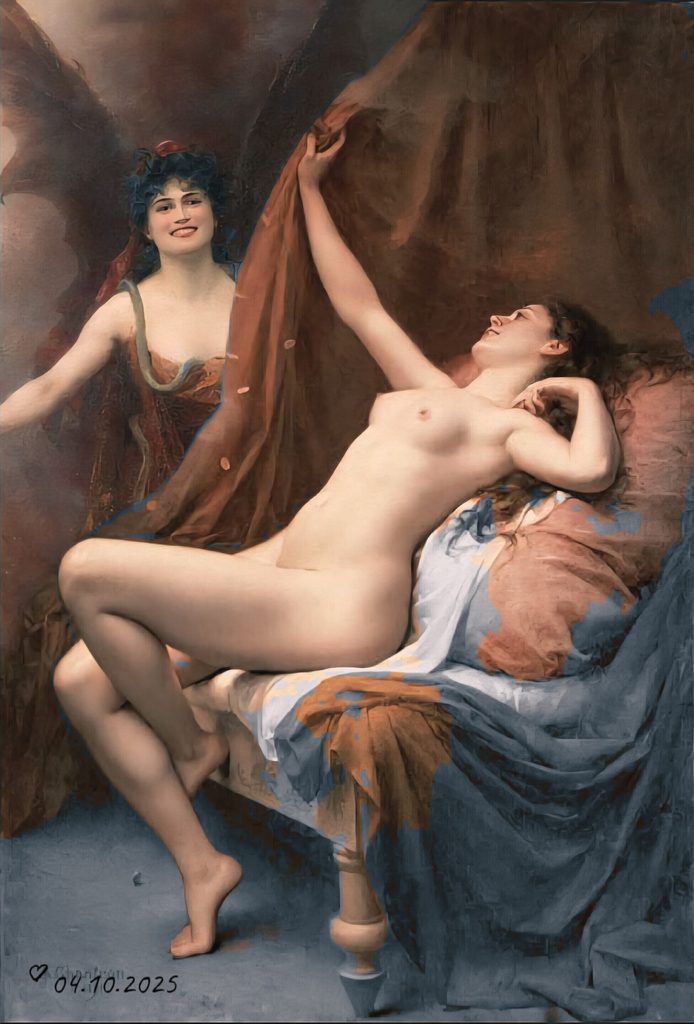
A lot of his work begins with a face we already know, someone like Frida Kahlo, since a familiar subject makes it easy to step in. Then he lets the mystery take over. He surrounds his figures with text, symbols, and shapes, and deliberately leaves gaps for the viewer to fill, so the meaning becomes personal to each person. That relationship between the art and its viewer is, to him, the whole point.
And though he came to it later and entirely on his own, his work has carved out a real place. He has shown in salons and art fairs, appeared in magazines around the world, and won awards for his dreamlike, surreal collages, steadily building a body of work that is unmistakably his.
Now let’s hear from Thierry about finding art by accident, why he builds new worlds from old paper, how symbols can become a universal language, and the dreamlike, open-ended space he hopes to invite us all into.
Q1. Could you take us back to the beginning of your creative journey and share what first drew you to collage?
I first took up collage as an amateur and as a hobby, drawn to it because of its playful nature and ease of use.
Q2. Your collages explore imagination, popular culture, and the collective unconscious. How do these ideas come together in your work?
I am particularly interested in spaces where reality and the imagination blur, where perception becomes uncertain, and where the mind is invited to reconstruct the meaning of the images on its own.
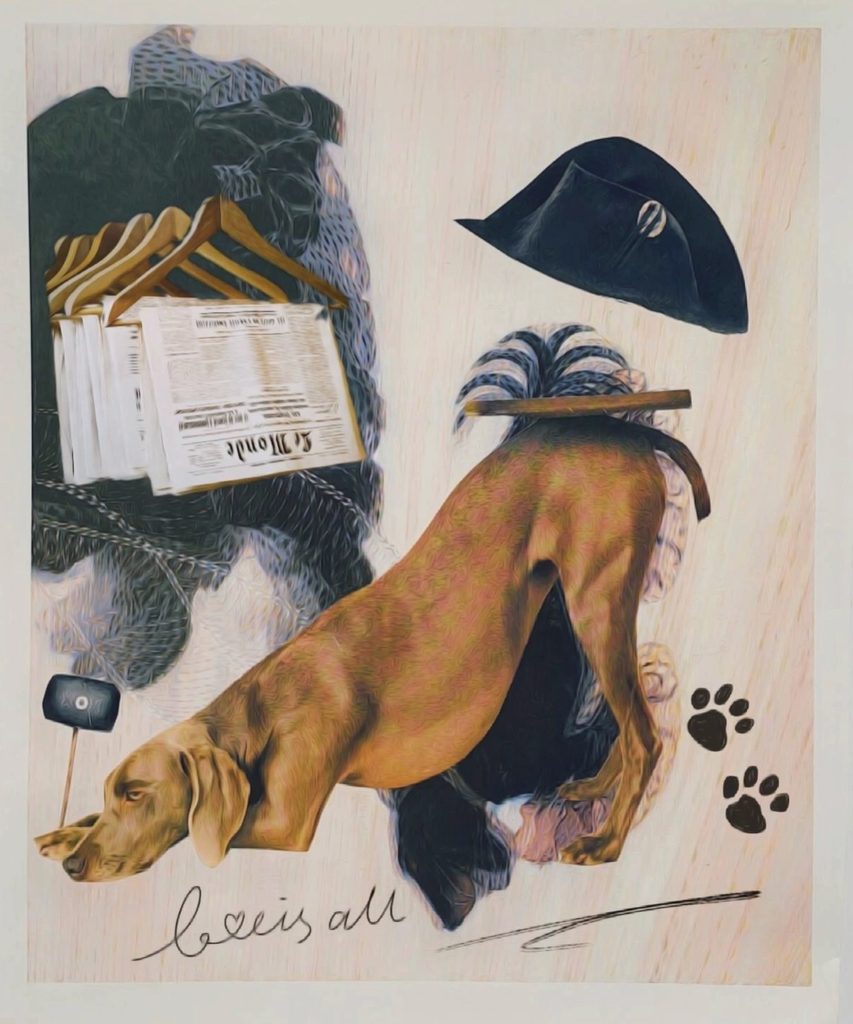
Q3. You often use symbols to create a sense of universality. What draws you to this visual language?
When I create a collage, I strive to create meaning and try to use symbols in the interest of universality, as if to express a language.
Q4. What do you enjoy most about working with found paper and everyday materials?
These materials are simple to work with and easy to shape.
Q5. In works such as Basique, the face is surrounded by text, symbols, and geometric forms. How do these elements shape the composition?
These details contribute to the composition and play an integral role in the object’s impact. They are intended to engage the viewer as he or she examines and evaluates the work.
Q6. You have reinterpreted figures such as Frida Kahlo. What makes a figure compelling enough for you to explore through collage?
The choice of subject is crucial and forms the basis of the creative project. A well-known or obvious figure enhances the quality of the work’s interpretation and allows for a more fluid interaction that will raise greater awareness.
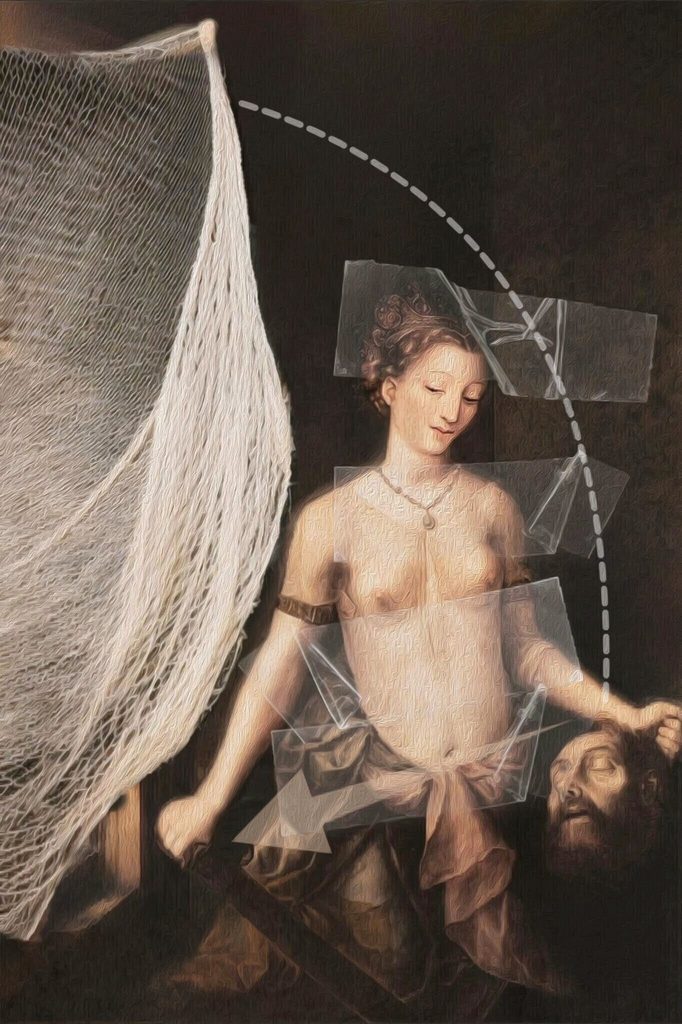
Q7. Your collages can be highly detailed while remaining cohesive. How do you know when a composition feels complete?
I always make sure the work is consistent enough to obscure its overall character and to avoid offending anyone’s sensibilities.
Q8. As a self-taught artist, how has working outside a traditional academic path shaped your perspective?
To tell the truth, there is still a certain originality in staying off the beaten path in order to maintain an open mind and strive to innovate within one’s own discipline; that is the principle of the avant-garde.
Q9. What has been the biggest challenge in turning your personal practice into a professional career?
The main challenge I faced early in my career as a budding artist turned out to be my ability to immerse myself in the professional world when interacting with gallery owners and curators, as well as my ability to make a strong impression at art fairs and other events.
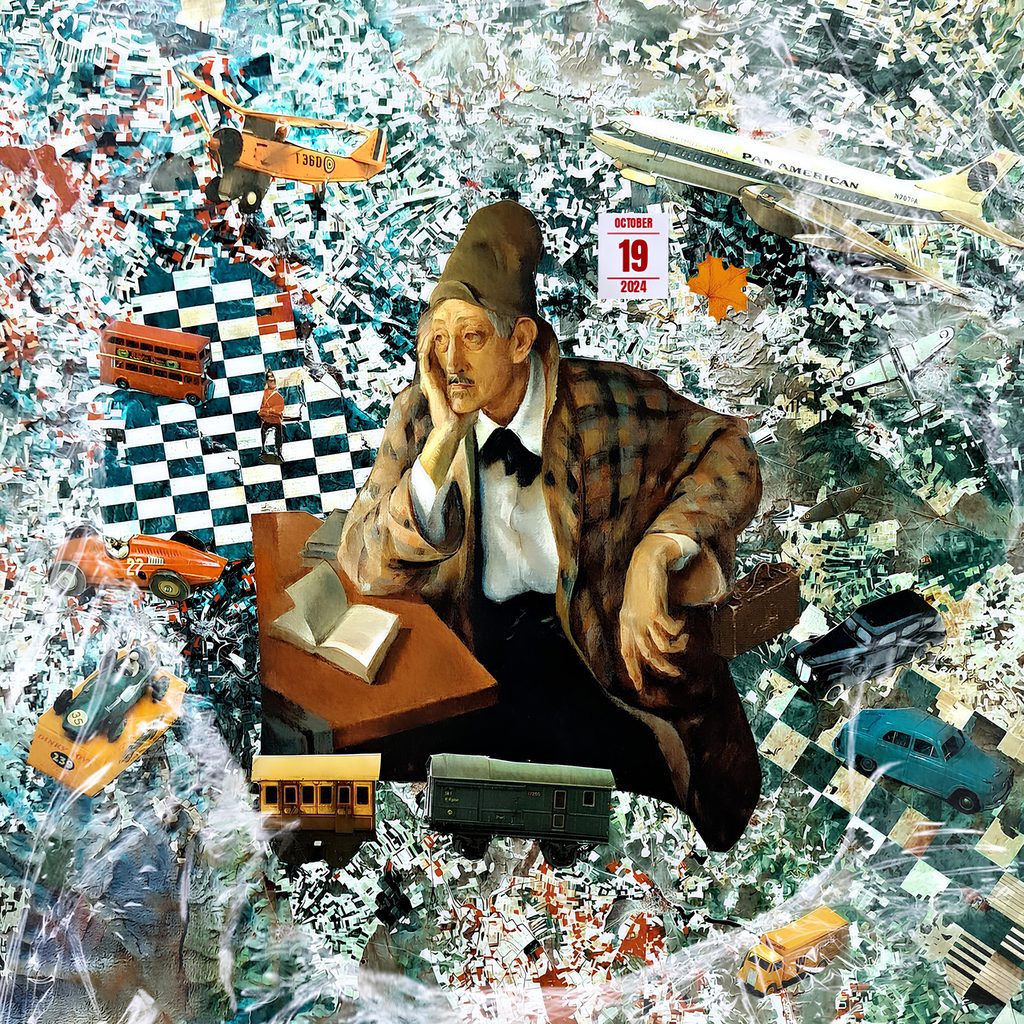
Q10. How do you personally define success now compared with when you first began making art?
It’s unexpected and even completely unanticipated—what started out as a hobby has led to the creation of a field of work to which I devote most of my time.
Q11. What kind of world do you hope viewers enter when they encounter your collages?
The goal of my research is to blur the boundaries of the represented world in order to offer the viewer a new kind of interaction, based on ambiguity, strangeness, and contemplation.
As our conversation with Thierry came to an end, we found ourselves thinking about who the art world lets in, and how often it gets that question wrong.
For a long time, being taken seriously as an artist meant having the right diploma, the right training, the right pedigree, as if creativity were something you had to be certified to own. Thierry is a quiet argument against all of that.
Entirely self-taught, he has built a real, recognised body of work not by following the rules, but by reinventing them, and the art world has responded, with awards, exhibitions, and magazines. It is part of a bigger, welcome shift happening right now, as galleries and audiences open up to self-taught and outsider artists and begin to measure work by what it actually says, rather than where its maker studied.
There is something timely, too, in the way he makes it. We live in an age of fast, polished, endlessly produced images, and more and more of them are now generated in seconds, barely touched by a human hand. Thierry works in the opposite direction entirely.
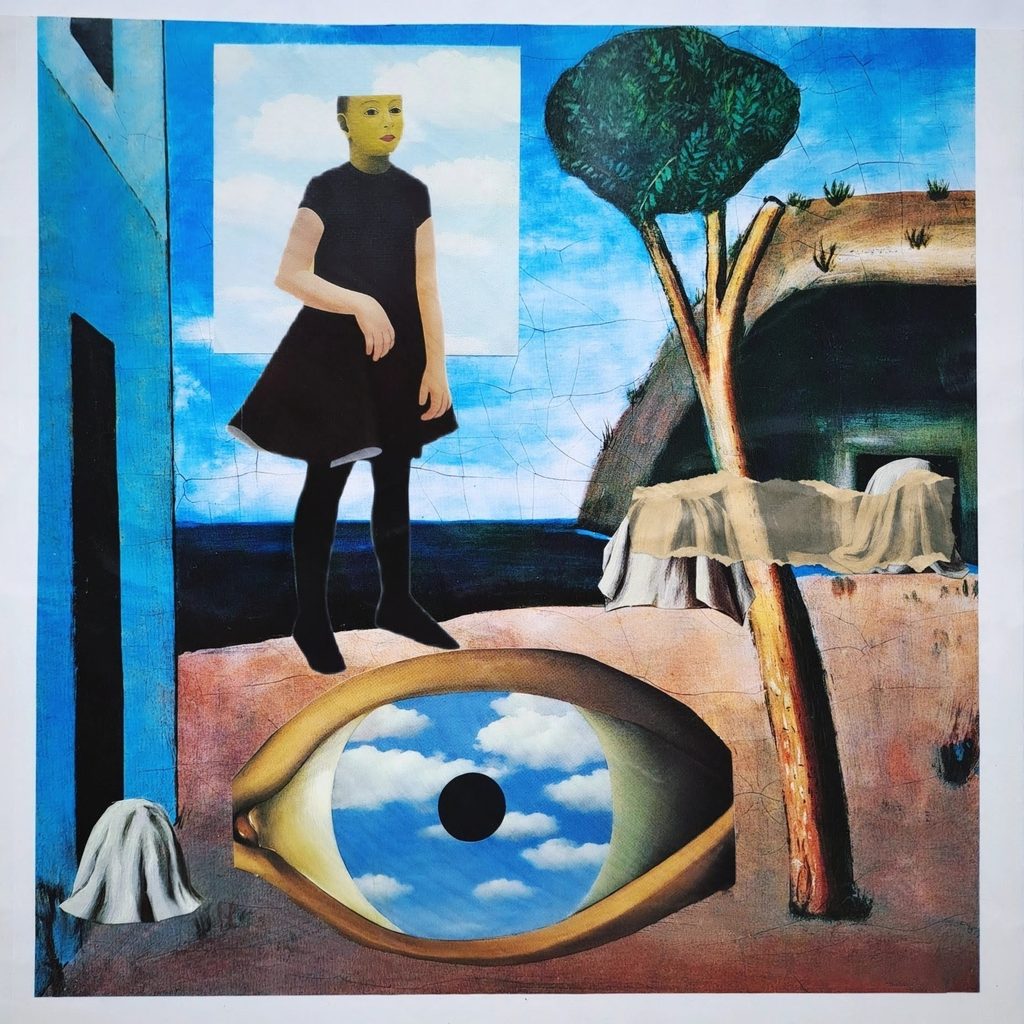
He slows down, cuts and layers real paper by hand, and builds each piece from the discarded fragments of the world around him. In a culture racing toward the instant and the automated, that kind of patient, tactile, deeply human work feels less old-fashioned than quietly essential, and we think more and more people are beginning to crave exactly that.
For art lovers and collectors, his work offers something increasingly rare: imagination, mystery, and the unmistakable mark of a human hand. Surreal, layered collages, full of symbols and half-familiar faces, that never fully explain themselves and leave room for you to find your own meaning. The longer you look, the more they give back. To live with one of his pieces is to keep a small, strange, open-ended world on your wall, and to stand on the side of art made slowly, by hand, and entirely on its maker’s own terms.
Follow Thierry Sarra through the links below and see his work for yourself.
Good news, the deadline has been extended by 5 days. There is still a little more time to submit to Arts to Hearts Magazine Issue 15, built around the theme “Where I Am.” And we’re drawn to artists who know that “where” isn’t always a place. Sometimes it’s a feeling, a memory, a turning point, or simply the person you are today.
Wherever you find yourself right now, exactly where you hoped to be, far from home, starting fresh, or moving through an ordinary chapter of life, we want to see the work that came out of it. And you don’t need to make anything new. Look back through what you’ve already created and send us the piece that holds a part of your story. Your medium doesn’t matter. Your location doesn’t matter. Where you are in your journey doesn’t matter. All that matters is that the work says something honest about where you are.
These last few days count, so don’t wait. Every artist we’ve ever featured once took a breath and hit submit, and now it’s your turn.