
Kat Vandal Turns Preloved Toys Into Contemporary Art
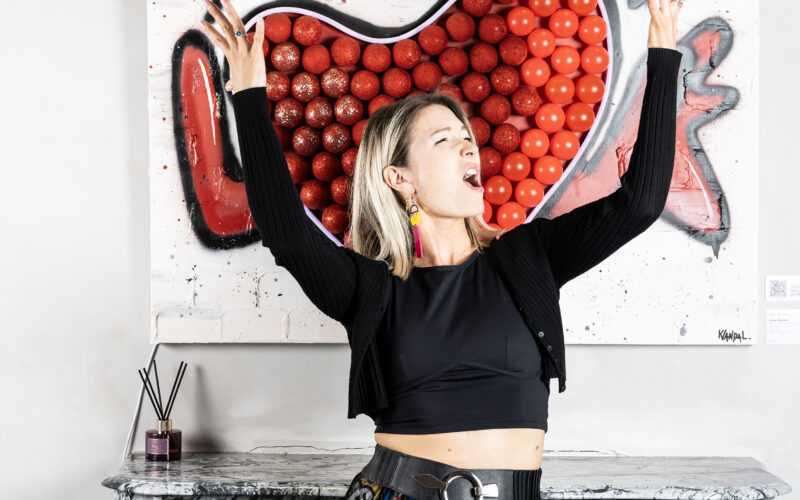
At Arts to Hearts Project, our 100 Emerging Artists of 2026 is full of artists chasing very different things. Some are after beauty, some after meaning, some after a feeling they cannot quite name. Kat Vandal calls herself something wonderfully simple: a Joy Collector. Her whole practice exists to make people happy, and it does it with the toys we grew up with. That is what made us stop.
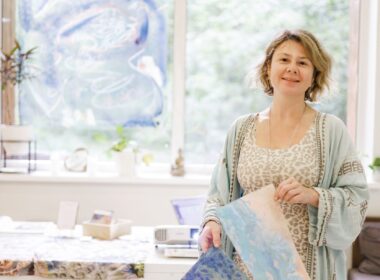
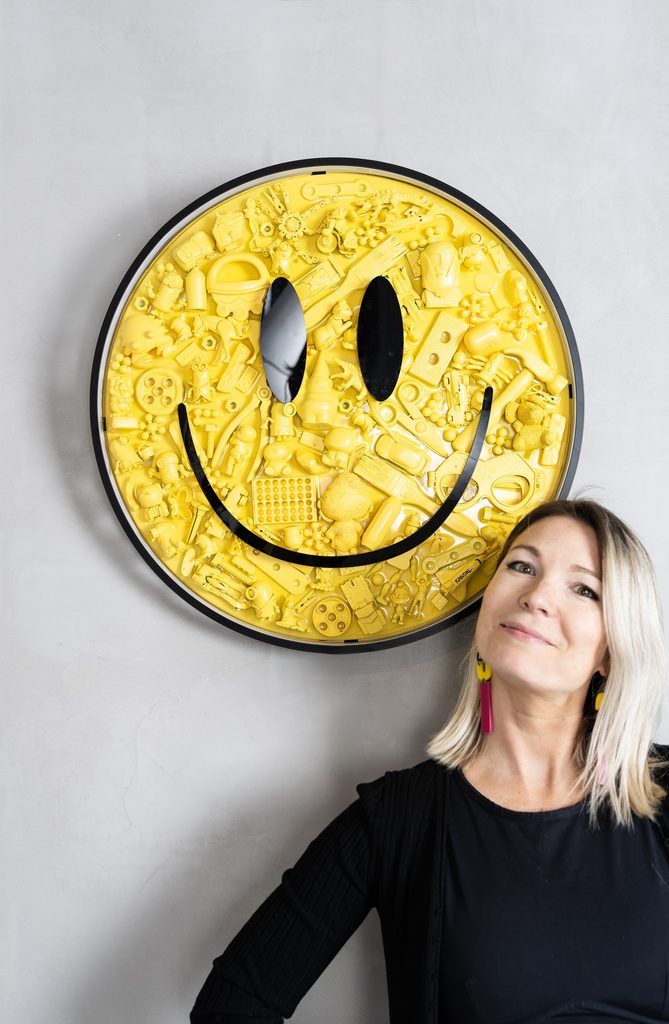
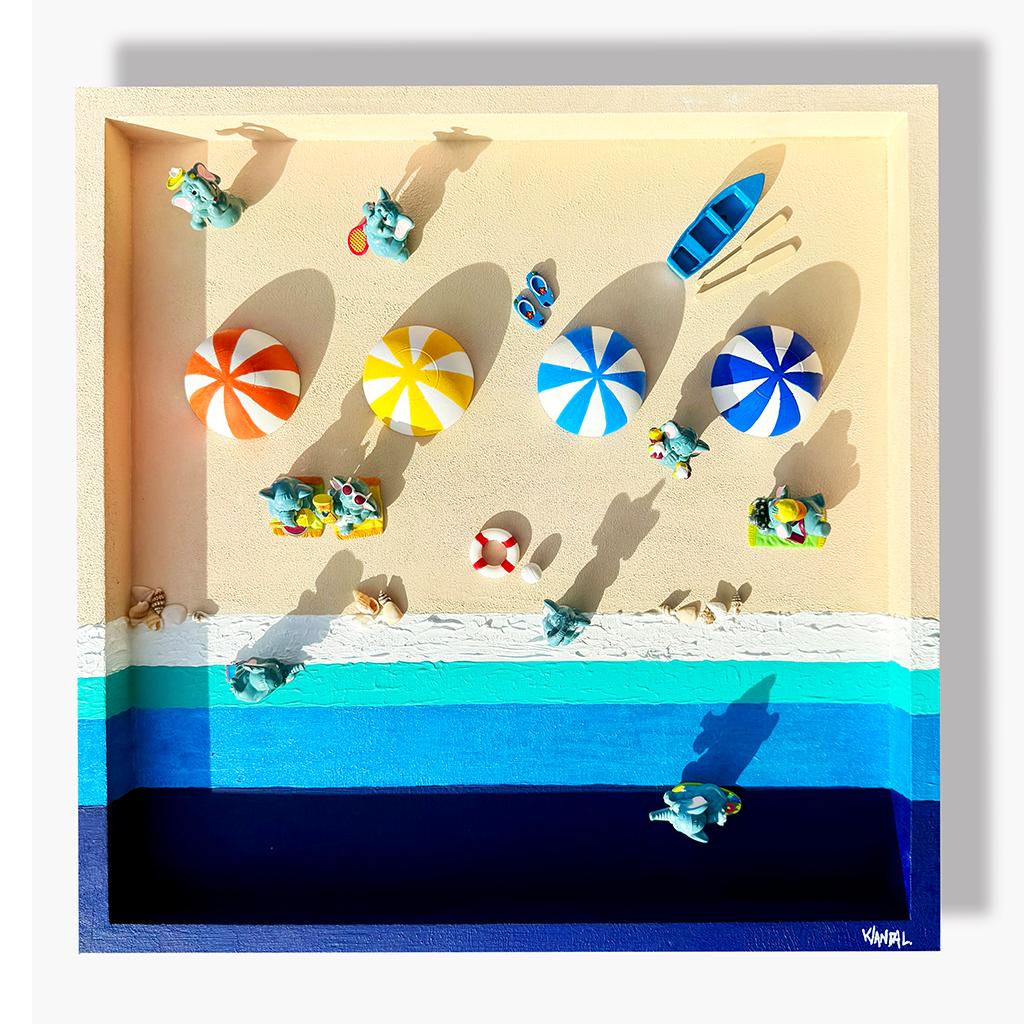
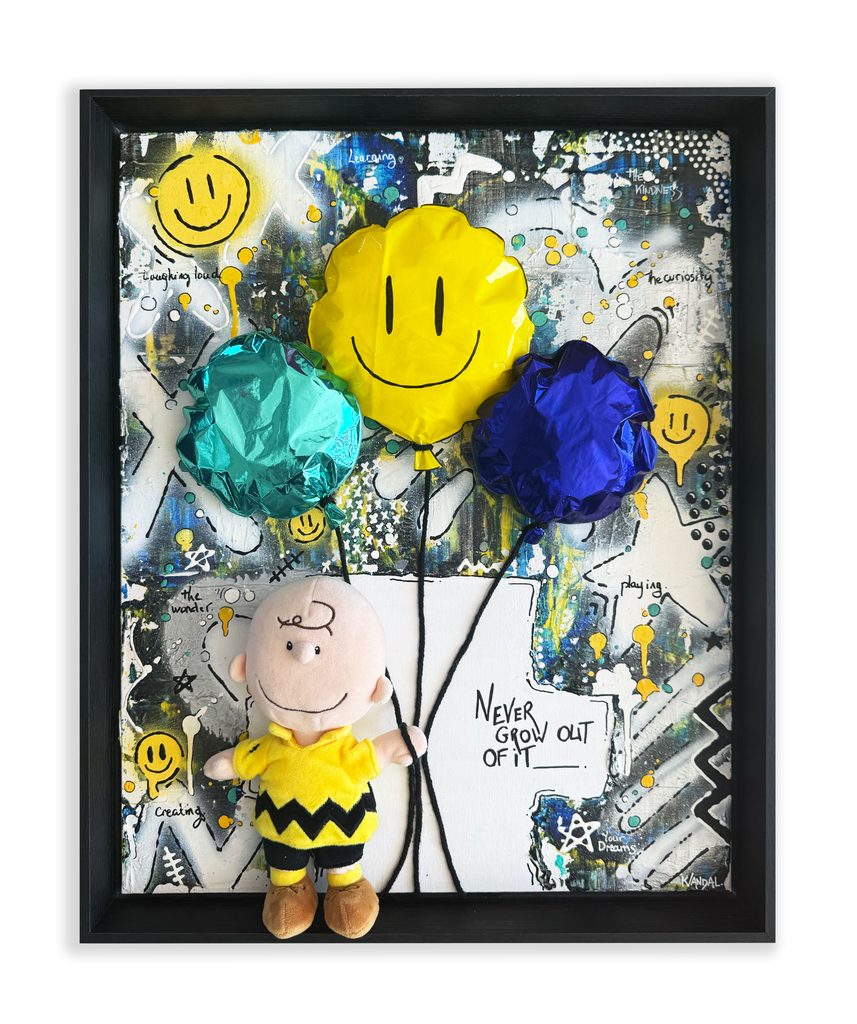
Kat is a London-based mixed media artist, originally from France, who has spent nearly twenty years in the UK. She makes colourful, joyful pop art out of preloved toys, figurines, and forgotten childhood objects, building them into bold 3D wall pieces.
She layers them with acrylic, resin, laser-cut panels, and LED light, then finishes them with hand-drawn detail, until each one is shiny, tactile, and full of personality. She calls it “Happy art,” and sums the whole thing up as a rebellion against growing up.
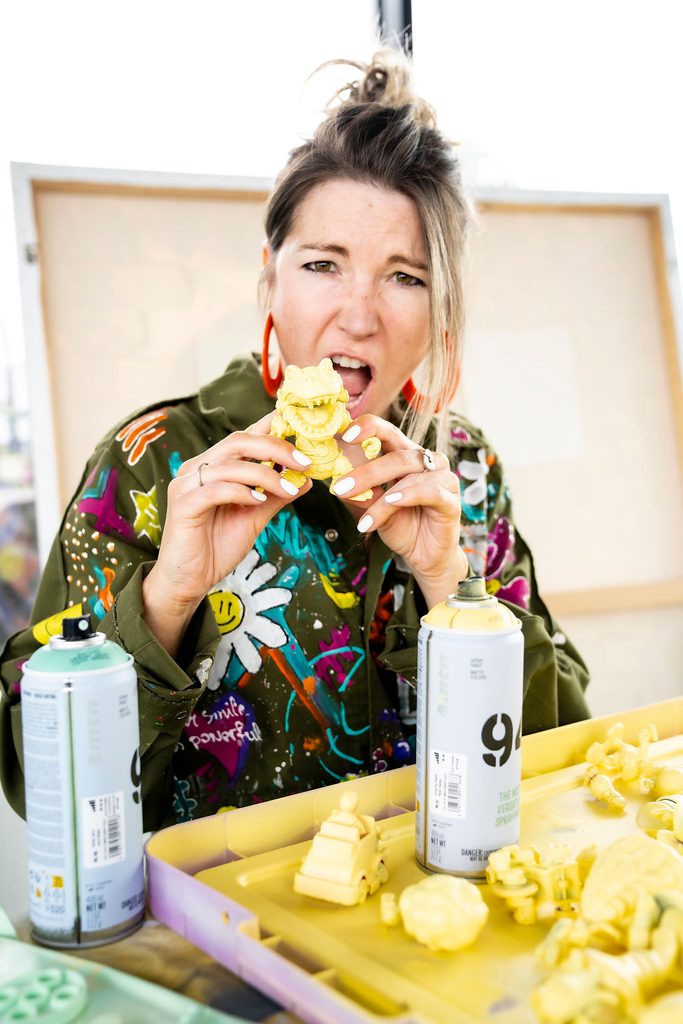
Her aim is refreshingly clear. She wants to bring a spark of colour, happiness, and dopamine into everyday life. Her pieces are made to lift a room and lift a mood, and they work because of memory. When someone spots a toy they once owned, something shifts.
They smile, they point, they start telling a story. Kat loves that moment more than anything, watching a grown adult meet their own childhood again in the middle of a gallery.
There is a real story behind the brightness. The work grew out of her own son outgrowing his toys, and her not wanting to let those memories go. Turning them into art became a way to keep them. Around the same time, she stepped away from a long corporate career to make art full time, and, as she puts it, she now gets to play for a living. You can feel that freedom in everything she makes.
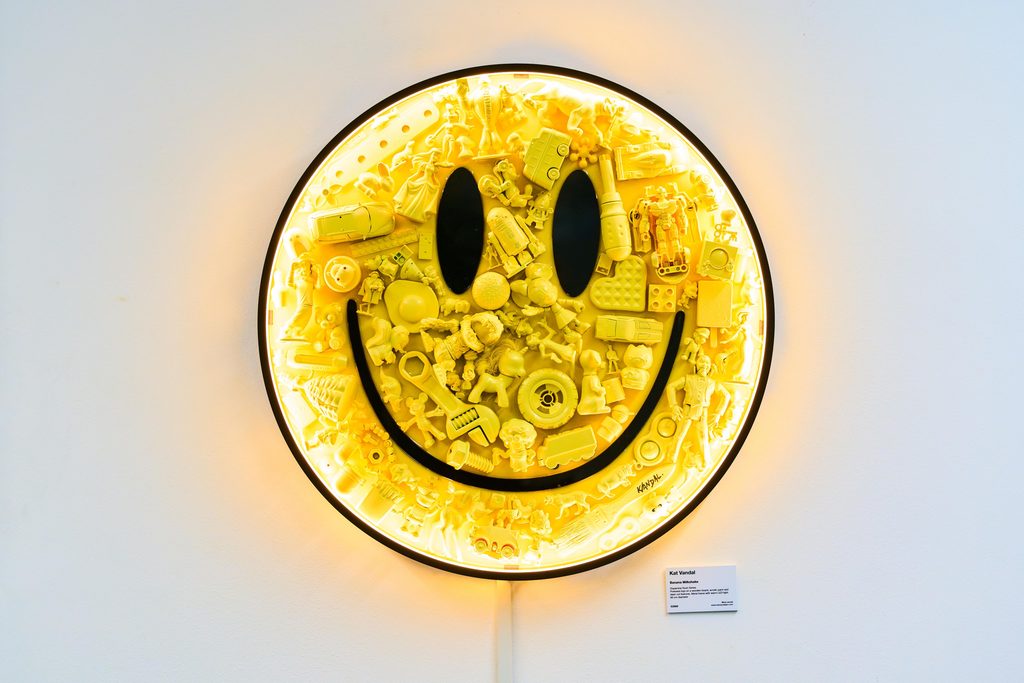
For all its fun, her art carries a genuine message. Kat firmly believes that play is one of the most important things we can do for our wellbeing, that it keeps us curious, connected, and kinder to ourselves, and that most adults simply do not make enough room for it. Her work is a bright, daily reminder to play. It is thoughtful about the planet too, giving discarded toys a second life instead of letting them go to waste.
People have fallen for all of this fast. Kat has held her own solo show in London, shown at art fairs and festivals, earned warm words from respected voices in the art world, and built a quickly growing audience of people who simply want a little more joy around them. Her signature pieces, glossy circular bursts of colour she calls Dopamine Rush, do exactly what the name says.
Now let’s hear from Kat about turning her son’s toys into art, why play matters far more than we think, and the joy of watching someone meet their childhood again.
Q1. Before becoming a full-time artist, how did visual merchandising shape your creative approach?
Visual merchandising taught me that a space can tell a story before a single word is read. I spent years thinking about how colour, scale, rhythm, lighting and placement could guide someone’s eye, create emotion and invite them to pause. It also taught me that creativity needs structure. Every element must earn its place while contributing to a clear overall experience.
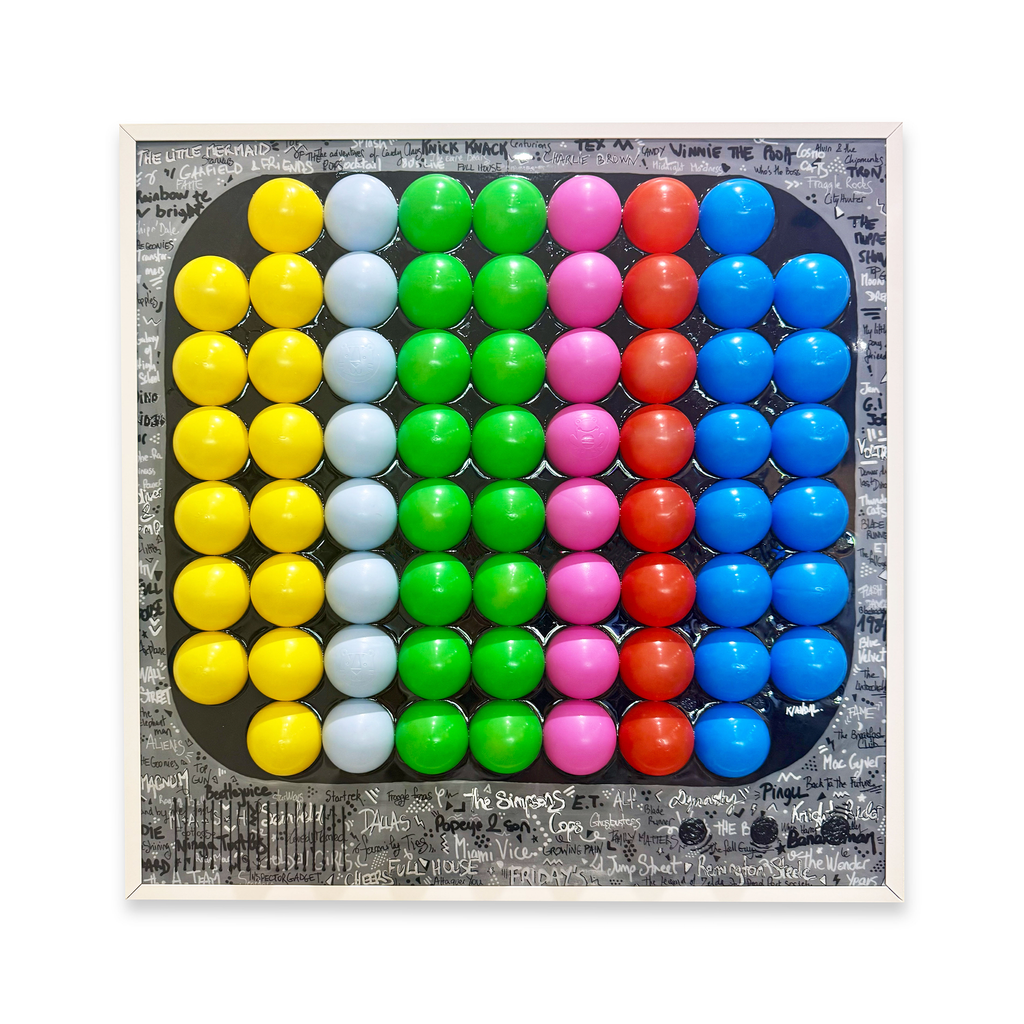
That way of thinking is present in my art. I often use repetition, grids and strong colour combinations to contain materials that are playful, tactile and sometimes chaotic. I want the work to have an immediate impact, but also reveal more when someone looks closely and recognises a forgotten toy or memory from childhood. Visual merchandising also made me aware of the viewer. I do not create art only as an isolated object; I think about how it lives in a space, changes its energy and makes people feel.
Q2. What fascinates you about transforming familiar toys into art?
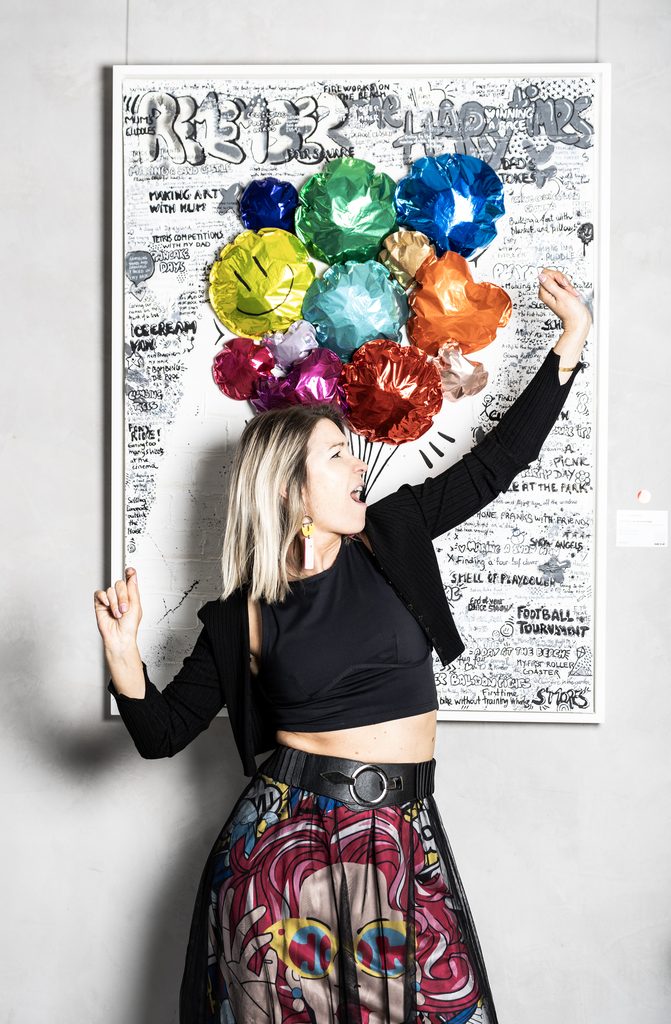
I think that objects have the power to trigger memories in a different way than images, because our brain doesn’t just remember events, but the sensations tied to it: a sound, a smell, a touch, an object.
Real toys don’t just remind us of a memory, it brings back the feeling, it’s like the body recognises them before the mind does.
Especially toys can instantly reconnect adults with that feeling of innocence and delight, whether they recall their own childhood, their children’s, or simply their inner child. I notice it when adults look at toys, there’s almost like a chemical reaction how their body relaxes and their face light up. And that’s what I love the most about my art practice: Give little doses of joy to people.
Q3. How did your son’s outgrown toys influence your creative direction?
The starting point was very personal. As my son grew out of his toys, I found it difficult to let them go because they represented different stages of his childhood but also the end of my own 2nd childhood (and probably my last experience of it).
Using them in my work allowed me to preserve those memories without simply storing the objects away and eternalise this important phase of our lives. It changed my practice by making it more emotional and more connected to my own life. From there, I began seeing toys not only as materials, but as small containers of time, change and attachment.
Q4. What inspired your Dopamine Rush series, and why did dopamine become important to your work?
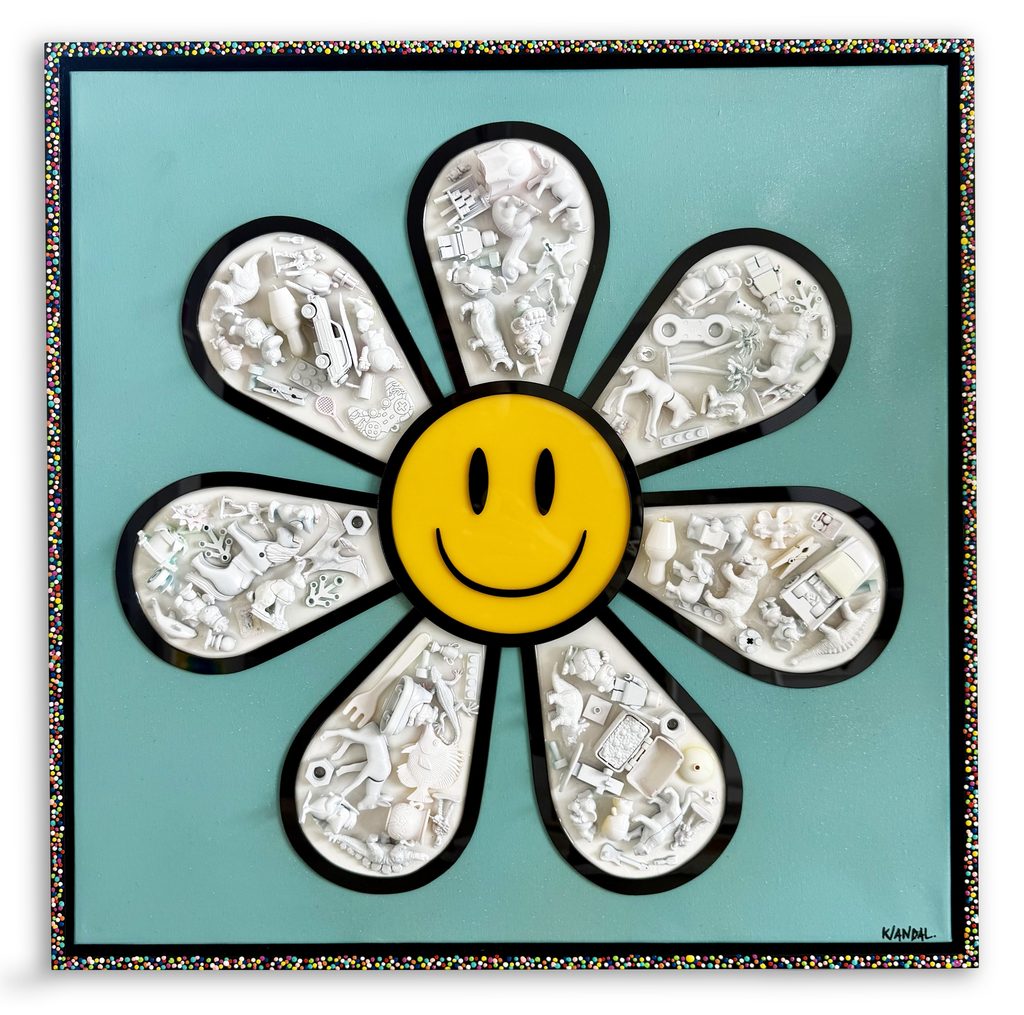
Dopamine Rush is my signature series, inspired by the accumulation of little moments of joy from childhood. Not the big, memorable ones, but the small, fleeting ones: getting a new toy, opening a Kinder Surprise, a birthday party, or a souvenir from a day out. These little moments gave our brains instant rewards, quick hits of happiness we often forget as time passes as we mainly remember the big moments.
To me, remembering these small moments of joy is a way of choosing happiness.
Q5. How important is shared childhood memory to the experience you want to create?
That shared recognition is a very important part of the work. I love watching people point out a toy they owned, remember who gave it to them, or begin sharing a story with someone beside them. The artwork becomes a starting point for conversation rather than something people only observe quietly.
Everyone brings a different memory to the same piece, so the meaning is never completely fixed. That personal connection allows the work to feel familiar, even when the composition itself is entirely new. And I always say there is no better to know someone and connect with them than knowing about their childhood.
Q6. Your work gives discarded toys a new life. What do these forgotten objects represent to you?
I’ve always loved upcycling, at first, I was drawn to the art of transformation itself then it’s the depth a 3D piece of art had compared to a flat painting and the sustainability aspect of it that kept me creating with everyday objects. When my son turned 4, naturally toys became my everyday objects. But this new medium, these objects that had a story, memories attached to them, added a layer to my creations and it became a sort of therapy.
Like now I have to do it. Because I am a deeply nostalgic person, obsessed with primary childhood, the wonder, the playing, the silliness… And while motherhood gave me a second doorway into childhood, I already feel the ache of that doorway closing and the fear of being trapped in an adult world where no one wants to play.
My practice is a way for me to keep playing and stay a child forever.
Q7. Many of your artworks are bright and playful, yet explore memory and change. How do you balance joy with deeper emotions?
I usually begin with simplicity and joy because I know that happy memories can be bittersweet depending on the mood we’re in. That’s why I choose to remain playful, to transform melancholy into happy nostalgia.
I use uplifting colours and cheerful symbols to create an immediate reaction, a first smile, almost like a dopamine rush.
Then, once the viewer is softened into that brighter place, the work can open into something deeper: a connection that invites them to dig into their own memories.. Happiness can sit beside nostalgia, loss and change. The bright surface creates the first reaction, while the meaning develops slowly through recognition and reflection.
Q8. Your work suggests that play is something adults often neglect. Why do you think we lose touch with it?
Adults are often taught to value productivity, control and usefulness, while play is treated as something childish or unnecessary. As responsibilities grow, anything without a measurable outcome can feel difficult to justify. I think that is why play slowly disappears, even though creativity, curiosity and connection often depend on it.
Play does not need to mean toys or games. It can be experimenting, making something badly, being spontaneous or doing something simply because it feels good. My work is a reminder that this part of us still exists and I truly believe that if we played more our mental health could benefit from it and the world overall would be a better place.
Q9. You explore both recycling and emotional attachment to objects. How does memory shape what we choose to keep?
Memory makes objects feel much more valuable than their material worth.
We often keep something ordinary because it connects us to a person, a place or an earlier version of ourselves. At the same time, keeping everything can become overwhelming, especially as children grow and life changes. I am interested in the space between holding on and letting go. Transforming toys into art offers another possibility: the object can change form, but the emotion attached to it does not have to disappear. The memory continues in a different way.
Q10. Do you think reconnecting with childhood can make us more imaginative as adults, or simply more honest?
I think reconnecting with childhood can make us both more imaginative and more honest. Children create before they begin worrying about whether an idea is sophisticated, useful or likely to succeed. Returning to that mindset can free us from some of the rules we place around creativity as adults. It can also reveal what genuinely excites or comforts us, without the pressure to appear serious.
For me, it is not about becoming childlike again, but recovering the curiosity and openness that adulthood often teaches us to hide. I often say: the more I play the more I like myself, probably because I release all the negative thinking I have built up over the years through difficult situations or comments from others.
Q11. Has success become more about the emotional response to your work than simply selling it?
Selling work is important because it allows me to continue creating, but the emotional reaction has become a major part of how I understand success. When someone smiles immediately, becomes unexpectedly emotional or tells me a memory the work has brought back, I know the piece has made a real connection. Those reactions cannot always be measured, but they stay with me. The most meaningful outcome is when the work changes the energy of a space or gives someone a moment of joy they were not expecting.
Q12. Looking back, what has creating “Happy Art” taught you about joy, memory, and yourself?
Creating Happy Art has taught me that joy is not shallow. It can carry memory, vulnerability and overall depth.
I have also learned that people are often more emotionally connected to everyday objects than they realise. Personally, the work has helped me accept my own attachment to childhood, colour and play instead of feeling that art must become darker or more serious to have value. It has shown me that my strongest work comes from being honest about what moves me, rather than following what I think art should look like.
Q13. What achievement has felt most meaningful because of what it represented personally rather than professionally?
My first major solo exhibition felt especially meaningful because it represented much more than a professional milestone. Seeing the work together in one space made the journey feel real, from leaving a long corporate career to building a practice around something deeply personal.
Sharing that moment with my family, friends and the people who had supported me gave it another level of meaning. It was proof that changing direction was possible, and that the parts of myself I once saw as too playful could become the foundation of my work.
Q14. If you could leave fellow artists with one insight you’ve gained through your journey, what would it be?
The most important insight I have gained is to pay attention to the ideas that keep returning, even when they seem too personal, too simple or different from what you think an artist should make. Those repeated instincts are often where your real voice is hiding.
Technique and confidence develop through making, but honesty is harder to replace. I would also say not to wait until everything feels fully resolved. A creative practice grows through action, experimentation and wrong turns. The work often teaches you what it needs to become.
Talking with Kat left us thinking about all the small joys that lit us up as kids, and how easily they fade into the background once we are grown.
At some point, most of us pick up the idea that play is something to leave behind, that being a real adult means staying serious, productive, and endlessly busy. Kat’s work quietly argues the opposite. It insists that joy has depth, and that play is far from pointless. So much of our imagination, our curiosity, and our closeness to other people is born there, and we become warmer, freer versions of ourselves when we let it back in.
Her colourful, toy-filled pieces look like nothing but fun, and they are, but sit with them a moment and you feel what runs beneath them: memory, the passing of time, the tender pain of watching a child grow. Wrapping all of that inside something so cheerful is what gives her work its quiet power.
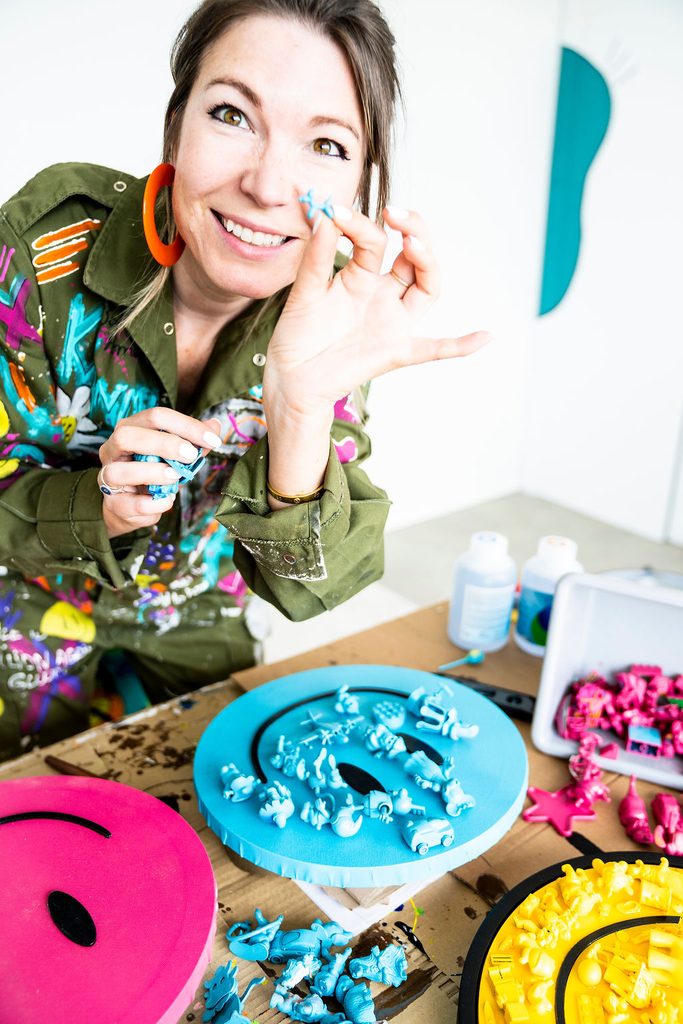
There is a lesson here for other artists too. Notice the ideas that keep circling back to you, even the ones that seem too personal, too small, or not “serious” enough to be taken seriously. More often than not, that is precisely where your voice lives. Kat left an entire career behind and built something real out of the parts of herself she could easily have dismissed as too silly, and those became the very heart of her work.
You do not have to wait for everything to fall neatly into place first. A practice takes shape through doing, through experimenting, and through being honest about what genuinely lights you up.
And for the people who collect her work, Kat offers something art so often overlooks: pure happiness. A bold, warm piece that makes you grin on sight, and then, when you lean in, quietly returns a memory you did not realise you still carried. It shifts the whole mood of a space. Living with one of her works means keeping a little burst of joy on your wall, and a gentle daily nudge to stay playful, stay curious, and never entirely grow up.
Follow Kat Vandal through the links below and see her work for yourself.
Arts to Hearts Magazine is back, and submissions for Issue 15 are now open, built around the theme “Where I Am.” And we are drawn to artists who know that “where” is not always a place. Sometimes it is a feeling. A memory. A turning point. A frame of mind. Simply the person you are today.
Wherever you stand right now, exactly where you hoped to be, a long way from home, starting over, or making your way through an ordinary chapter of life, we want to see the work that grew out of it. And you do not have to make anything new. Look back through what you have already created and bring us the piece that carries a part of your story. Your medium does not matter. Your location does not matter. Your stage in the journey does not matter. All that matters is that the work says something honest about where you are.
Every name in the magazine started as a submission, just like the one you are about to send.