

Open Call For Art | Art and Woman-Edition 4 Has an Open Theme
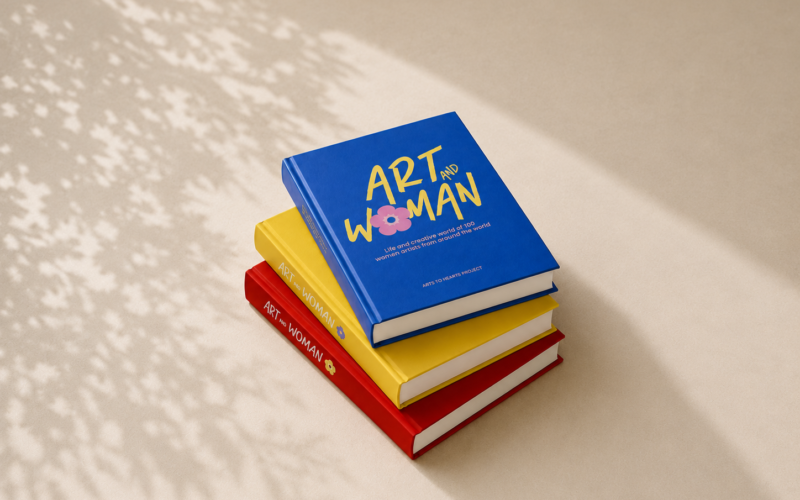
There is a particular kind of pressure that comes with an art open call.
You read the theme, look around your studio, and immediately start wondering: What do they want to see? What would fit? Should I make something new? Is my work too different?
Sometimes, the hardest part of applying is not making the art. It is trying to figure out whether your art belongs.
That is exactly why an open theme can be so meaningful.
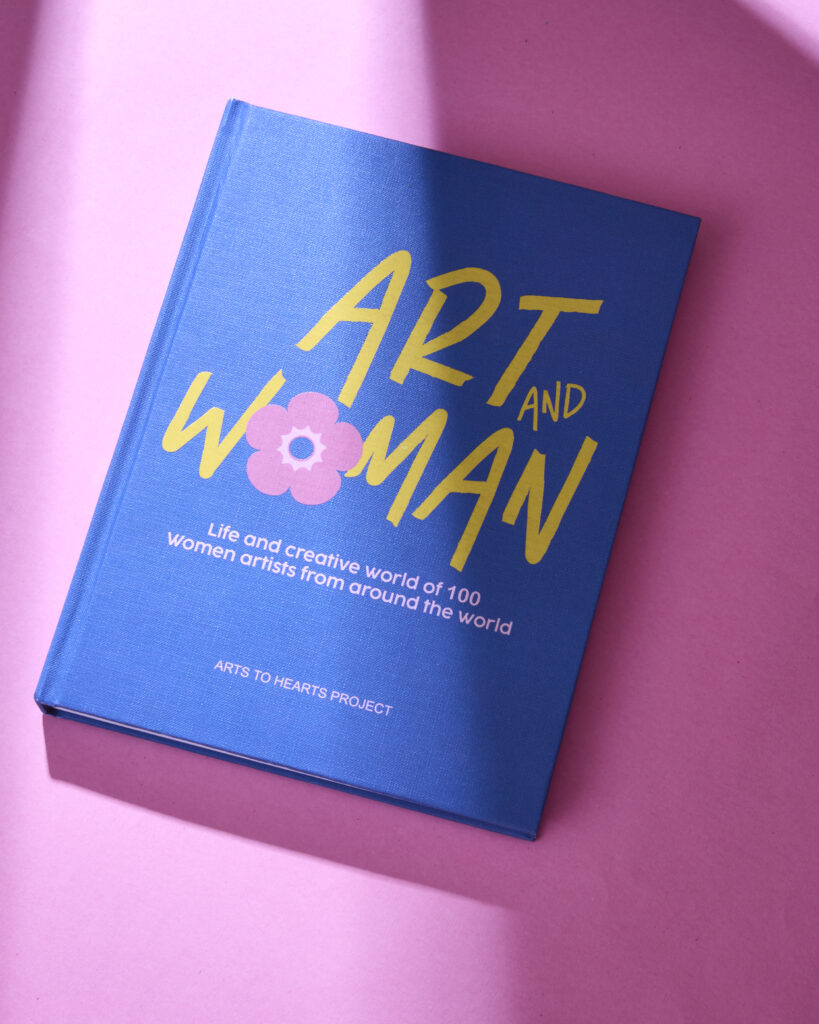
For Art and Woman: Edition 4, Arts to Hearts Project has chosen not to place artists inside a single subject, visual language, or concept. Instead, the open call leaves room for artists to bring work that reflects their own practices, experiences, questions, and ways of seeing.
What Does an “Open Theme” Actually Mean?
An open theme does not mean that anything goes without thought.
It means you are not being asked to squeeze your existing practice into a concept that may not naturally belong to you.
You do not have to suddenly make a painting about a particular subject because that is what the open call is asking for. You do not have to abandon the visual language you have spent years developing. You do not need to create something that looks like the work you imagine a jury might prefer.
Instead, an open theme asks a much simpler question:
What do you already have to say?
For some artists, that might be a deeply personal body of work about identity or memory. For someone else, it could be an exploration of nature, family, culture, relationships, everyday life, imagination, history, the body, place, or something that is difficult to put into words at all.
The absence of a prescribed theme gives the artist more room to answer in their own way.
And perhaps that is the point.
You Don’t Have to Make Something New. But You Can
One of the most useful things about Art and Woman: Edition 4 is that you are not required to make something specifically for the open call. If you already have a work that feels right, you can submit it. But if the open theme sparks an idea you have been wanting to explore, you are absolutely free to create something new, too.
That can be surprisingly freeing. Think about the work already sitting in your studio first.
Is there a piece you made last year that still feels important to you? A series you have been developing quietly? A work that represents a turning point in your practice? Something that never found the right exhibition or publication? An open-theme opportunity can give that work another life.
At the same time, if you read the theme and immediately feel an idea forming, follow it. The freedom to make something new can be just as valuable as the freedom to submit something you have already made. There is no need to force yourself into either option. You can look backwards at the work you already have, or look forward and make something that reflects where your practice is heading now.
The important thing is not whether the work is new. It is whether it feels meaningful to your practice.
There Is No Single “Art and Woman” Look
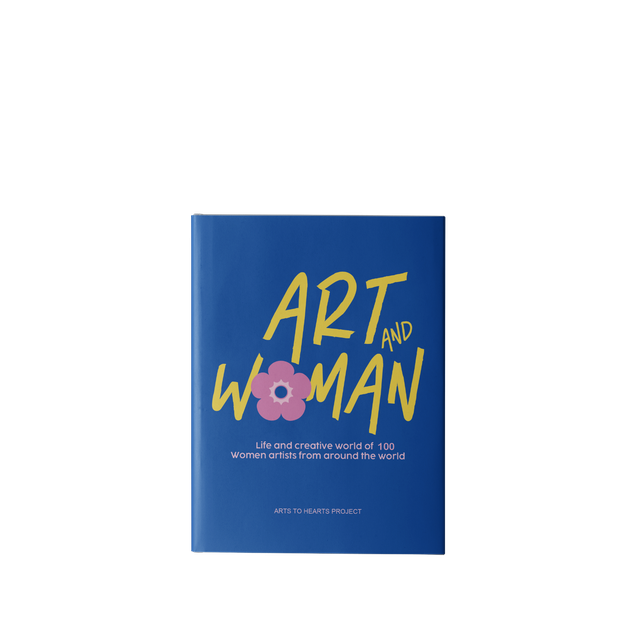
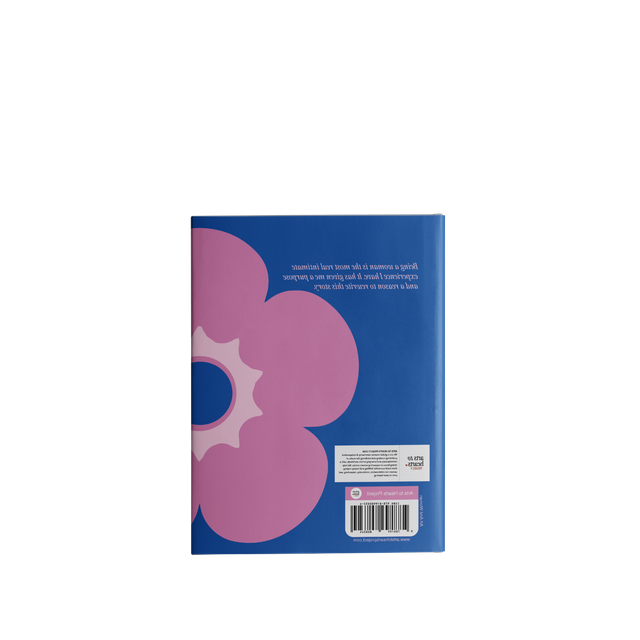
Art and Woman: Edition 4 is open worldwide to women and womxn artists aged 18 and above, including emerging, mid-career, and established artists. Artists of all nationalities, cultures, and backgrounds are welcome.
There is no single way to make art as a woman. There is no universal visual language that can represent everyone’s experiences, and there shouldn’t be.
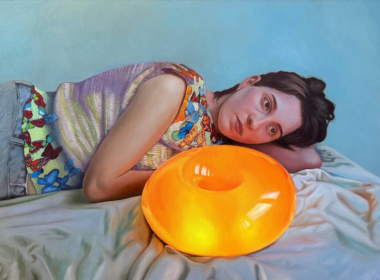
One artist might work with delicate textiles. Another might make large-scale sculptures. Someone might create digital compositions. Someone else might paint intimate portraits in oil.
Those differences are not a problem to solve. They are part of what makes a collection of artists interesting.
An open theme makes room for those differences rather than asking everyone to arrive at the same visual destination.
You Can Work in Almost Any Medium
The freedom extends beyond subject matter.
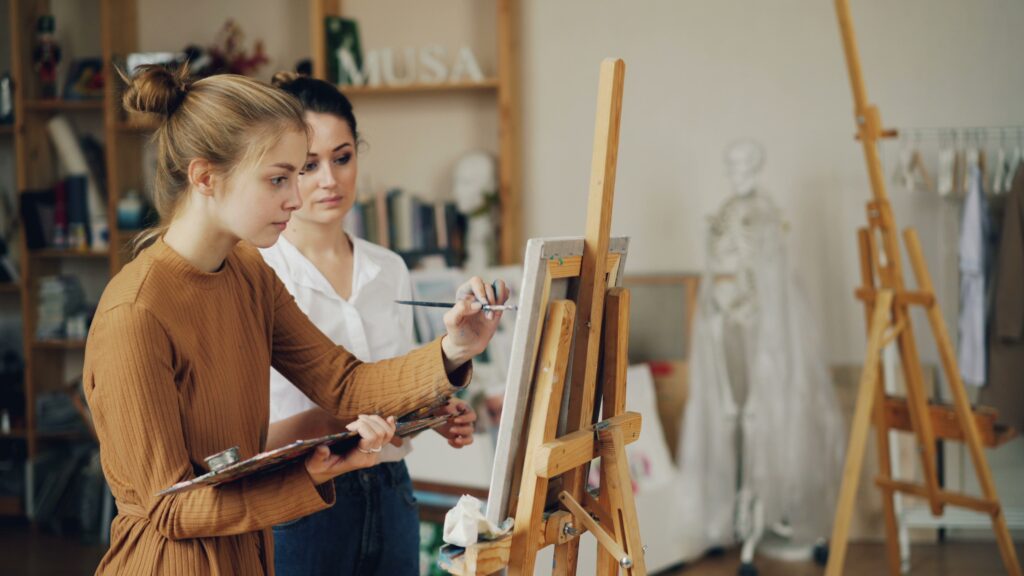
The open call welcomes a broad range of visual art practices, including painting, drawing, photography, sculpture, ceramics, textile art, mixed media, collage, digital art, illustration, installation, and experimental practices. There are no restrictions on style or subject matter.
A painter can submit a painting. A photographer can submit a photograph. A textile artist does not need to translate her practice into painting to feel like she belongs in the conversation. A digital artist does not need to make something physical. An experimental artist does not need to make their work easier to categorize.
That is one of the nicest things about an open theme: you get to enter as the artist you already are.
Think About What Your Work Keeps Returning To
If you are staring at your studio wondering what to submit, don’t begin by asking what the jury wants.
Start by looking for patterns in your own work.
What subjects keep appearing? What colors do you return to?
Are you constantly drawing faces? Are you fascinated by domestic spaces? Do you keep thinking about childhood? Do your paintings explore loneliness, joy, migration, nature, womanhood, spirituality, memory, or relationships?
Sometimes an artist’s strongest themes are not the ones they consciously chose. They are simply the things they cannot stop returning to. That can be a useful place to begin.
Look through your recent work and ask yourself:
What does my work know about me that I haven’t quite put into words yet?
You don’t necessarily need a dramatic answer. It could be as simple as a fascination with light, a love of botanical forms, an interest in the human figure, or a desire to document everyday moments. Your work does not need to explain your entire life. It just needs to feel like yours.
Don’t Confuse “Open” With “Random”
There is one important distinction worth making. An open theme does not mean you should submit the first few pieces you find in your studio. Freedom still benefits from intention.
Artists can submit 1 to 20 artworks, depending on the submission package selected during the application process. The strongest submission is not necessarily the one with the largest number of pieces. It is the one that gives the jury a clear sense of your artistic practice and creative voice.
So if you are submitting multiple works, look for connections. Do the pieces feel like they belong to the same artistic world? Do they show your range without making your practice feel scattered? Is there a thread connecting them?
You do not need to create a perfectly matching series. But your selection should tell the viewer something about the person behind the work.
Let Your Perspective Be Part of the Submission
Art and Woman is built around more than images.
The publication is intended to celebrate women and womxn artists while making space for the stories, experiences, and perspectives behind their creative practices.
That makes the idea of an open theme even more interesting. Because the work does not have to carry the entire burden of explaining who you are. Your practice, your perspective, and your story can exist alongside it.
Maybe your work comes from a personal experience that you have never publicly discussed. Maybe your practice has changed dramatically over the last few years. Maybe you are still figuring out what your work is about.
A Curator Who Is Looking at the Whole Picture
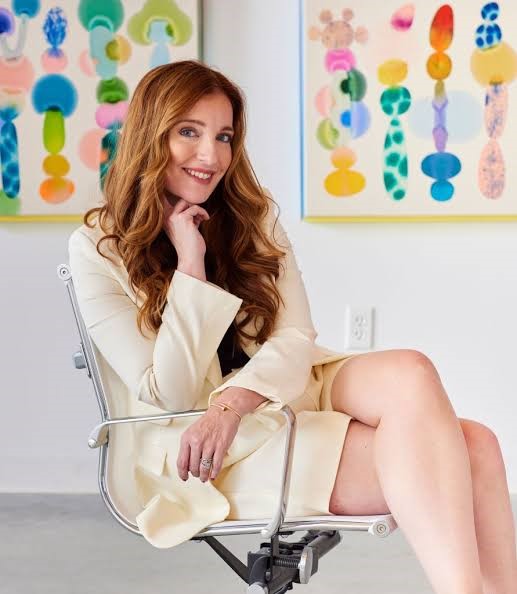
For Edition 4, the guest curator is Liz Lidgett, an art advisor, gallery owner, and author who works closely with contemporary artists and collectors. She founded her art consultation business in 2013 and later established Liz Lidgett Gallery + Design, which represents more than 70 contemporary artists from around the world. A lot of her practice revolves around women artists.
Her perspective also brings an interesting dimension to an open-theme call. When there is no prescribed subject for everyone to follow, the artist’s individual voice becomes even more important.
Instead of asking whether your work fits a particular visual trend, think about whether it communicates something genuine about your practice.
Maybe the Work You Were Hesitating About Belongs Here
You have the work. You have the application open. And then suddenly you begin talking yourself out of it.
Maybe it’s not good enough. Maybe it’s too personal. Maybe it’s too different. Maybe I should wait until I make something better.
Sometimes that hesitation is useful. It can encourage you to look at your work critically and make a thoughtful selection. But sometimes, it is simply fear dressed up as perfectionism.
An open-theme call gives you an opportunity to ask a different question:
If I were not trying to predict what other people would like, which piece would I choose?
That answer might tell you more than you expect.
You Don’t Need to Make Yourself Fit
The strongest driving factor behind keeping an open theme is to give artists an invitation to stop adjusting your creative voice for a moment. You do not need to make your work more fashionable. You do not need to choose the piece that seems the most impressive. You do not need to prove that you belong.
Bring the work that feels honest. Bring the strange piece that only makes sense to you. Bring the quiet painting that took you months to understand. Bring the work that reflects where you are now.
Art and Woman: Edition 4 is open until August 30, 2026, at 11:59 PM EST, and submissions are open to women and womxn artists worldwide. Read our detailed article on everything you need to know about the Open Call before applying.
But before you think about any of that, go back to your studio.
Look at what you have already made. Look at what you keep coming back to. Look at the work that still feels alive to you. This is probably your chance to present to the world the piece that means a lot to you, but doesn’t quite fit in a limited, themed box.
An open theme does not ask you to become a different artist for the sake of an opportunity. It gives you permission to show up as the artist you already are. And sometimes, that is the most meaningful invitation an open call can offer.