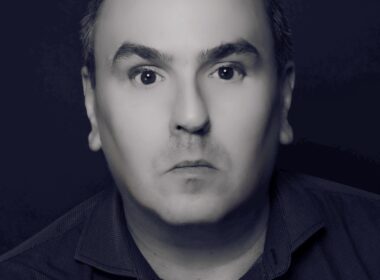

Will Corvara’s Photography Borrows the Language of Caravaggio &Vermeer
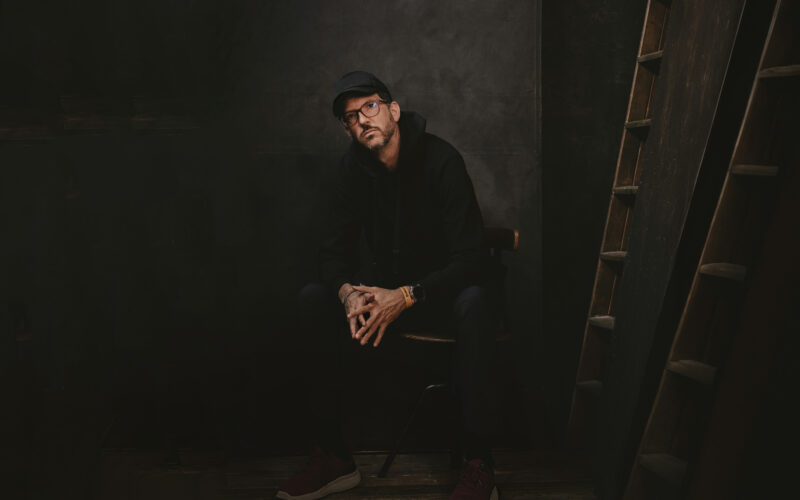
At Arts to Hearts Project, our 100 Emerging Artists 2026 edition is full of artists chasing the new, the loud, the immediate. So it means something when a body of work arrives that moves in the other direction entirely. Work that is unhurried, atmospheric, and interested less in capturing a moment than in holding onto what is quietly disappearing. That is exactly where Will Corvara’s photographs live.
Will is one of the selected artists in this edition. He is a photographer and writer from Madrid, and his eye was shaped by an unusual inheritance. He grew up between his father’s antique print shop, full of old engravings, and his mother’s film productions.
Art on one side, cinema on the other. Long before photography was a conscious choice, he was already absorbing the two things that would come to define his work, the aged physical surface of an image and the way light builds an entire world.
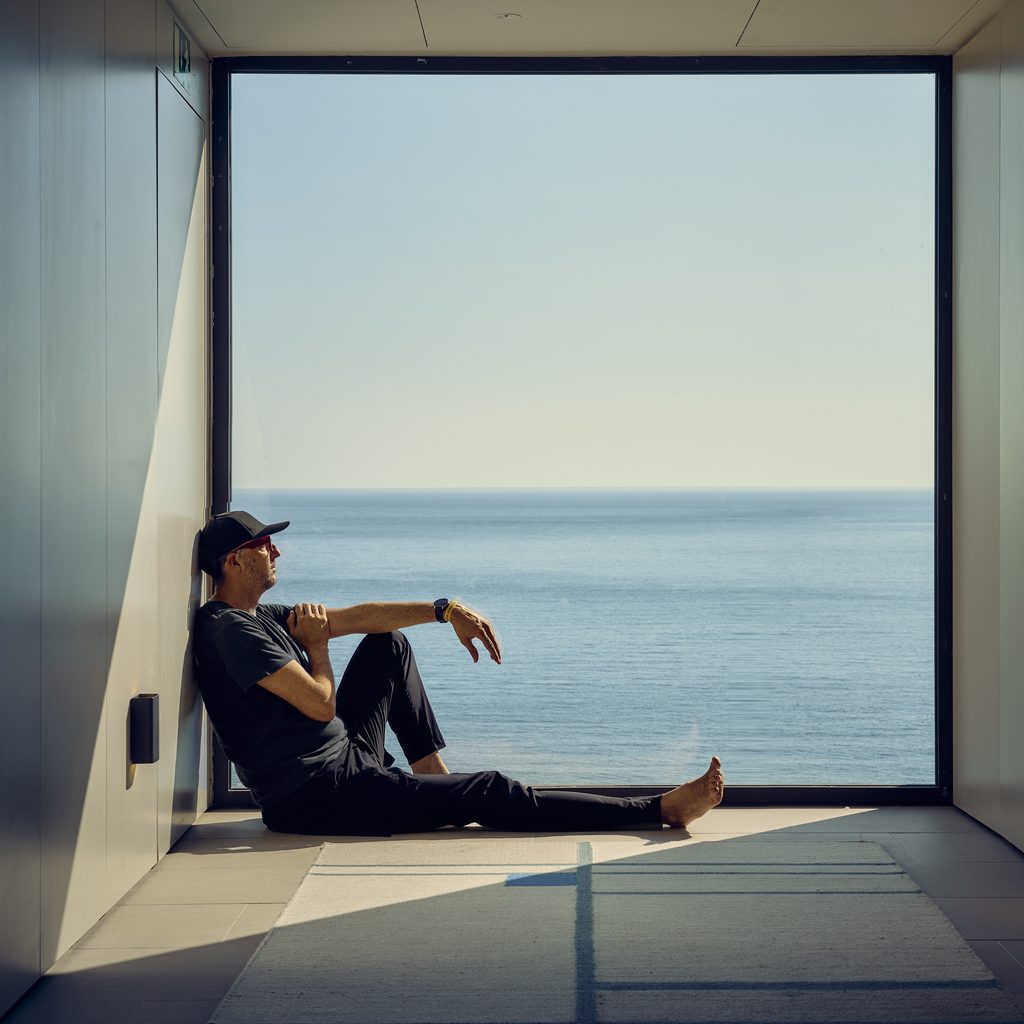
His route to fine art was not a straight one. He worked as an art director and a graphic designer, shot stills on film sets, and spent years in commercial photography before his own artistic work took shape. That long apprenticeship gave him complete command of his craft. But at a certain point he wanted photography to stop selling and explaining, and to start doing something quieter and more open instead.
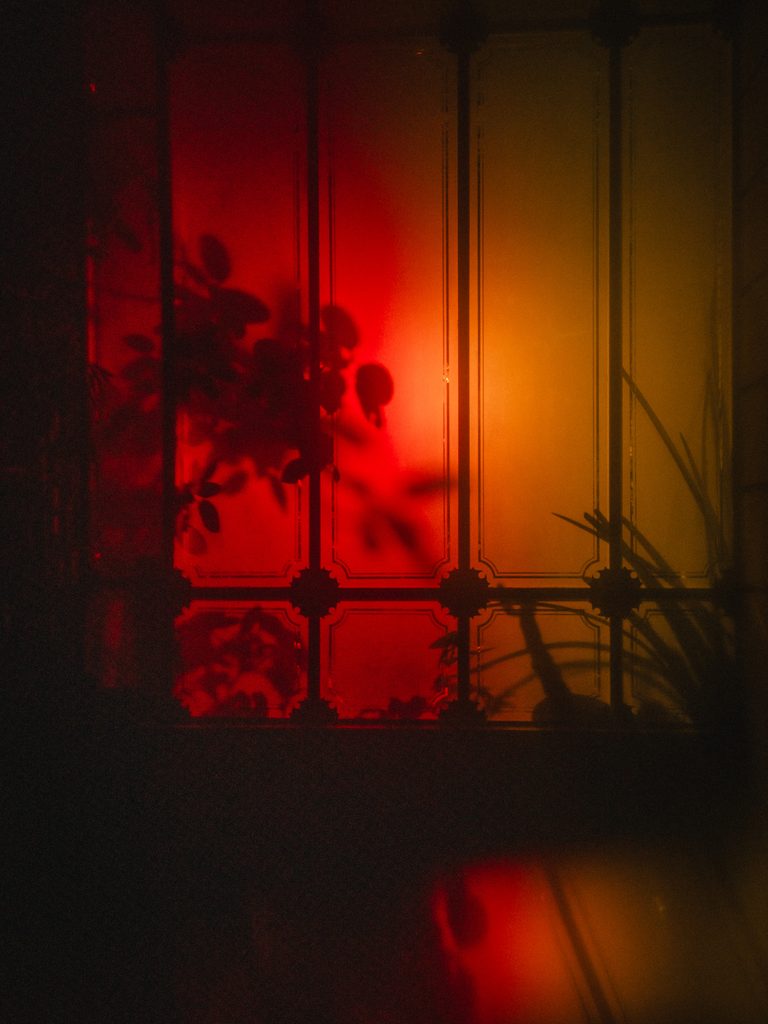
What defines his images now is the way he uses darkness. He lets shadow take almost everything, then allows light through only where it matters, so a photograph becomes less a record of what was there than a vessel for something hidden. In a portrait, that something is the inner psychology of the person; in a landscape, a mood pressed into the place itself.
Critics have reached for Caravaggio to describe how he handles light and shadow, and one curator called his work photographic poetry. Both feel right. Light, for Will, is not there to help us see. It decides what exists.
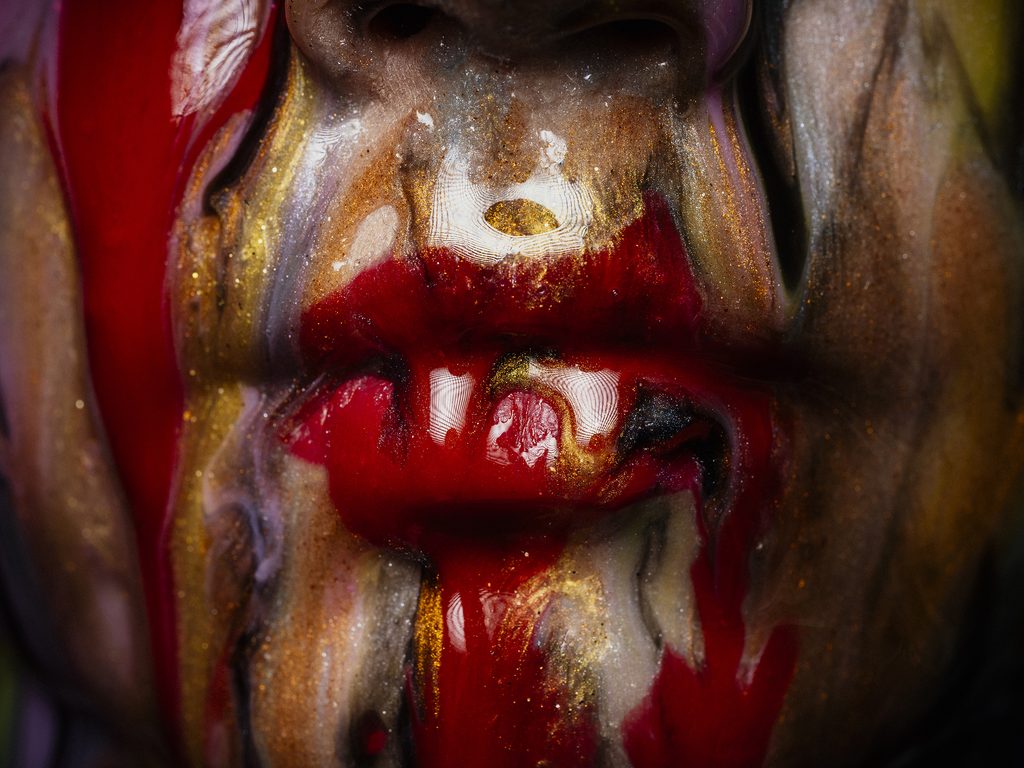
He thinks and writes about images as seriously as he makes them. In a recent book he argues that photography is not a technique but a way of thinking and paying attention, and that in an age saturated with pictures, the world does not need more images, only better ones. That belief runs straight through his work. He has no interest in images that give themselves away at a glance. He wants images that ask for time.
And what stays with you is how quietly it all works. His photographs never raise their voice. They hold their shadows and their silences, and reward you only if you slow down and stay with them. His work has earned international recognition, exhibited from the Canary Islands to Madrid to Boston, and Forbes España has counted him among the Spanish photographer-artists to watch.
Now let’s hear from Will about the eye behind the work, his love of shadow, and why really looking has become a radical act.
Q1. Can you share how your journey into photography began and what first drew you to light, memory, and time?
My relationship with images began before my conscious relationship with photography. I grew up surrounded by old prints in my father’s shop, among aged papers, historical scenes, landscapes, portraits, and botanical images. That taught me that an image is not only what it represents: it is also accumulated time, matter, wear, and memory.
Photography appeared as my natural way of continuing that visual education. I did not paint or draw, but I could work with light.
Will Corvara
Over time, I understood that light is not only there to help us see better; it reveals what is about to disappear. There is also a very strong personal dimension. My life has been shaped by a physical awareness of time, the body, and fragility. When you have felt that the body can fail, time stops being an abstract idea. It becomes something concrete. I think that is why I photograph so often what resists, what exists between appearing and disappearing.
Q2. Before developing your fine art practice, you spent many years working in commercial photography. What led you toward more personal work?
Commercial photography gave me craft. It taught me how to solve problems, how to build an image with precision, how to understand light, composition, rhythm, and the demands of a real production. It was a demanding and necessary school. But there came a point when I needed photography to stop responding to external validation. In commercial photography, the image often has to convince, sell, explain, or beautify something.
I needed the opposite: images that did not close meaning down but opened it up. My personal work was born from that. From a need for silence and pause. From making images that were not answers, but questions. Images that could speak of memory, body, absence, light, and fragility without having to explain everything.
Q3. You see photography as a form of visual thinking. How has that shaped your approach to making images?
I am interested in photography as a form of thought. I do not believe an image has to limit itself to saying, “this was here.” It can also say, “this was felt this way,” “this is no longer here,” or “perhaps this never fully existed.” That has completely changed the way I work. I am not looking for a photograph that imposes a single reading. I am more interested in building an open image, where the viewer has to complete something from their own experience. In that sense, I feel very close to writing.
A writer places a character in front of you, but each reader composes their face and surroundings in their imagination.
With my photographs, I am looking for something similar: I offer an atmosphere, a presence, a shadow, a fragment. The viewer finishes the image through their own memory, their own fear, their own beauty, their own loss.
Q4. Many of your images feel painterly. How has painting influenced the way you compose a photograph?
Painting has influenced the way I look enormously. I am especially interested in chiaroscuro, not as an aesthetic effect, but as a language. In Caravaggio, for example, light does not decorate: it decides what exists. In Vermeer, light seems to hold time inside a room. When I compose a photograph, I think a lot about that. About what I allow to be seen and what I conceal.
About how a shadow can be more active than an illuminated area. About how a black background can function almost like matter, not as emptiness. I am also interested in the tradition of still life and vanitas. Flowers, objects, remains, worn textures. Apparently still things that, in reality, speak about the passing of time, beauty, and disappearance.
Q5. What is your relationship with light as a photographer?
For me, light is the central character. Very often, the photographed subject is almost an excuse to observe how light transforms it, sometimes in a matter of seconds. A minimal variation can change everything. A flower can go from being decorative to seeming like a body.
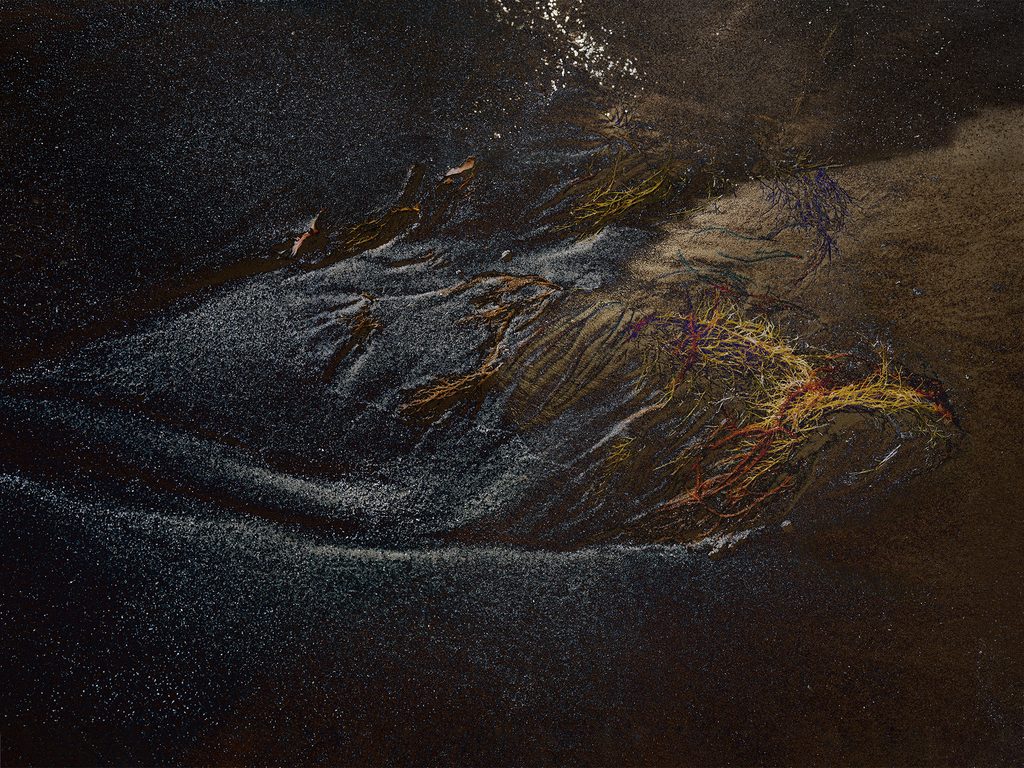
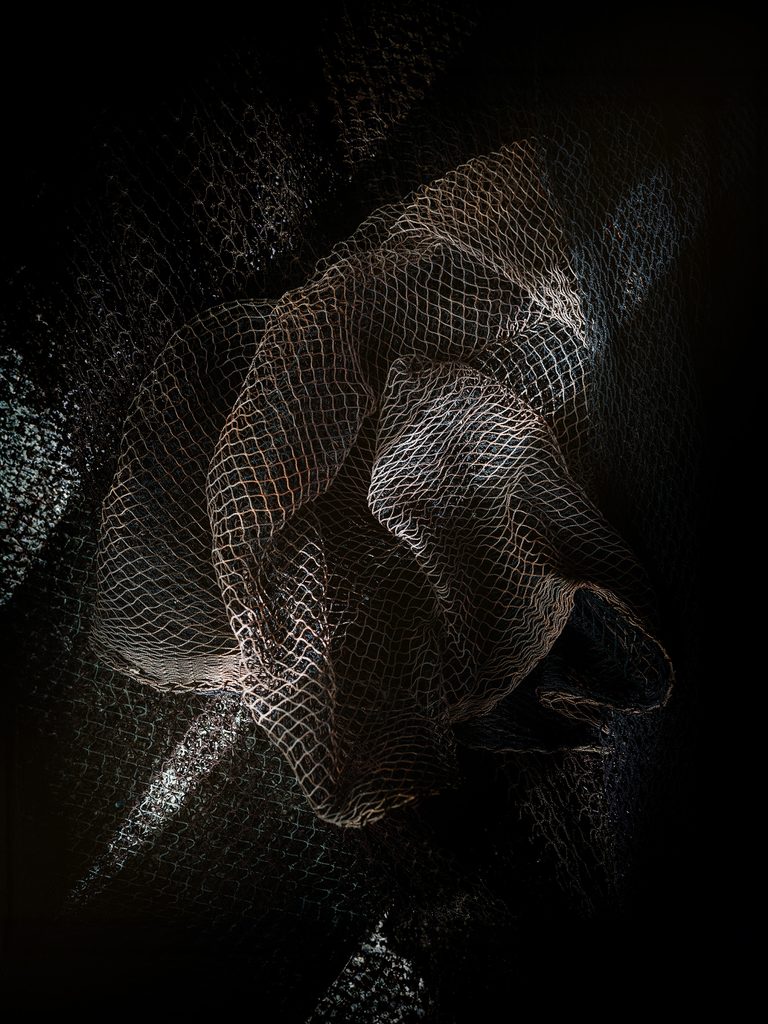
A worn rope can become a scar. A coastline can stop being a landscape and become memory. There is something almost moral about light in my work: it reveals, but it also conceals. I am not interested in illuminating everything. I want the image to preserve areas of mystery, because in life we do not understand everything either.
Q6. Your Botanical series explores fragility and quiet beauty. What drew you to this subject?
Plants interest me because they are fragile, but not weak. There is enormous strength in something that grows, bends, dries, sprouts again, or slowly disappears without making a sound. In my case, plants often function as self-portraits. Not in a literal sense, but in an emotional and physical one. I have used flowers, stems, and vegetal bodies to speak about my own fragility, about resistance, about the beauty of still being alive when something inside you has nearly broken.
I do not photograph them as botanical objects. I photograph them as presences. As bodies that breathe, that emerge from darkness, that are in transit. There is something very intimate there: a plant can speak about vulnerability without turning it into a spectacle.
Q7. You describe Island as a “cartography of absence.” What does absence mean to you, and how did it shape the series?
Absence, for me, is not simply what is missing. It is an indirect presence. It is what remains when someone has left, when a gesture has ended, when a place preserves the mark of something that is no longer there. In Island, I was interested in coastlines, boats, and human traces without the human figure. The island does not appear as a paradise, but as a question.
A territory can receive you and, at the same time, expel you. It can be refuge, limit, wound, or waiting. That is why I speak of a cartography of absence. It is not a geographical map, but an emotional one. An attempt to trace places where something invisible weighs more than what is visible.
Q8. Your photographs often focus on what is fading rather than what is permanent. Why are we drawn to things we know won’t last?
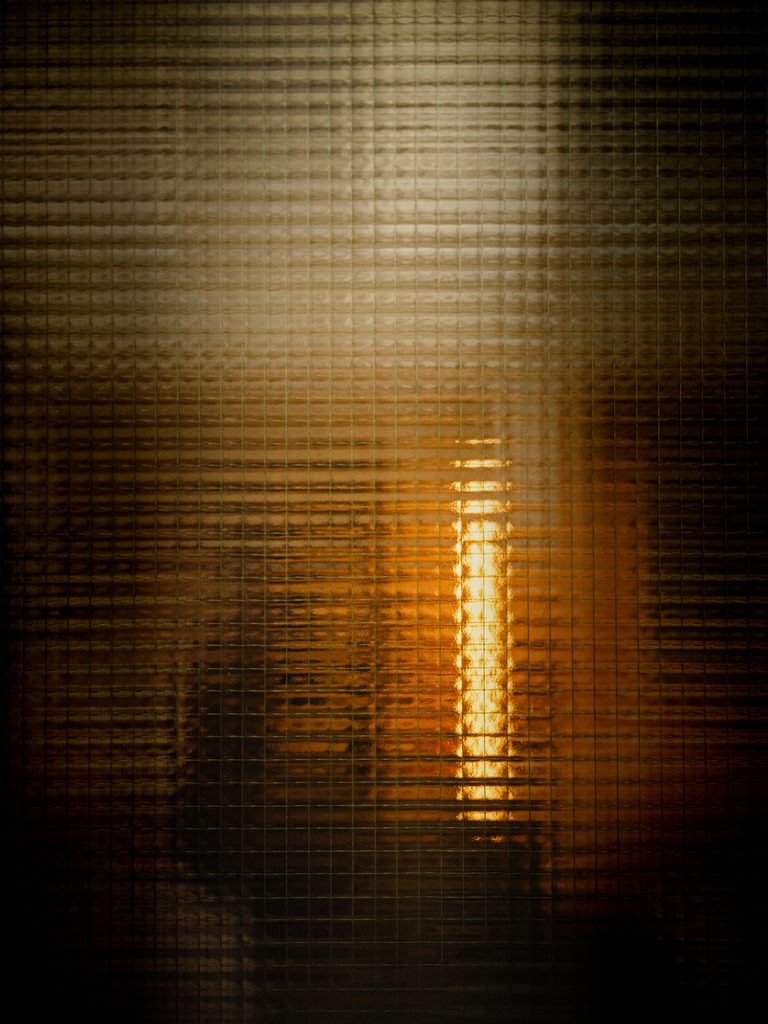
I think we are drawn to what does not last because we recognize ourselves in it. Permanence can be beautiful, but fragility speaks to us in a more intimate way. Perhaps the ephemeral moves us because it brings us back to the body. To our own condition. To that heartbeat that continues, but is never guaranteed.
Q9. Your work feels cinematic but resists dramatic storytelling. What interests you about creating emotion through atmosphere?
I am very interested in cinema, but not necessarily in closed storytelling. I am more drawn to the instant before or after a story: when something seems to have happened, but we do not know exactly what. Atmosphere allows the viewer to enter the image through their own memory. If I give too much information, I close the experience.
I prefer to build an emotional tension, a kind of visual silence, and allow each person to complete what is missing. For me, an image does not have to tell the whole story. Sometimes it is enough to leave a vibration, a suspicion, a trace.
Q10. In a culture of fast-moving images, what role can photography play in encouraging slower observation?
Precisely because we live surrounded by fast images, I believe photography can recover an almost opposite function: forcing us to stop. A good photograph does not have to shout. It can ask for time. It can educate attention. In a world where everything is consumed in seconds, an image that resists a slow gaze is almost an act of resistance. I am interested in photography that does not reveal itself all at once.
Photography that seems silent at first, but the longer you look at it, the more it begins to beat.
Q11. As technology makes image-making more accessible, what continues to define a meaningful photograph?
Technology makes it easier to produce images, but not necessarily to see better. For me, a meaningful photograph does not depend only on the camera, resolution, or technique. In fact, those are the least important things, because every photographer has them by default. It depends on intention, on the gaze, and on the necessity behind it. An important image is not simply one that is well made. It is one that is born from a real relationship with what is being photographed and is accompanied by intention. Today, anyone can create a spectacular image. The difficult thing is still to make a necessary image.
Q12. You grew up surrounded by art through your father’s antique print shop. How did those early experiences shape your way of seeing?
My father’s shop was my first visual school. There, I learned to look at images that had already survived other lives. Prints, papers, frames, stains, small marks of time. That taught me to value not only representation, but also surface, matter, and aging. An image was not something clean and perfect; it was something that had passed through the world. I think that experience is still very present in my work. I am interested in images that seem to have physical memory. Images where beauty is not separate from wear.
Q13. If viewers leave your photographs seeing the world differently, what do you hope they’ve discovered?
I would like them to discover that looking slowly changes things. That the ordinary can contain enormous intensity if we give it time. I do not want to impose a specific emotion. I prefer each viewer to find their own. For a flower, a shadow, a coastline, or a texture to awaken something that was already inside them. If someone leaves my images seeing more mystery in the everyday, more beauty in fragility, or more presence in what seemed empty, I would be more than happy.
Q14. What has moving from commercial photography to fine art taught you about your creative voice?
It has taught me that one’s own voice does not appear when you try to prove something, but when you set your true impulses free. For years, I thought a lot about how an image should function. Now I think more about why I need to make it.
That shift is enormous. Personal work has forced me to accept that my themes return again and again: light, the body, absence, fragility, time, memory. At first, you try to vary. Later, you understand that a voice is built precisely by insisting on what you cannot stop looking at.
Q15. Has your definition of success become more about recognition or creating work that feels true to your vision?
Recognition matters, of course. It would be hypocritical to say it does not. One wants one’s work to circulate, to reach others, to have a life outside the studio. But I am less and less interested in success understood as noise. What matters more to me is making work that goes hand in hand with my way of seeing and understanding the relationship between the outer world and my inner world.
Q16. Is there a photograph from earlier in your career that now holds a different meaning for you?
Yes, many. There are images I made at the time thinking about light, composition, or atmosphere, and that I now see as signs of something I still did not know how to name.
Sometimes a photograph understands before you do what you are trying to say.
Years later, you return to it and discover that fragility, absence, the body, even the idea of a heartbeat, were already there. That interests me a lot: that an image can change without physically changing. It changes because you have changed. Because your life reaches it from another place.
Q17. What has your journey taught you about developing a personal way of seeing beyond technique?
Technique is important, but it is only a tool. My own journey has taught me that a personal way of seeing does not come from mastering the camera alone, but from understanding what keeps calling your attention. For a long time, I thought about how an image should work: the light, the composition, the atmosphere.
Over time, I became more interested in why I needed to make certain images in the first place. That question changed everything. I think a personal vision develops when you start paying attention to what returns again and again: your obsessions, your wounds, your silences, the things that move you before you fully understand them. Technique should eventually become almost invisible. It should serve the image, not dominate it.
Q18. What advice would you give photographers who are still learning to trust their own way of seeing?
I would tell them to pay attention to what calls them, even if it does not seem important to anyone else. We are all drawn to certain things that another photographer might ignore completely. Our lives leave deep marks on our subconscious, shaping interests and attractions that we often do not understand at first. Many great photographers never fully knew why they were making certain images. Some are lucky enough to discover it over time: they begin to recognize their obsessions, their recurring subjects, the things they cannot stop looking at.
And very often, that is where their path begins. So I would tell young photographers not to run away from what attracts them, even if it seems strange, ordinary, or difficult to explain. Trusting your own way of seeing means listening to those impulses before you know exactly what they mean. The work often understands before we do.
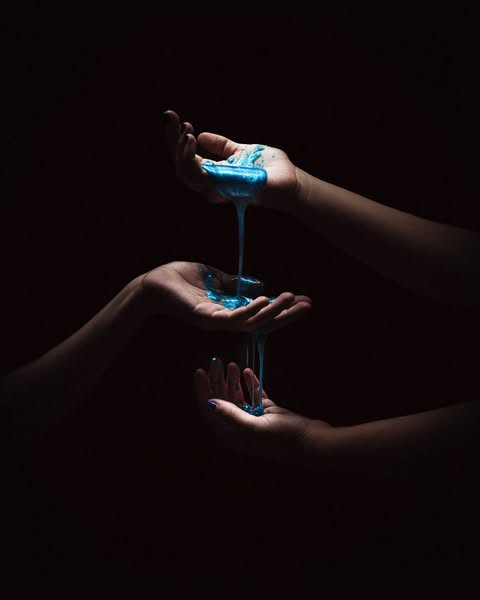
As our conversation with Will wrapped up, we found ourselves thinking about how little we actually look at anything anymore. How much of the world slips past us in a second, glanced at and gone.
Because we live surrounded by images that ask nothing of us, and Will’s ask for the one thing nobody seems to have. Time. A good photograph, he says, does not need to shout. It can be quiet at first, and then, the longer you stay with it, it begins to beat. In a world where everything is consumed in an instant, an image that refuses to be rushed becomes something close to an act of resistance.
And what his pictures hold, so often, is fragility, the sense of something caught between being here and being gone. Because we are drawn to what does not last. Maybe because we recognise ourselves in it, in that heartbeat that keeps going but was never promised to us.
We think every artist needs to hear the thing he believes about finding a voice. That it does not arrive when you are trying to prove something. It arrives when you stop and let your real impulses through. Pay attention to what calls you, he says, even when it seems ordinary or strange or impossible to explain to anyone else. Trust the things you cannot stop looking at, long before you understand what they mean. Because the work tends to understand first. A picture you made years ago can turn out to have known exactly what you were trying to say.
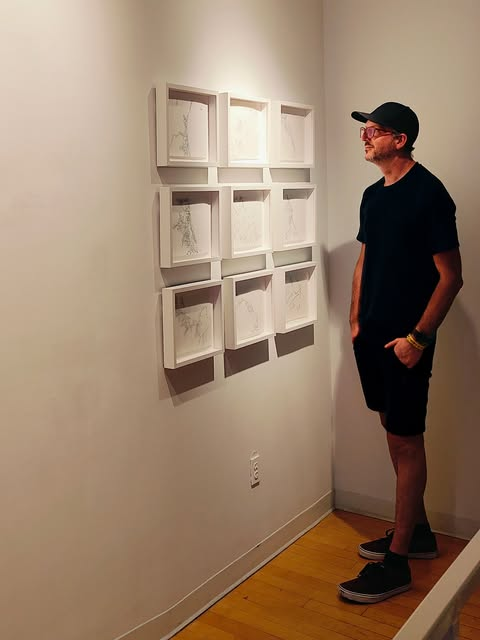
There is a quieter lesson in his path too. Will spent years in commercial photography, where an image has to convince and sell and explain itself. His own work began the moment he wanted the opposite of all that, images that open a question instead of closing one. Anyone can make a striking image now, he points out. The tools are everywhere. The hard thing, the thing still worth chasing, is not the well-made image. It is the necessary one.
For art lovers and collectors, Will’s work brings a rare kind of stillness into a room. Photographs that hold light as if it were a material, that keep their shadows and their secrets, that turn ordinary things into presences you find yourself returning to.
They do not give themselves away on the first look. They reward the slow gaze, and they keep shifting, because you keep shifting, and your life reaches them from somewhere new each time. To live with his work is to be gently reminded, every day, to slow down. To find more mystery in the ordinary, more beauty in what is fragile, more presence in what looked, at first, like empty space.
Follow Will Corvara through the links below and see his work for yourself.
There is a woman behind every piece of art, and a whole life behind her. Our Art and Woman edition is now open for submissions, and we want the work that carries it, the victories, the struggles, the quiet years, and the moments that changed everything. Paint it, draw it, photograph it, sculpt it, stitch it, or build it however you like. Medium, geography, and career stage are irrelevant. A real woman and a real story are everything. Every featured artist once took a breath and submitted. This could be your edition.