





Do We Misunderstand Contemporary Art, or Simply Dismiss It?
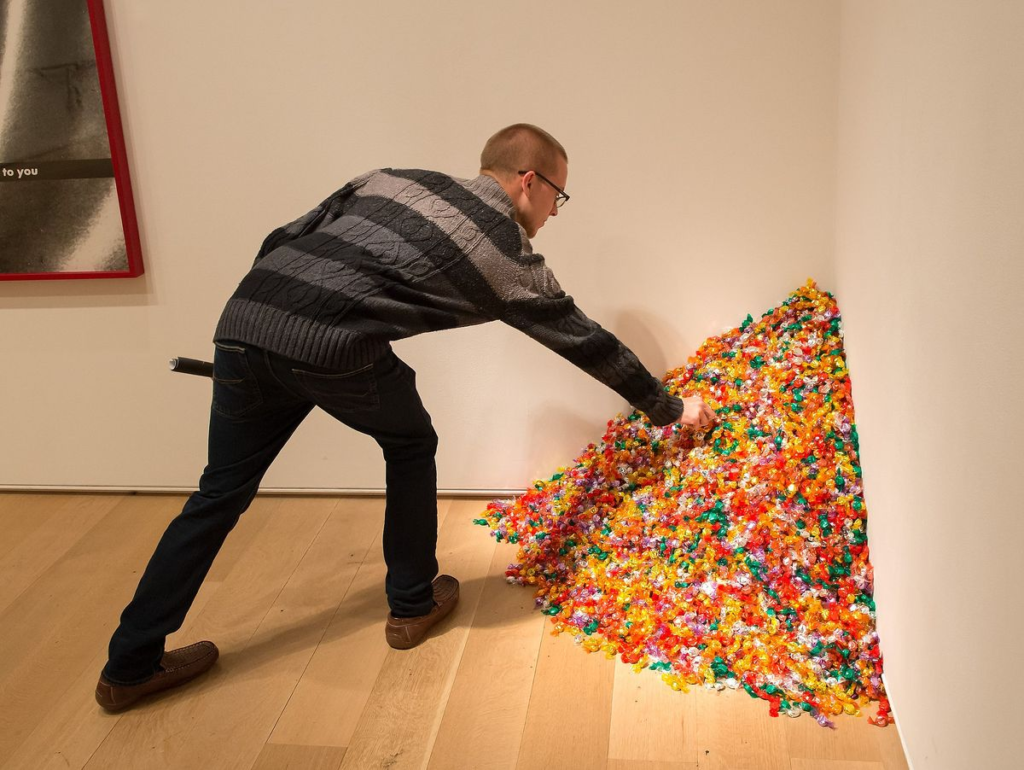
You have probably watched this happen. Someone walks into a contemporary art gallery, sees a pile of wrapped sweets on the floor or a single line running across a wall, and says the sentence everybody says. My kid could do that. Then they leave.
We say we did not understand the work. Misunderstanding sounds fair. But most of the time, we make no attempt at all. We look for four seconds, decide the work was not serious, and walk on. We do not misunderstand anything. We dismiss it and then call the art incomprehensible to show we have opinions.
My argument is simple. Contemporary art gets written off as frivolous long before anyone asks what the artist was actually doing. Very few people go past what is visible to the intention sitting behind it. And the history of art keeps showing us how badly that habit ages.
The Joke That Ended Up In The Syllabus
This is where I think contemporary art truly started, or at least got its foundations from. In 1916, a small group of writers and performers began meeting at a bar in Zurich called the Cabaret Voltaire. They read poems built from sounds instead of words. They wore costumes so stiff they could barely move on stage. They called it Dada, and even they could not agree on what the word meant.
The public treated it as a prank, and so did most of the press. Here were young people making noise on a stage while a war ran a few hundred miles away.
Read More: The Skull Was Never Just About Death: 8 Hidden Stories in Art
A year later, Marcel Duchamp walked into a plumbing supplier in New York, bought a urinal, signed it R. Mutt, and sent it to the first exhibition of the Society of Independent Artists. The Society had promised to accept everything, with no jury. Duchamp had helped get that rule passed, and he wanted to know whether they meant it. They did not.
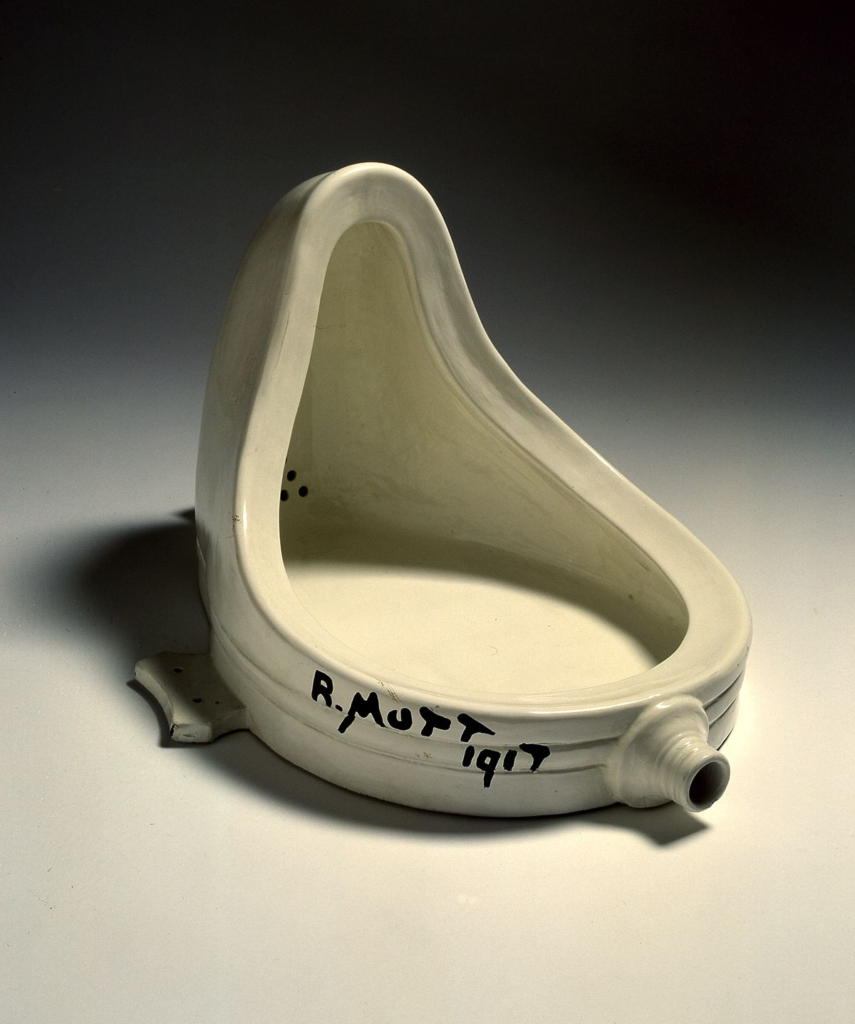
The fountain was removed from the show area, and the original was lost. In December 2004, five hundred British art professionals were asked to name the most influential artwork of the twentieth century. Fountain came first, ahead of Picasso’s Les Demoiselles d’Avignon.
The survey was commissioned by the sponsor of the Turner Prize.
Here is what the laughter missed at the time. Dada was a response to a war. These were people who had watched Europe put its science, its logic, and its factories to work and end up with trench warfare. If that was where reason led, nonsense looked like an honest reply. Once you know what those performances were answering, they stop being silly.
Why We Decide So Fast When It Comes To Contemporary Art
Skill is visible. Intention is not. Most of us were taught to judge art by how difficult it looks to make, and by that measure a pile of sweets loses to a portrait every time. Contemporary art moved the difficulty from the hand to the decision, and the decision leaves no marks on the surface.
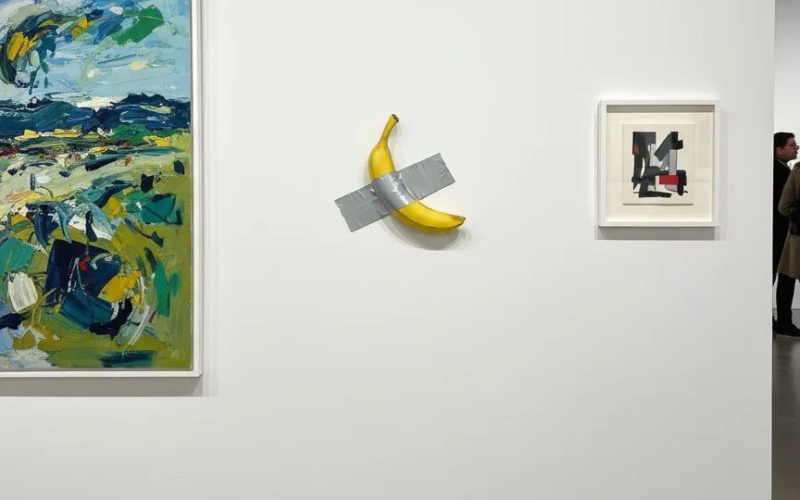
Money takes over the story of contemporary art as well. Cattelan’s Comedian, a banana taped to a wall, sold at Sotheby’s in November 2024 for 6.24 million dollars with fees to a crypto founder who later ate it. Almost nobody discussed what Cattelan was doing. The price became the whole subject, and the work became the joke.
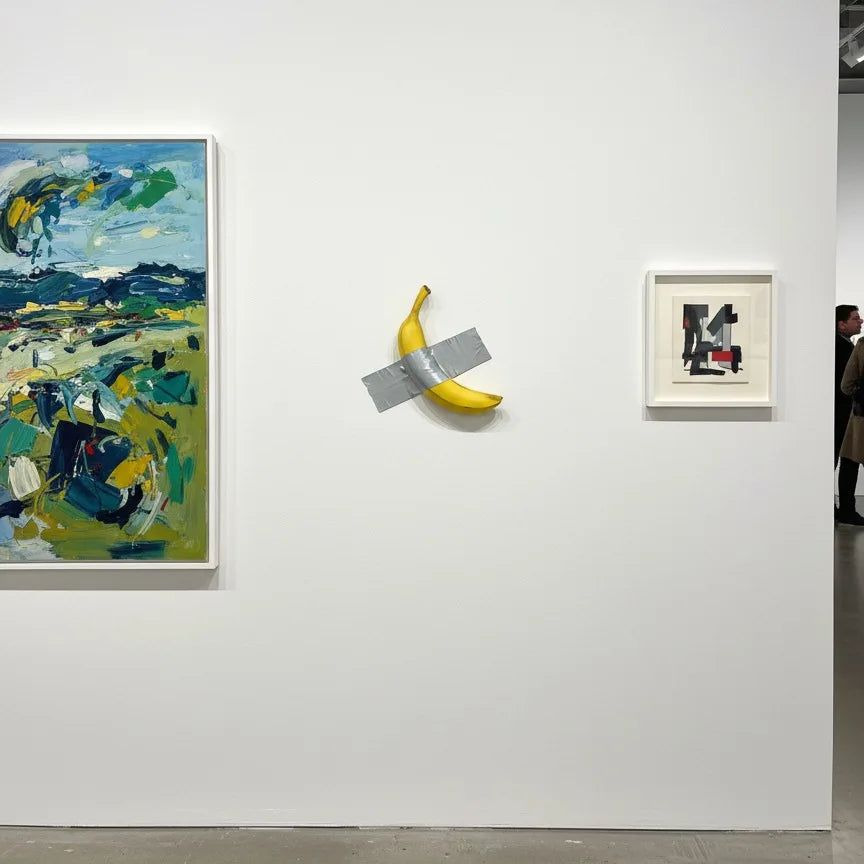
We also meet most contemporary art on a phone now. A photograph removes the scale, the room, the sound, the time you spend standing there, and the other people standing there with you. Plenty of work has nothing left once you take those away.
One Question Changes How You Look At Contemporary Art
Try asking what the artist was responding to. That is it. One question.
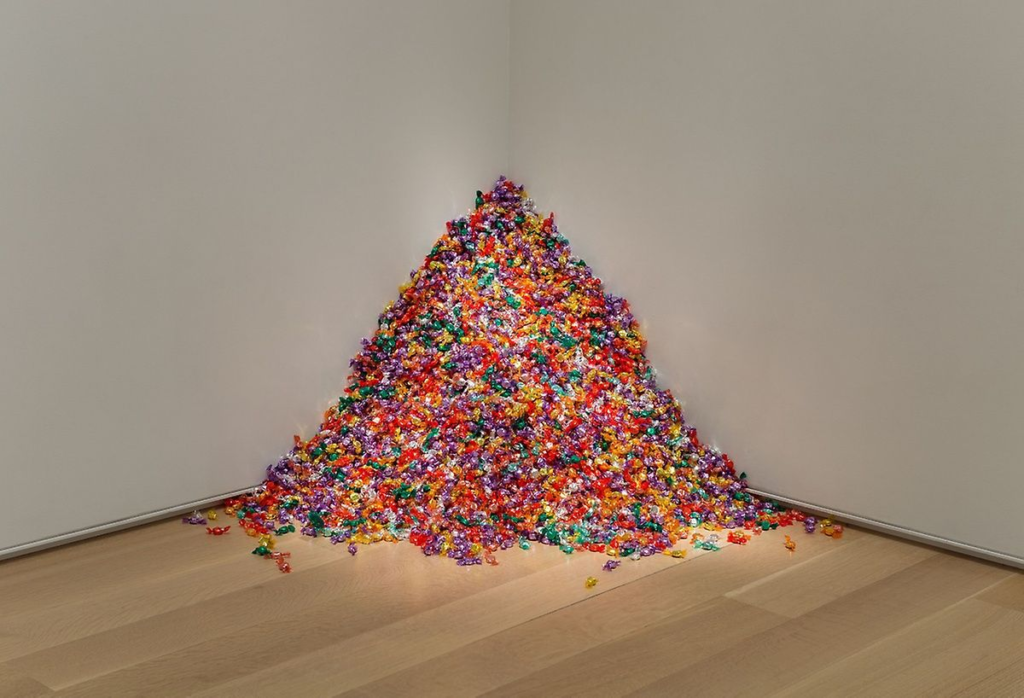
Felix Gonzalez-Torres made a work in 1991 that is a pile of wrapped candy on a gallery floor. Visitors are invited to take a piece and eat it. Described that way, it is nothing. The ideal weight of the pile is 175 pounds, which was the healthy body weight of Ross Laycock, the artist’s partner, who died of an AIDS-related illness that year. As visitors take the sweets, the pile shrinks. The museum refills it. Nobody needs a degree to feel what that does.
Doris Salcedo opened a crack across the concrete floor of the Turbine Hall at Tate Modern in 2007. As an object, it sounds like a repair job. It was about race and about who Europe decides to let inside. After the show closed, the crack was filled, and the line where it was filled is still visible on the floor.
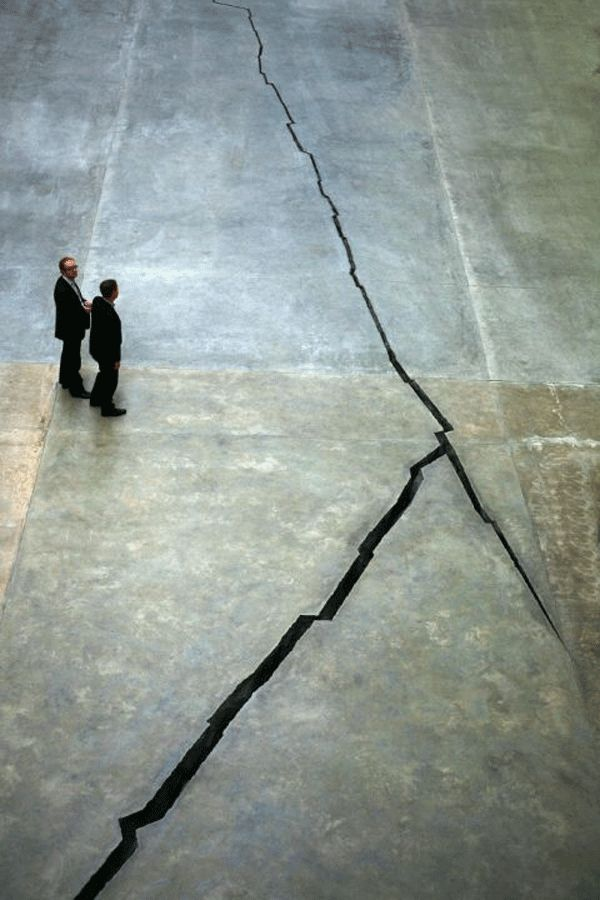
Neither work asks for an art history degree. Each asks for roughly two minutes of reading, and the reading is usually right there on the wall. We decide in advance that those two minutes are not worth spending.
Where The Dismissers Of Contemporary Art Have A Point
I do not think everything hanging in a contemporary art gallery is good. Plenty of it is thin. Some artists use their statements to cover work with very little behind it, and some galleries reward whoever is easiest to write about. Sometimes the first reaction is correct.
But judging contemporary art and refusing to look at it are different activities. The first happens after attention. The second takes the place of attention, and it is what most of us actually do, including people who work in art and should know better.
Read More: It Is Time to Retire the Myth of Tortured Artists
There is also a weak defense doing the rounds that I want to name. People say the public laughed at the Impressionists too, so the public is always proved wrong eventually. That does not hold. Dada earning its place on the syllabus does not promise the same ending for every provocation.
Our first reactions have a poor record. That gives us a reason to slow down. It does not hand us an obligation to approve of everything.
What This Asks Of Galleries, Curators, And Artists
Galleries, write the label for an intelligent person who never took an art class. Say what the artist was responding to and why this form rather than another one. Keep the theory for the catalogue.
Artists, explaining your intention behind a contemporary art piece is not an admission that the work failed. Nothing is lost when you say where a piece came from.
For everyone else, two minutes and one question when you next visit a contemporary art museum.
So, back to the title. My answer is that we mostly dismiss contemporary art. Misunderstanding would be a step up, because misunderstanding means we stayed long enough to get something wrong.
The Zurich performers were laughed at in 1916. Duchamp’s urinal was hidden from view in 1917. Both now turn up in the first few weeks of most art history courses. The people who dismissed them were not stupid. They were quick. That is the part worth carrying with you the next time you stand in front of something strange you find in contemporary art and feel the sentence forming in your mouth.
Postscript: Everything above is an argument for slowing down before you decide. The 101 Art Book: Faces Edition is built around the same idea. 101 artists, one hardcover book, and work that people are meant to stay with rather than pass. Submissions close 10 September 2026. Submit here.