


How Ahmedabad artist Basuri Chokshi reached the Cannes 2026 red carpet
At Arts to Hearts, we have always believed that the most rooted creative practices are the ones that were never really chosen they were simply absorbed, slowly and completely, long before the artist had a name for what was happening to them.
Our Best of the Art World editorial exists to find those artists. And today we are so genuinely excited to share one whose story begins in the most beautifully ordinary place a home full of quiet creativity.
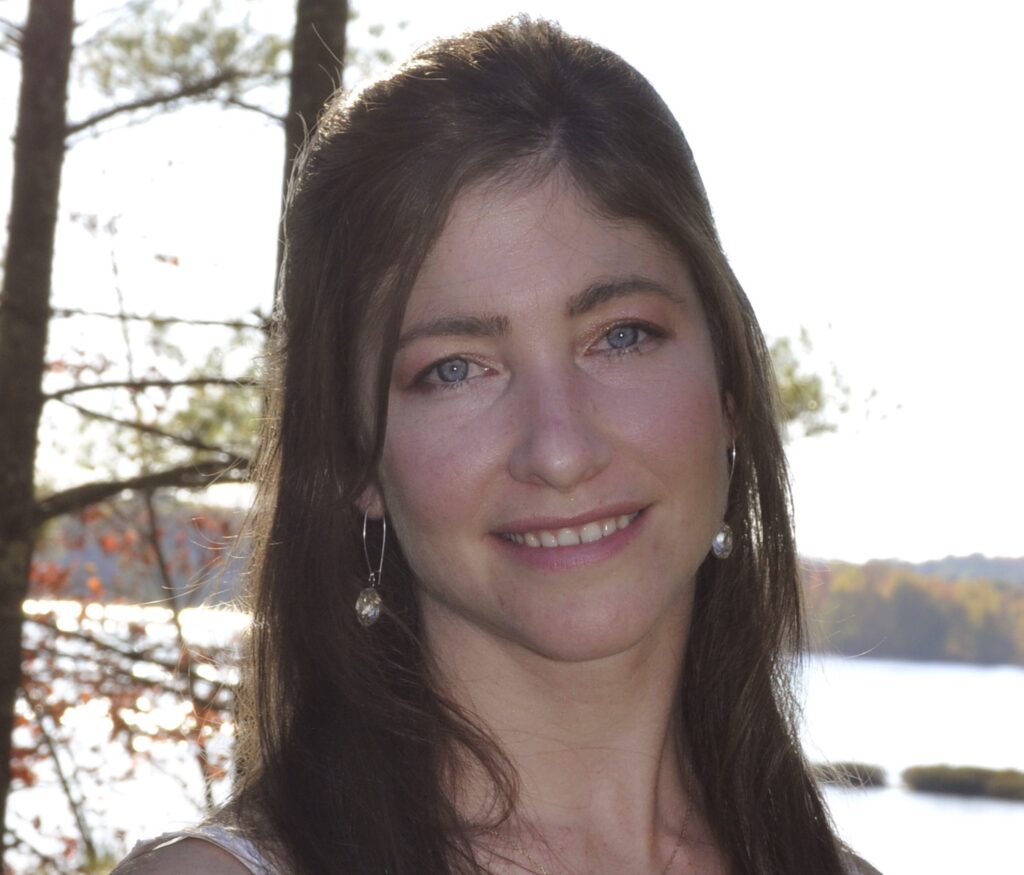
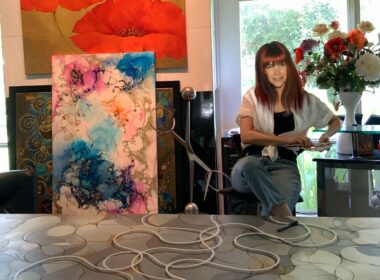
That person is none other than Basuri Chokshi, an Ahmedabad born, and based artist whose work has been quietly, steadily, and most recently quite spectacularly making its way into the world.

You may have already seen her work without knowing her name. Because earlier this year, Basuri painted the gown that Alia Bhatt wore to the Cannes Film Festival — a hand-crafted masterpiece that moved with the body, the artwork appearing and disappearing with every step, turning one of the most watched red carpets in the world into a living, moving canvas. It stopped people. It was talked about. And it was entirely, unmistakably hers.
But her story begins long before Cannes and long before any red carpet. It begins in a home where creativity was never labelled or celebrated as something special — it was simply part of how life was lived. Her father sketched jewellery designs.
Her grandmother wove flower garlands with patient, unhurried hands. Her mother marked the changing seasons by changing the pichhwai paintings on the walls. Nobody called any of it art.
It was just how beauty found its way into the everyday. And all of it quietly, completely, without a single lesson was shaping the way Basuri would one day see and feel and translate the world.

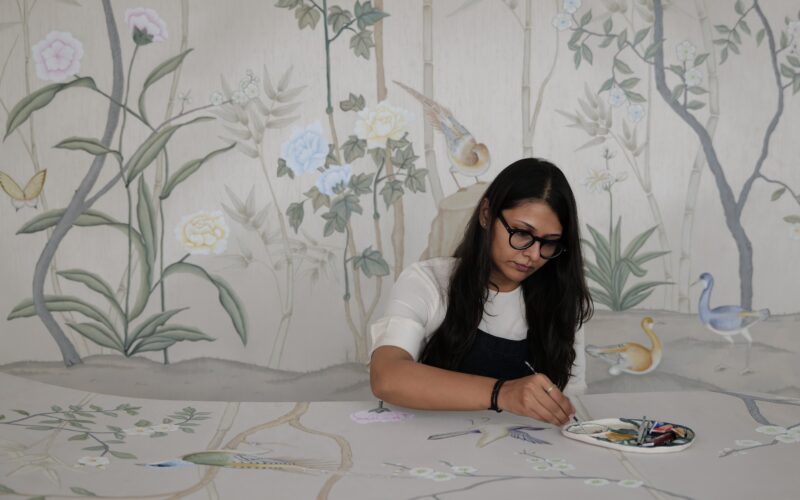
Today she is an artist and muralist whose practice moves fluidly between the intimate and the monumental. Between a single canvas and a 2,000 square foot wall. Between a deeply personal residential commission and a global brand. Between silk, wood, and vast architectural surfaces that she approaches not by imposing a fixed process but by listening carefully to what each material and each space actually needs.
Her visual language is immersive, organic, and deeply human rooted in nature, in flowing forms, in the particular warmth that only comes from something made entirely by hand. Her murals do not simply hang in spaces. They become part of them. Part of the morning light, part of the daily walk, part of the conversations held in their presence quietly revealing more of themselves the longer they are there.
She is, in every sense of the word, an artist who builds worlds. And we are so honoured to be introducing her to you.
Let’s get to know Basuri through our conversation with her, where she shares the home that shaped her, the practice she built from it, and what it really means to make art that becomes part of someone’s life rather than simply decorating it.
Q1. Can you share a little about your journey and when you first realized those early creative influences at home were shaping you as an artist?
I don’t think there was a single moment of realisation. Looking back, creativity was simply woven into everyday life at home. My father would sketch jewellery designs, my grandmother would patiently weave flower garlands, and my mother had this beautiful ritual of changing pichhwai paintings with the seasons.
At the time, it felt normal. Only much later did I realise that those small acts taught me to notice beauty, craftsmanship, storytelling and the emotional impact of visual surroundings. In many ways, my artistic language was being shaped long before I consciously chose art as a profession.

Q2. Your work feels deeply connected to nature, emotion, and storytelling how did you develop this soft and immersive visual language over time?
I think it developed organically through observation. I’ve always been drawn to things that feel alive and imperfect—nature, changing light, weathered surfaces, memories, emotions. Over the years, I found myself less interested in creating literal representations and more interested in creating atmospheres and feelings.
My work became a way of translating experiences into visual form, allowing viewers to step into a mood or a story rather than simply look at an image
Q3. You describe your murals as “hand-crafted narratives” what draws you to creating work that becomes part of someone’s environment?
I’ve always been fascinated by how spaces influence emotions. Unlike a painting that is viewed momentarily, a mural becomes part of someone’s everyday life. People wake up with it, walk past it, host conversations around it. It quietly becomes part of their memories.
That idea excites me—the possibility of creating something that continues to reveal itself over time and contributes to the atmosphere of a space rather than existing as a separate object.
Q4. Nature-inspired forms appear throughout your work what keeps drawing you back to florals, organic shapes, and flowing textures?
I don’t think I consciously developed it evolved through years of paying attention. I’ve always been fascinated by the way nature holds contradictions so effortlessly: strength and delicacy, order and wildness, permanence and change. Those contrasts feel deeply human to me.

Q5. How does your process change when creating large-scale murals that surround the viewer rather than hang on a wall?
Scale changes everything. When creating large immersive works, I stop thinking about the artwork as an object and start thinking about it as an environment. Movement, sightlines, proportions, and the way people physically experience the space become just as important as the painting itself.
The challenge is maintaining intimacy and detail while working at a scale that surrounds the viewer.
Q6. Your Starbucks mural is commercial and public. Your residential work like Secret Garden is deeply personal. Do you approach them differently?
The process differs, but the intention remains the same. Public projects require me to think about a wider audience and how people interact with the artwork and brand collectively. Residential projects tend to be more intimate and rooted in personal stories, memories, and emotions. In both cases, my role is to understand the essence of the space and create something that feels authentic to it.
Q7. What inspired you to create workshops around self-discovery and creativity through Paint Thy Art?
Being self-taught, I often wished there were spaces where people could learn creatively without the pressure of formal education. At the time, there weren’t many workshops or short-format learning opportunities available in our city.
A friend and I felt there was a need for a more accessible and exploratory environment, so i created Paint Thy Art. Over time, we realised that art wasn’t just about technique—it became a tool for self-expression, confidence, and personal discovery for many participants.
Q8. Does working across materials like walls, textiles, wood, and canvas change the way you think creatively?
Absolutely. Every material has its own personality. Silk behaves very differently from wood, and a wall responds differently than canvas. Each surface demands a different technical approach,
but it also influences the mood and character of the final work. Rather than imposing the same process everywhere, I try to collaborate with the material and allow its nature to guide certain creative decisions.

Q9. You recently brought your artwork into fashion through Alia Bhatt’s hand-painted Cannes gown what was it like seeing your art move on the body instead of a static surface?
It was both exciting and challenging. Unlike a wall or canvas, a garment is constantly moving and interacting with the body, so the artwork had to work from multiple angles and through changing forms.
What fascinated me most was seeing the painting respond to movement—certain details appearing and disappearing as the fabric flowed. It brought a completely new dimension to the work, allowing the artwork to unfold gradually rather than be seen all at once.
Q10. In a world dominated by digital imagery, do you think people are craving more tactile and human-made experiences through art?
I’m not sure if I can speak for audiences as a whole, but I certainly do. I’ve always been drawn to things that carry evidence of the human hand. There’s a certain warmth, imperfection, and energy in handmade work that can’t really be replicated. The small irregularities often become the most beautiful parts.
For me, those imperfections are not flaws—they’re what make something feel alive.
Q11. Does your approach to storytelling change when moving between intimate works and large-scale immersive murals?
The story remains the same, but the way it’s delivered changes. Smaller works invite close observation and quieter moments of discovery. Large-scale murals need to communicate from a distance while still rewarding closer inspection. It’s similar to writing—sometimes you’re telling a story through a whisper, and sometimes through an entire landscape.
Q12. How has your background in interior design influenced the way you think about space and composition?
My interior design background has been incredibly valuable. It taught me to think beyond the artwork itself and consider proportions, scale, architecture, lighting, and how people move through a space. Especially when translating a sketch onto a large wall, understanding dimensions and spatial relationships becomes essential. It allows me to design artwork that feels integrated rather than applied.

Q13. Do murals and interior-based artworks carry a different responsibility since they become part of people’s daily lives?
Absolutely. Most of my work is bespoke, which means every project begins with someone’s story, memory, aspiration, or emotional connection to a space. There’s a responsibility that comes with that.
The artwork isn’t simply an expression of my perspective—it becomes a reflection of theirs as well. I have to listen carefully and create something that feels meaningful, authentic, and timeless enough to live with for years. In that sense, the process becomes as much about empathy as it is about artistry.
Q14. Your work exists between art, design, and spatial experience do you think contemporary art is becoming more interdisciplinary?
I think the boundaries between disciplines are becoming increasingly fluid. Artists today are collaborating with architects, fashion designers, craftspeople, technologists, and brands in ways that weren’t as common before. Personally, I find that exciting because creativity rarely exists in isolation. Some of the most interesting work emerges when different disciplines inform and challenge one another.
Q15. Has your definition of success changed over time from when you first started creating to where you are now?
Very much so. Earlier, success felt connected to milestones, visibility, and external validation. Today, success feels more personal. It’s about being able to wake up excited to create, having the freedom to choose projects that resonate with me, and continuing to evolve without losing curiosity.
If I can keep making meaningful work while remaining creatively fulfilled, I consider that success.
Q16. What do you think younger artists misunderstand most about building a long-term creative career?
I often notice a desire to define everything too early—what their style should be, what success should look like, or how their career should unfold. Creativity is far less linear than that. Some of the most valuable opportunities and discoveries come from remaining flexible and allowing yourself to evolve. A creative career isn’t built through certainty; it’s built through curiosity, adaptability, and persistence.
Q17. What advice would you give artists trying to build a practice that feels both emotionally personal and professionally sustainable?
I would encourage them to spend less time trying to define themselves and more time exploring. The early years are meant for experimentation. Every experience, project, mistake, and detour teaches you something about your own creative voice. I believe we’re all equipped with a remarkably intelligent sense of intuition, and often the best opportunities come when we’re willing to listen to it. Build discipline, of course, but leave room for discovery. Sometimes the path unfolds more beautifully than the plan.

As our conversation with Basuri drew to a close, we found ourselves thinking about what it actually takes to build a creative practice that feels both deeply personal and genuinely enduring.
Not just technically skilled. Not just visually beautiful. But rooted in something true enough that it resonates with people across every kind of space and every kind of scale — from a single intimate canvas to a gown watched by the entire world at Cannes.
The answer, in Basuri’s case, is deceptively simple. She listened. To the spaces she was asked to transform. To the people whose stories she was asked to translate into art. To the materials she worked with and what they needed from her.

And to her own instincts, which were shaped long before she ever called herself an artist in the jewellery sketches, the garlands, the pichhwai paintings that changed with the seasons in the home she grew up in.
That quality of listening is what makes her murals feel the way they do. Not applied to a space but integrated into it. Not decorating a room but becoming part of it part of the light, the memory, the daily texture of the life lived inside it.
And for those who want their homes and spaces to hold something with that quality of presence, that level of craft, that genuine human warmth Basuri’s work is worth every moment of your attention.
From a home in Ahmedabad to the Cannes red carpet in 2026. The journey has been extraordinary. And we have a feeling it is only just beginning.
Follow Basuri’s journey and explore more of her work through the links below.