

What to Look Out for at Frieze New York 2026
As spring settles over Manhattan, the city once again prepares for one of the busiest and most closely watched moments in the contemporary art calendar. Collectors, curators, artists, and galleries from around the world are set to descend on New York for Frieze Week, transforming the city into a fast-moving landscape of fairs, exhibitions, gallery openings, performances, and late-night conversations that stretch from Hudson Yards to Tribeca and beyond.
At the center of it all is Frieze New York, returning to The Shed for its 15th edition with a lineup that reflects many of the shifts currently shaping the global art world. Alongside major blue-chip galleries, this year’s fair is placing growing attention on international voices, emerging artists, material-driven practices, and presentations that feel more immersive and deeply curated than purely market-focused.
Across the early previews, several clear themes are already beginning to emerge. Textile-based works, sculptural installations, and artists exploring identity, ecology, mythology, migration, and cultural memory are expected to play a major role throughout the week. At the same time, younger galleries and solo presentations continue gaining momentum, offering some of the most anticipated and visually compelling moments of the fair.
Below, we look at some of the artists, presentations, and conversations worth paying attention to at Frieze New York 2026.
A Strong Latin American Presence
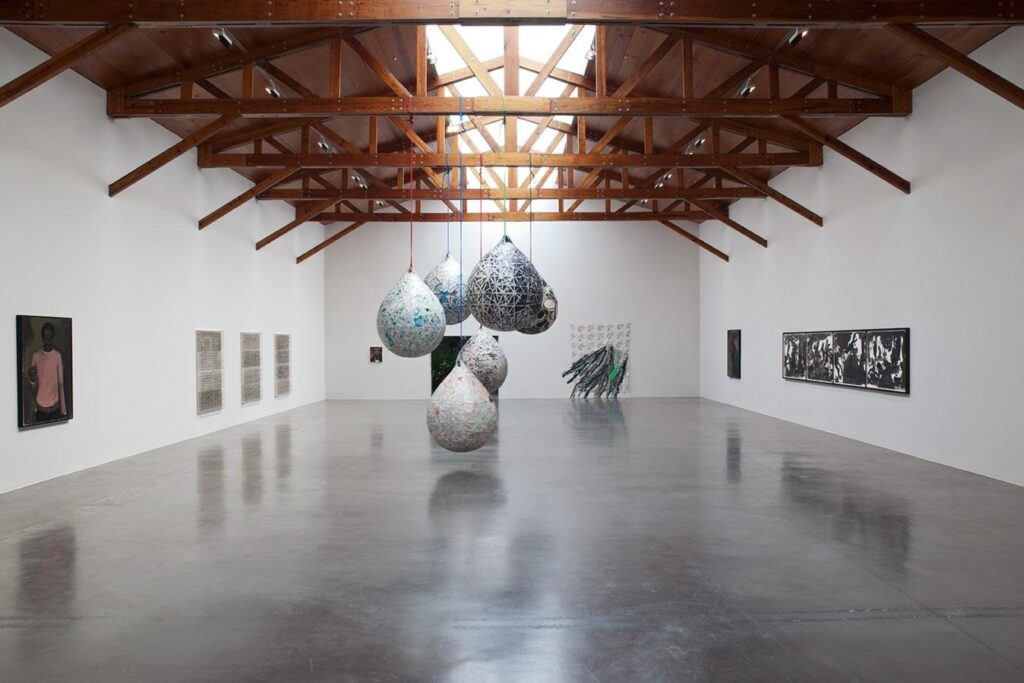
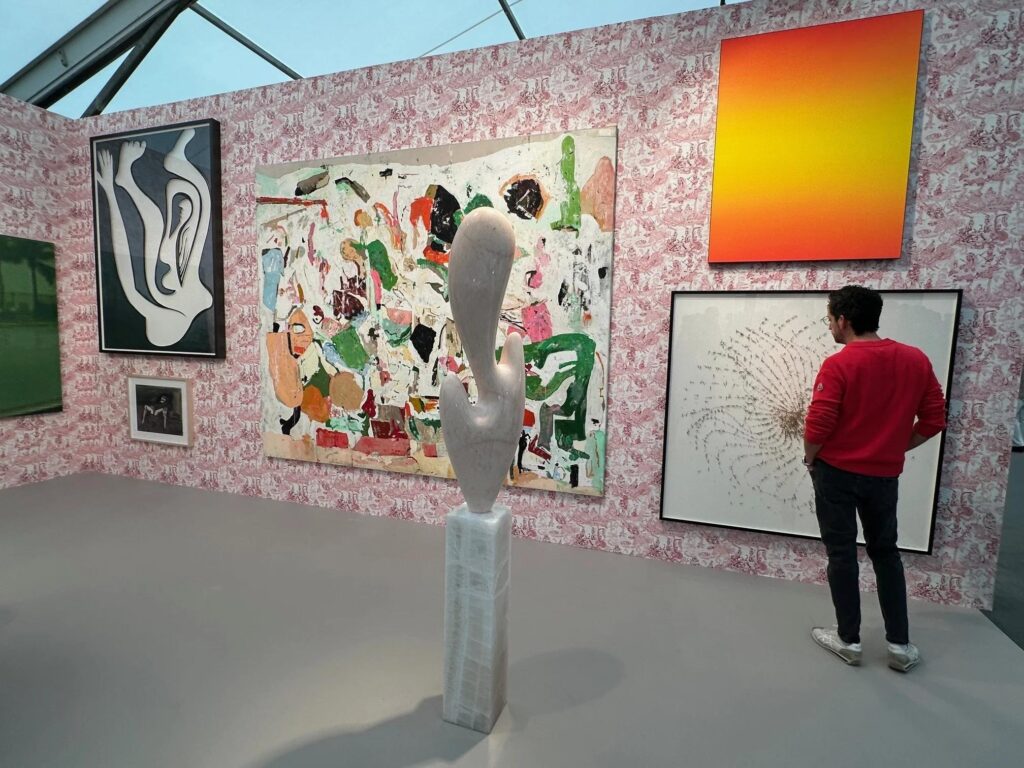
One of the clearest shifts already shaping Frieze New York 2026 is the growing visibility of Latin American artists and galleries across the fair. This year, the presence feels less like a supporting addition and more like one of the defining forces of the event itself, with galleries from Mexico, Brazil, and across Latin America expected to draw significant attention throughout the week.
Among the most anticipated participants are Mexico City–based galleries such as Kurimanzutto and OMR, alongside Brazilian exhibitors bringing presentations that reflect the increasingly global direction of the contemporary art world. Across many of the early previews, artists are exploring themes tied to migration, ecology, political history, memory, and identity through painting, sculpture, textiles, and large-scale installations.
What makes this moment especially compelling is the range of visual languages emerging from these presentations. Rather than leaning into polished spectacle, many artists are embracing tactile materials, handmade surfaces, and layered storytelling, creating works that feel deeply personal while still speaking to broader global conversations.
As Frieze New York begins to unfold, this strong Latin American presence is likely to become one of the fair’s most talked-about and visually striking highlights.
Yeni Mao’s Cyborg Sculptures
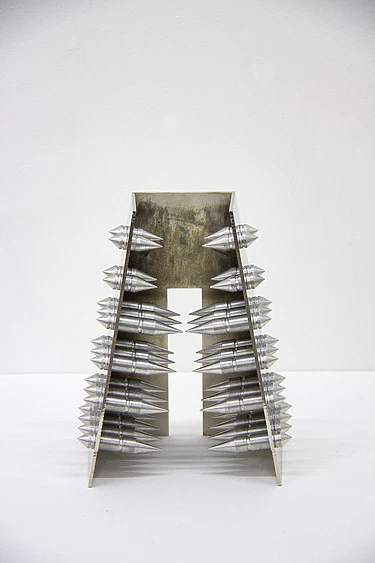
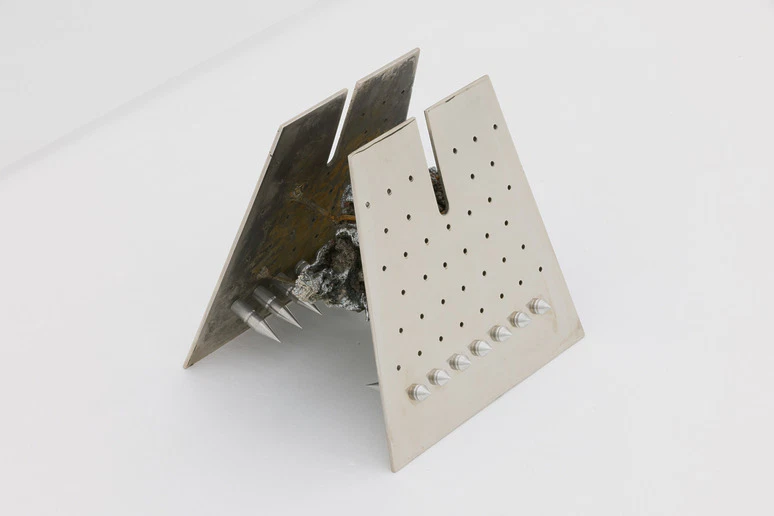
Among the more visually unexpected presentations expected at Frieze New York 2026 are the sharp, industrial sculptures of Yeni Mao. Presented by Sargent’s Daughters, the artist’s works blur the line between machine, body, and object through metallic structures that feel simultaneously futuristic and strangely human. Covered in spikes, perforated surfaces, and mirrored textures, the sculptures immediately command attention while also creating a slightly unsettling atmosphere around them.
What makes Mao’s practice particularly compelling is the tension between handcrafted labor and mechanical appearance. Although the works resemble industrial fragments or futuristic devices, they are deeply physical and carefully constructed, often incorporating found objects and meticulously cast elements into their surfaces. The result feels both cold and intimate at the same time.
As material-heavy and sculptural practices continue gaining momentum across contemporary art fairs, presentations like this reflect the growing appetite for works that feel immersive and tactile rather than purely decorative. Instead of polished minimalism, artists such as Mao are embracing sharp edges, strange forms, and emotional discomfort, creating installations that visitors are likely to remember long after leaving the fair.
During a week filled with paintings and crowded booths, these kinds of sculptural interventions may end up becoming some of the most photographed and talked-about moments across the city.
Joe Bradley’s Bold Abstract Paintings
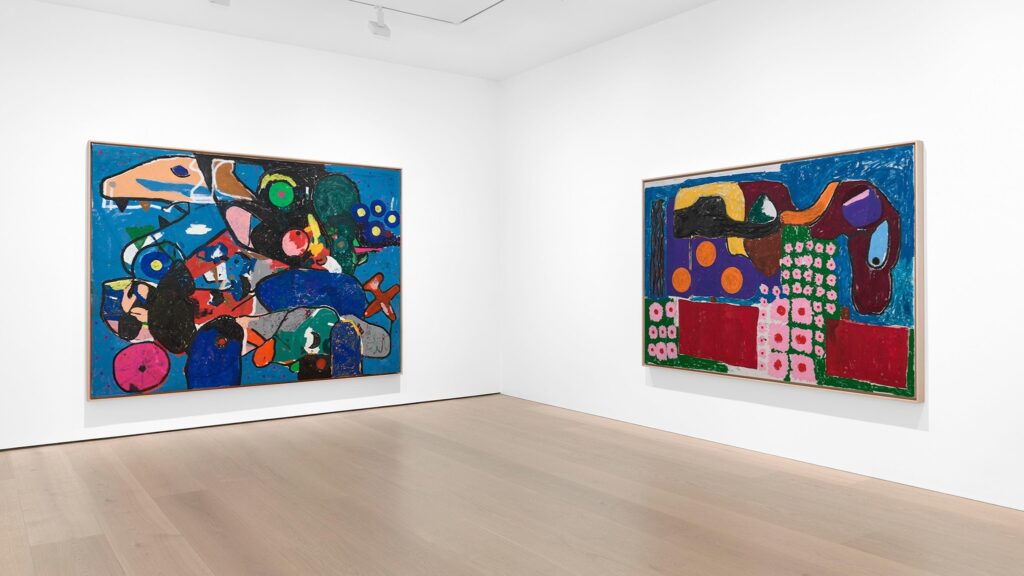
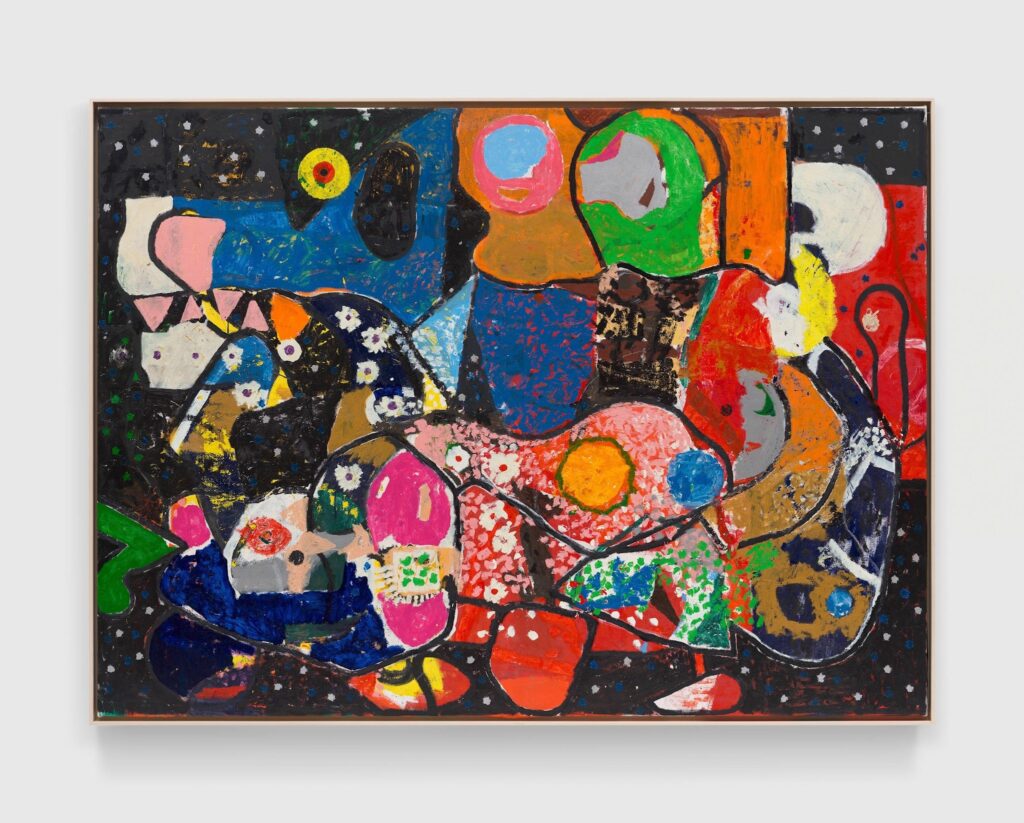
David Zwirner’s presentation of new works by Joe Bradley is already shaping up to be one of the most anticipated solo booths at Frieze New York 2026. Known for his raw yet carefully balanced approach to abstraction, Bradley continues to create paintings that feel spontaneous, layered, and emotionally charged all at once. His works move somewhere between figuration and abstraction, often using bold color, rough gestures, and fragmented forms that invite multiple interpretations.
What makes Bradley’s paintings stand out during a week filled with visual overload is their ability to feel energetic without becoming chaotic. Some canvases appear sparse and almost unfinished, while others are densely packed with geometric forms, thick marks, and vivid contrasts. That tension between control and instinct has become central to his practice and continues to draw strong attention from both collectors and curators.
This year’s presentation is also likely to resonate because of the broader return of expressive painting across the contemporary art world. After years dominated by ultra-polished aesthetics and digital experimentation, many audiences seem increasingly drawn toward works that feel immediate, physical, and visibly handmade.
As visitors move through Frieze and the surrounding fairs, Bradley’s booth is expected to become one of the week’s strongest examples of how abstraction continues evolving while still maintaining a powerful emotional presence.
Tania Candiani’s Hidden Root Systems
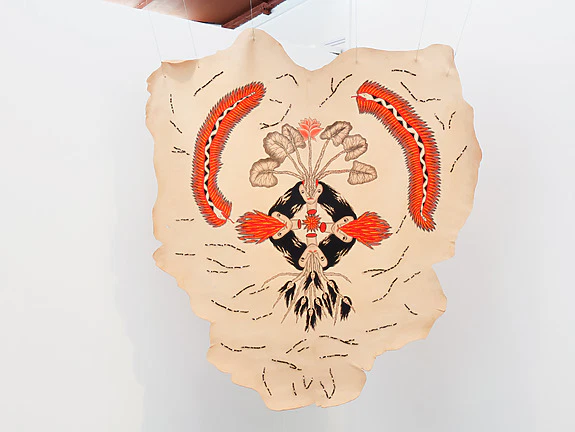
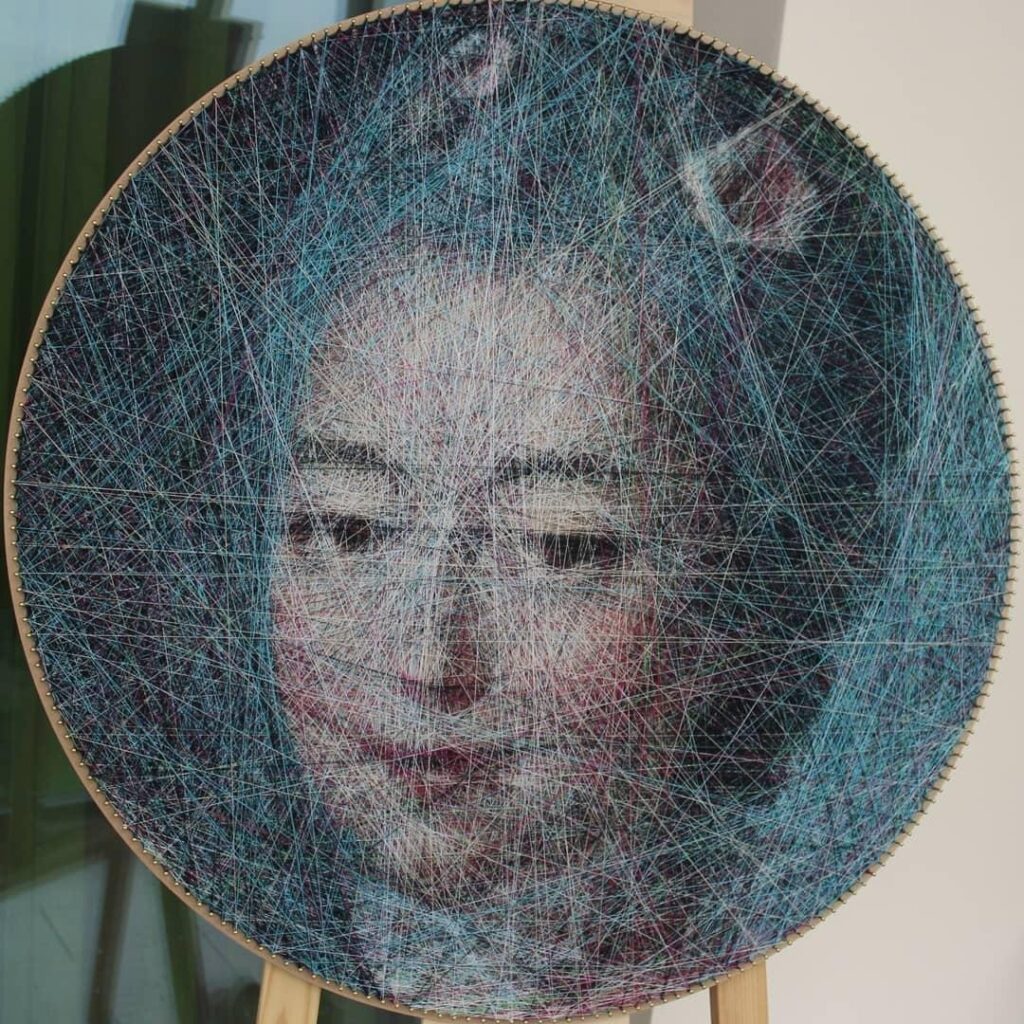
Among the more quietly powerful presentations expected at Frieze New York 2026 are the works of Tania Candiani, whose intricate thread-based pieces transform natural systems into delicate visual architectures. Presented through the Brazilian gallery Vermelho, Candiani’s works from her Root Systems series use stitched black thread across raw canvas surfaces to create sprawling compositions inspired by underground networks of roots and organic growth.
At first glance, the works resemble detailed drawings, but closer viewing reveals the labor-intensive process behind them. Using sewn thread rather than paint or ink, Candiani creates images that feel simultaneously fragile and expansive, balancing scientific observation with poetic abstraction. The result is deeply tactile and meditative, especially within the fast-moving atmosphere of an art fair.
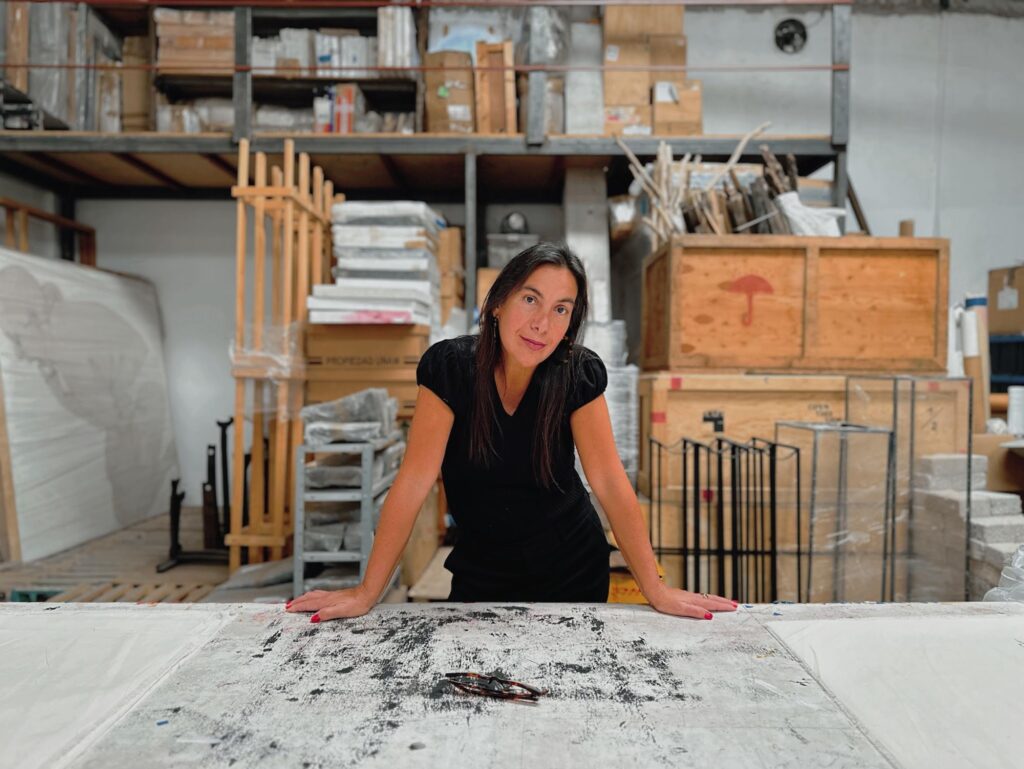
Themes surrounding ecology, interconnection, and environmental fragility continue to appear throughout many of this year’s anticipated presentations, making Candiani’s work especially resonant within the broader mood of Frieze New York 2026. Rather than relying on spectacle, the artist creates a slower viewing experience that encourages attention to detail and material process.
As textile and craft-based practices continue gaining visibility across contemporary art, works like Candiani’s reflect the growing interest in artists who merge conceptual depth with physical labor and handmade techniques. During a week dominated by visual intensity, her presentation may become one of the fair’s more understated but memorable highlights.
Citra Sasmita’s Textile-Based Mythologies
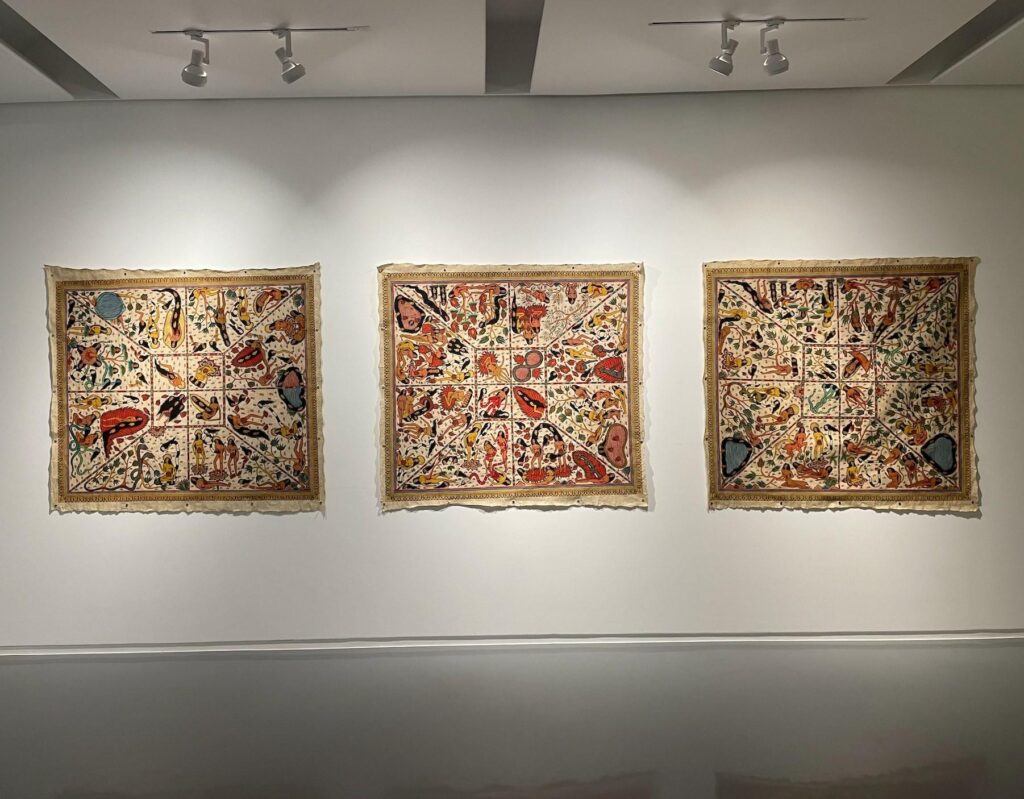
Southeast Asian artists are expected to command growing attention at Frieze New York 2026, and among the standout names is Indonesian artist Citra Sasmita. Presented by Yeo Workshop, Sasmita’s richly layered works combine painting, textiles, beads, embroidery, and mythological imagery into visually dense compositions that feel both historical and strikingly contemporary.
Drawing inspiration from Balinese traditions and Kamasan painting, Sasmita reinterprets narratives that have historically portrayed women through patriarchal perspectives. Her works instead center female figures as powerful, spiritual, and confrontational presences, often surrounded by intricate patterns, symbolic imagery, and dramatic color contrasts. The inclusion of fabric and textile elements adds another layer of meaning, referencing histories of trade, labor, and cultural exchange across Southeast Asia.
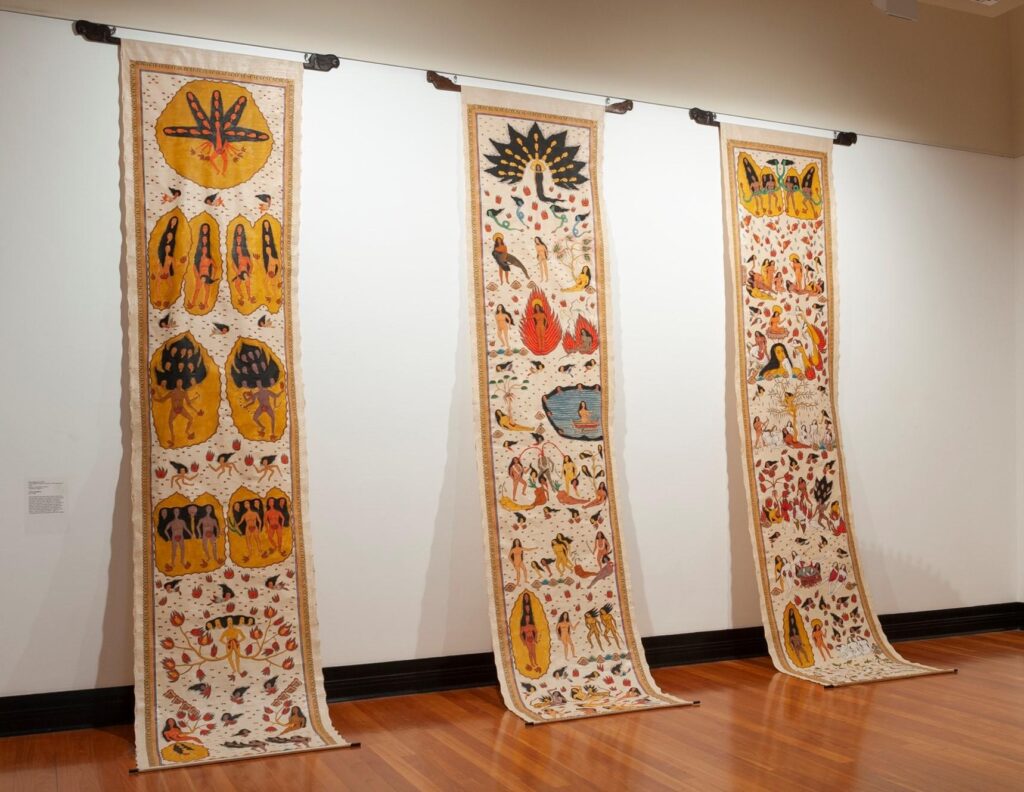
What makes Sasmita’s work particularly compelling within the context of Frieze is the way it balances beauty with political and cultural critique. While the works immediately attract attention through their visual richness, they also explore deeper conversations surrounding gender, colonialism, mythology, and identity.
As contemporary art fairs continue embracing textile and craft-based practices, artists like Sasmita represent a broader shift toward storytelling-driven works that feel materially layered and culturally specific. During a week filled with large-scale installations and market-heavy presentations, her booth is likely to become one of the more visually immersive and intellectually engaging stops across the fair.
Hayley Barker’s Atmospheric Landscapes
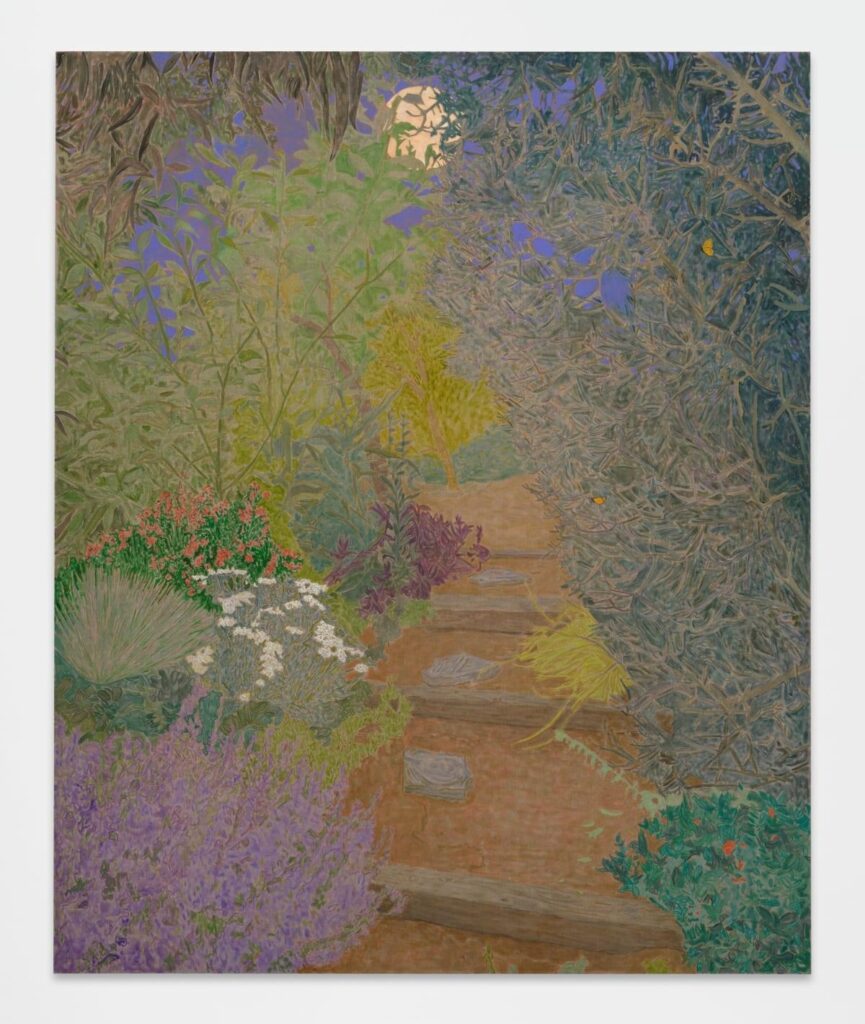
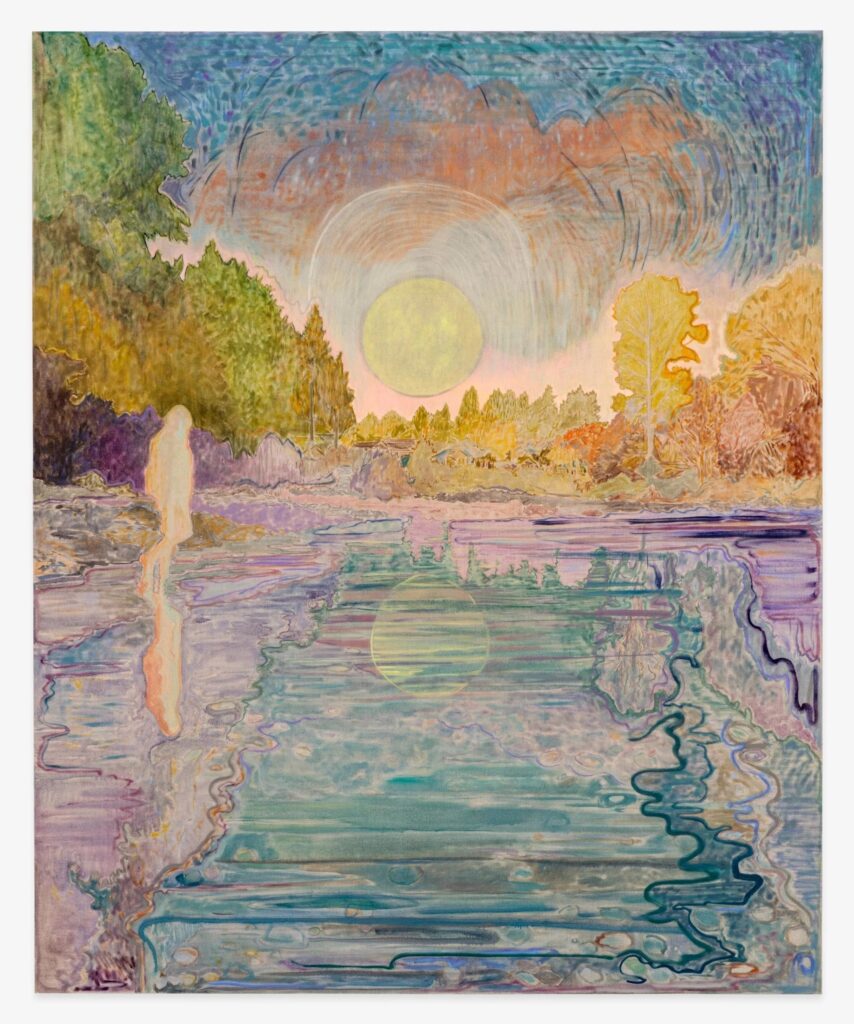
Among the quieter yet visually captivating presentations expected at Frieze New York 2026 are the luminous landscape paintings of Hayley Barker. Presented by Night Gallery, Barker’s newest body of work draws inspiration from the American Southwest, translating desert landscapes, horses, and natural environments into soft, dreamlike compositions filled with light and movement.
What immediately stands out about Barker’s paintings is their sense of stillness. Built through layers of delicate brushwork, the works feel immersive without becoming overwhelming, inviting viewers into spaces that appear suspended somewhere between memory and imagination. Horses emerge gently from glowing backgrounds, while trees, fields, and atmospheric skies dissolve into hazy washes of color and texture.
This new series also marks a subtle shift within Barker’s practice, influenced by time spent in New Mexico and experiences connected to equine therapy and the surrounding desert landscape. That emotional connection to place becomes visible within the paintings themselves, which feel deeply attentive to rhythm, nature, and quiet observation.
During a week often dominated by monumental installations and visually loud presentations, Barker’s works may offer a different kind of experience, one rooted in slowness, intimacy, and emotional atmosphere. As audiences continue gravitating toward art that feels personal and immersive rather than purely spectacular, her paintings are likely to become one of the more quietly memorable presentations of the week.
Pacita Abad’s Vibrant Textile Works
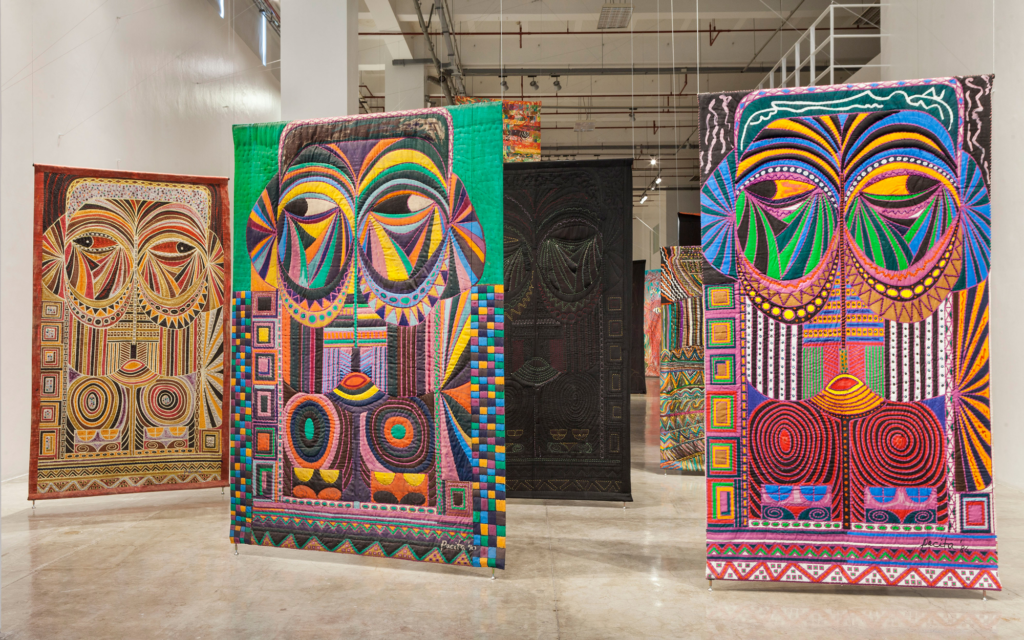
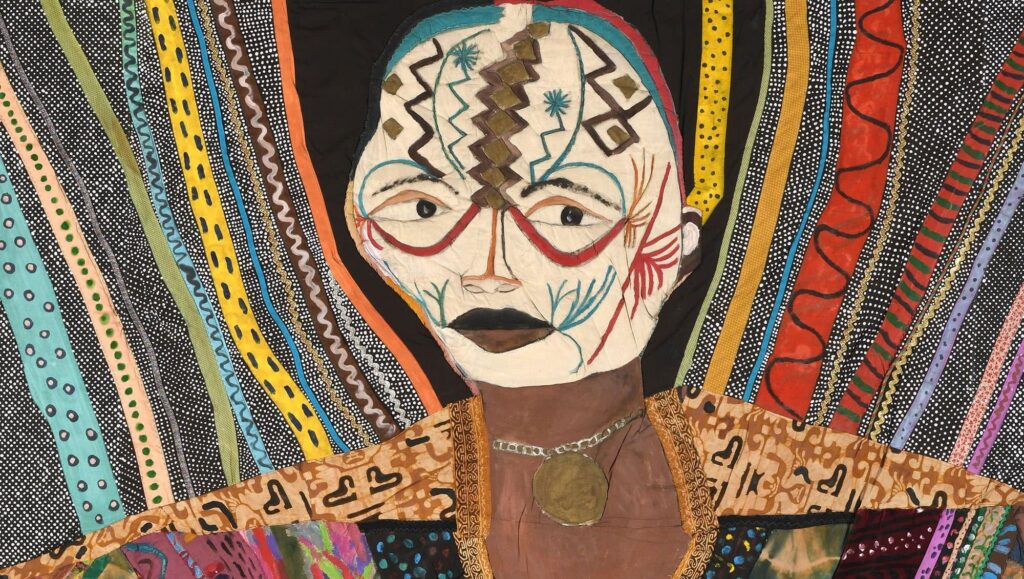
Few artists expected at Frieze New York 2026 embody color, material experimentation, and cultural storytelling as vividly as Pacita Abad. Coinciding with her exhibition Door to Life at Tina Kim Gallery, works from Abad’s celebrated series are set to become some of the fair’s most visually striking presentations.
Known for pushing the boundaries between painting, textile, and craft, Abad developed a highly distinctive artistic language shaped by years of travel across Asia, Africa, and the Middle East. Her works combine stitched fabric, embroidery, beads, mirrors, and painted surfaces into layered compositions that feel simultaneously architectural and deeply personal. The vibrant geometric forms and bold color palettes immediately draw attention, but the works also carry strong references to migration, identity, labor, and cultural exchange.
One of the most compelling aspects of Abad’s practice is the way it challenges traditional hierarchies within contemporary art by embracing textile and craft techniques often excluded from mainstream conversations around painting. Today, as material-based practices continue gaining renewed attention across major fairs and institutions, her work feels especially relevant within the larger atmosphere of Frieze New York 2026.
Surrounded by sleek fair booths and large-scale installations, Abad’s richly textured works are likely to stand out not only for their visual intensity but also for the sense of warmth, movement, and lived experience embedded within them.
Southern Guild’s Expanding Presence in New York
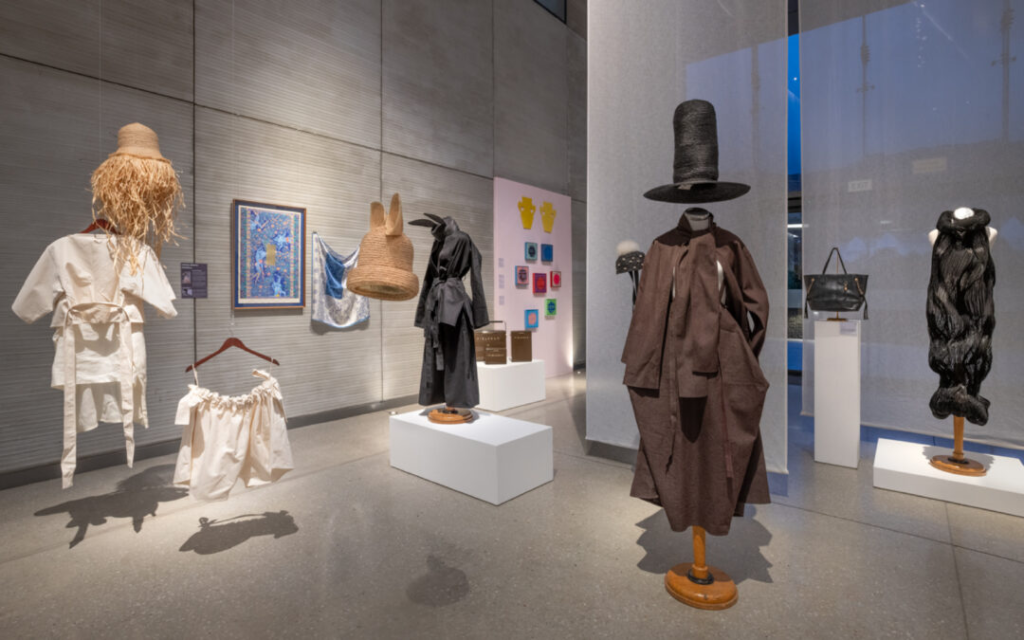
One gallery expected to generate significant attention at Frieze New York 2026 is Southern Guild, the Cape Town–based gallery that recently expanded into New York with a new Tribeca space. Known for championing contemporary African and diasporic artists, the gallery’s growing presence in the city reflects the broader international direction shaping this year’s fair.
At Frieze, Southern Guild is bringing together artists whose practices move across sculpture, textiles, painting, and installation while remaining deeply connected to themes of history, identity, materiality, and cultural memory. Among the artists likely to attract attention are Patrick Bongoy, whose textured sculptural works transform discarded materials into intricate forms, and Zizipho Poswa, whose large ceramic sculptures reference African traditions through monumental scale and striking surface detail.
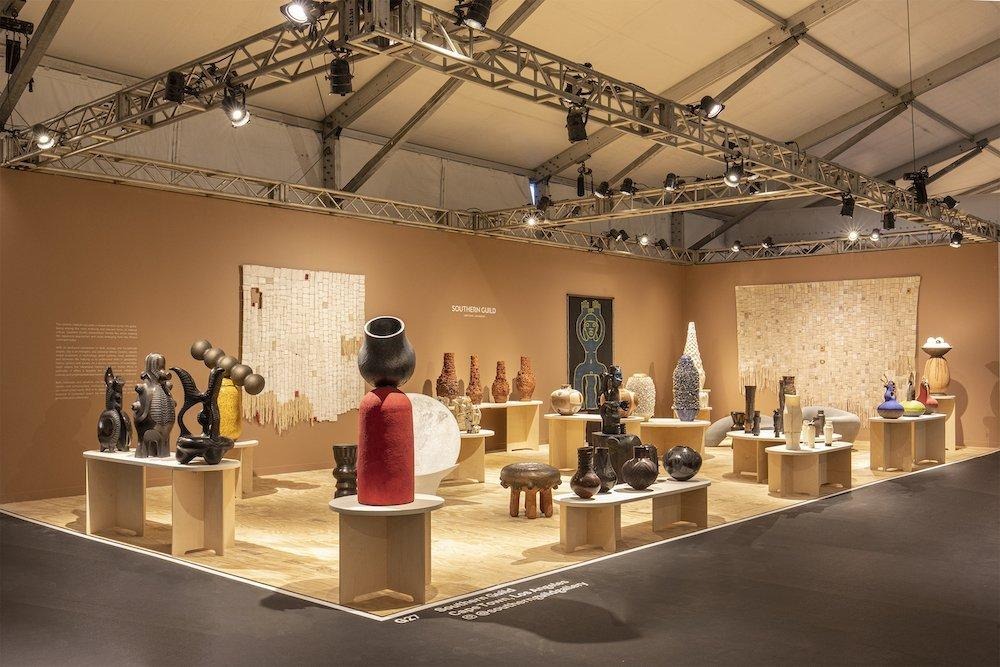
What makes Southern Guild’s presentations particularly compelling is the way they balance visual impact with strong conceptual grounding. Rather than presenting works that rely purely on spectacle, the gallery consistently highlights artists whose practices are rooted in storytelling, labor, and cultural specificity.
The gallery’s expansion into Tribeca also feels significant within the context of Frieze Week itself. As New York continues becoming a crossroads for increasingly global artistic conversations, spaces like Southern Guild reflect how contemporary art audiences are seeking perspectives beyond traditional Western art centers.
During a week filled with international fairs and major blue-chip presentations, Southern Guild’s presence is likely to become one of the clearest examples of how contemporary African and diasporic art continues reshaping the global art landscape.
Frieze New York’s Atmosphere Is Part of the Experience
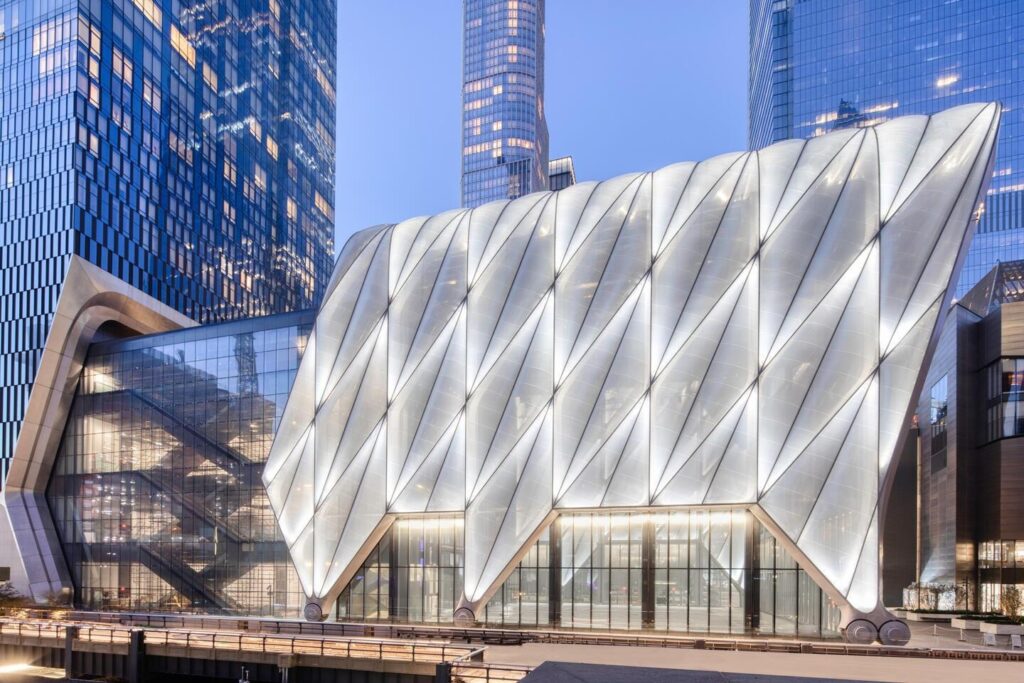
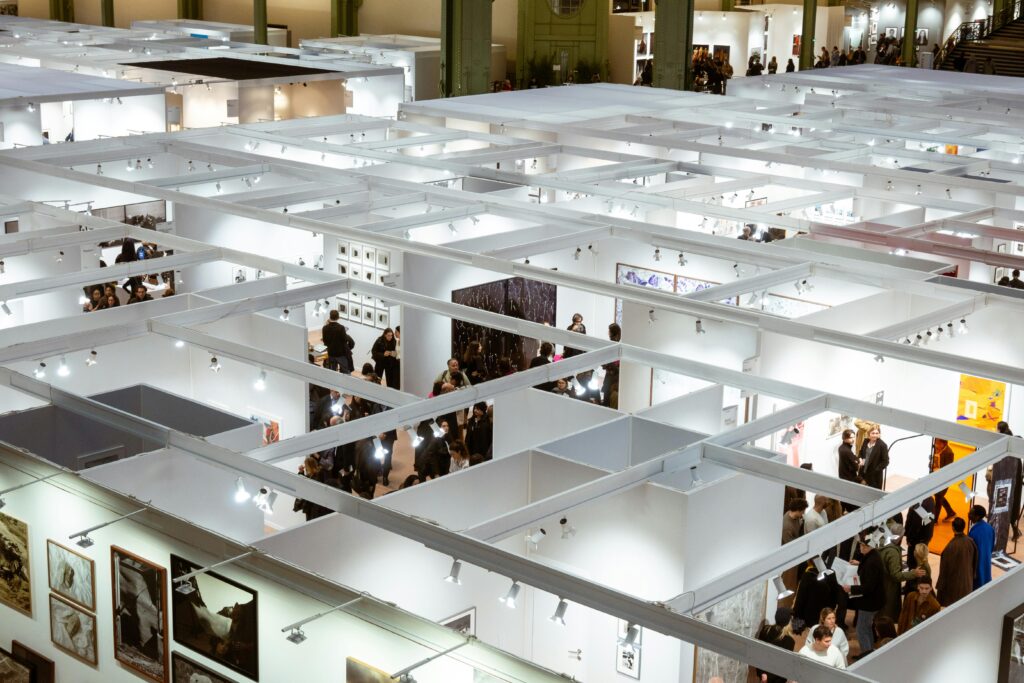
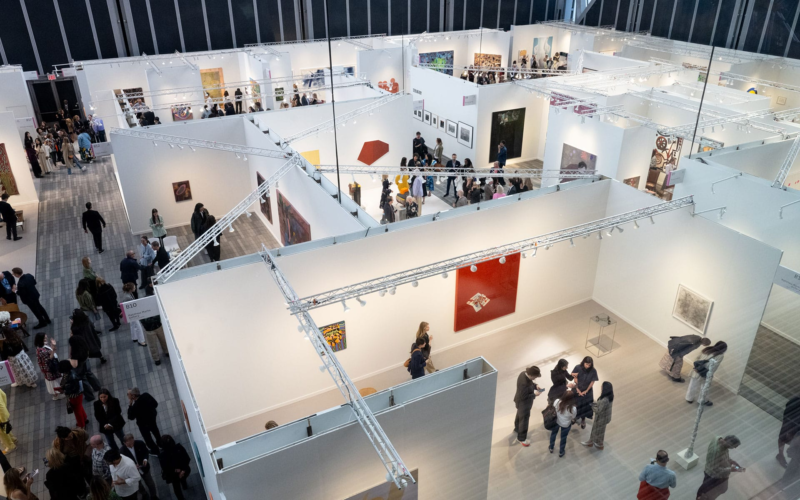
Beyond the individual artists and booths, part of what continues to define Frieze New York is its atmosphere. Returning once again to The Shed in Hudson Yards, the fair has become one of the central gathering points of New York Art Week, bringing together collectors, curators, artists, galleries, and visitors from across the global art world for a few intensely busy days in Manhattan.
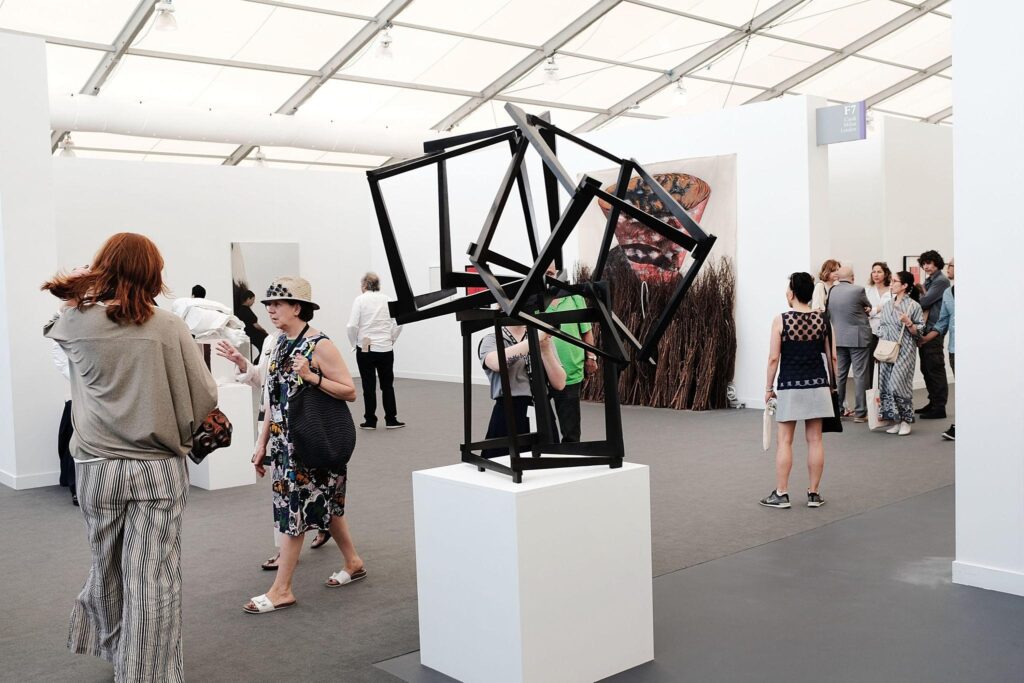
What makes Frieze particularly compelling is the balance it creates between blue-chip presentations and emerging voices. Visitors can move from major international galleries to younger experimental spaces within minutes, creating a viewing experience that feels fast-paced but also unexpectedly varied. Throughout the fair, conversations around painting, sculpture, textiles, installation, performance, and material experimentation all exist side by side.
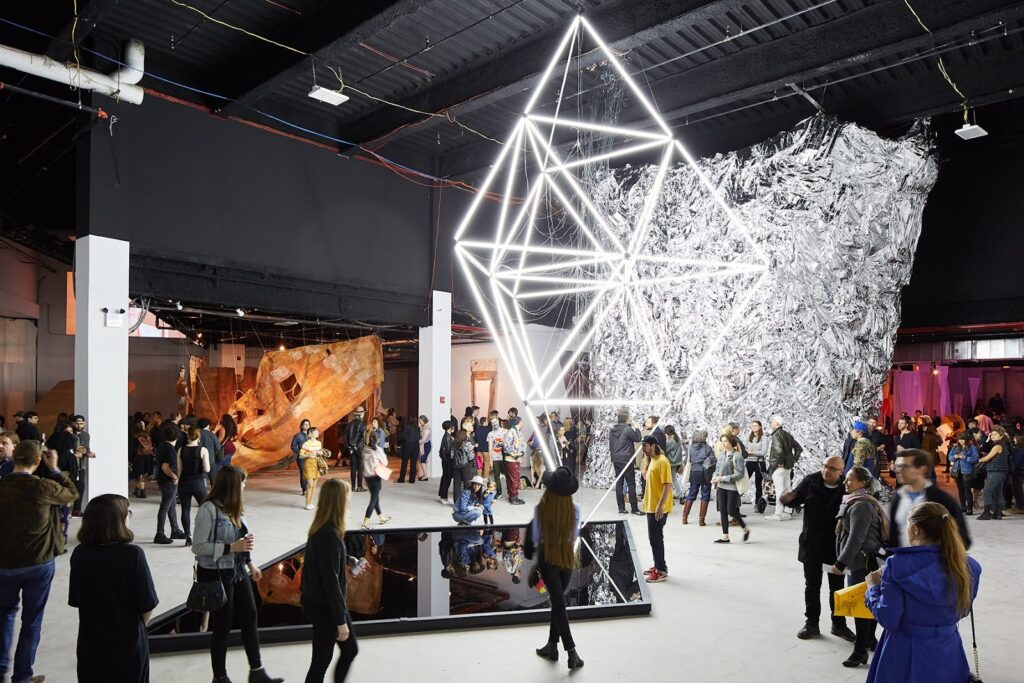
The visual energy of the fair itself also plays an important role. Monumental installations, carefully designed booths, crowded aisles, and constantly shifting conversations create an atmosphere that feels somewhere between exhibition, marketplace, and cultural event. During Frieze Week, the fair becomes less of a traditional commercial space and more of a temporary ecosystem where much of the contemporary art world briefly converges in one place.
For many visitors, that atmosphere is part of the reason Frieze continues to remain such an important fixture within the global art calendar.
Downtown Gallery Energy Beyond the Fair
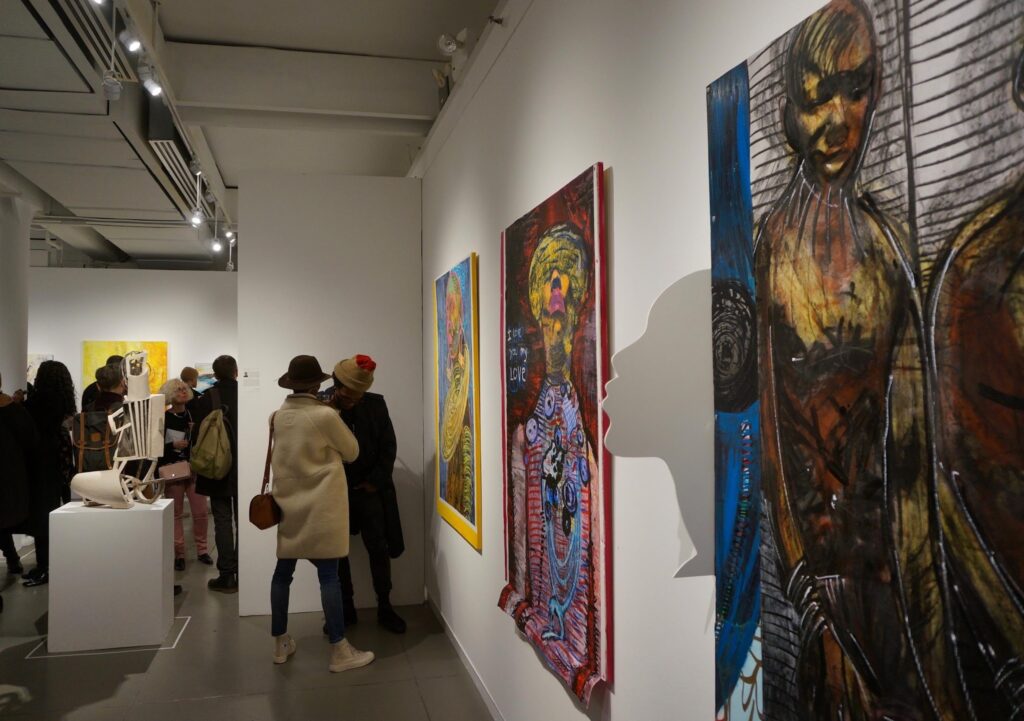
Although Frieze remains the center of attention during Art Week, some of the most memorable experiences often happen beyond the fair itself. Across Chelsea, Tribeca, and the Lower East Side, galleries throughout the city are preparing major openings, artist talks, performances, and late-night events that continue long after the fair doors close.
Tribeca Gallery Night is already shaping up to be one of the busiest moments of the week, with visitors expected to move between dozens of openings throughout the neighborhood. Chelsea’s gallery scene is also likely to remain especially active, with evening gallery walks transforming the area into one of the city’s biggest cultural gathering points during Frieze Week.
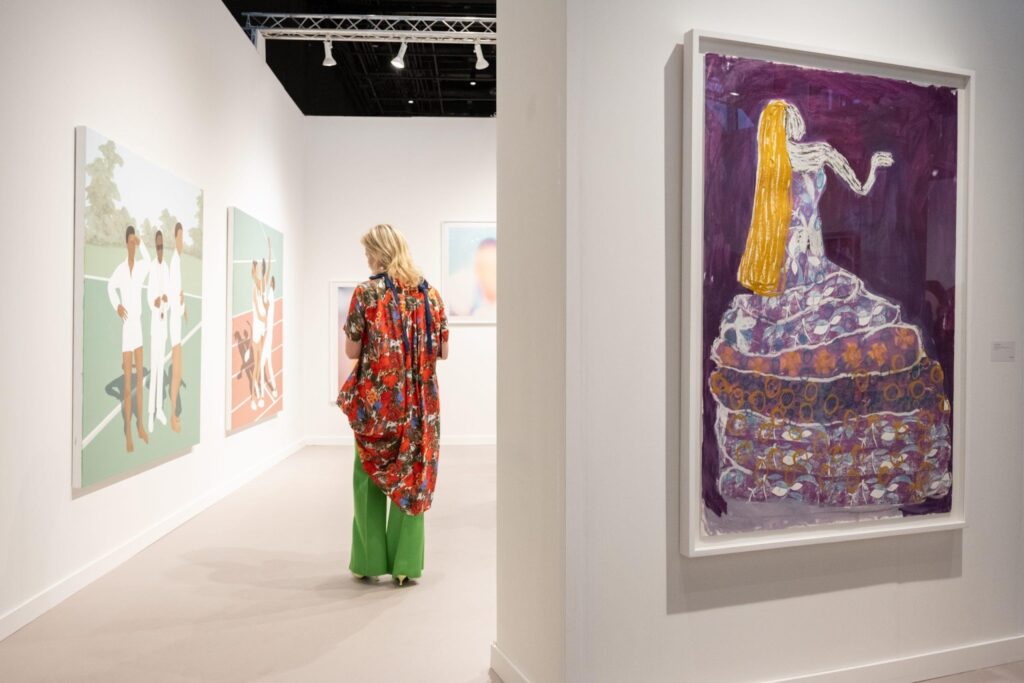
Part of what makes these gallery experiences so compelling is their unpredictability. Some of the works people remember most from Art Week are not always found inside the main fair, but inside smaller gallery spaces discovered while moving through the city between appointments and events. The slower pace of galleries also offers a different experience from the intensity of the fair itself, allowing visitors to spend more time with individual exhibitions and installations.
As collectors, curators, artists, and visitors spread across Manhattan throughout the week, these downtown gallery neighborhoods continue to give Frieze Week much of its energy, spontaneity, and atmosphere, turning the entire city into an extension of the fair itself.
As Frieze New York 2026 prepares to take over the city once again, this year’s edition already feels shaped by a strong sense of international exchange, material experimentation, and deeply personal storytelling. Across the fair and the surrounding gallery scene, artists are increasingly embracing textile practices, sculptural forms, layered histories, and immersive installations that move beyond purely market-driven spectacle.
At the same time, the week continues to reflect the evolving nature of contemporary art itself. Emerging voices are appearing alongside blue-chip galleries, global perspectives are becoming more central to the conversation, and visitors are increasingly seeking experiences that feel thoughtful, tactile, and emotionally resonant rather than simply overwhelming.For one week, New York once again becomes a meeting point for artists, collectors, curators, galleries, and audiences from around the world, transforming the city into a fast-moving landscape of exhibitions, conversations, performances, and discoveries. Whether inside Frieze itself or somewhere deeper within the city’s gallery neighborhoods, many of the week’s most memorable moments are likely to come from the unexpected presentations and artists that continue pushing contemporary art into new directions. Which artist or presentation are you most excited to see at Frieze New York 2026?
Looking beyond Frieze New York 2026, May is already shaping up to be a major month for contemporary art around the world. From museum blockbusters to gallery presentations and international exhibitions, explore our latest roundup of the exhibitions to see in May 2026.