



10 Proven Tricks to Win Grants and Keep Making Art

Art Shouldn’t Come at the Cost of Your Groceries
Let’s be honest. Many artists have been quietly trained to feel lucky just to be creating. You’re expected to be grateful for exposure, to hustle nonstop, and to make ends meet through part-time jobs, side gigs, or weekend commissions. But at some point, “just getting by” starts draining your art.
Grants exist so you don’t have to sacrifice essentials for your passion. They’re not handouts, they’re partnerships. Funding institutions want to support creative work that matters, and that includes yours.
The idea that grants are only for elite artists is false. If you’ve been putting off applying because you don’t feel “ready,” it’s time to reframe that thinking. Readiness isn’t about credentials. It’s about clarity, structure, and knowing how to tell your story in a way that resonates.
The real challenge isn’t the lack of grants, it’s learning how to approach them strategically. Most grants go unclaimed simply because artists don’t apply, or they apply with rushed, unclear proposals. This article is your step-by-step cheat sheet to flip that.
So yes, you absolutely can keep making art without starving. But it starts with shifting how you think about money, worth, and your right to financial support.
Start with the Right Kind of Grant for Your Practice
You don’t need to apply for everything all at once. Think of grants like shoes, you’re not going to run a marathon in stilettos. Different grants are designed for different types of projects and phases in your practice.
Some are project-based, meaning you’ll need to propose a specific idea with a timeline and goals. Others are unrestricted, which simply support your practice without tying you to outcomes. Then there are residencies that offer time, space, and often stipends. Get clear on what your current needs are before diving into the grant pool.
Make a short list of what you need funding for in the next –12 months. Is it materials for a series? A performance piece? Research travel? Or time off from client work to focus fully on your own projects? Write it all out, even the small things. This gives your search direction.
Use that clarity to filter your options. A local arts council might fund small community-based pieces, while national grants may be better for large-scale or experimental projects. Don’t overlook smaller or lesser-known programs, they often have less competition and more personal support.
Build a Toolkit of Application Materials Before You Need Them
One of the most stressful parts of grant hunting is the last-minute scramble. The deadline’s in two days, your artist statement’s outdated, and your work samples are scattered across four hard drives. That’s not a system. That’s burnout waiting to happen.
Instead, think of this like meal prepping. You’re going to create a set of ingredients you can mix, match, and season for different applications. Start with a solid artist bio, one that tells people who you are and what you do in a voice that sounds like you. Then write a clear artist statement, no jargon, just an honest explanation of your themes, process, and approach.
You’ll also need a project description template. Write one strong version that explains the purpose, timeline, budget, and potential impact of a hypothetical project. Even if your next idea changes, this base will save hours.
Organize your work samples by medium or series. Each folder should include high-res images, titles, descriptions, and date. Keep a master list of previous shows, workshops, or press coverage in one document.
With this toolkit ready, you won’t just be applying under pressure, you’ll be curating your materials for each specific opportunity.

Write Proposals That Speak to Humans, Not Committees
Most people imagine a panel of stern-faced jurors flipping through stacks of jargon-filled proposals. But behind every grant is a group of real humans, many of whom are artists themselves. Your job isn’t to impress them with big words. It’s to make them care.
Start with a short story. What inspired this project? What sparked your interest in the theme? People connect to beginnings. Let them feel the spark that made you excited to create this piece.
Next, explain the what and how. Describe your materials, your process, the scale and duration. If it’s performance-based, will it be live or recorded? If it’s visual, how will it be exhibited or shared?
Don’t just say the work is important. Show why it matters now. Is it tied to a cultural conversation? Does it bring a new voice or format into the mix? Ground your proposal in the present moment.
Keep the tone clear, passionate, and readable. Avoid language like “my work interrogates the intersectionality of…” unless that’s truly how you speak. Say what you mean in a way your friend would understand, without dumbing it down.
Most of all, don’t try to sound like what you think “they” want. Instead, sound like yourself at your most focused and excited. That’s what stands out.
Budget Like an Artist Who Deserves to Eat
The budget section shouldn’t scare you. It’s simply the math behind your dream. If you want to make ambitious work, you have to price it realistically, and that includes paying yourself.
Start by listing every known cost materials, software, assistants, transport, rentals, equipment, printing, documentation. Don’t forget the time you’ll spend making the work. Your hourly rate is part of the budget, not an afterthought.
Next, estimate fair and rounded figures. If you need $300 for supplies, don’t write $24. Keep it clean and readable. Use a table or breakdown that clearly shows where each dollar is going.
If the grant is partial funding, mention how you’ll secure the rest. Crowdfunding, other grants, or personal savings are all valid. Just show that you’ve thought it through.
Add a buffer of 10–1% for unexpected costs. This shows foresight and professionalism. Funders don’t want artists to go broke trying to finish a project. They want it to succeed.
Finally, avoid cutting corners to look “frugal.” Underpricing yourself doesn’t help your chances. It only sets a precedent that your time isn’t worth much. And that’s the opposite of sustainability.
If navigating grant applications feels overwhelming, this Mini Guide & Checklist is a game-changer. It breaks the process into manageable steps, researching, writing, submitting, and tracking so you stay organized and calm as you apply.
Use Real Work Samples That Tell a Story
Your work samples should show not just what you do, but why you do it. They’re your most powerful asset in a grant application, often more than words.
Choose –10 pieces that flow together. This might be from one series or across multiple themes, but they should feel like they’re coming from the same creative world. Don’t include everything you’ve ever made. Curate like a storyteller.
Each sample should have a short caption title, year, medium, dimensions, and maybe a one-line context. “Part of a series on inherited silence in immigrant families,” says more than a technical description.
If your work is performance, video, or sound-based, submit short excerpts. No one has time to watch a full hour-long video. Choose the most impactful moments, and clearly label them.
Use clear, high-quality images. Fuzzy phone photos are a distraction. If possible, hire a photographer once and reuse those shots for all your submissions.
Network Like an Artist, Not a Salesperson
Networking doesn’t have to feel like a business card exchange in a fluorescent-lit hall. For artists, networking is more about building authentic relationships, with people who genuinely care about creativity, community, and the arts.
Start by attending grant info sessions, even online ones. These are often hosted by funders and include valuable insights into what they’re looking for. More importantly, they give you a chance to ask questions and put your name on their radar.
Reach out to past grantees, not to ask for favors, but to learn from their journey. Ask them what worked, what they wish they’d known, and how the grant helped their career. People love to share their experiences when approached with respect and curiosity.
Stay in touch with local arts organizations and community centers. These groups often have insider knowledge of smaller funding opportunities that may not appear on mainstream platforms. Subscribe to their newsletters, follow them on social media, and occasionally show up to their events.
If you meet a program manager or juror, don’t pitch them on the spot. Just connect. Say something specific you appreciated about their work, their choices, or their panel. Let the relationship build over time.
Don’t Take Rejections Personally, Take Notes Instead
Rejection stings. Especially when you’ve spent days polishing an application only to get that polite “We regret to inform you” email. But rejection isn’t always a sign that your work isn’t good. Sometimes, it just didn’t align with the panel, the priorities, or the timing.
When a grant doesn’t come through, the first step is to pause. Give yourself a day or two to feel disappointed, frustrated, even mad. That’s normal. Don’t rush into analyzing just yet. Let it settle.
Then, when you’re ready, revisit your application with fresh eyes. What might have felt unclear? Was the budget realistic? Were your samples the best reflection of your current work? Self-review is hard, but essential.
If the grant allows for feedback, always request it. You may get a few lines or a full paragraph. Either way, it’s valuable. Use that information to strengthen your next application, not to beat yourself up.
Keep a rejection log. Not as a punishment, but as data. Track which grants you applied to, what version of your materials you used, and any feedback received. Over time, patterns emerge, what works, what doesn’t, and where your best fits really are.

Apply in Batches, Not Bursts
Ever waited until the deadline week to apply for a grant? It’s pure chaos, files missing, forms glitching, nerves fried. That’s why applying in batches is a smarter, more sustainable approach.
Dedicate one week every two months to application prep. Call it your “grant sprint.” During that week, you’re not starting from scratch, you’re updating and customizing your materials using your pre-built toolkit.
Make a list of 3–4 grants with similar timelines and themes. Use your master proposal as the base and tweak each version. Swap out phrasing, emphasize different parts of your practice, or reorder work samples as needed.
Doing it in batches builds momentum. You’re not switching gears constantly, so your energy stays focused. Plus, you become more efficient. By the third application, you’ve hit your writing stride and your materials are sharp.
This method also prevents emotional burnout. If you pin all your hopes on one application, the rejection can feel crushing. But if you’ve applied to four that month, you’ve multiplied your chances and softened the fall.
Consistency beats intensity in this game. A small, regular grant routine will take you further than occasional, desperate bursts of effort.
Think Long-Term How Funding Shapes Your Career
Grants aren’t just about one project. They’re part of a long game that builds your visibility, credibility, and momentum as an artist. Winning one can lead to another, and another, because funders often look for past grant experience.
This doesn’t mean you have to win big right away. Start small. A $500 community mini-grant this year could turn into a $4,000 foundation award next year. Every funded project adds to your artist CV and narrative.
Grants also give you structure. They come with timelines, milestones, and deliverables. While that may feel restrictive to some, it actually helps many artists finish projects that might otherwise stay in the idea stage.
Document everything. When you complete a funded project, take great photos, save the press release, collect feedback from attendees. This material becomes part of your legacy, and your next application.
And don’t forget the ripple effect. A grant might allow you to buy new equipment, collaborate with others, or take time off client work. Those indirect benefits fuel future projects and deepen your overall practice.
Tools That Make It Easier (and Keep You Sane)
You don’t have to do all this manually. There are great tools that can help you stay organized, save time, and keep track of your progress. Some are free, some are worth the investment, especially if you’re applying regularly.
Start with a grant tracker spreadsheet. You can make one on Google Sheets or download a template from platforms like Notion or Airtable. Track deadlines, requirements, status, contact info, and follow-up dates.
Use reminders and digital calendars. Color-code your grant application deadlines and set up alerts a week before. Break the task into chunks, one day for writing, one for reviewing, one for submission, so you’re not overloaded.
Keep a “swipe file” of strong statements, budget formats, and past applications. This can live in a folder on your drive or a Canva document if you like visual organization.
Use Grammarly or Hemingway Editor for clarity checks. Sometimes small grammar tweaks or simplifying a long sentence can make your proposal easier to digest for tired jurors.
You Deserve Support, Not Scarcity
Being an artist is not a vow of poverty. It’s a calling, a craft, and a career. You don’t need to romanticize struggle to be taken seriously. You need structure, clarity, and access, and that’s exactly what grants can offer.
But you have to meet them halfway. That means building your materials, learning the language, facing the fear of rejection, and showing up with intention. It’s not always fun, but it is empowering.
Every time you apply, you claim space. You say, “My voice matters. My work matters.” And that matters more than you may realize.
You’ll get some noes. That’s inevitable. But you’ll also get a yes, maybe not from the place you expected, but one that fits in ways you couldn’t have predicted.
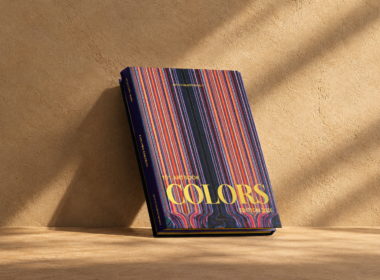
If you’re applying for grants or funding, credibility matters, and so does visibility. The 100 Emerging Artworks of 2025 Open Call offers both. Selected artists will be featured in a beautiful international publication, celebrated across Arts to Hearts platforms, and connected with a growing art-loving community. This kind of recognition adds serious weight to your CV. Apply now and let your work shine where it truly matters