




How this artist advances hyperrealist drawing with graphite & coloured pencils ┃Michael Alemayehu

At Arts to Hearts Project, after eleven editions of our magazine we launched Issue 12 with the theme This Is Me. And that theme brought out something we were not expecting from a lot of our artists.
It brought out origin stories. Not the polished kind you read in an artist statement but the real kind where someone tells you who they actually are and where they actually come from and how the distance between those two things became the whole reason, they make art.
Michael Alemayehu is one of our selected artists for this issue. And his origin story is one of those ones where you finish reading it and you just sit there for a minute.
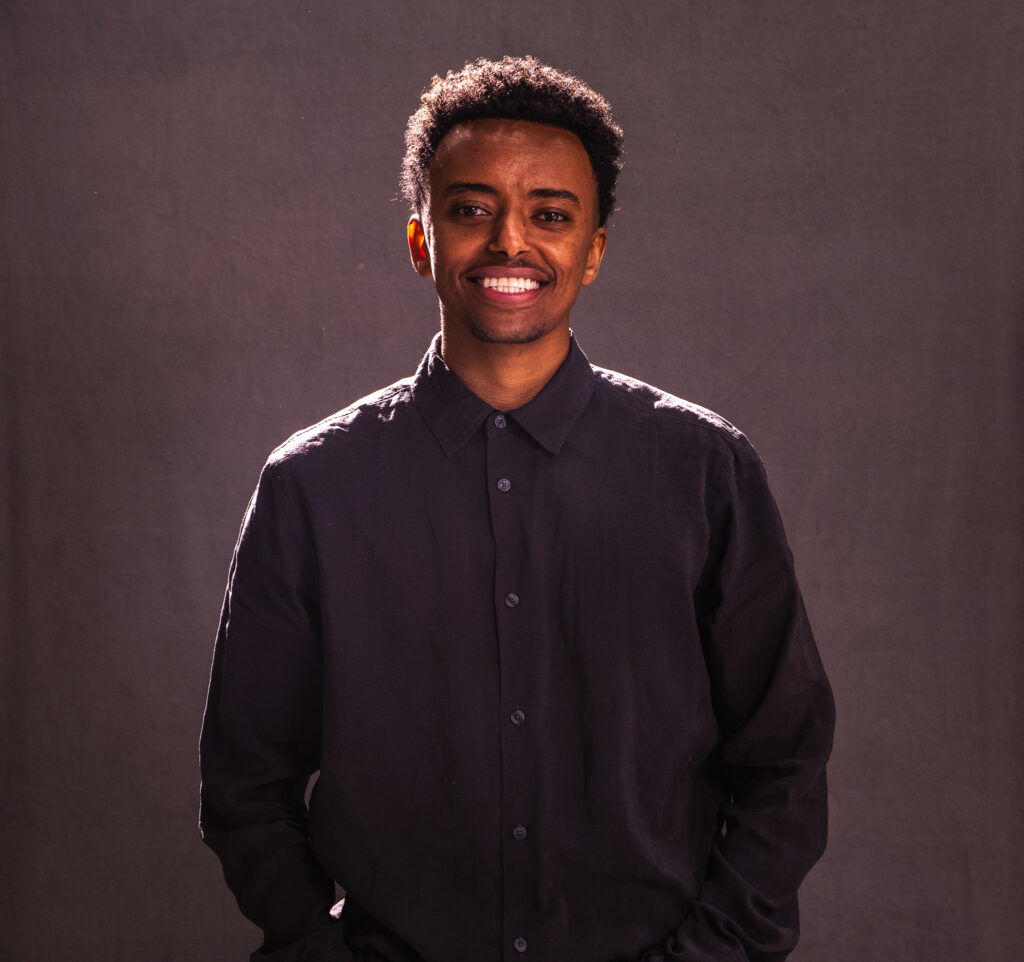
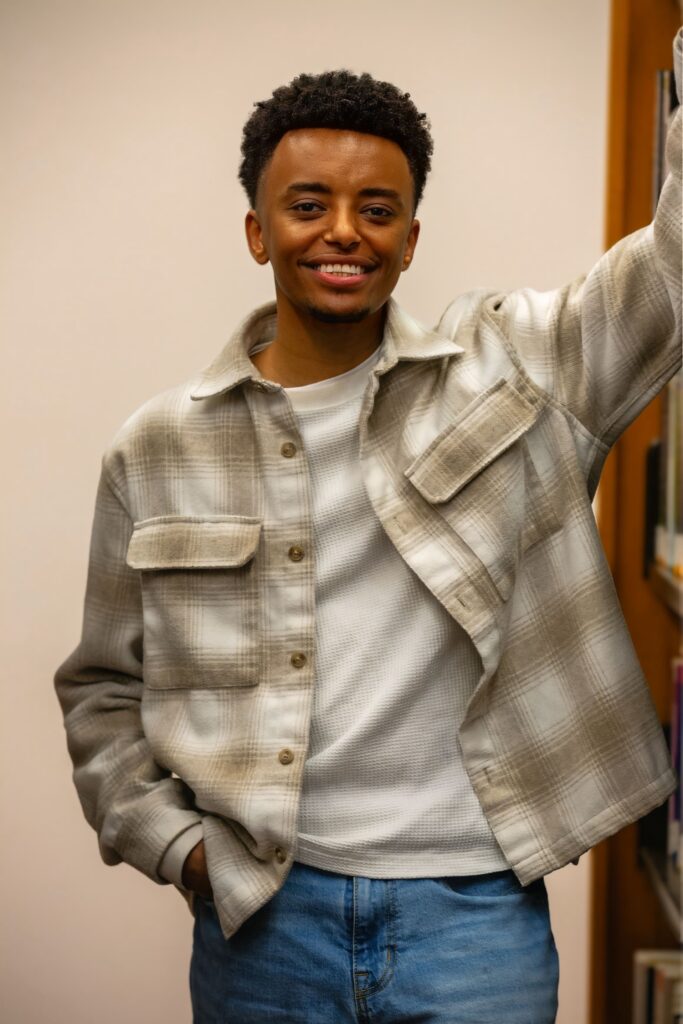
Michael is Ethiopian, based in Toronto, and entirely self-taught. No art school. No formal training. No one standing behind him explaining how to get skin texture right or how light falls across a face or how to build depth in a portrait using nothing but graphite and coloured pencil. He figured all of that out on his own through years of drawing and messing up and drawing again and asking himself over and over why does this not look real yet until one day it did.
And the level he has reached is the kind that makes people genuinely argue about whether they are looking at a drawing or a photograph. But the technical ability is not the thing that drew us to him for this particular issue.
It is the why behind it. Why he draws what he draws. Why he keeps coming back to certain subjects. Why representation and identity and cultural memory matter to him not as concepts but as personal responsibilities he carries into every piece he makes. That is the This Is Me in his work. And it runs deep.
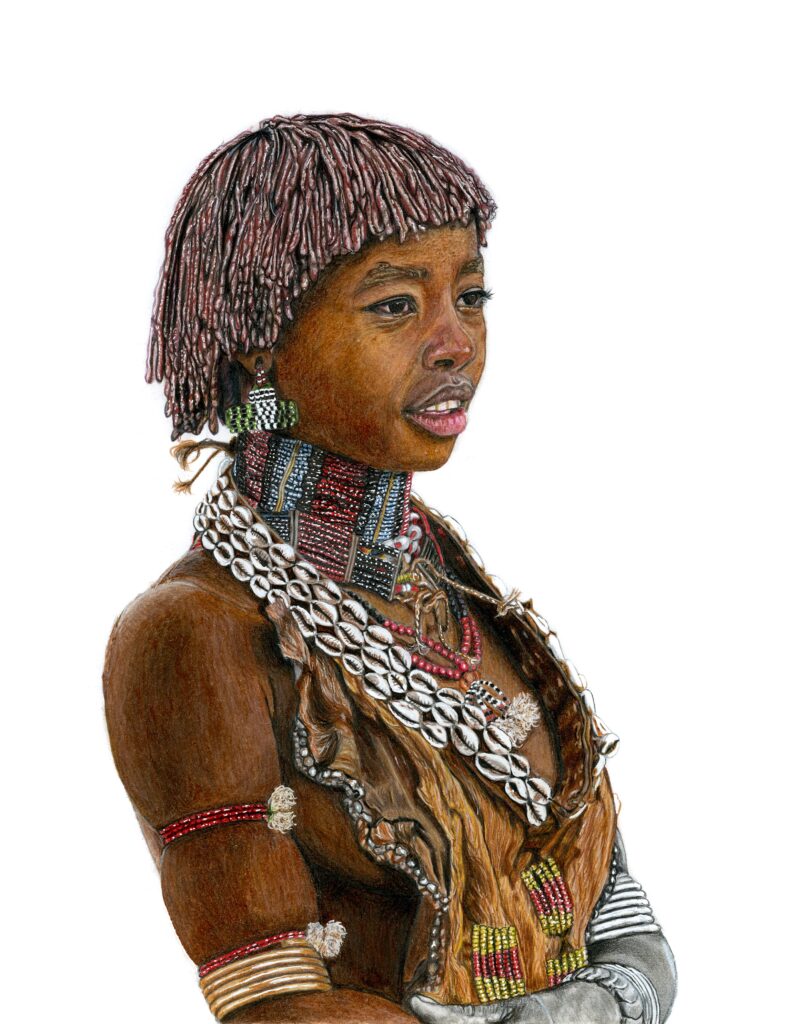
He draws portraits and wildlife and cultural scenes and each one comes from a different emotional place even though the technical process looks similar on the surface. How his intention shifts between those subjects and what each type of drawing asks from him emotionally is something he talks about during the interview with a clarity that we really appreciated.
He moved from Ethiopia to Canada in 2012 and that move changed everything about how seriously he took his own work. What happened after that transition and how drawing became not just a skill but a way of processing the world around him is central to understanding who he is as an artist.
Let’s get to know Michael through our conversation with him about teaching himself to draw without anyone’s permission, why certain subjects keep calling him back, what cultural memory looks like in graphite, and the moment he knew this was more than a hobby.
Q1. Can you share your background and how your journey led you to develop your current visual style and creative direction?
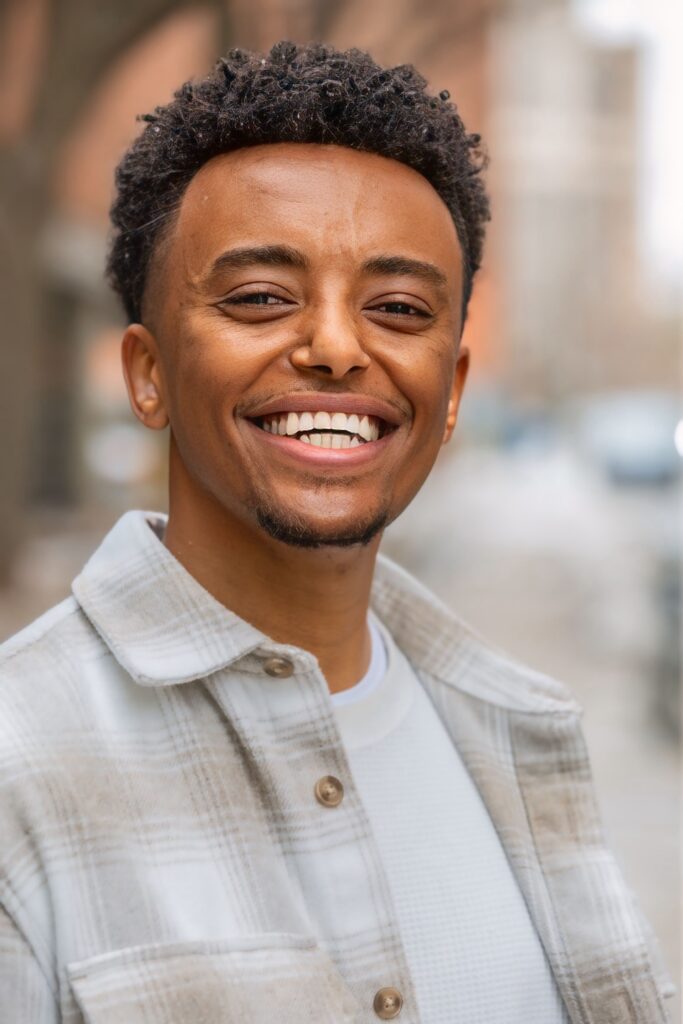
I’m a self-taught artist, originally from Ethiopia and now based in Toronto. I started drawing at a young age, and over time it became more than just a hobby—it became a way for me to process the world around me.
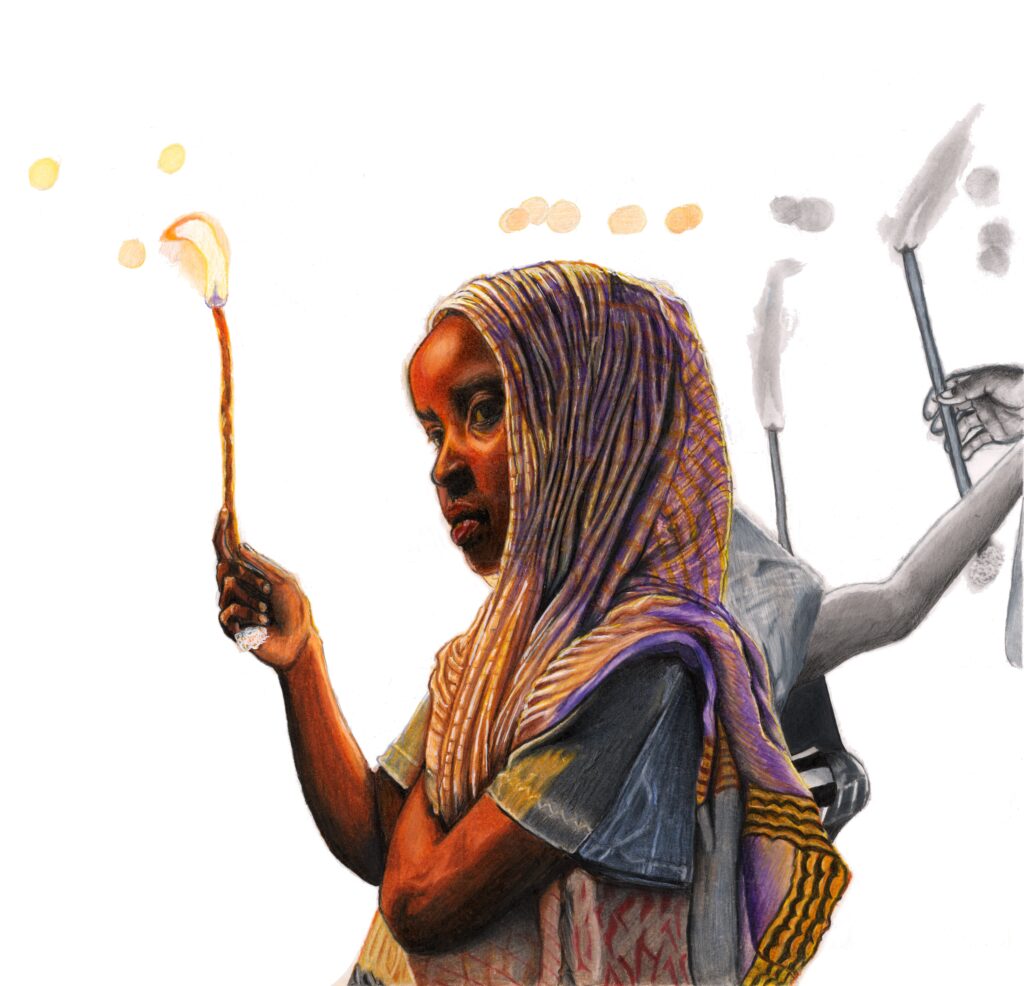
After moving to Canada in 2012, I began taking my work more seriously, and realism became my visual language. It allowed me to go beyond appearance and capture emotion, memory, and identity. Today, my work is rooted in storytelling—whether I’m drawing portraits, wildlife, or cultural scenes, I’m always trying to highlight beauty and evoke a deeper connection.
Q2. Graphite and coloured pencil have become your signature, what keeps drawing you back to those mediums?
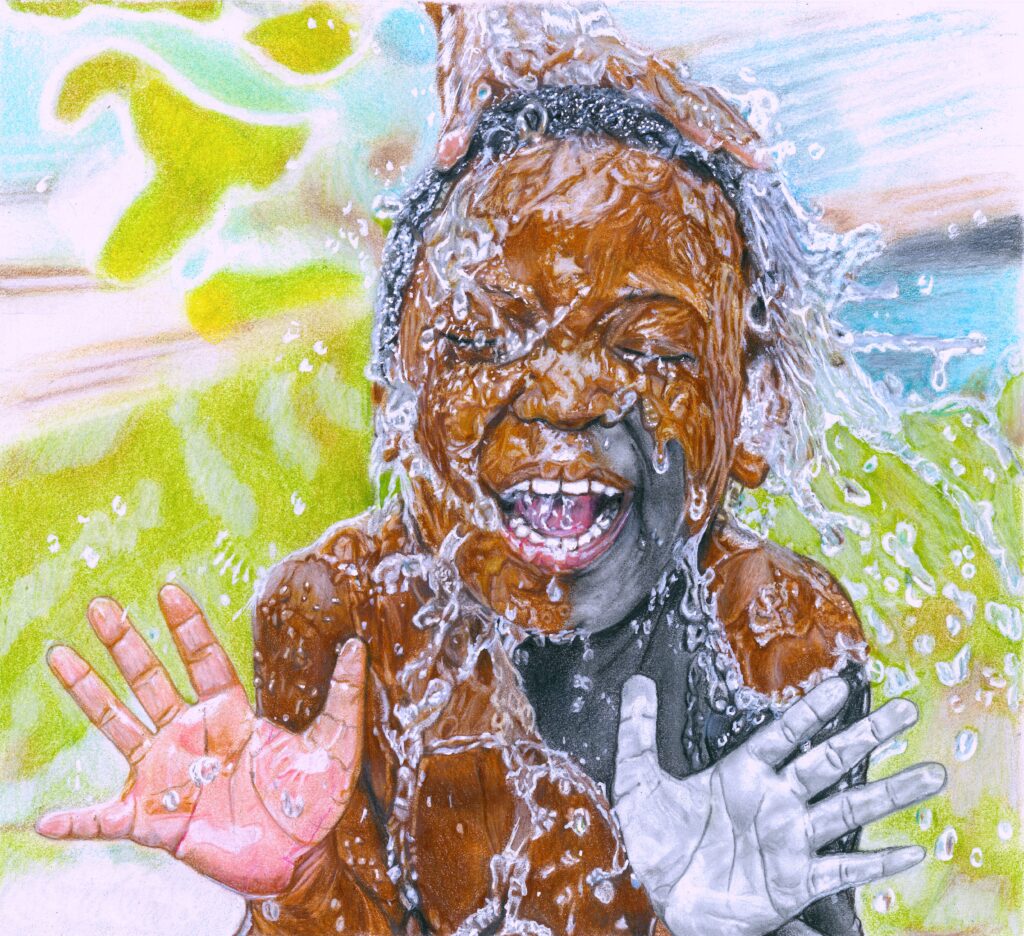
For me, pencil feels honest. There’s a level of precision and discipline that comes with it—every mark is intentional, and there’s nowhere to hide. I’m drawn to that challenge. Graphite and coloured pencil allow me to build an image slowly, almost like revealing it over time. That process feels more personal to me than working with paint, and it keeps me connected to the work from beginning to end.
Q3. The level of detail in your work is extraordinary skin texture, hair, fabric, light on faces. How do you actually build that?
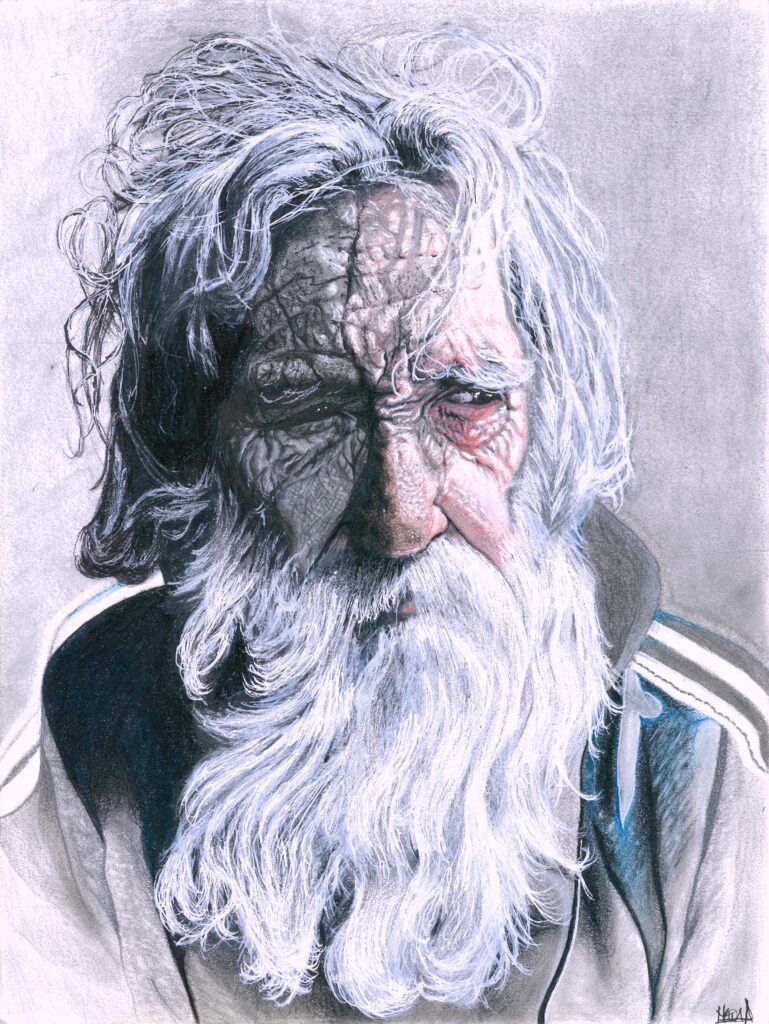
It’s very much a layering process, but it also requires restraint. I usually start with a clean outline and build values gradually. With graphite, I focus on structure and depth first. With coloured pencil, I apply light layers over time sometimes dozens to create richness and realism. I’m constantly thinking about light and how it interacts with the subject. The detail comes from observation, but also from knowing when to stop before the piece becomes overworked.
Q4. Does your approach change between portraits, wildlife, and cultural scenes, or is the process largely the same?
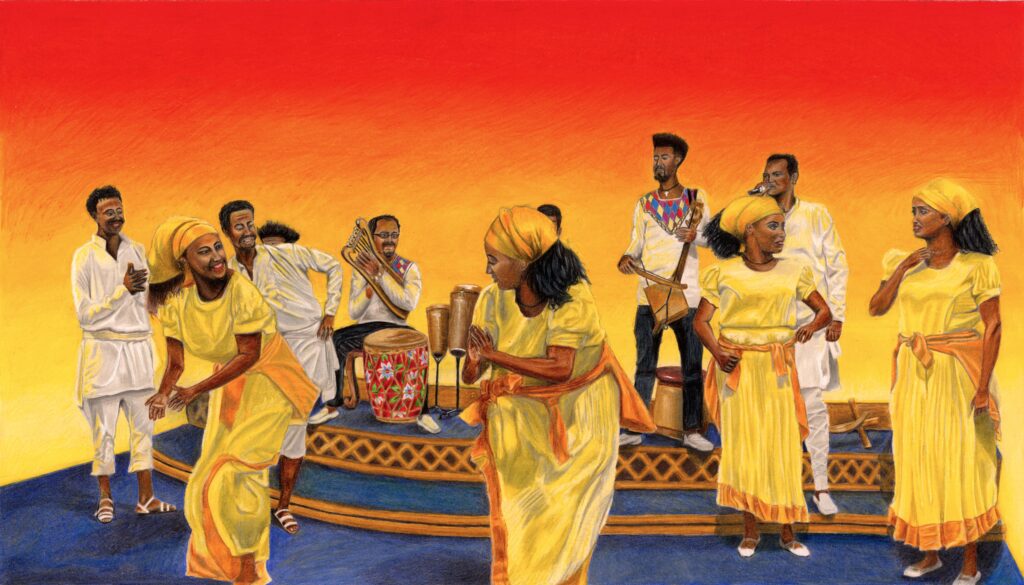
The technical discipline stays consistent, but the intention shifts. Portraits are about emotion and connection. Wildlife is about capturing presence and texture. Cultural pieces carry narrative—they’re rooted in memory, identity, and experience. So while the process is similar, the mindset behind each piece changes.
Q5. What part of colored pencil realism still challenges you every time you begin a new piece?
Skin tones and transitions are always challenging—getting that balance between realism and life without overworking the surface. Another challenge is knowing when a piece is finished. There’s always a temptation to keep pushing it further, and learning to step back is something I’m still refining.
Q6.Pieces like Father Time demand incredible patience how do you stay focused through such long hours of drawing?
I focus on small sections at a time rather than the entire piece. That helps me stay present and keeps the process manageable. I also reconnect with the meaning behind the work. When the energy drops, reminding myself why I started the piece helps me push through.
Q7. You want your work to catch the eye and evoke emotion, what reaction tells you a piece has truly connected?
When someone pauses. In a fast-scrolling world, that moment where someone stops and really looks—that means everything. And when they tell me the piece made them feel something or reminded them of a personal memory, that’s when I know the work truly connected.
Q8. Has there been a particular colored pencil brand that changed the way you work or opened up new possibilities for you?
Discovering higher-quality pencils made a big difference. Personally the Faber-Castell Polychromos gave me better control, richer pigments, and smoother layering. That allowed me to push my work further in terms of depth and realism.
Q9. Do you work on one piece completely from start to finish, or do you have multiple drawings going at once?
I usually focus on one piece at a time. It helps me stay fully immersed and maintain consistency throughout the work. I prefer that level of focus rather than dividing my attention across multiple pieces.
Q10. Is there a piece you wish people would spend more time with instead of just scrolling past?
Meskel Demera Celebration. It’s a piece that captures a significant cultural moment—the energy, the light, the sense of community—but I think people sometimes move past it quickly because it’s more complex visually. It’s a piece that reveals more the longer you sit with it.
Q11. What has been the most challenging part of building your path as an artist?
Consistency and belief in the process, especially early on when there isn’t much external validation. It’s also been a challenge learning the business side of art—putting myself out there, building a platform, and trusting that the work will find the right audience.
Q12. What advice would you give to artists who are still trying to find their voice and direction?
Focus on consistency and give yourself time. Your style develops naturally through repetition and exploration—you don’t need to force it. Pay attention to what you’re drawn to and lean into that. Over time, your voice will come through in an authentic way.
As our conversation with Michael came to a close, something kept coming back to us that has nothing to do with pencils or technique or realism. It is about the gap between where you start and where you end up and what fills that gap when nobody is helping you cross it.
Michael crossed it alone. From a kid drawing in Ethiopia to an artist in Toronto whose work makes people stop mid-scroll and stare. No school bridged that distance. No mentor. No programme. Just repetition and observation and the willingness to look at his own work honestly enough to see what was not working and then fix it.
Drawing after drawing after drawing until the hand caught up with the eye and the eye caught up with the vision.
And we think about how many people quit before that happens. How many talented people put the pencil down because the gap between what they can see in their head and what they can produce on paper feels too wide to ever close.
Michael did not quit. He trusted the process even when the process was frustrating and slow and offered no guarantees. And now the gap is closed. What he sees is what he draws. And what he draws stops people in their tracks.
That is not just an art story. That is a life lesson. That the distance between where you are and where you want to be is not a reason to stop. It is the work itself. Every drawing Michael made that was not good enough was still a drawing that taught him something. Every failure was data. Every mistake was a step. He just kept taking steps.
For collectors considering Michael’s work, the craftsmanship speaks for itself the moment you see it in person. The detail is staggering and the surfaces hold a depth that comes from hours of careful layered work that simply cannot be replicated through any faster process. But beyond the technical achievement these drawings carry something personal and cultural that gives them a weight most hyperrealistic work does not have. They are not just demonstrations of skill. They are acts of love toward a culture and a heritage that Michael carries with him every time he sits down to draw. That combination of mastery and meaning is what makes work last.
Follow Michael Alemayehu through the links below and see what a pencil can do when the person holding it never stopped showing up.