


This Artist Turns Other People’s Stories into Figurative Paintings | Leigh Witherell
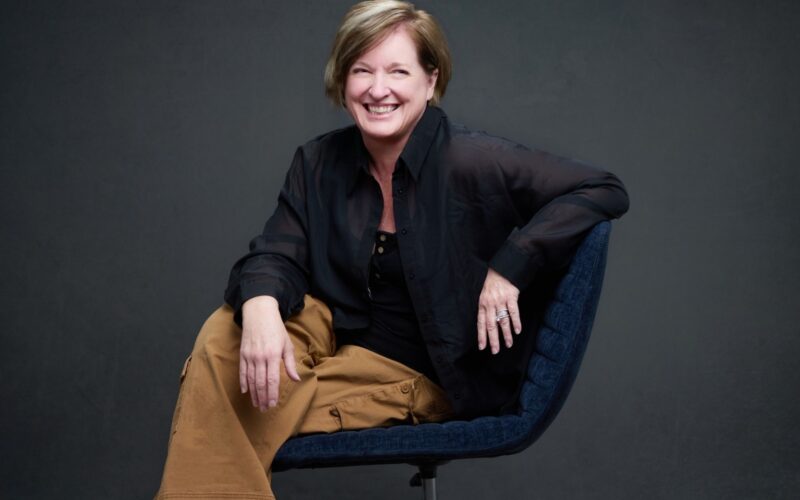
At Arts to Hearts Project, our Women Artists on the Rise Edition 4 is full of women saying what matters to them in a hundred different ways. But some of the most powerful work is about the things we do not say at all. The feelings we carry quietly, the moments that happen behind closed doors, the words that never quite make it out loud. That is exactly where Leigh Witherell’s paintings live.
Leigh is a contemporary figurative painter based in Florida, though her story begins far from any art world. She grew up in rural Texas, among ranches and cotton fields, and found her way to creativity early through drawing and writing.
She went on to study English and literature, taught for a while, and spent years devoted to motherhood. Painting came later in life, and in the beginning, it was her daughter who encouraged her toward it.
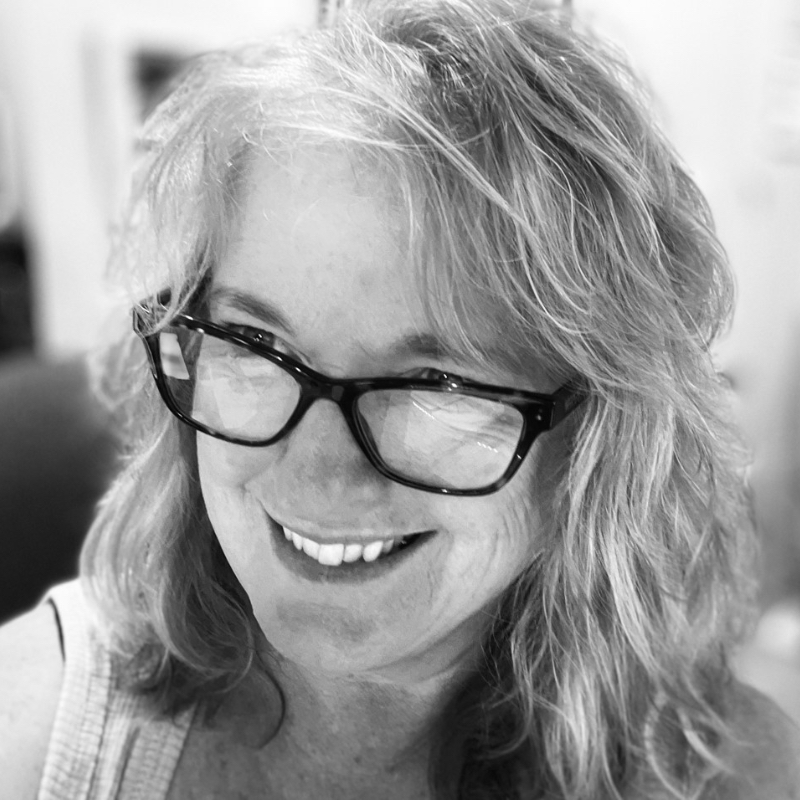
In 2021, Leigh lost her daughter, Amanda. It is impossible to put into words what that does to a person, and Leigh does not try to. Instead, she paints. The human figure became the place where she could put everything she was feeling but could not say aloud, the grief, the love, the longing, all of it.
She has described her art as her salvation in a world she never would have chosen. What started as something she shared with Amanda became a way of carrying her. But it would be a mistake to think her paintings are only about sorrow. Grief is there, honestly and openly, but so are tenderness, resilience, and a quiet insistence on carrying on.
She paints the silent moments between people, the way relationships form and shift and end. She paints other people’s stories, women’s inner lives, and the emotional current running through the world right now. Her figures hold pain, yes, but they also hold strength.
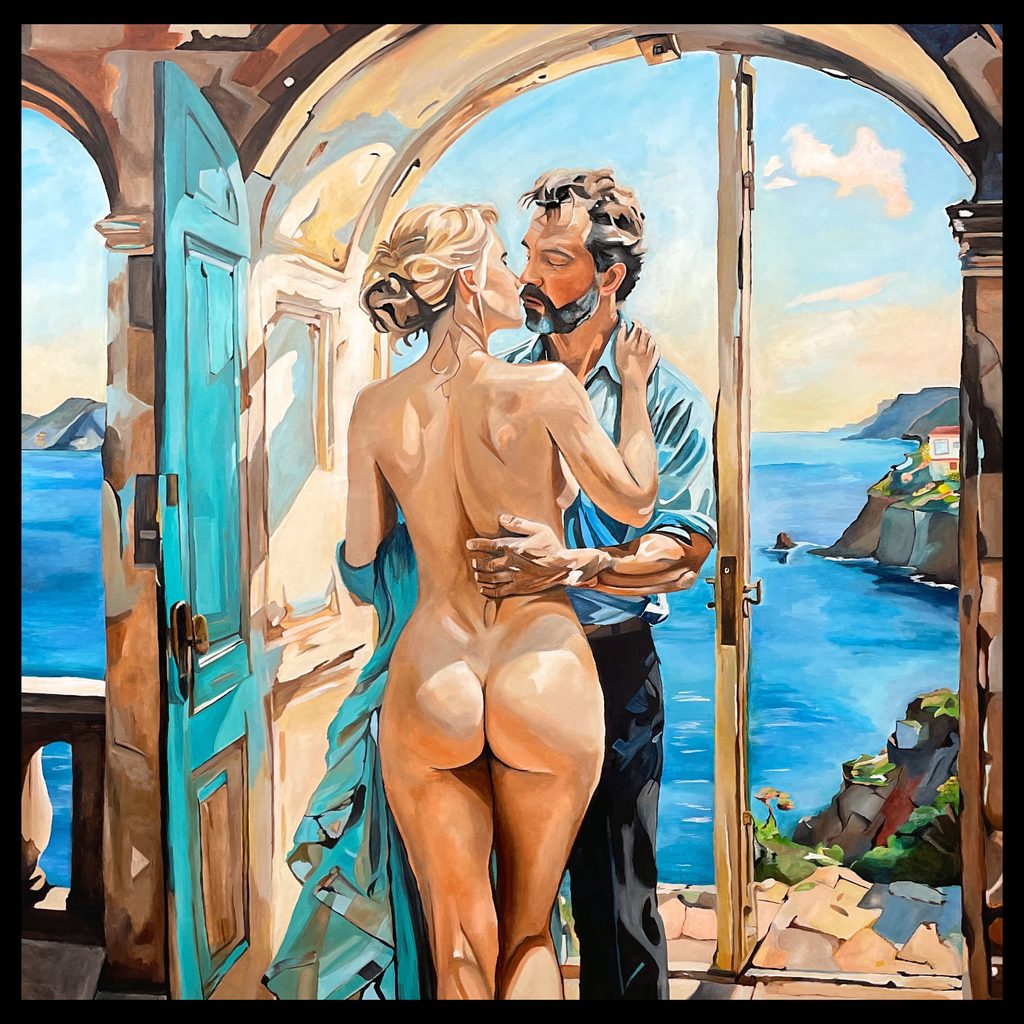
Everything begins with a story. With her background in literature, Leigh cannot simply face a blank canvas and invent. She listens first, often to complete strangers, drawing out the small details that reveal who a person really is, and only then does she paint. Her approach is figurative but never stiff or formal. She is after essence rather than exact likeness, impression rather than imitation.
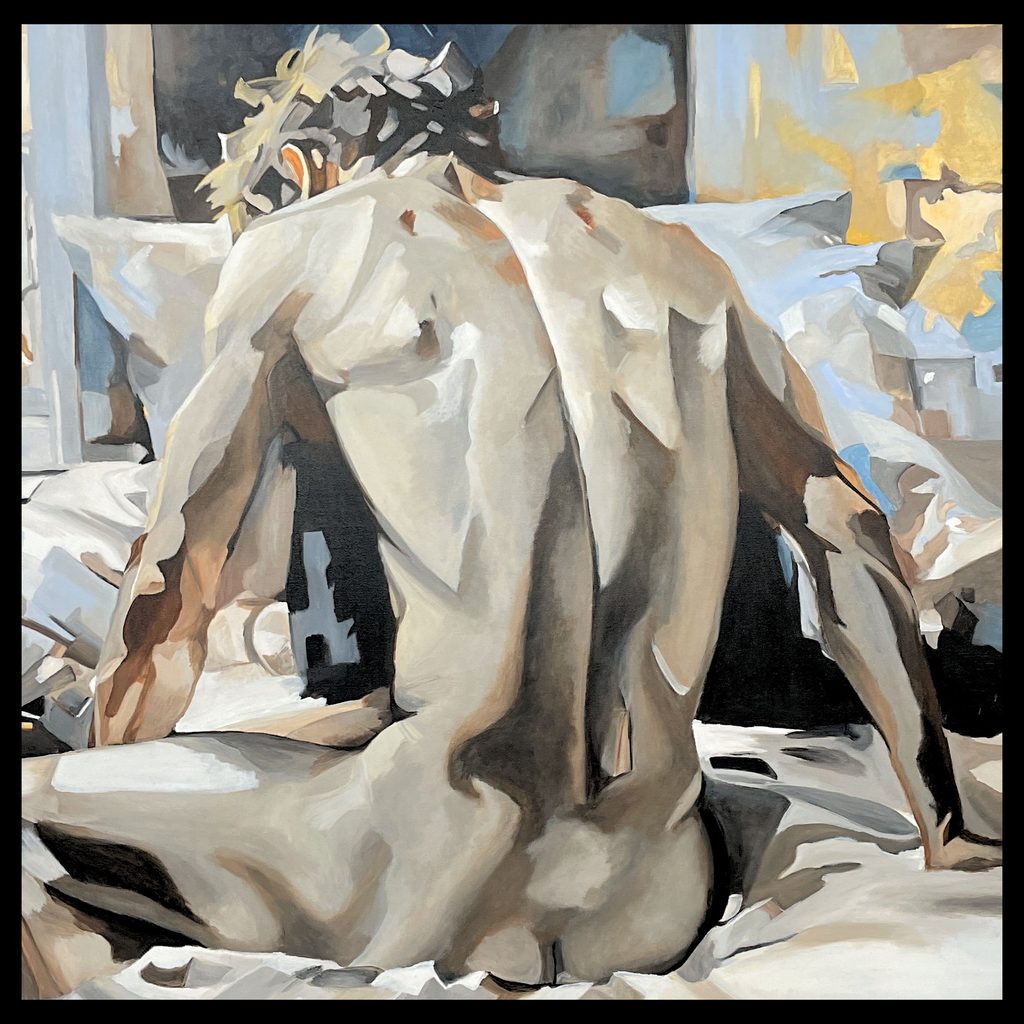
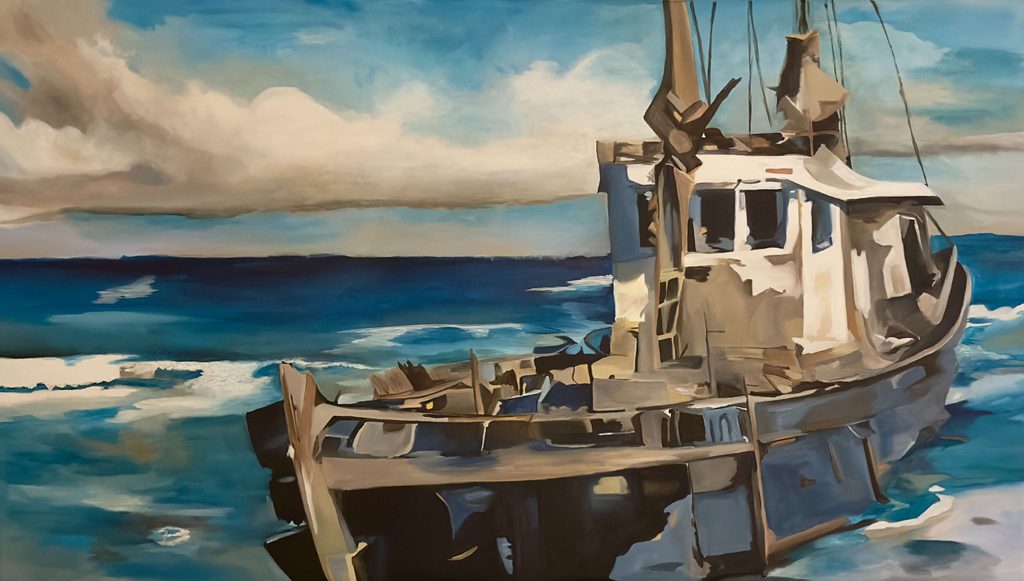
She works in acrylic, in the earthy, organic colors of the landscape she grew up in, calm and grounding even when the feeling in the painting runs deep. And she never raises her voice. She has chosen a softer, quieter way to say difficult things.
Her work has been shown across the United States and internationally, from Florida to Madrid to London, and she has taken part in an artist residency in Portugal, with more ahead. Named an artist to watch and held in private collections, she is building a body of work that does something rare and genuinely needed: it gives grief, and hope, a place to exist.
Now let’s hear from Leigh about the story behind every canvas, why the figure became her language, how she listens her way into a painting, and what art can hold when words cannot.
Q1. Can you share your journey into art and what first drew you to figurative painting?
My journey with art started as a child. Art allowed me make fantastic worlds where there was no poverty, no unkindness. I made narratives in my head and then put them to paper. My figurative journey did not begin until I took an anatomy drawing class during my undergraduate.
I realized that I am fascinated with figures and that the human body is a canvas that is magnificent. I really leaned into my figures after my daughter died. These figures became my way of expressing all of the emotions that I keep inside. They have been my salvation in this new world that I never would have chosen.
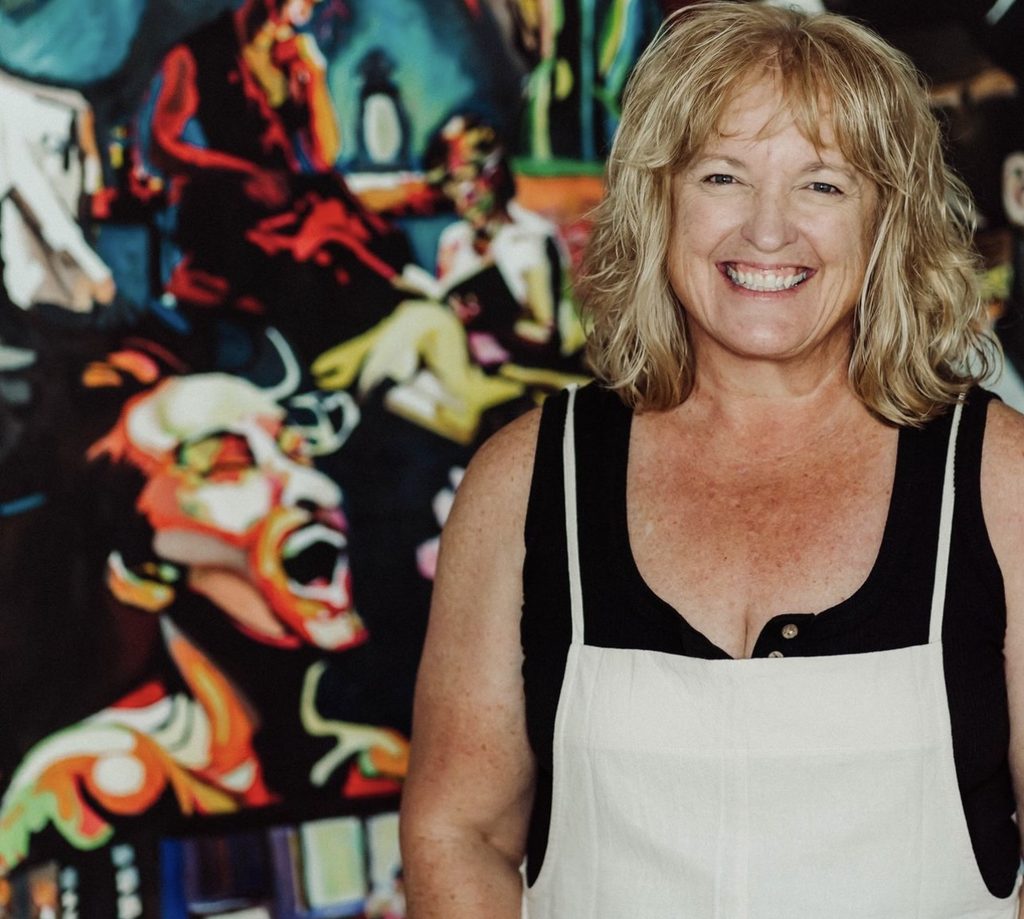
Q2. You’ve spoken about removing the boundaries you place on your creativity. When did that freedom become important to your practice?
That freedom became paramount after my daughter died. I realized that being raised in a “polite” society was not allowing me to voice my feelings as a mother who has lost a child. I want to project that authentic voice into the world that speaks about real emotions and real situations. I never want to scream at my audience so I choose a softer, quieter way to express these emotions.
Q3. You work primarily with acrylic on canvas. What does acrylic bring to your figurative paintings?
Acrylics allow me to be more colorful with my compositions.
Acrylics are what I was trained on in my undergraduate classes and they feel comforting to me. I learned with acrylics at a time when my family was complete and life was simpler, so in a way they represent what I wish was still here.
Q4. Your paintings often focus on what happens between people. What interests you most about relationships as a subject?
I have always been a student of human behavior. I am fascinated by how relationships form, conflicts are navigated, and even how relationships end. I find people endlessly interesting and I narrate compositions in my head constantly.

Q5. Your paintings often use earthy colours alongside expressive brushwork. How did this approach to colour develop?
I love the simplicity of earthy colors. I grew up in a part of the United States dominated by ranching and cotton fields, so these colors I value very highly.
To me, they are calm and soothing in spite of what may be happening in the composition.
Q6. When you’re working on a figurative painting, what usually comes first for you: the emotion, the composition, or the people?
It’s always the story first. Every composition is carefully crafted from a story I’m either told or I observe. I am not capable of looking at a blank canvas and just creating, I have to see the story come to life through narration and then editing.
Q7. Your portraits often begin with a person’s story. What draws you to translating those stories onto canvas?
Portraits have always been a beautiful way to honor a person.
I take that one more step and find that persons story. I talk to people (many times strangers) and just listen to what they are saying. Every person will reveal who and what they are through little details they tell and those details become my canvas.
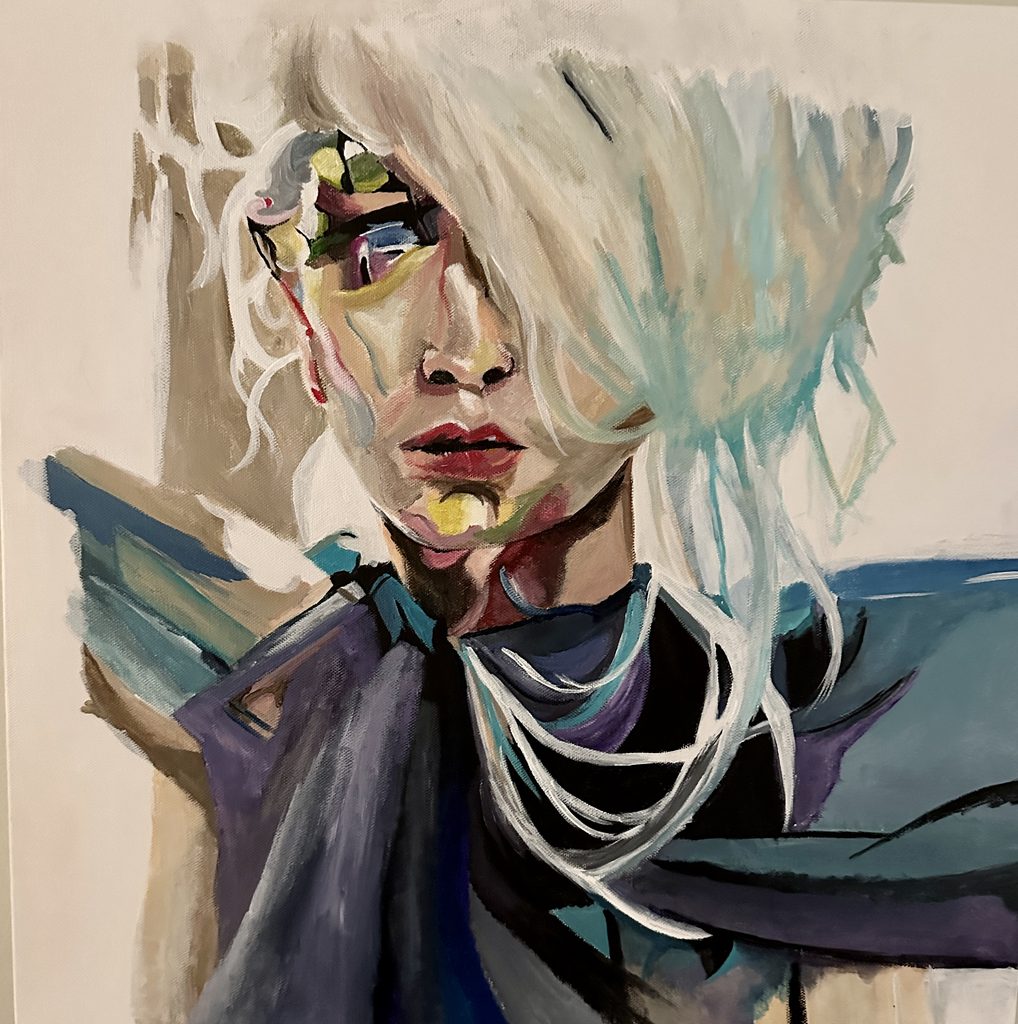
Q8. The Artist: Self-Reflection turns the gaze back toward yourself. What changed when you became the subject of your own work?
Quite simply, I had to look at my own story at that time. It was difficult to make this canvas, but I really wanted to add my own narrative to this growing body of work. This canvas forced me to see the pain I carry every day and to reckon with it. It is the most honest I have ever been about what I feel.
Q9. You’ve exhibited your work in the United States as well as internationally. Have you noticed differences in how audiences respond to personal subjects?
The United States has become more difficult to exhibit in. I think Americans have really never been a culture about showing our emotions and facing them and our current turmoil has prompted people to not to address emotions. I find an international audience is more willing to see emotionally charged compositions and to study them closely.
Q10. Grief is universal, yet everyone experiences it differently. What role can art play in giving those experiences a place to exist?
Art allows us to express visually what we may not be able to express verbally.
It’s imperative to be able to share what is happening inside and art can do that, art always does just that.
Q11. Figurative painting continues to have a strong presence in contemporary art. What do you think artists can express through the figure today?
I think figurative paintings can show the world where we are today. I have always felt that artist are the visual historians of our own times and figures are a wonderful way to show the emotional current charging through society.
Q12. How has your definition of success changed since you first began sharing your work publicly?
I had always defined success by paychecks and in art you simply cannot do that. Success for me right now is in showing my art and in creation itself. The money is following slowly, but to not be overwhelmed I have to remember that people are noticing and everything else will happen in time.
Q13. What advice would you give to emerging artists dealing with rejection while finding their place in the art world?
Rejection is a part of this life as an artist.
Remembering that every gallery, show, client, etc… is looking for something specific. Many times rejection isn’t about your art, it is just about what is needed for that show, gallery or client. Get a thick skin and get on with creating, we are all in there together.
As our conversation with Leigh drew to a close, we found ourselves thinking about the things we do not say, and what it costs us to keep them locked away.
So many of us are taught, quietly, to hold our hardest feelings in. To stay composed, to carry on, to not make anyone uncomfortable. Leigh’s work refuses that. It takes the feelings we usually keep behind closed doors and gives them a place to exist, out in the open, on the canvas. And it does so gently. She never shouts. She trusts that a quiet painting can hold as much as a loud one, sometimes more.
What moved us most is that her art does not ask you to look away from pain, and it does not ask you to drown in it either. It simply sits with it honestly, and reminds you that grief and love and hope can all live in the same frame. In a world that would rather not talk about loss, that kind of honesty is its own quiet act of courage, and a gift to anyone who has ever carried something they could not say.
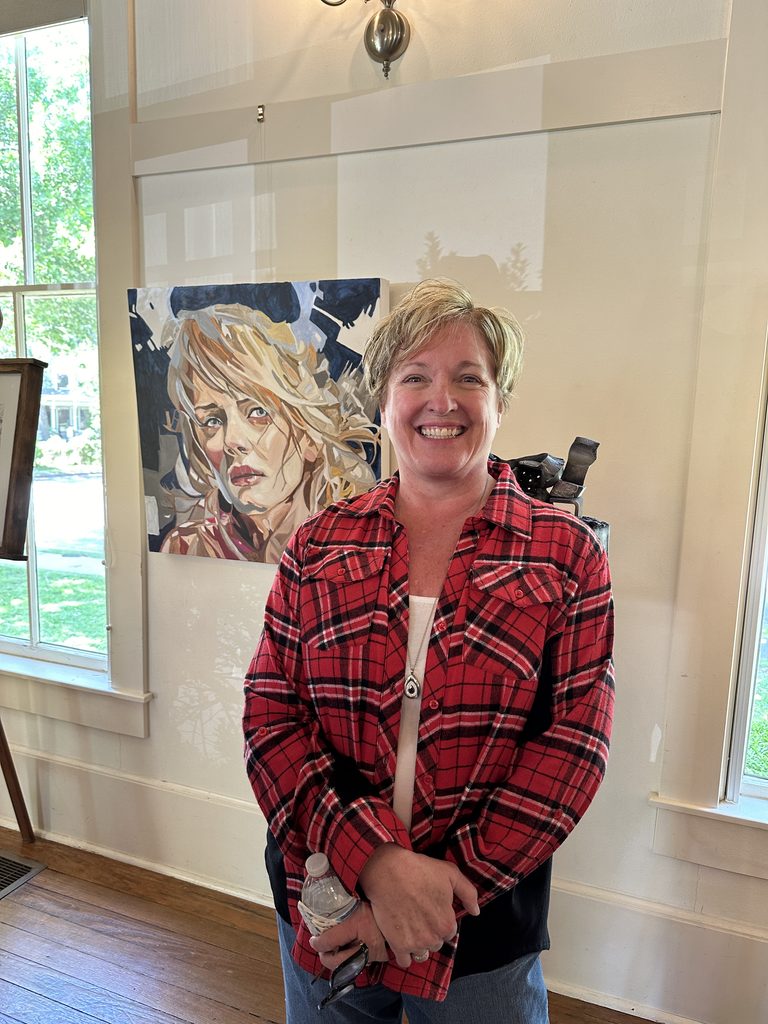
For art lovers and collectors, Leigh’s work brings a rare emotional honesty into a space. Quiet, earthy, deeply human paintings that do not hand you their whole story at once, but reward you for staying, for looking closely, for feeling. People often find their own lives reflected back in them. To live with one of her paintings is to keep a moment of real human feeling on your wall, and a gentle reminder that the things we do not say still deserve to be seen.
Follow Leigh Witherell through the links below and see her work for yourself.
Do not miss this. In just days, our 101 Art Book: Faces Edition closes on 10 September 2026, and there are no extensions. We want artists who know that a face is never just a face. It is a doorway into memory, identity, emotion, culture, everything we carry underneath. If your work goes deeper than getting the likeness right, the time to act is now. Any medium. Anywhere. Any stage. What matters is a face that holds something worth a second look. The artists who make it in are the ones who submit before the clock stops. Be one of them.