
Five Galleries to Visit in Berlin
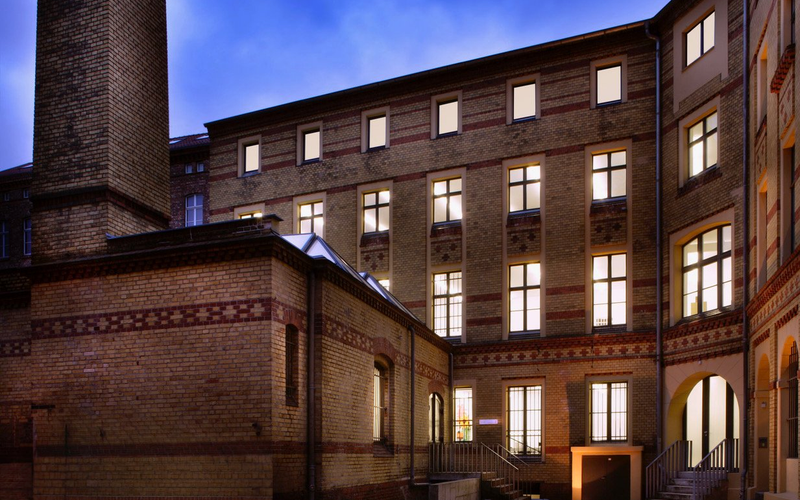
Because in Berlin, there’s always another gallery around the corner.
Berlin is the kind of city where you can set out looking for one gallery and, somewhere between two U-Bahn stops, end up finding three more.
That is part of the pleasure of looking at art here. The city does not seem particularly interested in keeping its art world in one place. Galleries are spread across neighbourhoods, tucked into former industrial buildings, occupying elegant rooms, sharing streets, and sometimes sitting in spaces that feel almost as interesting as what is hanging on the walls.
And then there is the art itself. Berlin has long been a place where artists have come to experiment, rethink, collaborate and make room for ideas that might not fit neatly elsewhere. Its gallery scene reflects that spirit. There is plenty of painting, of course, but there is also photography, sculpture, film, installation, conceptual work and practices that happily refuse to stay in one category.
So, rather than attempting the impossible task of naming every gallery worth visiting, we picked five that give you five very different ways into the city’s contemporary art scene. Think of this as a starting point, not a checklist. And if you find yourself lingering longer than expected at one of them, even better.
Esther Schipper
Start here if you like art that asks you to stay a little longer.
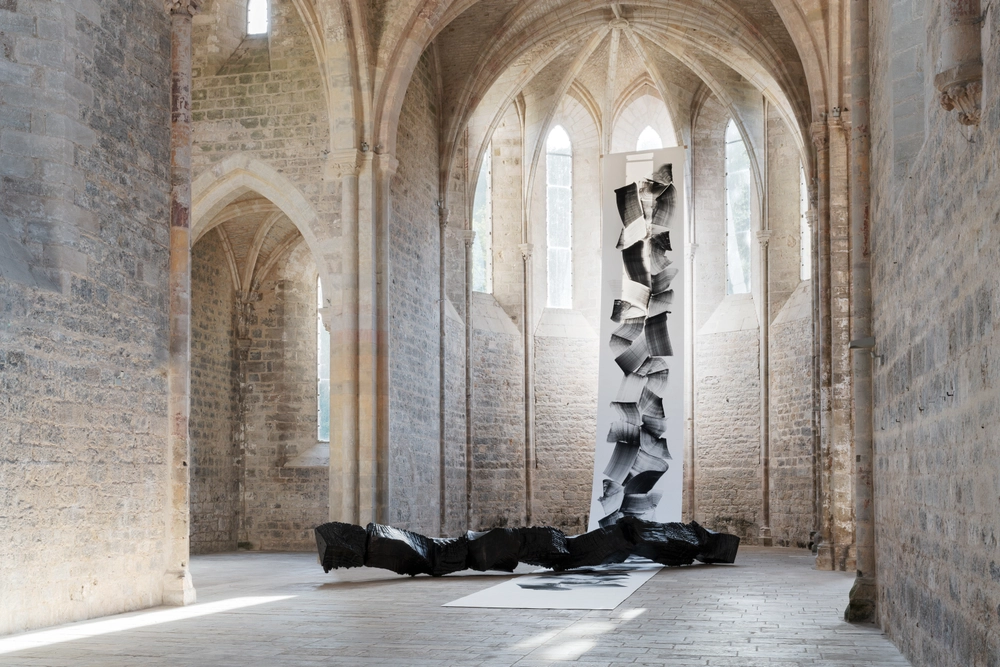
There are exhibitions you understand almost immediately, and then there are those that continue unfolding in your head while you are walking to the next place. Esther Schipper tends to belong to the second category.
The Berlin gallery, located on Potsdamer Straße, has built a programme around artists whose practices often cross boundaries between installation, sculpture, video, performance and conceptual art. It is a place where contemporary art can be ambitious without needing to announce itself too loudly.
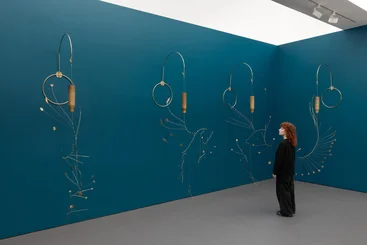
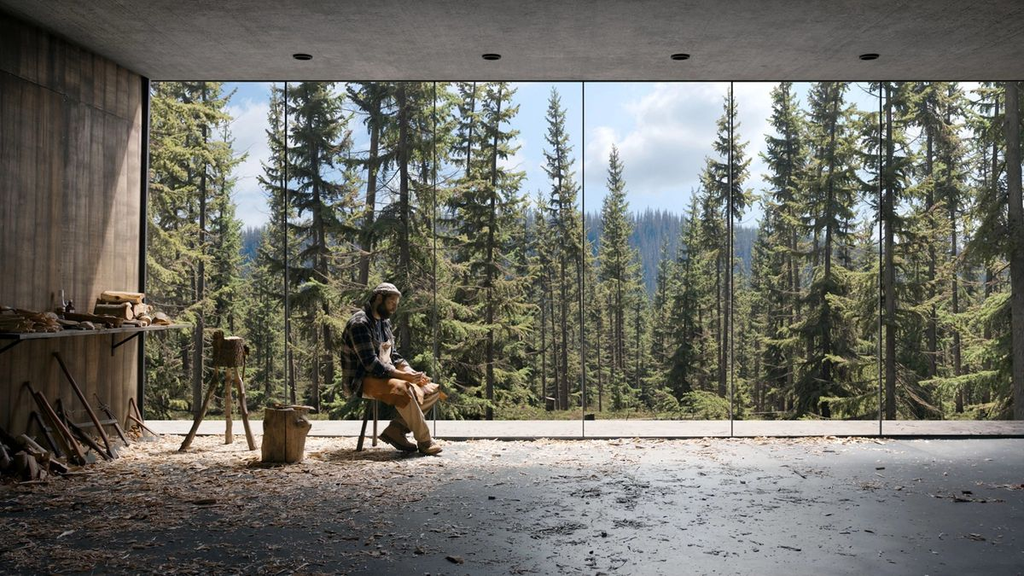
At the moment, two exhibitions are sharing the Berlin space: Tuan Andrew Nguyen’s Fire Sermon and David Claerbout’s Repose, both running from September 10 to October 24, 2026. Nguyen’s exhibition presents five new sculptures from his series of mobiles, while Claerbout’s work turns towards questions of time, perception and our relationship with the natural world.
What makes the gallery particularly rewarding is the space it gives to artists whose ideas are difficult to reduce to a single image or sentence. You may walk in because a sculpture catches your eye and leave thinking about memory, history, technology or the passage of time.
This is one to take slowly. Berlin has plenty of places where you can pop in, have a quick look and move on. Esther Schipper is better when you give it a little room.
Sprüth Magers
For when you want to see how very different artistic worlds can sit beside one another.
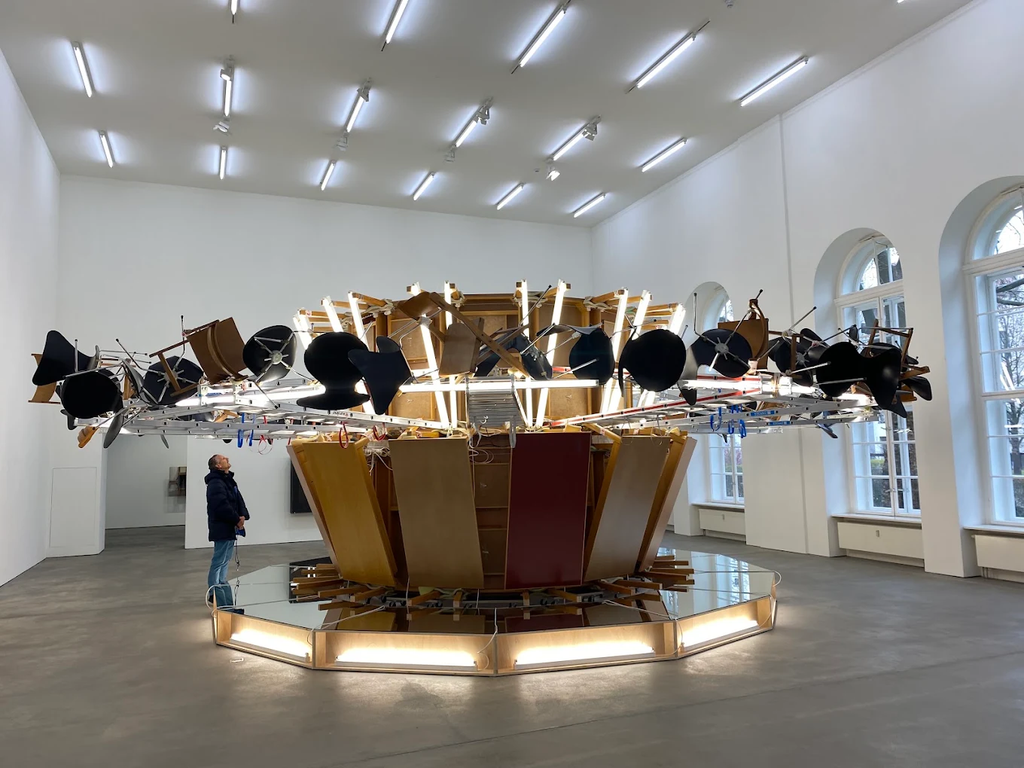
Sprüth Magers has been part of the contemporary art conversation for decades. Founded in Cologne in 1983, the gallery now has spaces in Berlin, London, Los Angeles and New York and works with a broad international group of artists and estates. Its Berlin space is on Oranienburger Straße in Mitte.
But history aside, there is something very enjoyable about simply walking through the current programme.
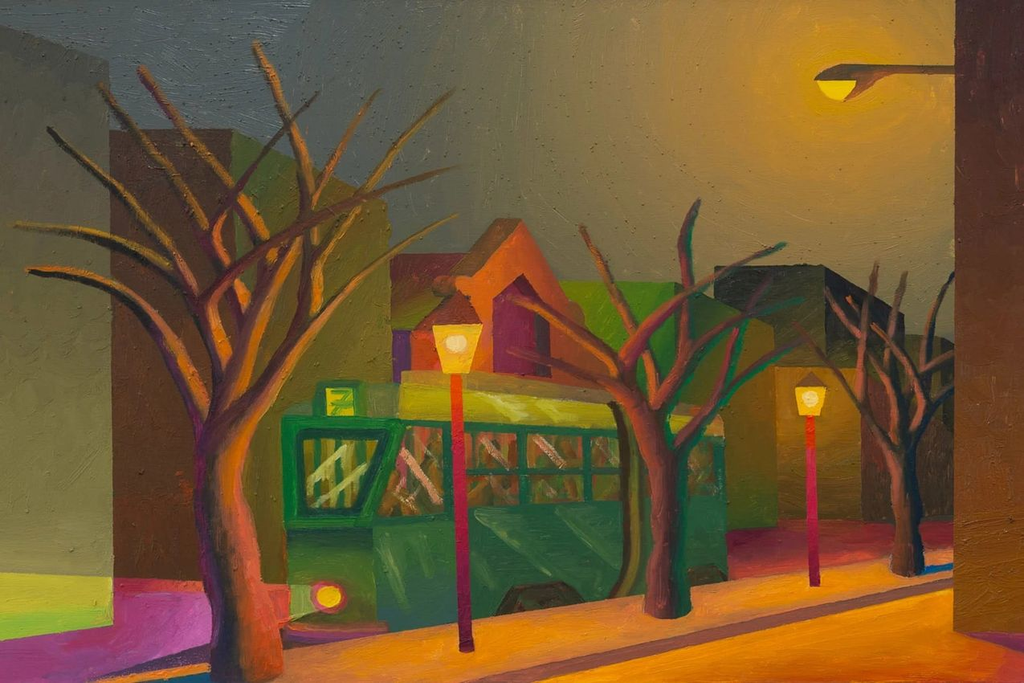
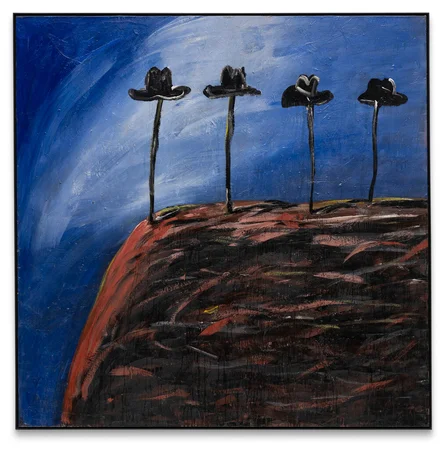
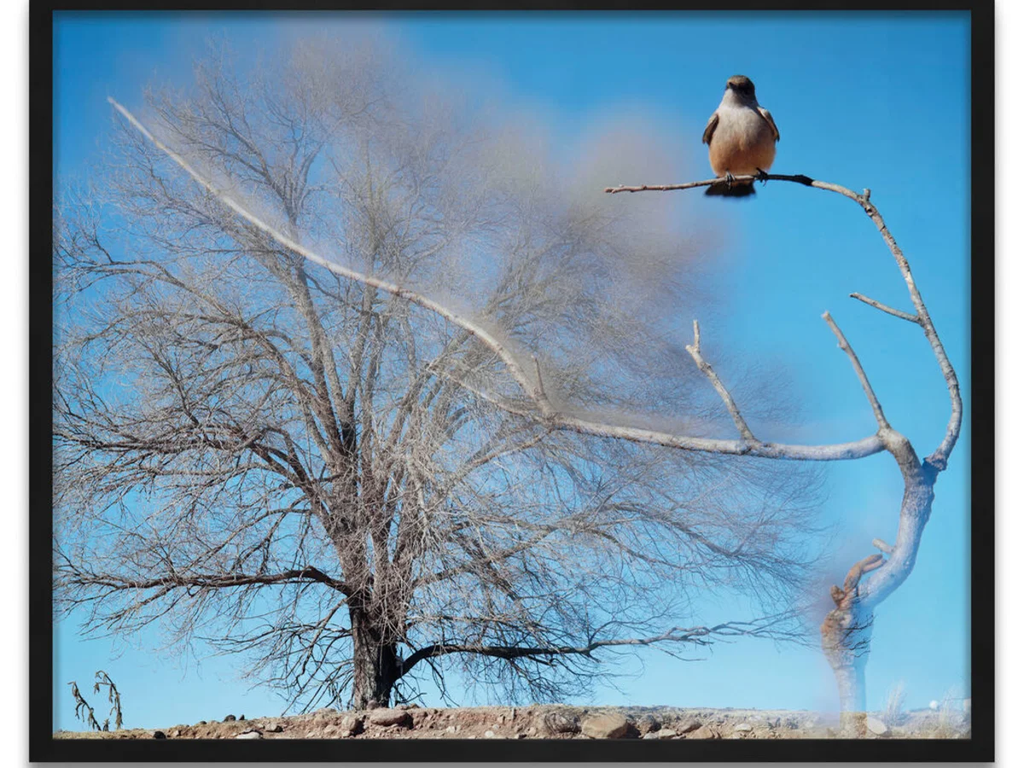
This autumn, the Berlin gallery is presenting three exhibitions at once: Walter Dahn’s Let’s Get Married, Let’s Get Lost, Jean-Luc Mylayne’s Reflection, and Salvo’s La città. They run from September 11 to October 24, with Dahn’s exhibition continuing through December 19.
The three shows could hardly feel more alike, and that is exactly what makes the visit interesting.
Mylayne’s photographs, shaped by his long fascination with birds and their environments, invite a patient kind of looking. Salvo’s paintings turn towards cities, architecture and the changing character of urban spaces. Dahn brings another sensibility altogether, rooted in painting and the history of the Neue Wilde generation.
Rather than trying to find one overarching theme, let the differences sit next to each other. One room might make you think about landscape; another about the city; another about painting itself.
That ability to move between different artistic languages in a single visit is one of the pleasures of Berlin’s gallery scene.
neugerriemschneider
For a quieter afternoon, where landscape becomes more than landscape.
Berlin can sometimes feel like an endless conversation between concrete and creativity. Which is why walking into an exhibition concerned with mountains, trees, horizons and the natural world can feel surprisingly refreshing.
neugerriemschneider is one of the city’s long-established contemporary galleries, with spaces in Berlin and a programme that has included internationally recognised artists such as Olafur Eliasson, Ai Weiwei and Jorge Pardo.
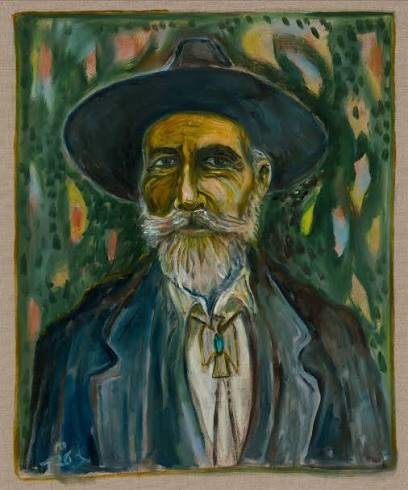
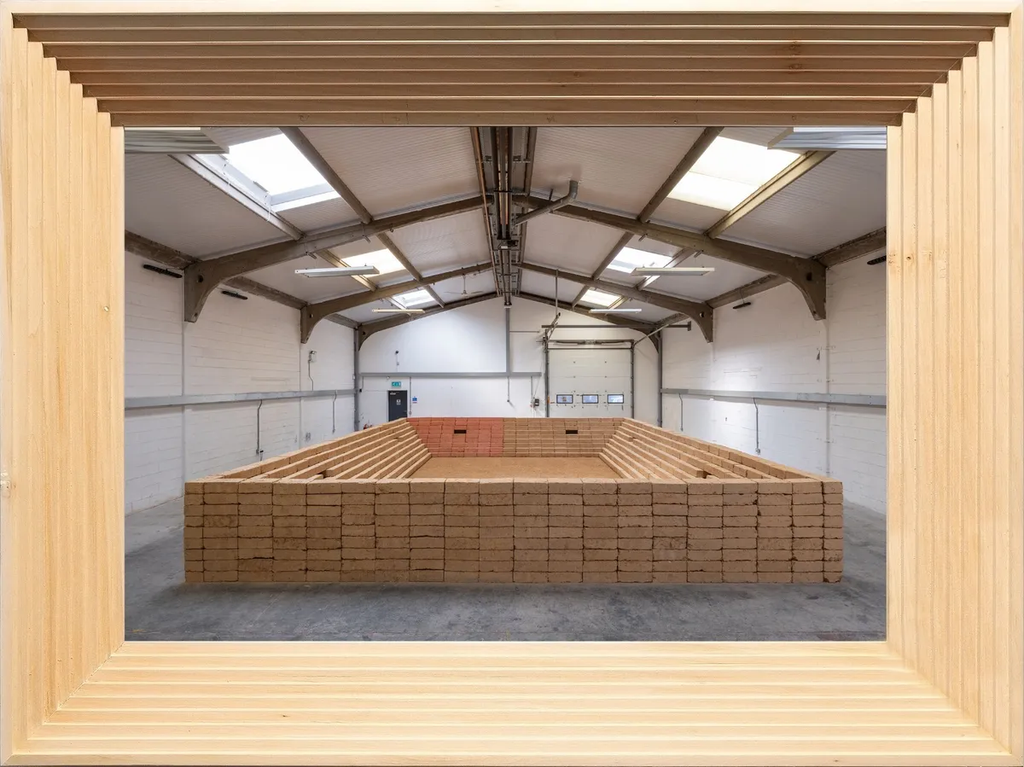
For its current programme, the gallery is presenting several exhibitions across its Berlin spaces. At Linienstraße 155, them and Us by Cevdet Erek runs through November 7, alongside billy Childish and the children of the sect. The gallery is also presenting work by Andreas Eriksson and Kim Chong Hak elsewhere in its programme.
The pairing of Eriksson and Kim is particularly compelling. Both artists have developed close relationships with the landscapes around them, but their experiences of place come from very different geographical and cultural contexts. Their paintings make landscape feel less like a genre and more like a way of thinking about memory, distance and belonging.
It is the kind of exhibition that works beautifully in the middle of a day spent walking through Berlin. You arrive surrounded by traffic, buildings and people; suddenly you are looking at mountains, trees and open spaces.
And perhaps that is the real reason to put neugerriemschneider on your list: sometimes contemporary art is most interesting when it gives you somewhere else to look.
Contemporary Fine Arts
For the simple pleasure of standing in front of a work and looking.
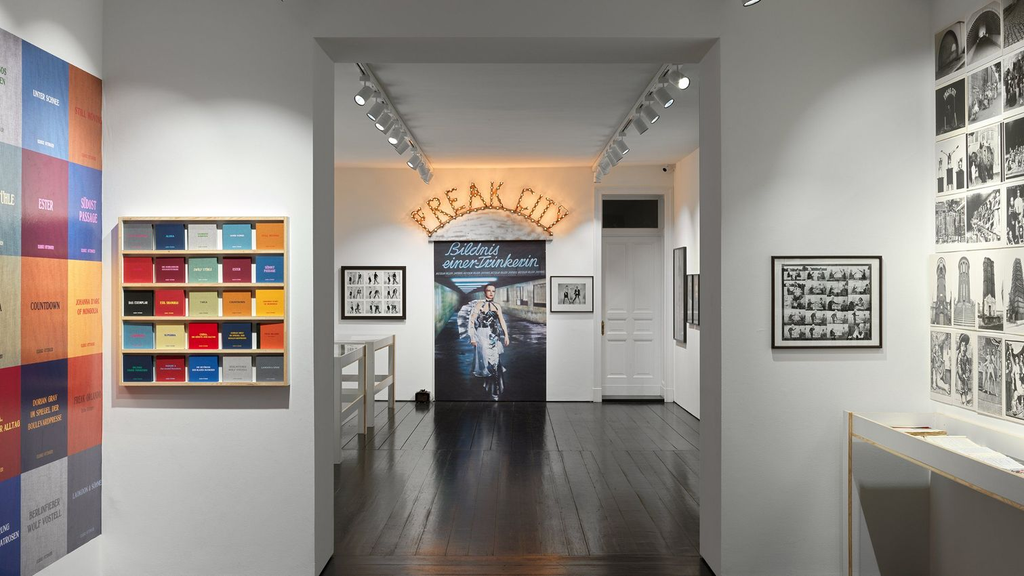
Not every gallery visit needs to leave you with a complicated theory to take home.
Sometimes, you just want to look at good art.
Contemporary Fine Arts, or CFA, has been part of Berlin’s gallery landscape since 1992. Its programme has brought together artists from different generations and practices, and its Berlin space on Grolmanstraße combines a contemporary gallery environment with the character of a 19th-century residential building.
Its current exhibitions bring together two very different artists: Leiko Ikemura and Walter Pichler. Both exhibitions opened in September and run through October 24, 2026.
Ikemura’s de sensu is particularly attentive to perception and the relationship between the body, mind and space. Pichler’s drawings and sculptures offer a different way into questions of form and space.
What is lovely about CFA is that you do not have to arrive with homework. You can simply enter, walk around, notice what holds your attention and then decide whether you want to know more.
That might sound like a small thing, but it is increasingly rare to encounter art without feeling that you are supposed to arrive already informed.
So, if you are spending an afternoon around Charlottenburg, leave yourself enough time here to wander rather than rush.
You may find that one work stays with you long after you have forgotten the others.
Mehdi Chouakri
For those willing to take the longer route.
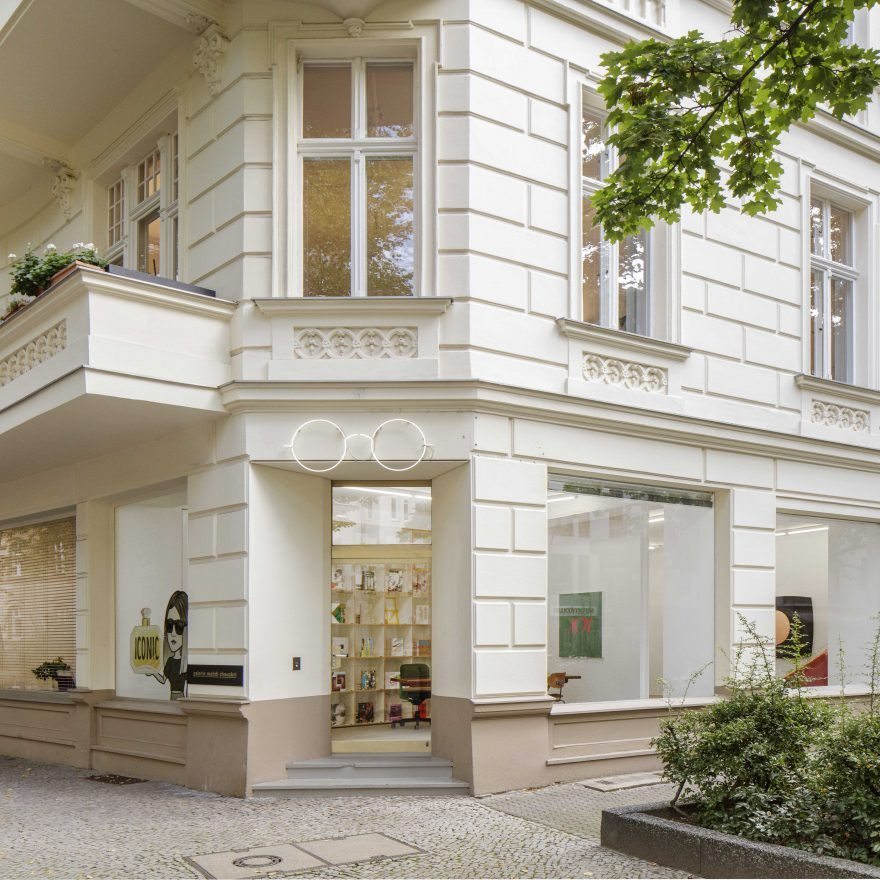
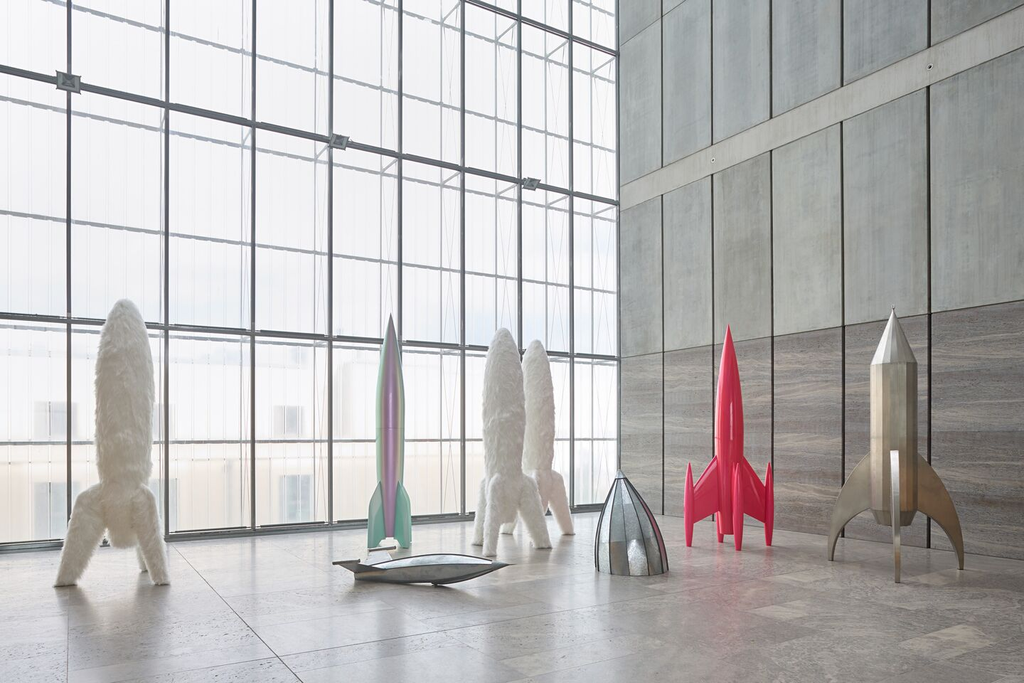
Berlin rewards people who are willing to go a little farther.
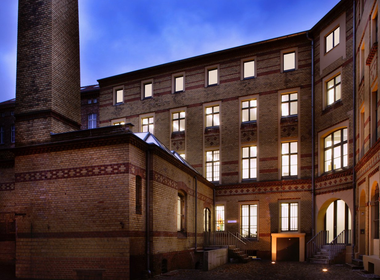
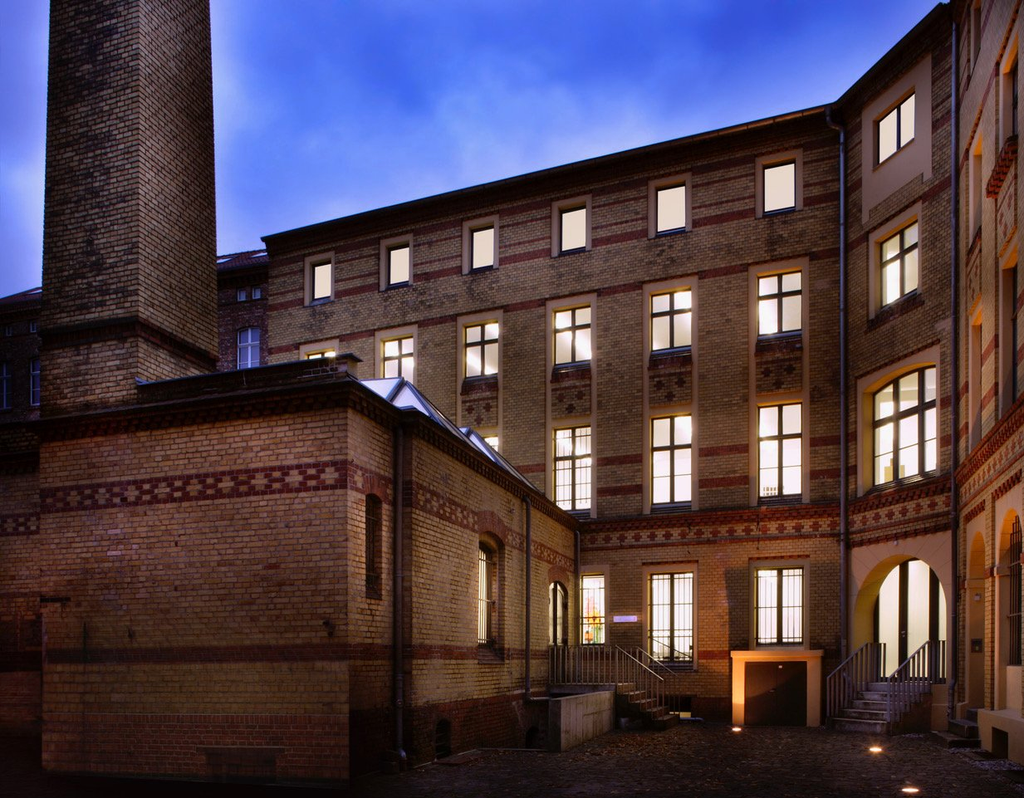
Mehdi Chouakri’s space at Wilhelm Hallen in Reinickendorf is a good example. The former industrial complex has become an important creative site, and the gallery’s setting gives the visit a different rhythm from the more central gallery streets.
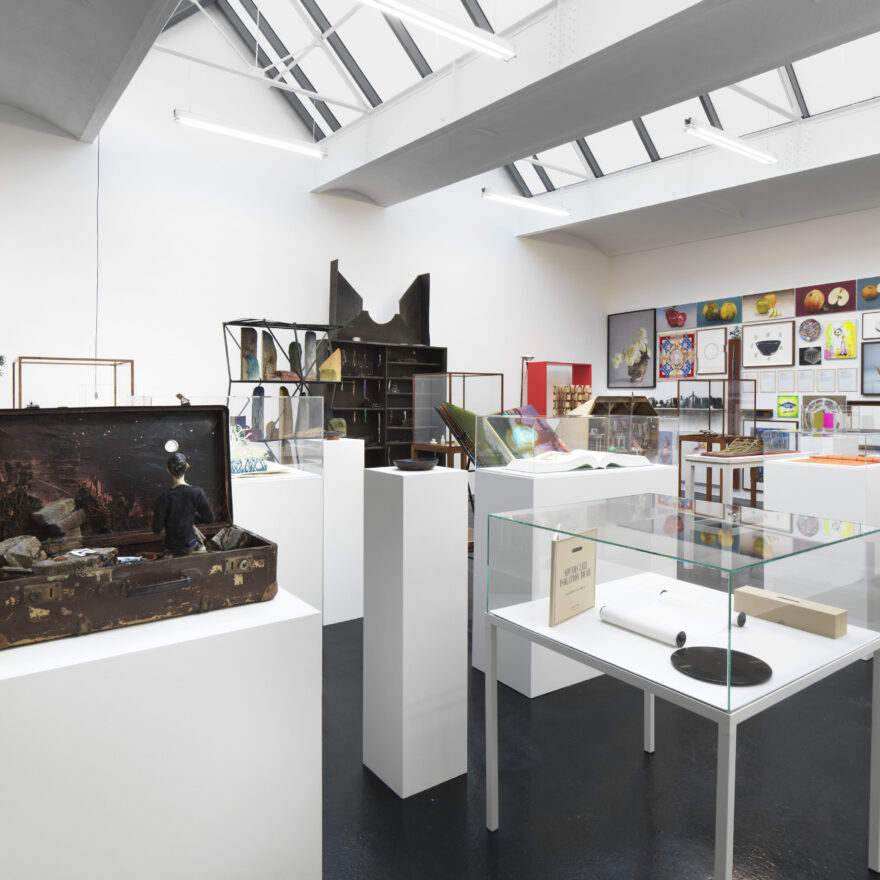
For autumn/winter 2026, the gallery is presenting Collecting, Repeating, bringing together works by Saâdane Afif, John M Armleder, Heidi Bochnig, Hans-Peter Feldmann, Sylvie Fleury, Isabell Heimerdinger, Bernd Ribbeck and Peter Roehr. The exhibition opened on September 5, 2026.
The title gives you a small clue about what connects the exhibition: collecting, repetition, accumulation and the ways artists return to images, objects and gestures.
But the experience is bigger than the theme.
Wilhelm Hallen itself is part of the attraction. Its industrial scale and history create an atmosphere that is very different from the polished white rooms many people associate with contemporary galleries. It feels spacious, slightly removed from the centre and, importantly, like somewhere you have discovered rather than simply ticked off a tourist list.
And that makes it a fitting final stop.
By the time you get here, you have already seen several versions of Berlin’s art world. This one reminds you that the city continues to expand beyond its obvious cultural map.
Also, Read : From Million-Dollar Paintings to Impossible Cars: Inside the Art World This Week
And then, of course, there are the others
Five galleries are hardly enough to describe Berlin’s gallery scene. They are simply five places to begin.
If your schedule gives you more time, and we hope it does, keep Galerie Max Hetzler, Galerie Buchholz, Tanya Leighton, KOW, Meyer Riegger, and Galerie Eigen + Art on your radar, too. Berlin’s current gallery programme includes everything from Grace Weaver and Sabine Moritz at Max Hetzler to Alix Cléo Roubaud at Galerie Buchholz, Luisa Rabbia at Tanya Leighton, and exhibitions across KOW, Meyer Riegger and Eigen + Art.
And if you happen to be in Berlin around one of the city’s major gallery weekends, the possibilities multiply quickly. Gallery Night in September 2026 alone brought around 50 galleries across the city together for new exhibitions, openings, performances and extended hours.
So, no, this is not the definitive list. Berlin is far too sprawling, curious and restless for that.
It is simply a place to start.
Because perhaps the best way to experience Berlin’s galleries is not to try to conquer them all. Pick one. Walk there. Spend an hour. Have a coffee afterwards. Follow the next interesting-looking street. See where you end up.
There will always be another gallery waiting around the corner.
Explore the current open calls and submit your work: apply.artstoheartsproject.com