

Artists On Joy
10 Artists on Joy: Finding Happiness in the Creative Process
Joy can look different to everyone. Sometimes, it comes from spending a quiet afternoon in the studio, finally getting an idea onto paper, or discovering a color combination that feels just right. Other times, it comes from looking back at something you made years ago and remembering exactly how it felt to create it.
For artists, joy is not always about making something beautiful or producing work that others will appreciate. It can be found in the process itself, in the freedom to experiment, the excitement of trying something new, and the simple pleasure of making something with your hands.
Art has a wonderful way of bringing us closer to these little moments. It gives us room to explore our feelings, follow our curiosity, and find happiness in things we might otherwise overlook. And while every artist has a different relationship with their practice, many have spoken about the importance of enjoying the act of creation.
So, what does joy mean to artists? How does it find its way into their work, and what can we learn from the way they approach creativity?
We gathered ten artists whose words and creative philosophies offer a lovely reminder that making art can be a source of happiness in itself. Whether you are looking for a little inspiration or simply need a reason to enjoy your creative practice again, we hope these artists encourage you to make room for more joy in your work.
1. Alma Thomas: Finding Happiness Through Color
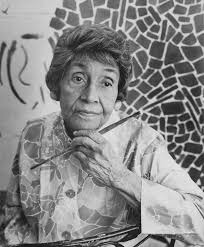
“Through color, I have sought to concentrate on beauty and happiness, rather than on man’s inhumanity to man.”
For American artist Alma Thomas (1891–1978), joy was closely connected to the beauty of the natural world. Her vibrant abstract paintings were inspired by flowers, gardens, sunlight, and the changing colors of the seasons.
Thomas spent 35 years teaching art before retiring and dedicating herself more fully to painting. Some of her most celebrated works came later in life, when she began experimenting with colorful brushstrokes and rhythmic patterns that reflected her fascination with nature.
Her words remind us that art can be a way of choosing what we want to celebrate. Even when life feels difficult, there is beauty worth noticing, and sometimes sharing that beauty with others is a meaningful act in itself. Smithsonian American Art Museum+1
2. Yayoi Kusama: Spreading Joy and Love Through Art
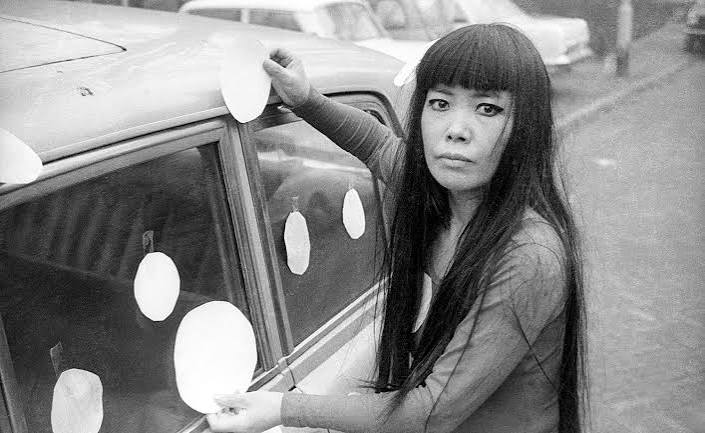
“My hope in art is to spread the joy and the love of being human.”
Japanese contemporary artist Yayoi Kusama has spent decades creating an artistic world filled with dots, pumpkins, mirrors, and endless patterns. Her work is instantly recognizable, but behind its playful appearance is a deeply personal creative philosophy.
Kusama has often spoken about her desire to communicate with people through art. Her installations invite visitors to become part of the artwork, encouraging them to experience wonder, curiosity, and a sense of connection with the world around them.
Her perspective is a lovely reminder that art does not always have to be understood in a particular way. Sometimes, it can simply make someone smile, create a moment of wonder, or help people feel a little more connected to one another. AnOther+1
3. David Hockney: Art Should Be About Joy
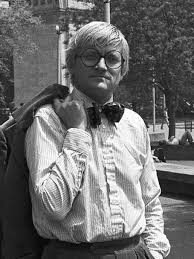
“Art should be about joy.”
Few contemporary artists have celebrated the everyday world quite like British artist David Hockney. From swimming pools and sunlit landscapes to gardens and familiar domestic scenes, his work often encourages us to find beauty in the things we see around us.
In an interview with The Guardian, Hockney spoke about the importance of making art that brings happiness to people. He also described the playful nature of his practice and his continued excitement about exploring new ways of making pictures.
What makes his perspective particularly refreshing is the idea that art does not always need to be serious to be meaningful. A painting can be thoughtful, skillful, and full of life while still being something that makes people feel good. Sometimes, giving someone a little joy is reason enough to make art. The Guardian+1
4. Bob Ross: Finding Joy in the Little Accidents
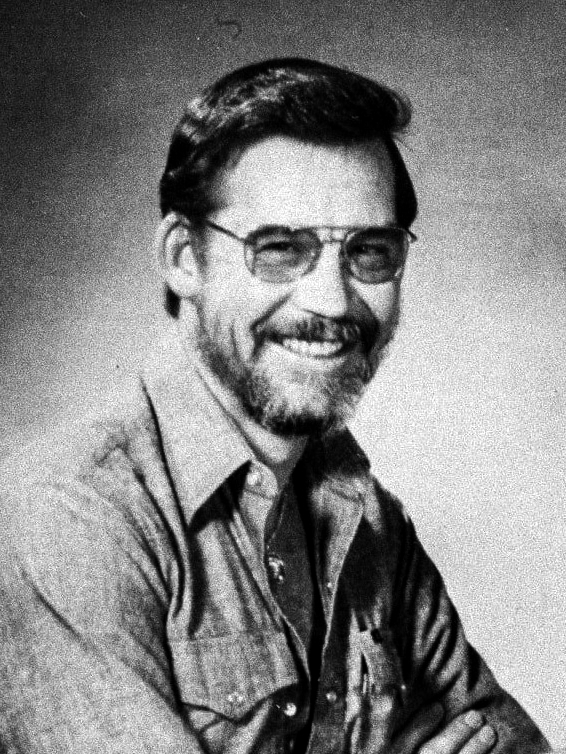
“We don’t make mistakes; we just have happy accidents.”
For millions of people, Bob Ross became the friendly face of making art without fear. Through his television show The Joy of Painting, he encouraged viewers to pick up a brush, experiment with colors, and enjoy the experience of creating something of their own.
His approach was never about producing a perfect painting. Instead, he showed people how an unexpected brushstroke could become a tree, a little patch of color could turn into a flower, and an apparent mistake could lead to something entirely new.
This is a particularly lovely lesson for artists who put too much pressure on themselves to get everything right. Not every experiment needs to become a finished masterpiece. Sometimes, the happiest part of creating is allowing yourself to play, make mistakes, and discover something you never planned. PBS+1
5. Rita Blitt: Creating Simply for the Joy of It
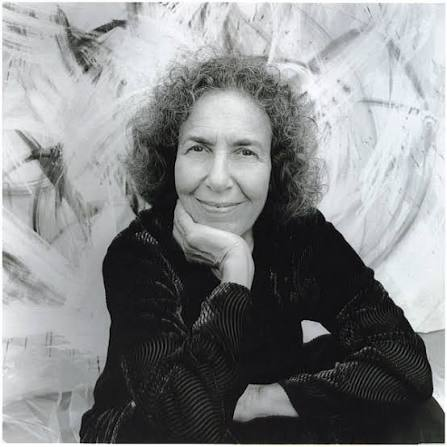
“Creating is a process; it should be done for joy.”
Artist Rita Blitt has spent decades exploring the relationship between movement, color, and creative expression. Her artistic practice includes painting, drawing, sculpture, and filmmaking, with works that often bring together flowing forms and expressive gestures.
In a conversation with Hyperallergic, Blitt spoke about the importance of finding joy in the act of creating and having the courage to listen to your inner self. She believes that making art should not become entirely about meeting expectations or following someone else’s idea of what a finished artwork should look like.
For artists, this is an important reminder to stay connected to the reasons they started creating in the first place. It is easy to become caught up in deadlines, exhibitions, sales, and the pressure to keep producing. But the process deserves just as much attention as the final result. Hyperallergic
6. Henri Matisse: Making Room for Lightness
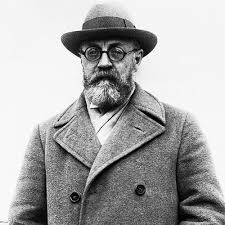
“I have always tried to hide my efforts and wished my works to have a light joyousness of springtime.”
French artist Henri Matisse believed in the expressive possibilities of color, line, and form. Throughout his career, he explored ways of creating artwork that felt harmonious, lively, and full of movement.
His later paper cut-outs are especially wonderful examples of this approach. Using brightly colored sheets of paper, Matisse created playful compositions that celebrated shape, movement, and simplicity. Even when physical limitations made painting more difficult, he continued exploring new ways to express himself.
His words offer a beautiful perspective on the relationship between effort and enjoyment. An artwork may take countless hours of thought and practice to complete, but it does not have to show all that struggle. Sometimes, the most wonderful thing an artist can offer is a little lightness. Henri Matisse+1
7. Maggi McDonald: Using Color to Bring Happiness
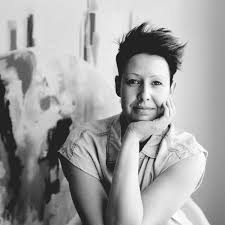
“I’ve always loved bright colours as they bring me so much happiness.”
For Australian artist and surface designer Maggi McDonald, color is one of the most wonderful ways to express happiness. Her vibrant abstract compositions draw inspiration from nature, personal memories, and the places that have shaped her life.
In an interview with Temple & Webster, McDonald spoke about how she uses bright colors as an antidote to difficult feelings and hopes to bring the same happiness to people who experience her work.
She also draws inspiration from childhood memories of beaches, rivers, and her grandmother’s garden. These familiar places continue to influence the patterns and colors she uses in her paintings.
Her approach reminds us that inspiration does not always have to come from somewhere extraordinary. Sometimes, the memories we hold closest to our hearts can become the most beautiful starting points for creativity. Temple & Webster
8. Joni Mitchell: Painting as an Expression of Joy
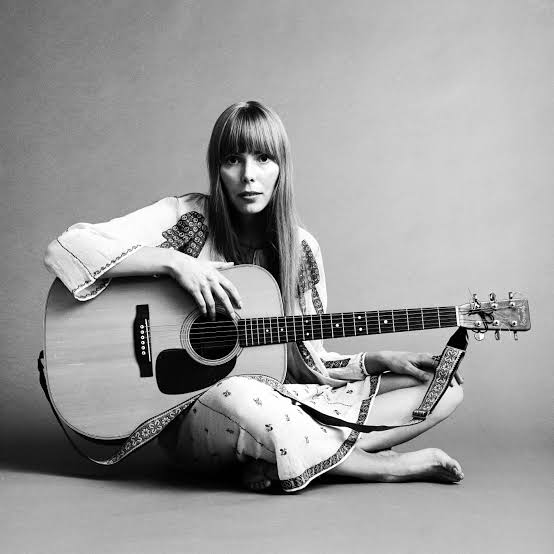
“Painting is joy; singing is sorrow.”
While many people know Joni Mitchell for her music, she has also maintained a lifelong relationship with visual art. Her paintings, drawings, and watercolors offer another way of understanding the creative world she has built around herself.
In a conversation with The New Yorker about her book Morning Glory on the Vine, Mitchell discussed the relationship between her visual artwork and songwriting. She described painting as an expression of joy, offering a different emotional experience from the one she finds in music.
It is interesting to think about how one person can find different kinds of happiness through different creative practices. For artists who work across multiple mediums, this is a reminder that there is no single way to express yourself. Sometimes, trying something outside your usual practice can open up an entirely new creative experience. The New Yorker
9. Helen Frankenthaler: Finding Joy in Experimentation
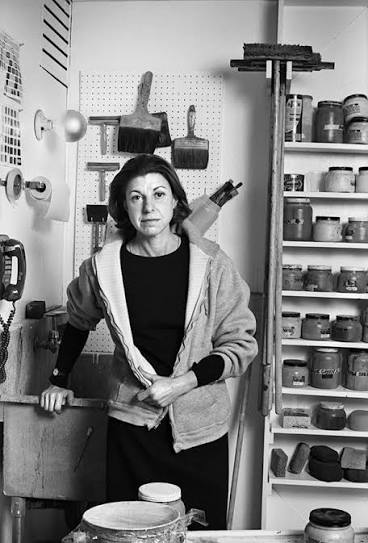
“Joy, order, invention, pleasure, truth.”
American abstract painter Helen Frankenthaler was known for her innovative approach to painting and her willingness to explore the possibilities of materials. Her influential soak-stain technique involved pouring thinned paint directly onto unprimed canvas, allowing colors to spread and interact with the surface.
Frankenthaler often spoke about her relationship with music and how listening to composers such as Mozart and Vivaldi could inspire visual patterns and harmonies in her mind.
In an interview with The Art Newspaper, she described the pleasure of experiencing music and the way it could offer an endless source of invention and joy.
Her perspective reminds us that creativity does not happen in isolation. Artists can find inspiration in music, movement, nature, conversations, and experiences that have nothing to do with their chosen medium. Sometimes, stepping away from the canvas is exactly what helps us return to it with fresh eyes. International art news and events
10. Christopher Le Brun: Making Joy Part of Art
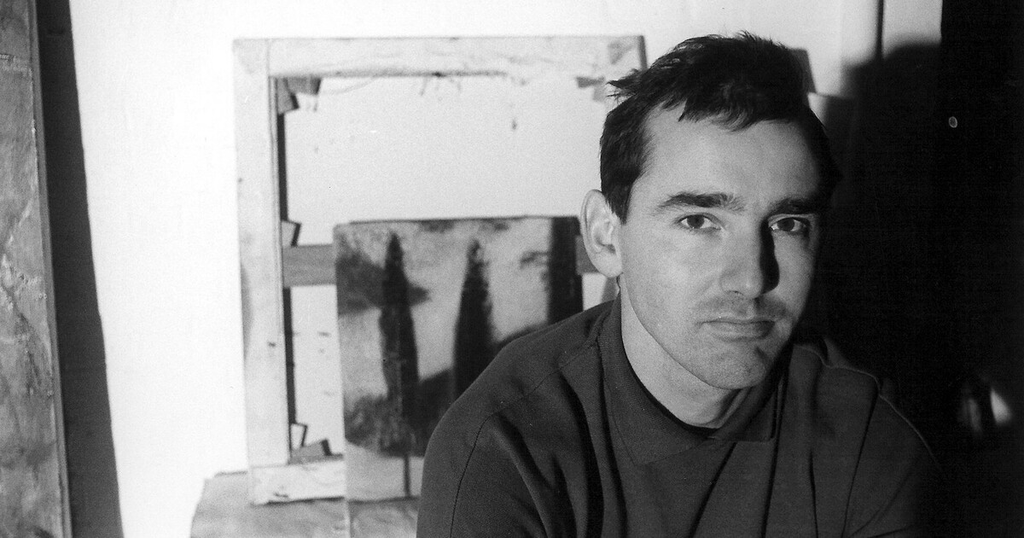
“Joy has to be part of the vocabulary of art.”
British artist Christopher Le Brun has explored painting, sculpture, and printmaking throughout his career. His work often brings together expressive gestures, imaginative forms, and a strong sense of movement.
In an interview with Apollo Magazine, Le Brun discussed the importance of pleasure and joy in artistic practice. He questioned the idea that joyful artwork should be considered less serious or meaningful than work that explores difficult subjects.
His perspective is worth remembering, especially for artists who sometimes feel that their work needs to carry a complicated message to be taken seriously. Art can explore difficult emotions and important ideas, but it can also celebrate life, bring comfort, and give people a reason to smile.
Joy is not something that makes art less meaningful. It can be one of the most meaningful things art has to offer. Le Brun_Apollo.docx
A Little More Joy in the Creative Process
Looking at these artists and their different perspectives, one thing becomes clear: joy does not have a single definition in art. For some, it comes from the freedom to experiment with colors and materials. For others, it is about finding beauty in everyday life, sharing something meaningful with an audience, or simply enjoying a few quiet hours in the studio.
And perhaps that is what makes joy such an interesting part of being an artist. It does not have to wait until an artwork is finished, an exhibition opens, or someone decides to buy a painting. It can be present in the smallest moments of the creative process.
If you have been feeling a little disconnected from your practice lately, perhaps this is a good time to return to the things that made you fall in love with art. Try a new medium, revisit an old idea, work with colors you have never used before, or make something without worrying about where it will end up.
You do not always need a big idea or a finished project to enjoy being an artist. Sometimes, all you need is a little time, a blank page, and the freedom to create something simply because it makes you happy. And that is worth celebrating, too.
Editor’s Note:
Last 5 days to submit to Artist of The Year 2026 are here. With the theme being Open, you are free to submit the artwork that represents your creative practice the best. Artists have until November 15, 2026 to submit their art, so don’t miss out!