



5 Ways To Deal With Creative Burnout Without Giving Up Art
Being an artist is often described as a dream career, and while there is plenty to love about having a creative practice, it can also come with its fair share of pressure and burnout. Between finding inspiration, developing new ideas, managing deadlines, sharing work online, and trying to make a living from something you love, it is easy to forget why you started making art in the first place.
Sometimes, the pressure comes from within. You might find yourself questioning whether your work is good enough, comparing your progress with other artists, or feeling guilty whenever you take a break. Other times, you simply run out of ideas and struggle to find the motivation to return to your studio.
These experiences are more common than we might think. And while there is no single formula for maintaining a happy and fulfilling creative practice, there are small changes that can make the relationship you have with your art feel much healthier.
The goal is not to become more productive every day or to turn every creative moment into an opportunity for professional growth. It is to build a practice that gives you room to experiment, make mistakes, enjoy the process, and grow at your own pace.
Here are five ways to get started.
1. Give Yourself Permission To Create Without An Outcome
One of the easiest ways to make art feel overwhelming is to expect every piece you create to lead somewhere. Perhaps you want every painting to be portfolio-worthy, every illustration to attract attention, or every new idea to become something you can eventually sell.
While having artistic goals is perfectly reasonable, making every creative session about achieving something can take away the enjoyment of creating. Try setting aside some time for art that does not have a purpose. It does not need to become a finished piece, be shared on social media, or even make sense to anyone else. You could spend an afternoon experimenting with colors you rarely use, making quick sketches, trying an unfamiliar medium, or creating something completely different from your usual style.
A helpful exercise is to start a separate sketchbook dedicated entirely to experimentation. Give yourself a simple prompt, such as drawing an everyday object in five different ways or creating a painting using only three colours. Resist the urge to correct every mistake or turn the exercise into a finished artwork.
In her book The Artist’s Way, Julia Cameron introduces the idea of an Artist Date. It involves taking yourself on a regular, intentional outing to do something that feeds your creativity. This could mean visiting a museum, exploring a botanical garden, browsing a second-hand bookshop, or simply walking through a neighbourhood you have never visited before.
The idea is to give your creative mind new experiences without demanding an immediate result from them. Remember, not everything you make needs to be your best work. Some of it simply needs to be made.
2. Stop Measuring Your Creative Journey Against Someone Else’s
Social media has made it easier than ever to discover talented artists from around the world. You can find beautiful illustrations, impressive studio spaces, exhibition announcements, successful art businesses, and exciting career milestones within minutes.
While this can be a wonderful source of inspiration, constantly seeing other people’s achievements can also make you question your own progress. You might wonder why someone your age has already had several exhibitions, why another artist has a larger following, or why your work does not seem to receive the same attention.
The problem is that we often compare our everyday experiences with the most carefully selected parts of someone else’s life. We see the finished painting, but not the unsuccessful sketches. We see the exhibition photographs, but not the months of preparation, financial difficulties, or rejection that may have come before them.
Try changing the way you use social media. Follow artists whose work genuinely inspires you, but do not feel obligated to keep up with every account. If certain profiles consistently leave you feeling discouraged, it is perfectly reasonable to mute or unfollow them.
You can also try a small exercise: create a personal progress journal. Once a week, write down three things you have learned, experimented with, or improved in your practice. They do not have to be major achievements. Perhaps you finally tried a new painting technique, completed a difficult sketch, or became more comfortable working with a particular material.
After a few months, look back at your entries. You may notice progress that would otherwise have gone unnoticed. Your creative journey deserves to be measured against your own starting point, not someone else’s timeline.
3. Learn To Recognize When You Need A Break
There is a difference between losing interest in your work and being genuinely exhausted. Sometimes, when artists struggle to finish a project or find inspiration, their first instinct is to push themselves harder. They spend longer in the studio, try to force new ideas, or become frustrated with themselves for not being as productive as they used to be.
But working through exhaustion does not always lead to better work. In fact, constantly pushing yourself without allowing time to rest can make your creative practice feel like an obligation rather than something you enjoy.
Start paying attention to how you feel before, during, and after your creative sessions. Are you excited to begin, or do you feel anxious every time you sit down to work? Are you struggling to concentrate? Have you stopped enjoying activities that once made you curious about art?
These feelings do not automatically mean you are experiencing burnout, but they can be useful signals that something in your routine needs attention.
Try introducing small breaks into your working day. Step away from your desk, take a short walk, listen to music, prepare something to eat, or spend a little time outdoors. You do not have to fill every quiet moment with another task.
In her book The Creative Habit, choreographer Twyla Tharp discusses the importance of building routines around creative work. One of her exercises, Build a Bridge to the Next Day, encourages readers to prepare for their next creative session rather than leaving everything unfinished in their minds. You can adapt this by writing down where you stopped, what you want to try next, and any ideas you do not want to forget before closing your sketchbook or leaving the studio.
This simple habit can make returning to your work feel less intimidating. And remember, taking a day off does not mean you are falling behind. Your creative practice should have room for rest just as much as it has room for work.
4. Create A Space Where You Can Be Honest About Your Feelings
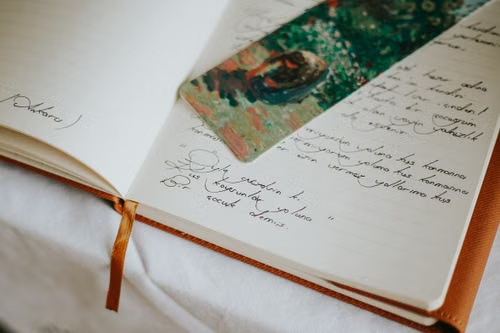
Art can be a wonderful way to express emotions, but artists are not always comfortable acknowledging how they feel about their own creative journeys.
Perhaps a rejection has left you disappointed, a project has not turned out the way you imagined, or you are worried about the financial uncertainty that comes with working independently. Sometimes, these feelings quietly build up until even the simplest creative task starts to feel difficult.
Instead of ignoring them, give yourself a little space to work through what is happening. One useful practice is keeping a creative journal. It does not need to be beautifully organized or filled with thoughtful reflections. Write down what is frustrating you, what you are looking forward to, what you are struggling with, and what you would like to change about your current routine.
You can also borrow an exercise from Julia Cameron’s The Artist’s Way, known as Morning Pages. Cameron recommends writing three pages of longhand, stream-of-consciousness thoughts first thing in the morning. The idea is to put whatever is on your mind onto paper without worrying about grammar, structure, or whether the writing is particularly meaningful.
You do not have to follow the full exercise every day. Even ten minutes of uninterrupted writing can give you an opportunity to sort through your thoughts before beginning work.
Another important part of emotional wellbeing is having people you can talk to. Connect with fellow artists, trusted friends, or people who understand the realities of creative work. You might discover that someone else has experienced the same frustrations you thought you were dealing with alone.
If difficult feelings persist or begin affecting your everyday life, seeking support from a qualified mental health professional is also a valuable option. You do not have to work through everything by yourself.
5. Build A Creative Routine That Works With Your Life
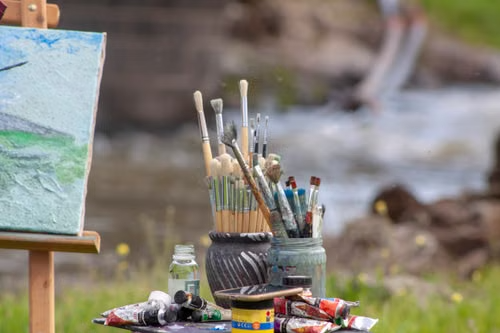
A healthy relationship with art does not have to mean spending eight hours a day in a studio or following a strict schedule. In fact, trying to maintain an unrealistic routine can create even more pressure.
The most useful creative routine is one that fits into your actual life, including your responsibilities, energy levels, financial circumstances, and personal commitments.
If you work another job alongside your art practice, perhaps you can dedicate a few evenings each week to making something. If you have more flexibility, you might prefer shorter creative sessions throughout the day. There is no universal schedule that every artist needs to follow.
Start by identifying the time when you feel most comfortable creating. Then make a small commitment that feels manageable. It could be twenty minutes of sketching, one hour of painting, or simply spending some time collecting references and developing ideas.
Twyla Tharp’s The Creative Habit is particularly useful here. She explores how preparation and repeated rituals can help make creativity a more consistent part of everyday life. One of her central ideas is that creative work becomes easier to approach when you establish a routine that gets you started.
You can develop your own version of this. Perhaps you always begin by clearing your workspace, making a cup of tea, arranging your materials, or playing a particular playlist. These small rituals can help create a sense of familiarity around your creative time.
It is equally important to leave some flexibility in your schedule. There will be days when you cannot finish what you planned, and others when you feel inspired to work a little longer. Allow your routine to accommodate both.
The purpose of having one is to support your creativity, not to give yourself another reason to feel guilty.
A Creative Practice That Feels Good To Come Back To
Having a healthy relationship with your art is not about feeling inspired every morning, loving everything you create, or never experiencing self-doubt. Every artist has difficult days, unfinished projects, unexpected disappointments, and moments when they question their abilities.
What matters is learning how to make space for all of these experiences without allowing them to take away your enjoyment of creating.
Give yourself permission to experiment, celebrate the progress you might otherwise overlook, take breaks when you need them, and build a creative routine that feels realistic. Most importantly, remember that your value as an artist is not determined by how much work you produce, how many people appreciate it, or how successful your latest project becomes.
Your relationship with art is something you will continue to develop throughout your creative journey. Let it change, allow yourself to grow, and do not be afraid to approach your work differently as you discover what makes you happy.
After all, art should be something that adds meaning to your life, not something that makes you feel like you are constantly falling short.