

Delia Hou’s Colour-Driven Canvases Transform Soft Hues into Dreamlike Abstract Vision
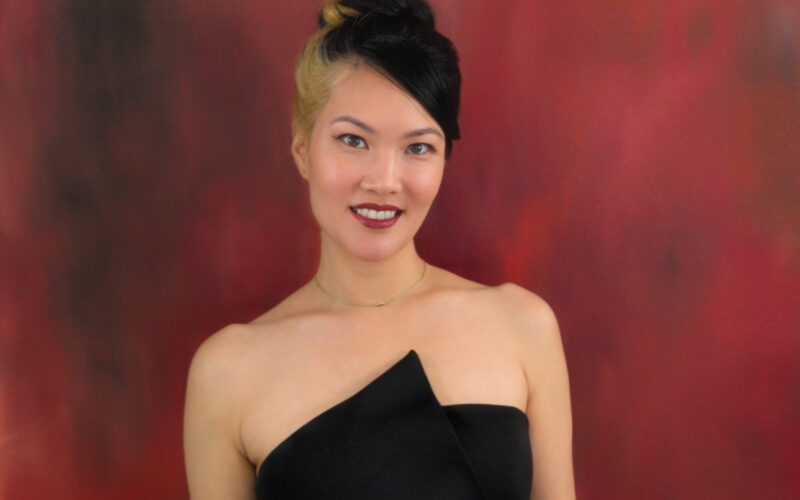
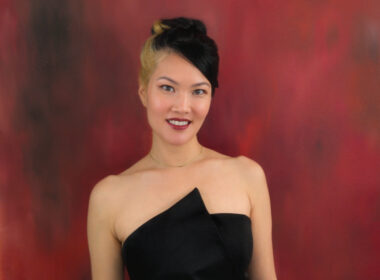
At Arts to Hearts Project, colour means something different to every artist, and the Colors Edition of our 101 Art Book series proved it, arriving in countless forms and feelings, from the bold to the subtle, the symbolic to the deeply personal. From all those visions, 101 artists were selected, and one of them is Delia Hou, an artist for whom colour is almost everything.
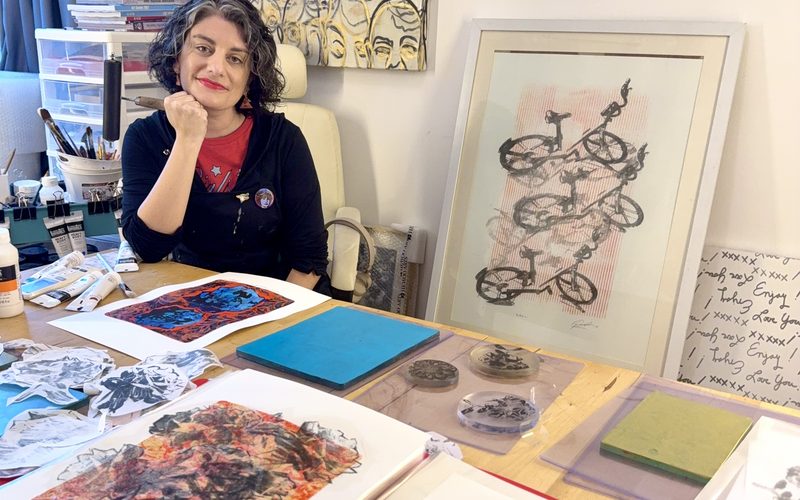
Delia’s journey to art is unlike anyone else’s we’ve met. Based in New York, she studied astrophysics at MIT and law at NYU before finding her way into dance, performance, and visual art, and along the way she has lived across the United States, Taiwan, Malaysia, and Argentina. It sounds like a lot of different lives, but to Delia it has always been one.
What ties it all together, she says, is a deep curiosity about the world and a quiet need to feel the invisible currents running just beneath the surface of things. Physics, law, dance, painting, each became another way of listening to the universe, and all of them live inside her art.
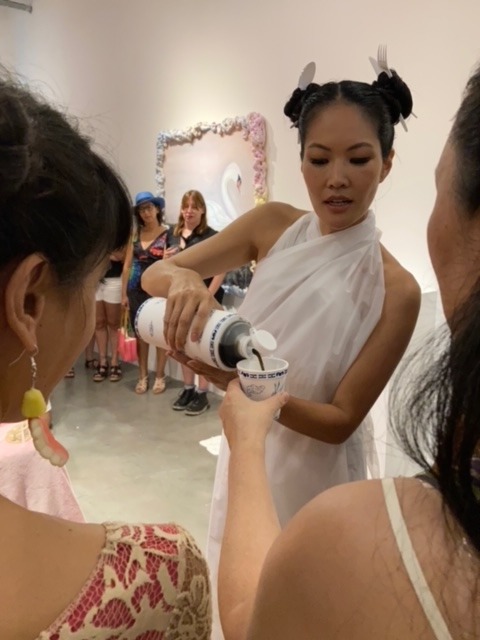
She works across painting, sculpture, performance, video, and digital art, reaching for whichever medium best fits the idea in front of her. But abstract painting is where she feels most at home. It’s the one place, she says, where there’s nothing for her logical mind to hold onto, where she can create pure atmosphere and let contradictory feelings sit side by side without needing to explain them.
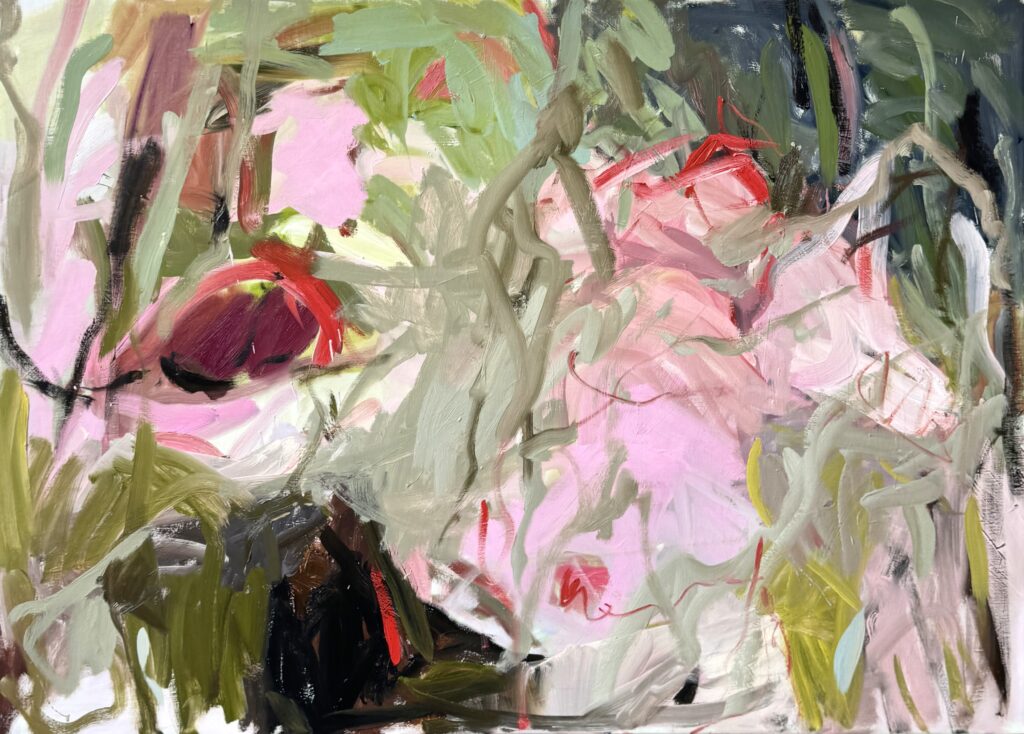
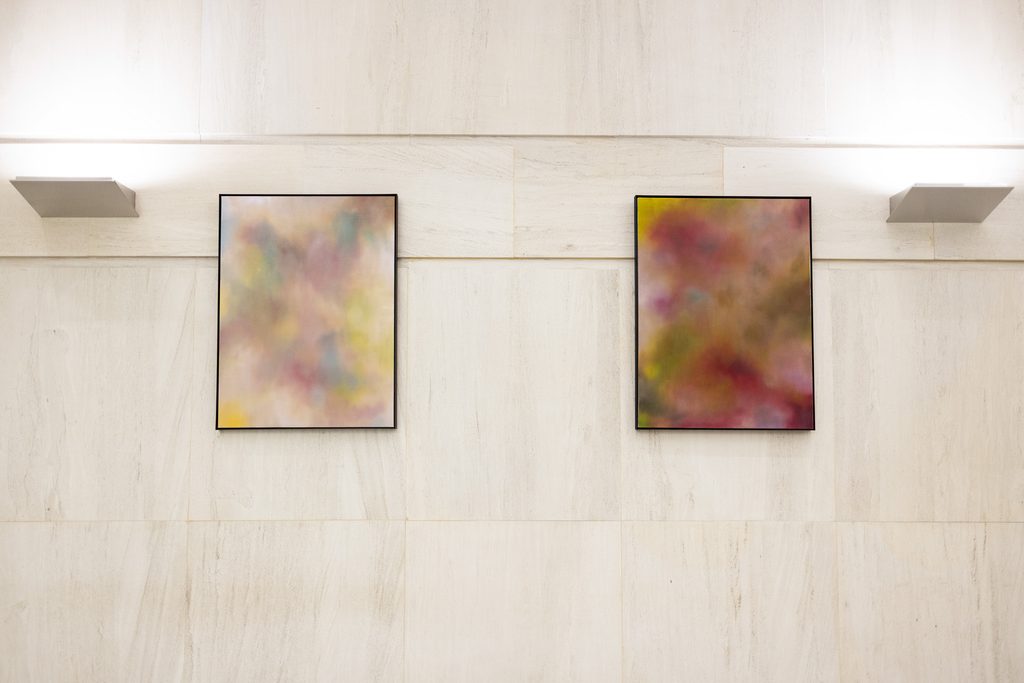
And colour is the beating heart of it all, especially in the work she calls her No-edge Paintings. The name is a cheeky play on the Hard-edge movement, and the whole idea is to turn it on its head, to let colour matter more than form, so there’s nothing fixed for your eye to land on.
She gently plays with our natural urge to make sense of things and keeps it quietly in motion; the second a meaning starts to form, a small shift of the gaze lets it slip away again. Her paintings never quite stand still, and that soft, endless movement on the canvas can set something moving inside you too.
Underneath it all, there’s a real philosophy to how Delia sees the world. She’s drawn to paradox and contradiction, and instead of tidying them away, she tries to hold onto one small piece of their mystery and let it slowly unfold in whoever’s looking.
She loves to gently question the labels and assumptions we take for granted, in art and in life. Having never quite felt she belonged to any single place or field, she’s learned to find real freedom in that, growing comfortable moving between worlds, and refusing to shrink herself down to one word.
Now let’s hear from Delia about the thread connecting physics, law, dance, and paint, why abstraction gives her such a rare kind of freedom, how colour keeps her paintings in constant motion, and what she’s learned about living between many worlds.
Q1. Delia, your journey has taken you from physics and law to dance and visual art. How did these different paths lead you towards becoming an artist?
The thread running through all these disciplines is curiosity about the world, and a fierce need to decipher the invisible undercurrents just beneath obvious appearances. In the end, it’s all one long search for a glint of something beautiful just out of reach, and every time I get close and distill something into a formula, conclusion, movement, or artwork, I find infinitely more points to chase.
Physics was my first love: a tradition of mathematical abstraction in the form of equations that the human mind invented to explain the universe of inanimate things around us. Law works in a similar way, reducing human behaviour to legal “equations” so we can balance things in the name of justice. Dance, as opposed to mime and gesture, is also an abstraction, an expression of human tendencies embodied through movement.
Each discipline sharpened a different way of being a channel for the universe. My artworks pull from all of it to distil reality as I see it into a particular visual format, using paint, sculpture, performance, or digital media.
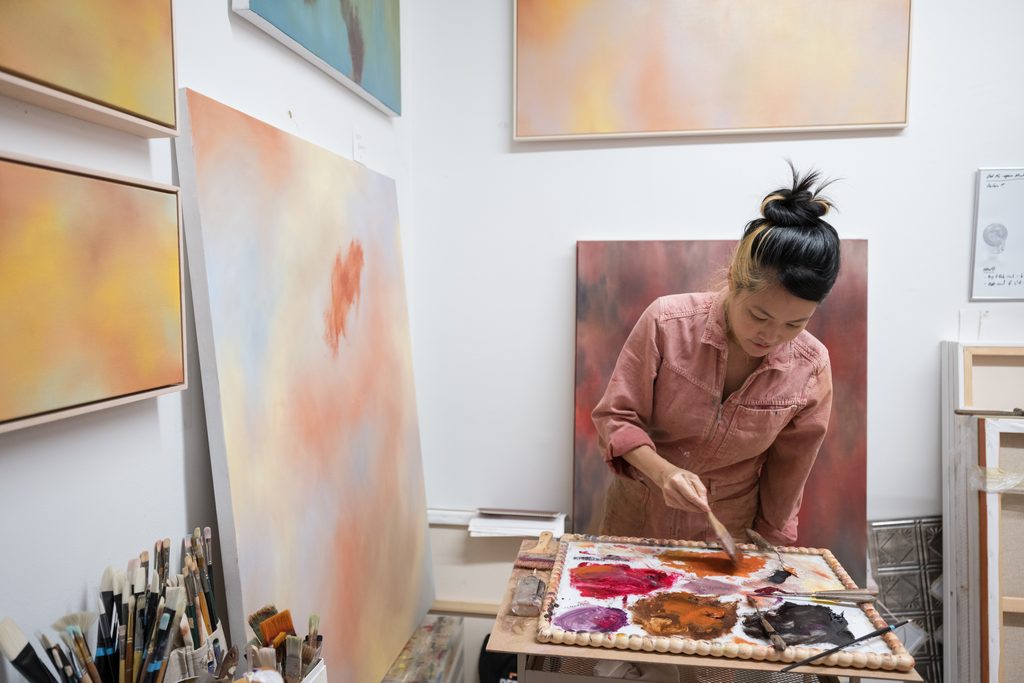
Q2. Your background spans physics, law, dance, and visual art. How have these disciplines shaped the way you approach art today?
In my abstract paintings, I work with formal elements like colour, form, texture, and scale. When I adjust some part of a painting and suddenly everything just feels right, it feels like the divine moment of solving an equation or finding a legal solution that gives us a sense of fairness. The difference is that I’m balancing it all through an instinctive and internal sensation tied to visual perception, rather than deducing anything through maths or legal logic.
Painting allows me to combine the visceral act of moving my hands with internal decision-making that relies on the mind but isn’t logic-based.
As opposed to dance, which disappears after the moment passes, painting creates a lasting trace of my movement.
When I work with specific subject matter through performance, sculpture, or digital media, the challenge is to rearrange recognisable elements in a way that reveals a hidden perspective. I try to find something personal that also touches upon a universal thread that can resonate with others.
Q3. Your practice includes painting, sculpture, performance, and video art. How do you decide which medium best suits an idea?
I explore abstract painting as a way of removing subject matter completely, and it remains a special place for me, a corner where I am forced to operate in a realm with nothing for my logical mind to latch onto. In creating only atmospheres and sensations, I hold space for contradictory feelings and thoughts to coexist simultaneously in an ambiguous, embodied way.
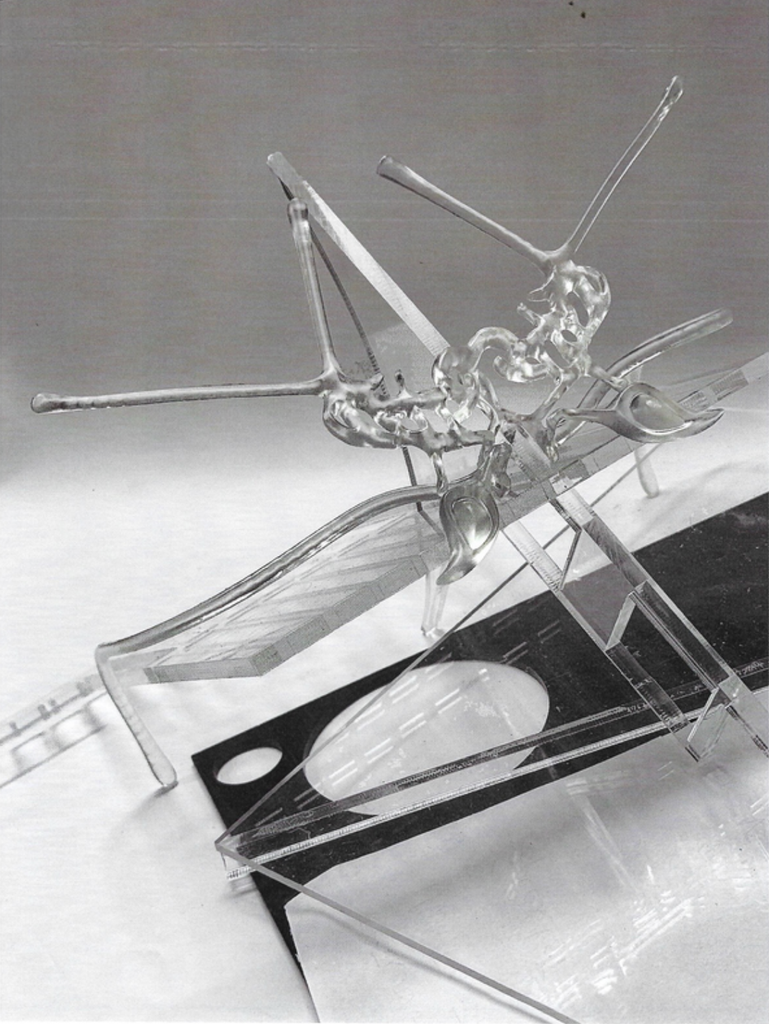
When I engage with a particular topic through performance, sculpture, or other mediums, including figurative painting, it allows me to use things like irony, humour, or narrative to highlight specific contradictions within that context. Across all mediums, though, there exists a subversive desire to challenge accepted norms and assumptions, whether explicitly or through ambiguity.
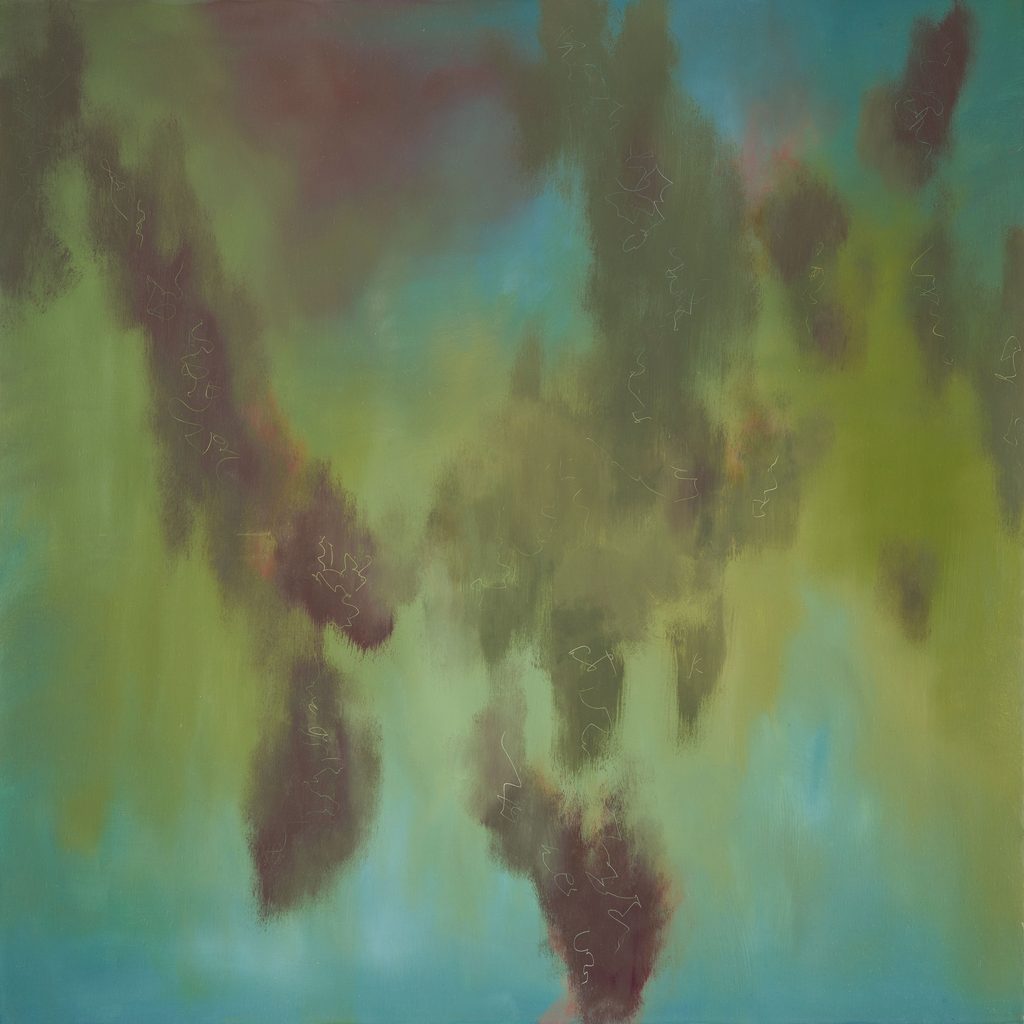
Q4. You founded El Lobby as a space for creative production and exchange. What inspired you to create it?
Apart from the solo act of creating artworks, I think the life actually lived by an artist is an equally important component of what it means to be an artist.
The social interactions with other artists and art world professionals, exhilarating at times and disturbing at times, are essential. It is also simply fun to engage with a wide range of people who share a common excitement about art.
In Argentina, to “hacer lobby” in the art world is to network or hustle, and the name El Lobby is a play on that. El Lobby is an experimental space that deconstructs the stratification of the art world by combining studio space, where art is made, with exhibition space, where art is shown and appreciated.
I am happy to say that there have been many of those “special nights” when people get together to celebrate art at an opening, poetry reading, or performance. Although these moments are ephemeral and unrepeatable, it means something to me to have contributed to creating moments that people can fondly remember having lived and shared.
Q5. Your No-edge Paintings prioritise colour over form and resist fixed meanings. What interests you about keeping interpretation open?
As a play on the Hard-edge painting movement, the idea of No-edge painting is to prioritise colour over form so that there is really nothing defined for the eye to latch onto. As an exercise in removing subject matter completely, as well as leaving nothing for the eye to sit still and rest upon, I use the natural human instinct to create meaning to lead to a state of unending movement.
Even if a single, fixed interpretation manages to coalesce, the next moment it is already gone as the eye moves slightly across the canvas or widens out or zooms in to take in more or less of the painting. The movement in the visual field can lead to an internal feeling of movement within oneself as well.
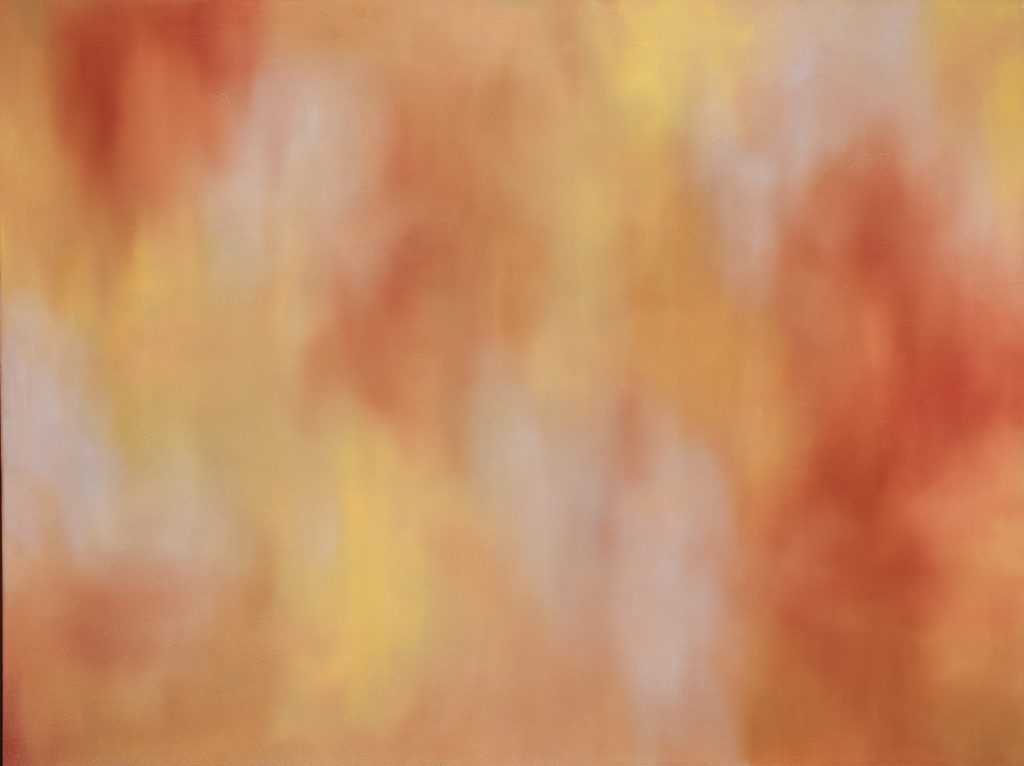
Q6. Paradox and contradiction often appear in your work. How do you approach ideas that may never have a clear resolution?
I actually do feel a great desire to resolve them when I come across them. It bothers me so much that I feel like I have to do something about it. But certain things are simply irresolvable mysteries, so the closest I can get is to try to capture some aspect of them in an artwork and highlight one interesting twist, leaving the full complexity to unwind slowly in the viewer.
I hope to take advantage of the special space that art gives us to reach out to each other in ways that are “out of the box” and to crack through the limits of logic, efficiency, and polite social conventions.
Q7. Having moved between different disciplines, identities, and places, what would you say to women who feel pressured to choose just one path?
From having moved around so many different places since birth, I always felt like I never fully belonged anywhere. But the benefit of never feeling fully comfortable anywhere is that I have become used to it, and I have the ability to feel comfortable feeling slightly uncomfortable anywhere and everywhere.
I think the pressure to choose only one path comes from the need to quickly communicate your identity with one word. Once you give up trying to reduce yourself to predefined labels, and free yourself from the pressure to make it easy for other people to stereotype you or from the desire to have people view you a certain way, it becomes easier to drift between distinct disciplines, identities, and places according to the desires of the most present version of yourself.
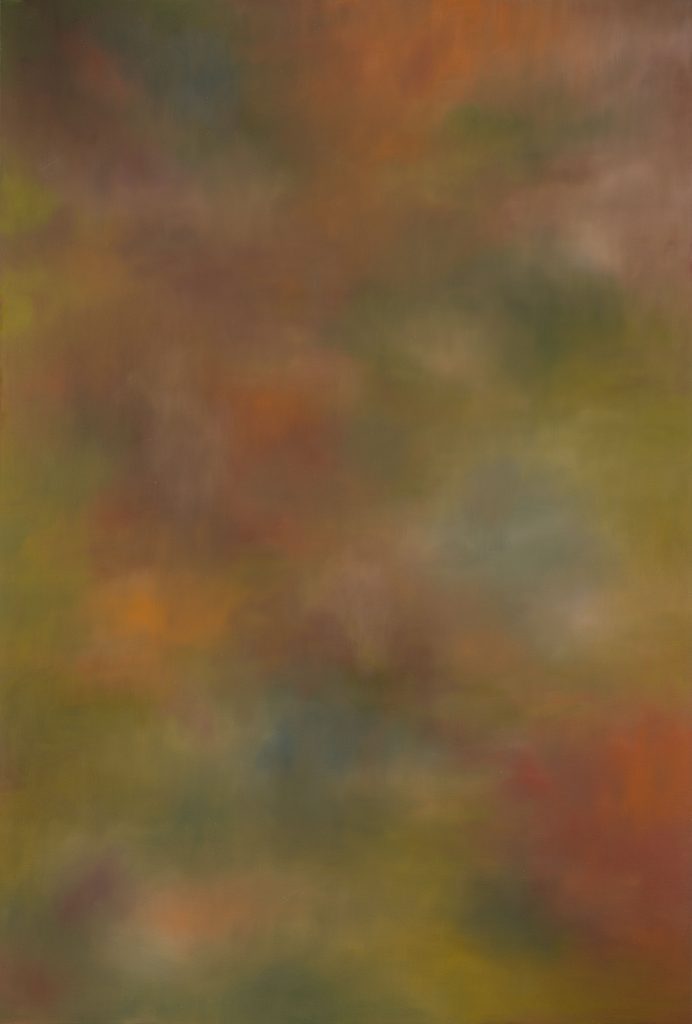
After our conversation with Delia, we kept coming back to one thing: how rare it is these days for an artist to be allowed to be more than one thing.
Delia’s whole life is a beautiful argument against that. The art world tends to love a tidy identity, one medium, one signature look, one story neat enough to print on a wall label. Delia simply never fit that mould, and she stopped trying to. She’s moved between physics, law, dance, and art, and across the world, and instead of seeing all that as scattered, she’s let every piece of it flow into her work.
There’s something genuinely freeing in watching someone refuse to shrink themselves to fit a category. Her range was never a lack of focus; it’s exactly where her depth comes from, and it’s a quiet reminder that the most interesting people, and artists, are rarely just one thing.
What we love most, though, is what her paintings gently refuse to do. We live in a world, and an art market, that wants everything explained and understood in a sentence, where even a painting often gets boiled down to a neat little concept. Delia’s No-edge Paintings do the opposite.
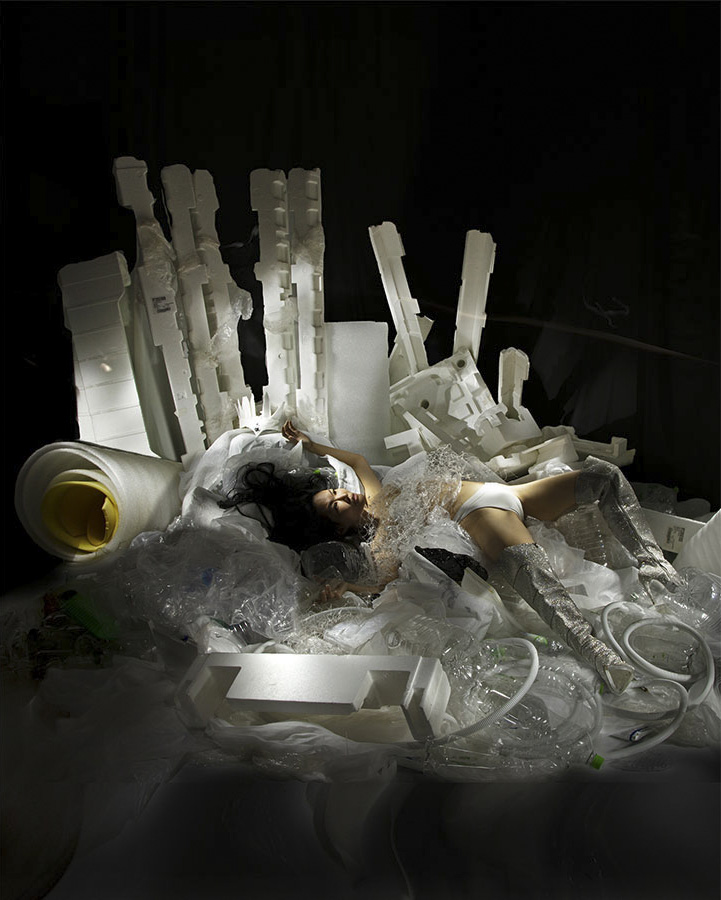
They leave room for mystery, for contradiction, for simply not having the answer. In a time when everything feels fast and certain and over-explained, there’s something deeply calming about work that just lets you feel, and asks nothing more of you than to stay a while and look.
For art lovers and collectors, Delia’s work brings depth, movement, and a quiet sense of the infinite into a space. Luminous, edgeless paintings made of colour and atmosphere, that never settle into a single image and keep shifting the longer you look.
People find their own feelings and meanings in them, a little different every time. To live with one of her pieces is to keep something truly alive on your wall, a work that moves with you, resists easy answers, and gently reminds you that not everything needs to be pinned down to be felt.
Follow Delia Hou through the links below and see her work for yourself.
Women Artists on the Rise opens its 7th edition, now accepting submissions.
For seven editions, this series has existed to see and celebrate women artists, and to give rising voices a place to be recognised and remembered. It remains open to every medium, every subject, and every stage of a career, and to artists anywhere in the world. What matters is the work, and the voice behind it.
If you have been meaning to put your work forward, let this be the moment. This could be your edition.