


How Lyke Kim Channels Art to Question the Pressure on Women to Remain Young & Desirable
At Arts to Hearts Project, each issue of our magazine begins with a single idea that artists around the world answer in their own way. It is one of the ways we bring together a wide range of voices, give their work a place to be seen, and let a shared theme reveal just how differently each person sees it. For Issue 13, that idea was “The Things We Hold Onto,” and the submissions moved us deeply, some through memory, some through love, some through place.
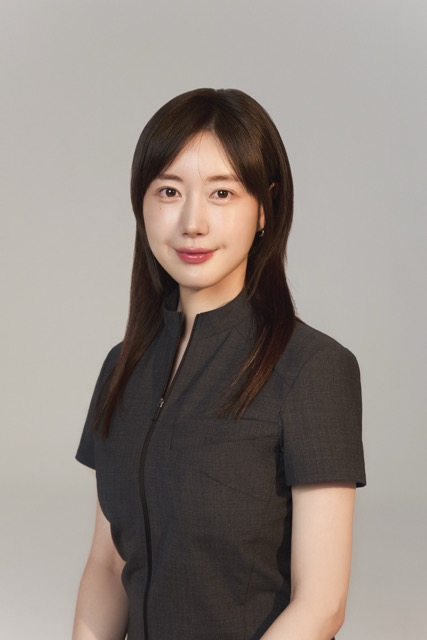
Among the 100 artists we chose, one of them is Lyke Kim, whose answer flipped the question entirely. What she clings to is everything women are pressured to let go of, their edges, their age, their anger, and the truth of the body as it really is.
Lyke is a Korean artist who grew up between Korea, Hong Kong, and Paris, surrounded by cultures that measured a woman’s worth by her age, her looks, and how agreeable she was willing to be. In Korea especially, she says, youth is not just admired, it is demanded, and women are expected to stay forever young, smooth, and pleasant.
For a long time she absorbed all of it without question. Then she began to notice that what she had believed were her own desires were actually an image handed to her by the world around her. Once she saw it, she could not unsee it, and that rupture became the foundation of everything she makes.
She came to this partly through fashion. She trained and interned in high fashion in Paris, where she learned just how carefully femininity is built, that nothing about it is accidental. A hemline, a casting choice, a retouched jawline, each one is a quiet instruction about what a woman is allowed to be.
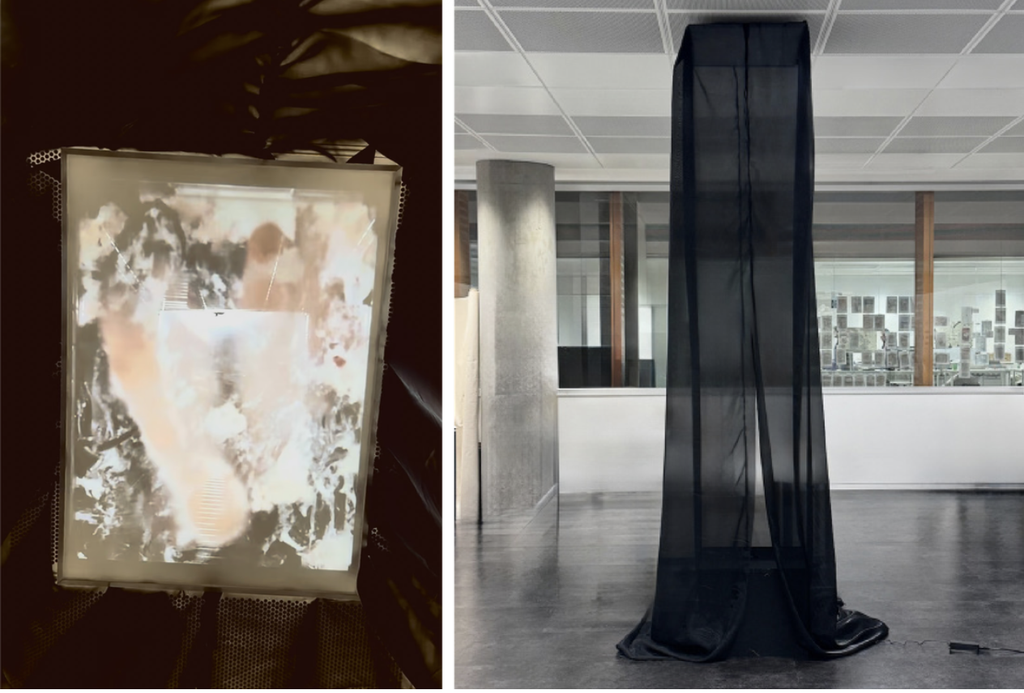
Her work is a tension many of us know but rarely name, the gap between the body we live in and the body that is looked at. One has weight, hunger, tiredness, shame. The other is flat, corrected, and made to be consumed. For years she could not tell them apart. That discomfort is built right into what she makes. A joyful image of celebration and the messy truth it hides live inside the same object, forcing you to look at both together. Somewhere else, a figure is projected onto see-through fabric, so a clean, easy picture is always just out of reach.
She works across film, performance, objects, and installation, and each does something different. Film and performance hold you inside a stretch of time you did not choose, closer to how the pressure to look a certain way is actually lived, as something repeated over years.
Performance adds real risk, because a live body can falter in a way that cannot be edited out. And crucially, she refuses to resolve her work. She leaves it open and unfinished on purpose, because the discomfort is the point. She does not want to hand you a tidy conclusion; she wants to build a space you have to step inside and sit with.
What makes her work so powerful is that it refuses to stay personal. She is not simply telling you something was done to her; she is exposing the machinery that does it to all of us. And she has stopped over-explaining where she comes from. The specific history she carries, of Korean women and the pressures placed on their bodies and their labour, is not a footnote to her work. It is the material itself. She has learned to trust that the more specific and honest she is, the further the work travels.
Now let’s hear from Lyke about the moment she stopped believing the image she was handed, what fashion taught her about control, why she refuses to resolve her work, and the difference between the body we live in and the body the world looks at.
Q1. Could you share what first led you to question how femininity is shaped around the body?
Growing up across Korea, Hong Kong, and Paris, I was surrounded by cultures that assigned value to the body based on age, appearance, and compliance.
In Korea especially, youth is not simply celebrated. It is demanded. Women are expected to perform a version of themselves that is perpetually young, smooth, and agreeable. I absorbed this without questioning it for a long time.
It lived in how I dressed, how I moved, what I consumed. The moment I began to question it, I could not stop. What I had believed to be my own desire turned out to be a learned image imposed on me. That rupture became the foundation of my practice. Refuse: Youthphilia was not a concept I arrived at intellectually. It was something I had already been living, and finally chose to name.
Q2. You describe your practice as post-glitch. What does this idea mean to you, and how does it shape the way you approach your work?
Legacy Russell’s Glitch Feminism gave me my first language. The glitch, the error, the refusal to function, is not failure but liberation.
I still hold that. But something has changed since 2020. The spaces where the glitch was supposed to open have been absorbed. Mindy Seu’s A Sexual History of the Internet traces how bodies and desire built the internet and were then commodified by it.
The error did not stay an error. It became a product. Post-glitch is my response to that condition. Refusal is no longer a single moment of malfunction. It has to be sustained, repeated, kept from being resolved. Byung Chul Han describes a subject who exploits herself willingly and calls it freedom.
Post-glitch is the attempt to refuse that willingness without pretending the refusal is finished. In practice, this means I do not resolve my work. Han names the condition. Russell offers the method. I am asking what comes after the method has been sold back to us.
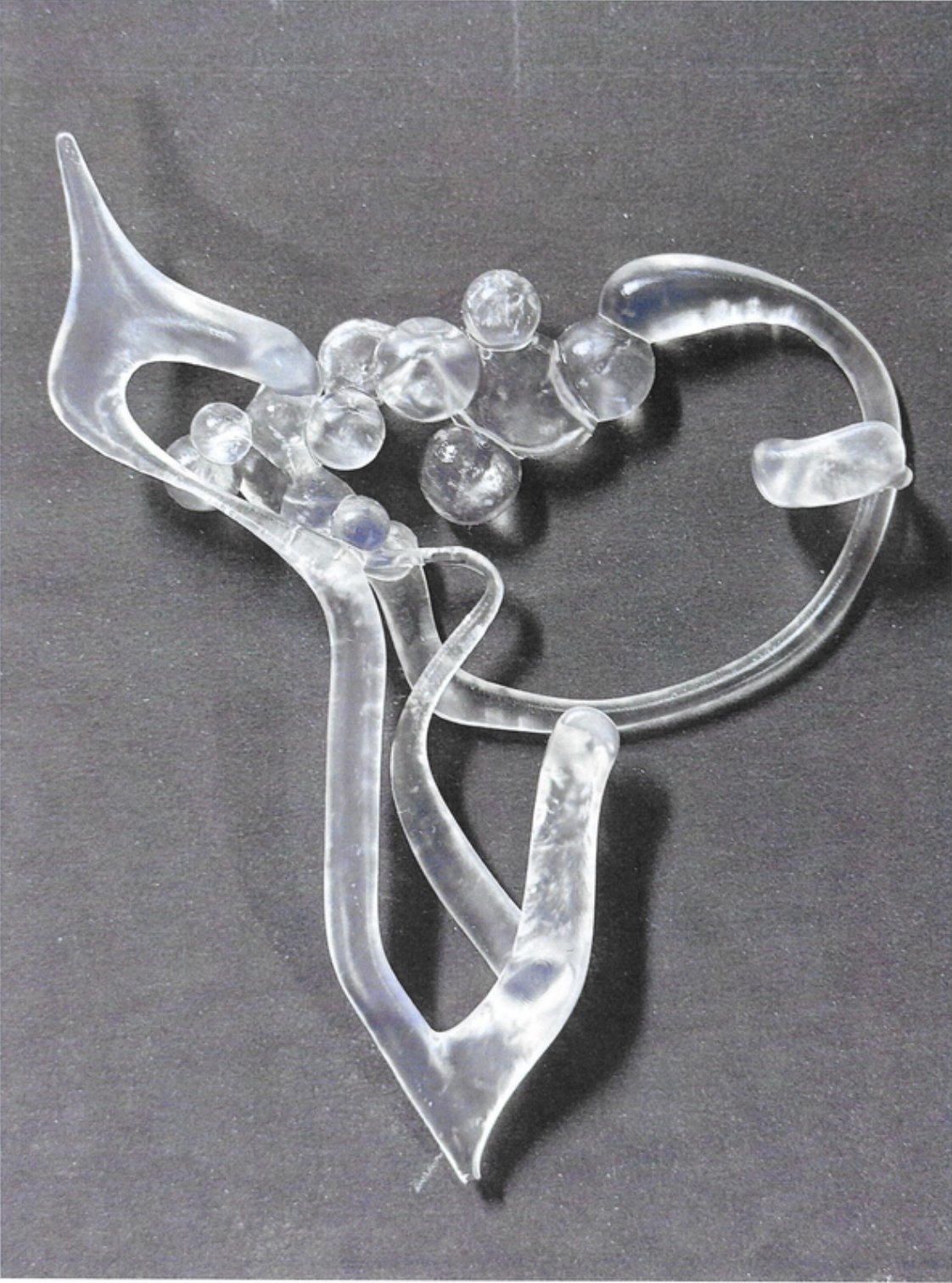
Q3. Your background in fashion shaped your understanding of how women are presented. What did the industry teach you about femininity?
I interned at Ann Demeulemeester in Paris. Fashion taught me that femininity is manufactured with precision. Nothing about it is accidental. A hemline, a casting decision, a retouched jaw. Each one is a small instruction about what a woman is permitted to be. I was fluent in that language before I could criticise it, and that fluency is why I can dismantle it now.
The internship gave me real experience of the high fashion industry and also left me sceptical of its constraints. I left because the industry I had turned to as an act of freedom was operating under the same structures I had tried to escape. The image of women it produced was just as controlled, just as enforced. I still use fabric, garments, and the runway. I use them against themselves.
Q4. There is often a tension between how the body is seen by others and experienced from within. How does this tension enter your work?
The body I live in and the body that is looked at are not the same body. One has weight, fatigue, appetite, shame. The other is flat, corrected, consumable.
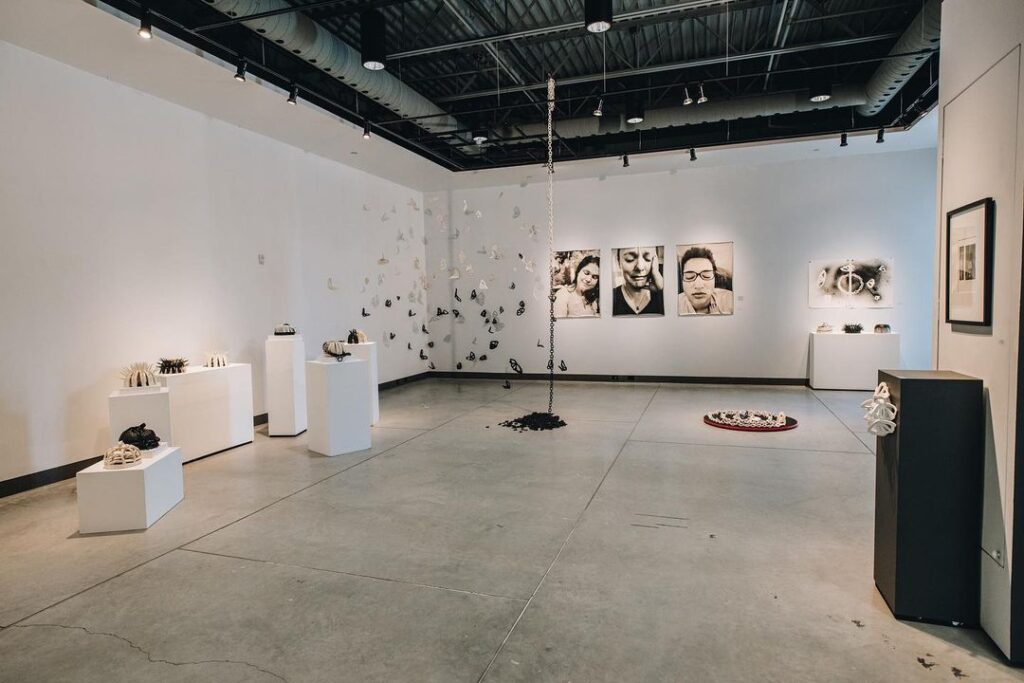
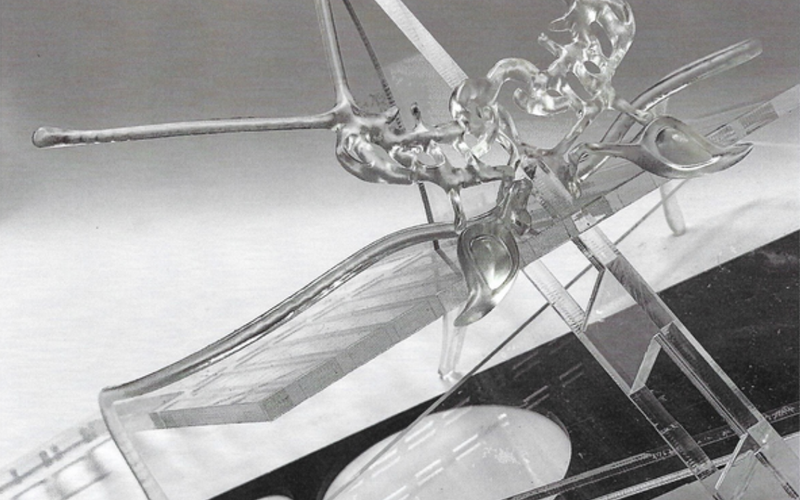
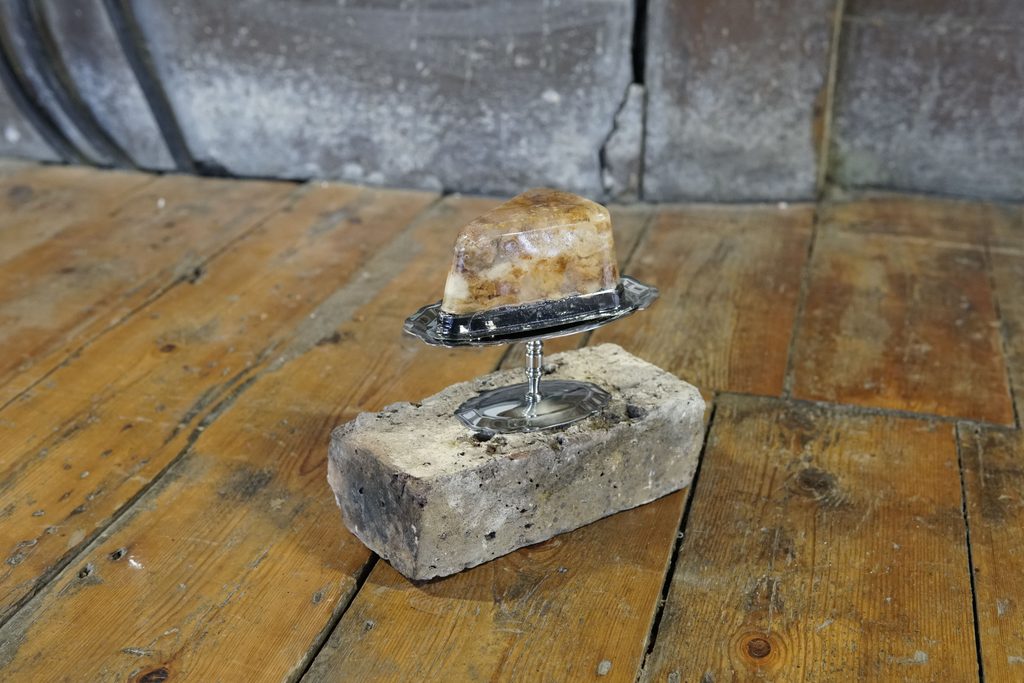
For a long time I could not tell them apart. Long hair, soft skin, the nape of the neck. I believed these were my own preferences before I understood they were fetishes I had absorbed. That confusion is where my work begins. In Refuse: Youthphilia_Atonement, the cake is the image of celebration and the vomit is what the body actually did with it.
Both sit in the same object, so the viewer cannot choose one. In Veil, the projection sits inside translucent fabric, so the figure is never fully available. The viewer does not get a clean image. I am not claiming the interior body is more authentic. The violence is in being forced to reconcile the two.
Q5. What can performance and film communicate about the body that static images and objects cannot?
Duration. An object lets you decide how long to stay with it. Performance and film do not. They hold you inside a length of time you did not choose, which is much closer to how discipline is actually experienced. Being told how to look is not a single event. It is repetition across years.
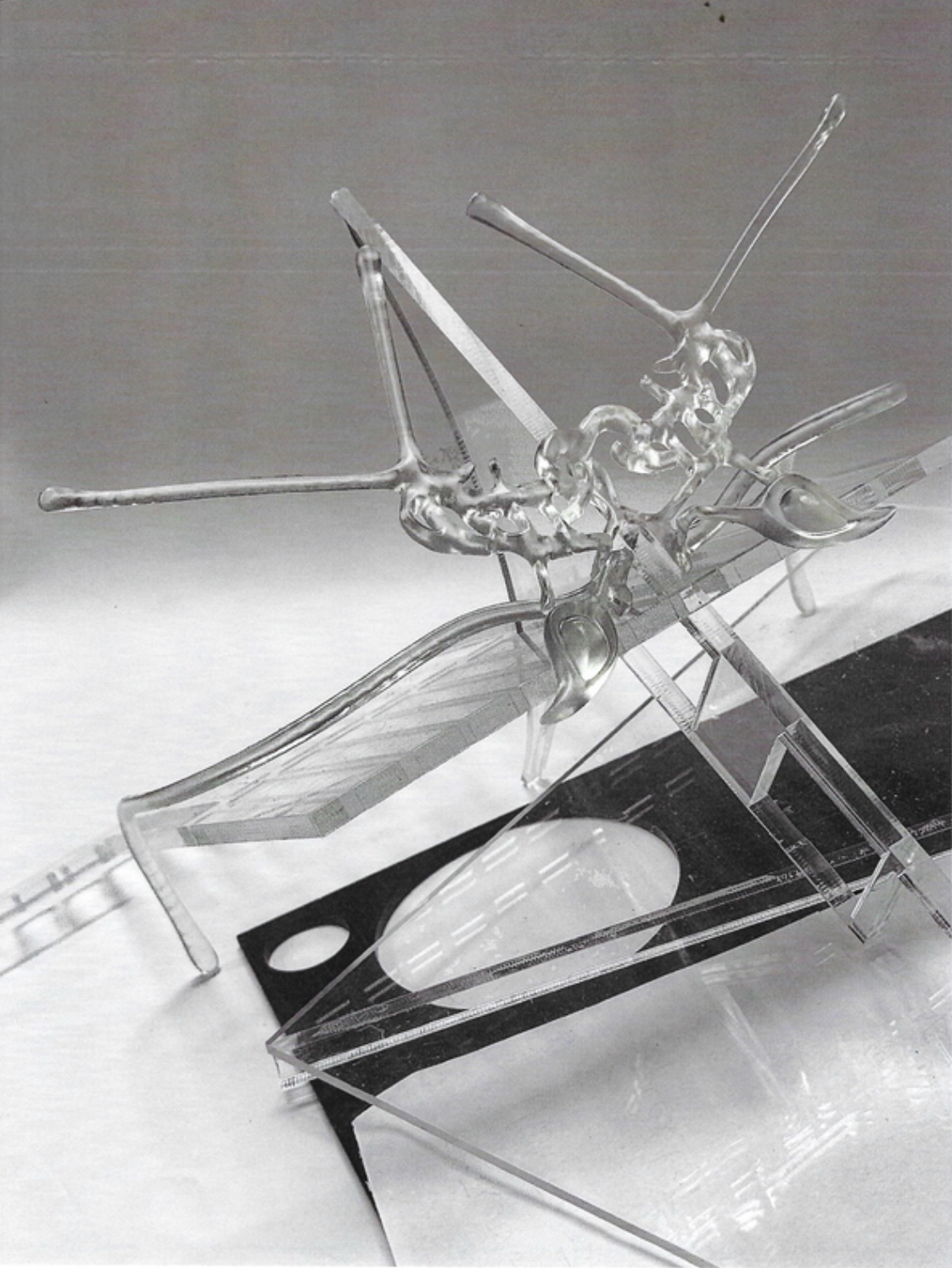
Film lets me make that repetition legible. Performance adds risk, because the body can fail in real time and the failure cannot be edited. An object can be beautiful and still be safe. A body in front of you is never entirely safe, for the performer or for the viewer. I need objects too. In Refuse: Youthphilia, the resin holds the residue and the projection holds the act. I want both in the same room, so the viewer has to move between the evidence and the event.
Q6. What still needs to change in how women, bodies, and femininity are represented in the contemporary art world?
Representation has moved faster than structure. There are more women in exhibitions and more bodies on walls, and much less change in who decides, who funds, and who is permitted to be difficult.
Women are still rewarded most reliably for work that explains its pain clearly and then resolves it. Work that stays unresolved gets called unfinished.
I would also like the theory itself to open up. The frameworks I work with, including glitch feminism, remain largely Western and largely digital. The history I carry is different. Korean women’s labour, the factory worker, the body disciplined inside a workplace hierarchy. That context is not an explanation attached to my work. It is the material.
Q7. What does success mean to you, both professionally and in terms of what your work can make possible?
Professionally, I want the work to exist at the scale it asks for. Some of it needs a room, a projection, a body, and time. That requires institutions willing to commit to work that does not resolve. But the measure I care about more is what the work makes possible for someone else. If a woman watches Veil and recognises the exhaustion of being looked at, and feels less alone in refusing it, the work has done its job. I would also count it as success if I can keep working without softening. The pressure to become legible and pleasant does not stop once you are shown. It intensifies. So success, for me, is a practice that stays difficult on purpose, and a refusal that lasts longer than a single career moment.
Q8. When you first started making work, what were you trying to say, and how has that changed as your practice has developed?
At the beginning I was trying to say that something had been done to me. The work was closer to testimony. It needed to be believed. As the practice developed, the position moved. I became less interested in proving the harm was real and more interested in the machinery that produces it. That shift took me from expression to construction. I stopped making work about my experience and started building conditions the viewer has to enter. The anger has not gone. It is organised differently. I also stopped explaining the Korean specificity of the work. Early on I over-explained, worried it would not translate. Now I trust that the particular is what travels.
Q9. What do you hope viewers carry with them after encountering your work?
I hope the work leaves a pause. Not a comfortable one. I want someone to stand in front of a piece and feel something shift. A recognition that what they assumed was personal is in fact structural. That the discomfort they have carried in their body, around age, around appearance, around the roles they have been asked to fill, is not a private failure but a shared condition.
I do not make work to deliver conclusions. I make work to open a space where those questions become harder to ignore.
If someone leaves thinking differently about what they have been told to want, to be, to look like, that is enough. That is what the work is for.
Talking with Lyke left us thinking about all the things women are quietly told to let go of, their anger, their age, their sharp edges, the parts of themselves that aren’t easy or pleasant, and how bold it can be to simply refuse.
We’re taught, in a hundred small ways, to smooth ourselves over, to be likeable, to deal with our discomfort quietly and keep it to ourselves. Lyke does the opposite, on purpose. She holds onto her anger and her difficulty, and she makes work that refuses to tidy any of it away. What moved us most is that she isn’t only talking about herself.
She’s showing the hidden system that shapes how all of us feel about our bodies, our age, and the roles we’re handed, and reminding us that the discomfort so many people carry in private was never a personal failing. It was built. There’s something freeing about hearing that said out loud.
She’s also honest about her own world, and we think she has a point. The art world loves to celebrate how many more women and bodies now hang on its walls, but far less has changed about who really decides, who funds, and who is allowed to be difficult.
Work that explains its pain and then neatly wraps it up tends to get rewarded, while work that stays unresolved gets brushed off as unfinished. Lyke refuses to soften for any of that, and she’s clear that the pressure to be pleasant and easy only grows once people start paying attention. Choosing to stay difficult anyway, to keep your edges when everything around you rewards you for filing them down, takes real courage.
For anyone who encounters it, her work offers something rare, not comfort, but recognition. It leaves you with a pause, an uneasy one, and a slow realisation that something you always thought was your own private struggle is actually shared by so many others. If a woman stands in front of her work and feels, even for a moment, less alone in refusing what she’s been told to want, then it has done exactly what it set out to do. To sit with it is to see yourself, and the world, a little more clearly.
Follow Lyke Kim through the links below and see her work for yourself.
Some art you simply look at. Some art you want to reach out and feel. Our 101 Art Book: Texture Edition is now open for submissions, and we’re after the second kind, work where the surface itself carries the feeling, in every ridge, layer, and mark of the hand. If the way your work feels matters as much as the way it looks, we want to see it. The medium doesn’t matter. Geography doesn’t matter. Career stage doesn’t matter. What matters is a surface worth reaching out to touch. Every artist we feature once took a breath and submitted. This could be your edition.