

How Gloria Carnevale Blends Botanical Details and Vintage Photographs in Her Textured Mixed-Media Art
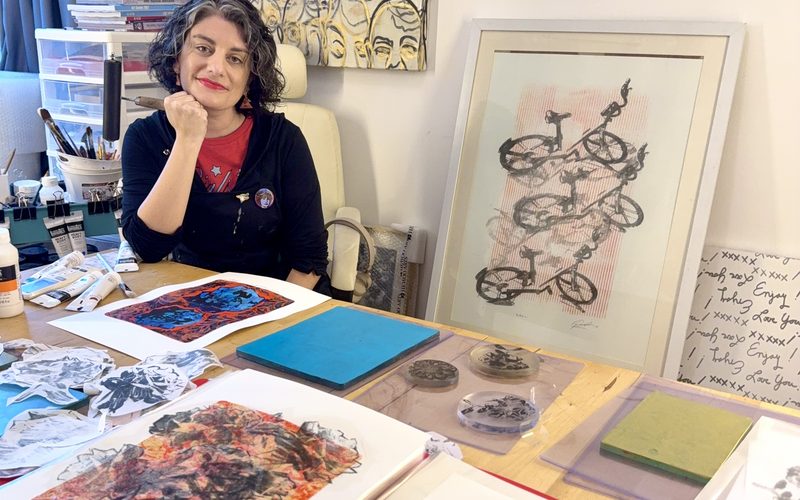
At Arts to Hearts Project, colour means something different to every artist, and the Colors Edition of our 101 Art Book series proved it, arriving in countless forms and feelings, from the bold to the subtle, the symbolic to the deeply personal. From all those visions, 101 artists were selected, and one of them is Gloria Carnevale, who brings colour to life like few others.
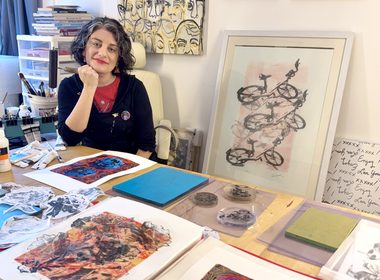
Gloria is a Canadian-Italian artist who has spent many years living and working between different cultures and places. She often says she lives between worlds, and that in-between life shapes everything she makes. With roots in Canada and Italy and more than a decade spent in Shenzhen, China, she carries a traveller’s eye and a deep curiosity into her work, which gently explores memory, identity, place, and belonging.
Her art begins with a camera. Gloria is always taking photographs, of flowers on a walk, a quiet path in Canada, a green corner of a busy city, a small Italian town, and the images she keeps coming back to become the seeds of her work.
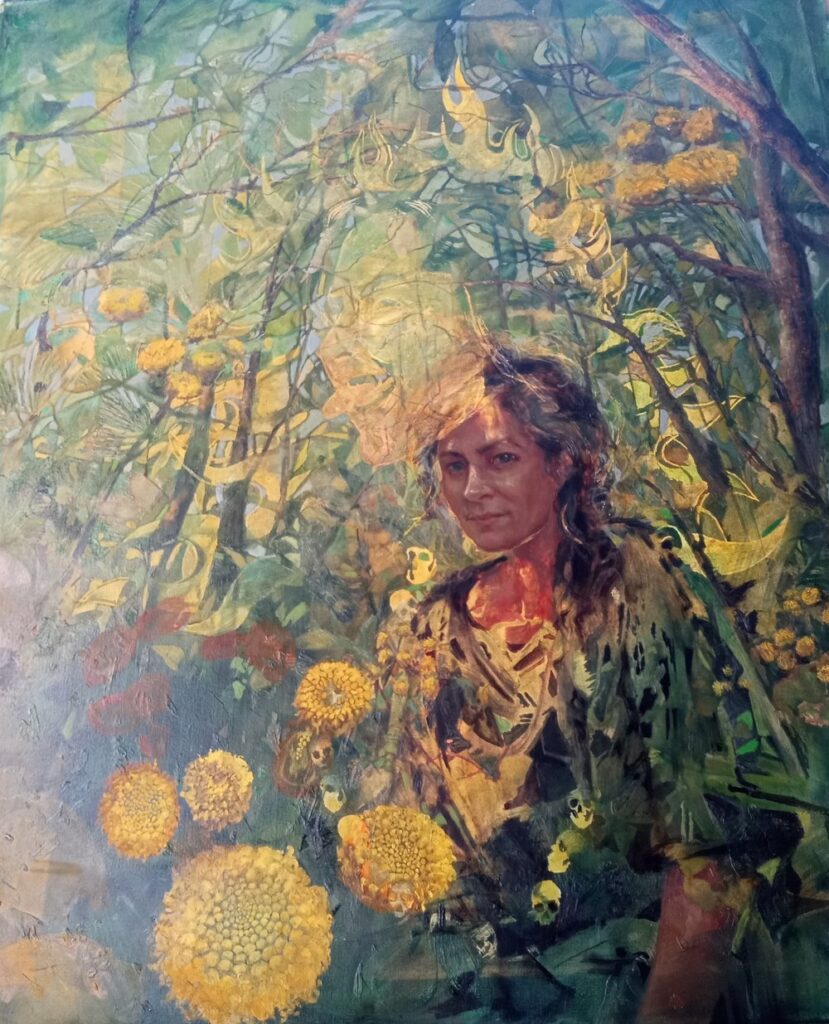
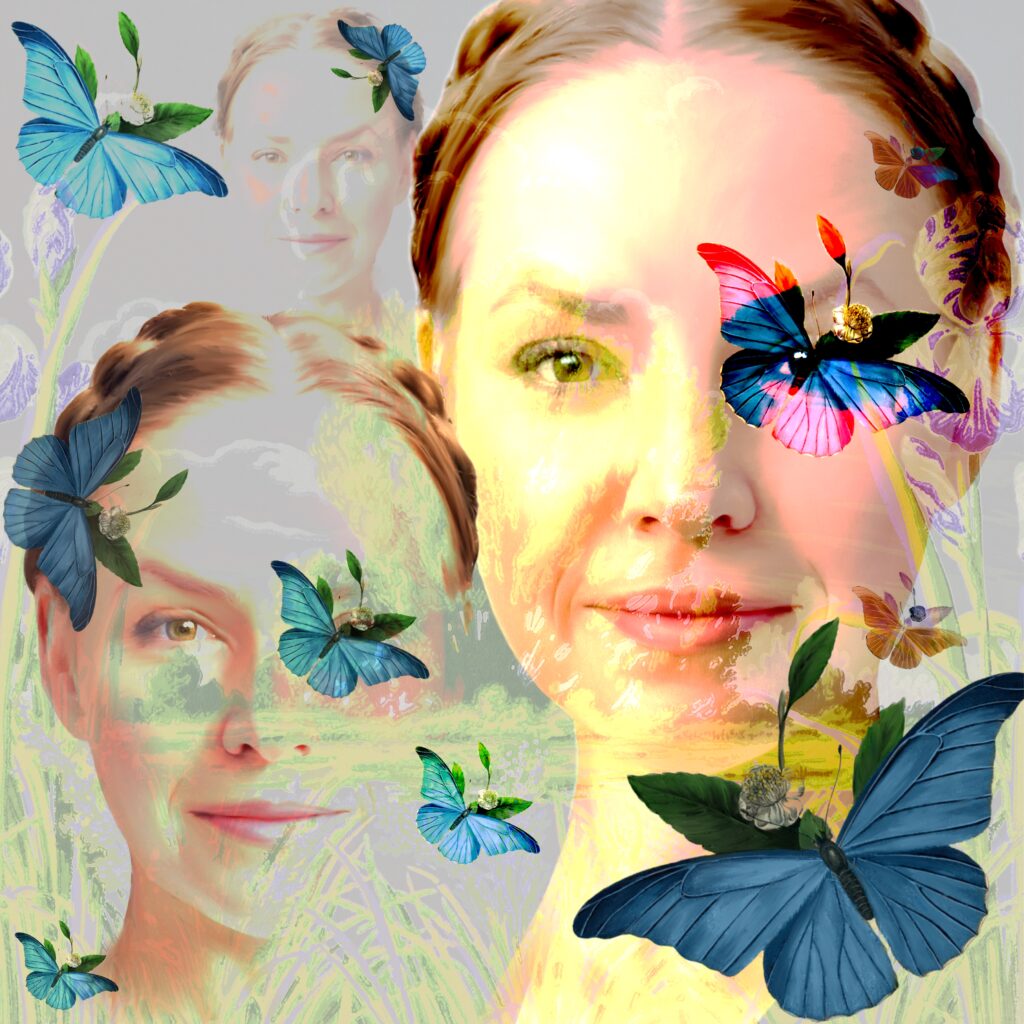
From there, she transforms them through printmaking, using monoprinting, Gelli printing, and image-transfer techniques to build up layer upon layer of colour and texture until something familiar turns into something new.
What she loves most is the unpredictability of it all. She has never been interested in perfect, identical prints; instead she experiments, takes risks, and welcomes the happy surprises that appear along the way, so that every piece becomes its own one-of-a-kind creation.
And at the very heart of it all is her love of colour. Gloria simply adores it, especially cadmium red, that warm, bold, orangey-red she has loved for years, and gold, with all its richness, shine, and sense of something precious. For her, colour is pure emotion, but it is also about what visually excites her, and sometimes a single splash of red or a touch of gold is all it takes to completely transform a piece.
Even when the story behind a work is a serious one, she finds herself drawn to colour, beauty, and the happier memories tied to it, and she loves that contrast, something deeply personal carried in work that is vibrant, energetic, and full of life.
Much of her work draws from the people and places she holds closest, old family photographs, flowers gathered on her travels, moments of beauty found even in difficult times. She returns to these treasured images again and again, transforming them through colour and print into something new, a way of holding onto memory and finding fresh meaning in it. Her deeply personal work has travelled far, reaching audiences and exhibitions around the world.
Now let’s hear from Gloria about living between worlds, the photographs that become her art, why she loves the unpredictability of printmaking, and the colours that bring her work to life.
Q1. For someone discovering your work for the first time, how would you describe your creative practice and the ideas that shape it?
I’m a Canadian-Italian artist and international educator who has spent many years living and working between different cultures and places. I often feel like I live between worlds, and that has definitely shaped who I am and how I see things. My artwork explores memory, identity, place, and belonging, often inspired by personal photographs, family memories, and everyday experiences.
I absolutely love colour! Bold colours, rich textures, and experimentation are a huge part of my creative process. I enjoy taking familiar images and transforming them into something new through printmaking. As for my place in the contemporary art world, I see myself as an artist who creates whenever I can, exhibits whenever I have the opportunity, and genuinely finds joy in the process.
Making art is something I love doing, and I’m happy to be part of the creative community in whatever way I can.
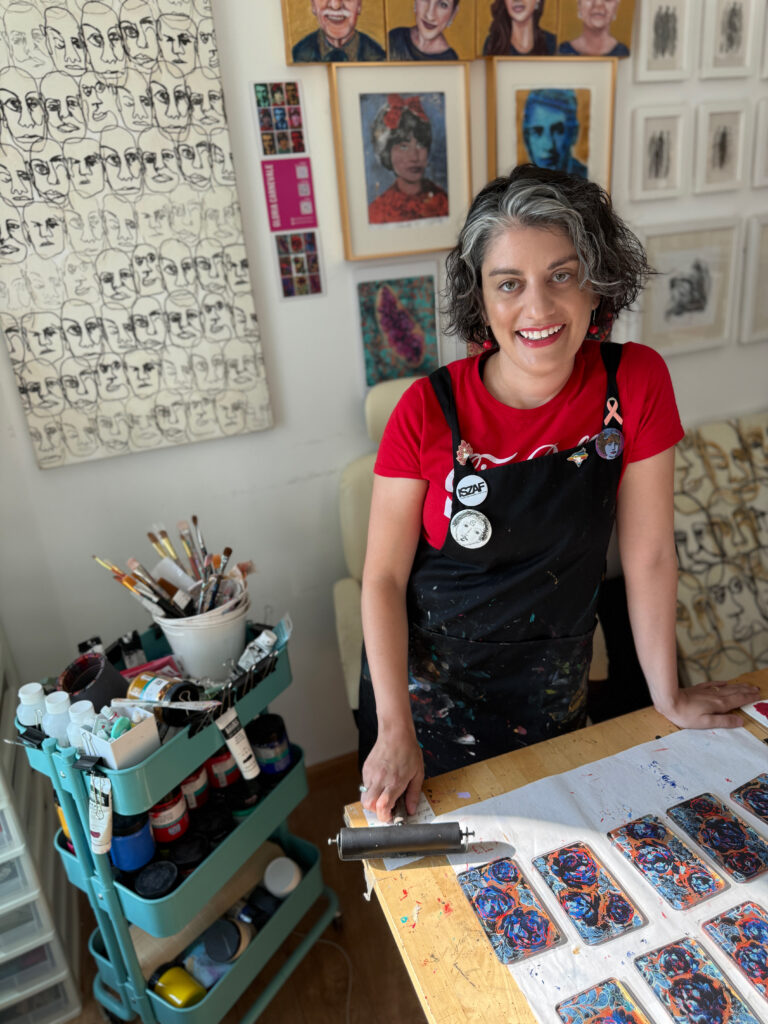
Q2. Your journey has taken you through Fine Arts, design, and education. How have these different experiences influenced the artist you are today?
I think I’m someone who just can’t do one thing! I’ve always worn many hats, and each of these fields has shaped who I am as an artist today. My Fine Arts degree gave me a strong foundation in traditional artistic skills, from drawing, printmaking, and photography to painting, sculpture, and art history. It gave me the opportunity to explore different media and develop skills that I still use today.
Moving into design gave me a more commercial perspective. I worked as a graphic and web designer for several years, which taught me how to apply my artistic skills professionally. I learned how to work with marketing teams, communicate visually, promote creative work, and develop my skills within the industry. Then came education, which taught me something completely different: how to share those skills with others, work with young people, and hopefully inspire them to discover their own creativity.
Today, I bring all three experiences into my artistic practice. I have my traditional art background, my design and marketing experience, and my passion for teaching and sharing what I know. I often say that I’m an artist who teaches, rather than a teacher who teaches art. That distinction is important to me. All these different hats have shaped how I create, share my work, and connect with others through art.
Q3. Your work often begins with photographs from everyday life. What makes an image stay with you and become an artwork?
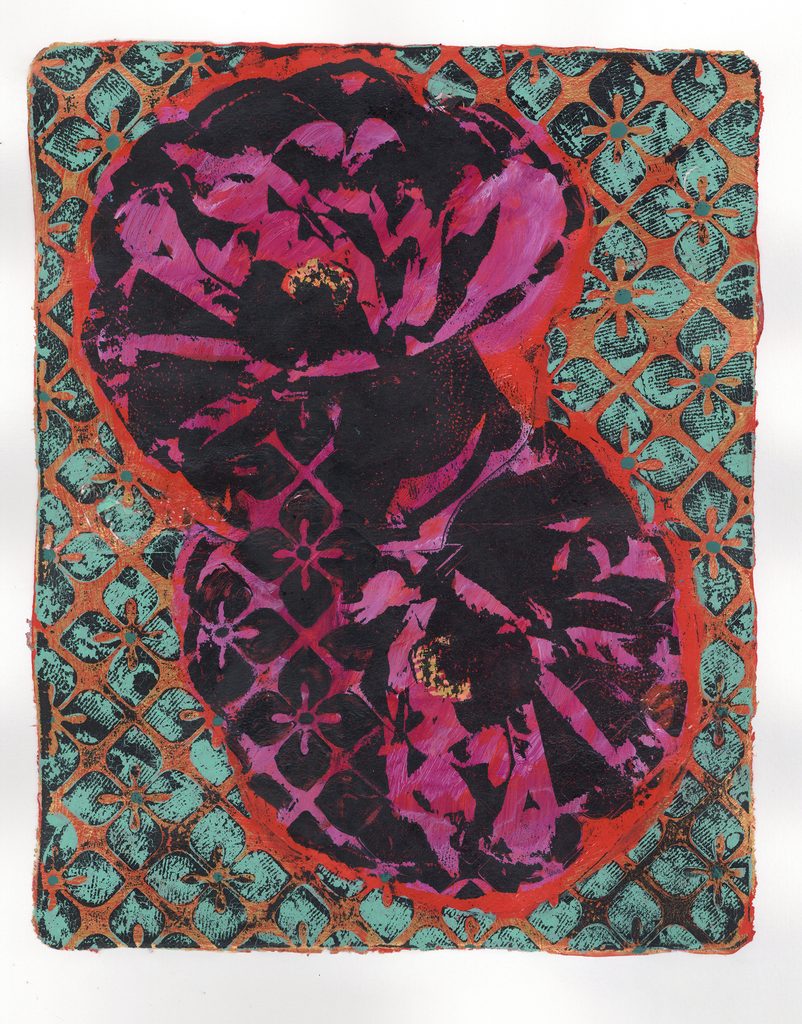
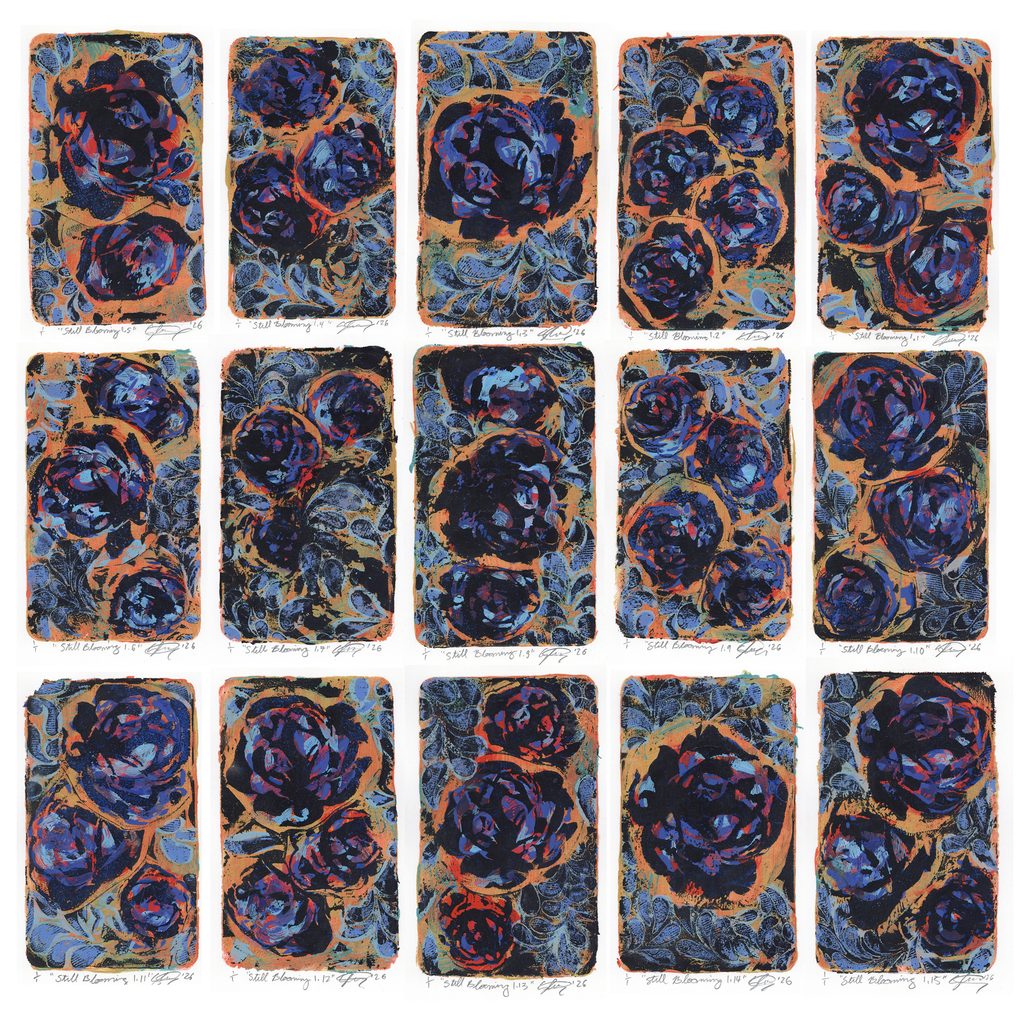
I’m always taking photographs! Whether I’m exploring Shenzhen, wandering through a small town in Italy, or enjoying the flowers on my balcony, I’m constantly capturing things that catch my eye. But the images that become artworks are the ones I keep coming back to. There’s something about them I just can’t let go of. My Floral Fragments and Still Blooming series are inspired by these everyday moments. I just really love flowers! Still Blooming is especially personal.
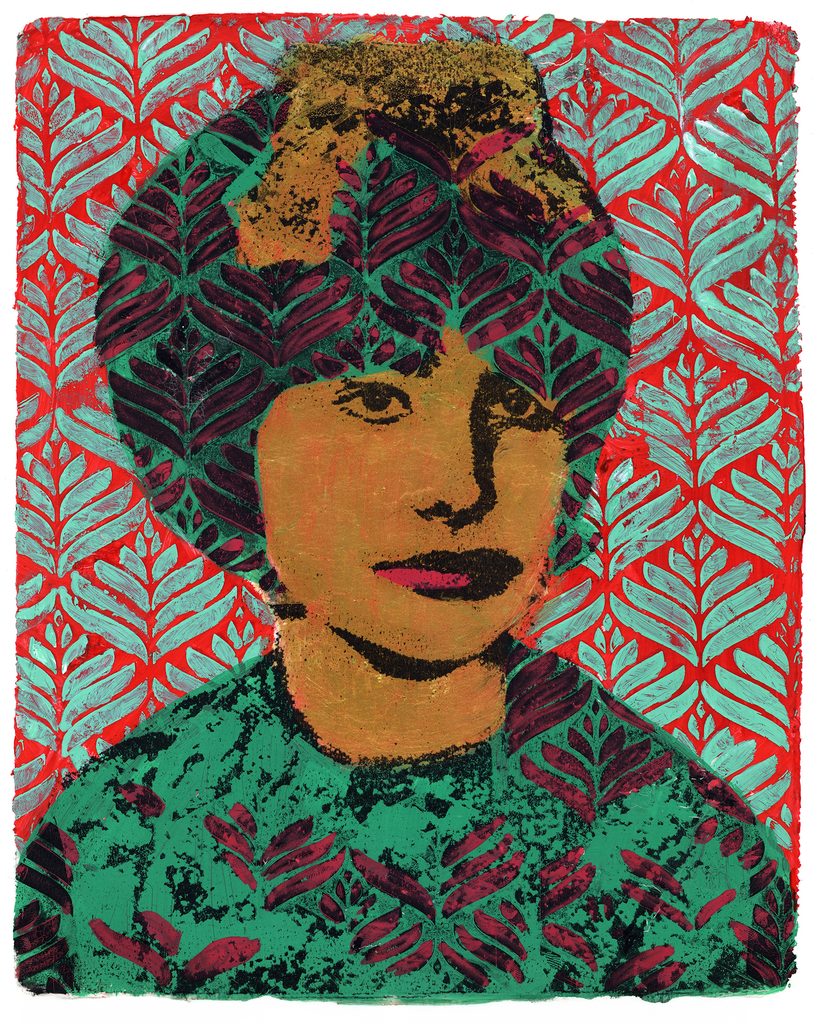
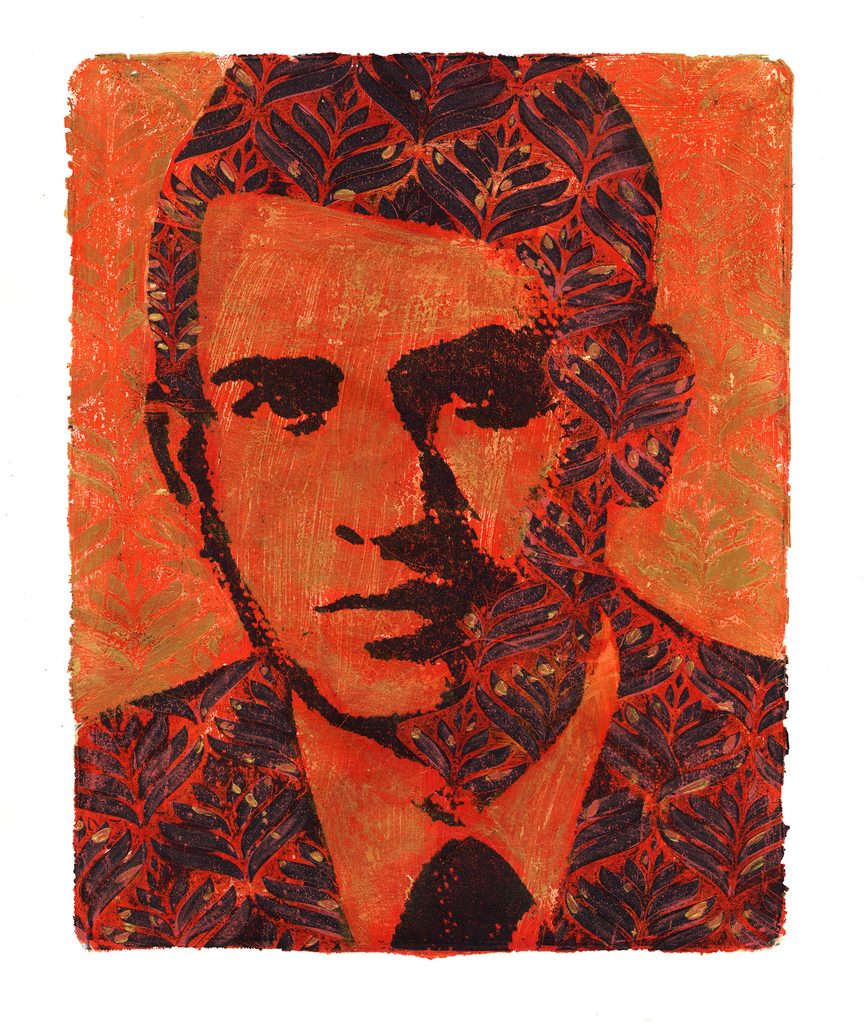
As a cancer survivor, I’ve spent a lot of time at the hospital, and the flowers in its gardens have become a reminder that even during difficult times, there’s still beauty around us. My Iconic series is different. It begins with old family photographs, particularly of my parents and grandparents.
My mom passed away in 2019, and creating prints of her helps me process that loss and reconnect with my memories of her. Every time I make her image, I feel closer to her. It’s like getting a little bit of “mom time,” which I still really need.
Her portrait has travelled the world through billboards, exhibitions, and publications, and I love thinking that she’s still out there, travelling and experiencing new places through my artwork. Ultimately, the images that stay with me are the ones I feel personally connected to. Whether it’s a flower I noticed on a walk or a photograph of someone I love, it’s about holding on to a memory or moment and finding a new way to express it through my art.
Q4. In Floral Fragments, flowers from different places reflect memory and belonging. How has moving between countries shaped your idea of home?
For me, photography is a way of documenting the places I spend time in and the little things I notice along the way.
I love going for walks, and wherever I am, I always find myself photographing flowers and nature. What’s interesting is how different these places are. In Canada, I love the quiet, nature-filled walks and peaceful paths. Shenzhen is a huge, busy city, but it’s also incredibly green, with beautiful parks and flowers everywhere.
Then there’s Italy, where we have a home in a small town, and I spend my holidays wandering around, photographing whatever catches my eye. Each place has its own atmosphere, but even though they’re so different, I’m drawn to similar things wherever I go. Through my Floral Fragments series, it’s almost like I’m collecting little pieces of each place and bringing them together through my art. Each flower reminds me of a particular place and time in my life.
Having spent so many years moving between countries, home isn’t just one place for me anymore. It’s all these places, people, and memories that have become part of who I am. When I transform these photographs into prints, I’m revisiting those memories and seeing them in a new way through colour and texture. These prints help me hold on to those connections, even when I’m somewhere else.
Q5. Your work explores themes of memory, loss, and healing while remaining colourful and playful. How do you balance these different sides?
A lot of my earlier work played with satire and humour, but my artistic practice has evolved over time. There was even a period when I stopped using colour altogether, and my work became much more serious. My current series, Iconic, Floral Fragments, and Still Blooming, explore personal themes of memory, loss, healing, and identity.
Satire isn’t really a focus in these works anymore, but there’s still a sense of playfulness in my bold colours, unexpected combinations, patterns, and experimentation. I make art to work through what I’m feeling or experiencing.
Even when I’m dealing with difficult emotions, I find myself drawn to colour, beauty, and the happier memories connected to those experiences. I still like to have fun with my work, even when the story behind it is quite serious. I enjoy that contrast.
An artwork can have a deeply personal meaning while still being colourful, energetic, and full of life.
Q6. Gold, cadmium red, and fluorescent colours play an important role in your work. What draws you to these colours?
I’ve always loved cadmium red! Red has always been my favourite colour, especially that warm, orangey-red tone. I’ve admired it for years, whether in the clothing I wear, accessories, or things I see around me. Interestingly, it wasn’t until the last several years that it really started becoming a prominent colour in my artwork.
I love its boldness and energy, especially how it peeks through the layers of my prints or adds that final splash of brightness. And gold? I love everything about it! Its richness, shine, and the sense of value it brings. Gold makes something feel special or important, and I love how it can represent something precious, like a memory or a person. I used fluorescent colours quite often in my earlier work, although I haven’t used them as much recently.
I’ve always been drawn to vibrant, energetic colours that make an impact. Colour is about emotion for me, but it’s also about what visually excites me. Sometimes a splash of cadmium red or a touch of gold is all it takes to completely transform an artwork!
Q7. Beyond selling work, what do you value most about connecting with audiences at art fairs and exhibitions?
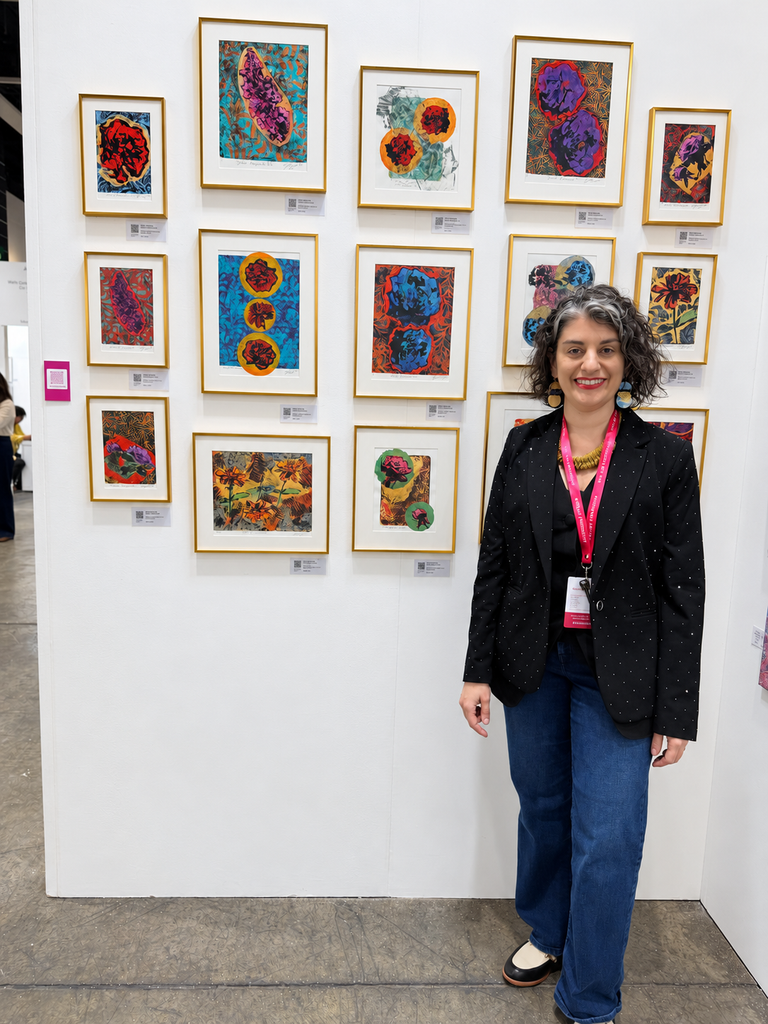
For me, art fairs are about so much more than selling artwork, networking, or gaining visibility. It’s the whole experience! There’s something exciting about being part of that atmosphere, seeing your work displayed alongside so many talented artists and galleries, and feeling like you’re part of a larger creative community.
What I really enjoy is watching people connect with art. Seeing someone stop, look at a piece, smile, or start a conversation is incredibly rewarding. They might not connect with your artwork in the way you intended, but they’ve connected with it in their own way, and that’s pretty special.
Art fairs also help you grow as an artist. You gain confidence in your work, become more comfortable talking about it, meet interesting people, and learn from other artists. Of course, sales and exposure are wonderful, but it’s the conversations, the energy, and the experience of sharing art with others that make art fairs so valuable to me.
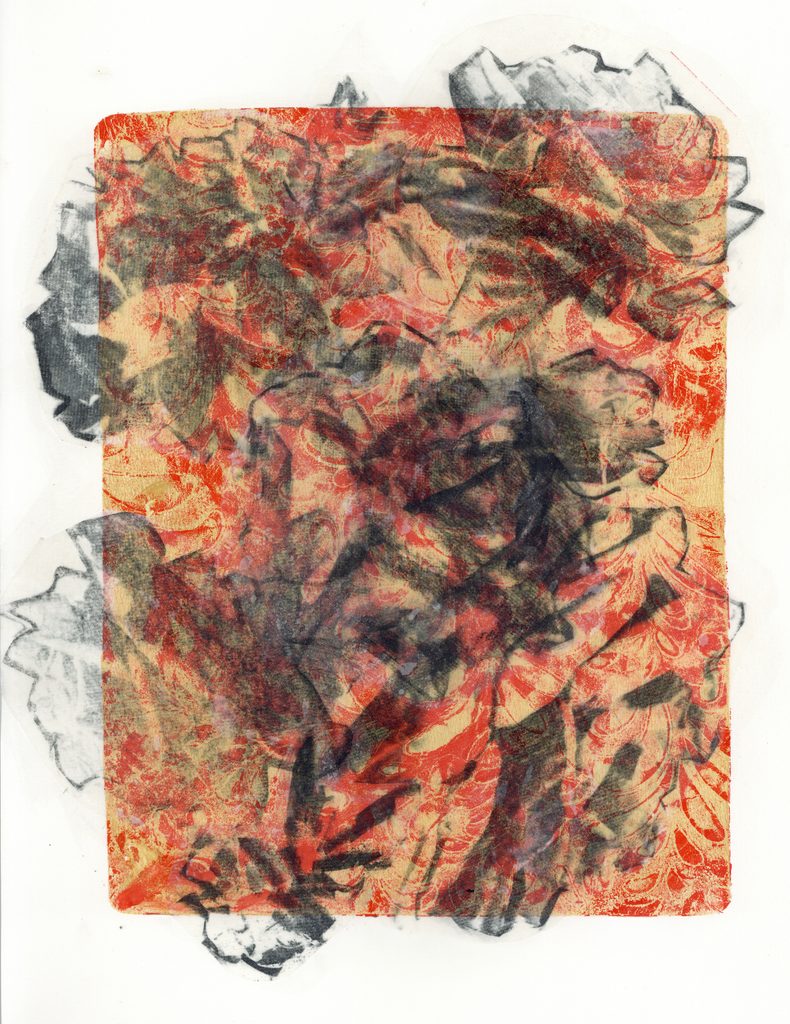
Q8. Your practice includes Gelli printing and image transfer. What do you enjoy most about working with these experimental processes?
I’ve always loved the unpredictability of printmaking. I was never interested in making perfect, identical prints.
Monoprinting allows me to experiment with colour, ink, and texture, creating unique variations of the same image. I love how it combines my passion for photography and acrylic painting through the printmaking process.
There are so many possibilities, and that’s what I adore about it! When I discovered Gelli printing, I fell in love with it pretty quickly! I enjoy the challenge of image transfers, backwards painting, and that satisfying moment when an image transfers perfectly. I usually have a general plan and a base image, but I never know exactly how a print will turn out, and that’s what makes it exciting. I also use oil of wintergreen to transfer images onto rice paper, creating transparent layers that I can build into my prints.
I love seeing how the different layers, colours, and textures interact. Sometimes they reveal unexpected details or completely change the image. It’s all about experimenting, taking risks, and embracing the unexpected. That’s what keeps me coming back to these techniques!
Q9. When viewers see your layered prints, how important is it that they recognise the original image?
Honestly, it doesn’t really matter to me if people recognise the source images. I’ve had people mistake my mom for Audrey Hepburn or Sophia Loren, and my dad for Gregory Peck. I find that interesting because people are trying to make sense of an unfamiliar image by connecting it to someone they recognise.
I create art to work through my own experiences, emotions, memories, and sometimes grief.
I start with a photograph that means something to me, but I don’t expect everyone else to see it the same way. I love that people bring their own experiences and interpretations to my work.
At an art fair, someone connected with a portrait of my mother because it reminded them of their own mom. I thought that was really special. They didn’t know her story, but they found their own personal connection. Once my artwork is out in the world, it takes on a life of its own. Someone might see something completely different from what I intended, and I love that they can still find meaning in it.
As our conversation with Gloria came to an end, we found ourselves reflecting on what a life lived between cultures can give an artist, and how rare and valuable that perspective has become.
The art world often prizes a single, fixed identity, an artist rooted in one place, one style, one easily labelled story. Gloria is a gentle reminder of how much richness lies in the opposite. With roots in Canada and Italy and years spent in China, she carries many worlds within her, and rather than choosing between them, she lets them meet, mix, and bloom in her work.
In an increasingly connected world, that kind of cross-cultural sensibility feels less like an exception and more like the future of art, proof that belonging to many places can be a gift rather than a divided loyalty, and that the most interesting work often grows in the spaces in between.
There is something quietly refreshing, too, in how she makes her art. In an age of instant, flawless, endlessly copied images, Gloria chooses the handmade and the unrepeatable, embracing the surprises and happy accidents of printmaking rather than chasing perfection.
The art world can sometimes mistake polish for value, but her practice argues otherwise. It celebrates the one-of-a-kind, the imperfect, and the human touch, the very things that no machine or filter can replicate, and in doing so, it reminds us where the real magic of art has always lived.
For art lovers and collectors, Gloria’s work brings warmth, colour, and genuine feeling into a space. Richly layered, vibrant prints that hold memory and meaning beneath their bold hues, and that reveal a little more each time you look. People connect with them in their own personal ways, finding their own stories woven into hers. To live with one of her pieces is to keep a small burst of colour, memory, and joy on your wall, and a quiet reminder that beauty can be found, and held onto, wherever we are.
Follow Gloria Carnevale through the links below and see her work for yourself.
There is still time, but not much. Submissions for Artist of the Year 2026 close on November 15, 2026.
Each year, this award sets out to do something increasingly rare: to gather a hundred artists into a single place and hold their work together, not as scattered images glimpsed and forgotten, but as a lasting record of the art of our time. One hundred artists will be selected for the hardcover collectible book, chosen alongside our Guest Curator, Jennifer Rizzo. From among them, one will be named Artist of the Year, receiving a $500 cash prize, a trophy, and a dedicated four-page feature.
The selection remains open to every kind of practice, across all mediums, subjects, and stages of a career, and to artists from anywhere in the world. What matters is the work itself, and the thinking behind it.
If you have been meaning to put your work forward, let this be the moment you do. Submit before November 15, 2026, and take your place in this year’s edition.