





The Art of Collecting – Part 09: How Provenance Builds Trust In The Art Market
When we fall in love with a work of art, it is often the first thing we notice: the colors, the details, the feeling it leaves us with, or the way it changes the atmosphere of a room. For collectors, that connection is an important part of choosing a piece to bring home. But there is another side to collecting that deserves just as much attention as the artwork itself: its history.
Who owned it before you? Was it purchased directly from the artist, exhibited in a gallery, passed down through a family, or sold at auction? Are there records to support the story you have been told about it?
These questions bring us to provenance, one of the most useful things a collector can understand before making an art purchase. It might sound like a term reserved for auction houses and established collectors, but provenance matters whether you are buying your first original painting from an emerging artist or considering a work with a long history of ownership.
Understanding where an artwork has been, and how it came to be available for sale, can help you make a more informed decision. It can also reveal a story that makes your relationship with the work even more meaningful.
What Is Provenance in Art?
In simple terms, provenance is the documented history of an artwork’s ownership and movement from its creation to the present. Depending on the work, this history may include the artist, previous owners, galleries, dealers, auction houses, exhibitions, and the circumstances in which the piece changed hands.
Imagine finding a painting at a gallery and learning that it was purchased directly from the artist ten years ago, later included in an exhibition, and is now being sold by its first collector. If records support that account, they help establish a clearer picture of the painting’s journey.
Now imagine being offered a painting described as belonging to a well-known collector, with no paperwork or other evidence to support the claim. The story might be true, but you have less information with which to assess it. That is the difference provenance can make. It helps connect an artwork to its past through evidence rather than relying entirely on what someone says about it.
It is worth remembering that provenance is not the same as authenticity. A convincing ownership history can support research into an artwork’s authenticity, but it does not prove that a work is genuine on its own. Similarly, a certificate of authenticity and a record of ownership answer different questions, and neither automatically replaces the other.
Why Does Provenance Matter When Buying Art?
1. It Helps You Make a More Informed Purchase
Buying art involves more than deciding whether you like a piece or whether it fits your budget. You are also deciding whether the information provided about it is reliable.
A documented history can help you understand where the artwork came from, who has handled it, and whether its description is consistent with the available records. For a work attributed to a particular artist, these details can be especially useful when considered alongside expert opinions, materials, signatures, and other evidence.
This does not mean every artwork needs centuries of documented ownership behind it. A contemporary painting bought directly from its maker may have a very short provenance, and that is perfectly reasonable. The important thing is that the available information makes sense for the artwork and the circumstances of its sale.
2. It Can Affect an Artwork’s Value
Provenance can influence how an artwork is understood and valued in the market. A well-documented connection to a significant collection, exhibition, or historical event may add to its interest and, in some cases, its financial value.
For example, a painting with a documented exhibition history may attract attention from collectors who value that association. A work previously owned by a notable collector may also carry additional significance, provided the connection can be substantiated.
However, provenance does not automatically make an artwork more expensive or desirable. The artist’s practice, the work’s quality, its condition, its rarity, and current market demand all matter. A famous name in an ownership record is not a substitute for evidence, and an impressive story should never be the only reason to pay a higher price.
3. It Helps Protect Against Legal and Ethical Problems
One of the most important reasons to investigate provenance is to understand whether an artwork could have been stolen, unlawfully exported, looted, or transferred without the rightful owner’s consent.
This is particularly important for older artworks, antiquities, and cultural objects that may have changed hands during periods of war, political upheaval, or colonial occupation. A gap in an object’s history during a historically significant period may warrant further investigation.
If a work turns out to have been stolen or unlawfully removed from its original context, its current possessor may face a claim for its return. Depending on the circumstances and applicable law, the buyer may also face financial losses and legal expenses.
A receipt showing that you paid for an artwork does not necessarily establish that the seller had the legal right to sell it. Provenance research helps collectors look beyond the immediate transaction and ask whether the work’s ownership history raises any concerns.
4. It Preserves the Artwork’s Story
There is also a more personal reason to care about provenance. Artworks move through people’s lives. They are bought, gifted, inherited, exhibited, and sometimes sold to make room for another chapter.
Keeping a record of these transitions preserves part of that story. For collectors who hope to pass their works on to family members, donate them, or eventually resell them, this information can be valuable long after the original purchase.
Provenance is not only about the people who owned an artwork before you. It is also about the history you are now helping to carry forward.
What Documents Should You Ask for Before Buying Art?
The paperwork you need depends on the type, age, price, and source of the artwork. There is no single document that proves everything, so it helps to understand what each record can establish.
1. Invoice or Bill of Sale
This should identify the artwork, the seller, the buyer, the purchase date, and the amount paid. Include the artist’s name, title, date, medium, dimensions, and any identifying details available.
If you are purchasing through a gallery or dealer, ask for an itemised invoice. For a private sale, a written bill of sale can record the terms of the transaction and the seller’s identity.
2. Certificate of Authenticity
A certificate of authenticity, when available, identifies a work as genuine according to the assessment of the person or organisation issuing it. It may include the artist’s name, title, date, medium, dimensions, image, signature, and identifying number.
Check who issued the certificate and whether they are qualified or authorised to authenticate that particular work. A certificate is not automatically reliable simply because it looks official. For living artists, documentation may come directly from the artist or their authorised gallery. For older or disputed works, specialist advice may be necessary.
3. Previous Ownership Records
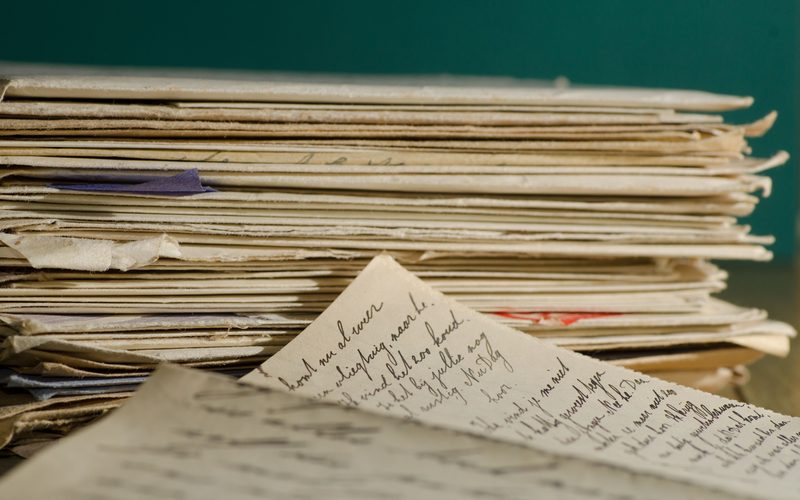
These may include earlier invoices, auction records, gallery labels, collection inventories, letters, or documents showing that an artwork belonged to a particular person or collection.
Such records help connect different stages of the artwork’s history. You do not necessarily need the original receipt from every previous owner, especially for older works, but supporting evidence can make the ownership chain more convincing.
4. Exhibition and Publication Records
If the seller says the artwork has been exhibited or published, ask for the exhibition catalogue, gallery records, book reference, or other documentation where the work appears.
These records can help establish that the artwork was documented at a particular time and may provide useful context about its history. However, an exhibition record does not, by itself, prove authenticity or legal ownership.
5. Condition Report and Restoration Records
A condition report describes the artwork’s physical state, including damage, fading, cracks, repairs, or other changes. Restoration and conservation records explain work carried out to preserve or repair it.
These documents are not provenance records in the strictest sense, but they are important parts of responsible collecting. They help you understand what you are buying, identify existing damage, and keep track of changes over time.
How to Research an Artwork’s Provenance
You do not need to be an art historian to begin researching an artwork’s past. Start with the information you already have, then look for independent sources that can support it.
Begin with the seller. Ask where the artwork came from, when they acquired it, and whether they have earlier purchase records or correspondence. If it passed through a gallery or auction house, ask whether the relevant records are available.
Compare the details. Check that the artwork’s title, dimensions, medium, date, and identifying marks match across the documents. Small differences are not necessarily evidence of a problem, particularly for older works, but they may be worth clarifying.
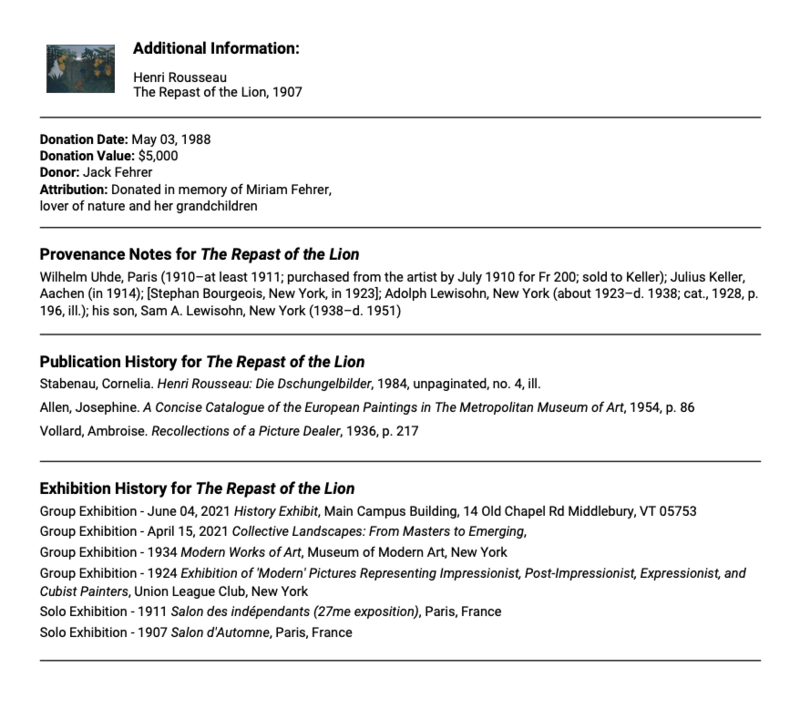
Look beyond the paperwork. Gallery archives, exhibition catalogues, published collections, auction records, and museum databases can all offer useful clues. The Getty Provenance Index, for example, provides access to historical sales catalogues, dealer stock books, and archival inventories that researchers can use to trace art ownership.
The goal is not to investigate every small purchase as though it were a major museum acquisition. It is to match the level of research to the artwork and the risks involved.
What If an Artwork Has Gaps in Its Provenance?
A missing document does not automatically mean that an artwork is suspicious. Records can be lost, private collectors may choose not to disclose their identities, and older works often have incomplete ownership histories. Even major museums continue to research works whose histories are not fully documented.
What matters is understanding which part of the history is missing and why. For example, a contemporary artwork purchased directly from the artist may have a straightforward, easily documented history. A centuries-old painting with no records for a significant period may require more careful investigation, particularly if its history overlaps with war, forced displacement, or the unlawful removal of cultural property.
Ask the seller to explain the gap and identify what evidence supports the rest of the history. Is there an old catalogue entry, a photograph showing the work in a collection, a gallery label, or correspondence that helps establish its whereabouts?
Be cautious if the seller refuses reasonable questions, offers contradictory explanations, pressures you to pay immediately, or makes extraordinary claims that cannot be substantiated. A suspiciously low price combined with an unclear ownership history deserves particular attention.
If concerns remain unresolved, it may be wiser to pause the purchase or walk away rather than accept the risk.
What Happens When Collectors Ignore Provenance?
The consequences can extend beyond buying an artwork that turns out to be different from what was advertised. Without adequate documentation, it may be harder to establish authenticity, verify a claimed association with a notable collection, or demonstrate the work’s ownership history when selling it later. Future buyers may request additional evidence, delay negotiations, or decide not to proceed.
There can also be financial consequences. If an artwork is stolen, subject to a competing ownership claim, or unlawfully traded, the current holder may face a dispute or lose the work altogether. Recovering the purchase price is not guaranteed.
And then there is the history that can be lost when nobody asks questions. Provenance research has helped museums and scholars investigate the movement of cultural objects, including works displaced during conflict. Ownership records can reveal not only who possessed an artwork, but also the circumstances in which it moved from one place to another.
For collectors, these are good reasons to approach provenance as part of responsible collecting rather than as an administrative detail to deal with after a purchase.
Collecting Art Means Caring About Its History
There is something special about bringing an artwork into your collection. You may be drawn to the artist’s use of colour, the story behind a series, or the way a particular piece makes you feel. That connection is often where collecting begins, and it should never be dismissed.
But caring about an artwork also means caring about the information that accompanies it.
Provenance gives collectors a way to look beyond the surface and understand an artwork’s journey. It can support research into authenticity, offer insight into its market history, help identify potential ownership concerns, and preserve information for the people who may own it in the future.
You do not need a perfect paper trail for every piece you collect. You do, however, deserve clear answers to reasonable questions, access to the documentation that is available, and enough information to make a confident decision.
The next time an artwork catches your eye, take a moment to ask about its history. The answer may deepen your appreciation of the work. And if it raises questions, you will be glad you asked before bringing it home.