

This Artist Is Using Mirrors to Explore the Many Versions of Herself │Patrycja Sprada

At Arts to Hearts Project, the Nature Edition of our 101 Art Book series brought us so many different ways of seeing the natural world. Some artists gave us landscapes and wildlife, and others went somewhere far less expected. Because nature isn’t only out there in forests and oceans.
It lives inside us too, in the quiet cycles of breaking, healing, and starting again that shape a life. From all of those interpretations, 101 artists were chosen. Today, we’re introducing one of them: Patrycja Sprada, a Polish artist who turns that inner nature into colour.
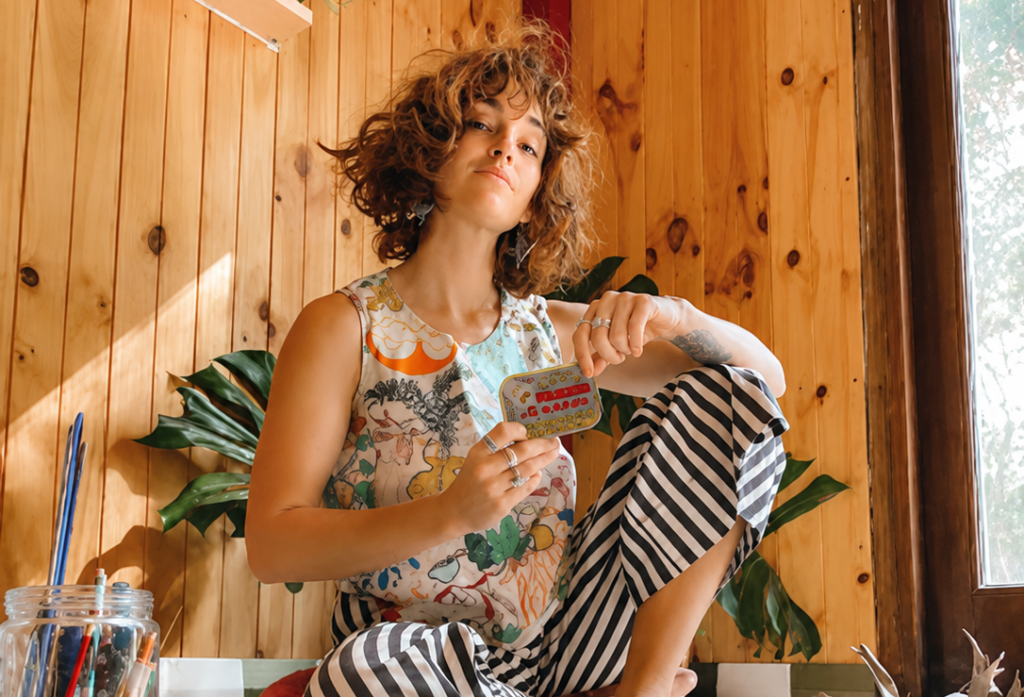
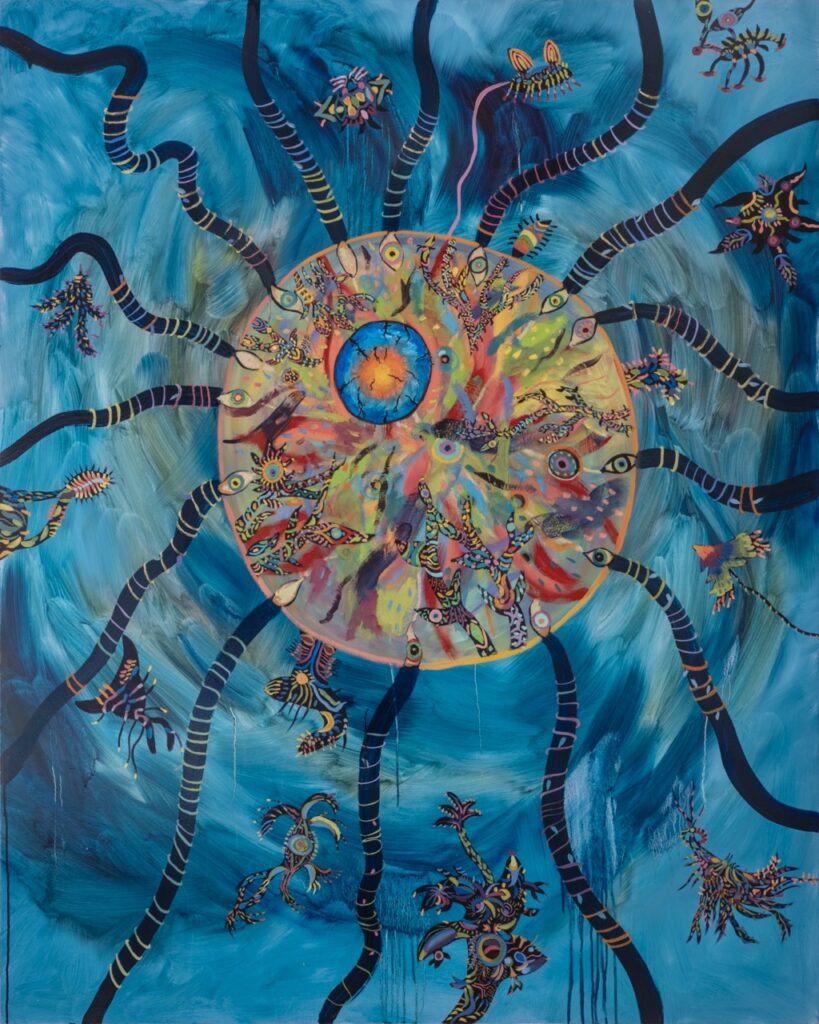
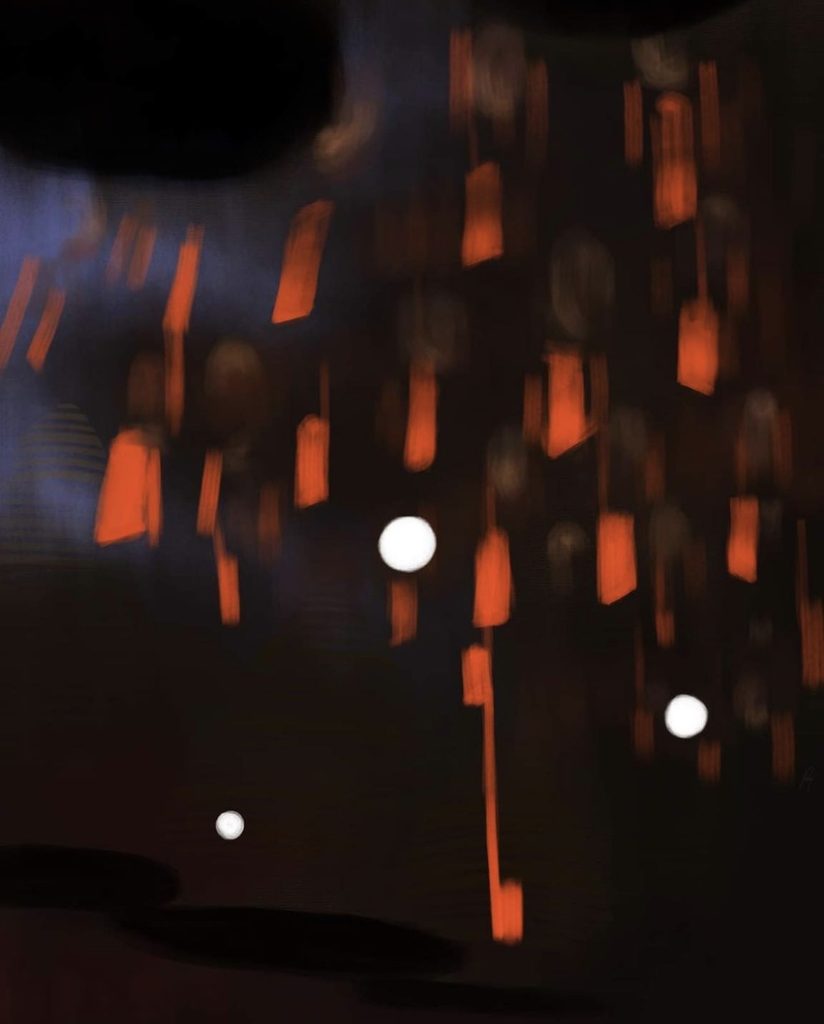
Patrycja is a trained digital artist who describes herself, simply, as someone who paints the world with colours, and she means that more literally than most. She’s a tetrachromat, which means she actually sees far more colour than the rest of us do, and she feels colour and light almost physically.

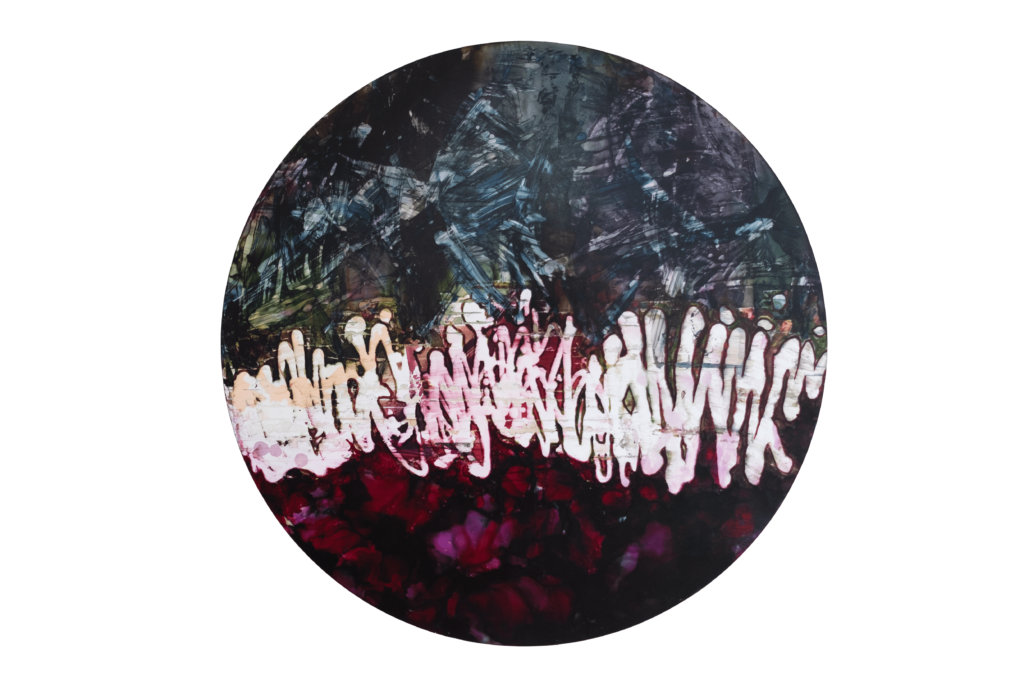
To her, colour isn’t decoration. It’s life itself, and a way of showing what’s going on inside. “Colour is who I am,” she says, and through its small shifts and combinations she can say things a straightforward, realistic painting never could.
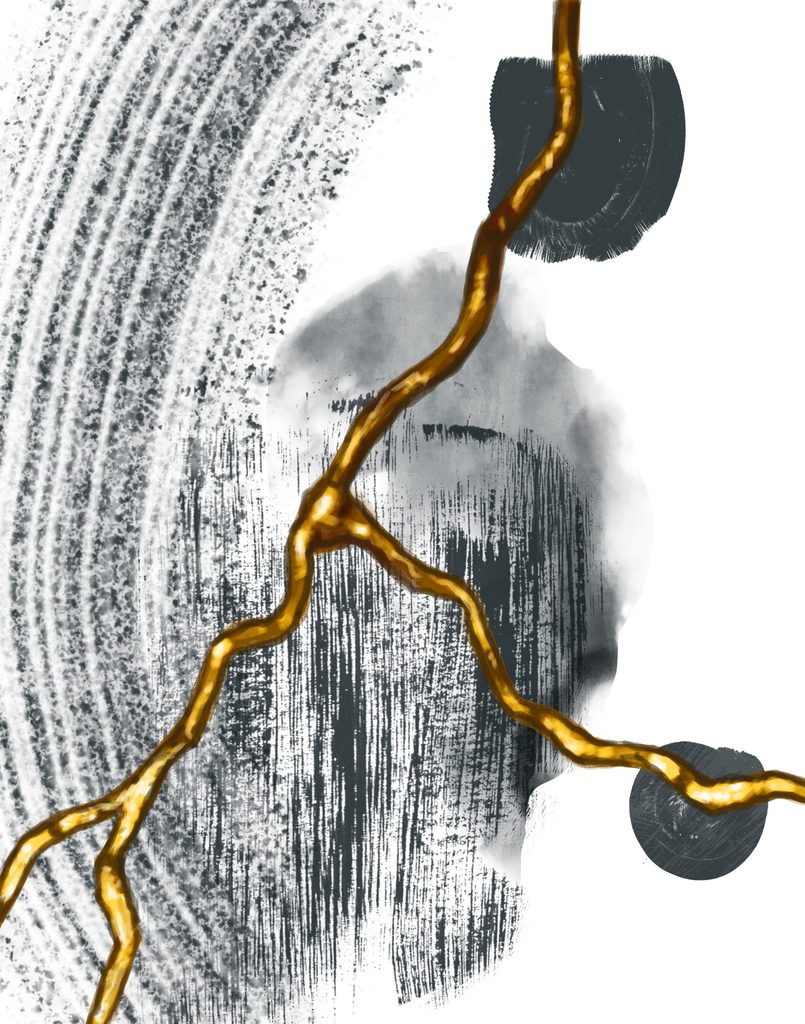
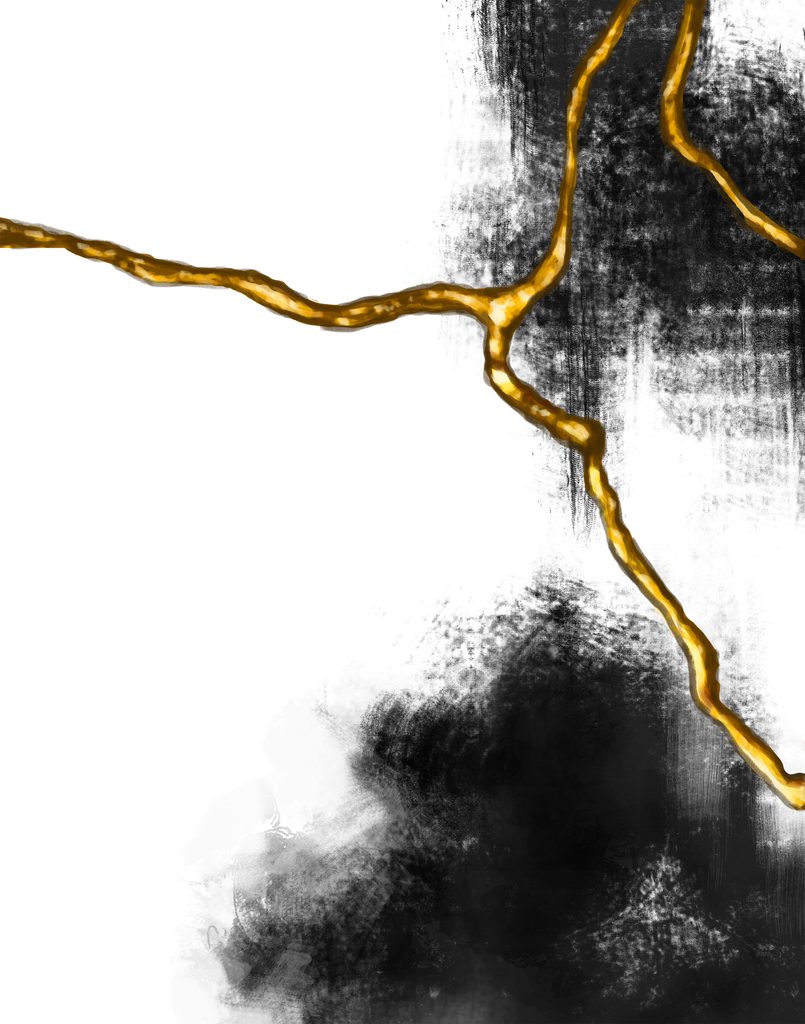
Her work is shaped, above all, by two Japanese ideas: kintsugi and wabi-sabi. Both grow out of nature’s quiet truth that nothing lasts forever, and that the cracks, the wear, and the mending are part of what makes something beautiful, not a flaw to hide.
For Patrycja, these are far more than styles. They come straight from her own life, and from a long, slow journey of healing. She gives that journey a shape and a name, so others might glimpse their own struggles in it and feel a little less alone. There’s something deeply natural in the thought, that nothing stays whole, and that what breaks and is carefully repaired can end up lovelier than it ever was.
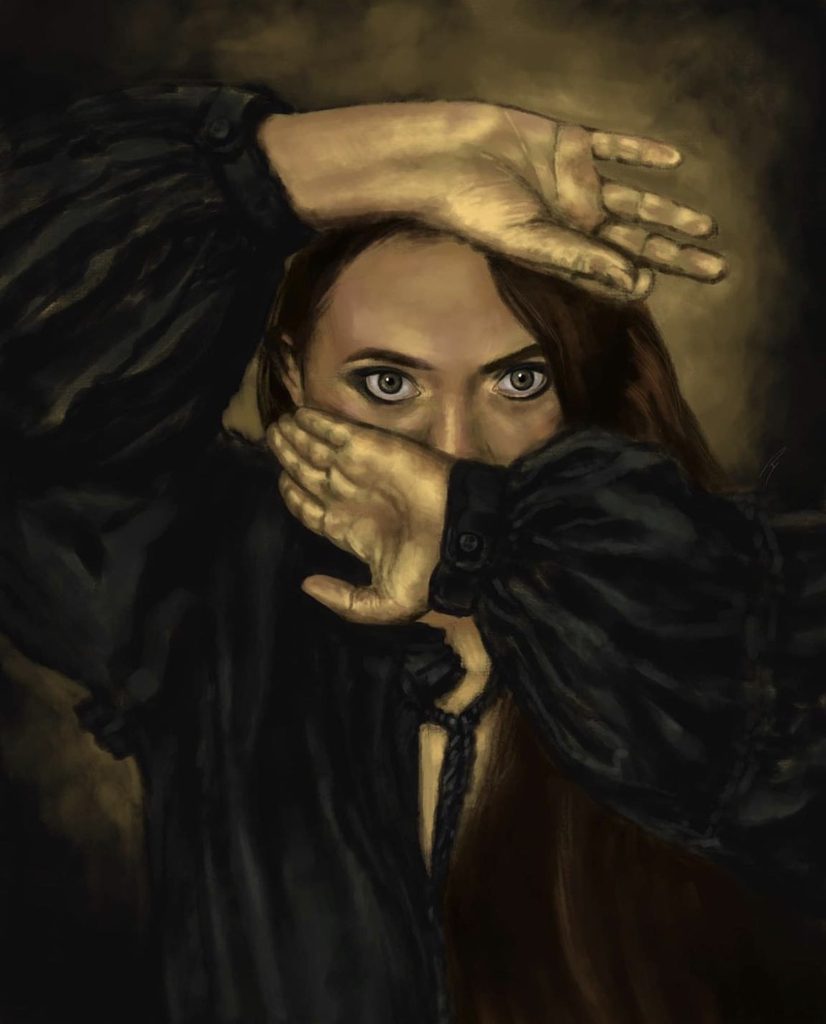
She shifts easily between digital painting, illustration, and graphic design, because in the end it all comes down to form, and each medium is simply the right tool for the moment. She’s an introvert, and over the years she has learned something that changed the way she connects with people: they don’t just want the finished image, they want to know the person and the process behind it.
Her talent has earned real recognition, and her work has found its way to people and collections well beyond her home country. What she takes from that is a lovely thought, that art can reach across cultural and spiritual lines even when someone doesn’t fully speak her language, and that in the space between different people, there is always room to build a bridge, in words and in art.
Now let’s hear from Patrycja about seeing the world in more colour than most, how kintsugi became a path to healing, why identity and form sit at the heart of all she makes, and what it finally took for an introvert to open up.
Q1. Could you take us back to the beginning of your creative journey and share what first drew you to painting?
I showed an interest in painting from childhood, and as I grew older, the urge to create intensified leading to my decision to attend an art high school and subsequently the Academy of Fine Arts.
Q2. You describe yourself as someone who “paints the world with colours.” How has colour shaped your artistic identity?
As a colorist—someone hypersensitive to both color and light, and a tetrachromat.
I view color as both life itself and a psychological dimension capable of expressing more than a painted form alone.
In short, color is who I am; through the subtleties and connections inherent within it, I can often express more than representational painting allows.
Q3. You work across digital painting, illustration, and graphic design. How do these different forms come together in your practice?
For me, it all comes together, because at the end of the day it’s all about form—the rest is merely a medium for telling a story so I choose the right tool for the job.
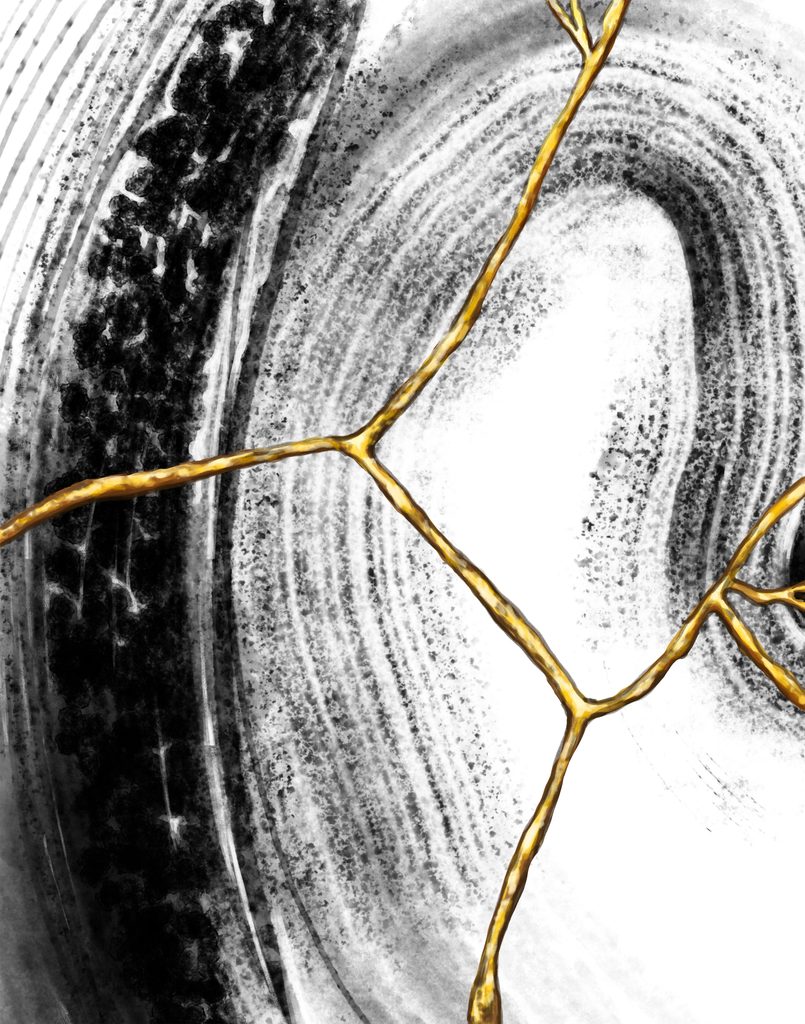
Q4. Your work explores ideas such as kintsugi and wabi-sabi, where imperfections become part of the beauty. What draws you to these concepts?
Both concepts are rooted in personal experience and the need for inner healing—a process that unfolds over years. It creates an open space for exploring various themes and mediums, but above all, it is authentic to me as an artist; it allows others to relate on a psychological level, reassuring them that they are not alone in their own inner journey. I give a name to this process and visualize it.
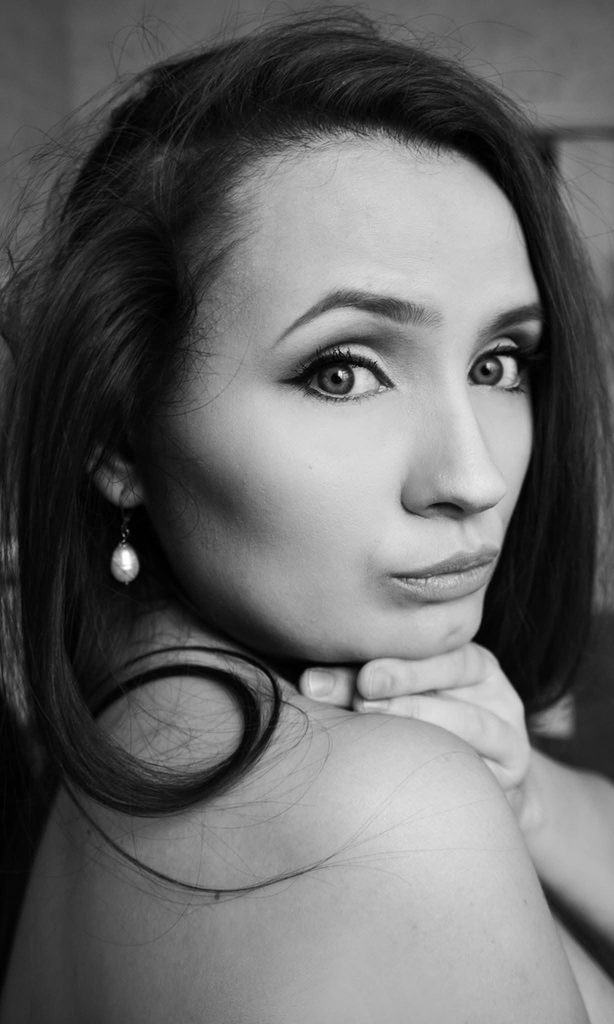
Q5. Your Mirrors series explores alter ego, emotions, dreams, and memories. What led you to explore these themes through imagery?
Much like the concept of *kintsugi*, I delve deeper into my soul and psyche in search of answers asking who I am and what my path is—while analysing memories and dreams and striving to define and name my alter ego. All paths lead to self-definition.
Q6. Meanings of the Chair received the Grand Prix for the best diploma. What did this project reveal about your artistic voice?
I have learned—or rather, come to understand—that my thinking about painting and form extends beyond the rigid confines of defining and rationalizing what painting is; instead, it becomes an internal, intimate language through which I assign meaning—sometimes in a subtle or even convoluted way. But perhaps that is simply who I am: ambiguous.
Q7. Your work has reached international audiences and collections. What has this experience taught you about how art connects people?
This experience showed me that painting transcends spiritual or cultural divides when it finds fertile ground—even if the viewer does not fully share my formal or spiritual language. In this space of difference, I see room for growth for both parties and the opportunity to build a bridge of communication, both verbal and through art.
Q8. You share your work online as well as the process behind it. What have you learned about presenting and selling digital art?
The key takeaway is that when operating in the public online space, the audience wants to know who I am and what the creative process looks like—rather than just seeing the finished project. I used to think sharing this was too intimate or even uninteresting, but it is precisely this that fosters closeness and builds an intimate connection with the audience.
Q9. What part of your creative journey are you most proud of, and what still feels unfinished?
I am most proud of the fact that, as an introvert, I have opened up to sharing my work and am increasingly opening up about who I am and what my creative process looks like.
That is precisely what feels open-ended and unfinished for me—I don’t know what the next step is, but I want to keep moving forward.
Q10. Your work moves between colour, photography, design, painting, dreams, and memories. What connects these different parts of your practice?
Identity and form. For me, the two merge into one. This is my core—where everything begins; the rest are merely the tools and media I use to express what I need to.
As our conversation with Patrycja came to a close, we found ourselves thinking about how much of today’s art world is built on showing only the polished, finished surface, and how rare it is for an artist to let you see everything underneath.
Patrycja does the opposite, and it feels quietly radical. So much of the art world now runs on the flawless final image, the perfectly lit post, the sense that the work simply appeared, fully formed. Patrycja refuses that. Working from kintsugi, the art of mending what is broken with gold, she makes the cracks and the repair part of the picture, and she has learned to share not just the finished piece but the messy, personal process behind it.
We think she is onto something the art world often forgets: that people don’t only want perfection, they want honesty. The audiences who connect most deeply with an artist are usually the ones who are let in, not kept at a polished distance.
There is something timely in it, too. We are living in an age when a flawless image can be generated in seconds, when perfection has never been cheaper or easier to fake. In that world, Patrycja’s willingness to show the imperfect, the human, and the healing becomes its own kind of value.
The hand, the story, the honesty behind a piece are exactly the things a machine cannot replicate, and the more artificial and seamless everything becomes, the more those human cracks start to matter.
For art lovers and collectors, Patrycja’s work brings a rare richness of colour and feeling into a room. Luminous, deeply personal pieces, alive with a colour sense very few people have, that carry real emotion beneath their beauty. People often see their own stories somewhere inside them. To live with one of her works is to keep a quiet reminder close by, that imperfection is nothing to hide, and that what has been broken and lovingly repaired can become the most beautiful thing of all.
Follow Patrycja Sprada through the links below and see her work for yourself.
Our most-awaited call of the year is back, and we could not be more excited to share it. The Artist of the Year Award 2026 is now live and open for submissions.
This is the big one, the moment we wait for all year. One artist. A global stage. A year-defining title that could change everything. And it could be you.
We are searching for the boldest, bravest, most unmistakably original work out there, from artists who pour themselves into what they make and refuse to blend in. Painter, photographer, sculptor, illustrator, maker of things that don’t even have a name yet, this is your invitation. Medium doesn’t matter. Where you are doesn’t matter. How far along you are doesn’t matter. What matters is a voice that is entirely your own.
Every artist we have ever celebrated started exactly where you are now, staring at the submit button, wondering “what if.” This is your what if. Take it.