

The Art Of Collecting — Part 07: A Guide To Buying Art Directly From Artists
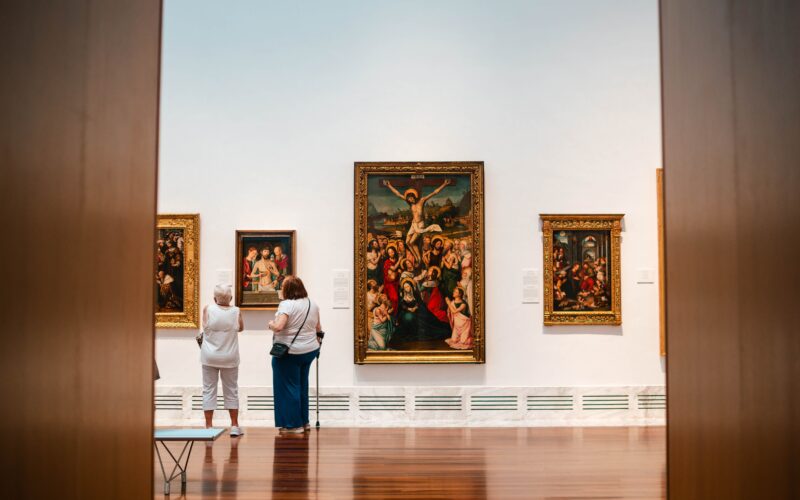
Have you ever found an artwork online that you kept going back to, wondering what it would feel like to actually have it in your home?
Maybe you discovered the artist through Instagram, came across their work at an exhibition, or simply stumbled upon a painting that stayed in your mind long after you first saw it. When you love a piece enough to consider buying it, the next step can feel a little unfamiliar, especially if you are purchasing directly from the artist for the first time.
How do you ask about the price? What should you know about the artwork? Should you ask for a certificate of authenticity? How does shipping work, and what happens if something goes wrong along the way?
Buying directly from an artist can be one of the most personal ways to start or grow a collection. You are not only bringing an artwork home, but also supporting the person who made it and, often, getting to know a little more about the story and process behind it.
The process does not have to be complicated. With a few thoughtful questions and some basic preparation, buying directly from an artist can be a wonderful experience for both the collector and the artist.
Start With The Work, Not The Investment
The easiest way to begin collecting is also one of the most important: buy something because you genuinely want to live with it.
Especially when you are buying directly from an emerging or independent artist, there may not be years of auction records or an established secondary market to study. That does not make the work less worthy of collecting. It simply means that your relationship with the artwork matters even more.
Spend some time looking at it. What keeps drawing you back to it? Do you like the colours, subject, texture, scale or technique? Does it remind you of something? Can you imagine seeing it on your wall every day without getting tired of it?
You can certainly research an artist’s exhibitions, publications, collections and career, but try not to let the investment question completely take over the experience of collecting. For a first purchase especially, buying something you genuinely connect with can be much more rewarding than trying to predict what might become valuable years from now.
Find Out Who You Are Buying From
When you discover an artist online, take a little time to look beyond the individual artwork. Visit their website or professional social media account. Look at their previous work, exhibitions, artist statement and biography. If they have been represented by galleries, participated in exhibitions, or had their work published, those details can help you understand their practice.
This is not about deciding whether an artist is “important enough” to buy. It is simply about knowing who you are purchasing from. It is also worth checking that the person selling the work is actually the artist or an authorised representative. If you are communicating through social media, make sure the account is genuine before sending money.
A quick conversation can tell you a lot. Ask about the work, where it was made, what materials were used and whether it is part of a particular series. Artists are often very happy to talk about their work, and this can make the purchase feel much more meaningful.
Ask The Questions You Need To Ask
Do not be afraid to ask questions before committing to a purchase. You do not need to sound like an art expert. In fact, one of the best things a new collector can do is simply be clear about what they do not know.
You might ask:
- What are the dimensions of the artwork?
- What materials and techniques were used?
- Is it an original work or a print?
- Is it framed?
- When was it made?
- Has it been exhibited before?
- Is it signed?
- Is it part of a series?
- How will it be packaged?
- How much will shipping cost?
- How long will delivery take?
- Will I receive an invoice or receipt?
- Is there a certificate of authenticity?
- What happens if the work is damaged during shipping?
These questions become particularly important when you are buying online, because you cannot physically examine the work beforehand.
If possible, ask for photographs or videos showing the artwork from different angles and, for paintings, close-ups of the surface and texture. If colour is especially important to your decision, remember that it can look different across screens.
Understand Exactly What You Are Buying
“Original artwork” can mean different things depending on the artist and medium, so make sure you understand the edition or format.
A painting, for example, may be a unique original. A photograph or print might be part of a limited edition. A work may also be sold as an open edition, where there is no fixed number of copies. If you are buying a print, ask about the edition size and which number you are receiving. You may also want to know whether it is signed and numbered by the artist.
For photographs and prints, details such as the printing process, paper and dimensions can be useful to keep in your records. It is also worth checking whether the stated dimensions include the frame. A piece listed as 24 × 36 inches can have a very different footprint once a substantial frame is added. These details sound small, but they matter once you are actually trying to hang the work in your home.
Talk About The Price Openly
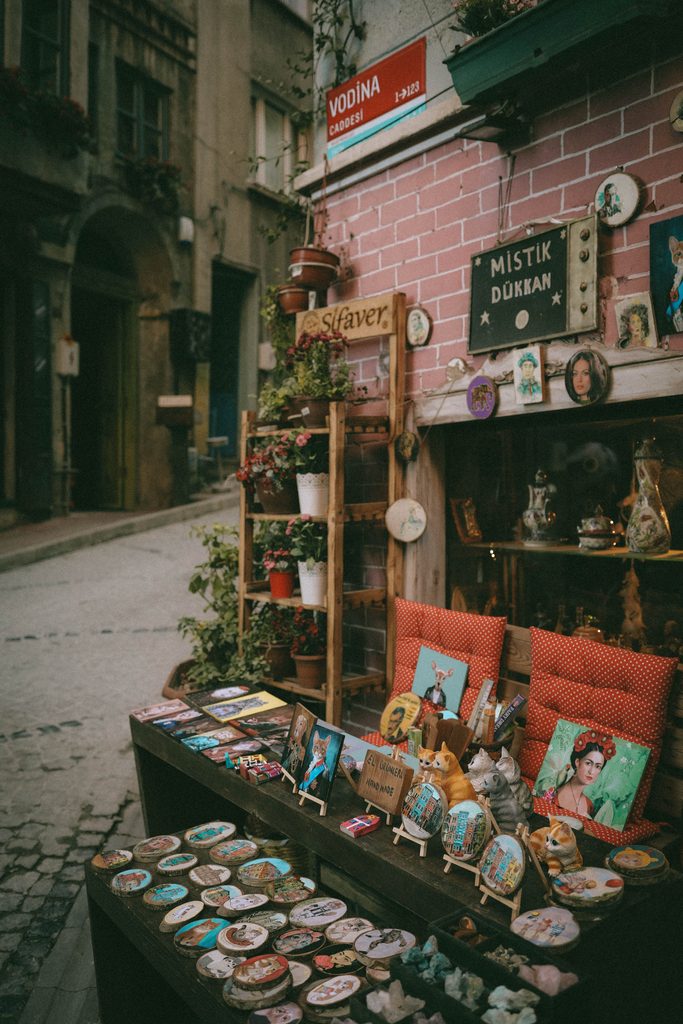
For many new collectors, asking an artist how much their work costs can feel awkward. It really should not. If the price is not listed, a simple message asking for the price is perfectly reasonable. Artists are accustomed to discussing their work with potential buyers, and you do not need to apologise for asking.
If the artwork is outside your budget, you can say so politely. Sometimes an artist may have smaller works available, works on paper, prints or other pieces at different price points. You can also ask whether payment plans are available, although this is entirely at the artist’s discretion.
What you should avoid is treating the artist as though you are bargaining at a flea market. There is nothing wrong with asking whether there is flexibility, particularly for a serious purchase, but remember that the price reflects more than the physical materials.
It can include the artist’s time, labour, experience, studio costs, framing, exhibitions and years of developing their practice. A direct purchase can be a wonderful way to support that practice.
Ask About The Paperwork
Paperwork may sound much less exciting than the artwork itself, but future-you will be glad you kept it. At minimum, ask for an invoice or receipt that records the artist’s name, the title of the work, date, medium, dimensions and purchase price. Keep a copy somewhere safe.
If the artist provides a Certificate of Authenticity, keep that too. A Certificate of Authenticity can document that the work is genuine and may include details such as the artwork’s title, date, medium, dimensions, edition information and the artist’s signature. Not every artist issues one, and the absence of a certificate does not automatically mean a work is inauthentic.
An invoice and other records can also help establish the history of a purchase. If the artist has exhibited the work before, you can also keep exhibition catalogues, photographs, press coverage or other documentation connected to the piece. Think of this as creating a small file for your artwork.
What About Provenance?
You will often hear the word provenance when talking about collecting. Simply put, provenance is the documented history of an artwork’s ownership. For an established artwork that has changed hands several times, this history can become an important part of its story and can help support questions around authenticity and ownership.
When you buy directly from the artist, the provenance is wonderfully straightforward: you are buying it from the person who made it. Still, keep your original invoice and any correspondence relating to the purchase.
If the artist later exhibits the work, sells work through a gallery, or the piece eventually passes to another collector, these records can become useful. You are essentially starting the artwork’s collection history.
Do Not Forget Shipping
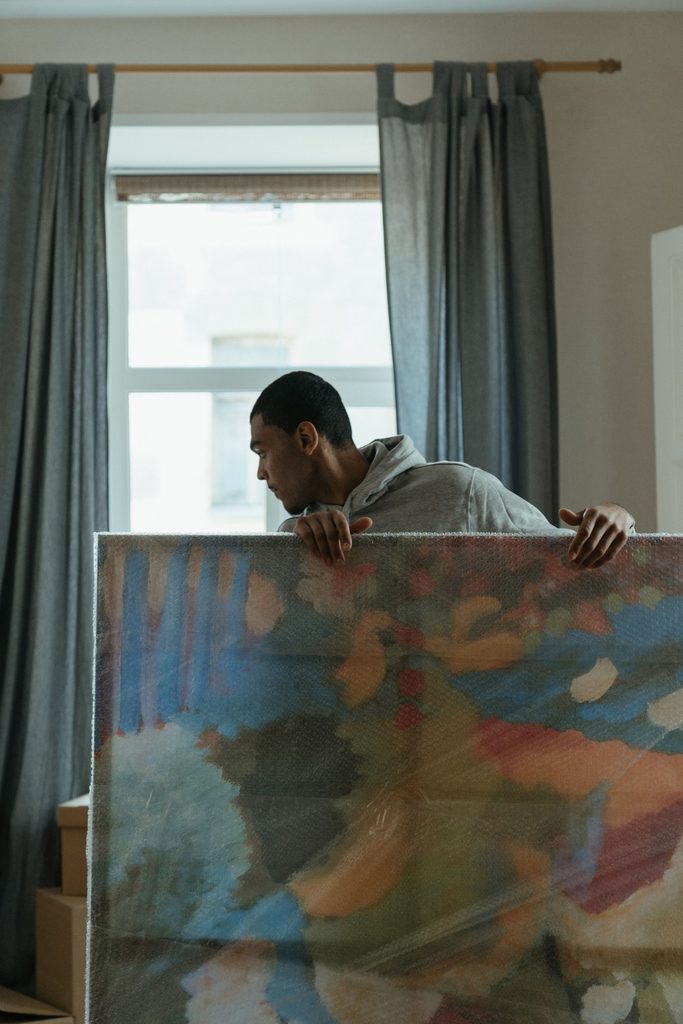
This is one of those things that is easy to overlook when you have fallen in love with a piece. The artwork’s price is not necessarily the final amount you will pay. Ask whether shipping is included and, if it is not, request the shipping cost before completing the purchase. For larger or fragile works, professional packing can be a significant expense.
International purchases can also involve customs duties, taxes, insurance and other import costs depending on the countries involved. Ask how the work will be packaged and whether it will be insured during transit. If it arrives damaged, photographs of the packaging and artwork can be useful when documenting what happened.
For international purchases, it is also worth discussing who is responsible for customs arrangements and any additional charges before the artwork leaves the artist’s studio. A beautiful artwork is much less beautiful when it arrives with an unexpected bill attached to it.
Think About Where The Artwork Will Live
Before buying, measure your wall. It sounds obvious, but it is one of the most common things collectors forget when they fall in love with a work online.
Think about the size of the room, the surrounding furniture, the lighting and how the artwork will actually be seen. A large painting that looks perfect on your phone may feel completely different when it arrives.
For works on paper, photographs, textiles and other sensitive materials, ask whether the artist has specific recommendations for display. Direct sunlight, humidity and unsuitable framing can affect certain artworks over time. You do not need to turn your home into a museum. You simply want to make sure you are giving the work a suitable environment.
Keep A Record Of Your Collection
Once the artwork arrives, do not immediately throw all the paperwork into a drawer and forget about it. Create a simple record for every piece you own. You can note the artist, title, year, medium, dimensions, purchase date, price, seller, edition number if applicable, and any exhibition or publication history. Keep photographs of the artwork and copies of the invoice, certificate and shipping documentation.
This becomes increasingly useful as your collection grows. If you ever move house, insure your collection, lend a work for an exhibition, donate it or decide to sell it in the future, having these details already organised can save you a lot of time.
Buying Directly Can Be A Relationship Too
Perhaps the nicest part of buying directly from an artist is that the transaction does not have to end when the payment goes through. You may follow their work for years afterwards. You might discover a new series, visit an exhibition, recommend their work to a friend, or eventually add another piece to your collection.
That relationship can be meaningful for the artist, too. Independent artists often have to manage many parts of their practice themselves, from making the work to photographing it, promoting it, packing it and communicating with collectors.
A collector who takes the time to ask thoughtful questions, understand the work and care for it properly is doing more than purchasing an object. They are helping an artist continue making it.
A Simple Checklist Before You Pay
If you have found a work you love and are ready to make the purchase, take a final moment to check:
Artwork: Do you know exactly what you are buying, including the medium, dimensions, edition and framing?
Artist: Have you looked into the artist and confirmed that you are dealing with the genuine artist or an authorised representative?
Price: Do you know the complete cost, including framing, shipping, insurance and any applicable taxes or customs charges?
Documentation: Will you receive an invoice or receipt, and is a Certificate of Authenticity available?
Condition: Have you seen enough photographs or information to understand the condition of the work?
Shipping: Do you know how it will be packed, insured and delivered?
Records: Have you saved your correspondence, invoice, certificate, photographs and other documentation?
If you can answer these questions comfortably, you are in a much better position to go ahead.
Collecting Can Start With One Conversation
You do not need a huge budget, an impressive art-history vocabulary or a wall covered in famous names to call yourself a collector. Sometimes it begins very simply. You see something you love. You find the artist. You ask a few questions. You learn the story behind the work, make sure the practical details are in order, and eventually bring it home.
Buying directly from an artist can make that first step feel especially personal. You get to know the work at its source, while your purchase directly supports the person continuing to make it.
And perhaps that is one of the most rewarding things about collecting art: the collection does not have to begin with a search for the “right” investment. It can begin with something that makes you stop, look twice, and think, I want to live with this.
Editor’s Note
Only 2 days left to apply to Arts to Hearts Magazine Issue 15: Where I Am.
If you have been meaning to submit your work, consider this your little reminder to make the leap. This open call is an invitation to share the places, experiences, memories, and perspectives that have shaped where you are today.
The deadline is October 9, 2026, so there is still a little time to put your work together and send it our way.
We would love to see what Where I Am means to you.